

05 Aug Everything You Need to Know About Capsule Houses in the United States
Table of Contents
You may ask what a Capsule House is. It is a small living space. It is built to be efficient and comfortable. Capsule Houses are found in the United States now. People pick them because they are small and cost less. They are also good for the environment. If you want to save space and live simply, a Capsule House may be right for you.
Key Takeaways
Capsule Houses are small homes. They are between 401 and 500 square feet. They save space and energy. They are still comfortable to live in.
They use strong and eco-friendly materials. They have smart systems. These help lower energy bills. They also help the environment.
You can install them quickly. It often takes just a few days. Many models can move to new places. You can change them to fit your needs.
Capsule Houses cost less than regular homes and hotels. Prices start at $3,000. This makes them a cheap housing choice.
These homes are good for solo travelers and minimalists. They are also good for people who want a simple, modern life. You get privacy and smart technology.
Capsule House Basics
What Is a Capsule House?
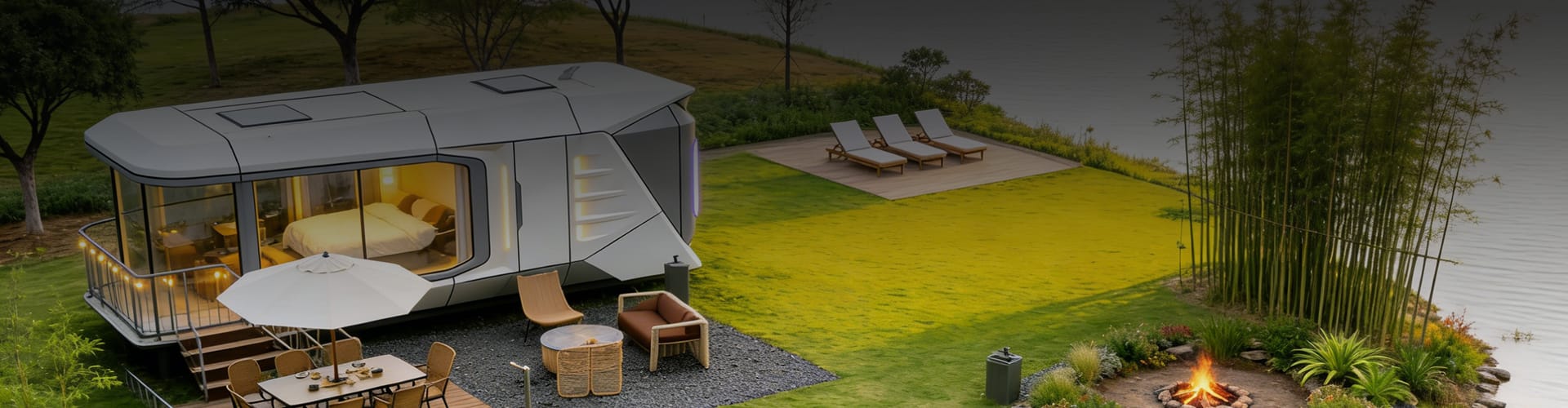
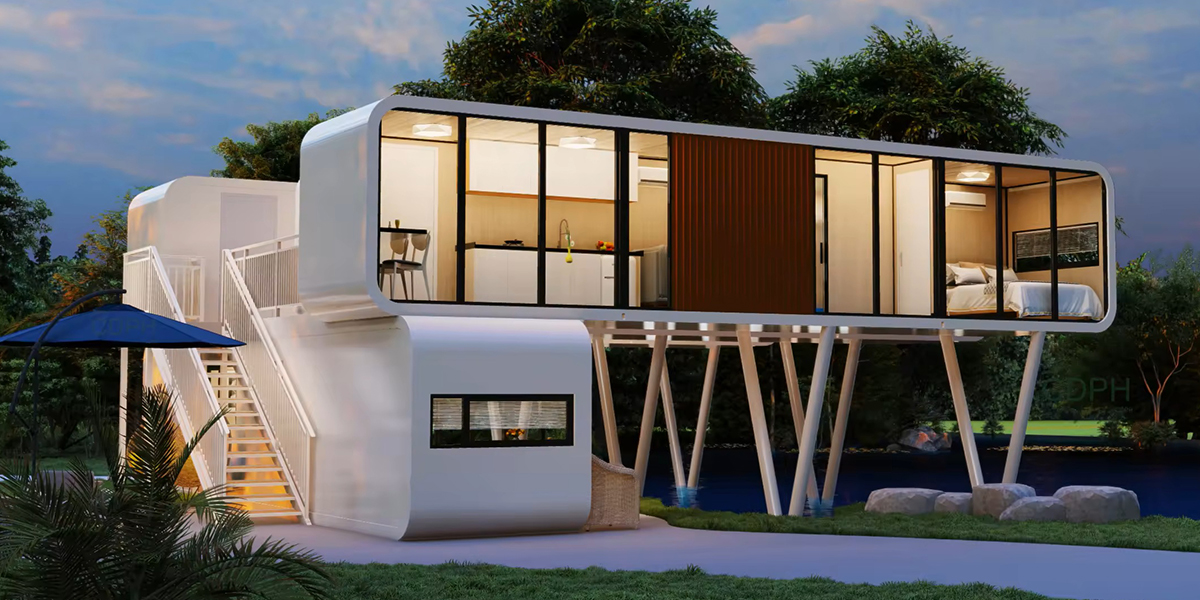
A Capsule House is a small home made for comfort and saving space. These homes are usually between 401 and 500 square feet. Most Capsule Houses in the United States use a modular design. This lets you change the space to fit what you want. Companies like Luxmedium make Vessel Homes that follow building rules and world standards. These homes come almost ready to use. You can move in just a few hours after they arrive. The design uses every bit of space, so you get a living area that feels open and useful.
Tip: Capsule Houses often have smart home systems and big windows. These features help small spaces feel bigger and brighter.
Here is a quick look at the usual size and features:
Dimension | Specification |
|---|---|
Length | |
Width | 10.8 ft |
Height | 10.5 ft |
Building Area | 390 ft² |
Features | Smart home system, panoramic windows, eco-friendly design, ultra-low-energy insulation, integrated bathroom, smart control system, air conditioning and heating |
Installation | Quick install (under 2 hours), earthquake and typhoon resistant |
Key Features
Capsule Houses use strong but light materials. Most have a steel frame. This makes them waterproof, tough, and simple to set up. Many builders use Mgo boards for walls and to keep heat in. These boards use fewer resources and make less pollution than regular drywall or wood. They last a long time and do not burn, get wet, or grow mold easily. You do not need to fix or replace them often.
Some main features are:
Great insulation keeps your home warm in winter and cool in summer.
Smart systems let you control lights, temperature, and security with your phone.
Eco-friendly materials help you lower your carbon footprint.
Fast setup means you can build your home in one to three days.
The design lets you move your home if you need to.
Capsule Houses also meet green building rules. They use materials that can be recycled or break down naturally. This helps the planet and keeps your air clean inside.
Differences from Traditional Homes
There are many ways Capsule Houses are different from regular homes. Capsule Houses use less space and focus on being efficient. Regular homes usually have more rooms and bigger spaces. In a Capsule House, you get everything you need in a smaller area.
Feature | Capsule House | Traditional Home |
|---|---|---|
Size | 401–500 sq ft | 1,500+ sq ft |
Structure | Modular, steel frame | Wood, brick, or concrete |
Installation Time | 1–3 days | Weeks to months |
Eco-Friendly Materials | Yes | Sometimes |
Energy Use | Very low | Higher |
Mobility | Often possible | Rare |
Maintenance | Minimal | Varies |
Capsule Houses use less energy to heat and cool. The insulation and smart systems help you save money on bills. Regular homes may give you more space, but they cost more to build and take care of. Capsule Houses give you a simple and modern way to live that is better for the earth.
Where to Find Capsule Houses
 Popular States and Cities
 Popular States and Cities
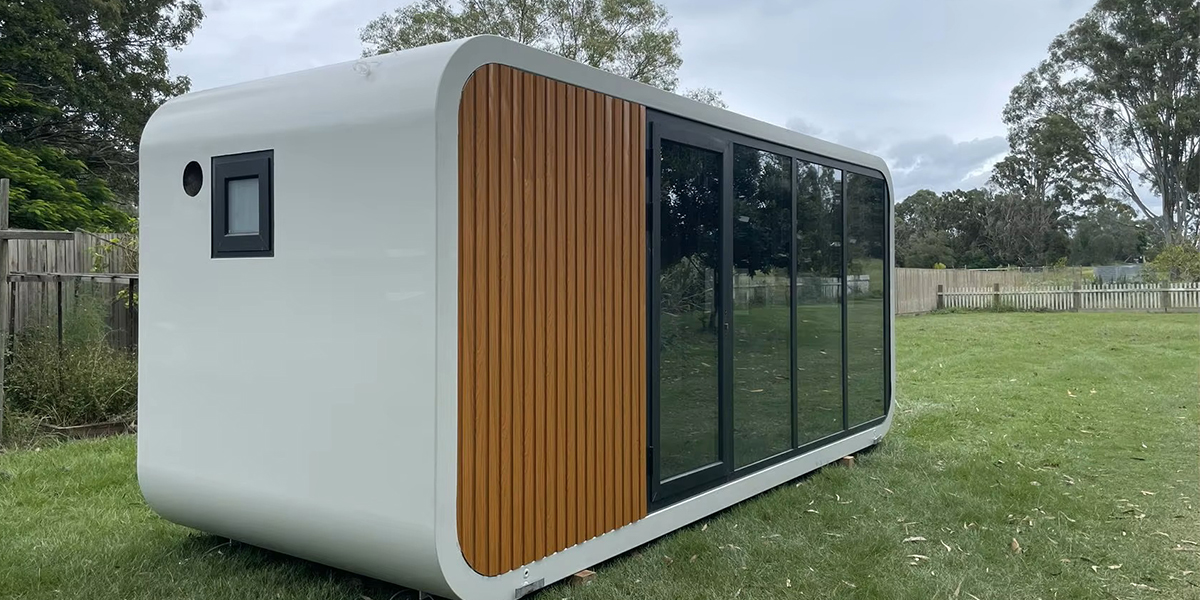
Capsule Houses are in many places in the United States. Some states and cities make it easy to live in these small homes. They want people to have more choices for cheap housing. They also like new ideas for homes. The table below shows where Capsule Houses are popular and the reasons why:
State/City | Popularity Reason / Initiative | Notes |
|---|---|---|
California | Legalized accessory dwelling units (ADUs); Capsule Houses qualify for fast-track permits | Focus on affordable housing; notable cities: Los Angeles, Silicon Valley |
New York | Tiny Home Pilot Program in the Bronx offering low-interest loans for Capsule House purchases | Targets essential workers priced out of the market |
Austin | Approving Capsule House communities as part of affordable housing initiatives | Targets young professionals and retirees |
Portland | Approving Capsule House communities as part of affordable housing initiatives | Targets young professionals and retirees |
Chicago | Exploring vertical Capsule House towers using lightweight materials to meet building codes | Focus on skyscraper city regulations |
Houston | Exploring vertical Capsule House towers using lightweight materials to meet building codes | Focus on skyscraper city regulations |
Note: These places want to fix housing problems and help people save money. That is why they support Capsule Houses.
Domestic vs. Imported Options
There are many ways to get a Capsule House. Some companies build them in the United States. Others bring them from other countries. For example, InNatureManufacturer makes strong homes with steel frames and special insulation. You can use their homes for travel, extra space, or hotels. Macohouse builds prefab capsule houses that are fancy, save energy, and are quick to set up.
ETONG started in China but now has a Texas branch. This helps them serve you faster and keep prices simple. Their modular homes use the same rules everywhere. ODGII is another big company. They make capsule houses for travel and living. They care about green building and send many homes to the United States every month.
You can pick a builder from the United States or from another country. Both choices give you modern, eco-friendly homes that fit what you want.
How Capsule Houses Work
Installation Steps
You can install a capsule house in a few clear steps. The process starts with planning and preparation. You choose a stable site, check for nearby utilities, and get any needed permits. Next, you set up the foundation. Most capsule houses use a concrete slab, pier and beam, or screw piles. You must level the ground and make sure it is solid.
After the foundation is ready, the capsule house arrives by truck. Workers use a crane to place it on the site. They inspect the house for damage and check all parts. Then, you connect the utilities like water, sewer, and electricity. Local contractors help make sure everything meets safety codes. The last step is a final inspection. You test all systems and make small adjustments.
Note: The whole installation process usually takes 1 to 3 weeks, depending on your site and the team’s experience.
Utilities and Setup
You need to prepare for utility connections before your capsule house arrives. Make sure you have a water supply line. If you do not have public water, you can use a holding tank. For sewage, connect to a public sewer or use a septic tank. Electricity must be ready for hookup. The ground should be level and stable, such as gravel or a concrete pad. Capsule houses come with built-in foot pads, so you do not need a full foundation.
You may need to build stairs on-site if your land is not flat. The delivery path must be clear for trucks and cranes. Always get the right permits and hire local contractors who know the rules.
Longevity and Maintenance
Capsule houses last a long time. Many use galvanized steel and aviation-grade aluminum. These materials resist rust and corrosion. With proper care, your capsule house can last over 50 years. You do not need much maintenance. Just check the structure and keep the area around the house clean and dry. Make sure the ground stays level to prevent shifting. If you connect utilities correctly and follow care tips, your capsule house will stay strong and comfortable for decades.
Tip: Minimal upkeep and strong materials make capsule houses a smart, long-term choice for modern living.
Staying in a Capsule House
Space and Layout
Capsule houses use space very carefully. Most have between 200 and 500 square feet. Designers use modular layouts to save space. You might see beds that fold away and smart storage. Some furniture can do more than one job. Some capsule houses connect together like blocks. This lets you add more space if you need it. Many have big windows and rooftop decks. These make the home feel bigger and brighter.
Aspect | Details |
|---|---|
Typical Living Space Size | 200–500 sq ft |
Layout Optimization | Modular, smart designs maximize every inch |
Space-saving Features | Fold-away beds, multifunctional furniture, smart storage |
Room Types Included | Bedrooms, bathrooms, sometimes kitchens |
Flexibility | Layouts can be customized and expanded |
Design Elements | Big windows, rooftop decks |
You can pick a layout that works for you. It fits people living alone or with a small family.
Amenities and Comfort
Capsule houses have many things you need to feel at home. You get sleeping areas, bathrooms, kitchenettes, and storage. All of these fit in a small space. Modular designs let you stack or join units for more room. Furniture can fold up or hide things to keep it neat. Smart home tech helps control lights, temperature, and security. Energy-saving appliances and green materials help the planet. Some places have shared spaces to meet neighbors and make friends.
You get all the basics and some extras to make life easy. Capsule houses cost less than regular homes but still feel comfy and handy.
Rules and Privacy
You may have to follow rules when you live in a capsule house. Many places have quiet hours and limit guests. This keeps things calm for everyone. You might share laundry rooms or gardens with others. Privacy is different in a capsule house. The walls are thinner and neighbors are close. You still have your own space, but you should respect others too.
Tip: If you want more quiet and privacy, look for capsule houses with private doors or soundproofing. Always ask about the rules before you move in.
Pros and Cons
Benefits
You will find many reasons to choose a capsule house. These homes help you save money from the start. The modular design and efficient building process lower the cost of buying and setting up your home. You also spend less on repairs because the materials last a long time and need little care.
Capsule houses use less energy. High-quality insulation and smart systems keep your home warm in winter and cool in summer. This means you pay less for heating and cooling. Some capsule houses even use solar panels or other renewable energy, which lowers your bills and helps the planet.
You can also feel good about your impact on the environment. Builders use recycled steel, bamboo, and other eco-friendly materials. These choices reduce waste and pollution. Capsule houses often have good air flow and natural light, which makes your home healthier.
Many people like the simple lifestyle that comes with a capsule house. You learn to live with only what you need. The compact design helps you stay organized and makes cleaning easy. If you want to move, you can take your home with you because many capsule houses are portable.
Tip: Capsule houses work well in cities where space is tight and prices are high. You get a smart, modern home without a big loan.
Drawbacks
Capsule houses also have some challenges. The small size means you have less room for your things. If you have a lot of belongings or a big family, you may feel crowded. Thin walls can let in noise from neighbors, so privacy is not always perfect.
Drawback | What It Means for You |
|---|---|
You may not have enough room for storage, hobbies, or guests. | |
Privacy concerns | Noise can travel easily, and you might feel close to others. |
Comfort and adaptability | Small spaces can make daily life harder, especially if you work or study at home. |
Zoning and legal issues | Some cities have rules that make it hard to place or live in a capsule house. |
You may also face rules and fees from local governments. Zoning laws and building codes sometimes block capsule houses or make them more expensive. Getting permits can take a long time. These rules can limit where you can put your home.
Note: Always check local laws before you buy or move into a capsule house. This helps you avoid surprises and extra costs.
Capsule House Cost
Price Range
 Price Range
When you check Capsule House prices, you see many options. The price changes with the size and features you pick. You can buy a simple model or add upgrades for more comfort.
Here is a table that shows the main costs:
Cost Component | Description / Examples | Price Range (USD) |
|---|---|---|
Base Capsule House Price | Varies by size and configuration | $3,000 – $50,000 |
– Single Microcapsule | 5-8 sqm, youth hostel/overnight stay | $3,000 – $6,000 |
– Basic Space Capsule | 10-15 sqm, campsite/resort B&B | $7,000 – $12,000 |
– Standard with Bathroom | 15-25 sqm, family camping/long stay | $12,000 – $20,000 |
– Customized Deluxe | 25+ sqm, resort B&B/commercial | $20,000 – $50,000+ |
Additional Configuration | Medium version (bathroom, AC, kitchenette) | +$2,000 – $5,000 |
| High-end version (floor heating, smart features) | +$5,000 – $15,000 |
Customization Increase | Non-standard sizes, special appearance | +15% – 30% of base price |
Tooling Costs | For complex shapes (round/ellipsoidal) | $2,000 – $10,000 |
Transportation Costs | Shipping example: China to US west coast | $2,000 – $4,000 |
| Average per km cost | $1 – $3 per km |
Installation & Lifting | Crane and labor costs | $500 – $2,000 |
Foundation Construction | Concrete bedding or helical piles | $30 – $80 per square meter |
A basic Capsule House can cost as little as $3,000. Bigger models with bathrooms and kitchens can cost $20,000 or more. Deluxe models with special features may cost $50,000 or higher. You also need to pay for shipping, installation, and the foundation. These extra costs can add thousands of dollars to your total.
You can make your home fit your needs with upgrades. You might want better windows, stronger insulation, or a balcony. Each upgrade makes your home nicer but also raises the price.
Here are some common upgrades and what they cost:
Customization Option | Description | Cost Impact / Pricing Example |
|---|---|---|
Advanced Window Technology | Double tempered hollow low-E windows with insulated air gap and UV protection for energy efficiency and noise reduction. | Included in base or winter upgrade models. |
Insulation & Heating Upgrades | Enhanced insulation, airtightness, triple-layered glass, floor heating (water or graphene electric). | Winter heating upgrade costs range from $2,100 to $3,300 depending on model. |
Air Conditioning | Split AC units sized per model, efficient across wide temperature ranges (-22°F to 140°F). | Included in base price; tailored to model size. |
Murphy Beds | Fold-away beds to optimize interior space and increase functionality. | Optional add-on; pricing available upon request. |
Balconies | Available only in T-Series models for enhanced living space and luxury. | Included in T-Series pricing; adds to base cost. |
Stilt Foundations | For uneven terrain, stilts are constructed locally by contractors using provided specs. | Not included in capsule price; local construction cost applies. |
Tip: To save money, start with a basic model. Only add the features you really need.
Value vs. Other Housing
You might wonder how Capsule Houses compare to other homes. Capsule Houses usually cost less than hotels or regular houses. You pay less to buy or build one. You also save money on energy because of good insulation.
Capsule house resorts need less money to start and run than hotels. This means you can earn your money back faster if you use it for business. There is less risk if the market changes. Hotels can make more money, but they cost much more to build and keep up. Capsule Houses use less energy and are better for the planet.
If you compare Capsule Houses to regular homes, you will see big savings. Regular homes cost more to buy, build, and fix. They use more energy and need more repairs. Capsule Houses give you a simple, modern place for less money and less worry.
Note: You may not always find direct cost comparisons with hostels or apartments, but Capsule Houses are still a good choice for people who want to save money and live simply.
Booking and Buying
How to Book a Stay
You can stay in a capsule house before buying one. Many websites let you book a short visit. Airbnb, Vrbo, and Booking.com are popular choices. Some capsule house resorts have their own sites too. Search for “capsule house” or “tiny home” in your city. Always look at reviews and check the photos. This helps you know what you will get.
Tip: Book early if you want to visit during busy times. Capsule houses are very popular in cities and tourist places.
Buying Tips
Buying a capsule house needs good planning. You should think about these things:
Budget: Capsule houses cost from $10,000 to $70,000. The price depends on the size and features.
Location: Pick a place that fits your life and follows local rules.
Manufacturer Reputation: Choose a builder with good reviews and helpful support.
Materials and Durability: Find houses with anti-seismic steel and aviation-grade aluminum. These last over 50 years and stand up to strong winds and earthquakes.
Energy Efficiency: Good capsule houses use less energy and have strong insulation.
Warranty: Many have a 10-year warranty for the house and up to 70 years for the steel frame.
Customization: Some builders let you add features or change the layout.
Permits: Always check local building rules before you buy.
You can use loans to help pay for your capsule house. Some companies offer loans or leasing plans. You may find options with no down payment and easy terms. This makes it easier to start your project.
Legal and Zoning Considerations
Before you buy or set up a capsule house, check the local laws. Every city or state has different rules. The table below shows what to check:
Legal Aspect | Description |
|---|---|
Zoning laws | Decide where you can put a capsule house. |
Building codes | Set safety and size rules. |
Local ordinances | Add extra community rules. |
Inspections | Make sure your house follows all rules. |
Community feedback | Can affect if your project gets approved. |
Some places only let you put capsule houses in certain areas. You may need special permits or inspections. Always talk to your city’s planning office before you buy. This helps you avoid problems and extra costs.
Note: Following local rules keeps your project safe and legal. Always ask questions if you are not sure about the laws in your area.
Who Should Try Capsule Houses
Ideal Users
Capsule houses work well for many people. You might find them a great fit if you want a simple, modern place to stay or live. Here are some groups who often enjoy capsule houses:
Solo travelers: You get a private, budget-friendly space. You do not need to pay for a full hotel room.
Introverted travelers: You can enjoy privacy. Capsule houses have walls on all sides, so you do not have to talk to strangers if you do not want to.
People who want flexible stays: You can book by the hour or night. This helps you save money if you only need a short stay.
Health-conscious guests: You have a physical barrier from other guests. This can help you avoid germs.
Tech lovers: You can enjoy small TVs, smart lighting, air conditioning, and WiFi in a compact space.
People who like minimalist living: You can keep only what you need. This helps you stay organized and stress-free.
Those who want to try eco-friendly living: You can lower your impact on the planet with a smaller home.
Individuals who do not mind small spaces: You need to feel comfortable in a compact area. If you feel claustrophobic, a capsule house may not be the best choice.
Tip: If you like privacy, technology, and saving money, a capsule house could be a smart choice for you.
You now know that a Capsule House is a smart and cheap way to live or travel. Many people like these homes because they save space, give privacy, and help the planet. More people in the U.S. are buying them, mostly in big cities. Here are some things happening now:
Young travelers and people who travel alone often pick capsule hotels. They want privacy and low prices.
Smart tech and phone apps help make staying in these homes simple.
People who like simple living and green travel want more capsule houses.
Look at choices near you or ask a builder for help. You may see that a Capsule House is just right for your life. 😊
FAQ
Can you live in a capsule house year-round?
You can live in a capsule house all year. The insulation keeps you warm in winter. Air conditioning cools you in summer. You will feel comfortable in most places.
Do capsule houses have bathrooms and kitchens?
Most capsule houses have a bathroom and a small kitchen. You get a shower, toilet, and sink. The kitchen has a stove, fridge, and cabinets. Always look at the floor plan before you buy or book.
How do you get mail and packages in a capsule house?
You can get mail at your capsule house. Use your address like any other home. Some places have shared mailboxes for everyone. Ask your builder or landlord about how mail is delivered.
Are capsule houses safe during storms or earthquakes?
Capsule houses have strong steel frames and tough materials. Many models can handle earthquakes and strong winds. Always check the safety ratings before you pick a model.
Tip: Ask the company for proof of safety tests and certificates.