

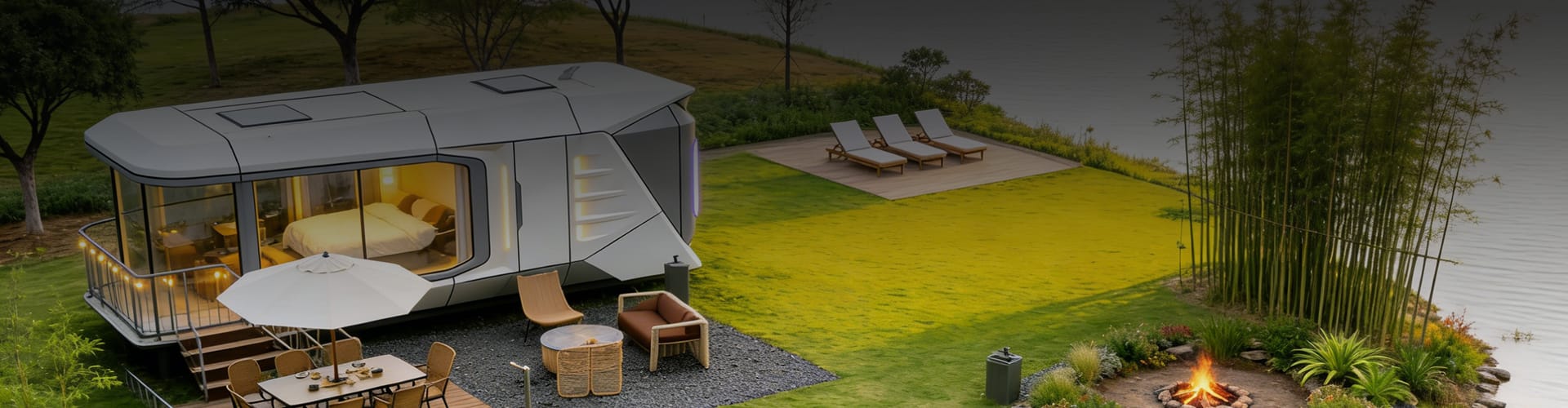

06 Sep Key Differences Between Modular Houses and Mobile Houses
You may ask how a Modular House is different from a mobile house. The biggest differences are in how they are built. They also follow different building codes. They cost different amounts. It is easier to move one than the other. You also get different design choices. Modular houses use local and state building codes. This means you can pick more designs. They also keep their value better over time. Mobile houses follow federal HUD codes. They are easier to move. But you cannot change them as much. They also do not sell for as much later. These things are important. They change how safe, comfy, and valuable your home is.

Key Takeaways
Modular houses must follow local building rules. This gives more choices for design. They also keep their value better over time.
Mobile houses are simple to move. They can lose value as years go by. They may keep value if you own the land.
Getting money to buy is different. Modular homes can get normal home loans. Mobile homes may need special loans.
You can change modular homes more. They have many layouts and features. Mobile homes have fewer choices.
Think about what you need. Pick modular if you want to stay long and keep value. Pick mobile if you want to move and pay less at first.
Key Differences
Quick Comparison
You might wonder how Modular Houses and mobile houses are not the same. The biggest differences are in how they are built, moved, and how much they are worth. Look at this table to see the main points:
Feature | Modular Homes | Mobile Homes |
|---|---|---|
Regulatory Standards | Built to local, state, and regional building codes | Adhere to federal HUD standards |
Foundation and Permanence | Placed on permanent foundations, part of real estate | Set on non-permanent foundations, more mobile |
Design and Customization | High flexibility in design, similar to site-built homes | Limited customization options post-production |
Appreciation Potential | Typically appreciate in value over time | Historically depreciated, but modern designs are improving |
Financing | Financed like site-built homes | May require specialized financing due to mobile nature |
A Modular House must follow local rules and sits on a strong base. This makes it feel like a normal house. You can choose from many designs and layouts. Mobile homes follow federal rules and have a steel frame with wheels. They are easier to move, but you do not get as many design choices. Mobile homes often lose value unless you own the land.
Moving is another big difference. Mobile homes are made to move. You need special tools and papers, but you can move them more than once. Modular homes are not supposed to move after they are set up. If you want to move a Modular House, it costs a lot and takes a lot of work.
Building codes are also different. Modular homes must meet state and local rules. These rules can change based on where you live. Mobile homes must follow federal HUD rules. They also have to meet road rules because they travel on highways.
Why It Matters
It is important to know these things before you buy. How each home is built changes how safe, comfy, and valuable it is. Modular homes use stronger stuff and better insulation. This means you pay less for repairs and heating or cooling. Mobile homes are better now, but they may not do well in bad weather.
Getting a loan and insurance is different too. You can get a normal loan for a Modular House. Insurance works like it does for a regular house. Mobile homes need special loans. Insurance depends on how you set up the home. If you own the land and put the mobile home on a strong base, you might get better rates.
Property taxes are not the same for both. Modular homes are taxed like real houses. Mobile homes might be taxed as personal items. This can change how much you pay each year.
If you want to sell your home later, this matters too. Modular homes usually go up in value, just like regular houses. Mobile homes can lose value unless you own the land and keep the home nice.
Tip: If you want a home that gets more valuable and lets you pick more designs, a Modular House might be best. If you want a home you can move, a mobile home gives you more choices.
Modular House Overview
 What Is a Modular House
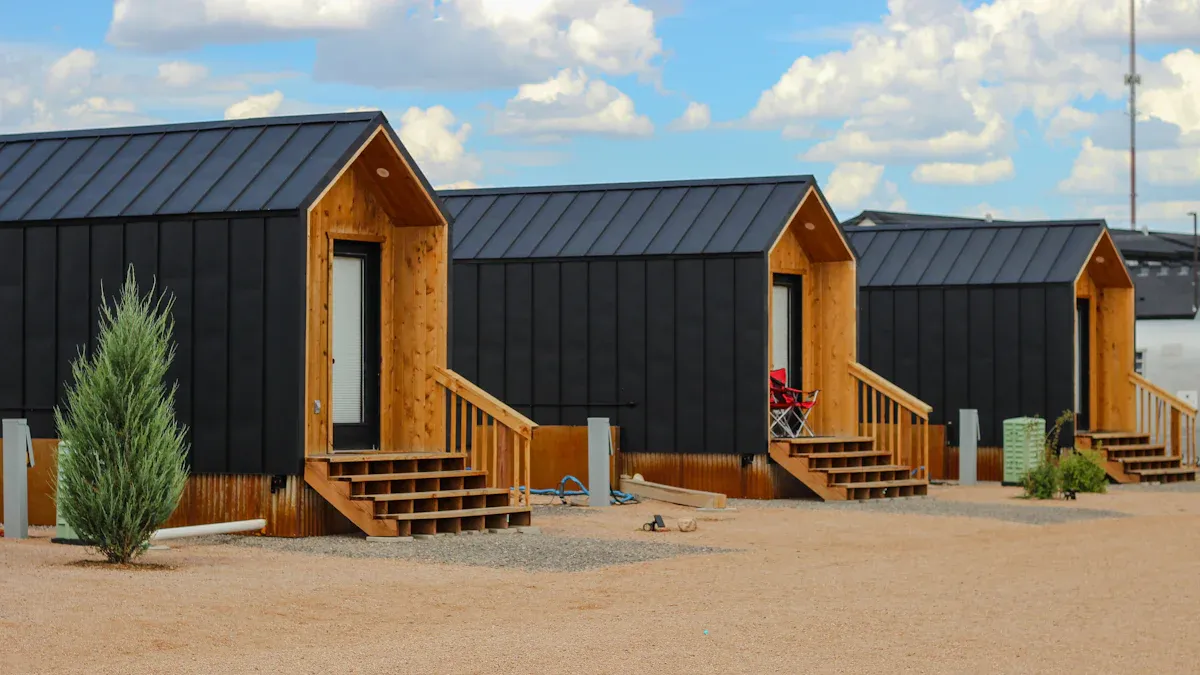 What Is a Modular House
You may wonder how a Modular House is not like other homes. A Modular House is made in parts called modules inside a factory. Workers follow rules from your state or city. These rules are the same as for regular houses. When the modules are done, builders bring them to your land. They put the pieces together to make your house. Inspectors check the house to see if it is safe and built well.
Some states, like Pennsylvania, call modular homes industrialized housing. This means your Modular House must follow the International Residential Code. It also needs to pass local checks. You get a house that feels like a site-built home. You can pick from many designs and layouts.
Note: Modular Houses must follow the same codes as regular homes, so you get strong walls, good insulation, and safe wiring.
Modular House Construction
Building a Modular House uses simple steps. First, you pick your home’s plan and size. This can take up to 12 weeks. Next, you need permits, which take 6 to 9 weeks. Workers get your land ready and pour the foundation in 3 to 5 weeks. The factory builds your modules while the land work happens. When all is ready, the modules come to your land. Workers put your house together in 6 to 10 weeks.
Here is a table with the main steps:
Phase | Description |
|---|---|
Design and Engineering | You pick your design. Engineers check if it meets local rules. |
Prefabrication | Workers build modules in a factory. They add plumbing, wiring, and insulation. |
Site Preparation | Crews get your land ready and pour the foundation. |
Transportation and Assembly | Trucks bring modules to your land. A crane puts them in place. |
Final Touches | Workers connect modules, finish the inside, and hook up utilities. |
You save time because the factory builds modules while crews work on your land. This makes the process faster than building a house from the ground up. Most Modular Houses are ready in 2 to 6 months. Regular homes often take 7 to 13 months. The factory also means better quality control. Your house has less risk from bad weather or damage during building.
Modular Houses use less material and make less waste.
You get a house with fewer problems because it is built in a controlled space.
The process costs less and finishes faster than regular building.
Tip: If you want a home fast and built well, a Modular House gives you both speed and value.
Mobile House Overview

What Is a Mobile House
You may see the term “mobile house” and wonder what it means. A mobile house, also called a manufactured home, is a home built in a factory. Workers build these homes on a steel frame with wheels. This frame lets you move the house to a new location if you want. Mobile houses follow the federal HUD code, which sets rules for safety, strength, and energy use. These rules have been in place since 1976. You can find mobile houses in parks, on private land, or in special communities.
Mobile houses come in different sizes. You can choose a single-wide, double-wide, or even a triple-wide home. Each type gives you a different amount of space. You can pick the layout that fits your needs. Some mobile houses look simple, while others have modern designs and features.
Note: Mobile houses must meet HUD standards, not local building codes like a Modular House. This makes them different in how they are built and where you can place them.
Mobile House Construction
You might wonder how workers build a mobile house. The process happens in a climate-controlled factory. This keeps the building materials safe from rain, wind, and sun. Here are the main steps:
Workers build the steel frame and floor first. This frame has wheels for moving the house.
They add walls, roof, and insulation. The house gets plumbing and wiring inside the factory.
Workers install windows, doors, and fixtures.
The finished house leaves the factory and travels to your land or a mobile home park.
You can place the house on different types of foundations, such as pier and beam or concrete pads.
Mobile house construction is faster than building a regular house. You can move into your home in a few weeks. You also spend less money compared to a site-built or Modular House. Mobile houses give you flexibility if you want to move in the future. However, they may not keep their value as well as a Modular House.
Feature | Mobile House | Modular House |
|---|---|---|
Building Code | Local and state codes | |
Foundation Options | Pier and beam, concrete pad, others | Permanent foundation only |
Mobility | Designed to move | Not meant to move after setup |
Tip: If you want a home you can move and set up quickly, a mobile house gives you that choice. If you want a home that follows local codes and keeps its value, a Modular House may suit you better.
Building Codes & Standards
Local Codes for Modular Houses
If you pick a Modular House, you must follow local and state rules. These rules help keep your home safe and strong. Every state has its own standards. For example, California wants homes to be safe in earthquakes. Florida wants houses to stand up to hurricanes. New York and Texas have rules for fire safety and building strength. The table below shows how these codes are different:
State | Governing Body | Key Regulations |
|---|---|---|
California | California Department of Housing and Community Development | Homes must follow California’s building code and earthquake rules. |
New York | New York State Department of State Division of Code Enforcement and Administration | Homes must meet New York’s fire and building code. |
Texas | Texas Department of Licensing and Regulation | Homes must follow Texas’s building standards. |
Florida | Florida Department of Business and Professional Regulation | Homes must be strong against hurricanes and wind. |
These rules make sure your Modular House is right for your area. Your home will fit the weather and safety needs where you live.
HUD Standards for Mobile Houses
Mobile houses must follow federal HUD rules. These rules cover many parts of your home. They help protect you from fire, save energy, and make your home strong. HUD rules include:
Rules for design, strength, and fire safety.
Energy-saving things like double-pane windows and good insulation.
Checks for water-resistant materials in wet places.
Fire safety with smoke alarms in living rooms and bedrooms.
Safe plumbing, electrical, and heating systems.
Mobile houses must be anchored to the ground. This keeps them safe in storms. After Hurricane Andrew, HUD made homes stronger against wind. These changes help keep your home safer.
Zoning & Placement
Zoning laws say where you can put your home. In the country, you have more choices. You can place modular and mobile homes with fewer limits. In cities, rules are stricter. Cities want homes to look a certain way and be safe. Local governments use land plans to control where homes go. Sometimes, these rules do not match what people need. You should check local zoning before you buy or move your home.
Tip: Always ask your city or county about zoning rules before you pick a Modular House or mobile house. This helps you avoid problems later.
Customization & Efficiency
Modular House Customization
You can make a Modular House match your style. There are many floor plans to pick from. You can even help design your own plan. You can choose how high the ceilings are. You can add more rooms if you want. You can move the kitchen or bathroom for better space. You get to pick finishes and features you like.
Floor plans: Pick from lots of layouts or make your own.
Ceiling height: Choose regular or tall ceilings for more space.
Appliances: Pick the look and style you want.
Flooring: Choose hardwood, tile, laminate, or vinyl.
Countertops: Pick granite, quartz, or other types.
Add-ons: Add a garage, sunroom, or office if you want.
Exterior styles: Choose Ranch, Colonial, or Modern looks.
Siding: Pick vinyl, wood, or fiber cement.
Lighting and fixtures: Choose styles you like best.
You can change base models to save money. You can also add special things for comfort.
Mobile House Customization
When you buy a mobile house, you pick from set choices. You can choose the siding color and type of floor. You can pick some fixtures from a catalog. You cannot design your own floor plan. You cannot move rooms around. There are fewer choices than with a Modular House. You can still make your home feel special. But you have less control over the layout and features.
Energy Efficiency
A Modular House usually saves more energy than a mobile house. Builders use stronger materials and must follow local rules. This helps keep heat in during winter and cool air in summer. You spend less on heating and cooling. Mobile houses, especially old ones, may cost more to heat and cool. HUD has energy rules for mobile houses, but they are not as strict. Newer mobile houses are better, but modular homes save more energy.
Tip: If you want to pay less for energy and stay comfy all year, a Modular House is a good pick.
Costs & Value
Price Comparison
Modular Houses and mobile houses cost about the same. The price per square foot is close. Modular homes usually cost $80 and $160 per square foot. Mobile houses often cost $85 to $155 per square foot. You might think mobile houses are always cheaper. But the difference is not big. The final price depends on what you pick. Where you live and what features you want also matter. Modular Houses can cost more if you choose fancy designs. Mobile houses are cheaper if you pick simple models.
Financing & Insurance
You need to know how to pay for your home. You also need to protect it with insurance. Modular Houses can get regular mortgages from banks. This is like buying a normal house. It makes buying easier for most people. Mobile houses need special loans. If you do not own the land, lenders see them as personal property. You might need a chattel loan. These loans have higher interest rates and shorter terms. Insurance is different too. Modular Houses get standard home insurance. They sit on permanent foundations. Mobile houses need insurance for moving and temporary setups.
Modular Houses: Regular mortgage and standard home insurance.
Mobile Houses: Special loan and insurance for moving or temporary bases.
Resale Value
You want your home to keep its value. Modular Houses usually go up in value over time. This is true if you own the land. They act like regular houses when you sell. You can get a good price later. Mobile houses often lose value unless you own the land. You must keep the home in great shape. Buyers pay less for older mobile houses. Newer models with modern features can keep value better. But they still do not match Modular Houses.
Tip: If you want a home that grows in value and sells for more, a Modular House is a smart pick.
Pros and Cons
Modular House Pros & Cons
When you look at a Modular House, you find many benefits and a few drawbacks. You can see the main points in the table below:
Advantages | Disadvantages |
|---|---|
Lower construction costs | Limited customization options |
Sustainability | More complicated financing |
High quality | Land costs and restrictions |
Faster construction time | Public perception issues |
You save money and time with a Modular House. Builders use strong materials and follow strict codes, so your home feels safe and sturdy. You also help the environment because factories waste less material. Many people like the fast building process. You move in sooner than with a regular house. Still, you may face some limits. You might not get every design you want. Getting a loan can be harder in some places. Land can cost a lot, and some people may not understand how good modular homes are.
Mobile House Pros & Cons
Mobile houses offer a different set of pros and cons. You can see the most common ones below:
Pros:
You pay less for a mobile house than for most other homes.
You can move your home if you need to change locations.
You get good value for the space and features.
You find it easy to move in or out, which helps during life changes.
You often pay lower property taxes and fees.
You may join friendly, family-focused communities.
Cons:
Some parks have age rules, so not everyone can live there.
Your home may lose value over time.
You get less space inside and outside.
You may have trouble getting a regular mortgage.
Selling your home later can be hard.
Some people do not see mobile homes as equal to other houses.
Cities may have rules that limit where you can place your home.
Tip: Think about what matters most to you. If you want a home that grows in value and feels like a traditional house, a Modular House may fit your needs. If you want flexibility and lower costs, a mobile house could be the right choice.
Choosing the Right Home
Buyer Considerations
You face many choices when picking between a Modular House and a mobile house. Your decision depends on your needs, budget, and future plans. Think about how you want to live now and in the years ahead. Ask yourself these questions:
Do you want a home that stays in one place for many years?
Is it important for you to design your own floor plan or pick special features?
Are you looking for a house that grows in value over time?
Do you need a home that costs less and can move if your job or life changes?
How much can you spend on your new home?
A Modular House works well if you want a permanent home with many design choices. You get strong resale value and a house that feels like a traditional build. Mobile houses fit people who want to save money and need flexibility. You can move your home if your life changes. Both options have benefits, but your lifestyle and goals should guide your choice.
Tip: Write down your top three needs before you start shopping. This helps you stay focused and pick the right home.
Matching Needs
You should match your home choice to your lifestyle and long-term goals. Use this table to see which type fits you best:
Your Priority | Modular House | Mobile House |
|---|---|---|
Permanent residence | ✅ Yes | ❌ Not ideal |
Customization | ✅ Many options | ❌ Limited |
Resale value | ✅ Strong | ❌ Lower |
Affordability | ❌ Higher upfront | ✅ Lower upfront |
Flexibility to move | ❌ Not designed to move | ✅ Easy to relocate |
Modular homes suit people who want to settle down and invest in their future.
Mobile homes work for those who need a budget-friendly option or plan to move often.
Think about your daily life, your family, and your plans for the next five or ten years. The right choice gives you comfort, value, and peace of mind.
You can spot big differences between modular and mobile houses. Modular homes use strong stuff and follow local rules. Mobile homes cost less and are easy to move, but they might lose value.
Feature | Modular Homes | Mobile Homes |
|---|---|---|
Usually goes up | Usually goes down | |
Financing | Needs special loans | |
Customization | Lots of choices | Not many choices |
To pick the best home, look at your money, where you live, and your plans.
Learn about each home type and how to pay for it.
Find out what rules your town has.
Ask people like HUD or Modular Home Builders Association for advice.
Tip: Always look at your choices and talk to experts before you buy.
FAQ
What is the main difference between a Modular House and a mobile house?
The biggest difference is how each home is built. Modular Houses follow local rules and sit on strong bases. Mobile houses use federal HUD rules and have wheels to move.
Can you move a Modular House after it is set up?
It is very hard to move a Modular House. Workers put it on a base that stays in one place. Moving costs a lot and takes lots of work. Mobile houses move easier because they have wheels and a steel frame.
Do Modular Houses cost more than mobile houses?
Modular Houses can cost more if you pick special designs. Both types cost about the same for each square foot. Modular Houses usually keep their value better, so you might get more money when you sell.
Can you customize the layout of a mobile house?
You do not get many choices for mobile house layouts. Makers give you set floor plans to pick from. You can choose colors and some features, but you cannot change the main design. Modular Houses let you pick more layouts and finishes.
Are Modular Houses safer in bad weather?
Modular Houses have stronger walls and better insulation. Local rules make sure homes have safety features for your area. Mobile houses meet federal rules, but older ones may not protect you as well in storms.
Tip: Always check your local rules and safety standards before buying any home.