

12 Sep Top Alternatives to Prefabricated Container Houses
Table of Contents
Are you searching for something other than a prefabricated container house? You have many options to pick from. Here are some top choices you can look at:
Modular homes
Panelized prefab homes
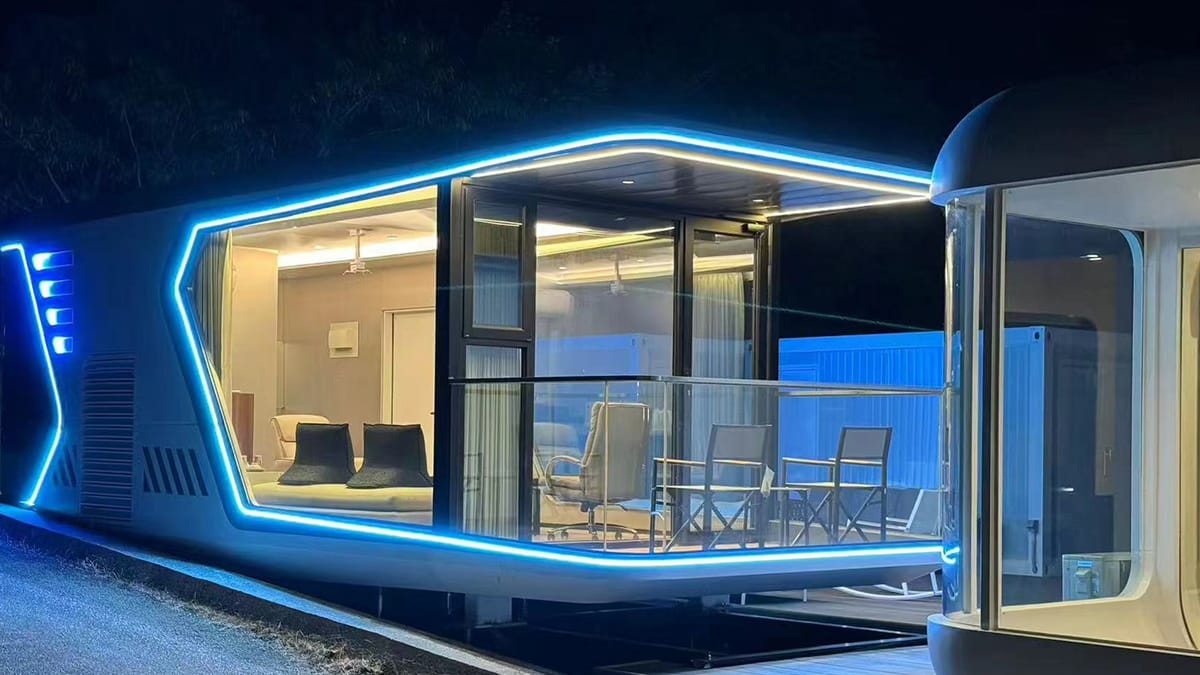
Capsule houses
Earthbag and natural homes
Barndominiums
Concrete houses
Demountable housing
Wood DIY kits
Many people want other choices because banks and insurance companies are unsure about non-traditional homes. Local rules can also make things hard. Sometimes, people want stronger homes, special designs, or cheaper prices. You should check each choice for safety, cost, how it is built, how green it is, and any problems.
Did you know? In 2023, container homes cost from $25,000 to $250,000. North America has almost 40% of the market.
Key Takeaways
Look at different choices besides container homes. These include modular homes, earthbag houses, and barndominiums. Pick the one that works best for you.
Think about how much each home costs. Earthbag homes can cost as little as $7 for each square foot. Barndominiums usually cost about $120 for each square foot.
Check how safe each home is. Modular and concrete homes are very strong. They protect well against fire and bad weather.
Think about how green each home is. Many homes use materials that are good for the environment. They also help save energy and cut down on waste.
Make sure to look at local rules before you build. Some places have strict rules. These rules can change what kind of home you can choose.
Alternatives Overview
Prefabricated Container House vs Other Options
There are many choices besides prefabricated container houses. People want other homes for lower prices, more space, or cool designs. You can pick modular homes, panelized prefab homes, capsule houses, earthbag and natural homes, barndominiums, concrete houses, demountable housing, or wood DIY kits. There are even more options you might not know about:
Geodesic domes
Wood pallet homes
Yurts
Hexayurts
Tiny homes
Earth sheltered homes
Mobile homes
RVs
Sheds
Log cabins
Every type of home is different. Some use shipping containers. Others use wood, concrete, or earth. Tiny homes are good if you want less space. You can turn shipping containers into modern homes. Earthbag homes are great for people who care about the planet. Barndominiums give you lots of room.
When you look at container homes and other choices, think about these things:
Criteria | Prefabricated Container Houses | Conventional Construction |
|---|---|---|
Environmental Impacts | Lower greenhouse gases and energy use | More impact on the environment |
Costs | Costs more because of old ways | |
Construction Time | Faster, some finish in 10 weeks | Slower, built at the site |
Structural Considerations | Easy to move and reuse | Harder to move, more work needed |
Think about safety, price, how it is built, and if it is good for the earth. Container homes cost less and are quick to build. They have set prices and easy checks. You can get them in places with few builders. But local rules can be tough and space may be small. Tiny homes and other types can also save money, but each has problems. Pick the home that works for you and your wallet.
Modular Homes
Safety
You want your home to be safe. Modular homes follow strong safety rules. The State Fire Marshal’s Office must approve every builder. Each home gets a special NH label for safety. Third-party inspectors check the plans and watch the building. Architects and engineers look over everything. The State Fire Marshal’s Office audits factories and inspection groups. They also do on-site checks in New Hampshire.
Aspect | Details |
|---|---|
Program Start Date | July 1, 1993 |
Certification Authority | State Fire Marshal’s Office |
Manufacturer Approval | Must be approved by the State Fire Marshal’s Office |
Certification Label | NH certification label shows the home is safe |
Third-Party Inspection Required | Builders need approved third-party inspectors |
Inspection Agency Requirements | Agencies must have architects and engineers for reviews |
Auditing | State Fire Marshal’s Office audits builders and inspectors |
On-Site Inspections | State Fire Marshal’s Office does on-site checks in New Hampshire |
Cost
Modular homes can help you save money. You pay $50 to $100 for each square foot. Upgrades cost $50 to $150 more per square foot. On-site work adds $30 to $60 per square foot. Most people spend $80 to $160 for each square foot. The size of your home changes the total price.
Typical cost: $50 to $100 per square foot
On-site construction: $30 to $60 per square foot
Upgrades: $50 to $150 per square foot
Total cost: $80 to $160 per square foot
Construction
You get your modular home much faster than a regular house. Design and planning take 1 to 3 months. Permits and site prep need 1 to 2 months. The factory builds your home in 2 to 4 months. Moving and setting up takes 1 to 2 weeks. You can move in quickly.
Permitting and Site Preparation: 1 to 2 Months
Factory Construction: 2 to 4 Months
Transportation and Installation: 1 to 2 Weeks
Sustainability
Modular homes are good for the planet. Builders use recycled steel, bamboo, and reclaimed wood. You can add solar panels and smart energy systems. Good insulation cuts heating and cooling costs by half. Water-saving fixtures use less water and energy. Less waste goes to landfills when building.
Feature | Benefit |
|---|---|
High-performance insulation | Cuts heating and cooling costs by half |
Eco-friendly materials | Helps the planet and makes homes last longer |
Reduced waste during construction | Less trash goes to landfills and lowers pollution |
Drawbacks
There are some problems with modular homes. You may not get as many design choices. Banks sometimes give fewer loans or higher rates. Resale value can be lower. Some places have rules about where you can put your home. Some people think modular homes are not as strong as regular ones.
Drawback | Description |
|---|---|
Customization | |
Financing | Fewer loan options and maybe higher interest rates |
Resale Value | Lower resale value than regular homes |
Zoning | Rules about where you can put modular homes |
Perception | Some people think modular homes are not as strong |
Panelized Prefab Homes
Safety
You want your home to be safe. Panelized prefab homes follow strict rules. You need permits before you build. You must show papers that prove your home meets the IRC or IBC. Keep the manufacturer’s instructions at your site for inspectors. The building official checks your home at different times. You get a certificate when your home passes all checks.
Get permits before you start.
Give detailed plans to officials.
Keep instructions ready for inspectors.
Let inspectors check your home.
Show lab test reports if needed.
Get a certificate after final approval.
Cost
Panelized prefab homes cost different amounts in each area. Where you live changes the price a lot. Here are average prices per square foot:
Region | Price Range (per ft²) |
|---|---|
Northeast | |
Midwest | $90 – $160 |
South | $80 – $140 |
West Coast | $140 – $250 |
Mountain West | $100 – $180 |
Southeast | $90 – $150 |
Places like California and New York cost more. The Midwest and South are usually cheaper.
Construction
Panelized prefab homes are built quickly. Most parts are made in a factory in less than a week. Crews put up the shell in a few days. You might move in within 90 days. Regular homes take much longer. Some models are ready in three months. Most take three to seven months from order to move-in.
Sustainability
Panelized prefab homes are good for the planet. Builders use renewable materials and energy-saving designs. Some use straw, cellulose, or wood fiberboard for insulation. Building in a factory means less trash goes to landfills. You help the earth by picking these homes.
Use straw and wood fiberboard
Save energy with smart designs
Make less waste during building
Drawbacks
Panelized prefab homes have some problems. Sometimes, panels use poor materials or have mistakes. If your site is not ready, you might have delays and extra costs for trucks and cranes. Inspections can be hard, especially for things built off-site.
It can be hard to inspect things like shear walls, nailing, straps, or insulation. Most panel makers know these rules and help inspectors check that everything is done right.
Limitation Type | Description |
|---|---|
Panels may use bad materials or have errors. | |
Coordination Challenges | Delays happen if the site is not ready for panels. |
Elusive Cost Savings | Trucking and cranes can make costs go up. |
Inspection Difficulties | Inspections for off-site panels can be hard. |
Capsule House
Safety
You want your home to be safe. Capsule houses have many safety features. The frames are strong and can handle bad weather. Fireproof materials help stop fires. Smoke detectors and sprinklers warn you and put out flames. If you live where earthquakes happen, the house can absorb shaking. Good ventilation and air purifiers keep the air clean. Security is important too. Anti-theft doors, strong windows, and cameras protect you and your things.
Safety Feature | Description |
|---|---|
Structural Integrity | Sturdy frames and pressure-resistant supports withstand environmental pressures. |
Fire Safety | Fireproof materials, smoke detectors, and sprinklers reduce fire risks. |
Earthquake Resistance | Reinforced modular structures and adjustable connections absorb vibrations. |
Ventilation and Air Quality | Efficient ventilation systems and air purifiers maintain healthy air. |
Security Measures | Anti-theft doors, reinforced windows, and surveillance systems enhance safety. |
Cost
Capsule houses come in many price ranges. Basic models start at $456 per square meter. Standard units cost $1,000 to $1,200 per square meter. Fancy luxury capsules can cost up to $45,600 for one set. Most prefab capsule houses cost $100 to $200 per square foot. You pay about $20,000 to $60,000 for a small home. Custom designs cost more, from $200 to $350 per square foot. Bigger homes can cost up to $99,000.
Basic capsule house: $456 per square meter
Standard unit: $1,000–$1,200 per square meter
Luxury capsule: Up to $45,600 per set
Prefab capsule: $100–$200 per square foot ($20,000–$60,000 total)
Custom capsule: $200–$350 per square foot (up to $99,000 total)
Construction
Capsule houses are built fast. You might feel crowded because space is small. Designers use big windows and mirrors to make rooms look larger. You can add a deck or garden for more space. Privacy is hard, so builders use soundproof walls and smart layouts. Storage is tight, but built-in cabinets and furniture help. Weather can change comfort, so good insulation and HVAC systems keep you warm or cool. If you need more room, you can add modules.
Challenge | Solution |
|---|---|
Limited Space | Floor-to-ceiling windows, mirrored walls, outdoor decks |
Privacy Concerns | Soundproofing materials, smart layouts |
Limited Storage | Built-in cabinets, multi-functional furniture |
Climate Sensitivity | High-performance insulation, HVAC systems |
Psychological Adaptation | Outdoor activities, expandable modules |
Sustainability
Capsule houses are good for the planet. Builders use eco-friendly materials and save energy. Advanced insulation keeps bills low. The small design means less waste and fewer carbon emissions. You use less energy and water, which helps nature. Capsule houses make you keep only what you need.
Eco Homes Magazine says, “Capsule houses use great insulation and save energy. They are a smart choice for green city living.”
Feature | Capsule Houses | Tiny Houses |
|---|---|---|
Energy Efficiency | High, with advanced insulation | Moderate, often lacking insulation |
Waste Generation | Low, due to compact design | Moderate, but can vary |
Environmental Impact | Reduced carbon emissions | Lower overall energy consumption |
Adaptability | Modular design for customization | Limited flexibility |
Utility Costs | Lower due to efficient heating/cooling | Higher due to insulation deficiencies |
Made with eco-friendly materials
Use energy-saving technology
Designed to use less energy
Help you live with less stuff
Drawbacks
Capsule houses have some problems. You may not have much privacy because rooms are open. Selling your capsule house can be hard. Not many people want this style. It is tough to change the space because it is small. Local rules can make building harder. If your family is big, the small space may not work.
Lack of privacy
Hard to resell
Limited customization
Building codes may be a problem
Small space feels restrictive
Earthbag & Natural Homes
Safety
You want a home that keeps you safe, especially if you live in an area with earthquakes or floods. Earthbag homes stand out for their strength. Builders use gravel in the lower walls to help resist water flow during floods. If a flood happens, you can clean up and move back in quickly. Earthbag walls are almost ten times stronger than regular wood-framed walls. In California, tests showed these homes could handle more force than the equipment could measure. You get peace of mind knowing that engineered plans exist for high-risk areas.
Gravel-filled foundations add extra protection.
Strong walls keep your family safe.
Cost
If you want to save money, earthbag homes offer a great deal. You can build one for $7 to $16 per square foot. That’s much less than bamboo homes, which cost over $200 per square foot. If you use local materials and get help from friends, you might build a small house for about $1,000.
Average cost: $7–$16 per square foot
Small house: Around $1,000 with local materials
Much cheaper than other natural homes
Construction
Building an earthbag home feels different from building a regular house. You fill bags with a mix of sand and clay, then stack them with barbed wire between layers. You use wooden forms for windows and doors. A tamper helps you press the soil down. Builders often use rubble trench foundations filled with rocks or gravel. You need to plaster the walls quickly to protect them from the sun.
Technique/Material | Description |
|---|---|
Soil Mixture | |
Barbed Wire | Holds layers together. |
Plasters | Mud, clay-sand, or lime for wall protection. |
Wooden Forms | Shape windows and doors. |
Tamper | Compresses soil in bags. |
Rubble Trench Foundations | Rocks or gravel for strong base. |
Sustainability
You care about the planet, and earthbag homes help you live green. These homes use natural materials, so you leave a smaller footprint. Compared to cement block buildings, earthbag homes have much less impact on the environment. You use local soil, which means less transport and less pollution.
Construction Method | Overall Score | Environmental Impact (Points) |
|---|---|---|
Cement Blocks Building (CBB) | 96.1 | 52.3 |
Earthbag Building (EB) | 42.8 | N/A |
Earthbag homes use local soil and simple tools. You help the earth by choosing this style.
Drawbacks
You should know about the challenges before you start. Building an earthbag home takes a lot of time and hard work. Filling and stacking the bags is slow and tiring. You need special skills to layer and tamp the bags correctly. Thick walls make plumbing and electrical work tricky. You might need a professional for safe connections.
Drawback | Description |
|---|---|
Time-Consuming Construction | Filling bags takes lots of time and energy. |
Requires Specialized Skills | Proper layering and tamping are important for safety. |
Challenging Plumbing and Electricity | Thick walls make installations harder and slower. |
Barndominiums
Safety
You want your home to be safe every day. Barndominiums use steel frames, so they do not burn. This means fire is less likely. You should put smoke detectors in your home. Keep fire extinguishers close by. Check your electrical system often. If you fix problems quickly, your home stays strong for a long time.
Safety Consideration | Description |
|---|---|
Fire Resistance | Steel frames do not burn, so fire risk drops compared to wood homes. |
Electrical Safety | Following codes and doing regular checks keeps your electrical system safe. |
Structural Integrity | Maintenance helps your home stay sturdy and last longer. |
Tip: Make an escape plan and practice it with your family.
Cost
Barndominiums can help you save money. The average price for a finished barndominium is about $120 per square foot. If you buy a kit, you pay less. Kits cost between $30 and $50 per square foot for the shell and assembly. You can pick a kit and add your own style. Or you can choose a full build.
Finished barndominium: ~$120/ft²
Kit (shell + assembly): $30–$50/ft²
Construction
You might wait a few months for your barndominium to be done. Building happens at your site, so weather can slow things down. Workers need time to finish each step. Modular homes are built faster in factories. With a barndominium, you get to pick the design. You need to be patient while it is built.
Barndominiums: Several months to complete
Modular homes: Often ready in weeks
Sustainability
Barndominiums are strong against weather and pests. Steel frames and metal siding help protect your home. You need good insulation to keep heat in or out. Spray foam or batt insulation works well. Many owners use smart thermostats and high-efficiency HVAC systems. Metal roofs reflect sunlight and help lower cooling costs. You can add solar panels or wind turbines to save energy.
Note: Thicker walls and roofs let you use better insulation, so your home stays comfortable all year.
Drawbacks
Barndominiums have some problems you should know. Metal walls do not block sound well, so noise can get in. Most barndominiums have only one floor, which may not work for everyone. Getting a loan can be hard because banks may say no. Over time, the building might shift or crack. Some neighborhoods have rules that stop you from building a barndominium.
Drawback | Description |
|---|---|
Sound Insulation | |
Structural Limitations | Most designs are single-story, so you cannot add more floors easily. |
Financing Challenges | Banks may not offer loans as easily as they do for regular homes. |
Shifting or Cracking | The structure can shift or crack as it ages. |
HOA Restrictions | Some areas have rules that block barndominium construction. |
If you want a quiet home with more floors or easy loans, you may want to look at other choices.
Concrete Houses
Safety
You want a home that feels solid and safe. Concrete houses give you strong walls that stand up to storms, fire, and even earthquakes. You get peace of mind because concrete does not burn. It does not rot or get eaten by bugs. If you live in a place with wild weather, concrete keeps you protected. Many schools and hospitals use concrete for this reason.
Tip: Concrete walls can block noise from outside. You get a quieter home.
Cost
Concrete houses cost more at first. You pay about $120 to $250 per square foot, depending on where you live and what you want. If you choose fancy finishes, the price goes up. You save money over time because concrete lasts longer and needs less fixing. You spend less on heating and cooling because concrete keeps your house warm in winter and cool in summer.
Type of Concrete Home | Average Cost (per ft²) |
|---|---|
Basic | $120–$150 |
Custom | $180–$250 |
Construction
Building a concrete house takes time. Workers pour concrete into forms to make walls and floors. You might see trucks and big machines on your site. The house needs time to dry and get strong. You can pick different styles, like poured concrete, concrete blocks, or insulated panels. You get a sturdy home, but you need to wait longer than with prefab options.
Poured concrete walls
Concrete block walls
Insulated concrete panels
Sustainability
Concrete houses help the planet in some ways. You use less energy to heat and cool your home. Concrete lasts for decades, so you do not need to rebuild often. Some builders use recycled materials in the mix. You can add solar panels or green roofs to make your home even better for the environment.
Concrete homes can cut your energy bills by up to 40%.
Drawbacks
You should know about the downsides. Concrete houses cost more up front. You need skilled workers to build them. If you want to change your home later, it is hard to move walls or add windows. Concrete feels cold and hard, so you may want to add carpets or wood floors. Some people think concrete looks plain.
Higher starting cost
Hard to remodel
Needs skilled builders
Can feel cold or plain
Demountable Housing
Safety
You want a home that keeps you safe. Demountable housing uses strong frames and panels. Most companies test these homes for wind, rain, and even earthquakes. You get fire-resistant materials in many models. Some units come with smoke alarms and emergency exits. If you move to a new place, you can take your home with you. This means you always know your house’s safety features. You should check local codes before you buy. Some places have extra rules for portable homes.
Cost
Demountable housing can save you money. You pay less than for a regular house. Most units cost between $50 and $120 per square foot. If you buy a basic kit, you might spend $20,000 to $60,000. Custom models cost more. You also save on moving costs. You do not need to build a new house every time you move. Some companies offer rental options. This helps if you need a home for a short time.
Type | Price Range |
|---|---|
Basic Kit | $20,000–$60,000 |
Custom Model | $80,000–$150,000 |
Rental (per month) | $500–$2,000 |
Construction
You can set up a demountable house fast. Most kits arrive in flat packs. You use simple tools to put the parts together. Some homes go up in just a few days. You do not need heavy machines. If you want to move, you can take the house apart and rebuild it somewhere else. This makes demountable homes great for people who move often.
Sustainability
Demountable housing helps the planet. You use fewer materials because you can reuse the same home many times. Many companies use recycled steel and eco-friendly panels. You make less waste when you move. Some homes come with solar panels or rainwater systems. You can lower your energy bills and help the earth at the same time.
Tip: Pick a model with good insulation. You will save money and stay comfortable in any weather.
Drawbacks
Demountable homes have some downsides. You might have less space than in a regular house. Some models do not last as long as permanent homes. You may need to check local rules before you set up your house. Not all banks give loans for portable homes. You might have trouble selling your home later. If you want a big yard or lots of storage, this type may not fit your needs.
Less space
Shorter lifespan
Harder to finance
Local rules may limit use
Resale can be tricky
Wood DIY Kits
Safety
You want your home to feel safe. Wood DIY kits use strong lumber and sturdy frames. Most kits follow building codes, so you get a solid structure. You can add smoke detectors and fire-resistant finishes. If you live in a windy area, you should anchor your home well. Some kits include hurricane straps or extra bracing.
Tip: Always check your local safety rules before you start building. You might need extra features for earthquakes or heavy snow.
Cost
Wood DIY kits help you save money. You pay less than for a custom-built house. Most kits cost between $40 and $80 per square foot. If you do the work yourself, you cut labor costs. You can buy a small cabin kit for $5,000 to $20,000. Bigger kits cost more, but you still spend less than for a regular home.
Small cabin kit: $5,000–$20,000
Medium home kit: $20,000–$60,000
Large house kit: $60,000–$120,000
Construction
You get to build your own home. The kit arrives with pre-cut wood, fasteners, and instructions. You use basic tools like a hammer, drill, and saw. Some kits take a few days to put together. Others need a few weeks. You can ask friends or family to help. If you want, you can hire a builder for tricky parts.
🛠️ Building your own home feels rewarding. You learn new skills and see your progress every day.
Sustainability
Wood DIY kits are good for the planet. Builders use renewable wood and eco-friendly finishes. You can pick kits with certified lumber. Some kits include recycled materials. Wood stores carbon, so your home helps fight climate change. You can add solar panels or rainwater systems.
Feature | Benefit |
|---|---|
Renewable Wood | Less impact on forests |
Recycled Materials | Lower carbon footprint |
Solar Ready | Save energy |
Drawbacks
You should know about the challenges. Building takes time and effort. You need to follow instructions closely. If you make mistakes, you might need to fix them. Wood needs care to prevent rot and bugs. Some banks do not offer loans for DIY homes. Local rules may limit where you can build.
Takes time and hard work
Needs regular maintenance
Financing can be tricky
Local codes may restrict building
If you love hands-on projects and want to save money, wood DIY kits could be a great choice. If you want less work, you might look at other prefab options.
Container Homes vs ADU
Cost Comparison
You might wonder about the cost when you look at container homes and adu. Container homes use shipping containers, which can make them more affordable than many regular homes. You can find a container home for less money than a new adu in most cities. Shipping containers cost less to buy and turn into homes. ADUs often need permits and extra fees, so the cost goes up. If you want affordable housing, container homes are a strong alternative. You can save money on materials and labor. Tiny homes built from containers also help you keep costs low. Here’s a quick cost comparison:
Type | Average Cost (USD) |
|---|---|
Container Home | $25,000 – $80,000 |
ADU | $100,000 – $300,000 |
Tip: Shipping containers make affordable housing possible for many families.
Regulations
You need to know the rules before you build. ADU rules change from city to city. Some places make it easy to add an adu to your yard. Other places have strict rules about size, parking, and design. Container homes face different challenges. Many towns do not know how to handle shipping containers as homes. You might need special permits for a container home. Some areas do not allow containers at all. ADU design ideas must follow local codes. You should check with your city before you start. The pros of adus include easier approval in some places. Container home vs adu rules can be confusing, so ask questions early.
Flexibility
You want a home that fits your life. ADUs give you many choices for space and layout. You can build a tiny studio or a big guest house. Container homes offer flexibility too. You can stack containers or join them for more space. Shipping containers let you create alternative living spaces with unique designs. ADUs work well for families who want extra housing for parents or renters. Container home vs adu options depend on your needs. Tiny homes from containers are easy to move. ADUs stay in one spot. If you want to change your space later, containers give you more freedom. Both adu and container homes are great alternative living spaces.
Note: ADUs and container homes both help with affordability and housing needs. You can pick the one that matches your lifestyle.
Comparison Table
You want to know how each home compares. This table shows the main choices for different living spaces. You can look at safety, price, building speed, how green it is, and problems. If you want a cheap home, you need to see which one fits your money and life.
Tip: Use this table to help pick your best home. You can find a good space for your family or for tiny homes.
Type | Safety | Cost (per ft²) | Construction | Sustainability | Drawbacks |
|---|---|---|---|---|---|
Prefabricated Container House | Strong steel, fire-resistant | $25–$250 | Fast, modular | Recycled shipping containers | Small space, zoning issues |
Modular Homes | High, strict codes | $80–$160 | Quick, factory-built | Eco materials, low waste | Fewer design choices |
Panelized Prefab Homes | Good, permits needed | $80–$250 | Fast shell, site work | Renewable materials | Inspection challenges |
Capsule House | Secure, fireproof | $100–$350 | Fast, compact | Energy-saving, low waste | Limited space, resale |
Earthbag & Natural Homes | Very strong, flood-safe | $7–$16 | Slow, labor-heavy | Local soil, low impact | Hard work, thick walls |
Barndominiums | Steel frame, fire-safe | $30–$120 | Slow, site-built | Metal, solar options | Noise, single-story |
Concrete Houses | Storm/fire/quake safe | $120–$250 | Slow, skilled labor | Durable, energy-saving | High cost, hard to remodel |
Demountable Housing | Tested, portable | $50–$120 | Fast, easy to move | Reusable, recycled steel | Less space, short lifespan |
Wood DIY Kits | Code-compliant, sturdy | $40–$80 | DIY, flexible | Renewable wood, solar | Maintenance, hard loans |
Prefabricated container houses use shipping containers for strong walls. They are built fast and cost less. You might have trouble with rules and small rooms. Modular homes and panelized prefab homes give you more ways to design and keep heat in. Capsule houses save energy and use little space, but can feel crowded. Earthbag homes use local dirt and keep you safe in floods. They take a long time to build. Barndominiums use steel and have lots of room, but can be noisy. Concrete houses last many years and protect you from storms. They cost more and are hard to change. Demountable housing lets you move your home, but you get less space. Wood DIY kits help you save money and build your own house. You need to take care of the wood.
Note: Always check local rules before you pick a container home or any other type. Some places do not let you use shipping containers for homes.
You have many choices when you look for a new place to live. Container homes stand out for quick construction and lower cost. You can build container homes yourself or pick a kit. If you want more space, barndominiums and concrete houses offer strong walls and bigger rooms. Earthbag homes use local soil and keep you safe in floods. Panelized prefab homes and modular homes give you design options and fast building. Capsule houses and demountable housing work well if you move often. When you compare container homes with other styles, think about cost, building time, design, and resale value. Always check local rules and make sure your site fits your plan.
FAQ
What is the fastest alternative to build besides container homes?
You can build modular homes very quickly. Most factories finish them in a few months. You get your home delivered and set up fast. This saves you time and stress.
Can you get a loan for prefab or alternative homes?
Some banks offer loans for prefab homes. You may need to show extra paperwork. Ask your bank about their rules. You might find better options with credit unions or specialty lenders.
Are earthbag homes safe in bad weather?
Earthbag homes stand up to floods and earthquakes. Builders use strong walls and gravel foundations. You stay safe even when storms hit. Always check local building codes before you start.
Do wood DIY kits need a lot of maintenance?
You need to care for wood homes. Paint or seal the wood every few years. Watch for bugs and rot. Regular checks help your home last longer.
Which option is best for moving to a new location?
Demountable housing works best if you move often. You can take apart your home and rebuild it somewhere else. This gives you freedom and saves money.