


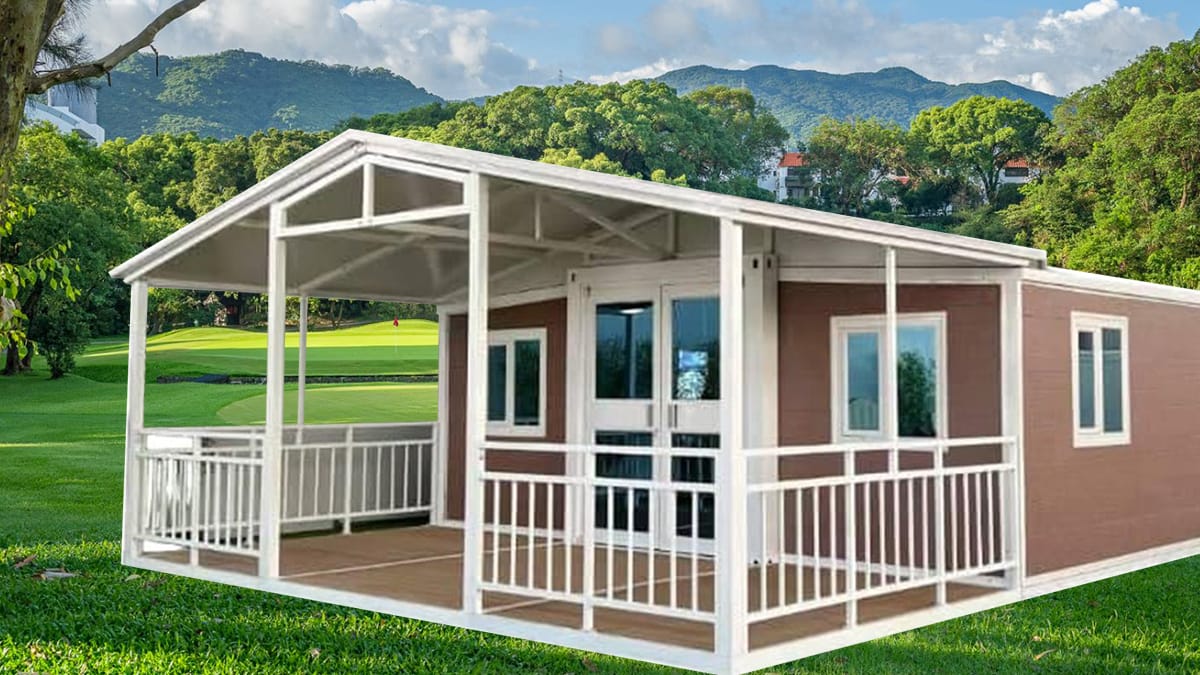
21 Sep Prefab vs Custom Container Homes Which Is More Cost Effective
If you’re looking for a container home that doesn’t have a high cost, you’ll find that prefab homes are the most affordable option for many individuals. This is especially true if you’re interested in a prefab tiny home. The cost of container homes, specifically prefab container homes, typically ranges from $150 to $300 per square foot. On the other hand, custom shipping container homes can have a cost of $250 to over $400 per square foot. This comparison highlights that prefab homes are generally more economical for most people. Additionally, prefab tiny homes contribute to energy savings and financial savings. Their design is not only energy-efficient but also environmentally friendly. When you compare the cost of container homes to traditional houses, it’s clear that prefab homes are significantly less expensive. They are an excellent option for anyone looking to save money, as they are priced lower than standard houses and custom-built container homes. Furthermore, container homes are quicker and more cost-effective to construct than conventional houses, making prefab homes the ideal choice for those aiming to minimize expenses.
Type of Container Home | Average Cost per Square Foot |
|---|---|
Prefab Container Home | $150 to $300 |
Custom Container Home | $250 to more than $400 |
Key Takeaways
Prefab container homes cost less. They are $150 to $300 per square foot. Custom homes cost $250 to over $400 per square foot. Choosing a prefab tiny home saves money on building. It also lowers living costs while you wait. Prefab homes are built fast, sometimes in just four weeks. Prefab homes help the environment. They use recycled shipping containers. This cuts down on waste and saves energy over time. Custom container homes can cost more. They take longer to build if you want special features. Make sure to plan your budget so you do not get surprised. Both types of container homes keep their value. Prefab homes may sell for less than custom ones. This is because prefab homes have simpler designs.
Prefab vs Custom

Prefab Container Homes
Prefab modular container homes are made from shipping containers. Builders put them together in a factory. Then, they bring the home to your land. You can pick from different models. Each model has its own layout and features. These homes are quick to get. They make owning a shipping container home easy. Prefab modular container homes cost about $150 to $300 per square foot. This price covers most building and finishing work. You save money because the process is simple. Fewer workers are needed to build these homes.
Prefab modular container homes are built faster. They help you spend less on building costs. But you might not get as many choices for changes.
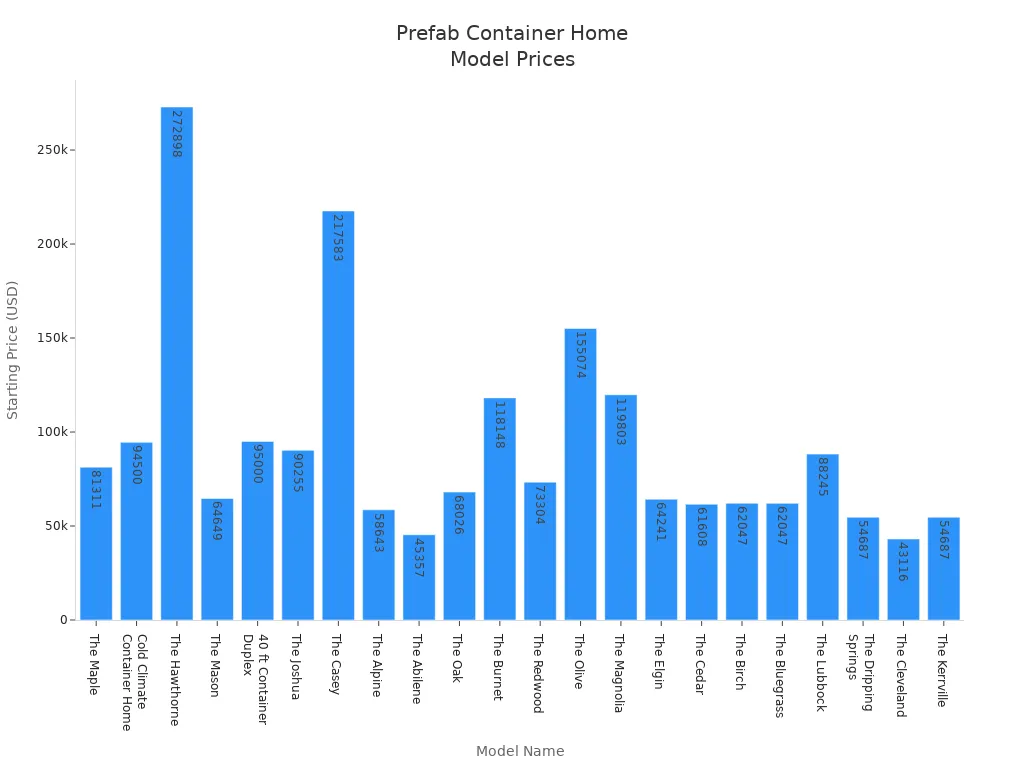
Here are some well-known prefab modular container homes and their starting prices:
Model Name | Type | Starting Price | Bedrooms | Sleeps |
|---|---|---|---|---|
The Maple | Double-wide Container Home | $81,311 | 1 | 2-4 |
The Hawthorne | 3 Bedroom Shipping Container | $272,898 | 3 | 4-6+ |
The Alpine | 40 ft Container Home | $58,643 | 1 | 2 |
The Cleveland | 20 ft Container Home | $43,116 | 1 | 2 |
The Magnolia | 40 ft Container Home | $119,803 | 1 | 2-4 |
Prefab modular container homes are good for the planet. They use old shipping containers. This keeps lots of steel out of dumps. Building these homes makes less trash than normal building.
Custom Container Homes
Custom container homes let you design your own space. You can pick the size, layout, and features you want. Custom container homes can use one or more shipping containers. You can add things like big windows, decks, or fancy finishes. Custom shipping container homes cost $250 to over $400 per square foot. A simple shipping container home can cost $25,000 to $250,000. The price depends on how many containers you use and what changes you make.
Custom container homes take more time to build. Each one is different. You might need to hire architects and skilled workers. Using old shipping containers can save money. But adding special features makes the price go up. Many people pick custom container homes for their special look and style.
Both prefab modular and custom shipping container homes help cut down on building waste. They use materials that already exist. They can be built fast, which means less pollution from machines and trucks. You can also make your shipping container home save energy by adding insulation or solar panels.
Cost of Container Homes
Upfront Pricing
When you compare prices, prefab tiny homes cost less. Builders use the same designs and containers for prefab homes. This makes them cheaper. The price depends on which type you pick.
Prefab container homes cost $150 to $300 per square foot.
Custom container homes start at $250 per square foot. They can go over $400 or even $500 per square foot.
Prefab tiny homes save you money because building them costs less. The price for prefab homes is easy to guess. Custom homes can have surprise costs. You might pay more for special styles or features. Container homes cost much less than regular houses. You spend less to build a container home than a normal house.
Tip: Pick a prefab tiny home if you want to save money. You get your home faster and avoid surprise costs.
Materials and Labor
Materials and labor change the total price of shipping container homes. Prefab tiny homes use standard containers and need fewer changes. This helps you spend less. Builders work in factories and finish homes quickly. You pay less for labor because it is fast.
Custom container homes need more work. You might want extra windows, doors, or fancy finishes. These things make the price go up. Skilled workers and architects cost more. If you pick fancy materials, you pay more.
Here are reasons prefab tiny homes cost less:
Builders use standard containers, so prices are lower.
Fewer changes mean you spend less.
Good planning saves time and money.
Used containers can make the price even lower.
Prefab tiny homes help you keep costs down. Custom homes let you pick more things, but every change costs extra.
Permits and Fees
You need permits and must pay fees for shipping container homes. These costs are part of the total price. Prefab tiny homes usually have lower permit fees. They use standard designs, so local governments approve them faster. You spend less time and money on paperwork.
Custom container homes may need more permits. Special designs can slow down approval. You pay more for checks and fees. Adding special features makes the price go up. You should plan for these costs before you start building.
Getting money for container homes keeps changing. Lenders now have more choices for prefab and custom homes. You need to look at different lenders. Some companies, like Custom Container Living, Inc., do not give loans. You must find your own way to pay. Planning helps you control costs and avoid surprises.
Note: Always check local rules before you build. Permit fees and rules are different everywhere. Planning ahead saves you money and problems.
Customization
 Custom Features Cost
 Custom Features Cost
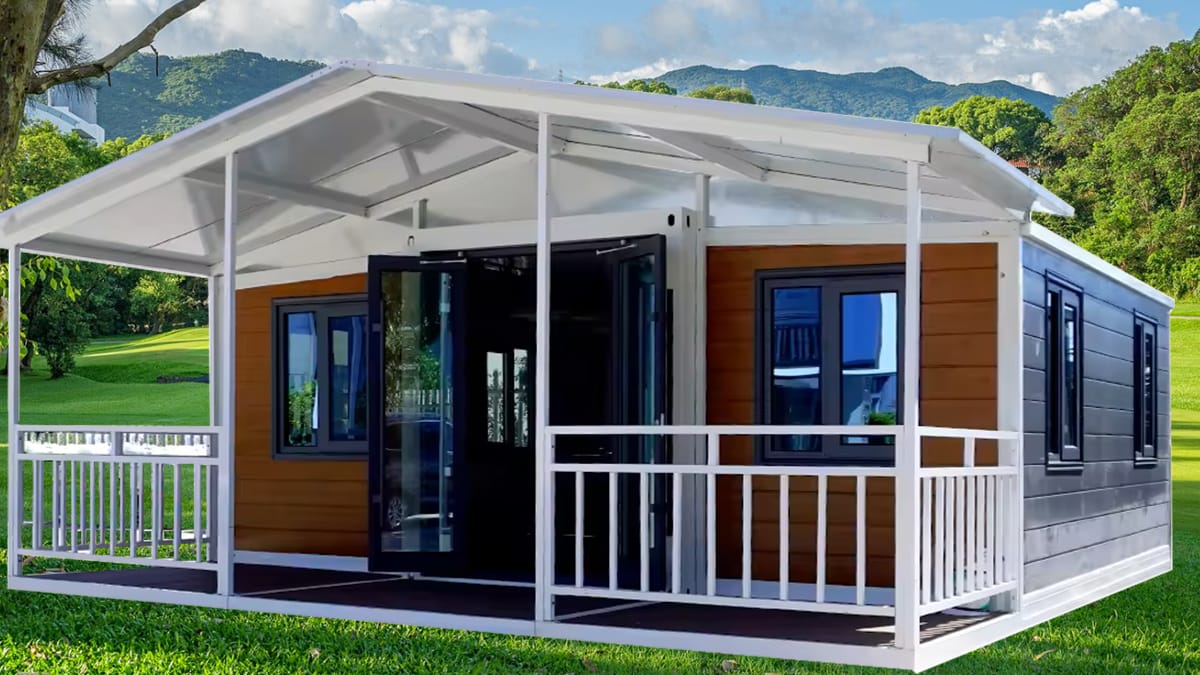
When you build a shipping container home, you might want special features. These extras can change how much your home costs. You can pick things like solar panels or smart home technology. You can also choose fancy finishes. Each thing you add makes your home cost more at the start. If you want a green roof or better insulation, you will pay more right away. New technology lets you make cool layouts and better quality. These upgrades help your home feel nicer and more modern.
Here are some common extras that make container homes cost more:
Solar panels and systems that save energy
Green roofs that help keep heat in
Smart home technology for easy use
Fancy finishes like wood floors or stone counters
Decks, patios, and nice yards for outside fun
You should plan how to pay before picking these extras. Some banks may not pay for every upgrade. If you want a tiny home you can change, ask about loans early. Extras make your home special, but you need to watch your budget and your wish list.
Tip: Write down the extras you really want before you build a shipping container home. This helps you keep track of your money and avoid surprise costs.
Prefab Limitations
Prefab tiny homes are a fast choice for many people. You get a home that is already designed and comes quickly. But prefab tiny homes do not let you change much. You cannot make the size or layout very different. The way prefab tiny homes are built means you cannot make it your own as much. If you have a big family or need special rooms, prefab tiny homes might not work for you.
Common limits of prefab tiny homes are:
Not many design choices for shipping container homes
Size and layout are hard to change
Fewer ways to add extras
Not easy to change later
Getting money for prefab tiny homes is easier because banks know the price. You get a set cost and not many surprises. If you want more choices, building a shipping container home with extras might be better for you.
Build Time and Cost
Construction Timeline
When you look at shipping container homes, you want to know how long it takes to build. Prefab tiny homes give you a fast option. You can move in quickly because builders finish these homes in as little as four weeks. The process is simple. Workers build prefab tiny homes in a factory. They ship the finished home to your land. You do not wait long for your new space.
Custom container homes take more time. Builders need to plan each detail. You choose the layout and features. This makes the process slower. Custom shipping container homes often need extra work. You might wait several months before you can move in. The timeline depends on how many changes you want.
Here is a quick look at the average construction timeline:
Type of Container Home | Average Construction Timeline |
|---|---|
Prefab Container Homes | |
Custom Container Homes | Typically longer due to complexity and modifications |
Prefab tiny homes help you save time. You get your home faster. You do not deal with delays from weather or building problems.
Temporary Living Expenses
You need a place to stay while builders finish your container home. If you pick prefab tiny homes, you spend less on temporary living. The short build time means you pay for fewer weeks in a rental or hotel. You save money and move into your shipping container home sooner.
Custom container homes take longer. You pay more for temporary housing. The extra months add up. You might need to rent an apartment or stay with family. These costs can surprise you. Planning helps you avoid spending too much.
Tip: Choose prefab tiny homes if you want to lower your temporary living expenses. Quick construction means you save money and settle into your new container home faster.
Shipping container homes offer a smart way to control your cost. Prefab tiny homes give you speed and savings. Custom container homes let you design your dream space, but you need to plan for extra time and expenses.
Long-Term Costs
Utilities and Maintenance
You might wonder how much you will pay for utilities and maintenance in shipping container homes. Prefab tiny homes often use strong, eco-friendly materials. These materials help you save energy. You could see lower bills for heating and cooling. Many prefab tiny homes have good insulation and special windows. You can add solar panels to use less electricity. Custom container homes let you pick your own features. If you choose energy-saving upgrades, you can lower your utility bills.
You need to think about taking care of your home. Shipping container homes need regular checks to stay safe. You should look for rust and leaks often. Prefab tiny homes use new materials, so you may have fewer problems. Custom container homes might need more repairs if you use older containers. You should clean gutters and check the roof often.
Here are some things to remember about utilities and maintenance:
Prefab tiny homes use eco-friendly materials and save energy.
Good insulation helps you spend less on heating and cooling.
Solar panels can lower your electricity bills.
You need to check for rust and leaks in container homes.
Regular cleaning and inspections help you avoid big repairs.
Tip: You can save money on utilities by picking prefab tiny homes with energy-saving features.
Repairs
You may need to fix shipping container homes as time goes by. Prefab tiny homes often have fewer problems because builders use new containers and modern materials. Custom container homes can have more issues if you use older containers or add many changes. You should plan for repairs like fixing leaks, treating rust, or replacing windows.
Insurance for prefab tiny homes and container homes may cost more than for regular houses. The materials and building methods are different. You should ask your insurance company about prices before you buy. Getting a loan for prefab tiny homes can be hard. Some banks may not give loans for container homes. This can change how much you pay over time.
Here is a table showing common repairs and their average costs:
Repair Type | Average Cost Range |
|---|---|
Rust Treatment | $300 – $1,000 |
Leak Fixing | $200 – $800 |
Window Replacement | $400 – $1,200 |
Roof Repairs | $500 – $2,000 |
You may pay more for insurance on prefab tiny homes and container homes.
Repairs for shipping container homes depend on age and materials.
Regular checks help you avoid expensive fixes.
Note: You can lower repair costs by keeping up with maintenance and picking good materials for your container home.
Value and Pricing
Resale Value
You want your shipping container home to keep its value. Both prefab tiny homes and custom container homes usually sell for a good price. Many owners sell their homes for the same price or more after five years. Shipping container homes are easy to move. This makes them popular with buyers who want flexible living. You can take your home to a new place if you need to. This helps more people want to buy them.
Prefab tiny homes often use just one container. This can change how much you get when you sell. Custom container homes have special layouts and more space. Some buyers like custom container homes because they have extra features. But prefab tiny homes are still liked for being cheap and saving energy.
Shipping container homes keep their resale value.
Being easy to move makes them more wanted.
Prefab tiny homes may sell for less than custom ones.
Tip: If you want a home that keeps its value, shipping container homes are smart. They last a long time and are easy to move, so your money is safe.
Hidden Costs
You should plan for hidden costs when you buy prefab tiny homes or custom container homes. Many people pay more than they first think. These costs can surprise you if you do not plan well. Some hidden costs are land surveys, grading, foundation work, landscaping, insurance, and property taxes.
Hidden Cost | Estimated Cost Range |
|---|---|
Land Survey | $380 – $540 |
Land Clearing and Grading | $1,500 – $6,700 per acre |
Excavation for Foundation | $1,000 – $2,500 |
Grading | $500 – $1,000 |
Landscaping | $4 – $12 per square foot |
Homeowners Insurance | $1,380 per year |
Property Taxes | Varies by location |
Getting money for custom container homes can be hard. Lenders want you to have good credit and low debt. You need a big down payment. You must show your plans and how much everything will cost. More people want shipping container homes now. This helps you find better prices and more ways to pay.
Note: Always look for hidden costs before you buy prefab tiny homes or custom container homes. Planning ahead helps you avoid surprises and keep your budget safe.
Choosing Your Shipping Container Home
Key Factors
 Key Factors
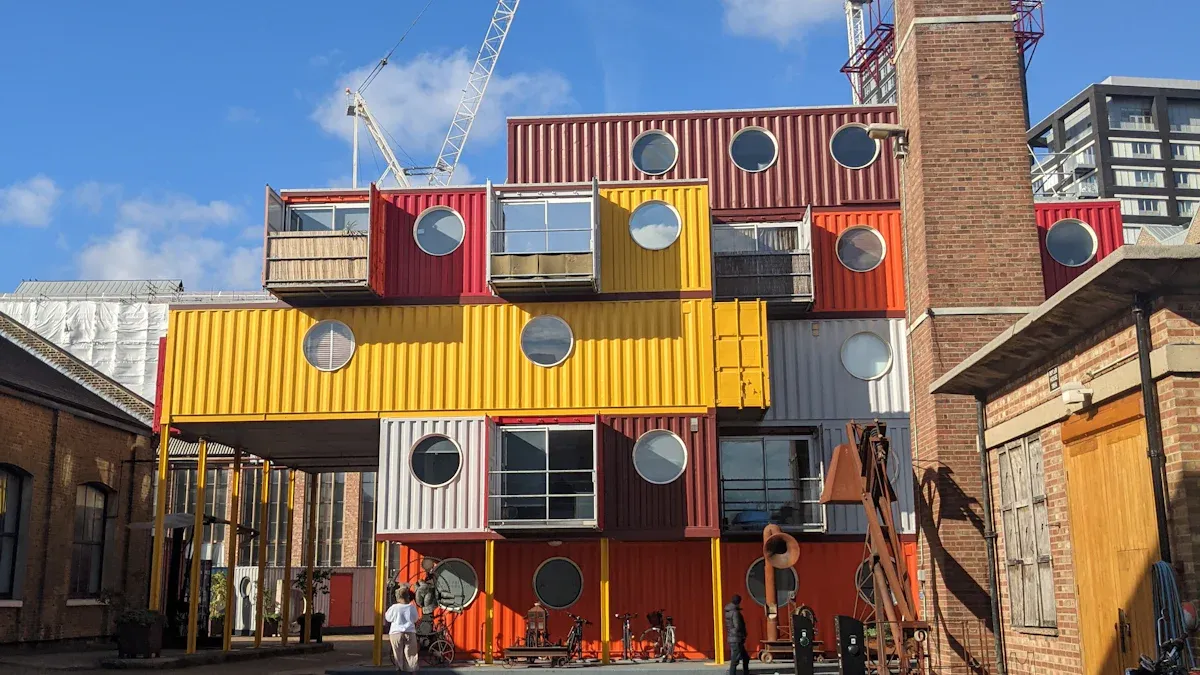
When you pick between prefab tiny homes and custom shipping container homes, you should think about a few important things. The materials you pick matter a lot. If you use better finishes, you might pay more at first, but you will not need as many repairs later. Getting your land ready is also important. If your land needs a strong base or extra work, it can cost more. The people who build your home and how long it takes also change the price. Skilled workers can finish faster and do a safer job, but they might cost more.
You have to follow local building rules. These rules talk about things like how high the ceiling is, air flow, and plumbing. Getting permits can take time and may need more paperwork. Technical details make sure your shipping container homes are safe, whether they are above ground or underground.
Here is a table that shows the main things to think about:
Key Factor | Description |
|---|---|
Better materials last longer and reduce future repairs. | |
Site Preparation and Foundation | Land condition and foundation type change your total cost. |
Construction Labor and Timeline | Skilled labor speeds up building but may cost more. |
Building Codes | Local rules affect design and safety. |
Permitting | You need permits for legal approval. |
Technical Specifications | Homes must meet safety standards for structure and pressure. |
Practical Tips
You can save money and stop mistakes when you build container homes. Start by looking for containers that do not cost a lot. This helps you spend less on materials. Try easy DIY jobs, like putting in insulation or simple electrical work. A smart design helps you use space well. Furniture that does more than one thing and shelves that go up the wall make prefab tiny homes feel bigger.
Pick cheaper materials like paint, laminate floors, and reused things. These choices help your home look nice without spending too much. Solar panels can help you pay less for electricity. Always remember to plan for insulation. Good insulation keeps prefab tiny homes warm or cool and saves energy. Check if your home is strong before you change anything. Local rules are important. Learn about building codes so you do not get in trouble or pay extra fees.
Here are some common mistakes and how to stop them:
If you forget insulation, your energy bills will be high.
If you change the structure without a plan, it can be unsafe.
If you ignore local rules, you might have legal problems and pay more.
Tip: If you plan well and make smart choices, you can build shipping container homes that fit your budget and what you need. 🏡
Prefab tiny homes help you save money because they are cheaper. They cost less for each square foot than custom shipping container homes. You should think about both the first price and how much you will spend later. Prefab tiny homes are made with strong materials. They do not need much fixing, so you save more as time goes on. Custom shipping container homes let you choose your own look. But you might pay more because of extra costs you did not expect. Before you pick a home, check the rules and prices where you live. You can learn more by visiting your local library, talking to people at the permit office, or looking at online forums about container homes in your area.
Aspect | Prefab Tiny Homes | Custom Shipping Container Homes |
|---|---|---|
Upfront Cost | Lower | |
Long-term Savings | Better | May decrease |
FAQ
What is the cheapest way to build a container home?
You save the most money by choosing a prefab tiny home. Builders use standard designs and materials. You get a set price and a quick build. You avoid surprise costs and long delays.
How long does it take to build a prefab container home?
You can move into a prefab container home in as little as four weeks. Builders finish most work in a factory. You do not wait for weather or long inspections.
Can you get a loan for a shipping container home?
Some banks offer loans for prefab and custom container homes. You need good credit and a clear plan. Ask lenders about their rules before you start building.
Tip: Check with local banks and credit unions for the best options.
What maintenance does a container home need?
You should check for rust and leaks every year. Clean gutters and inspect the roof often. Use strong paint and sealants to protect your home.
Maintenance Task | How Often |
|---|---|
Check for rust | Yearly |
Clean gutters | Twice a year |
Inspect roof | Yearly |
Are container homes safe in bad weather?
Prefab and custom container homes use strong steel. You get good protection from wind and rain. Add insulation and secure your home to the foundation for extra safety.
Note: Always follow local building codes for weather safety.