

14 Oct 10 Best Mobile House Alternatives to Consider in 2025
You see more people looking for cheaper ways to live in 2025. Many people choose alternative housing because prices keep going up. In the U.S., 7.2 million manufactured homes make up 5.4% of all homes. The East South Central area has the most, with 9.3% picking this way. People like these choices because they cost less, are flexible, and easy to move.
Here are the 10 best affordable mobile house alternatives you can think about:
Tiny homes: cheap, simple to move
Mobile homes: cheap, lower property taxes
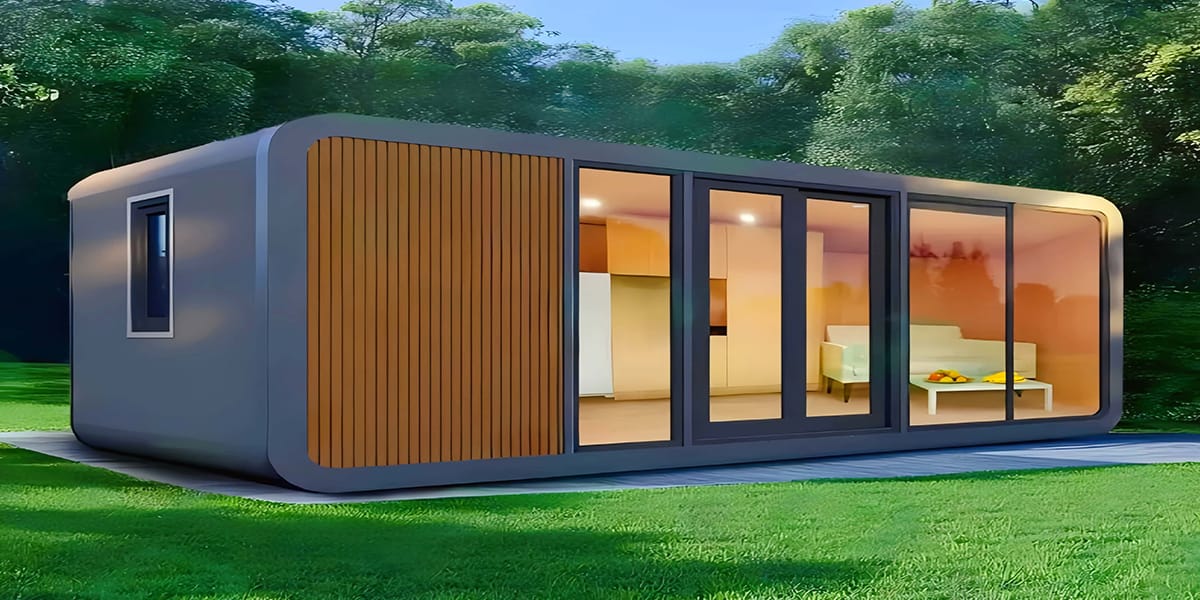
Capsule home alternatives: cheap, small design
Shipping container homes: cheap, strong build
Modular homes: cheap, fast to build
RVs & park model homes: cheap, easy to travel
Skoolies: cheap, cool style
Yurts & domes: cheap, good for nature
Houseboats: cheap, live on water
Affordable housing comparison: see what matches your needs
When you pick a cheap home, you want to know why people like these choices. Look at the main reasons below:
Reason | Explanation |
|---|---|
Low Upfront Costs | Cheap homes cost less to build and buy. |
Flexibility in Location | You can move and pick new places easily with cheap options. |
Energy Efficiency | Many cheap homes use less energy, saving money. |
Lower Property Taxes | Cheap homes often mean you pay less in taxes. |
Customization Options | You can make cheap homes fit your style and needs. |
You can choose the right cheap option by thinking about price, space, and how you live. With so many cheap choices, you can find the housing that works best for you.
Key Takeaways
Look at cheaper homes like tiny homes and mobile homes. These can help you save money and give you more freedom. Think about how energy saving and lower taxes can help when picking a mobile home. Check what you need in your life to find the best choice. You might like to travel in an RV or stay in a small yurt. Learn about local rules to make sure you can put your mobile home where you want. Use DIY kits or old materials to save money and make your mobile home special for you.
Tiny Homes
Features
Tiny homes are small and easy to take care of. Most tiny mobile homes are between 100 and 400 square feet. You get less stuff and more freedom in a tiny home. Many have wheels, so you can move them anywhere. Some prefab houses use solar panels or collect rainwater. Their small size helps the planet and makes cleaning simple. You can buy a tiny home kit or pick a basic prefab if you want something fast. Custom prefab designs let you show your style. There are many prefab choices to fit what you need.
Tiny mobile homes often have wheels for easy moving.
Prefab houses use fewer things, which helps the earth.
Some prefab homes have smart storage and cool layouts.
Many prefab tiny homes can use solar power for off-grid living.
Tiny home kits help you build your own prefab home.
Pros and Cons
You might ask if tiny mobile homes are good for you. More than half of Americans would live in homes under 600 square feet. The tiny house movement is growing, especially with Millennials. Sixty-three percent of them want tiny homes. Living in prefab houses means you care more about doing things than owning things. You may feel closer to nature and people around you.
The biggest problem is not having much space. If you have problems with someone, you must fix it. You cannot live in a tiny home together if you do not get along.
Here are some things to think about:
Not much space is the hardest part, so storage is tricky.
Many people in the tiny house movement feel happy, but worry about space.
Zoning laws can make it hard to put tiny mobile homes somewhere.
Best For
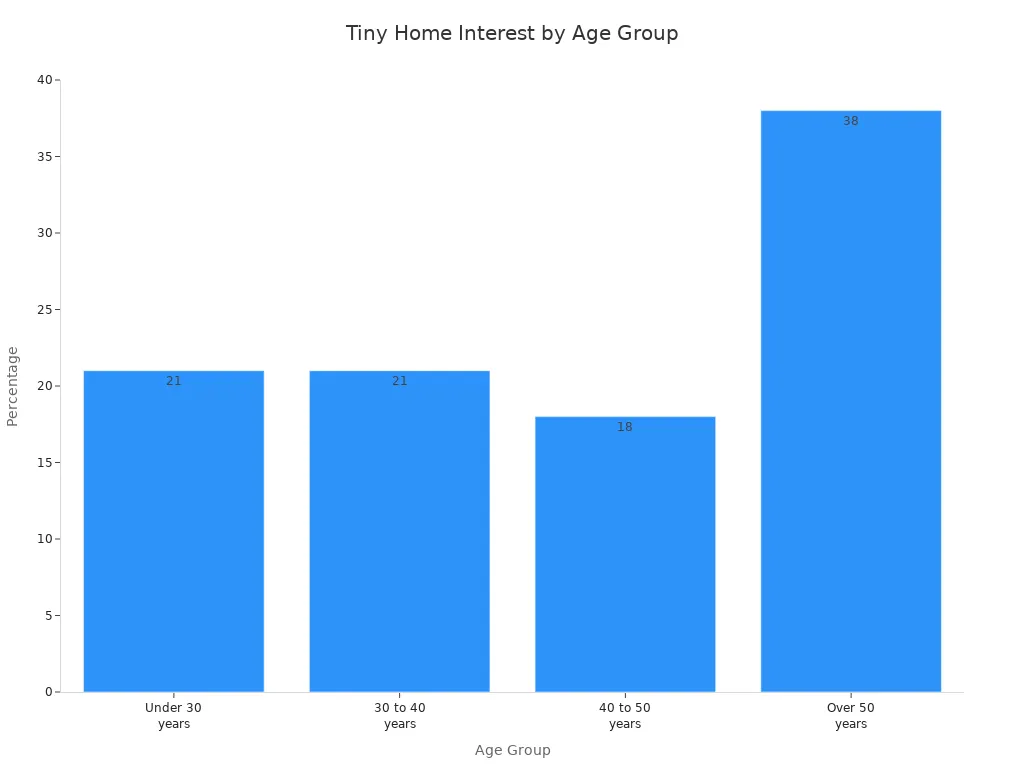
Tiny homes work for many people. If you want prefab houses that cost less, there are prefab choices for all ages. Here is who likes tiny mobile homes most:
Percentage | |
|---|---|
Under 30 years | 21% |
30 to 40 years | 21% |
40 to 50 years | 18% |
Over 50 years | 38% |
Prefab houses are good for people who want to save money and live simply. They also help the planet. Studies show 75% of Gen Z and Millennials like the tiny house movement. If you do not need a big home, want a prefab that moves, or want to try a tiny home kit, tiny mobile homes could be best for you.
Mobile Homes
Features
Mobile homes are different from regular houses. Most are made in a factory. They sit on blocks or piers, not on a full foundation. You see a steel frame with wheels and axles. This makes moving them easy. Small mobile homes use cheaper materials. Manufactured homes must follow HUD safety rules. You get your home quickly and pay less than for a regular house.
Mobile homes are made in a factory and moved to your land.
Small mobile homes sit on blocks or piers, not a full base.
Manufactured homes follow HUD safety rules.
Wheels and axles make moving easy.
You get fewer design choices than with modular homes.
Pros and Cons
You may wonder if mobile homes are a good choice. Manufactured homes have good points and some bad ones. Here is a table that shows what is good and what is not:
Pros | Cons |
|---|---|
Affordability | Lose value over time |
High Quality and Versatility | Hard to get loans |
Special manufactured home loans | Land can cost a lot |
Fast to build | Some people think less of them |
Good for the planet | Lenders have strict rules |
| Possible problems with renters |
You save money with small mobile homes. Manufactured homes are built fast and use less energy. There are special loans for manufactured homes. Some people worry about losing value quickly. It can be hard to find land or get a loan. Some people do not like mobile homes, but they keep getting better.
Tip: If you want a home quickly and want to save money, manufactured homes give you good quality for the price.
Best For
Mobile homes help lots of people. They cost less than regular houses. Utility bills are lower because small mobile homes use less space. Manufactured homes are good for older people, first-time buyers, and families. You get a flexible place to live and join a community. Small mobile homes are also good for investors who want to spend less.
You pay less to buy than with a regular house.
Utility bills are low because small mobile homes use less energy.
Property taxes are lower, so families can save money.
Manufactured homes fit busy families, couples, and singles. They are easy to take care of and you can change your space. Small mobile homes let you pick what you like. Manufactured homes help you save money and make life simple.
Capsule Home
Features
Capsule home alternatives have some special things. They use wood-alu-clad material. This gives the home a warm look and strong walls. The mix of wood and aluminum helps the house last longer. You can use capsule home alternatives for many reasons. Some people set up a space for parents. Others make a quiet office. Families like capsule home alternatives because they work for all ages. If you want to move in fast, these homes are a good choice. They cost less and you can live in them sooner than regular houses.
Wood-alu-clad material looks nice and is tough.
Capsule home alternatives change as your needs change.
You save money and move in fast.
Capsule home alternatives help you live with less worry and more comfort.
Pros and Cons
Capsule home alternatives have good points and some problems. Here is a quick look:
Pros | Cons |
|---|---|
Smart design helps you use space well | Small space can feel tight |
Custom storage keeps things organized | Thin walls make privacy hard |
Good insulation keeps you comfy | Takes time to get used to small space |
Add modules if your family grows | Not much storage can be tough |
You can use space in smart ways and keep things neat. Insulation helps you stay warm or cool. If your family gets bigger, you can add more modules. But you might feel crowded after a while. Thin walls make it hard to have privacy. You need to get used to living in a small space.
Best For
Capsule home alternatives fit many needs. If you want to stay long-term, models like HIDULAR E40, E40S, and T40PF are comfy and useful. Minimalists like capsule home alternatives because they use space well and keep life simple. Travelers pick capsule home alternatives for vacation rentals. These homes are small and different. If you care about the earth, capsule home alternatives help you live green. You use less but still feel at home.
Living Situation | How Capsule Homes Work For You |
|---|---|
Long-term living | HIDULAR E40, E40S, and T40PF are made for comfort and are good for living in a long time. |
Minimalist lifestyles | Capsule homes are small and help you use space well. |
Vacation rentals | Capsule homes are great for travelers who want a small and special place to stay. |
Capsule home alternatives help you live green and make smart choices.
You use less and still feel at home.
Great for people who want simple living and care about the planet.
Shipping Container Home
Features
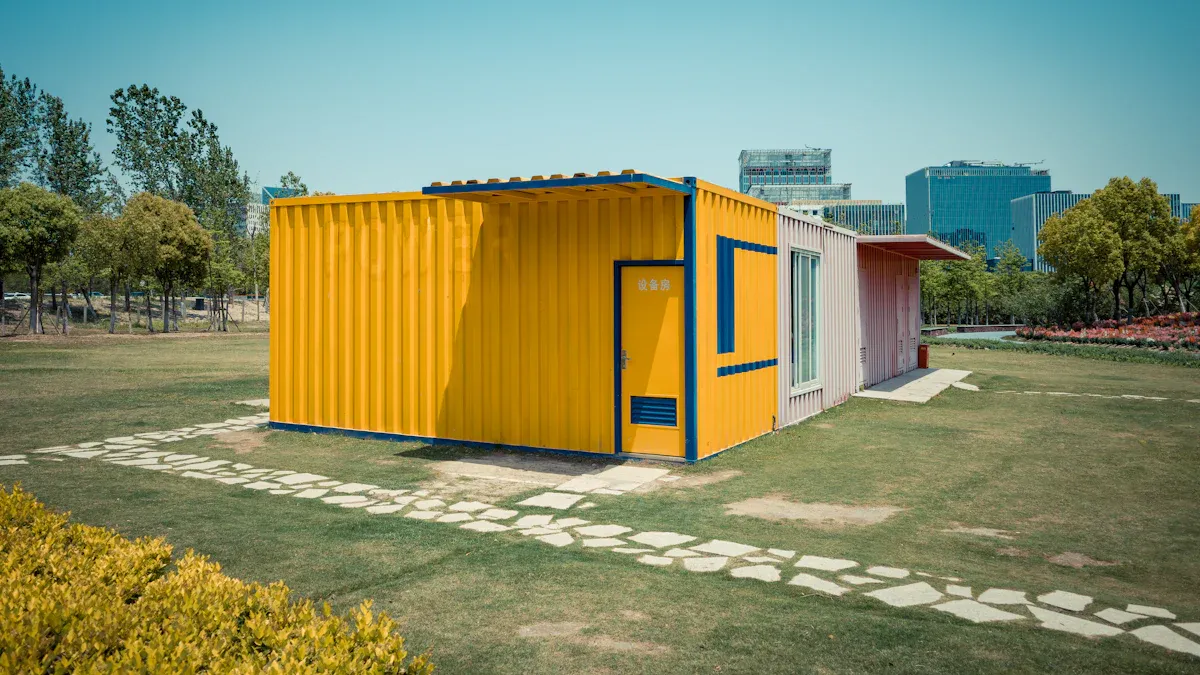
Shipping container homes use strong steel containers. These containers used to carry things on ships. The steel makes the home tough and safe in bad weather. You can stack containers or put them side by side. This helps you make bigger rooms. Building a shipping container home is faster than building a regular house. The main part of the home is already built. You just need to work on the inside.
One big reason people pick shipping container homes is the price. Regular homes cost a lot to build and keep up, especially in cities. Land and building materials are expensive there. Shipping container homes cost much less.
More people want homes that help the earth. Old shipping containers are usually thrown away after a few years. You can turn them into homes instead. This cuts down on trash and saves new building materials.
Shipping containers are easy to build with. The main part is done, so you only need to change the inside. You do not have to start from nothing.
You can use shipping container homes as your main house. They also work as guest houses or vacation cabins. Some people use them as extra rooms or nature getaways. You get a cool look and can change the space how you want.
Pros and Cons
Container homes have good sides and some problems. Here are some things to know:
Shipping containers are very strong and last a long time.
You can change the inside, but big changes cost more.
Container homes are small and can be used in many ways. You may need experts to make sure they are safe.
Old containers sometimes have chemicals that need to be cleaned out.
Using old containers helps the earth, but not all are safe for homes.
You might find problems with the structure or dangerous stuff inside old containers.
Shipping containers are made to handle rough sea trips. This makes them very tough and hard to break.
Your home will be safe in storms and bad weather. You should check the insulation and safety before you move in.
Best For
Shipping container homes are good for people who want a home fast and cheap. If you care about the planet, these homes help you use less and waste less. Adventurers and people who love nature like using them for cabins. Families in cold places need good insulation. Spray foam helps keep heat in and stops water drops. If you want to change your space, container homes let you add rooms or move things around.
Container homes are great for people who want something new, need a home quickly, or want to save money. You get a strong home that looks modern and different.
Modular Homes
Features
Modular homes are not like other mobile houses. Builders make parts in a factory. Then, they bring the parts to your land. The home sits on a strong base that does not move. It feels like a regular house. You can pick many different looks and layouts. Some people want big kitchens or lots of windows. Others want more bedrooms. Modular homes must follow local and state rules. This makes them safe and strong.
Here is a table that shows how modular homes and mobile homes are different:
Feature | Modular Homes | Mobile Homes |
|---|---|---|
Regulatory Standards | Built to local, state, and regional codes | Adhere to federal HUD standards |
Foundation and Permanence | Placed on permanent foundations, part of real estate | Set on non-permanent foundations, more flexible |
Design and Customization | Significant design flexibility, similar to site-built | Limited customization options post-production |
Appreciation Potential | Typically appreciate in value over time | Historically depreciated, but trends are changing |
Financing | Financed like site-built homes | Requires specialized financing due to mobile nature |
Pros and Cons
You may ask if modular homes are a good pick. They have many good things, but some problems too. You get your home faster than with a normal build. The price is lower, so you save money. Factories check every part for quality. Many modular homes use less energy, so bills are lower. You can choose from many styles.
But there are some hard parts. It can be hard to find land. You cannot change every part of the home. Getting a loan can be tricky. Some people think modular homes are not as good as regular houses. Getting the land ready can cost more than you think.
Pros | Cons |
|---|---|
Land and location restrictions apply | |
Lower costs make homeownership accessible | Customization has hard limits |
Quality control exceeds site-built standards | Financing can get complicated |
Energy efficiency cuts long-term expenses | Perception issues affect some markets |
Design flexibility surprises most buyers | Site preparation costs surprise buyers |
Tip: Modular homes are smart if you want a home fast and want to pick your own style.
Best For
Modular homes are good for many people. First-time buyers like them because they are not too expensive. People who want to save money like these homes. If you care about saving energy, modular homes help with that. You can pick the look you want.
Here are some people who like modular homes:
First-time buyers who want a new home.
People who want to move in fast.
Buyers who like picking their own layout.
Anyone who wants to pay less for energy.
You get a home that fits what you need and saves you money. Modular homes help you start fresh and worry less.
RVs & Park Model Homes
 Features
 Features
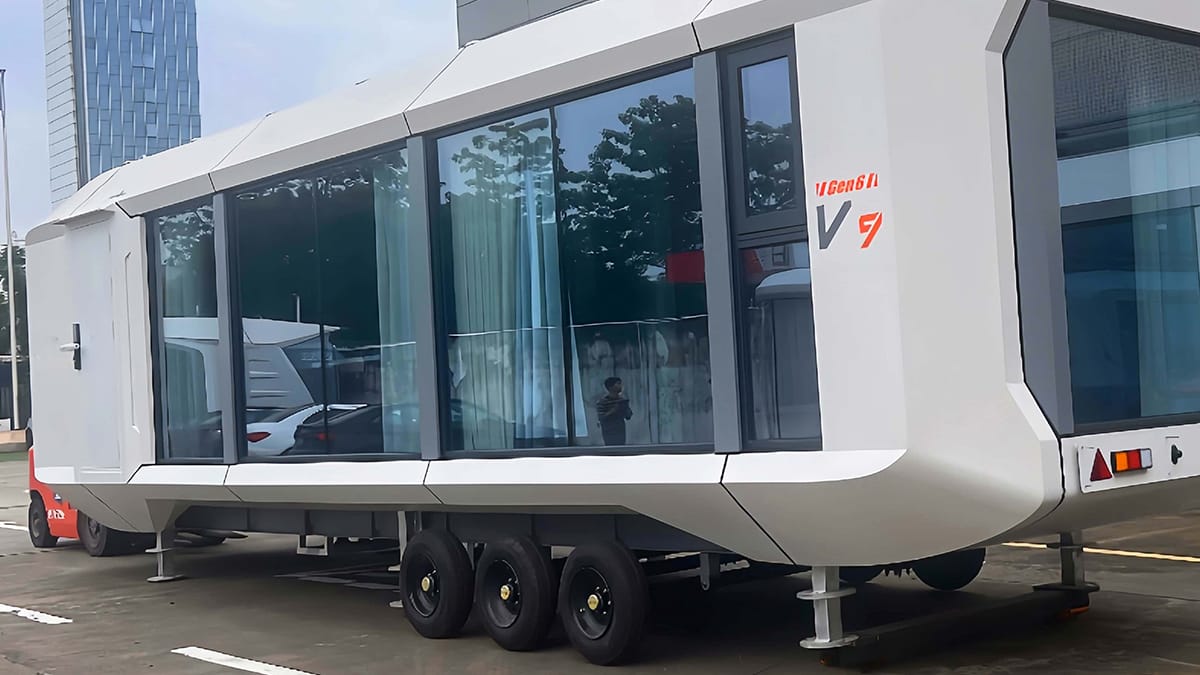
If you want a home that moves with you, an rv or park model home could be just what you need. These homes give you the freedom to travel or settle down in a cozy spot. Park model homes look and feel like small houses. You get full-sized appliances, comfy furniture, and even a porch in some models. Many people love the homelike comfort and the chance to make the space their own.
Here’s a quick look at what makes these homes stand out:
Feature/Benefit | Description |
|---|---|
Design | Park model homes offer residential-style amenities and furnishings. |
Amenities | Full-sized appliances and customizable options for comfort. |
Affordability | |
Community | Many resorts foster a sense of community and social interaction. |
Energy Efficiency | Energy-saving features help you cut costs and protect the environment. |
You can join a friendly community at many rv parks. These places often have group activities and shared spaces. If you care about saving money, you will like the lower price compared to regular homes.
Pros and Cons
You might wonder if an rv or park model home is right for you. Let’s break down the good and the not-so-good:
Pros | Cons |
|---|---|
Limited floor plan can feel cramped | |
Attractive exteriors and interiors | Not suitable for year-round use |
Larger appliances available | Difficult to store due to size |
Great for long-term stays | Must follow strict regulations |
You get more space and comfort than a regular rv. The inside feels warm and welcoming. You can stay for weeks or months at a time. Some people find the floor plans a bit tight. These homes are not always good for cold winters. You may also need to follow special rules in some places.
Tip: If you want a home that feels like a house but can move, a park model rv gives you the best of both worlds.
Best For
You have many reasons to pick an rv or park model home. These homes work well for campers who want a fun experience at campgrounds. Vacationers love them because they cost less than building a new house. If you want to make extra money, you can rent out your rv on sites like Airbnb. Some people use them as a short-term home during a move or while building a house. Homeowners also use them as a guest house or extra space in the backyard.
Vacationers looking for a budget-friendly getaway
Investors hoping to earn rental income
Temporary residents needing a place for a few months
Homeowners wanting more space for guests
You can find an rv or park model home that fits your lifestyle, whether you want to travel, relax, or invest.
Skoolies
Features
Some people turn old school buses into homes. These are called skoolies. The bus shell is made from strong 16 gauge steel. This makes skoolies tougher than most mobile homes. You can pick a bus size that works for you. Some skoolies are short and easy to drive. Others are long and have more space inside. You can design the inside any way you want. Add bunk beds, a kitchen, or a rooftop deck. Skoolies let you build your dream space from the start.
Here’s how skoolies are different from other mobile houses:
Feature | Skoolies | Other Mobile Houses |
|---|---|---|
Durability | Made with 16 gauge steel | Use lighter materials |
Customization Options | You design everything | Limited by manufacturer |
Legal Framework | Standard RV regulations | |
Size Variability | Many sizes to choose from | Usually one size |
With a skoolie, you start with a blank space. You can make it look and feel how you want.
Pros and Cons
Skoolies give you lots of freedom, but there are some problems. You can design every part of your bus. There is plenty of space inside and on top. Used buses cost less than many other mobile homes. You can find buses for sale in lots of places. But building a skoolie takes time and money. Insulation is not always good, so it can get cold or hot. Skoolies use a lot of fuel. Parking can be hard. You may have trouble with registration and insurance.
Pros of Skoolies | Cons of Skoolies |
|---|---|
You can design it your way | |
Lots of space inside and on top | Building is hard and costs money |
Easy to find used buses | Heavy buses are hard to manage |
Cheaper to buy than some homes | Uses lots of fuel |
| Not much storage |
| Parking is tough |
| Registration and insurance can be tricky |
Tip: If you like building things and want a home that shows who you are, a skoolie might be right for you.
Best For
Skoolies are great for people who want adventure and freedom. You might like a skoolie if you:
Love travel and adventure in your twenties
Want to live with less stuff
Care about the planet and want to help the earth
You get a home that moves with you and fits your dreams. Skoolies let you live the way you want.
Yurts & Domes
Features
 Features
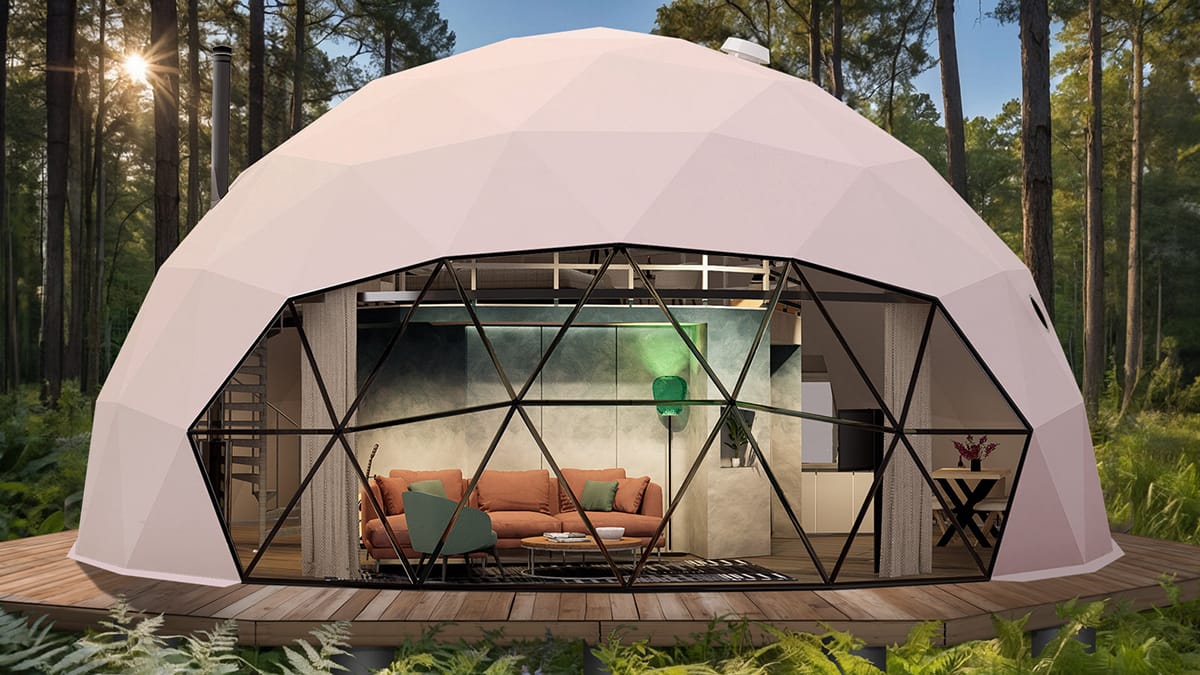
You might want a home that feels different from anything else. Yurts and domes give you that unique experience. Yurts have a round, open layout that feels spacious and welcoming. You get modern touches like insulation and hardwood floors, so you stay comfortable in every season. The circular design lets you enjoy nature from inside your home. Geodesic domes also have round interiors. You can change the inside to fit your style. These homes stand out because they are strong and eco-friendly. You get the best of both worlds—comfort and a close connection to the outdoors.
Many people pick yurts and domes because they blend modern living with a natural setting. You can relax, work, or play while feeling close to the earth.
Pros and Cons
When you look at yurts and domes, you see some great benefits and a few challenges. Here’s what you need to know:
Pros of Geodesic Domes
Handle tough weather well
Look cool and modern
Built strong for year-round use
Cons of Geodesic Domes
Zoning and permits can be tricky because of their shape
Pros of Aero Yurt
Resist wind and bad weather
Air beams make them sturdy
Cons of Aero Yurt
Heavy weight makes moving hard
Tip: If you want a home that stands up to storms and looks amazing, a dome or yurt could be perfect. Just check local rules before you build.
Best For
Yurts and domes work for many types of people and places. You might love them if you enjoy nature or want a cozy getaway. These homes fit well on family farms, mountain land, or even in your backyard.
Adventurers
Eco-friendly builders
People who want vacation retreats
Fans of tiny house living
Anyone needing a portable home
Vacation retreats
Tiny house living
Portable homes for different uses
Meditation centers
Home offices or writing studios
Guest houses
You can use yurts and domes for meditation, as a playroom, or for guests. Their flexible design means you can make them fit your life. If you want a home that feels special and connects you to nature, yurts and domes are a smart choice.
Houseboats
Features
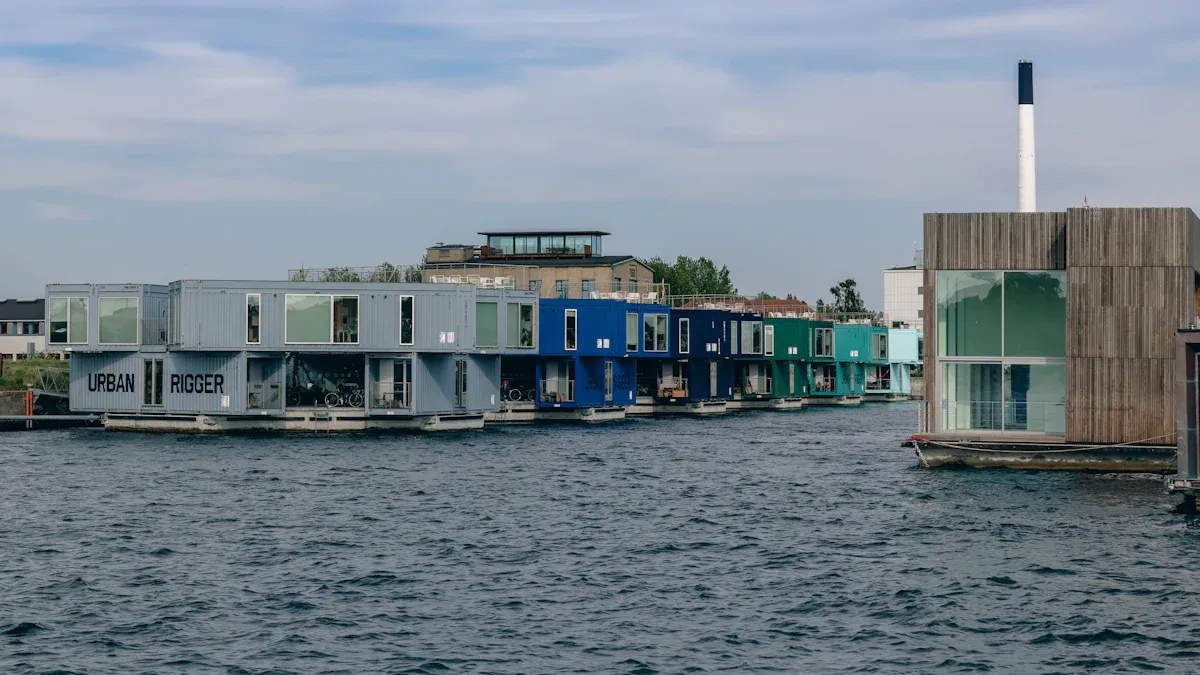
If you want to wake up to water views, a houseboat might be great for you. Modern houseboats are more than just places to sleep. You get smart tech and green energy. They feel like regular homes. Many houseboats use solar panels for power. You can live off-grid if you want. Some houseboats have AI navigation and touchscreen controls. This makes living on water easy and fun.
Here’s what you get with today’s houseboats:
Feature | Description |
|---|---|
Eco-Friendly Energy | Uses solar power for moving and daily needs |
Off-Grid Possibility | Lets you live anywhere with water and sunlight |
Advanced Technology | AI navigation and smart systems for easy living |
Durable Construction | Built with corrosion-resistant materials |
Comfort Meets Sustainability | Luxury amenities with a low carbon footprint |
High-Efficiency Solar Panels | Captures sunlight for better energy use |
Battery Management System | Keeps batteries healthy and lasting longer |
AI-Assisted Controls | Touchscreen panels for navigation and energy tracking |
Luxurious Cabins | Modern kitchens and entertainment systems |
Water & Waste Management | Eco-friendly solutions like greywater filters and composting toilets |
Optional Hybrid Propulsion | Backup options for longer trips |
You can have a nice kitchen and a cozy living area. Entertainment systems are also included. All of this is on the water.
Pros and Cons
Living on a houseboat feels special, but it has some problems. You save money on rent or mortgage. You get great views every day. You can swim, fish, or kayak right outside. Some people pay less in taxes. But you have less space than a regular house. Marinas charge fees. You need to do maintenance often. Houseboats do not feel as permanent as houses on land.
Pros | Cons |
|---|---|
Reduced living space | |
Nice views | Marina or HOA fees |
Water activities | Maintenance |
Lower rent or mortgage | Lack of permanence |
Possible tax advantages |
|
Tip: If you love water and want something different, a houseboat gives you freedom and adventure. Remember to plan for upkeep and marina rules.
Best For
You may wonder if living on a houseboat is right for you. Houseboats are best for people who love water and outdoor fun. They are good for those who want a close community. Some cities and lakes are famous for houseboat living. You can pick a place that fits your needs. Choose warm weather, lots of marinas, or city life.
Lake Havasu City, AZ: Good for hot weather and water sports
Sausalito, CA: Friendly people and mild weather
Fort Washington, MD: Nice neighbors and moderate climate
Seattle, WA: City perks and peaceful water living
Portland, OR: Many rentals for new people
Hot Springs, AR: Relaxed life and nature views
Shasta Lake, CA: Great for boating and fun
Lake Cumberland, KY: Famous for fishing and pretty scenery
Fort Worth, TX: Warm winters and easygoing feel
You can find a houseboat community that fits you. Pick adventure, relaxation, or both.
Affordable Housing Comparison
Cost Overview
 Cost Overview
When you look for a cheap home, price is very important. Tiny homes, mobile homes, and capsule homes cost much less than regular houses. Shipping container homes and skoolies also help you buy a home for less money. You can find choices for almost any budget. For example, fixing a mobile home roof costs $1,000 to $5,000. Fixing a regular house roof costs $7,000 to $15,000. Mobile homes usually have lower property taxes and insurance. Lot rent for mobile homes is $300 to $800 each month. This helps you spend less. If you want to save money, these homes make it possible.
Alternative | Upfront Cost | Monthly Cost | Taxes/Insurance | Notes |
|---|---|---|---|---|
Tiny Home | Low | Low | Low | DIY kits save more |
Mobile Home | Low | Medium | Low | Lot rent may apply |
Capsule Home | Low | Low | Low | Fast move-in |
Shipping Container | Low-Medium | Low | Low | Custom builds vary |
Modular Home | Medium | Low-Medium | Medium | More like a regular house |
RV/Park Model | Low-Medium | Medium | Low | Park fees possible |
Skoolie | Low | Low | Low | DIY saves money |
Yurt/Dome | Low | Low | Low | Simple living |
Houseboat | Medium | Medium | Medium | Marina fees |
Space & Mobility
You want to know how much room you get and how easy it is to move. Tiny homes, RVs, and skoolies give you the most freedom. You can take your home almost anywhere you want. Capsule homes and shipping container homes are easy to move but need special trucks. Modular homes and mobile homes usually stay in one spot. Yurts, domes, and houseboats have cool spaces and can move, but not as easily as an RV. If you love travel, these homes let you move and own a home for less money.
Maintenance
Taking care of your home is important too. Mobile homes and tiny homes need less work than regular houses. You pay less for repairs and insurance. For example, fixing a mobile home roof costs much less than fixing a regular house roof. You can do most repairs yourself, which saves money. Houseboats and skoolies need more care because of water and engines. Modular homes and shipping container homes are strong and last a long time, so you fix them less. If you want life to be simple, these homes make taking care of your place easy and cheap.
Tip: Always check what repairs you can do yourself. This helps you save even more money on your home!
Choosing Guide
Budget
You want to find a home that fits your budget. Start by writing down your monthly income and expenses. This helps you see how much you can spend on a home. Look at the price of each option. Some homes cost more at first, but save you money later. Tiny homes, skoolies, and yurts are great budget-friendly alternatives. If you want a budget-friendly home, check for hidden costs like land, utilities, or repairs. Make a list of what you need and what you can live without. This helps you stick to your budget.
Tip: Always leave some extra money in your budget for surprises. Repairs or moving costs can pop up when you least expect them.
Lifestyle
Think about how you live every day. Do you like to travel or stay in one place? If you want to move often, an RV or skoolie might work best. If you love nature, a yurt or houseboat could make you happy. Some people need more space for family or pets. Others want a simple life with less stuff. Make a list of your daily needs. Ask yourself what makes you feel comfortable and happy. Your lifestyle should match your home choice.
Do you work from home?
Do you need space for hobbies?
Do you want to live alone or with others?
Location
Where you live matters a lot. Some places have rules about mobile homes or tiny houses. Always check local laws before you buy. Some areas do not allow certain types of homes. You may need a permit or special insurance. Look for places with good weather, safe neighborhoods, and things you like to do. If you want to live near water, check for houseboat communities. If you want to live off-grid, make sure you can get water and power.
Home Type | Easy to Move? | Check Local Laws? |
|---|---|---|
Tiny Home | Yes | Yes |
Mobile Home | Sometimes | Yes |
RV/Skoolie | Yes | Yes |
Yurt/Dome | Sometimes | Yes |
Houseboat | Yes | Yes |
Note: Always talk to local officials before you buy land or move your home. This saves you time and money.
You have lots of choices for mobile homes in 2025. Tiny homes, skoolies, houseboats, and more give you flexibility and save money. Think about your budget, how much space you need, and where you want to live.
List your top needs.
Compare costs and features.
Talk to local experts.
Ready to start your journey? Explore these options and find the mobile home that fits your life. Flexible, affordable living can help you feel free and happy!
FAQ
What is the cheapest mobile house option?
You can find tiny homes and skoolies for the lowest prices. DIY kits and used buses help you save even more. If you want to spend less, look for simple designs and do some work yourself.
Can I move my mobile house anywhere I want?
You can move most mobile homes, but you need to check local laws first. Some places have rules about where you can park or live. Always ask city officials before you move your home.
Do mobile houses need special insurance?
Yes, you need special insurance for mobile homes, RVs, skoolies, and houseboats. Each type has its own rules. Talk to an insurance agent to find the best plan for your home.
How long does it take to build a mobile house?
You can build a tiny home or skoolie in a few weeks if you work fast. Modular homes and shipping container houses take longer. Most people finish their mobile house in one to six months.
Are mobile houses safe in bad weather?
Mobile homes, modular homes, and shipping container houses are strong. Skoolies and domes also handle storms well. You should add extra insulation and check safety features if you live in a place with harsh weather.