



05 Nov Your Guide to Tiny House on Wheels Laws and Permits
You might wonder if a tiny house on wheels is legal or if you need permits for your tiny home on wheels. Many people feel unsure about tiny home laws and local rules. > Understanding tiny home regulations before you build or move in helps you avoid problems.
You save money by following the rules.
You protect your tiny home from future legal issues.
You enjoy tiny homes with peace of mind. Learning about tiny homes and regulations keeps you safe and helps you make smart choices.
Key Takeaways
Always look up local laws before you build or move your tiny house on wheels. Rules are different in each city and state.
Get the right permits to make sure your tiny home is legal and safe. You need building, zoning, and safety permits.
Know how your tiny home is classified. It might be called an RV. This can change where you can park and what rules you must follow.
Keep track of zoning laws and building codes. These rules can change often. Changes can affect how you live in your tiny home.
Join local tiny home groups for help and advice. They can guide you with rules and help you meet other tiny home owners.
Tiny House on Wheels Legality
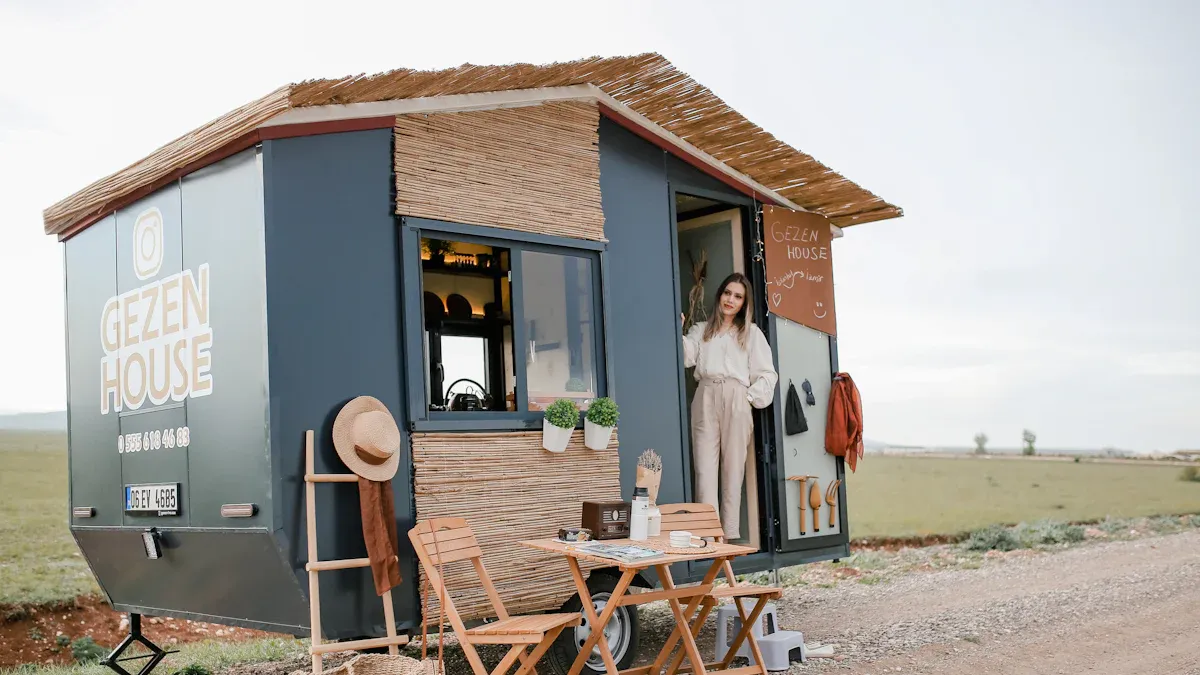
Local Laws and Restrictions
It is important to know that tiny home laws change in different places. Each city and state has its own rules for tiny homes on wheels. Some places are friendly to tiny homes, but others have tough rules. One county might let you have a tiny home on wheels, but the next county might not. This makes planning hard.
Here is a table that shows how laws are different in three big states:
State | Tiny House on Wheels Regulations |
|---|---|
California | Requires compliance with California Building Standards Code; classified as RV or trailer must follow different guidelines. |
Texas | Many counties have no zoning regulations; may require permits and must comply with local building codes and safety standards. |
Florida | Progressive laws; cities like Rockledge allow tiny homes on wheels; relaxed protocols in many counties with no minimum square footage. |
California wants you to follow strict building codes. Texas gives you more choices, but you still need to check local rules and safety standards. Florida has easier laws in some places, so you can build tiny homes with fewer limits.
Cities and counties make their own rules. You might need a permit, follow zoning rules, and meet building codes. Some places check your permit every six months. Others let tiny homes on wheels stay in special zones or tiny home villages. In Nantucket, you can live in a tiny home on wheels in most neighborhoods because people asked for it.
Here is a table of common legal rules:
Legal Restriction | Description |
|---|---|
Permit Requirements | Residents must obtain a permit costing $150, reviewed every six months by a zoning officer. |
Zoning Regulations | Tiny homes on wheels may be allowed in specific zones, and cities can create site plans for villages. |
Building Permits | Both tiny homes on foundations and movable tiny homes require building permits and inspections. |
Restrictions on Removal | Cities cannot adopt ordinances that prevent tiny houses on wheels from being used as primary residences in certain communities. |
Specific Local Approvals | In Nantucket, a petition was approved to allow tiny houses on wheels in most residential districts. |
Tip: Always check local rules before you buy land or move your tiny home on wheels. Rules can change fast, so keep checking for updates.
R-5 zoning matters for tiny homes on wheels. Many cities use R-5 zones for mobile homes and RVs. If your tiny home on wheels is called an RV, you might not need to follow the same building codes as a regular house. This makes it easier to put your tiny home in an R-5 zone. But, RV rules can also make it hard to live in your tiny home all the time. Some places do not let people live in RVs full-time, so you need to check the rules.
Tiny homes on wheels are often called recreational vehicles.
You might not need to follow the same building codes as regular homes.
RV rules decide where you can put your tiny home on wheels in R-5 zones.
Common Permit Requirements
You must get the right permits before you build or move into your tiny home on wheels. Permits help you follow tiny home rules and keep your tiny home safe. The steps can seem hard, but you can break them into easy parts.
Here are the most common permit needs:
Building Permits: You need to show your tiny home is safe and meets building codes.
Zoning Permits: You must prove your tiny home on wheels is allowed in your spot.
Electrical, Plumbing, and Mechanical Permits: You may need extra permits if your tiny home has special systems.
Permitting Process: You give detailed plans to local officials. They look at your plans and say yes before you start building.
Inspections and Certifications: Inspectors check your tiny home while you build. You must pass these checks to get final approval.
RV rules change the permit steps for tiny homes on wheels. Many places treat tiny homes on wheels as RVs. This means you must follow RV rules and standards. You may need to meet ANSI safety standards for registration and permits. Some cities do not let people live in RVs all year, so you must check local rules before you decide to live in your tiny home on wheels all the time.
Here is a table showing how RV rules affect tiny home permits:
Aspect | Details |
|---|---|
Legal Classification | Tiny houses on wheels often fall under the classification of recreational vehicles (RVs). |
Full-time Living Restrictions | In many areas, it is illegal to live in an RV full-time, complicating permanent residence. |
Compliance Requirements | Compliance with ANSI safety standards is often required for registration and permitting. |
Local Regulations | Registration must align with city or county requirements, including permits and inspections. |
You need to follow all local rules and tiny home laws to keep your tiny home legal. Always talk to local officials before you build or move your tiny home on wheels. This helps you avoid trouble and keeps your tiny home safe.
Tiny Home on Wheels Classification
RVs vs. Tiny Homes
When you look at tiny homes on wheels, you should know how they are different from RVs. The way your tiny home is classified changes where you can park it. It also changes what permits you need and which rules you must follow. RVs and tiny homes have different legal groups. RVs are made with light, factory-made materials. Tiny homes on wheels are built strong and are often custom-made. RVs must follow RV industry rules. Tiny homes may need to meet local building codes.
Here is a table that shows the main differences:
Aspect | RVs | Tiny Homes on Wheels |
|---|---|---|
Construction | Mass-produced, lightweight materials | Custom-built, sturdy construction |
Design | Standardized design | Innovative space-efficient design |
Building Codes | Not subject to traditional building codes | Often adhere to local building codes |
Usage | Temporary travel and recreation | Permanent or semi-permanent residences |
Legal Classification | General RV classification | Classified as park model RVs, subject to zoning regulations |
If you want to live in your tiny home on wheels all the time, you must check local laws. Some places call tiny homes RVs, so you cannot live in them full-time. Other places let you use tiny homes as your main house, but you must follow strict rules.
Park Model Differences
Park model RVs and tiny homes on wheels are not the same. Park model RVs are for short stays or vacations. Tiny homes are made for living in all the time. Park model RVs must meet ANSI A119.5 rules. Tiny homes may need to follow local building codes or RV rules, which can make things tricky.
Here is a table to help you see the differences:
Feature | Park Model RVs | Tiny Homes on Wheels |
|---|---|---|
Legal Classification | Classified as recreational vehicles | Navigate ambiguous legal landscape |
Regulations | Subject to RV industry regulations | Depends on local building codes |
Placement | Designed for temporary living | Often intended as primary residences |
You should know these differences before you pick a place or get permits. Every city and county has its own rules. Santa Cruz County lets you use a tiny home on wheels as a single-family home. San Benito County wants you to add skirting, hook up utilities, and follow setback rules. Always check the local laws before you start living in your tiny home.
International Code Council standards are important for tiny homes. Tiny homes on wheels might need to meet ICC standards. RVs follow RVIA or ANSI rules. Tiny homes do not have one set of rules, so you must follow local building codes. This is why you should talk to your local planning office and work with people who know tiny home laws.
Tip: Knowing how your tiny house on wheels is classified helps you avoid legal trouble and makes it easier to get permits.
Tiny Home Regulations and Building Codes
Size and Height Limits
You need to know the size and height limits before you design or buy a tiny home on wheels. These limits help you follow building codes and standards. Most tiny homes must fit within strict rules so you can move them safely and avoid extra permits. The main laws set the maximum size at 400 square feet. The height cannot go over 13.5 feet. The width must stay under 8.5 feet. These limits come from both local rules and national regulations.
Here is a table that shows the most common limits for a tiny house on wheels:
Dimension | Maximum Limit |
|---|---|
Size | 400 square feet |
Height | 13.5 feet |
Width | 8.5 feet |
The International Residential Code (IRC) Appendix Q says a tiny home must be 400 square feet or less, not counting lofts. The Department of Transportation (DOT) sets the height at 13.5 feet so you do not need special permits to move your tiny home. You must also keep the width at 8.5 feet for safe travel on public roads.
Weight and trailer size also matter for tiny homes on wheels. You must check the towing capacity of your vehicle and the total weight of your tiny home. If your tiny home is too heavy, you cannot move it legally. Most states set the maximum trailer weight at 4.5 tonnes. The legal width for trailers is 2.5 meters, which matches the 8.5 feet rule. Your tiny home must fit these requirements to stay mobile and safe.
Regulation Type | Limit/Requirement |
|---|---|
Maximum Width | 2.5 meters (legal limit) |
Maximum Total Weight | 4.5 tonnes (Aggregate Trailer Mass) |
Towing Capacity | Must match the total weight of the tiny home |
You must also think about ceiling height. The IRC says the minimum ceiling height for tiny homes on wheels is 6 feet 8 inches. This rule applies to the main living areas. You need enough space to stand and move around comfortably.
Minimum ceiling height: 6 feet 8 inches in main living areas
If you follow these size and height limits, you make sure your tiny home meets legal requirements and stays easy to move. You also avoid problems with local rules and permits.
Tip: Always measure your tiny home carefully before you build or buy. Staying within the limits helps you avoid costly changes later.
Safety Standards
Safety standards protect you and your tiny home. You must follow national and local regulations to keep your tiny home safe and legal. Most tiny homes on wheels must meet special safety standards for electrical, plumbing, and fire safety.
Here is a table that lists the main safety standards for tiny homes on wheels:
Standard | Description |
|---|---|
ANSI A119.5 | Park Model Recreational Vehicle Standard, used for tiny homes on wheels |
NFPA 1192 | Standard on Recreational Vehicles, covers safety for movable tiny homes |
National Electrical Code (NEC) | Sets electrical requirements for RVs and trailers |
You must follow these standards when you build or update your tiny home. ANSI A119.5 covers park model RVs and many tiny homes on wheels. NFPA 1192 sets fire and safety rules for movable tiny homes. The National Electrical Code (NEC) gives you the rules for wiring and electrical systems. These standards help you avoid accidents and keep your tiny home safe for tiny home living.
Local rules may add more requirements. Some cities want you to pass extra inspections or use certified materials. You must check with your local building office to learn about all the rules for tiny homes. Following these safety standards helps you get permits and keeps your tiny home legal.
Use certified electrical and plumbing systems
Install smoke detectors and fire extinguishers
Make sure exits are easy to reach
You protect yourself and your tiny home when you follow safety standards. You also make it easier to get permits and meet local rules. Tiny home regulations change often, so you must stay updated.
Note: Always ask your local officials about the latest building codes and standards for tiny homes on wheels. Rules can change, and new requirements may appear.
Zoning for Tiny Homes
Where You Can Park
You should know where you can park your tiny home. Zoning rules decide if your tiny home can stay in a spot. Many cities use R-5 zones for mobile homes and RVs. Sometimes, tiny homes are allowed in these zones. These places often let you park your tiny house on wheels. But you must check the local laws first. Some places have flexible zoning laws. This makes it easier to find legal parking. States like Alabama, Arizona, Colorado, Illinois, Mississippi, Missouri, North Dakota, Tennessee, Texas, West Virginia, and Wyoming give more choices for tiny homes.
Here are the most common places for legal parking:
RV parks and campgrounds have utility hookups and safe spots.
Private land lets you rent space from landowners. Websites help you find them.
ADUs and backyard cottages allow tiny homes as extra living spaces. You must follow local rules.
Tiny house communities have shared spaces and support for tiny home living.
Tiny home-friendly counties and towns have relaxed zoning laws for tiny homes on wheels.
Tip: Always ask about tiny home rules before you park your tiny home on wheels. Rules change from city to city.
Checking Local Zoning Laws
You must check local zoning laws before you move your tiny home. Zoning rules affect where you can put your tiny home. They also tell you what you must do. Start by calling your local zoning or planning office. Ask if tiny homes are allowed in your area. Find out what zoning rules apply. Look for minimum lot size and floor area rules. Check setbacks and height limits. Make sure your tiny home on wheels meets all local rules.
Follow local rules and building codes for your tiny home.
Get permits for your tiny home on wheels.
Check if tiny homes are allowed in your zoning district.
Know lot size and floor area rules.
Watch for setbacks, height limits, and parking rules.
Find out if your tiny home needs a permanent foundation.
Get a building permit and meet local building codes.
For movable tiny homes, check for ANSI or RVIA certification and inspections.
You keep your tiny home legal and safe when you follow zoning rules. Learning about local zoning codes helps you avoid trouble and enjoy tiny home living.
Permits and Registration

When you want to live in a tiny home, you must follow the right permitting and registration processes. These steps help you stay legal and avoid trouble later. Every city and county has its own requirements, so always check local laws before you start.
Building Permit Steps
You need to get permits before you build or move your tiny home. The process may seem confusing, but you can break it down into simple steps:
Visit your local zoning office. Ask about tiny home regulations and what you need to do.
Submit your building plans. Make sure your plans show how your tiny home meets safety and size requirements.
Apply for building permits. You must have these before you start construction.
Schedule inspections. Inspectors will check your tiny home during and after building to make sure it meets all standards.
Pass all inspections. Only then can you move into your tiny home.
Tip: Checking local zoning laws early helps you avoid costly mistakes and delays.
Registering Your Tiny Home
After you finish building, you must register your tiny home on wheels. Registration proves your tiny home is safe and meets all legal rules. Here are the main steps:
Check with your local zoning office for up-to-date regulations.
Make sure your tiny home is properly titled and registered.
Obtain all needed building permits and pass inspections.
Some places let you register your tiny home as a trailer at first. This can lower your fees.
Local authorities may have extra requirements for registration.
A table can help you see the main documents you need:
Step | What You Need |
|---|---|
Title and Registration | Proof of ownership, trailer title |
Building Permits | Approved plans, inspection reports |
Inspection Certificates | Proof your tiny home meets standards |
You must follow all laws and regulations to keep your tiny home legal. If you plan to get financing, you may need to show proof of permits and registration. Always talk to your local building office for the latest rules.
Insurance and Financing for Tiny Homes
Insurance Options
You need to keep your tiny home safe from harm. Tiny home insurance is not the same as regular house insurance. Tiny homes on wheels can have more risks because you move them around. Some companies, like Progressive, give Trip Collision coverage when you move your tiny home. Other companies offer transit endorsements to protect your home during travel.
There are different insurance choices for tiny homes:
Homeowners insurance helps pay for repairs and costs.
RV or mobile home insurance protects your tiny home while parked or moving.
Personal property coverage helps you replace things that get lost or broken.
Towing or transportation coverage pays for moving your tiny home if your main policy does not cover it.
Tiny homes on wheels need different insurance than RVs or regular homes. Here is a table to show the differences:
Type of Home | Insurance Required | Key Features |
|---|---|---|
Tiny homes on wheels | RV or Mobile Home Insurance | Covers both moving and staying in one place |
Traditional homes | Homeowners Insurance | Not good for tiny homes because they are different |
You should talk to your insurance company to find the best plan for your tiny home. Your choices depend on where you live, how you use your tiny home, and how it is built.
Tip: Ask your insurance company about travel coverage if you move your tiny home a lot.
Financing Challenges
Getting money for a tiny home can be hard. Most banks do not give regular home loans for tiny homes. Tiny homes do not meet the usual rules for mortgages. Tiny homes often cost less, so banks may not want to lend money. Zoning and rules also make it harder to get loans for tiny homes.
You can try these ideas to help pay for your tiny home:
Use a home equity loan or line of credit if you own land.
Find lenders who know about tiny home loans.
Put your tiny home on a foundation to get a regular mortgage.
Ask your builder if they offer payment plans.
Try crowdfunding or look for grants to help pay for your tiny home.
You might want to rent land or join a tiny home community to save money. Check local rules to find places that allow tiny homes. Look for legal parking and utility hookups before you buy or build.
Living in a tiny home gives you freedom, but you need to plan for insurance and money. Tiny home life is easier when you know your choices and follow the rules.
Note: Always talk to local officials and banks before you start your tiny home adventure.
Living Legally and Safely in Tiny Homes
Working with Officials
You should talk to local officials when you live in a tiny home. Building a tiny home on wheels means you must follow city or county rules. Officials can explain what you need to do. Ask questions and show your plans to them. This helps you avoid mistakes and keeps your tiny home legal.
Here are some easy steps to follow:
Ask your local building office about permits before you build.
Look up zoning laws to see where you can park your tiny home.
Make sure your tiny home on wheels fits size and weight rules for roads.
Officials want tiny homes to be safe for everyone. You should plan inspections and listen to their advice. If you have problems, talk to them early. They can help you fix things before they get worse.
Tip: Keep copies of all your permits and inspection papers in a safe spot. You might need them if rules change or if you move your tiny home.
Staying Compliant
You need to keep up with new rules. Tiny homes have different rules in every city and state. Some places let tiny homes be accessory dwelling units. Other places have strict limits. Building codes also change, so check them often.
Aspect | Details |
|---|---|
Zoning Laws | Rules are different in each area. Some places allow tiny houses as ADUs, but others do not. |
Building Codes | Tiny houses must meet safety rules. These rules change by state and city. |
Example States | California lets people have ADUs. Georgia has tougher rules for tiny homes. |
Here are ways to stay updated:
Join tiny house groups in your area to learn about new rules.
Work with advocacy groups that help change tiny home laws.
Follow online forums and social media for tiny home news.
Tiny home owners work with groups like the ICC to make better codes. You should join in and share your story. This helps tiny homes become safer and more accepted.
Note: Rules change a lot. Always check with local officials and talk to other tiny home owners to keep your tiny home legal.
Trends in Tiny Home Regulations
Recent Legal Changes
Tiny home laws change every year. More cities and states now allow tiny homes as real places to live. In January 2024, Vermont made a new bill called H. 540. This bill lets you build a tiny home on any lot with at least one acre. You can put one tiny home on each acre. Bigger lots can have two tiny homes. This makes it easier to live in a tiny home. Vermont also made new wastewater rules for people living together in tiny homes.
Minneapolis changed its zoning rules. Now you can build more than just single-family homes. California lets you use a tiny home as an accessory dwelling unit. This helps with housing shortages. The International Residential Code (IRC) Appendix Q now lets you build tiny homes on small foundations. Room size rules went down from 120 square feet to 70 square feet. These changes make tiny homes easier to build and use.
Location | Legal Change Description |
|---|---|
Minneapolis | Zoning rules now allow more than single-family homes. |
California | Tiny houses can be accessory dwelling units to help with housing shortages. |
Vermont | Bill H. 540 lets tiny houses on lots with one or more acres, with special placement rules. |
More people accept tiny homes now. Builders use new designs and stronger materials. You still have to follow local laws and rules, but things are getting better.
Advocacy and Resources
Many groups help tiny home owners. These groups work to make tiny home laws better and protect your rights. The Tiny Home Industry Association (THIA) tries to make tiny homes legal as permanent homes. The American Tiny House Association (ATHA) pays for projects to help tiny home owners.
Advocacy Group | Description |
|---|---|
Tiny Home Industry Association (THIA) | National group working to make tiny houses legal as permanent homes. |
American Tiny House Association (ATHA) | Pays for projects to help legal tiny home efforts. |
You can join local tiny home groups. These groups share news and help you learn about tiny home rules. Online forums and social media give tips and connect you with other tiny home owners. You find out about new tiny home laws and get answers to your questions.
More cities and states now allow tiny homes. You see new ideas in design and ways to save energy. You still need to check local rules before you build or move your tiny home. Advocacy groups and community resources help make living in a tiny home easier.
You can keep your tiny home on wheels legal by following these steps:
Check local laws and zoning codes before you build or move.
Get all needed permits and pass inspections.
Register your tiny home with the right authorities.
Stay updated on new rules and join tiny home groups.
Tiny homes are becoming more accepted every year. You help your community by learning the rules and sharing what you know. Stay informed and enjoy your tiny home journey!
FAQ
Are tiny houses on wheels legal everywhere?
No, tiny houses on wheels are not legal everywhere. You must check your city and county rules. Some places allow them, but others do not. Always ask your local zoning office before you build or move your tiny home.
Where can you park your tiny house on wheels?
You can park your tiny house in RV parks, campgrounds, private land, or tiny home communities. Some cities have special zones for tiny homes. Always check local parking rules before you move your home.
Do you need insurance for a tiny house on wheels?
Yes, you need insurance for your tiny house on wheels. Insurance protects your home from damage or theft. Many companies offer RV or mobile home insurance for tiny homes. Ask your agent for the best plan.
What building codes do tiny houses on wheels follow?
Tiny houses on wheels often follow RV or ANSI codes. Some places use local building codes or the International Residential Code (IRC). You must ask your local building office which codes apply to your tiny home.