


06 Nov What You Need to Know About Trailer Homes on Wheels
Table of Contents
Are you considering the Trailer Home On Wheels advantages and disadvantages? You’re not alone. Around 11% of home buyers in the U.S. opt for a mobile home rather than a traditional house. When you weigh the Trailer Home On Wheels advantages and disadvantages, saving money stands out as a major benefit. You can spend less, enjoy a spacious feel, and have greater freedom. However, it’s important to consider the disadvantages too, such as depreciation, land rental fees, and difficulty securing loans. Your needs may change over time, so it’s wise to carefully evaluate the Trailer Home On Wheels advantages and disadvantages to decide what matters most to you.
Key Takeaways
Mobile homes give you more freedom. You can move them easily. You can live in many places.
Mobile homes cost less than regular houses. This helps you save money.
There are some problems to think about. Laws can make things hard. Taking care of a mobile home can be tough. The value can go down over time.
Check the rules in your area before you buy. This helps you avoid problems later.
Think about what you need and how much you can spend. This helps you pick the best mobile home and place for you.
Trailer Home on Wheels Advantages and Disadvantages
Pros and Cons Overview
When you think about trailer home on wheels advantages and disadvantages, you will find both good and bad sides. Let’s look at the pros and cons to help you decide if this way of living is right for you.
Are you thinking about living in a mobile home? You are not the only one. Many people want homes that cost less and give them more freedom.
Here is a simple table to show the main advantages and disadvantages:
Advantages | Disadvantages |
|---|---|
Mobility: Move your home wherever you want | Legal grey area: Local codes may not allow it |
More living space: Larger RVs offer more room | Design limits: Built for towing, not always roomy |
Pre-built and accessible: Ready to use quickly | Maintenance: Wear and tear can be a problem |
Recognized for tax purposes | Permit needs: Some uses require extra paperwork |
The pros include being able to move your home, having more space, and setting up quickly. You can move easily, which helps if you like to travel or need to change jobs. Manufactured homes are ready to use, so you do not have to wait for building. They count as homes for taxes, which makes paperwork easier.
But the cons can make things hard. Some places do not allow trailer homes on wheels, or you might need special permits. The design is made for towing, so it may not be as comfy as a regular house. Maintenance can be hard, especially if you travel often. Laws are different in each town, so you must check before you park.
Let’s look at more pros and cons:
Pros:
You can move your home anytime you want.
Manufactured homes give you more space for less money.
Mobile homes are built before you buy, so you save time.
You are seen as a homeowner for tax reasons.
Modular homes use strong materials and smart building methods, so they are safe and last long.
They are made to save energy and can handle bad weather.
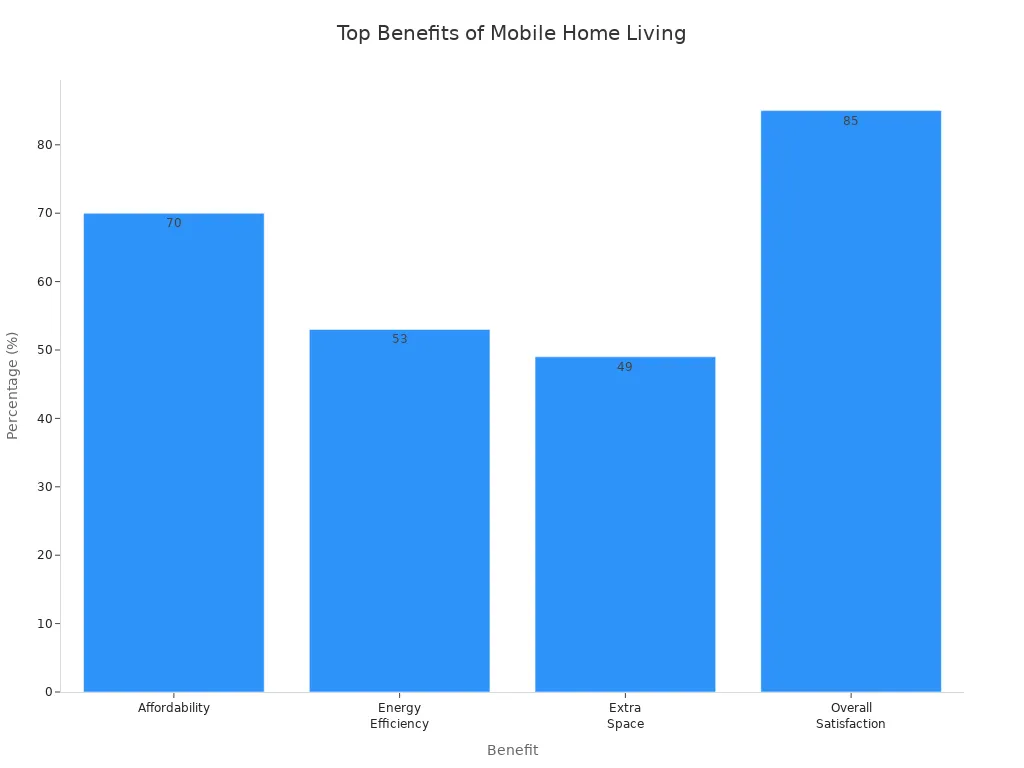
Mobile home living gives you more choices and freedom.
You pay less than you would for a regular house.
Cons:
You might have legal problems or need permits in some places.
Tiny houses on wheels often do not follow building rules.
Zoning laws can limit where you live or park.
Taking care of your home can be harder than you think.
The design can make it less comfy and smaller.
Some people think mobile homes are worth less, which can make selling hard.
Getting loans or insurance can be tough.
Affordability and Cost-to-Value
Affordability is one of the biggest trailer home on wheels advantages and disadvantages. Many people pick mobile homes because they want to save money. Manufactured homes usually cost less for each square foot than regular houses. You get more space for your money, which is great.
Did you know? Buying a manufactured home can help you more in the long run than renting. Your monthly payments help you build wealth, but rent only helps your landlord.
Here is how the cost compares:
Mobile homes cost less for families and single people.
Manufactured homes let you own a place without spending too much.
You can find cheap homes in many parks and neighborhoods.
The cost-to-value is high, so you get more for your money.
But there are some downsides. The first price is low, but you may have to pay for land rent, permits, and fixing things. Some mobile homes lose value over time, which can hurt your money. Getting a loan can be hard, and insurance might cost more than you think.
Tip: Always check the full cost before you buy. Look at land rent, taxes, and repairs. This helps you avoid problems and makes living in a mobile home easier.
Mobile Home Living: Key Benefits
 Flexibility and Relocation
 Flexibility and Relocation
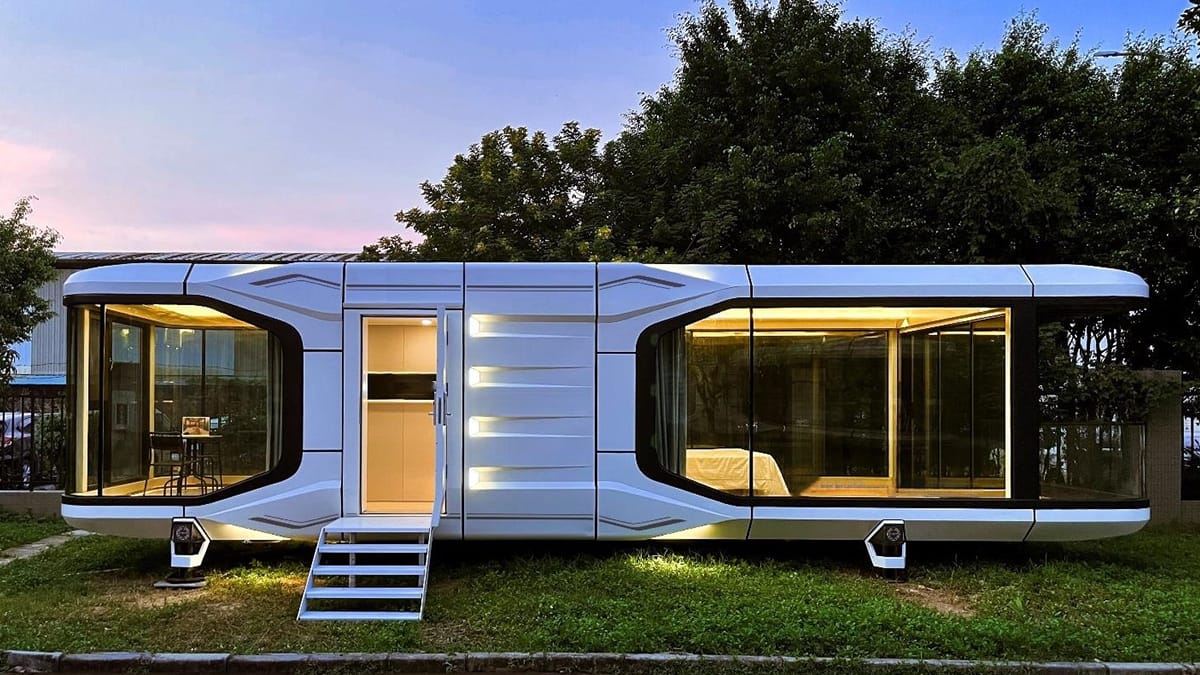
Living in a mobile home gives you lots of choices. You can move your home to new places anytime. This means you can live where you want. You can follow jobs or explore new towns. Many people say mobile homes help them save money. You can stay close to family if you want. Some people spend less than $200 each month. You can pick spots that fit your interests. You might live near nature or in a busy city. This lifestyle lets you try new things and have adventures.
Tip: If you like to travel or want to see new places, mobile homes make moving easy.
Lower Property Taxes and Fees
One big reason people pick mobile homes is lower taxes. Mobile homes often have smaller tax bills than regular houses. Here is a table with tax rates in some states:
State | Effective Property Tax Rate | Type of Home Taxed |
|---|---|---|
California | 0.72% | Mobile Home |
Oregon | 0.98% | Mobile Home |
Arizona | 0.66% | Mobile Home |
Washington | 0.93% | Mobile Home |
New Mexico | 0.66% | Mobile Home |
You pay less in taxes and fees. This means you keep more money for other things. Many mobile home parks also cost less each month. People who live there pay smaller utility bills. Maintenance is cheaper too.
Mobile home parks cost less than regular homes.
People pay lower taxes because of different rules.
Utility bills and maintenance are cheaper because homes are smaller and use less energy.
Energy Efficiency and Maintenance
New mobile homes use smart building methods. They have better insulation and windows. Heating systems work well and save energy. These features help you spend less money. Most new mobile homes meet strict energy rules. Some even beat Energy Star ratings.
Modern trailer homes save more energy than regular homes.
Better insulation and heating systems help you save money.
Taking care of a mobile home is easier. You spend less time and money on repairs. Manufactured homes cost less to fix because they are smaller. They use new materials. You may need to fix things more often, but repairs are simple. Regular homes can cost more and need more work as they get older.
Type of Home | |
|---|---|
Manufactured Homes | Lower costs because homes are smaller and built with new materials, but repairs may happen more often. |
Traditional Homes | Costs change with age, weather, and materials. Plan for regular repairs and upkeep. |
Note: Mobile home living helps you save money and time on repairs. You get to enjoy your home more.
Mobile Home Living: Main Drawbacks
Depreciation and Resale Value
When you live in a mobile home, you might worry about losing value. Some people think mobile homes always lose value, but that is not always true. If you care for your home and choose a good spot, it can keep or even gain value. Still, manufactured homes lose value faster than regular houses. Here is a simple comparison:
Home Type | Average Annual Depreciation Rate |
|---|---|
Trailer Homes | 3-5% |
Traditional Homes | Appreciates at ~5% annually |
Living in a mobile home means you should plan for problems like selling your home later. Some mobile homes do gain value after ten years if you take care of them. But you should know that your home can lose value if you do not keep it up or if the park gets a bad name.
Mobile homes can gain value if you care for them.
Many manufactured homes keep their value over time.
Selling your home depends on location, care, and demand.
Land Rental and Added Costs
Renting land is a big part of living in a mobile home. You pay rent every month, and the price changes by area. Here is what you might pay:
Region/Condition | Lot Rent Range |
|---|---|
Central Florida | Higher than average |
Rural areas | Lower than average |
Average across the U.S. | |
High home price areas | Can exceed $1,000 |
Parks with more amenities | Higher lot rent |
City center locations | Higher lot rent |
You also pay other costs like setup fees, insurance, and bills.
Cost Type | Estimated Amount |
|---|---|
Setup and Installation Fees | |
Move-in Administrative Fees | $100 to $500 |
Additional Community Fees | Varies by community |
Utility Costs | Higher on private land |
Property Insurance (if financed) | Recurring monthly/annual |
Financing Challenges
Getting a loan for manufactured homes is hard. Banks think mobile homes are risky because they might lose value. Most banks want homes to be on solid ground. It can be tough to get a mortgage, and rates might be high. Some banks worry about homes built by people themselves. It is also hard to sell mobile homes, which makes loans harder to get.
Banks do not like giving loans for mobile homes.
Many manufactured homes do not get normal loans.
Loans for mobile homes are few and cost more.
Social Stigma and Zoning
Some people think badly about mobile homes. They may link mobile homes with crime or being poor. This can change how people see you and your home. Zoning laws also make things hard. Some cities do not allow manufactured homes or have strict rules about lot size, space, and utilities.
Zoning Restriction Type | Description |
|---|---|
Lot Size | |
Setback Rules | Dictates distance from roads and property lines. |
Utility Requirements | Requires access to water and electricity. |
Community Appearance | Controls landscaping and home exteriors. |
Even with these problems, more than 20 million Americans live in mobile homes. As more people want cheaper homes, rules and attitudes may get better.
Note: To avoid problems, check local laws and talk to park managers before you buy.
Practical Tips for Living in a Mobile Home
Assessing Your Needs
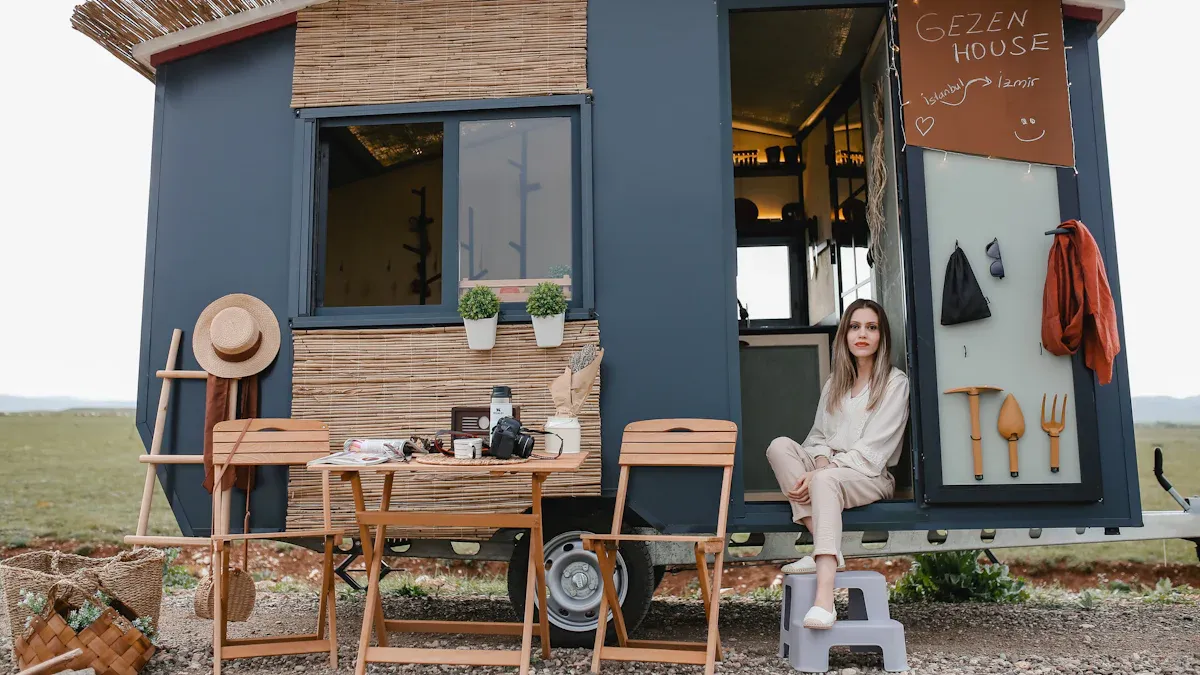
Before buying a mobile home, you should think about what you really want. Start by looking at your budget and the cost of owning a mobile home. Ask yourself how much you can spend upfront and each month. Think about your lifestyle. Do you need lots of space or special features? Maybe you want a big kitchen or a quiet spot to relax. Consider your long-term plans. Will your family grow? Do you plan to move often? Check local rules and make sure your mobile home fits where you want to live.
Lifestyle preferences and space
Future plans and family size
Location and zoning rules
Researching Locations and Parks
Picking the right spot for your mobile home matters a lot. Mobile home parks come in many styles. Some offer pools, clubhouses, and fun events. Others keep things simple. Use this table to compare what you need:
Criteria | Description |
|---|---|
Location | Choose a place close to work, school, or family. |
Climate Conditions | Make sure your home can handle the weather. |
Space Requirements | Check if the park has enough room for you and your things. |
Storage Requirements | Look for parks with good storage options. |
Necessary Features | Make sure you get a bathroom, kitchen, and other must-haves. |
Visit mobile home parks before you decide. Talk to people who live there. Ask about rules, fees, and safety.
Financing and Insurance Options
Financing manufactured homes can feel tricky. You might not get a regular mortgage. Many people use personal loans or get help from builders. Some parks offer their own plans. Insurance for mobile homes costs more than for regular houses. These homes move and face more risks. In some states, you pay about $800 a year. In others, it can be $2,200. If you travel, ask about coverage for moving your home. Companies like Progressive offer special plans for trips.
Community and Lifestyle Fit
Living in a mobile home park gives you a chance to join a close community. Look for parks near stores, hospitals, and schools. Check if they have pools, gyms, or clubs. Ask about safety, pet rules, and who manages the park. Some parks welcome families. Others are for adults only. Many people choose mobile home parks for the low maintenance and friendly neighbors. You can enjoy events, make friends, and feel at home.
Tip: Visit several mobile home parks before buying a mobile home. This helps you find the best fit for your lifestyle.
If you want to save money or move often, a mobile home could be good for you. Manufactured homes are great for people who like adventure, families, and creative folks. Look at this table to see which type fits your style:
Type of Mobile Home | Ideal For |
|---|---|
Tiny Houses | Adventure seekers |
Travel Trailers | Families and travelers |
RVs | Complete living on the go |
Skoolies | Creative, hands-on individuals |
Sprinter Vans | Solo adventurers or couples |
Think about how much money you have. Plan for the future and check local laws before you pick. Mobile homes give you a group of neighbors, make life easier, and cost less. You can choose well and enjoy what manufactured homes offer.
FAQ
What is the difference between a mobile home and manufactured homes?
You might ask what makes them different. Manufactured homes follow rules made after 1976. Mobile homes are built before that year. Both cost less than regular houses. Manufactured homes have more safety features.
Can you move a mobile home anywhere you want?
You can move a mobile home, but you must check local laws. Some places have rules for mobile homes. Manufactured homes need permits and movers. Always talk to the park manager or city office before moving.
How do manufactured homes compare to regular houses for safety?
Manufactured homes meet safety rules from the government. They have strong walls and good insulation. Mobile homes built after 1976 are safer than old ones. Newer mobile homes have better fire protection and strong construction.
Are mobile homes hard to finance?
It can be hard to get a loan for a mobile home. Manufactured homes sometimes get special loans, but banks worry about risk. You can try personal loans or ask the seller for payment plans. Always look at all your choices.
What should you look for when buying manufactured homes?
Check the age, condition, and location of the home. Ask about park rules and monthly costs. Look for energy-saving features in manufactured homes. Visit many mobile home parks before you choose. Talk to people who live there and see if you like the community.