

21 Dec Are Foldable Container Houses Legal in the United States
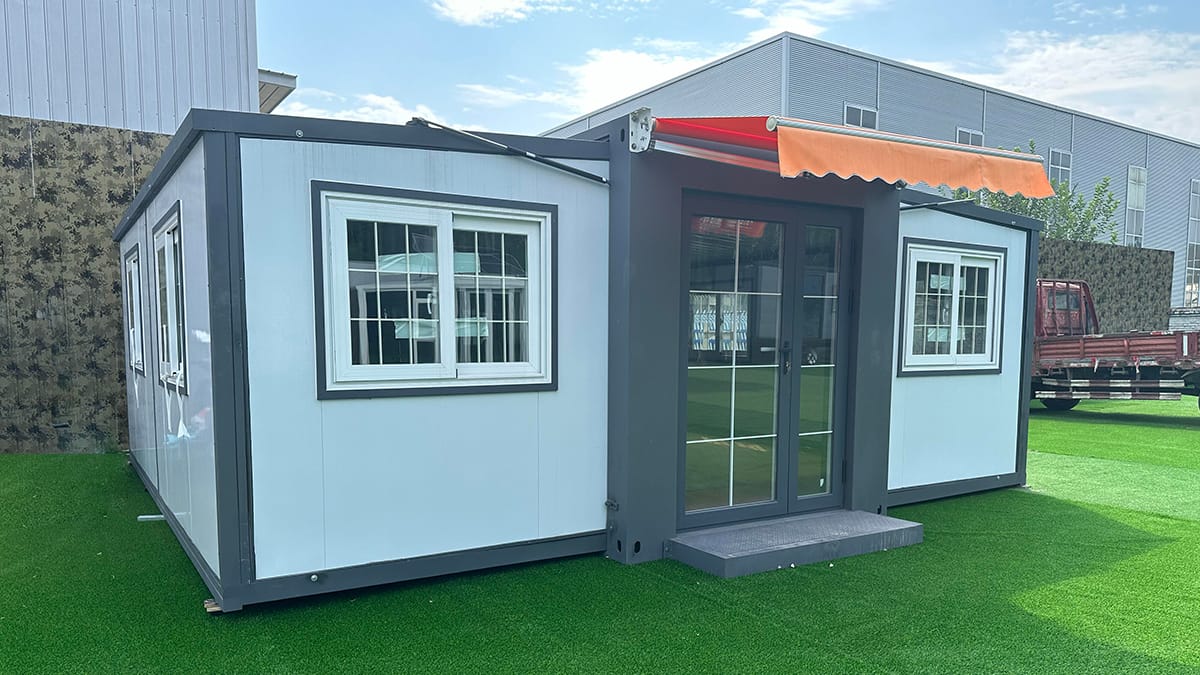
You can have a foldable container house legal in many places in the United States if you follow local building codes and zoning laws. State and local governments make these rules, not the federal government. Every area has its own regulations, so you should talk to your local office before you start your project. For example, states like Texas, Oregon, and Florida allow these homes, but the rules are different in each city. The table below shows some states and their regulations:
State | Regulations |
|---|---|
Texas | Friendly, especially in rural areas |
Oregon | Allowed in single-family zones |
Florida | Legal, must follow state building code |
Always check for zoning, building permits, and community rules before you build.
Key Takeaways
Look at local building codes and zoning laws first. Every place has rules you need to follow.
Know the difference between permanent and temporary structures. Permanent homes have more rules. Temporary homes may have fewer rules.
Talk to local officials and experts to check your plans. This helps you follow all legal rules. It can also help you avoid expensive mistakes.
Keep all your papers and inspection reports together. This makes the approval process easier for you.
Talk to your community and neighbors. Their help can be important when you ask for approval for your container home.
Foldable Container House Legal Status
Federal, State, and Local Laws
Different governments make rules for foldable container houses. The federal government does not make the main rules. States and cities decide what is allowed. You must follow local zoning laws and building codes.
States have their own ways of handling container homes. Some states have clear rules. Others let cities or counties decide. Here are some examples:
Texas lets you build almost anywhere. You must follow the International Residential Code or International Building Code.
California allows container homes. You must meet strict safety and energy rules in the California Building Standards Code.
Missouri has different rules in each city. You need to check local zoning laws before you start.
Wisconsin lets you build if you meet regular housing standards under the Wisconsin Administrative Code.
Tennessee does not ban container homes. You must get permits and pass inspections from local officials.
You also need to meet local rules for folding container homes. These rules cover things like how your home looks, its size, and how close it is to other buildings. The table below shows common building code rules for container homes:
Aspect | Description |
|---|---|
Appearance | You may need to pick certain colors or materials for windows, doors, and decks. |
Accessibility | Your home might need features for people with disabilities. |
Size | There are rules about how big your home can be. |
Site offsets | You must keep a certain distance from property lines and other homes. |
Foundation | The type and height of the foundation must meet local standards. |
Landscaping | Some places limit which trees or plants you can remove. |
Means of egress | You need enough exits and safe paths out of the house. |
Fire and smoke | You must install smoke and carbon monoxide detectors in the right places. |
Energy conservation | You need good insulation, windows, and energy-saving appliances. |
Structural reinforcements | Your home must stand up to wind and snow loads. |
Electrical, mechanical, and plumbing | All systems must meet local design and installation rules. |
Always check local rules before you build. Zoning laws and building codes can change from city to city. Some places have more rules. Others support new ideas like folding container homes.
Permanent vs. Temporary Structures
You need to know if your container home will be permanent or temporary. This choice changes the legal steps you must take. Permanent foldable container houses have more rules than temporary or mobile homes. Cities often require you to follow strict zoning laws, get permits, and meet all building codes for permanent homes.
Many cities have special rules for permanent container homes. The table below shows common rules in different places:
City | Common Restrictions |
|---|---|
San Francisco | You must meet energy standards, earthquake safety, fire safety, and zoning rules. |
Oakland | You need to follow energy codes, add earthquake reinforcements, and meet fire safety standards. |
Louisiana | Local officials control permits and inspections. You may need a licensed engineer to approve plans. |
Portland | The city supports small homes and allows new designs under special codes. |
Kansas City | You must get permits and follow all local building codes and zoning laws. |
St. Louis | There are many zoning rules. You must meet design standards. |
Wisconsin | You must go through a detailed permit process and meet all standards for structure and utilities. |
If you want a temporary or mobile container home, you may have fewer rules. Some places let you use folding container homes for short stays or as extra units. You still need to check local zoning laws and get approval.
Tip: Always ask your local building office about the approval process for your project. This step helps you avoid problems with zoning rules and other restrictions.
You can make your foldable container house legal if you follow the right steps. Always check local zoning laws, building codes, and other rules before you start. Careful planning helps you avoid delays and makes your container home project a success.
Legal Requirements for Folding Container Homes
Zoning and Land Use
You need to know zoning laws before you start building. Zoning laws tell you where you can put folding container homes. Cities and counties use these rules to decide what can be built in each area. Some places let people build homes, but others only allow stores or factories.
Many states that let people build container homes have modern zoning rules. The table below shows how some states treat zoning for shipping container homes:
State | Zoning Classification Status |
|---|---|
Texas | Progressive, many container homes already exist |
California | Open to container and hybrid container homes |
Louisiana | Lenient and forward-thinking zoning regulations |
Tennessee | Lenient and forward-thinking zoning regulations |
Missouri | Progressive, allowing container homes |
Oregon | Progressive, allowing container homes |
Alaska | Progressive, allowing container homes |
Local zoning laws decide where you can build your foldable container house. Cities make rules for each area, like residential, commercial, or industrial. You must check if your land is in a place that allows shipping container homes. Some places do not allow them at all.
Land use rules are also important. Here are some ways they affect your project:
Land use rules say if your land can have a foldable container house.
You must follow design rules for size and how your home looks.
You need permits from zoning officials before you build.
Some places limit the height, floor space, or look of your shipping container home.
You must meet basic rules for utilities and safety, like electricity, plumbing, and fire safety.
Local zoning laws may make you keep a certain distance from property lines or other homes.
Tip: Always talk to your local zoning office before you buy land or start building. This step helps you avoid expensive mistakes and makes sure you follow the rules.
Building Codes and Permits
You must follow building codes when you build shipping container homes. These codes help keep homes safe and healthy. Most places use the international residential code or state building codes. Each state and city can add their own rules.
You need to get permits before you start building. The approval process often includes:
Giving site plans, floor plans, and engineering documents.
Showing how your shipping container home meets energy rules, like insulation and window standards.
Proving your design follows local rules and state building codes.
Passing inspections for plumbing, electrical, and fire safety.
Shipping container homes must meet energy rules. For example, you need to follow IRC Chapter 11 for insulation, air sealing, and windows. Local building codes may ask for extra steps, like stronger foundations or special supports for wind and snow.
Some states want you to hire a professional designer or engineer. This expert helps you meet all legal and technical rules. You may need stamped plans to get permits and final approval.
Note: Each city or county can change the rules. Always check with your local building office to make sure your shipping container home meets all requirements.
HOA and Community Restrictions
Homeowners associations (HOAs) and community groups can make extra rules for shipping container homes. These rules often go beyond local zoning laws and building codes. You must follow HOA rules if your land is in a community with an association.
Common HOA and community restrictions include:
Type of Restriction | Description |
|---|---|
Residential vs. Commercial vs. Industrial | |
Land Size | Sets minimum lot sizes for shipping container homes. |
Building Requirements | Controls how far your home must be from property lines and other buildings. |
Density Restrictions | Limits how many homes you can build on one acre. |
Architectural Aesthetics | Sets rules for the look of your home, such as color or materials. |
Structural Integrity | Requires your home to stay strong after any changes. |
Insulation and Energy Efficiency | Makes you follow energy codes because steel containers conduct heat and cold. |
Plumbing and Electrical | Needs separate permits for these systems to meet safety standards. |
Foundation | Requires a stable foundation, which may need extra permits. |
Local Perceptions | Community attitudes can lead to more restrictions or pushback. |
Land Suitability | Looks at soil stability and access to utilities for your shipping container home. |
You may have to do more work to get legal approval if your HOA has strict rules. Some HOAs do not allow shipping container homes at all. Others may want your home to look like nearby houses. Always read your HOA documents before you start your project.
Callout: If you want your foldable container house legal, you must follow all local, state, and community rules. This includes zoning laws, building codes, and HOA restrictions. Working with a professional designer or engineer can help you meet all requirements and speed up the approval process.
Folding container homes give people a new way to find housing. You must pay close attention to local rules, restrictions, and the legal parts of your project. Careful planning and following zoning and building codes will help you succeed with your shipping container home.
State and Local Variations
Permissive States and Cities
Some states make it easier to build shipping container homes. These places have fewer rules and more flexible zoning laws. Many shipping container homes are found in rural areas. Rural places often have less strict zoning laws. The table below shows states that allow container homes and how they do it:
State | Permissive Regulations Description |
|---|---|
Texas | Container homes are allowed throughout the state with no statewide bans; rural areas have less restrictive zoning. |
Alaska | Generally allows container homes, especially in rural areas with looser zoning laws; must comply with building codes. |
North Dakota | Allows container homes, particularly in rural areas; urban regions may have stricter regulations. |
Cities like Portland, Oregon, and Kansas City, Missouri, also support these homes. These cities have modern zoning laws and like new housing ideas. In Florida, you can build a foldable container house if you follow local rules. You must always check local laws before you start your project.
Restrictive Areas and Common Barriers
Some places have strict rules for shipping container homes. Cities or crowded neighborhoods often have more restrictions. Local zoning laws can limit where you put folding container homes. Some places only let you use a foldable container house as a permanent home. They do not allow it as a temporary or mobile unit.
Here are common zoning types and their rules for shipping container homes:
Zoning Type | Container House Allowed? | Key Requirements |
|---|---|---|
Residential | Sometimes | Must meet building codes and appearance standards |
Agricultural | Often | Usually allowed if the home supports farm use |
Commercial | Rarely | Only with special permits |
Industrial | Occasionally | For office or mixed-use conversions |
You may also face these problems:
Structural integrity—Your home must stay strong and safe.
Insulation and ventilation—You need to follow energy codes.
Foundation requirements—Most places want a solid foundation.
Plumbing and electrical standards—You must meet safety codes.
Fire safety regulations—You may need fire-rated coatings.
Other rules include land ownership, HOA or community rules, easements, and utility access. Your home needs safe water, electricity, and sewage connections. If you do not have these, you must use off-grid systems that still follow health codes.
Tip: Always check local zoning laws and rules before you start your shipping container home project. This step helps you avoid problems and saves money.
You can succeed with folding container homes if you know the local rules and plan well. Every area has different rules, so always talk to local officials before you build.
Legal Approval Process

Research Local Laws
Start your shipping container home journey by learning about local laws. Every city and county has different requirements. You should visit your local planning office or city website. Look for rules about where you can place a shipping container home. Some areas have special zoning for these homes. Others may not allow them at all. Make a list of the requirements you find. This step helps you avoid problems later.
Tip: Ask for printed guides or checklists from your local office. These can help you keep track of what you need.
Contact Authorities and Submit Plans
After you gather information, contact your local building department. You will need to talk to officials about your shipping container home. Bring your list of requirements and any questions you have. Most places want you to submit detailed plans. These plans should show the size, layout, and safety features of your home. You may need a professional designer or engineer to help with this step. Submit your plans for review. This starts the permit processes.
You must apply for a building permit before you begin construction. The approval process can take a few weeks or longer. Stay in touch with the office to check on your application.
Inspections and Final Approval
Once you get your building permit, you can start building your shipping container home. During construction, you will need several inspections. Inspectors will check your work at different stages. They look at the foundation, electrical systems, plumbing, and safety features. You must pass each inspection before moving to the next step.
After you finish building, you will have a final inspection. If you pass, you get official approval to live in your shipping container home. Keep all your documents in a safe place. You may need them in the future.
Note: Working with professionals can make the approval process smoother. They know the rules and can help you avoid mistakes.
Challenges and Tips for Folding Container Homes
Overcoming Zoning Issues
You may face zoning problems when you plan folding container homes. Some areas do not allow these homes in certain neighborhoods. You should visit your local zoning office early. Ask about the requirements for your land. If you find restrictions, you can ask for a zoning variance. This means you request special permission to build. Sometimes, you need to show how your home will fit in with the area. You can also talk to neighbors and explain your project. Support from your community can help you get approval.
Navigating Permits and Inspections
You must get permits before you build folding container homes. The approval process starts when you submit your plans. Local officials will review your documents. They want to see that your home meets safety and design rules. After you start building, you will have several inspections. Inspectors check your work at different stages. They look at the foundation, electrical systems, and plumbing. You must pass all inspections to finish your project. If you do not pass, you must fix the problems and get another inspection.
Tip: Keep all your paperwork and inspection reports in one place. This helps you stay organized and ready for each step.
Practical Tips for Success
You can make your folding container homes project easier with good planning. Here are some tips:
Work with a designer or engineer who knows the rules.
Visit your local offices to learn about requirements.
Make a checklist for each step of the approval process.
Stay in touch with inspectors and ask questions if you are unsure.
Prepare for extra costs if you need to make changes after inspections.
A careful approach helps you avoid delays and makes your project a success.
Foldable container houses are allowed in the United States if you follow local rules. You should always check your city’s zoning laws and building codes first. Talk to local officials before you begin your project. It is smart to work with experts so your plans meet all the rules. If you want to build a folding container house, make a checklist and collect your papers. Contact your local building office for help. Good planning will help you finish your project the right way.
FAQ
Can you live in a foldable container house year-round?
Yes, you can live in a foldable container house all year if you meet local building codes. You must add insulation, heating, and cooling to stay comfortable in every season.
Do you need a special permit for a folding container home?
You need a building permit for most folding container homes. Local offices want to see your plans and check that your home meets safety rules. Always ask your city or county before you start.
Are foldable container houses safe during storms?
Foldable container houses can be safe in storms if you build them to code. You must use strong foundations and secure the structure. In some areas, you may need extra reinforcements for wind or snow.
Can you put a foldable container house anywhere?
You cannot put a foldable container house anywhere. Zoning laws decide where you can build. Some places allow them in rural areas, but cities may have more rules. Always check with your local zoning office.
How much does it cost to build a foldable container house?
The cost depends on size, design, and location. Most foldable container houses cost less than traditional homes. You should budget for permits, land, utilities, and finishing work.