

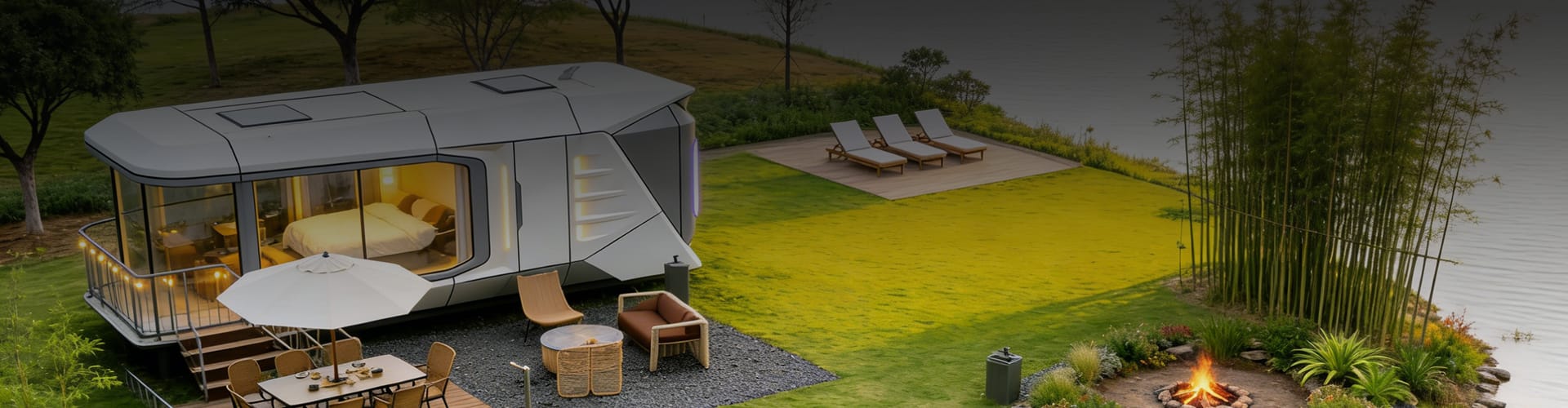
23 Dec A Guide to Different Types of Container Houses
You can find many container house types, each with its own layout and features. Many people choose container houses because they are significantly cheaper than regular homes.
Basic container house types usually cost between $10,000 and $35,000.
Regular homes often start at about $150,000.
Additionally, you spend less on repairs and bills over time. These homes utilize eco-friendly materials and showcase creative designs.
Key Takeaways
Container houses do not cost a lot. They usually cost between $10,000 and $35,000. This makes them a good choice for people who want to save money. – There are different types of container houses. Some are foldable and some are modular. Each type has special benefits. They are easy to move and you can change how they look. – Container homes are good for the environment. They use old materials again and help save energy. This helps keep the planet safe.
Container House Types
When you look at container house types, you will see many choices. Each type has its own good points. You can pick one that matches your life, weather, and money. Here are the main container house types you can find today:
Foldable Container Houses
Foldable container houses are made for easy moving and fast setup. You can fold them to move and unfold them at your spot. This is helpful if you need a home fast or want to move later.
Key Features:
You can fold them to move them easily.
They are quick to put together, sometimes in hours.
When folded, they are small and cost less to ship.
Advantages:
You can set up your home very fast.
It is easy to move—just fold, pack, and go.
You save money on delivery compared to other types.
Ideal Use Cases:
Good for shelters after storms or floods.
Used as offices or classrooms for a short time.
Great for work sites where you move a lot.
Tip: Foldable container houses might cost more at first, but you save on moving and setting up. If you want a home that is easy to move and quick to build, this is a good pick.
How Foldable Container Houses Compare
Folding models are faster to set up than others.
They are easier to move, but you get less space to add on.
They may need more support if you use them for a long time.
Modular Container Homes

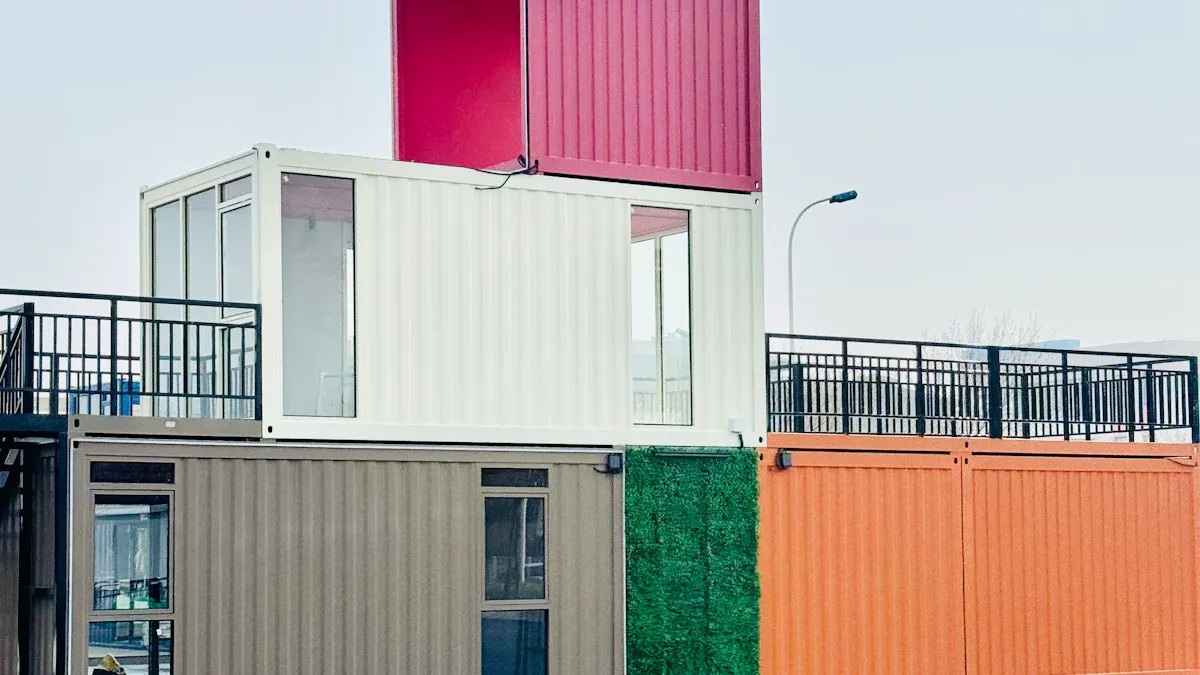
Modular container houses let you change the design and size. You can stack or join many modules to make a bigger space. This type works for small homes or big buildings.
Key Features:
Made from many modules that fit together.
Easy to make bigger or change as you need.
Strong and safe when put together.
Advantages:
You can pick the shape and size you want.
Good for both short-term and long-term buildings.
Keeps heat in better than some other types.
Ideal Use Cases:
Used for apartments or student housing.
Works as offices and classrooms.
Good for shelters and homes for people who need help.
Common Uses for Modular Container Houses:
Offices and storage at building sites.
Classrooms for schools that need more space.
Homes and apartment buildings.
Housing for people after disasters.
Temporary homes for people who need a place to stay.
Note: Some famous places like St. John’s Village in Portland and Keetwonen in Amsterdam use modular container homes.
Flat Pack Container Houses
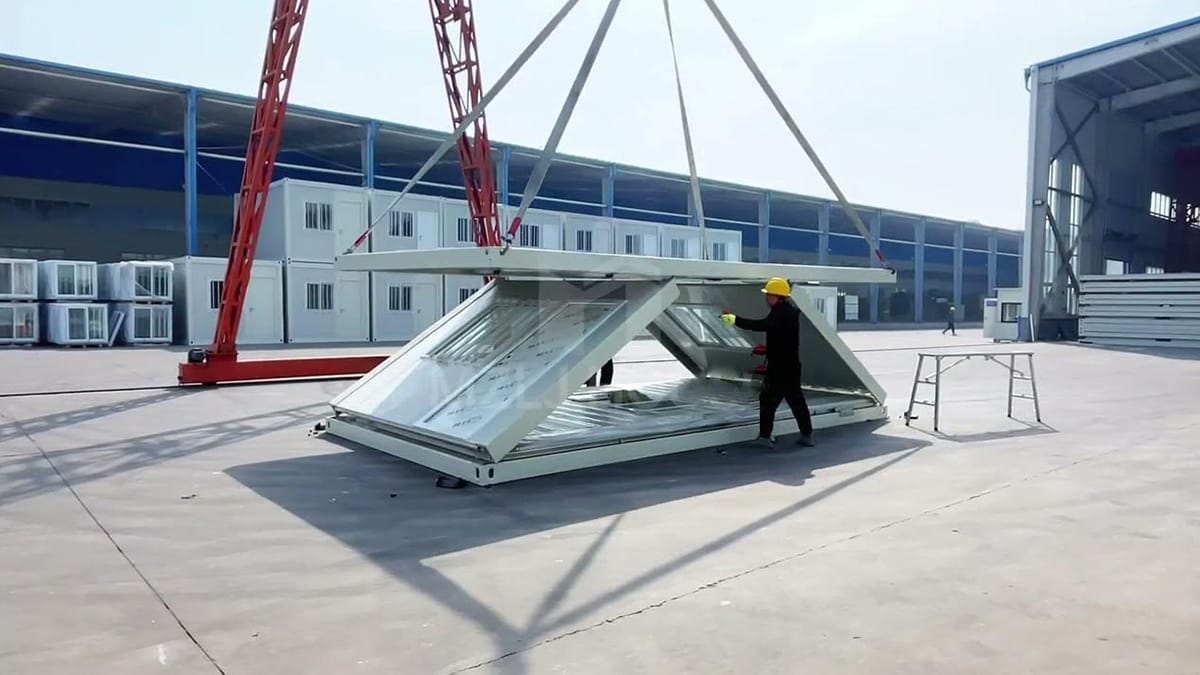
Flat pack container houses come as kits with panels and parts. You put them together where you want your home. They are light and easy to ship, so they are good for far-away places.
Key Features:
Comes as flat panels and parts.
You build it on-site and can change the layout.
Light and small, so easy to move.
Advantages:
Lets you pick your own design.
You can add good insulation while building.
Can last 20–30 years or more if you take care of it.
Ideal Use Cases:
Good for cabins or vacation homes far away.
Used as offices or shops for a short time.
Great for cheap starter homes.
Feature | Flat Pack Container House | Shipping Container House |
|---|---|---|
Assembly | Built on-site from flat panels and parts. | Comes as a whole unit, needs little building. |
Customization | Easier to change design and layout. | Harder to change because of set size. |
Insulation | Easier to add good insulation. | Needs extra work for good insulation. |
Mobility & Transportation | Light and small, so easy to move. | Moved as one piece, needs more planning. |
Cost | Can be cheaper, but changes can add cost. | May cost more at first, but saves time and work. |
Aesthetic Appeal | Lets you pick your own look. | Keeps the industrial style, which some people like. |
Tip: Flat pack container houses take more time and skill to build, but you get a home that fits you. If you take care of it, it can last up to 40 years.
Dry Container Houses
Dry container houses use special materials to keep water out and handle bad weather. You will see these homes in places with lots of rain or wet air.
Key Features:
Made from strong steel and special panels.
Has coatings to stop fire and water.
Paint that does not fade in the sun.
Advantages:
Great for places with lots of rain or wet air.
Stops mold, rust, and water damage.
Good air flow and barriers keep the inside dry.
Ideal Use Cases:
Good for homes near the coast or in rainy places.
Used in areas with floods or heavy rain.
Great for places where mold is a problem.
What Makes Dry Container Houses Stand Out?
Barriers stop water from getting inside.
Air systems help control wet air.
Raised floors and drains help with floods.
Special insulation keeps the inside cool and dry.
Shipping/Cargo Container Homes
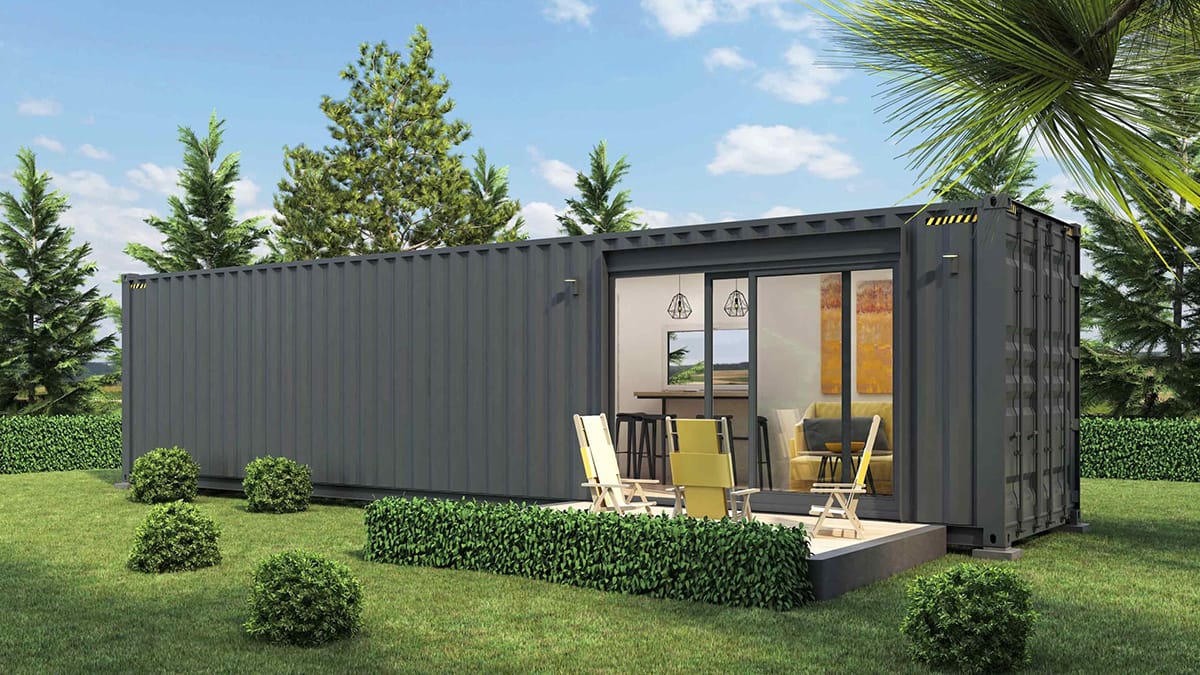
Shipping or cargo container homes use old shipping containers as the main part. They are strong and have a cool, tough look.
Key Features:
Made from steel shipping containers.
Very strong and can handle bad weather.
You can stack or join them for more space.
Advantages:
Lasts a long time—25 to 50 years if cared for.
Good for the planet because you reuse containers.
Many ways to change the look, from old to new styles.
Ideal Use Cases:
Used for homes or vacation cabins.
Good for off-grid homes with solar and rainwater.
Works as shops, studios, or even pools.
Shipping container homes need extra insulation and weatherproofing. Steel gets hot and cold fast, so you must add good insulation to keep it comfy. Weatherproofing also stops water, rust, and mold.
Popular Modifications for Shipping/Cargo Container Homes:
Water tanks, drains, and eco-friendly toilets.
Tankless water heaters and smart storage.
Wood, drywall, or metal walls for different looks.
Green roofs, decks, and solar panels.
Security like steel bars, smart locks, and alarms.
Maintenance Tips for All Container House Types:
Maintenance Challenge | Description | Maintenance Response |
|---|---|---|
Corrosion as Primary Threat | Steel rusts when wet, which weakens it. | Use paint, special protection, and control wet air. |
Thermal Bridging & Condensation | Steel gets hot or cold fast, causing water drops. | Watch for wet air, check insulation, and keep barriers in place. |
Structural Modification Integrity | Changes can make the structure weaker. | Check strong areas often. |
Fastener & Seal Degradation | Parts can break from moving or weather. | Check and fix seals as needed. |
Note: Shipping container homes usually take three to six months to build, depending on the design. This is much faster than most regular homes.
When you look at all these container house types, you will see there is something for everyone. If you want a fast, easy-to-move shelter or a custom home, container houses are a flexible and cheap choice.
Features and Benefits of Container Houses
Affordability and Cost Savings
Many people pick container houses because they cost less. The price is a big reason why people like them. Container homes are much cheaper than regular houses. You can get a studio for about $1,200. A three-bedroom home might cost $40,000. Most container homes in the United States cost $18,000 to $35,000. This makes them a good choice if you want to save money.
Here’s how container houses help you spend less:
Feature | Container Houses | Traditional Housing |
|---|---|---|
Initial Construction Costs | Higher because materials cost more | |
Construction Process | Faster and easier to build | Slower and needs more work |
Energy Efficiency | Uses less energy for heating and cooling | Needs more energy, so costs go up |
Maintenance | Needs fewer repairs | Needs more repairs and care |
You also pay less for energy bills. Many container homes use 20% less energy than regular homes. This helps you save money every month.
Eco-Friendly Building Practices
Container houses are good for the earth. When you build one, you reuse old shipping containers. Each container keeps 8,000 pounds of steel out of landfills. You also use fewer new materials, so you save trees and make less pollution. Flat pack container houses need less energy to build and move. This means they have a smaller carbon footprint. You can add solar panels or rainwater systems to make your home even greener.
Many people choose container homes because they want to help the planet.
Design Versatility
Container houses give you lots of choices. You can pick a studio, a two-bedroom home, or a double-story house. Some people like L-shaped or U-shaped designs. Others want a modern look, a rustic style, or a rooftop deck. You can add more containers if your family gets bigger. You can also add a home office or gym. You can pick the finishes and colors you like.
You can make your living space fit your needs.
You can change the layout or add rooms later.
You can choose from many styles, from simple to fancy.
Building a container home lets you create a space that matches your style and budget. If you want a small home or a big one, container houses let you make it your own.
You can pick from many container house types. Each one has special good points. Some are easy to set up. Others keep you safe from bad weather. When you choose a container home, look for rust. Make sure it has good insulation. Check the rules in your area. Here’s a simple guide:
Factor | What to Check |
|---|---|
Structural Integrity | See if there is rust or dents |
Local Regulations | Find out about building codes |
Customization | Plan where doors and insulation go |
Get help from people who know about container houses. Look at all your choices. Pick the one that fits your life and money best.
FAQ
What is the lifespan of container houses?
You can expect container houses to last 25 to 50 years. Good care and regular checks help them stay strong and safe for a long time.
Can you customize container houses?
Yes! You can change the layout, add rooms, or pick your favorite finishes. Container houses let you create a space that fits your style and needs.
Are container homes safe in bad weather?
Container homes stay strong in storms and heavy rain. The steel structure protects you from wind and water. You should add insulation and weatherproofing for extra comfort.