


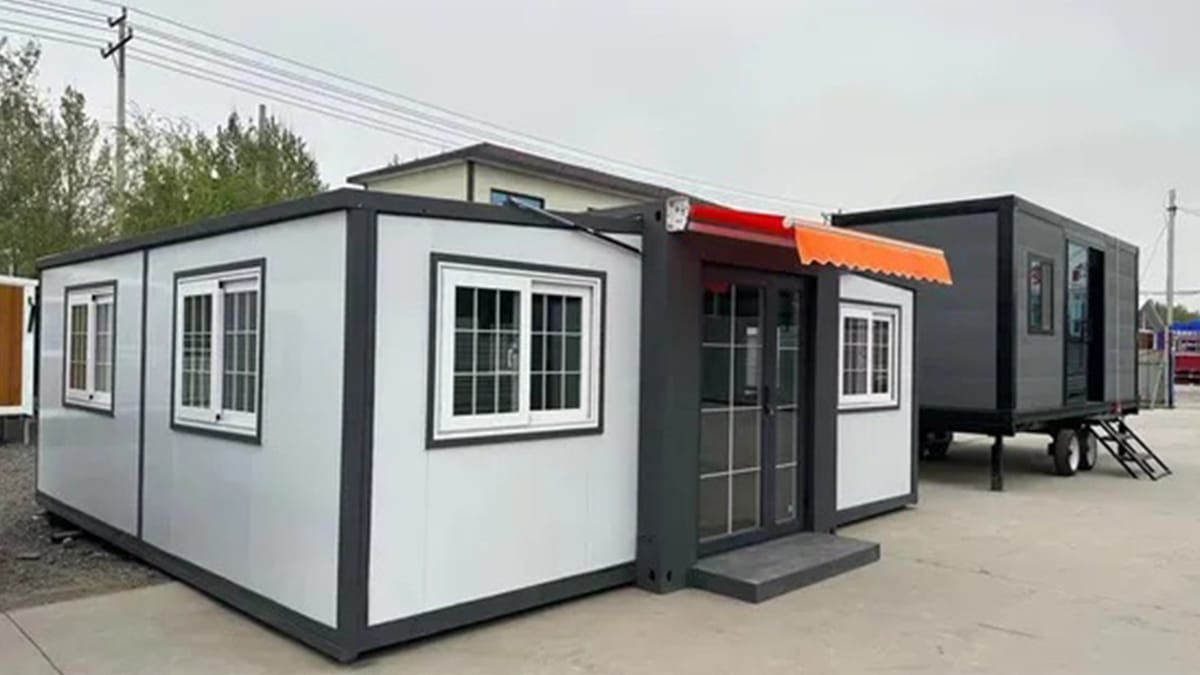
09 Dec How to Get Permits for Foldable Container Homes in the USA
You must get permits to build foldable container homes in the USA. Rules can be different in each place. Local officials check if your project follows their rules. First, make sure your land is right for building. Then, get your documents ready, like plans and safety papers. After that, send in your application and wait for them to check it. Each step helps you follow the foldable container homes permits in usa rules.
Tip: Always talk to local officials early so you know what they want.
Get your documents ready
Send your application and wait for review
Key Takeaways
Always look at local zoning laws before you build a foldable container home. This helps you know where you can put your home legally.
Get all needed papers ready early, like architectural plans and safety documents. This makes the permit process go faster.
Talk with local officials during your project. Early talks can make rules clear and stop delays.
Know the costs for permits, which can be from $1,500 to $8,000. Planning your money helps you not get surprised.
Keep learning about local building codes and safety rules. Following these rules keeps your home safe and legal.
Foldable Container Homes Permits in USA: The Basics
Are Permits Required?
You need permits before you build these homes in the USA. Each state and city has its own rules. You must follow local codes and regulations. No place lets you skip getting permits for these homes. Local officials want your home to be safe and meet standards.
You will probably need different container home permits. Here is a table that shows common requirements:
Requirement | Description |
|---|---|
Building Permit | Shows the design meets safety rules and zoning laws. |
Electrical Permit | Needed for electrical work, usually done by a licensed electrician. |
Plumbing Permit | Needed for plumbing work, making sure everything is sized right and safe. |
Septic/Sewer Approval | Needed if you do not use city sewer, may need health department checks. |
Certificate of Occupancy | Final approval that says the home is safe to live in, given after all checks are done. |
You should ask local officials about extra rules in your area. Some places may want more papers or special checks. Plan ahead so you do not get delayed.
Note: Local rules can change fast. Keep talking to local officials during your project.
Legal Status of Shipping Container Homes
Shipping container homes are allowed in many states, but you must follow local rules. Some states like these homes, especially in country areas. Cities often have stricter rules and zoning laws. Always check local rules before you start building.
Here is a quick look at the legal status in some big states:
State | Legal Status |
|---|---|
Texas | Very friendly for shipping container homes, especially in country areas. |
Florida | Allowed but must follow the Florida Building Code, which focuses on hurricane safety. |
Oregon | Allows shipping container homes in places zoned for single-family homes. |
New York | Allowed in country areas, but cities like NYC have stricter rules. |
California | Rules change by city and county; always check local codes. |
Wyoming | One of the easiest states for building these homes. |
Georgia | Allows shipping container homes, but they must follow local building codes. |
You must follow all local container home permits and building permits rules. Local rules may need special safety features or design standards. Always talk to local officials before you start. This helps you avoid problems and keeps your project moving. If you follow the foldable container homes permits in usa steps, you can build your dream home with fewer surprises.
Land Verification and Zoning
You need to check your land before building. This helps you avoid mistakes and delays. You must look at local rules. You also need to check for extra rules from HOAs or deed restrictions.
Land Suitability Check
You should look at a few things to see if your land works. These things help you follow local rules and pass checks. Here are the main things to look at:
Geological conditions: The ground must be stable.
Regulatory compliance: Your land must follow local rules.
Ground leveling: The land should be flat or easy to fix.
Foundation types: Make sure the soil can hold your foundation.
Drainage design: Good drainage stops water problems.
Soil compaction: The soil must be firm for safe building.
Tip: Talk to local officials about land rules before you buy or build.
Zoning Laws and Restrictions
Zoning rules say what you can build and where. These rules change in different places. You must follow all local zoning rules to get permits. Zoning rules cover home size, placement, and use.
Aspect | Description |
|---|---|
Urban vs Rural Variability | Zoning rules are different in cities and country areas. This changes where you can build homes. |
Insulation Requirements | You must meet insulation standards for safety and local rules. |
Permits and Building Codes | You need permits and must follow building codes to build. |
Zoning laws are different in each state. Local codes and design rules help keep your home safe.
HOA and Deed Limitations
Some places have extra rules from HOAs or deed restrictions. These rules can change your plans for your container home. HOAs may want special styles or sizes. Deed restrictions may need extra permits or building standards. You may need special permits for how you use your home.
Note: Always check HOA rules and deed restrictions before you start. This helps you avoid problems and keeps your project moving.
Understanding Building Codes for Container Home Permits
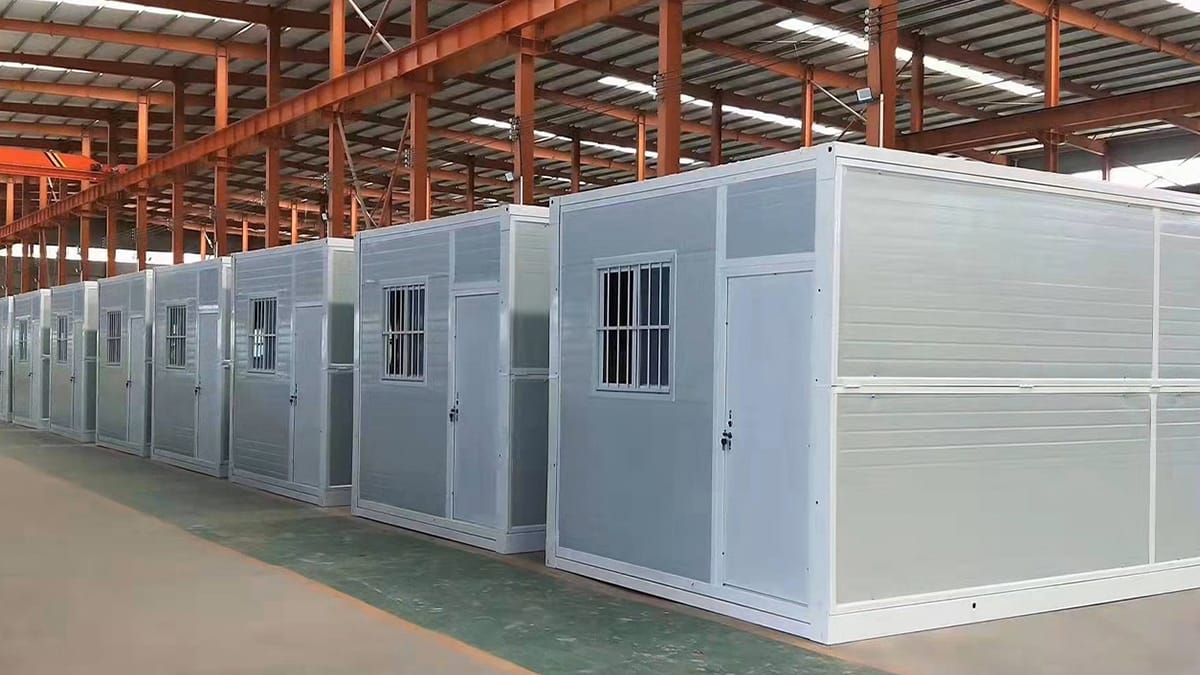
National and Local Codes
You have to follow strict building codes for these homes. Shipping container homes are seen as new buildings. This means you must meet both national and local rules. The International Residential Code (IRC) 2021 and International Building Code (IBC) 2021 are the main rules in the United States. Local governments can add their own rules or change the main codes. You should call your local building department to ask what codes they use. Ask if there are special rules for container homes. Doing this helps you avoid problems with your permits. It also keeps your project moving forward.
IRC 2021 and IBC 2021 are the main rules for these homes.
Local governments can add more rules or change them.
Always ask your local building department what they need.
Tip: Local rules can change quickly. Stay in touch with officials to learn about new rules.
Fire and Safety Standards
Safety is very important for these homes. You must follow fire safety rules and meet all building codes. This includes rules for strength, insulation, plumbing, and electrical work. Fire safety rules tell you what materials you can use. You need to use fire-resistant materials for insulation, floors, and walls. This helps you pass inspections and get your permits. These rules keep you safe and help you get a certificate of occupancy.
Use fire-resistant materials for insulation and finishes.
Make sure plumbing and electrical work meet building codes.
Follow all local fire safety rules.
Shipping Container Homes: Special Considerations
Shipping container homes have special needs that regular houses do not. You need to check local zoning codes to see if you can build one on your land. Building codes want you to show your home is safe and strong. Health and safety rules focus on ventilation, insulation, and fire safety. You must include these things in your permit application.
Meet all building codes for safety and strength.
Follow health and safety rules for ventilation and insulation.
Note: Always talk to local officials about special rules for container homes. This helps you avoid delays and follow all the rules.
Preparing Documents for Permit Application
When you want a permit for your container home, you need some important papers. These papers show your project follows the rules and building codes. Getting your papers ready early can save time and help you avoid problems.
Architectural and Engineering Plans
You must have detailed plans for your permit. These plans show what your foldable container home will look like. They also show how it will be safe. Local officials want to see your design follows all the rules. Here is a table with the main papers you need:
Document Type | Description |
|---|---|
Architectural Drawings | Needed for permits; can be simple construction drawings. |
Structural Engineering Details | Has calculations and details to meet safety and code rules. |
Local Building Department Requirements | Check for special local rules that may change your permit. |
Always ask your local building department if you need more papers. Some places want extra details to follow their rules.
Site and Utility Plans
Site and utility plans show where your home will go. They also show how you will connect water, power, and sewer. These plans must follow local rules and codes. You need to show your home will have safe utility access. Local officials will check these plans to make sure you follow all the rules.
Tip: Make your site plan clear and label all utility lines. This helps the review go faster.
Cost Considerations
You should plan for the costs of getting your permit. The price can change depending on where you live and the rules there. Here are some average costs you might see:
The average cost for a permit application for a foldable container home in the U.S. is $1,500 to $8,000.
Costs change by area and include papers like site plans and drawings.
You may pay extra fees if your area has special rules or strict codes. Always ask your local building department about all costs before you start. Planning ahead helps you avoid surprises and keeps your permit process on track. If you get your papers ready, you are closer to getting your certificate of occupancy.
Submitting Your Container Home Permit Application
Where to Apply
You must turn in your application at the local building department. Every city or county has its own office for building permits. You can go to the office or use their website if they have one. Some places have strict rules for container home permits. Always check the local codes before you apply. Ask the officials what they need and make sure your plans fit their rules.
Here is a table that shows how different places handle container homes:
Location | Status of Container Homes |
|---|---|
Beaufort County, SC | Prohibits the use of shipping containers as dwellings |
General U.S. | No outright bans, but local jurisdictions may impose restrictions |
You must follow all local rules and codes. Some areas have extra steps for foldable container homes permits in usa. Always talk to your local office before you start your application.
Tip: Call your local building department to ask about their process and any special codes for container home permits.
Application Fees and Timeline
You need to think about the costs when you apply. Fees change by where you live and how big your project is. Most places charge basic fees that start at $12,000. If you need help from an architect, you might pay $5,250 more. These fees pay for plan reviews, checks, and other things.
Architectural services can be added for an additional $5,250.
You should also think about how long it takes. Some offices give a portable storage container permit in 1-2 weeks. The time depends on how busy the staff is and if your application is complete. If you follow all the rules, you can avoid waiting longer.
Permit review may take 1-2 weeks for simple projects.
More complex plans may take longer if you need extra checks or meet strict codes.
Note: Ask your local office about their timeline and requirements before you apply. This helps you plan your project and budget.
What Happens After Submission
After you turn in your application, the building department checks your papers. They look at your plans and see if they follow the rules. Officials check for safety and if your home meets all codes. If your plans are good, you go to the next step.
You might need to answer questions or give more details. Sometimes, officials want you to change your plans to fit the rules. If you do what they ask, you can get approved faster. After the review, you may need inspections to check your site and building. When you pass all checks and follow the codes, you get your certificate of occupancy.
Officials review your plans for compliance with codes and regulations.
You may need to provide extra details or make changes.
Inspections check your site and construction for safety.
You get your certificate of occupancy when you meet all requirements.
Tip: Stay in contact with your local building department. Quick responses help you avoid delays and keep your project moving.
Plan Review and Inspections
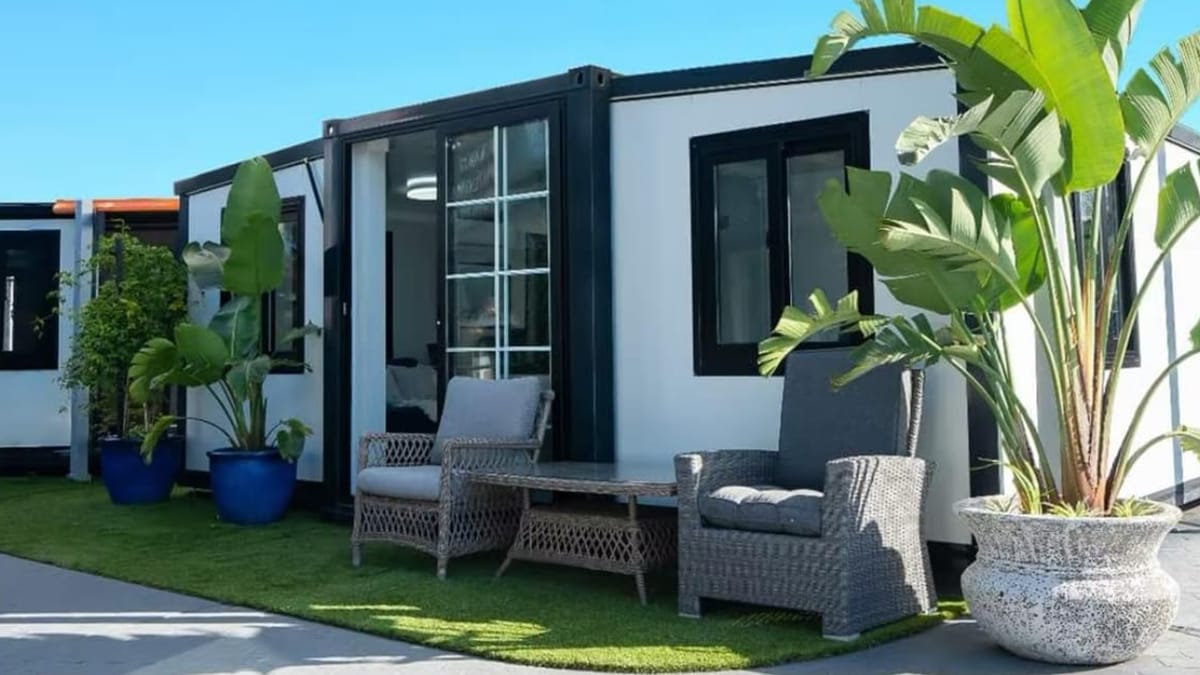
The Review Process
After you turn in your plans, the review starts. A Professional Engineer from your state must check and stamp your plans. This person makes sure your design follows all local building codes. The engineer also checks rules for your land. They look at how strong your home is and if it is safe. They check for things like wind and earthquake risks. You must follow every rule in your plans. This review helps you avoid problems later.
The review makes sure you follow local codes and rules.
The engineer looks at safety, structure, and site needs.
Tip: Check your plans carefully before you send them in. This can help you pass the review faster.
Required Inspections
You need to plan for many inspections while you build. These inspections make sure your work follows all the rules. Inspectors come at different times during your project. They check the foundation, frame, plumbing, and electrical work. You must pass each inspection before you keep building. Government checks are needed for container home permits. This keeps your home safe and up to code.
Inspectors make sure you follow building codes.
You must pass checks for plumbing, electrical, and structure.
Local officials make sure you follow all the rules.
Note: Keep your inspection schedule close by. If you miss an inspection, your approval can be delayed.
Final Approval
You get final approval when you meet all the rules. Inspectors check that your home follows every code and regulation. You must show your home is safe and strong. Your home must be ready for people to live in. The table below shows what is needed for different zoning types:
Zoning Type | Container House Allowed? | Key Requirements |
|---|---|---|
Residential | Sometimes | Must meet building codes and appearance standards |
Agricultural | Often | Usually allowed if the home supports farm use |
Commercial | Rarely | Only with special permits |
Industrial | Occasionally | For office or mixed-use conversions |
To get your certificate of occupancy, you must:
Show your home is strong and safe.
Meet rules for insulation and ventilation.
Build on a permanent or semi-permanent foundation.
Pass plumbing and electrical checks.
Follow fire safety rules.
When you finish all these steps, you get your certificate of occupancy. This means you can move into your new foldable container home.
Common Challenges and Solutions
Handling Permit Rejections
You might get your permit rejected when building these homes. Many people have trouble with local rules. Zoning laws and HOA rules can slow things down. Strict building codes also cause problems for some projects. Sometimes, officials argue if expanded units are permanent homes. About 30% of projects get delayed because of these arguments. If your permit is rejected, look at the rules again and ask for advice. You can change your plans to fit the rules. Being flexible helps you keep going and get approved.
Avoiding Delays
Delays are common when getting permits. You can stop many problems by doing a few things:
Work with architects and engineers to follow local codes.
Talk to your permitting consultant to keep papers the same.
Use local experts to make fewer changes and get faster approval.
Learn about zoning laws and get permits before building.
Make sure your papers are correct and detailed to avoid mistakes.
Plan inspections early to keep your project moving.
Make site plans clear and complete.
Follow zoning rules to stop rejections.
Keep all your papers the same to make things easier.
If you do these things, you can have fewer delays and get approved faster.
Communicating with Officials
Talking well with local officials makes things easier. Start by meeting with them early. Ask questions to understand the rules. Make your plans clear so officials know your project. Keep talking with the permitting office as you go. Answer requests quickly and fix problems right away. This helps you solve issues and get your home approved.
You can get foldable container homes permits in usa if you follow steps. First, check your land and zoning rules. Next, talk to local officials before you start. This helps you learn what rules you must follow. Keep all your papers neat and ready. Good records help you pass checks and answer questions. Work with people who know the local rules. They can help you make plans that fit the rules. Stay neat and talk clearly to stop delays.
Shows you follow zoning laws, building codes, and safety rules.
Lets you fix review notes fast.
Makes checks and approvals go smoother.
Tip: Talk to local officials early so you know the rules and avoid trouble.
FAQ
Do you need a permit for every foldable container home?
You must get a permit for each foldable container home. Local officials check if your home follows all rules. Always ask your city or county before you start building.
Can you build a foldable container home anywhere in the USA?
You cannot build a foldable container home everywhere. Local zoning laws decide where you can build. Some places have very strict rules. Always look at the rules for your land before you begin.
What happens if you do not follow local regulations?
If you do not follow local rules, you might get fined or have to move your home. Officials can stop your project. Always make sure your plans follow all rules before you build.
How long does it take to get permits for a foldable container home?
Permit times are different in each place. Some places give permits in a few weeks. Others take longer because of their rules. You can get your permit faster if you have all your papers ready and follow the rules.
Who can help you understand the regulations for container homes?
You can ask your local building department for help. Many people hire a consultant or architect. These experts know the rules and can help you with the process.