

03 Dec Step-by-step Guide to Buying a Foldable Container House
Are you looking to buy a foldable container house? First, consider your specific needs. Then, explore options that align with your plans. The market for foldable container houses is expanding rapidly, projected to reach US$ 10.99 billion by 2025, with an annual growth rate of 10.8%. Many people prefer container homes because they are more affordable, quick to construct, and effective at keeping out bugs, water, and fire. Seeking good advice can assist you with costs and permits. Be sure to check supplier FAQs and online communities, which is crucial when comparing the top 10 foldable container house suppliers.
Why do buyers choose foldable container houses?
They are more affordable and easy to relocate.
They can be set up quickly, often within an hour.
They provide safety and functionality.
They contribute to alleviating housing shortages.
Key Takeaways
Think about what you need before you buy. Decide if you want a house, a vacation place, or an office. This helps you pick the right things for your container house.
Look at the container’s condition and quality. Check for rust or any damage. Make sure the plumbing and electrical systems follow local rules.
Think about where you will put the container and the weather there. Pick insulation and roofing that work well for your area. This will help keep you comfortable and make the house last longer.
Know how much everything will cost. Ask for a full price list with setup and delivery. This helps you avoid extra fees later.
Learn about suppliers before you choose one. Read reviews and see if they follow local building rules. This makes buying easier for you.
Buying Guide for Foldable Container Houses
Identify Your Needs
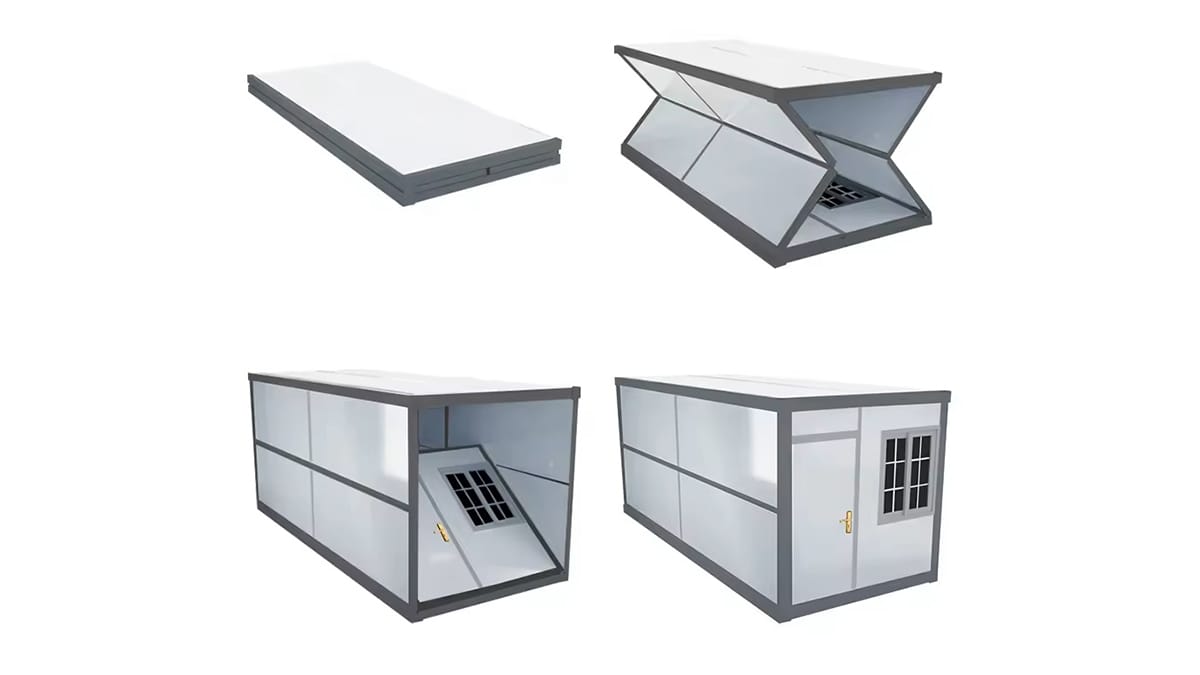
Think about what you need before you buy an instant expandable house. Do you want a home, a vacation place, or a mobile office? Each use means you need different things in your container house. If you want to live in it, comfort and being eco-friendly are important. If you need it for work, you may want fast setup and easy changes.
Here are some questions to help you decide:
Will your container house be your main home, a guest house, or an office?
Do you need one unit or more for a bigger project?
How often will you move your container house?
What is your budget for buying and setting up?
Check the container’s condition and quality. Look for rust, dents, or damage. Make sure plumbing and electrical parts follow local rules. If you care about the environment, look for recycled materials and energy-saving designs. These tips help you pick the right container house for you.
Tip: Instant expandable houses are flexible and quick to set up. They are great for people who want a home fast.
Assess Space and Functionality
Now, think about how much space you need and what you want inside. The number of rooms and features will change the layout. If you want a kitchen, bathroom, and two bedrooms, you need a different plan than a simple studio.
The layout depends on how you will use it. Expandable container houses can add more rooms as your needs grow.
Modular design helps you use all the space well. You can add or remove parts when needed.
Features like heating, cooling, and storage are important. Make sure your container house has what you need.
Here’s a checklist to help you with space and features:
Choose the number of rooms.
List the features you must have (kitchen, bathroom, storage).
Think about how you will use each space.
Check if you can add more space later.
Expandable homes can change as your needs change. This makes them smart for families, businesses, or anyone who wants options.
Consider Location and Climate
Where you put your container house is very important. The weather in your area affects what insulation and roof you need. If you live where it is cold, you need strong insulation to stay warm. In hot or wet places, you need materials that stop moisture and keep things cool.
Here’s a table to help you compare insulation and roofing:
Insulation Material | R-value (thermal resistance) | Benefits |
|---|---|---|
Polyurethane | High | Keeps heat out, saves energy, good for extreme weather |
Roofing Material | Characteristics | Benefits |
|---|---|---|
Corrugated Steel | Light, strong | Water runs off fast, good for lots of rain or snow |
Aspect | Importance | Outcome |
|---|---|---|
Keeps home comfy | Uses less heating and cooling, saves money |
The weather in your area matters a lot. In cold places, you need cold-resistant container houses. In wet areas, pick insulation that stops water and mold. Materials like glass wool, polyurethane foam, or natural fibers help keep your home comfy all year.
Note: Always check local building codes and permits before you buy. This makes sure your home is safe and legal.
A good buying guide will help you match your container house to your area and weather. This way, your home lasts and keeps you comfortable wherever you live.
Types and Features of Container Houses

Folding Container Houses vs. Traditional Models
Folding container houses are different from traditional ones. They come flat-packed. You can set them up fast. It takes less than an hour. This saves you time and work. Traditional container homes need more effort. You need cranes and skilled workers to build them. Folding container houses are good if you want a quick home. They are also great if you move often.
Folding container houses:
Easy to move and put together
Good for short-term or moving homes
Traditional container homes:
Built to last longer
Can be changed but need more work
Used for living in one place for a long time
Tip: Folding container houses are smart if you want a home fast and easy to move.
Key Features and Materials
You want your container house to be strong and comfy. The materials you pick are important. Folding container houses use steel frames. Steel keeps your home safe in bad weather. Good insulation helps you stay warm or cool. You can choose floors and roofs that stop water and mold.
Here’s a table to help you compare materials:
Material Type | Description | Advantages |
|---|---|---|
Steel | Tough and stands up to weather | Handles hits, bad weather, keeps you safe |
Spray Foam Insulation | Covers spaces without gaps | Keeps heat in, blocks moisture |
Polyurethane Foam | Hard foam for walls, roof, floor | Light, stops mold and bugs |
Fiberglass Insulation | Rolls or batts for warmth | Cheap, keeps heat in |
Rock Wool | Stops fire and noise | Fire-safe, keeps heat in |
Vinyl Flooring | Flooring that does not soak up water | Easy to clean, not expensive |
Aluminum Frames | Used for windows and doors | Strong, needs little care |
Metal Roofing | Roof that stands up to weather | Bounces heat, lasts a long time |
EPDM Rubber Roofing | Bends for flat roofs | Handles sun and heat well |
Green Roofs | Plants for roof insulation | Good for nature, keeps heat in |
Folding container houses use these materials to keep your home safe. Modular container homes use them too. This makes your home last longer.
Customization Options
You can change your container home to fit what you like. You can pick the materials, layout, and style. Folding container houses give you many choices. You can add rooms or pick eco-friendly things. Modular designs let you change the space for work or living.
Here’s a table with popular ways to customize:
Customization Aspect | Description |
|---|---|
Material Choices | Steel, panels, and green options |
Space Configurations | Layouts that fit your needs |
Finishes | Styles for inside and outside |
Changing the design can change the price and build time. If you want special features, it may cost more or take longer. Modular homes make it easy to change your space as you need.
Note: Ask your supplier about design choices before you buy. This helps you get the home you want.
Evaluating Quality and Durability
Construction Standards
If you want a strong container house, check the construction standards. These rules help you know if your house is safe and will last. Look for certifications that prove the house follows strict rules. These certifications show your house is built well and safe to use. Here’s a table that lists the main certifications and what they mean:
Certification | Purpose | Scope | Importance |
|---|---|---|---|
ISO Certification | Makes sure homes are safe and high quality. | Checks structure, materials, electrical, fire | Needed for selling worldwide. |
CE Marking | Shows the house follows EU safety rules. | Needed for selling in the EU and EEA. | Required for legal sales in the EU. |
UL Certification | Checks safety for parts of the house. | Looks at electrical, fire, and structure. | Needed for North America. |
CSC Certification | Makes sure containers are safe for shipping. | Checks strength for shipping containers. | Needed for shipping overseas. |
Local Building Codes | Follows local rules for building. | Changes by country and state. | Needed for setting up and selling. |
Tip: Always ask your supplier about these certifications before you buy. This helps you avoid problems later.
Insulation and Weatherproofing
You want your container house to feel good in every season. Good insulation keeps heat inside in winter and outside in summer. This helps you save money on energy bills. Here’s a table that shows how different insulation materials work:
Material | Thermal Resistance | Additional Benefits |
|---|---|---|
Glass Wool | Good | Helps stop fires |
Polyurethane | Higher R-value | Keeps heat in very well |
Rock Wool | Good | Works in many climates |
If you live where it is cold, polyurethane is best for warmth. Glass wool and rock wool also help protect your house from fire. Check if the roof and walls have waterproof layers. This stops leaks and mold from growing.
Note: Good insulation and weatherproofing help your house last longer and feel better inside.
Safety and Certifications
Safety is very important when picking a container house. You need to know which certifications are needed in your country. Here’s a table that shows what you need in different places:
Region | Required Certifications |
|---|---|
Europe | CE marking is needed to sell in the EU. |
United States | IBC and UL certification are needed. |
China | ISO and safety checks may be needed. |
If you want to sell or move your house, these certifications help you follow the law. They also show your house is safe for you and your family. When you look for these safety marks, you make sure your container house is built well and will last.
Callout: Always look for safety labels and ask your supplier for proof. This protects you and your investment.
Costs and Budgeting for Container Homes
Purchase and Setup Costs
When you want to buy a container home, you need to know the price. A foldable container house can cost at least $10,000. The price goes up if you pick a bigger size or add more features. Custom choices also make it cost more. You should think about delivery and getting the land ready. Setting up the house may be included in the price, but sometimes it costs extra. If you want extra rooms or special designs, you will pay more. Many people pick container homes because they save money compared to regular houses.
Tip: Always ask for a full price list before you buy. This helps you avoid surprise fees.
Financing Options
There are different ways to pay for your container home. Some people use their savings. Others get help from banks or other groups. Here is a table that shows your main choices:
Financing Option | Description |
|---|---|
Traditional Bank Loans | Common method for financing, includes personal and home improvement loans. |
Manufacturer Financing | Direct financing options offered by manufacturers, often with flexible terms. |
Leasing Options | Allows use of the house for a specific period with an option to purchase later. |
Government Grants and Subsidies | Financial assistance for energy-efficient or sustainable housing solutions. |
Peer-to-Peer Lending | Connects borrowers with individual lenders, often with faster and more flexible terms. |
You can talk to your bank about payment plans. You can also ask your container house supplier if they offer ways to pay over time. Some buyers look for grants if they want a green home.
Maintenance and Utilities
If you own a container home, you need to take care of it. Here are some costs you might have each year:
Rust protection: $200–$500
Routine maintenance: $500–$1,500
Repairs for plumbing or wiring, just like a regular house
Extra waterproofing if you live in a wet place
More heating checks if you live in a cold area
Doing these jobs helps your container house last longer. It also keeps your home safe. Fixing small problems early can save you money.
Note: Good care helps your container home stay strong and comfortable for many years.
Compliance and Permits for Container Houses
Local Building Codes
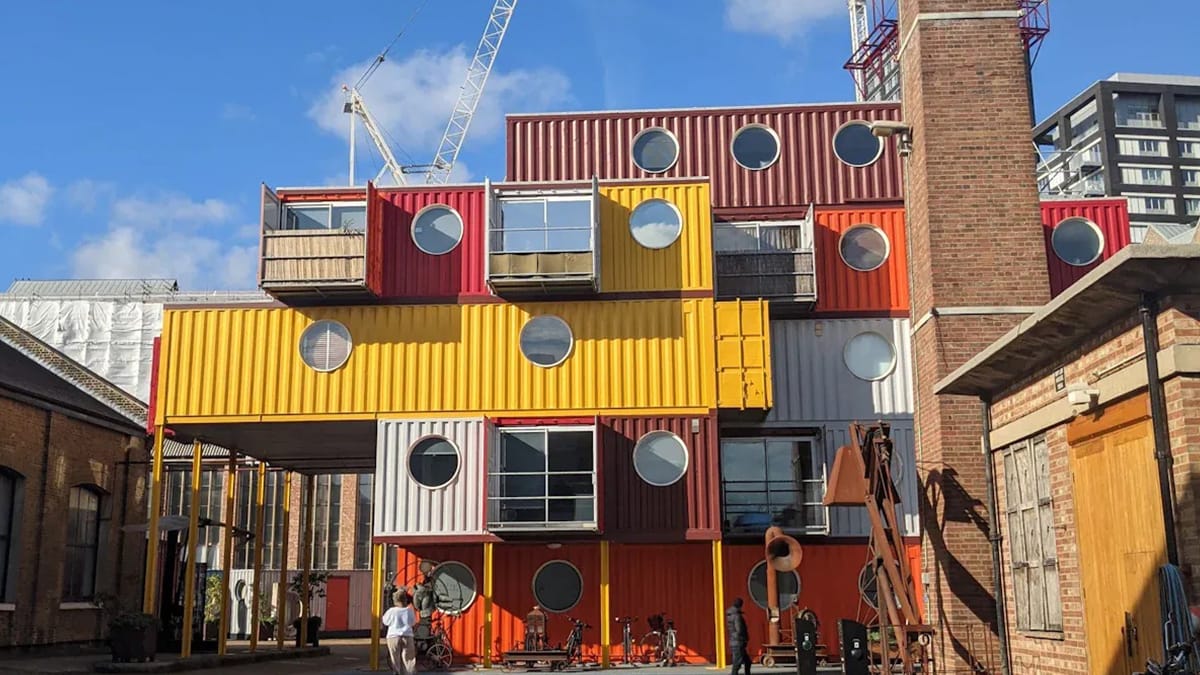
Check your local building codes before you buy. These rules say what kind of home you can have. City rules are often strict. Rural rules are usually easier. Zoning laws decide how you can use your land. County and state rules matter too, especially in flood or earthquake areas. Federal rules are rare, but some special homes need them.
Here’s a table that shows the main types of regulations:
Regulation Type | Description |
|---|---|
Property Zoning | Tells you what buildings you can put in each area. |
Building Codes and Permits | Sets standards for safety and construction. |
County Government Regulation | Changes based on how urban or rural your area is. |
State Government Regulation | Usually light, but can be strict for disasters. |
Federal Government Regulation | Only for special cases like HUD Code for manufactured homes. |
Tip: Ask your local office about the rules before you buy. This helps you avoid problems later.
Permits and Approvals
You need permits before you set up your container house. These papers show your home is safe and legal. Get a building permit for your design. You also need permits for electrical and plumbing work. If you use a septic tank, get approval from the health department. When everything is finished, you get a certificate of occupancy. This means your home is ready to live in.
Check out this table for common permits:
Permit Type | Description |
|---|---|
Building Permit | Proves your design meets safety and zoning rules. |
Electrical Permit | Needed for all wiring work. |
Plumbing Permit | Covers water and drainage systems. |
Septic/Sewer Approval | Needed if you don’t use city sewer. |
Certificate of Occupancy | Shows your home is safe to live in. |
Note: Permits can take a while. Start early so you don’t have to wait to move in.
Environmental Standards
You want your container house to help the planet. Many places ask for eco-friendly designs. You may need to use recycled materials or save energy. Some areas want you to manage water and waste safely. Solar panels, rainwater tanks, and green roofs can help you follow these rules. Meeting these standards saves money and helps the environment.
Use recycled steel and insulation.
Pick energy-saving windows and doors.
Add solar panels or rainwater tanks.
Callout: Meeting environmental standards can lower your bills and make your home more comfortable.
Top 10 Foldable Container House Suppliers
Picking from the top 10 foldable container house suppliers can be hard. You want a supplier who gives you good quality and support. Let’s talk about what to look for and how to choose well.
How to Choose a Supplier
When you check the top 10 foldable container house suppliers, follow these steps:
Look at the materials they use. Strong steel and good insulation are important.
See if you can change the design. You might want more rooms or green features.
Ask about delivery and setup. Some suppliers do it all, but others want you to help.
Tip: Always check if your supplier follows local building rules and helps with utility hookups.
A good supplier will tell you about size and layout choices. They will also explain delivery and setup costs. The best suppliers answer questions and help you at every step.
Comparing Customer Reviews
Reading reviews helps you find the best of the top 10 foldable container house suppliers. Here is what people say about some well-known companies:
Blu Homes is liked for strong builds and smart folding.
Method Homes is known for green choices and careful work.
Stillwater Dwellings gets praise for good materials and nice service.
LivingHomes is loved for eco designs and strong builds.
Pick suppliers with lots of good reviews. Happy buyers talk about fast setup, helpful service, and quick technical support.
Supplier FAQs and Support
The top 10 foldable container house suppliers answer common questions like these:
What makes folding container homes special?
Are they a good deal?
What is the price?
How do you pick a supplier?
Are shipping costs high?
How do you buy one?
Buyers often worry about price, finding a good supplier, and shipping. Good suppliers give strong after-sales help. They help with waterproofing, setup, and fixing problems later.
Note: Choose a supplier who answers fast and gives real-time support. This makes buying easy and less stressful.
Assembly and Installation of Folding Container Houses
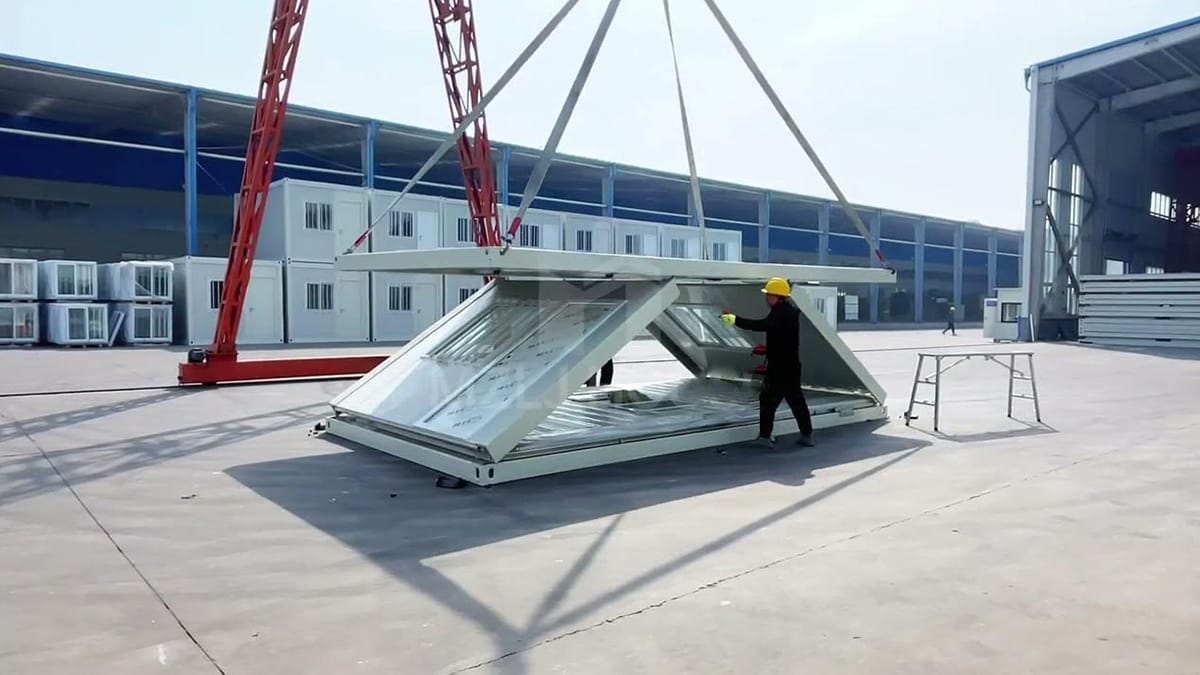
Reviewing Assembly Instructions
When you get your foldable container house, you want to start right away. Take a close look at the assembly instructions before you begin. Most suppliers include a step-by-step guide, but it helps to know what to expect. Here’s a table that shows the standard steps and how long each one usually takes:
Step | Estimated Time |
|---|---|
Site Preparation | 1 – 3 days |
Unloading and Unfolding | A few hours to 1 day |
Structural Assembly | 2 – 5 days |
Installation of Utilities | 2 – 4 days |
Finishing Touches | 1 – 3 days |
Total Average Assembly Time |
You can see that container houses assembly is pretty quick compared to traditional homes. The time depends on the size, how complex your house is, and the experience of your assembly team. Weather can also change how fast you finish.
Preparing the Site
Getting your site ready is a big part of container houses assembly. You want a safe and stable spot for your new home. Here’s a table with the main tasks you need to do:
Task | Description |
|---|---|
Clear and level the area, making sure it’s stable so you don’t have problems later. | |
Layout Design | Make a detailed plan for where everything goes. This helps the assembly go smoothly and saves you money. |
If you prepare your site well, you make the whole process easier. Good planning helps with portability and assembly, especially if you want to move your house later.
Tip: Always double-check your measurements and make sure the ground is firm. This keeps your house safe and steady.
Common Installation Tips
You might run into a few challenges during installation, but you can handle them with the right steps. Here are some tips to help you:
Choose strong materials, especially if you live in an earthquake area. Thicker walls and frames last longer.
Hire professional installers. They know the safety rules and can follow each step correctly.
Never change the structure or wiring without talking to the manufacturer. Safety comes first.
Keep your house in good shape. Remove rust, paint often, and make sure water drains away from the base.
Protect your container during transport. This stops damage and helps your home last longer.
Note: Regular maintenance keeps your container house looking good and working well for years.
If you follow these tips, you’ll have a smooth container houses assembly and enjoy your new home with less stress.
Community Insights and Practical Tips
Engaging with Online Forums
You can learn a lot from people online. Many owners share their stories in forums and groups. These places have real advice and tips. You can see pictures of finished homes. People talk about problems they had. They give ideas for saving space and picking good suppliers. If you have questions, you can ask and get quick answers. Some groups even meet in person in your area.
Tip: Ask about local rules and weather in forums. Local owners know what works best.
Learning from Buyer Experiences
Buyers talk about what is good and what is hard. Here is a table that shows the main benefits and challenges:
Benefits | Challenges |
|---|---|
Affordability | Space Limitations |
Eco-Friendly Living | Insulation Challenges |
Modularity and Mobility | Zoning and Regulatory Hurdles |
Quick Construction Time | Aesthetic Limitations |
Durability and Strength | Maintenance Challenges |
People like that container houses are cheap and strong. Many say moving and setting up is easy. Some wish for more space or better insulation. Others say rules make building harder. You can learn from their stories and avoid mistakes.
Final Checklist Before Purchase
Before you buy, use a checklist so you do not forget anything. Here is a simple list to help you:
Check local building codes and permits.
Look at supplier reviews and after-sales help.
Inspect the container home for rust or damage.
Ask about insulation and weatherproofing.
Confirm delivery and setup details.
Plan for yearly maintenance costs.
Make sure you can change the layout if needed.
Note: A checklist helps you avoid problems and makes buying easier.
You now know how to buy a foldable container house. First, look at different choices and learn about them. Always check the rules in your area. Pick a supplier you can trust. Use the buying guide to help you. Read the supplier FAQs for answers. Join online groups to get real tips from others. Are you ready to begin?
Talk to a supplier and ask for prices
Ask questions in online groups
Make a list of things to check before buying
Tip: Planning ahead helps you avoid problems and enjoy your new house!
FAQ
How long does it take to set up a foldable container house?
You can set up most foldable container houses in less than a day. Some models take only a few hours. If you add extra rooms or features, it might take a bit longer.
Can I customize my container house?
Yes! You can choose the layout, colors, and materials. Many suppliers offer options for kitchens, bathrooms, and eco-friendly upgrades. Ask your supplier about all the choices before you buy.
Do I need special permits for a container house?
You usually need building permits and approvals from your local government. Check with your city or county office before you buy. Rules can change depending on where you live.
What maintenance does a foldable container house need?
Task | How Often | Why It Matters |
|---|---|---|
Rust Check | Every 6 months | Keeps your house safe |
Roof Cleaning | Yearly | Stops leaks |
Paint Touch-Up | As needed | Looks fresh |
Is a foldable container house safe in bad weather?
You get strong steel frames and weatherproof materials. These houses stand up to rain, wind, and snow. For extra safety, ask your supplier about upgrades for your local climate.