


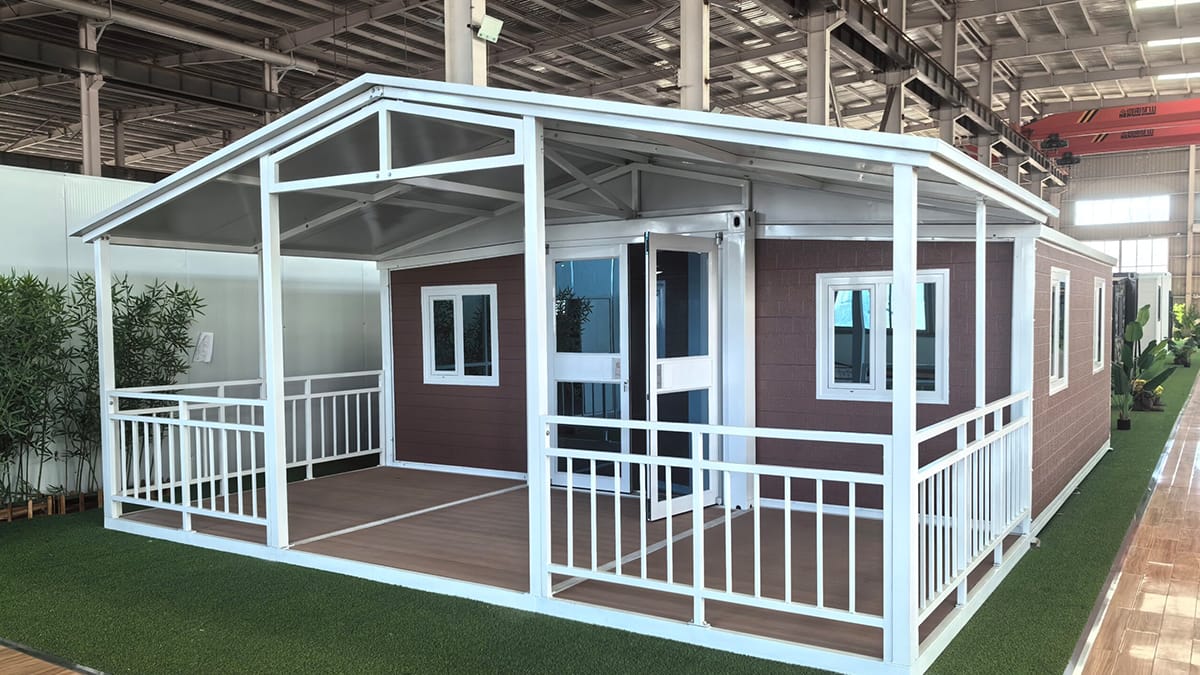
26 Nov Prefab Expandable Container House Buying Made Simple
You can buy a prefab expandable container house with a few simple steps. First, think about what you need and set your budget. Next, look at different suppliers and compare their options. Make sure you check the structure, insulation, and key systems. Pay attention to local regulations and how sustainable the design is. The market keeps growing, with global sales reaching $61.83 billion in 2023 and projected to hit $108.70 billion by 2032. You’ll find the process easy, quick, and friendly to your wallet.
Key Takeaways
Decide what you need and how much you can spend. Knowing your needs helps you pick the best container house.
Look up suppliers and check them well. Find companies with good ratings and choices that match your needs.
Look at the house’s structure and insulation. Strong parts and good insulation keep your house safe and cozy.
Learn about local rules. Knowing the rules helps you stop problems when you set up your container house.
Get your site ready for delivery. A ready place makes setup easy and stops delays.
Set Needs and Budget

Space and Use
Think about how you will use your prefab expandable container house before you buy. Do you want a small home, a shop, or an office that moves? There are many choices for you. Some people live in these houses all the time. Others use them for vacations or as places to stay in emergencies. Businesses use them for offices, food stands, or storage. You can also see them as clinics or classrooms that are not permanent.
Here are some common ways people use them:
Application Type | Description |
|---|---|
Residential Living | Homes with modern features for daily life. |
Satellite Offices | Workspaces for companies that need extra room. |
Food Kiosks | Places to sell food that can move around. |
Fast housing for people in disasters. | |
Eco-friendly Vacation Rentals | Special places to stay for travelers. |
Storage Units | Safe spots to keep things for businesses. |
Medical Clinics | Healthcare centers that can move to new places. |
Temporary Classrooms | School rooms that are used for a short time. |
Pop-up Retail Stores | Shops that open for a short period. |
Tip: Make a list of what you need most. This helps you choose the best size and layout.
Budget Range
Let’s talk about how much money you need. You should know the cost before you start shopping. A basic prefab expandable container house (about 37 square meters) costs $9,000 to $12,000. If you want a bigger house or more parts, you may pay $15,000 to $25,000 or more. You also need to pay for moving and setting up the house. Moving a 20-foot container costs $1,500 to $2,500. Setting it up costs $500 to $1,500.
Here is a simple price guide:
Description | Price Range (USD) |
|---|---|
Standard expandable container house (37 sqm) | $9,000 – $12,000 |
Multi-module expandable container houses | $15,000 – $25,000+ |
Transportation costs (20-foot container) | $1,500 – $2,500 |
Installation costs | $500 – $1,500 |
There are choices for every budget. If you plan ahead, you will not be surprised and you will make good decisions.
Compare Suppliers
Find Reputable Companies
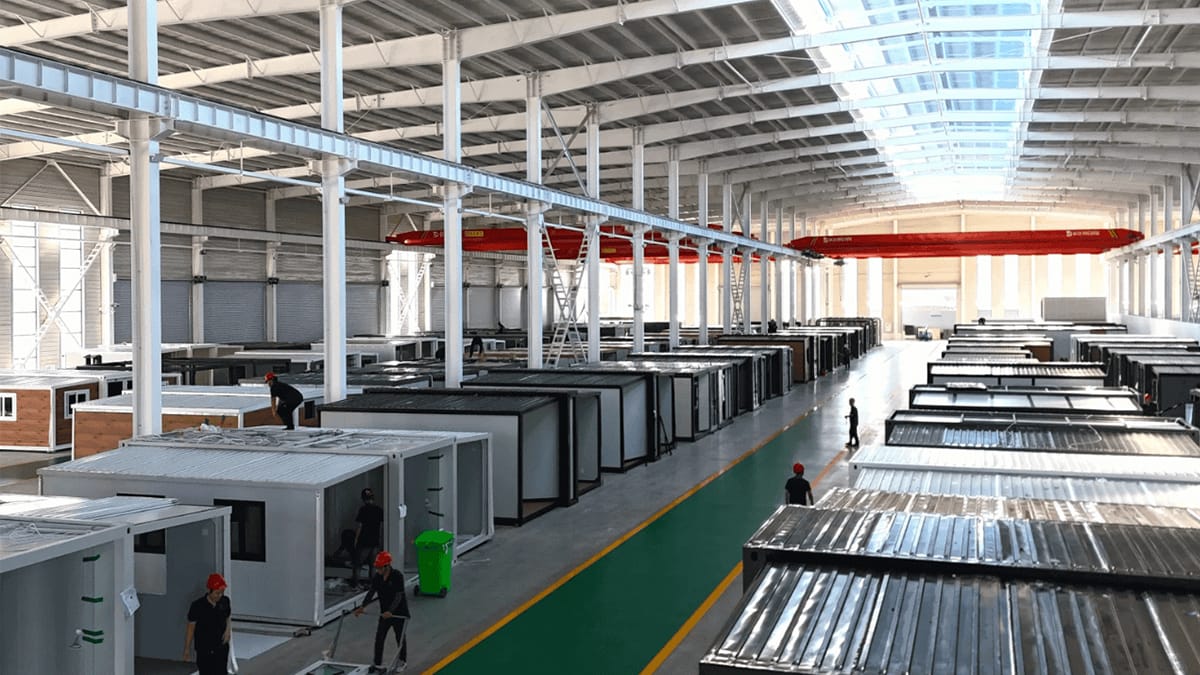
You should pick a company you can trust. Look for suppliers with good reviews. Check if customers are happy with their houses. See if the company lets you change things to fit your needs. Quality is important, so make sure they follow strict rules. Here is a table to help you find the best suppliers:
Criteria | Description |
|---|---|
Reputation | Find companies with good reviews and happy customers. |
Customization Options | See if you can change the house to fit your needs. |
Quality Standards | Pick companies that follow strong quality rules. |
Tip: Ask the company about their experience and how they help customers.
Review Features and Options
Each supplier has different things to offer. Some, like UMD, can deliver your house fast. You can choose layouts with one to four rooms. The house can be set up quickly. You can make your house bigger in just a few hours. When you look at suppliers, check for these things:
Fast delivery choices
Layouts and rooms you can change
Quick setup and easy ways to make it bigger
See if the supplier has extra things like solar panels or better insulation. These can make your house more comfortable and save energy.
Read Customer Feedback
Don’t forget to read reviews. Stories from other buyers help you know what is good and bad. Look for comments about delivery, how well the house is built, and customer service. If most reviews are good, you can feel sure about your choice. If people talk about problems, ask the company how they fix them.
Note: Reading reviews helps you know what to expect from your prefab expandable container house supplier.
Check House Features
Structure and Insulation
You want your prefab expandable container house to last. It should feel comfortable in every season. First, look at the structure. Most container homes use strong steel. This steel can handle earthquakes, fire, and water. It helps keep you safe in bad weather.
Here are some important things to check:
Feature | Importance |
|---|---|
Keeps your house safe during storms and strong winds. | |
Waterproofing | Stops leaks and keeps your house dry for a long time. |
Impact resistance | Protects your house from bumps and outside hits. |
See if the house meets standards like those in Australia. Good designs use steel frames and other strong materials. They are made to stand up to wind and earthquakes. A solid foundation helps your house stay steady, even if it is lighter than normal homes.
Insulation is important, too. It keeps your house warm in winter and cool in summer. Many prefab homes use polyurethane sandwich panels. These panels keep heat inside and save energy. Double-glazed windows help a lot. They stop almost half the heat from getting out compared to single-pane windows.
Insulation Material | Energy Efficiency Description |
|---|---|
Polyurethane Sandwich Panels | Keeps heat inside and saves energy. |
Double-Glazed Windows | Cuts heat loss by about 50%, makes your house more comfy. |
Tip: Ask the supplier what materials and insulation they use. Good insulation means you pay less for heating and cooling.
Systems and Regulations
You need working systems for daily life. Most prefab expandable container houses have electrical wiring already set up. The wiring is ready for you to connect to power. Plumbing and drainage use regular pipes. Sewage pipes are usually DN110. Hot and cold water pipes are DN20. You can ask for special options if you need them.
Electrical system: Wiring is ready to use.
Plumbing: Pipes for sewage, wastewater, and water supply.
Customization: Many suppliers let you change the layout or add things.
Check the rules in your area before you buy. Every city or town has its own building codes and zoning laws. These rules say what kind of house you can put on your land. You may need permits before you set up your home. The rules cover things like how your house looks, how big it is, and where it sits on your property.
Regulation Type | Description |
|---|---|
Property Zoning | Decides what buildings you can have in certain places. |
Building Codes | Sets safety and building rules. |
Permits | Shows you have permission to build or install your house. |
Common Regulated Items | Includes size, looks, fire safety, energy use, and entryways. |
Note: Always check local rules before you buy. This helps you avoid trouble later.
Sustainability and Efficiency
You can help the planet and save money with the right house. Many prefab expandable container houses use recycled materials. This means less waste and fewer new resources used. Some homes have eco-friendly things like solar panels and thick insulation. These features help you use less energy.
You might save up to 40% on electricity bills compared to a regular house.
Container homes make less waste and have a smaller carbon footprint.
Eco-friendly materials make your house even greener.
Some suppliers offer homes with certifications like ISO 9001 or CE. These show the house meets high standards for quality and being green.
🌱 Picking a sustainable design is good for your wallet and the planet. Ask about solar panels, energy-saving windows, and green materials.
You can also choose layouts that fit your needs. Custom designs let you add rooms or features that matter most to you. This way, your house works for your life and helps the planet, too.
Buying Process for Prefab Expandable Container House
Get Quotes
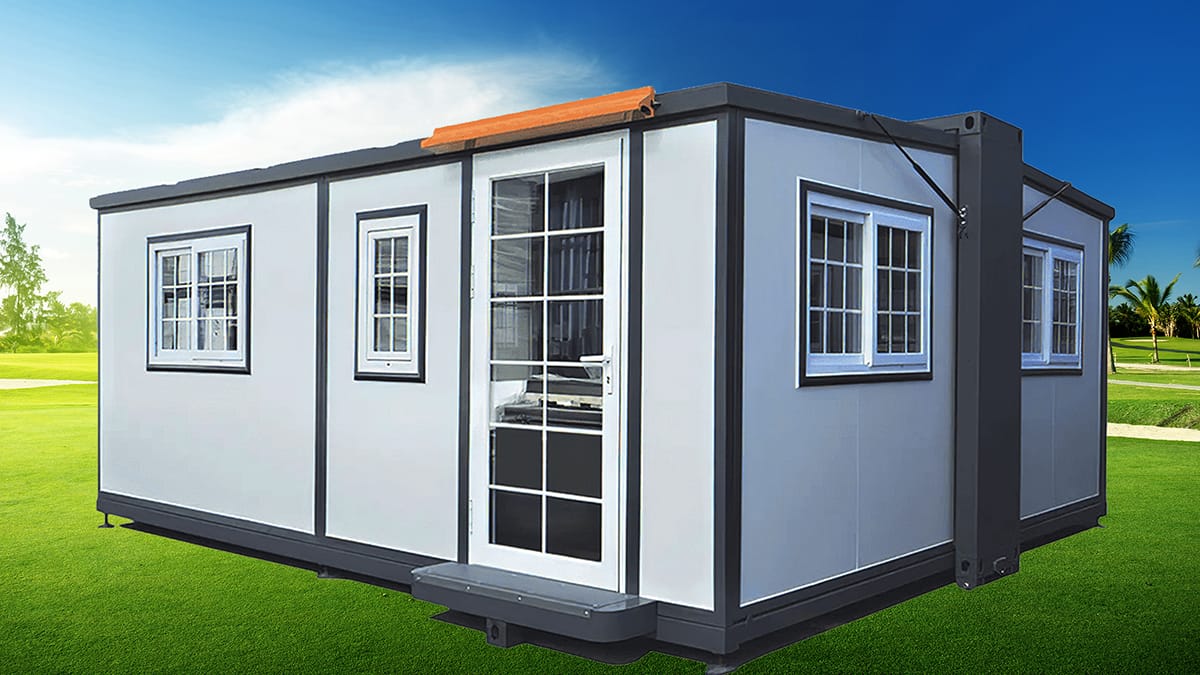
You want to start with clear information before you reach out to suppliers. Getting quotes for a prefab expandable container house is easy if you follow a few steps. Here’s how you can do it:
Write down what you need. Think about the size, shape, and features you want in your new home.
Share your location and any rules or zoning laws that might affect your house.
Set your budget. This helps suppliers show you options that fit your price range.
Decide when you want your house. A timeline helps suppliers plan production and delivery.
Tip: The more details you give, the more accurate your quote will be. Suppliers can suggest the best options for your needs.
You can contact several companies at once. This lets you compare prices and features. Some suppliers reply within a day, while others may take a bit longer. If you have questions, ask for a breakdown of costs. This helps you see what you’re paying for.
Negotiate and Pay
Once you have quotes, you can start talking about the price. You don’t have to accept the first offer. Here are some ways to get a better deal:
Look at prices from different suppliers. This gives you power to ask for discounts.
Ask about extra costs like moving and setting up the house. These can add up.
Talk about how much you’ll save over time. Energy-efficient homes can lower your bills, so use this to get better terms.
You can also ask for upgrades or free extras. Some suppliers may offer better insulation or solar panels if you ask.
When you’re ready to pay, most suppliers use wire transfer (TT). You usually pay 30% up front as a deposit. You pay the rest, 70%, before your house ships. Here’s a simple table to show how payments work:
Payment Step | Amount | When to Pay |
|---|---|---|
Deposit | 30% | Before production starts |
Final Payment | 70% | Before shipment |
Note: Always check the payment terms before you agree. If you’re not sure, ask the supplier to explain each step.
Delivery Timeline
After you pay, your prefab expandable container house gets ready for delivery. Most suppliers can deliver your house in 2 to 30 days after they get your deposit. The timeline depends on the size of your house and how busy the supplier is.
Small houses often arrive faster.
Custom designs may take longer.
Some suppliers offer express delivery for an extra fee.
You can ask for updates during production. Suppliers will tell you when your house ships and when it will arrive. If you need your house by a certain date, let the supplier know early.
🚚 Quick delivery means you can move in or start using your new space sooner. Always confirm the timeline before you pay.
If you follow these steps, you’ll find the buying process simple and stress-free. You’ll know what to expect at each stage, from getting quotes to moving into your new home.
Prepare for Delivery
Site Setup
Getting your site ready makes delivery smooth and stress-free. You want your new prefab expandable container house to sit on solid ground and connect easily to utilities. Here’s a simple step-by-step guide:
Pick the right spot. Check the soil and make sure trucks can reach your site.
Get your permits. Local rules matter, so double-check them.
Clear and level the land. Remove plants, rocks, and anything that gets in the way. Level the ground so your house stays steady.
Prepare the foundation. Choose a foundation that fits your needs. Concrete pads, piers, or blocks work well.
Set up utilities. Make sure water, electricity, and sewage lines are ready for connection.
Create access routes. Delivery trucks need a clear path to your site.
Do a final check. Walk the site and confirm everything is ready for delivery day.
Tip: A well-prepared site helps avoid delays and extra costs.
Permits
You need the right permits before your house arrives. Every city has its own rules, so check what applies to your area. Here are the main types:
Zoning laws decide how you can use your land. Some places allow container homes, while others do not.
Building codes set safety standards. These codes often follow national guidelines like the IRC or IBC.
Note: Permits protect you from legal trouble and make sure your house meets safety standards.
Installation Help
Professional help makes installation easy. Many suppliers offer services to guide you through the process. Here’s what you can expect:
Service Type | Description |
|---|---|
Design Support | Get a design team to help plan your house. |
Installation Instructions | Receive a packing list and step-by-step guide before shipping. |
On-Site Assistance | An engineer can visit your site to help with installation. |
Production Updates | Get photos and updates every few days. |
Customer Service | Reach out anytime—someone is always ready to help. |
Some companies offer one-stop solutions, handling everything from design to installation.
You can ask for help with setup, operation, and even future service.
😊 With expert support, you can relax and enjoy your new home sooner.
Final Checklist
Warranty and Service
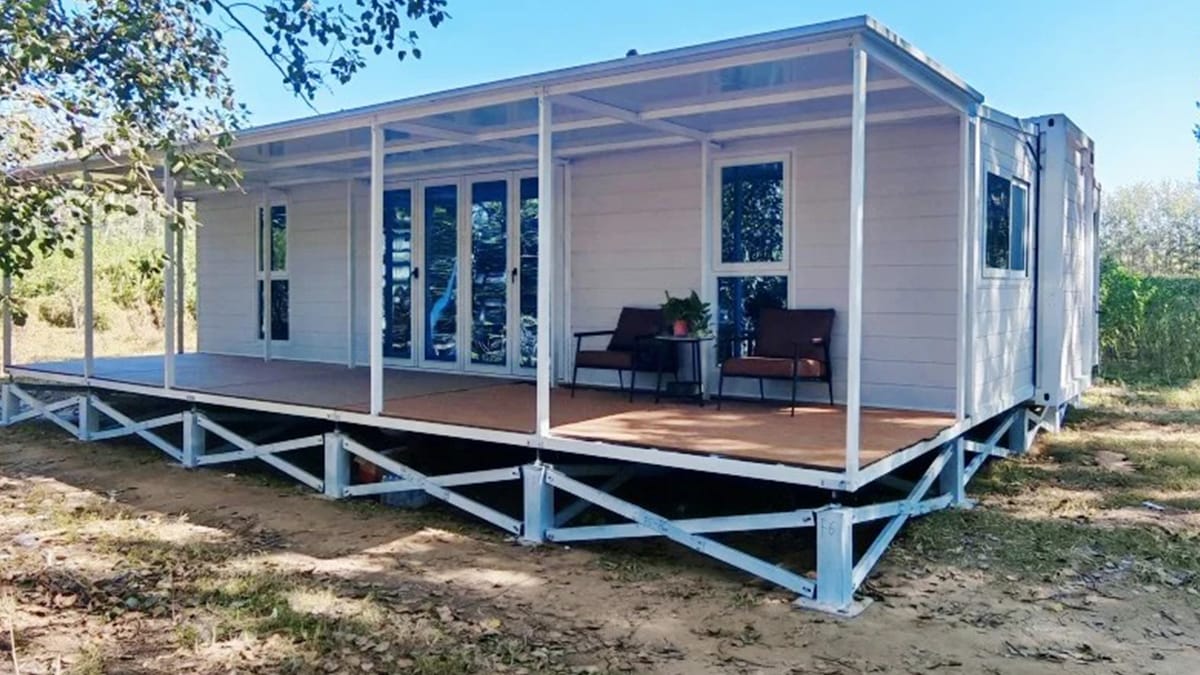
Before you finish your purchase, check the warranty and service options. A good warranty gives you peace of mind. Most suppliers, like CHOMEX, offer a 3-year structural warranty. This covers problems with the frame or materials that affect how strong your house is. You also get a 3-year warranty for electrical and plumbing parts, such as wiring and fixtures. Keep in mind, the warranty does not cover damage from misuse, accidents, or changes you make yourself.
You should also look at after-sales service. Top suppliers provide:
24/7 online support for any questions or problems.
Step-by-step installation videos and guides.
On-site help from engineers or installation teams if you need it.
Fast and friendly customer service.
Tip: A strong warranty and helpful service make your home-buying experience much easier.
Inspection
When your container house arrives, take time to inspect it. This helps you spot any issues right away. Here’s a simple checklist:
Seals and Joints: Look at the sealant around windows, doors, and expansion parts. Make sure it is flexible and has no cracks.
Roof: Clear off any debris. Check for dents, scratches, or rust.
Paint and Coatings: Look for chips or scratches. Cover any exposed metal to prevent rust.
Gutters: Make sure gutters are clean and not blocked.
If you find any problems, contact your supplier right away. Quick action helps you use your warranty if needed.
Confirm Order
You want to make sure everything is correct before you say yes to your new home. Follow these steps:
Request a quote for your chosen house and any extras you want.
Review the quote and ask questions. Make sure you feel good about your choice.
Confirm your order with the supplier, often with a quick call.
Pay the deposit so the build can start.
Wait for your house to be built and delivered to your site.
✅ Double-check all details before you confirm. This helps you avoid surprises and ensures you get the home you want.
You can feel sure about buying a prefab expandable container house if you follow these steps. First, decide what you need and how much you want to spend. Next, look at different suppliers and compare what they offer. Check the features of each house and get ready for delivery. Try not to make mistakes like forgetting to check the house or choosing the wrong type. These houses save money, last a long time, and are easy to put together. Use helpful guides and tips to plan well and make good choices. New ideas like green designs and smart tech make these homes even better. Are you ready to begin? Your new home is only a few steps away! 🚀
FAQ
How long does it take to set up a prefab expandable container house?
You can set up most houses in just a few hours. Some larger models may take a day. If you hire professionals, the process goes even faster.
Can I customize the layout or add extra rooms?
Yes, you can choose layouts and add rooms. Many suppliers let you pick features like windows, doors, and insulation. Ask your supplier about all the options.
Do I need special permits for my container house?
You usually need permits for installation. Local rules decide what you need. Check with your city or county before you buy. This helps you avoid problems later.
Is a prefab expandable container house safe in bad weather?
These houses use strong steel frames. They resist wind, rain, and earthquakes. Good insulation keeps you comfortable in every season. Always check the safety standards with your supplier.
What maintenance does my container house need?
You should check seals, paint, and the roof every few months. Clean gutters and look for rust. If you spot damage, fix it right away. Regular care keeps your house strong and safe.