

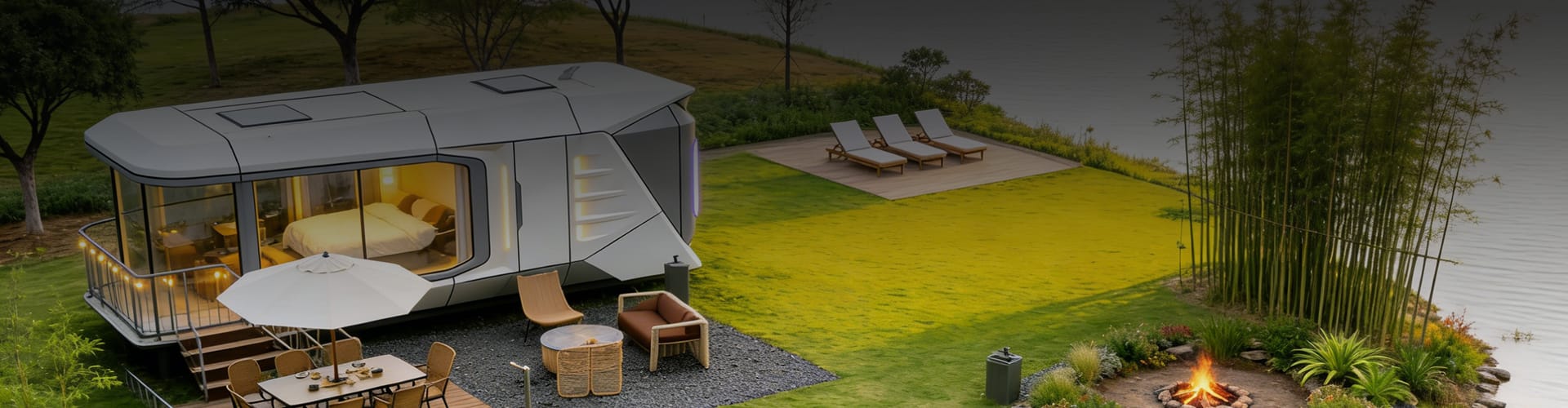
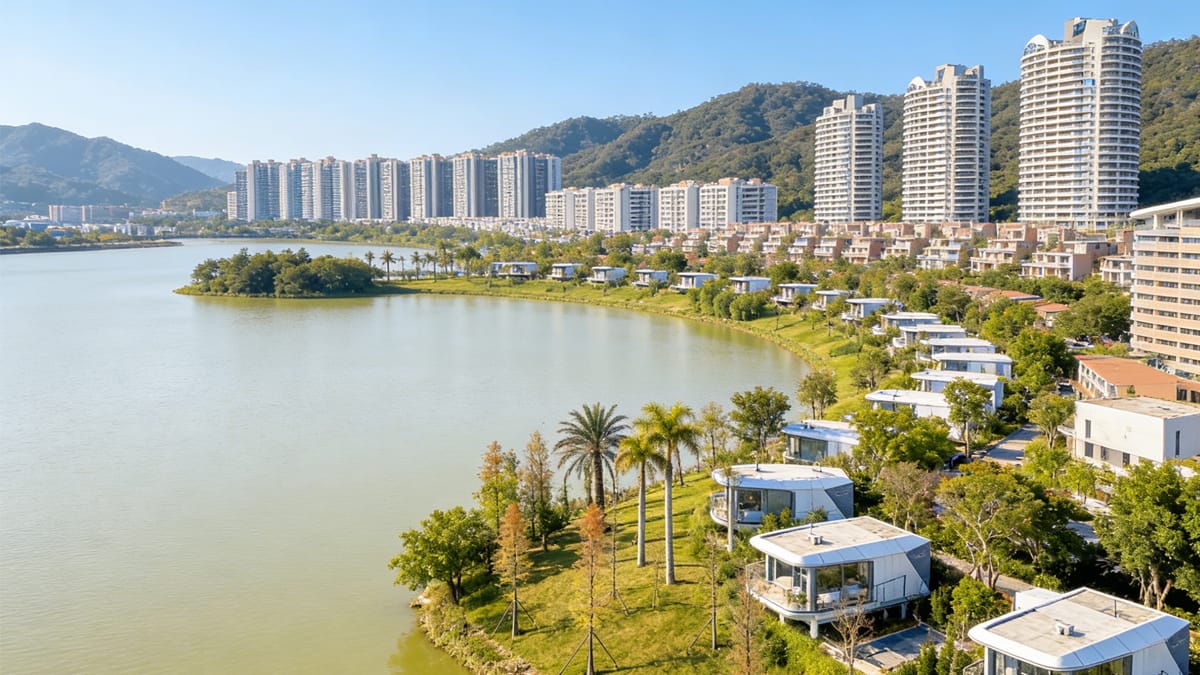
16 Apr Pros and Cons of Prefab Holiday Homes Every Buyer Should Know
Prefab holiday homes have some big benefits. They cost less and are built fast. But there can be problems with design choices and local rules. If you want a vacation home, you will see prefab holiday homes in many places. Before you decide, think about your money, how you live, and where you want to build. Look at this table to see what is most important:
Factor | Details |
|---|---|
Budget Alignment | Total available funds, Financing options, Hidden cost buffer |
Lifestyle Needs | Space requirements, Mobility needs, Long-term plans |
Location Factors | Climate considerations, Local regulations, Site accessibility |
You also need to get permits. These include building, transportation, occupancy, and environmental approvals. The good and bad points depend on what works for you.
Key Takeaways
Prefab holiday homes cost less. You spend less on workers and materials. This makes them good for people who want to save money.
These homes are built fast. You can use your vacation home sooner. Regular homes can take many months to finish.
Prefab homes use less energy. This helps you pay less for bills. They are also better for the environment.
You may not get many design choices with prefab homes. Always look at what you can change before you buy.
Remember to plan for extra costs. Permits and utility hookups can add to your budget for a prefab holiday home.
What Are Prefab Holiday Homes
Definition
When you hear the term “prefabricated house,” you might picture a home built in a factory and then moved to your land. That’s exactly what happens. Prefabricated homes are built in sections, or modules, at a factory. Workers then transport these sections to your site and put them together. This process is much faster than building a house from scratch on your land.
A prefabricated house is different from a traditional home. With a traditional home, builders bring all the materials to your land and build everything there. This can take months. Prefabricated homes, on the other hand, are mostly finished before they even reach your property. You get a home that’s ready to use in a much shorter time.
Types
You have several choices when it comes to prefab holiday homes. Each type has its own features and uses. For example, park model homes are tiny, usually under 400 square feet. People use them for vacations, not for living year-round. Modular homes are another type of prefabricated house. These are built in large pieces and put together on your land. They are sturdy and can last as long as a regular house.
Manufactured homes are also popular. Builders make them in sections and follow strict rules set by the government. Kit homes are a fun option if you like hands-on projects. You get all the parts and instructions, and you can build the home yourself or with help. Kit homes are usually simpler and can save you money.
Here’s a quick look at the main types:
Type | Description |
|---|---|
Park Model Home | Tiny, under 400 sq ft, for seasonal use. |
Modular Home | Built in modules, assembled on-site, strong and long-lasting. |
Manufactured Home | Built in sections, follows government rules, assembled on-site. |
Kit Home | Comes as a package, easy to build, great for DIY lovers. |
Tip: If you want a home that feels like a regular house, go for a modular prefabricated house. If you want to build it yourself, kit homes might be your best bet.
You can see that prefabricated homes offer more choices and faster setup than traditional homes. You just need to pick the type that fits your vacation style.
Prefab Houses vs Traditional Homes
Construction Process
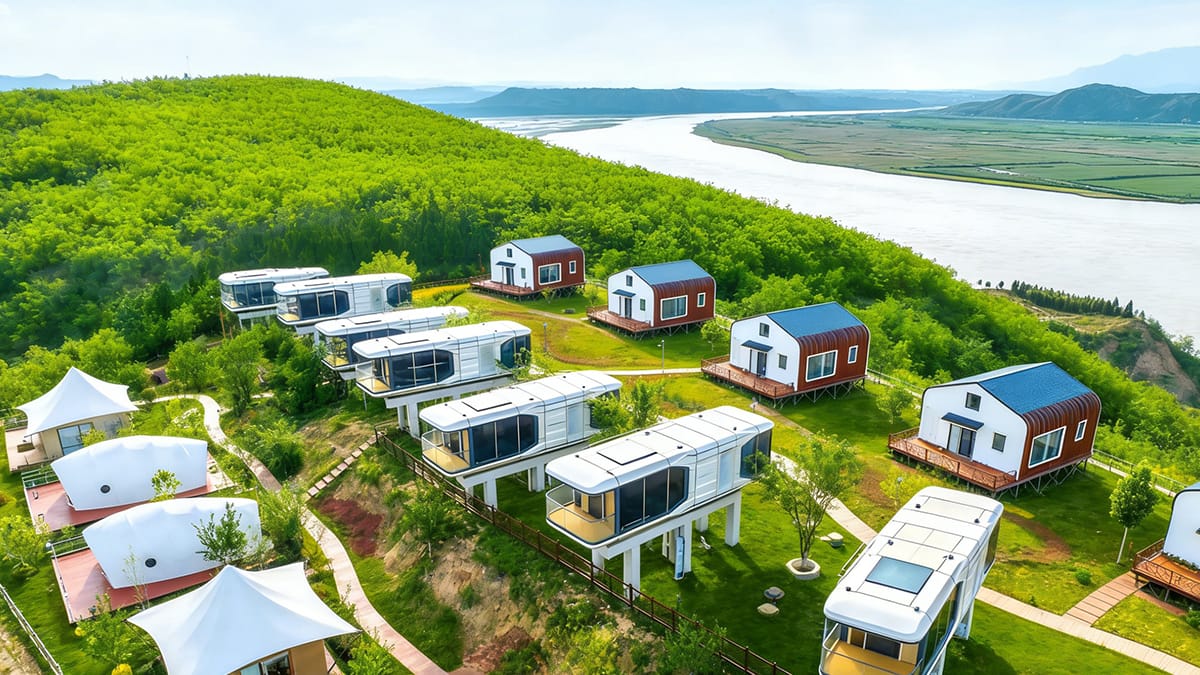
Prefab holiday homes are built in factories. Workers build parts inside, so bad weather does not stop them. The parts come to your land. A crew puts them together in a few weeks. Traditional homes take much longer to build. Rain or snow can cause delays. Sometimes, building a traditional home takes over a year.
Here’s a quick comparison:
Aspect | Prefab Homes | Traditional Construction |
|---|---|---|
Construction Time | Built indoors, finished fast in weeks. | Delays from weather, takes 8–18 months. |
Cost Efficiency | Costs are easier to predict and waste is less. | Costs can go up from delays and changing prices. |
Design Flexibility | You can change layouts and finishes easily. | Custom changes take more time and money. |
Environmental Impact | Uses less material and is more eco-friendly. | Uses more energy and makes more waste. |
Build Quality | Built with care in a factory. | Quality depends on builder and site. |
Tip: If you want your home quickly and with fewer problems, prefab is a good choice.
Cost Comparison
You may wonder how much you will pay. Prefab holiday homes usually cost less than traditional homes. The price is more steady. You do not get many surprise costs. Here are some numbers:
Home Type | Price Range | Average Price |
|---|---|---|
Prefabricated Homes | $240,000 | |
Traditional Homes | $124,000 – $800,000 | $323,000 |
Prefab homes save money on labor and materials. You also avoid delays that make costs go up.
Energy Efficiency
Prefab holiday homes are great for saving energy. Builders use good insulation and modern materials. Your home stays warm in winter and cool in summer. You spend less money on heating and cooling. Many prefab homes have upgrades like smart thermostats and better windows.
Feature | Prefab Homes | Traditional Homes |
|---|---|---|
Insulation Performance | Better insulation with new materials | Standard insulation |
Climate Control | Indoor temperature stays steady | Temperature changes more |
Energy Savings | Saves 20–50% on energy costs | Costs more for energy |
Sustainable Features | Often has energy-saving upgrades | Not as likely to have these features |
Building Process | Built in a factory | Built at the site |
You get a home that uses less energy. You save money every month. If you want to be eco-friendly, prefab homes are a good choice.
Pros of Prefab Holiday Homes
Affordability
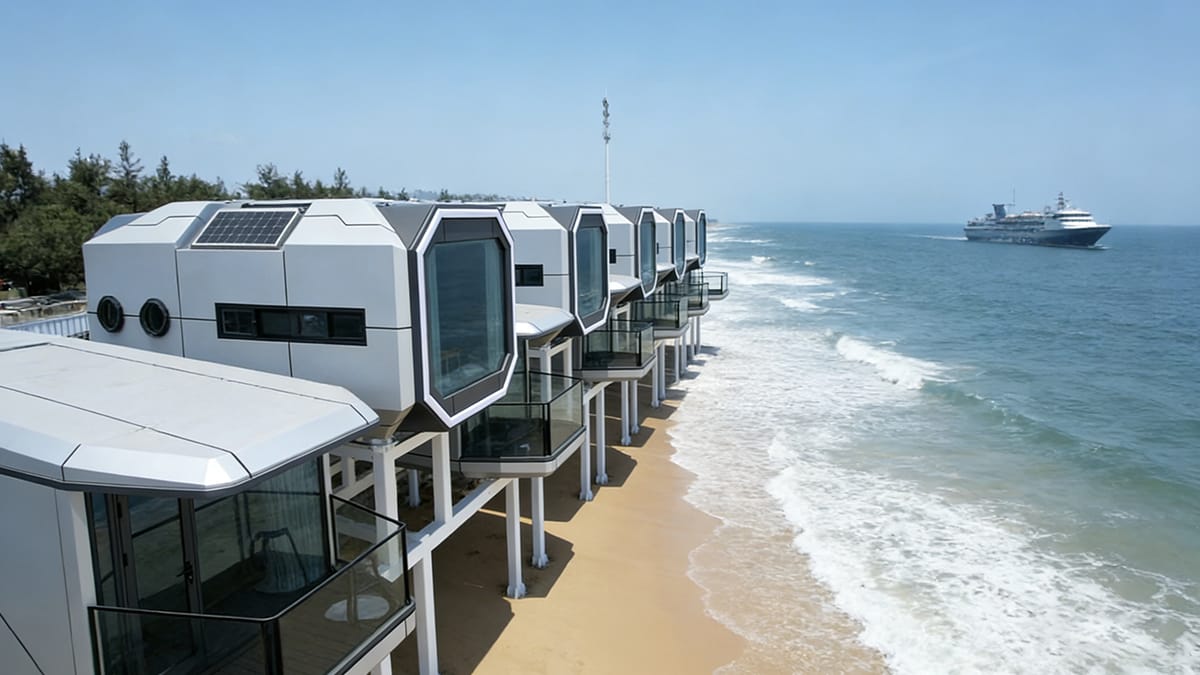
You probably want a vacation home that doesn’t break the bank. Prefab houses make this possible. You pay less for labor because most of the work happens in a factory. The price stays steady, so you don’t get hit with surprise costs. Traditional homes often go over budget because of weather delays or changing prices for materials. With prefab houses, you know what you’ll spend from the start. This makes planning your dream getaway much easier.
Fast Construction
If you want to move in quickly, prefab houses are hard to beat. The speed of construction is a huge advantage. Here’s how the timeline usually looks:
Modular homes can be built in about 7 days at the factory.
On-site finishing takes another 45 to 60 days.
You get your home much faster than with traditional building, which can take up to a year or more.
You don’t have to wait forever to enjoy your new space. Imagine planning your summer and actually having your vacation home ready on time!
Tip: If you want to avoid long delays and get settled fast, prefab houses are a smart choice.
Energy Efficiency
Prefab houses help you save money on energy bills. Builders use smart designs and modern materials to keep your home comfortable all year. You’ll find features like:
Triple-glazed windows that keep heat in or out.
High-grade insulation for steady indoor temperatures.
Air-tight building envelopes that stop drafts.
Compatibility with solar panels and heat pumps.
Smart thermostats and LED lighting for extra savings.
These upgrades mean you use less energy for heating and cooling. You help the planet and your wallet at the same time.
Reduced Waste
Prefab houses are built with care in a factory. This process creates less waste than building on-site. Workers use materials more efficiently and recycle leftovers. Research shows that prefab construction can lower the amount of trash sent to landfills. As the industry grows, companies keep finding better ways to cut waste. You get a home that’s not just good for you, but also better for the environment.
Quality Control
You want your home to last. Prefab houses go through strict quality checks at every step. Take a look at some of the ways factories make sure your home is solid:
Quality Control Measure | Description |
|---|---|
Jigs and Fixtures | Keep parts lined up for strong, even walls and roofs. |
Quality Control Inspectors | Check each stage of building for mistakes or weak spots. |
Building Information Modeling | Use digital models to spot problems before building starts. |
Quality Testing | Test steel parts for strength and safety. |
Water Penetration Tests | Make sure roofs and walls keep out rain. |
Air Leakage Tests | Check for drafts to boost energy savings. |
Fire Resistance Tests | Test materials to see how they handle fire. |
Transportation Quality Control | Protect your home during delivery. |
On-Site Inspections | Double-check everything during assembly. |
You get peace of mind knowing your home meets high standards before you move in.
Eco-Friendly Materials
Prefab houses often use materials that are better for the planet. You might see bamboo, which is strong and grows back quickly. Some builders use straw-based panels that provide insulation and cut down on waste. Other green features include:
Reflective and cool roofs to lower heat.
Floor-to-ceiling windows for more sunlight.
Energy-saving LED lamps.
Solar panels for clean energy.
Prefab wall systems that keep your home warm or cool.
These choices give you real environmental benefits. You can feel good about your impact while enjoying a cozy, modern space.
Note: Choosing prefab houses means you support a greener future and get a home that works for you.
Cons of Prefab Holiday Homes
Design Flexibility
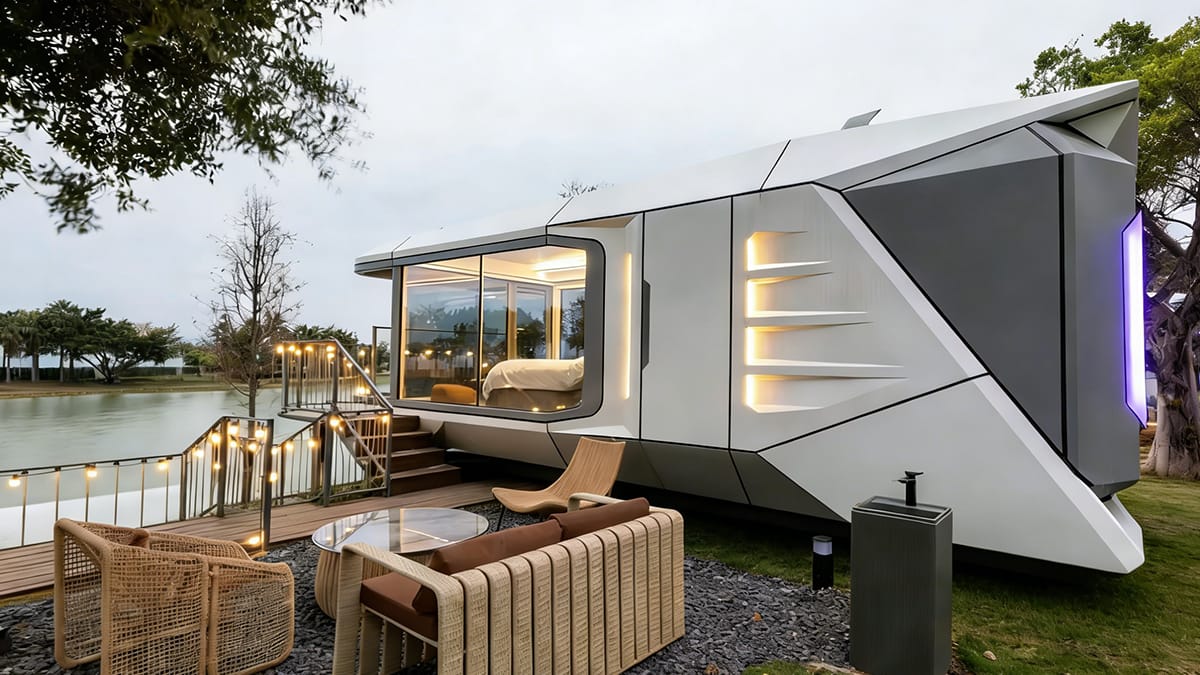
You may want your holiday home to show your style. Prefab homes can limit what you pick. Most builders have set floor plans and finishes. If you want special layouts or features, you might feel stuck. Some companies let you make changes, but it costs more. You do not get as many choices as with traditional homes. You should think about if you are okay with fewer options or if you want a home that is unique.
Note: If you like creative design, check what each builder allows before you choose.
Community Regulations
Local rules can change where you put your prefab home. Zoning laws decide the size, height, and look of your house. You need permits, which take time and money. Some places do not like prefab homes. People may worry about how these homes fit in their area. You should learn about the community before you buy.
Aspect | Description |
|---|---|
Zoning Laws | Rules about size, height, and appearance. |
Permitting Requirements | Permits needed, can be slow and expensive. |
Community Perceptions | Local attitudes may affect acceptance and placement. |
Tip: Always check local rules and talk to neighbors before you build.
HOA Fees
Homeowners’ associations can add extra costs. In some vacation spots, you pay monthly fees for care and amenities. These fees change by place and type of community.
Sun Outdoors has no HOA fees; lot rent covers care and amenities.
Lot rents for manufactured homes are $300 to $1,000 each month.
HOA fees in condos can be $100 to $500 per month, based on services.
You need to plan for these fees in your budget. They can add up over time.
Land and Site Preparation
Getting your land ready is a big job. You must follow local rules for permits and zoning. The site must be clear and flat before your home comes. Roads need to be wide enough for trucks and cranes. If you skip soil tests or drainage, you may pay for repairs later.
Get the site ready before delivery.
Make sure roads fit big trucks and cranes.
Utility planning is often missed, causing delays.
Site access must be clear, with no tree limbs or soft ground.
Skipping soil tests and drainage is a common mistake.
Alert: Plan ahead for site work. It saves money and stress.
Utility Hookups
Connecting your home to water, power, and sewer can be hard. You must own the land, which costs more. Local rules may make it tough to find lots with easy utility access.
Aspect | Description |
|---|---|
Land costs | You must own the land, which increases expenses. |
Zoning and utility rules | Local laws can complicate finding suitable lots for hookups. |
If you do not plan for utility hookups, you may face delays and extra bills.
Transportation and Assembly
Moving your prefab home is not easy. You pay to move the modules. Cranes load and unload the parts at both ends. Transport costs are a big part of your budget. If you pick a builder with a nearby factory, you save money. You should keep about 10% of your budget for surprises.
Cranes are needed for loading and unloading.
Transport costs are a big part of the project.
Using a local factory can save money.
Keep extra money for surprises.
Modules need a strong base, like steel or timber.
The structure must handle movement during travel.
Tip: Ask your builder about transport costs and assembly plans.
Financing Challenges
Paying for a prefab holiday home can be tough. Many lenders see prefab homes as personal property, not real estate. You may need a Chattel Loan, which has higher rates and shorter terms. If your home is on a permanent foundation and meets rules, you might get a regular mortgage. Traditional homes have more loan choices, like FHA and VA loans, with better rates and longer terms. Extra costs for moving, setting up, utility hookups, and foundation work can change your loan and budget.
Prefab homes are often seen as personal property, making loans harder.
Chattel Loans have higher rates and shorter terms.
Permanent foundations may let you get a regular mortgage.
Traditional homes offer more loan choices and better terms.
Extra costs for moving, setup, and hookups affect financing.
Note: Talk to your lender early and ask about all your options.
Hidden Costs and Buyer Tips
Unexpected Expenses
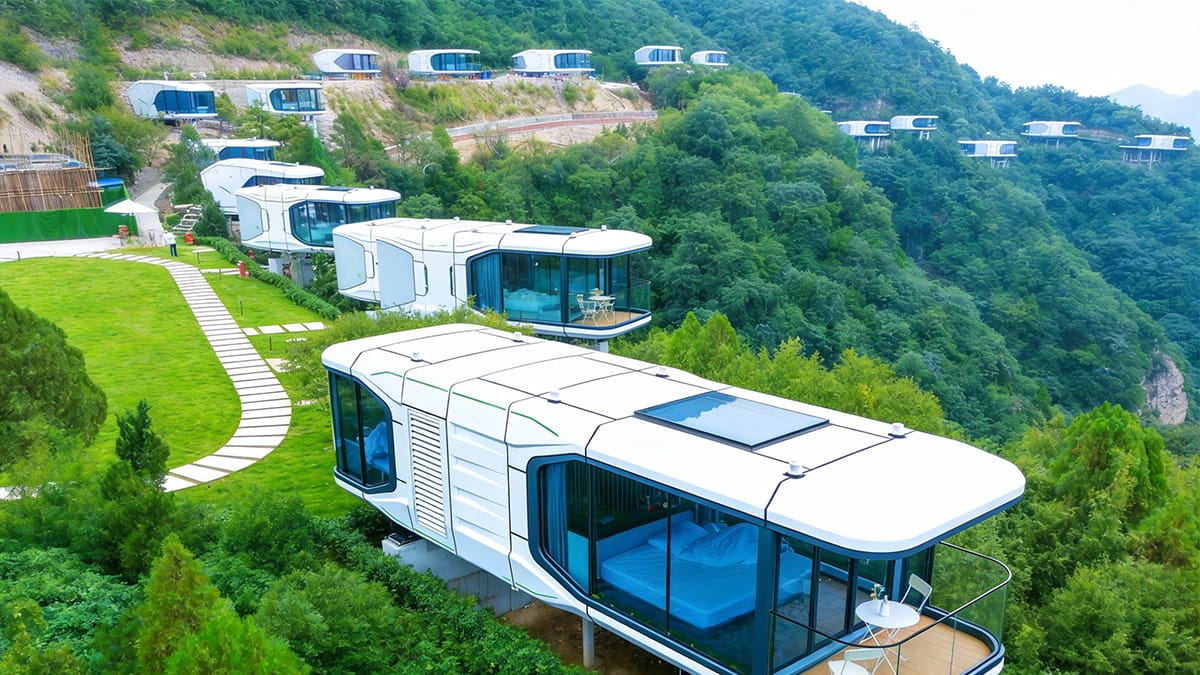
You may think the price for a prefab holiday home is final. That is not always true. Many buyers find extra costs they did not expect. Delivery, foundation, utility hookups, permits, and site work can add up fast. Sometimes, the total price goes up 30% to 50% above the base price. Custom upgrades like fancy floors or energy-saving windows can cost $10–$150 for each square foot. You might pay 1.5 to 2 times more than the listed price when everything is included.
Cost Type | Estimated Range |
|---|---|
Delivery Fees | $2,000 – $5,000 |
Foundation | $5,000 – $15,000 |
Utility Hookups | $3,000 – $10,000 |
Permits | $500 – $2,000 |
Site Preparation | $1,000 – $5,000 |
Custom Upgrades | $10–$150 per sq ft |
Total Increase | 30% – 50% above base price |
💡 Tip: Always ask for a full list of costs before you sign anything. The base price is only the beginning.
Maintenance
Prefab holiday homes are easier to take care of than traditional houses. They are put together quickly and have smart designs. These homes are good for vacations, so you spend less time fixing things. The modular build lets you move and set up your home with fewer problems. You do not need to worry about big repairs as often.
Quick assembly means fewer building problems.
Smart design keeps maintenance easy.
Modular parts make repairs and upgrades simple.
Lower maintenance fits the holiday lifestyle.
🛠️ Note: Regular checks for leaks, insulation, and roof help your home last longer.
Choosing a Manufacturer
Picking the right manufacturer is very important. Start by looking at their website. Check for clear floor plans, photos, and fast answers to your questions. Ask friends or read reviews online. Look for companies with lots of experience in modular homes. Make sure they offer good warranty coverage and help after you buy.
Look at the website for clear info and quick replies.
Check reputation with friends, reviews, and the Better Business Bureau.
Find companies with experience in modular homes.
Learn about warranty and after-sale support.
Visit the factory if you can.
Trust your feelings about the company’s attitude.
Ask about customization options.
Look for green building and energy-saving choices.
Make sure they set the home on the foundation or do not outsource this step.
Manufacturers registered with groups like the National Association of Home Builders use better materials and skilled workers. Good customer service is important. Take your time and do your research before you decide.
👍 Tip: The right manufacturer gives you peace of mind and a home that fits your needs.
When you think about prefab holiday homes, you see both good and bad sides. These homes are built quickly and save energy. They also cost less than many other homes. But you might pay more for land and hooking up utilities. You also cannot change the design as much as you want. Here’s a simple chart:
Pros | Cons |
|---|---|
Fast construction | |
Energy efficiency | Limited customization |
Affordability | Financing can be tricky |
You should look at your money, where you want to build, and your future plans. Always ask for a list of all costs and keep extra money for surprises. Pick a builder who is trusted and knows the area well. This helps you enjoy your holiday home with less stress.
FAQ
Can you live in a prefab holiday home year-round?
You can live in some prefab holiday homes all year. Check if the home has good insulation and heating. Local rules may limit full-time living. Always ask your builder and local officials before you decide.
How long does it take to set up a prefab holiday home?
Most prefab homes arrive in weeks, not months. Factory building takes about 1–2 weeks. On-site assembly usually takes 1–2 months. Weather and permits can change the timeline.
What should you look for in a prefab home manufacturer?
Look for these signs of a good builder:
Clear answers to your questions
Good reviews from other buyers
Strong warranty and support
Experience with local rules
Do prefab holiday homes hold their value?
Prefab homes can keep value if you care for them. Location, land ownership, and home quality matter most. 🏡 Homes on permanent foundations usually do better in the long run.