


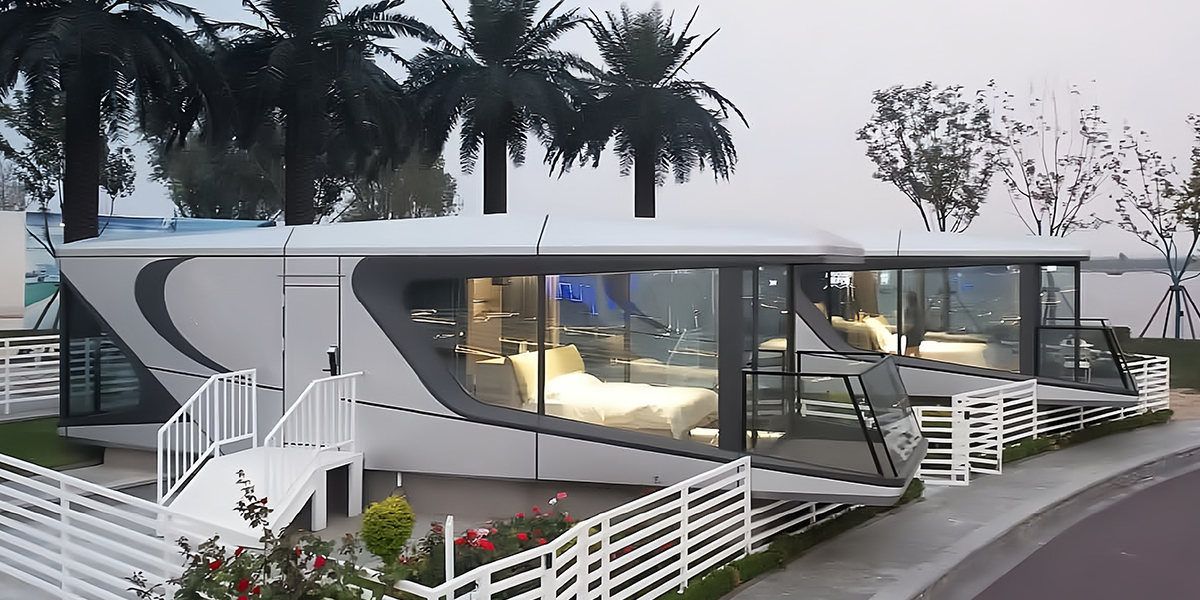
06 Sep How Capsule Houses Are Changing the Mobile Home Scene
Table of Contents
You may hear more people talk about capsule houses now. They are not just a new thing. They are changing how people see mobile living. Look at these facts:
The market for capsule apartments is worth $1.5 billion in 2024.
Experts think it will grow to $3.2 billion by 2033. This is because young professionals and millennials want homes that are cheap and flexible.
City life, new technology, and smart spaces help this growth.
Capsule houses use eco-friendly materials and save energy. They let you change your space more than traditional mobile homes. Here is a quick comparison:
Feature | Capsule Houses | Traditional Mobile Homes |
|---|---|---|
Energy Efficiency | Not as energy-efficient | |
Environmental Impact | Uses eco-friendly materials | Sometimes less eco-friendly |
Flexibility | Can be changed and used in new ways | Not many ways to change |
Suitability for Families | Good for families of all ages | Not as easy to fit changing families |
You get a home that fits your needs. It saves energy and helps the earth. That is why a capsule house is special.
Key Takeaways
Capsule houses cost less and help the environment. They are a good choice for young workers and families. These homes use smart designs to save space. They work 40% better than regular homes. You can change your capsule house to fit your life. This helps make sure it meets your needs. Capsule houses are simple to move and set up. This is good for people who travel or work from home. Capsule houses last 25 to 50 years. They give you comfort and are worth it for a long time.
Capsule House Basics
What Is a Capsule House
You may ask how a capsule house is not like other small homes. Capsule houses began in Japan in the 1960s and 70s. Architects wanted homes that could move and change with people. The Nakagin Capsule Tower in Tokyo was built in 1972. It showed how you can stack small homes like blocks. Over time, capsule houses changed a lot. They went from simple shelters to smart and comfy homes.
Here’s a quick look at how the idea has changed:
Historical Origin | Evolution |
|---|---|
Started in Japan’s metabolism architecture movement in the 1960s and 70s, led by Kisho Kurokawa. | Changed from short-term shelters to real homes with new technology and green materials. |
Nakagin Capsule Tower opened in Tokyo in 1972, showing flexible space ideas. | Today’s capsule houses have smart home tools and save energy. |
Key Features
A capsule house fits a lot into a small area. Most are only a few hundred square feet. They use every bit of space well. These homes are strong against wind and keep heat inside. They also block noise. Many can handle winds over 120 km/h. They keep things quiet with more than 30 dB of sound blocked. They use less than 1.2 kW each day for heating and cooling.
You can see some main standards below:
Parameter | Specification/Standard |
|---|---|
Wind Load Tolerance | Over 120 km/h |
Thermal Insulation R-Value | More than 3.5 per inch |
Energy Efficiency | ≤1.2 kW/day for climate-controlled units |
Sound Insulation | More than 30 dB reduction |
Lifespan Warranty | At least 15 years |
Assembly Time | Less than 6 hours for basic setups |
Capsule houses use smart tech to help you. You can use your phone to control lights, heat, and locks. Many let you change the inside to match your style. They use strong, rust-proof materials and good insulation. This keeps your home cozy all year.
Tip: If you want a home that is quick to build, saves power, and feels new, a capsule house might be right for you.
Space and Design
 Space Efficiency
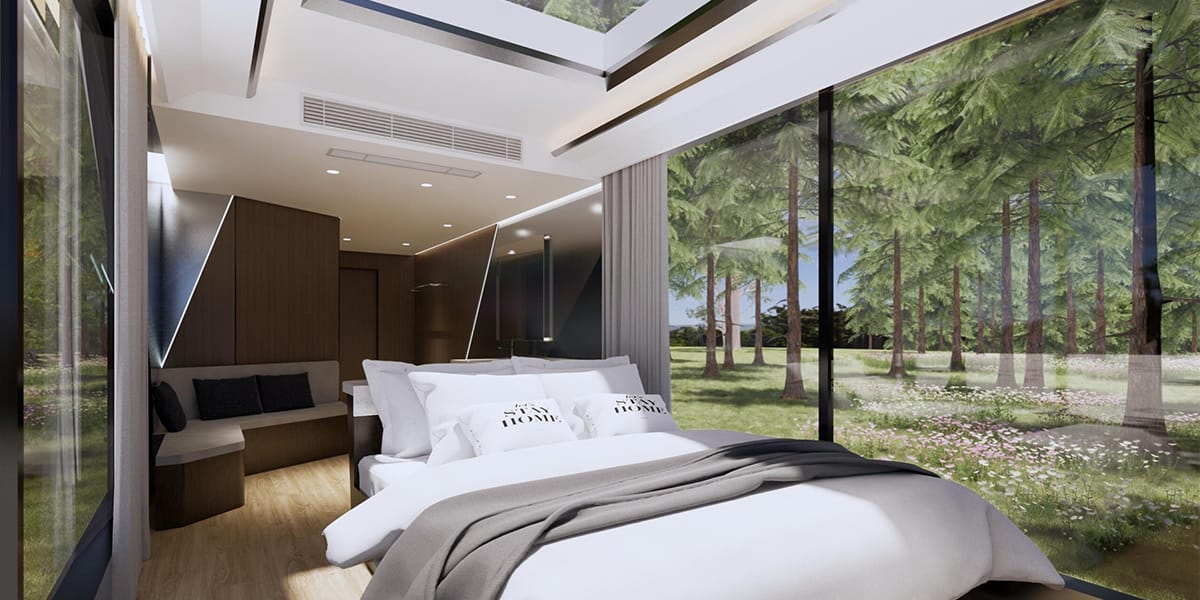 Space Efficiency
When you walk into a capsule house, you see smart use of space. Designers add things like loft beds and fold-out desks. They also hide storage in clever places. This helps you use every part of the home. Capsule houses use 40% more space than regular homes. You will not find empty corners or long hallways. Here is a table to show the difference:
Feature | Capsule Houses | Traditional Homes | Efficiency Gain |
|---|---|---|---|
Space Utilization | 40% more | Less efficient | 40% |
Design Type | Modular | Fixed |
|
Multifunctional Areas | Yes | No |
|
These homes are easy to clean and cost less to heat or cool. The small size means you spend less time on chores. You also save money on energy bills. If you want a home that feels big but is small, this is a good pick.
Designers use lofts and furniture that does more than one thing.
Tiny houses sometimes waste space, but capsule houses use it all.
You spend less on energy and cleaning.
Modular Expansion
You may wonder how a small home can get bigger. Capsule houses use modular layouts. This means you can add or take away rooms when you need to. If your family grows, you can connect another room. If you need an office, you can add a workspace pod. This makes it easy to change your home.
Modular Option | Impact on Usability |
|---|---|
Customizable Layouts | Tailored to your needs, boosting comfort and efficiency. |
Scalability | Add or remove modules for changing family size. |
Multi-room Configurations | More space for larger families without losing functionality. |
You can move these rooms without breaking them. This is great for people who travel or work from home. The modular design is also better for the earth. It leaves less impact when you move.
You can move rooms easily.
Good for people who travel or work from home.
It is built to be kind to the environment.
Customization
You can make your capsule house feel like your own. Many people pick insulated shells to stay comfy. Some add solar panels to save energy. Double-layer designs give you more space. You can choose to have separate living areas for privacy. Some homes use floors that lock together for strength and style.
Customization Option | Description |
|---|---|
Insulated Shell | Keeps you comfortable all year and saves on energy bills. |
Plug-and-Play Solar Integration | Lets you use solar power easily, lowering costs. |
Double-Layer Capsule Design | Gives you more vertical space, perfect for city living. |
Separated Living Zones | Adds privacy in a small space. |
Interlocking Floors | Makes your home strong and stylish, even in tough weather. |
You can pick green materials and energy-saving features. Modular setups let you change the look or layout when you want. Capsule houses work well in cities or the country. They fit your style and needs.
Tip: If you want a home that changes with you and fits your style, customization is important. You can make a space that feels just right.
Capsule House vs. Mobile Home
Flexibility
When you think about flexibility, you want a home that can change as your life changes. Traditional mobile homes come in different sizes, like single-wide or double-wide. These give you some choices for space and comfort. Still, they do not let you change the inside much after you buy them. If you need more space, you might have to move to a bigger home.
A capsule house works differently. You can add new rooms or take them away when you want. The design uses modules, so you can connect extra bedrooms, a workspace, or even a playroom for kids. You do not need to tear down walls or do big renovations. You just add or remove a module. This makes it easy to adapt your home for a growing family or a new hobby. You get a home that grows with you.
Mobility
Moving a home sounds hard, but it does not have to be. Mobile homes are built to move, but they are heavy and need special trucks. Setting them up in a new place takes time and planning. You might need a strong foundation and help from experts.
A capsule house is much lighter. You can move it without a big team or heavy equipment. The parts fit together like building blocks. You can take them apart and put them back together in a new spot. This makes it easy if you travel for work or want to live in different places. You do not have to worry about leaving your home behind. You just pack it up and go.
Tip: If you love adventure or need to move often, a capsule house gives you more freedom than a regular mobile home.
Technology
Technology makes life easier. Capsule houses use smart tools to help you save energy and stay comfortable. You can control lights, heating, and locks with your phone. Many have solar panels and systems to collect rainwater. The walls keep heat in and noise out. You use less power and help the planet.
Mobile homes do not always have these features. Some have basic heating and cooling, but not much else. You might not get smart home tools or eco-friendly options. Building a mobile home also creates more waste and uses more old-style materials.
Here is a quick look at how the two compare:
Feature | Capsule Houses | Mobile Homes |
|---|---|---|
Setup Time | Quick deployment in disaster zones | Longer setup time |
Mobility | Lightweight and easy to move | Generally heavier and less mobile |
Eco-Friendly Features | Solar panels, water collection, energy-efficient insulation | Limited eco-friendly options |
Smart Home Technology | Integration of IoT devices for energy control | Varies, often less advanced |
Construction Waste Reduction | Up to 80% reduction with sustainable materials | Traditional materials used |
Prefabrication | Faster assembly with modular designs | Slower construction process |
You can see that a capsule house gives you more choices for smart living. You get a home that is ready for the future.
Benefits
Sustainability
You may ask how a capsule house helps the earth. These homes use smart materials that are good for nature. The materials last a long time and keep you cozy. Here are some common materials you will see:
Aviation-grade aluminum is light and strong. It does not break in sun or rain.
Hot-dip galvanized steel frames do not rust. They help your home stay safe and sturdy.
Insulated panels keep your home warm or cool. They also block loud sounds from outside.
Glass and transparent materials let sunlight in. Tempered glass keeps you safe from breaks.
Composite flooring and finishes do not get ruined by water. They last for many years.
Your home uses less energy and makes less trash. Many capsule houses follow strict air rules. This means you can breathe clean air every day.
Tip: Picking a capsule house helps make the world cleaner and greener.
Affordability
Saving money is important for everyone. Capsule houses often cost less to buy and own than mobile homes. Many people use regular mortgages for land and home together. This helps you save more money over time. Mobile homes often use loans with higher rates and shorter times.
You spend less on heating, cooling, and fixing things. Strong materials and smart design mean fewer problems later. You get more for your money and pay less each month.
Lifespan
You want your home to last a long time. Capsule houses are made to handle tough weather and daily use. Look at how long these homes last and what matters most:
Lifespan Range | Influencing Factors |
|---|---|
Quality of materials, maintenance, environmental conditions |
Builders use strong steel and aluminum. They add thick insulation and fire-safe designs. Your home can stand up to strong winds and even earthquakes. With good care, a capsule house can last for many years.
Challenges
Space Limits
Capsule houses help you save space. But you may notice some problems. Living in a small area can feel crowded. If you are used to big rooms, it feels different. You might have trouble storing all your things. Moving around can be hard sometimes. You need to use smart storage ideas. Furniture that does more than one job helps.
Capsule houses are built to be small and compact. These space limits can sometimes be unsafe. In emergencies like fires or earthquakes, small spaces can make escape harder. It may be tough to move quickly or find a way out.
If you own lots of stuff, you may feel squeezed. Hobbies that need extra room can be hard to do. Think about how you would get out fast in an emergency.
Privacy
Privacy is sometimes hard in capsule houses. The open design means you hear more sounds. You see what others are doing more often. Getting alone time can be tricky. This is true if you live with family or friends. Here is a look at privacy:
Housing Type | Privacy Concerns | Customization Options |
|---|---|---|
Capsule Houses | You can use walls or furniture to split areas. | |
Traditional Homes | Privacy is better with separate rooms. | Not many ways to change privacy features. |
You can add walls that move or hang curtains. But it does not feel like having your own room. If you need quiet or a place to work, privacy can be a problem.
Comfort
Comfort is important to think about. Many people say small homes take time to get used to. You may miss a big couch or kitchen. Some people feel cramped after a while. Here are some comfort problems:
Small spaces make it hard to relax or stretch.
Privacy problems can bother you if you like quiet.
Long-term comfort is hard because you miss big home features.
Small homes can feel tight, and air or sunlight may not be as good.
Think about these comfort issues before you choose a capsule house. Capsule houses have good points, but they are not perfect for everyone.
Is a Capsule House Right for You
Who Should Consider
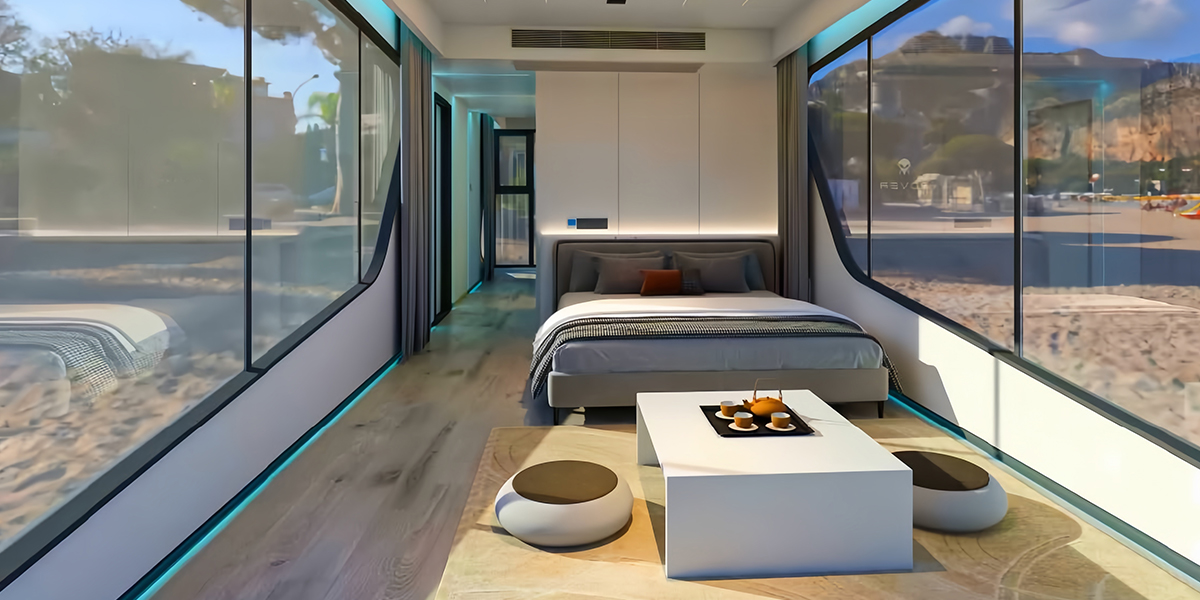 Who Should Consider
You might ask if a capsule house is good for you. Many different people like these homes. Some want a simple life. Others need a smart home in the city. Here are some groups who often pick capsule houses:
Demographic Group | Characteristics |
|---|---|
This group is the biggest. They like technology and want new experiences. They care about saving money, simple design, and modern features. They also want homes that help the environment. | |
Generation Y | These people like adventure and real travel. They want homes that are good for the earth and not too expensive. They also like homes that are easy to change and use. |
Office Workers | These are workers who need a place for a short time. They want a place to stay for work trips. They look for homes that are cheap and easy to find in cities. |
If you are a student or a young worker, a capsule house might be right for you. It is easy to build and move. You can save money and help the earth at the same time.
Tip: If you like new gadgets, want to save money, or care about nature, you may like living in a capsule house.
Lifestyle Fit
Your daily habits are important when picking a home. Capsule houses are best for people who like things neat and simple. These homes use all the space well. You will find beds that fold up and hidden places to store things. If you like to keep only what you need, you will like it here.
Capsule houses are also good for people who want to live in the city. You can move your home or add more space if you need it. Some people use these homes for travel or work. Others use them as a guest house or a quiet place to relax.
Here is how different needs match with capsule house features:
Lifestyle Need | Capsule House Feature |
|---|---|
Urban Micro-Living | You can move and set up your home easily in the city. You can also change how it looks or works. |
Affordability | These homes cost less than most others. Young workers and students can buy them more easily. |
Tourism and Hospitality | The small size lets you fit more homes in pretty places. Travelers like to stay in these unique homes. |
Emergency Housing | You can build these homes fast. They work well for people who need a safe place after a disaster. |
Commercial Use | You can change the inside and move the home for different business needs. |
You can use a capsule house in many ways: live in the city and pay less rent, put a guest house or office in your yard, travel and take your home with you, or use it as a safe place in an emergency.
Note: If you like to collect things or need lots of room, you might feel crowded. Think about what you do every day before you choose.
Future Trends
The world is changing quickly. More people want homes that are small, smart, and easy to move. Cities are getting bigger, and homes cost more. Many young people want to live simply and travel. More people work from home now, so they need homes they can move.
Here are some trends you will see in the next ten years: more people want small homes in cities, young people like simple and mobile homes, and remote work means people need homes they can take anywhere. The market for capsule houses will grow because cities are growing and homes cost more. New ideas like capsule homes help people find cheaper places to live. Investors and people who want to buy homes are interested in capsule houses. The housing market is changing to use new ideas like capsule homes. More people want homes that are cheap and good for the earth. The future of home design is about saving space and being smart.
Experts say capsule apartments help cities fit more people. They use less space and cost less to build. New technology makes it easier to control these homes and keep them nice. You will see more smart tools in these homes soon.
If you want a home that matches new trends and fits a modern life, a capsule house could be a good pick.
You can see how a capsule house changes your life. These homes use smart designs and light materials. They also use technology to save space and energy. You get good things like saving money and using less energy. Life is easier in these homes. But there are some problems too. Small spaces can feel tight and less comfy. Many people like these homes. Millennials, solo travelers, and busy workers think they fit their needs.
Consumer Segment | Key Benefits |
|---|---|
Millennials | Saving money, flexible living |
Transient Professionals | Homes that change easily |
Solo Travelers | Space used in smart ways |
Capsule houses will become more popular as cities grow. More people want homes that are simple and smart.
FAQ
How long does it take to set up a capsule house?
You can set up most capsule houses in less than a day. Some models only need a few hours. You do not need special tools or skills. The process is quick and easy.
Can you live in a capsule house year-round?
Yes, you can live in a capsule house all year. Good insulation and strong materials keep you warm in winter and cool in summer. You stay comfortable in most climates.
Do capsule houses need a foundation?
Most capsule houses do not need a full foundation. You can place them on flat ground, gravel, or simple supports. This makes moving and setting up your home much easier.
Are capsule houses safe in storms?
Capsule houses use strong frames and tough panels. Many can handle high winds and heavy rain. You stay safe during most storms. Always check the specs for your model.
Can you customize the inside of a capsule house?
You can pick layouts, colors, and finishes. Some let you add solar panels or smart tech. You make the space fit your style and needs.