


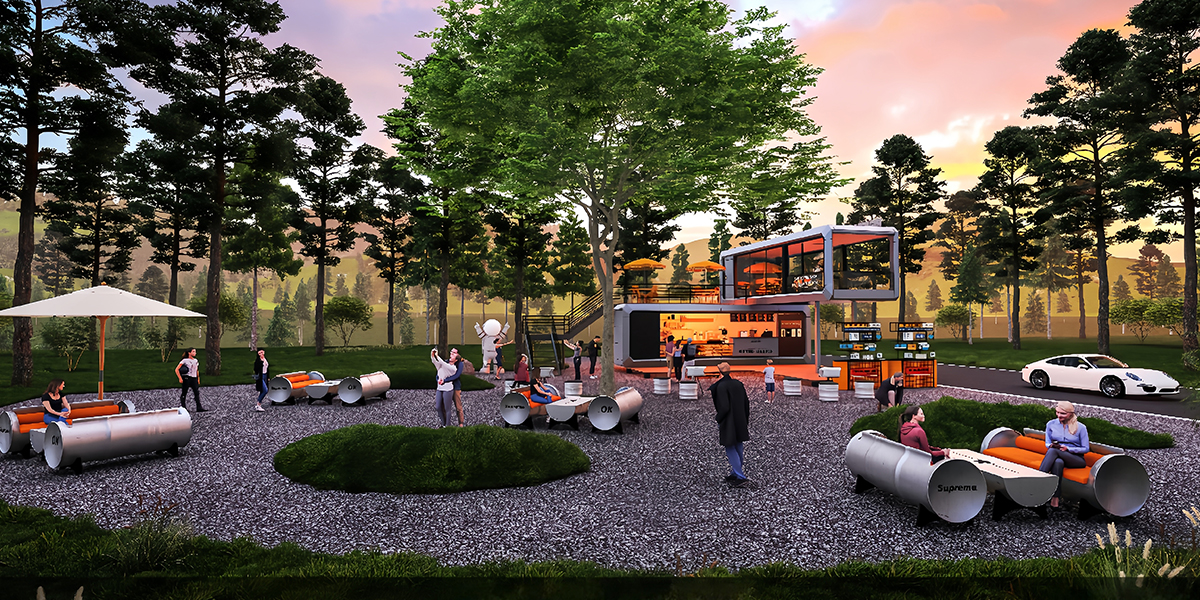
10 Aug A Complete Guide to Capsule House Laws in 2025
Table of Contents
Capsule houses are now more popular in the USA. Their legal status in 2025 is different in each place. Some cities let people have capsule houses with certain rules. Other cities do not allow them or have strict bans. Knowing local Capsule House Laws helps builders not make expensive errors. Zoning and permitting rules are not the same everywhere. Doing research early and talking to local officials helps owners succeed with capsule house projects.
Key Takeaways
Capsule house laws are different in each city and state, so you should always check local rules before you build. This helps you avoid expensive mistakes. Getting permits is very important and can be hard. Talk to local officials early and hire experts to help. This makes things easier. Capsule houses are small homes made for easy living. They use smart technology and eco-friendly materials. Zoning laws say where you can build capsule houses. Cities have stricter rules, but rural areas have more freedom. Stay updated on new laws and join local housing groups. This helps owners protect their rights and improve capsule house laws.
Legal Status

Nationwide Overview
Capsule houses are getting more popular in the United States. The laws about them are not simple. Federal law does not talk about capsule houses. State and local governments make most of the rules. Each city or county decides its own rules for housing, including capsule houses.
Most places want you to get a building permit first. Local officials usually want proof that water, sewer, and electricity are ready. These rules help keep people safe and healthy. Zoning laws decide where capsule houses can be built. Many cities only let them in some neighborhoods. Some places have setback rules. These rules keep capsule houses away from property lines.
Note: Capsule house owners should talk to local officials and licensed contractors before starting. This helps them avoid expensive legal mistakes.
Many towns also have rules about how big a home must be. A common rule is that a home must be at least 500 square feet. Some places want capsule houses to look like other homes nearby. If the land is near wetlands or steep hills, you may need special permits. These permits protect the land and stop erosion.
State Differences
States have different rules for capsule houses. Some states make it easier to build capsule houses. Other states have strict rules or bans. The rules depend on the state and city.
In California, some cities let people build capsule houses in neighborhoods. They need building permits and proof of utilities. Local zoning laws may set rules about size and looks.
Texas has rural areas with fewer zoning rules. Some counties do not need permits for small homes. Cities in Texas often have strict rules.
New York has strong rules for housing. Capsule houses must be a certain size and pass safety checks. Zoning laws in New York City limit where capsule houses can go.
Florida needs special permits for capsule houses near wetlands. The state also checks for hurricane safety.
Permit rules are different in each place. Some states want detailed plans and papers. Others care more about utilities and safety. Capsule house owners must learn the local rules before building. Talking to city officials and licensed contractors helps avoid legal trouble.
Tip: Always check the newest local zoning laws and building codes. Laws can change fast, so staying up to date protects your money.
Capsule Houses
What Are Capsule Houses
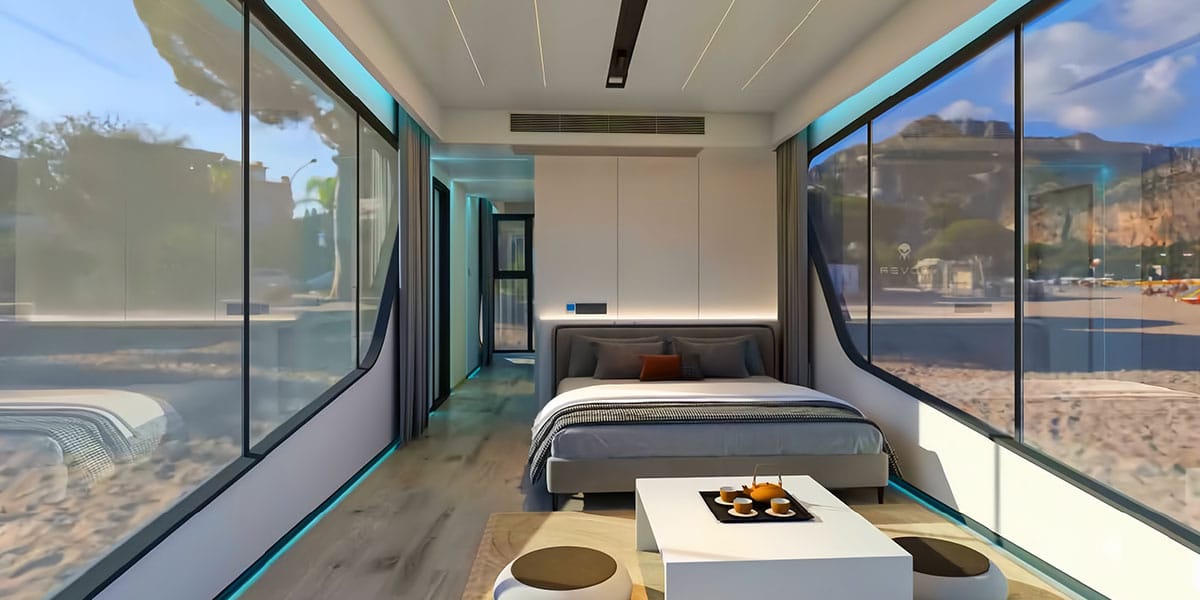
Capsule houses are small homes made for modern life. They use modular units built in factories. These units can be moved around but stay in one spot. Most capsule houses are only 20 to 30 square feet each. This is much smaller than regular homes or even tiny houses. The design uses every bit of space. People use foldable furniture and rooms that do more than one thing. Many people pick capsule houses for short visits or city living. They are also good for people who want flexible places to live.
Capsule houses are not the same as other small homes. The table below shows how they are different:
Aspect | Capsule Houses | Tiny Houses | Traditional Homes |
|---|---|---|---|
Design | Modular units built in factories; can move but stay put | Often built on wheels; easy to move | Built on land with many rooms |
Size | Very small (20-30 sq ft per unit) | Bigger (100-400 sq ft) | Much bigger, many rooms |
Function | Many tiny rooms like hotel capsules; good for short stays | Separate rooms; good for long-term living | Made for privacy and family life |
Privacy | Not much privacy; shared spaces | More privacy with own rooms | Lots of privacy with separate spaces |
Materials | Modern, recycled stuff; saves energy | Natural stuff; good for the earth | Regular building materials |
Mobility | Stays in one place, but can change inside | Can move on wheels | Does not move |
Community Aspect | Shared spaces help people live together | More for people who want their own space | People live alone or with family |
Energy Efficiency | Has smart tech and saves energy | Uses sunlight and small solar panels | Needs upgrades to save energy |
Suitability | Best for crowded cities and short stays | Better for families and long stays | Good for families who need space and privacy |
Note: Capsule houses use smart tech and strong insulation. They save about 65% more energy than regular homes.
Types and Features
In 2025, there are many kinds of capsule houses in the U.S. Some popular ones are double-decker capsule houses. These use modular building and can be built fast, up to 70% quicker. Capsule hotels are common in cities. They give cheap, fancy rooms with smart features for people traveling alone or young adults. Some capsule apartments are made for students, workers, or short-term guests. Many new capsule houses use green designs and smart home tech.
Modern capsule houses often have these features:
Small, modular layouts with things like a bed, kitchen, and bathroom.
Foldable furniture and rooms that do more than one job.
Strong insulation so the house works well in hot or cold weather.
Steel frames that keep the house safe in earthquakes or storms.
Smart home tools like lights, climate control, and security.
Green materials and systems that save energy.
Fast setup, with some ready in just one day.
Fancy models may have Murphy beds, balconies, and hidden air vents.
Some capsule homes can work off the grid. They use solar panels, collect rainwater, and have composting toilets. Floating capsule houses can stay on water and have big windows. Fancy capsule homes have nice finishes and designer looks. These features make capsule houses a good choice for cities, the countryside, or even by the water.
 Capsule House Laws
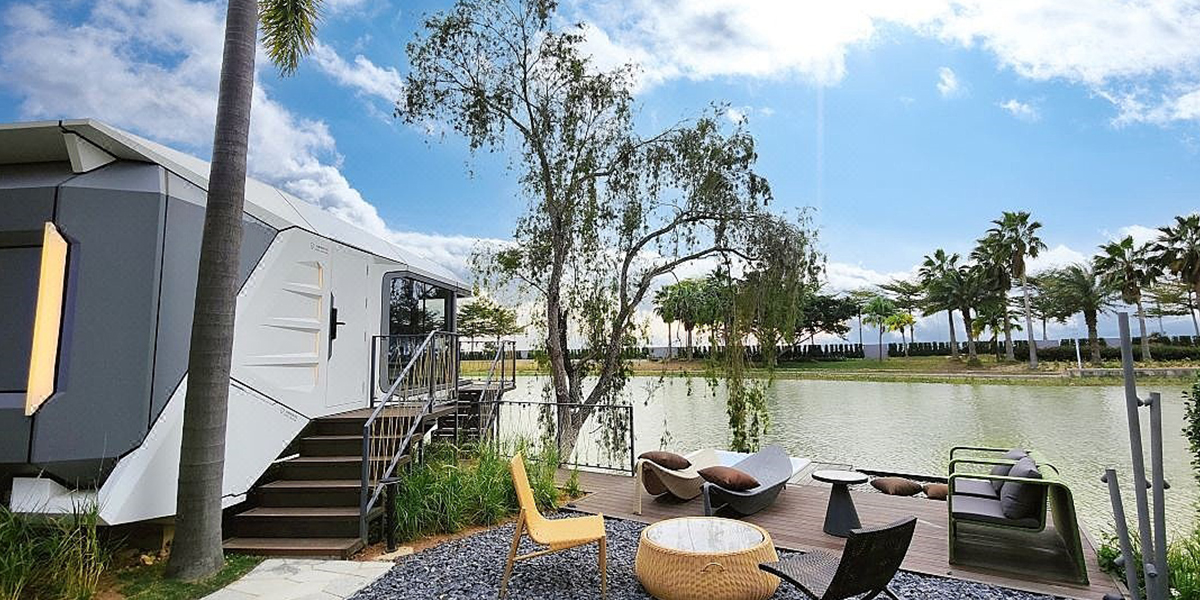 Capsule House Laws
Key Regulations
Capsule house laws in the United States are different everywhere. There is no one federal law for capsule houses. Local governments make most of the rules. Zoning ordinances decide where capsule houses can go. These rules often do not say “capsule house,” so people get confused. Owners and builders may not know what is allowed.
Building codes are very important for capsule house laws. Local building departments check if capsule houses are safe. Fire codes say you need smoke alarms and fire exits. You also need safe wiring. Some cities use hotel rules for capsule hotels. For example, the Florida Hotel and Restaurant Commission checks health and safety in capsule hotels. Local officials also set how many people can stay in each capsule. They look at room size and safety codes to decide this.
Property rules say where capsule houses can be built. Some places only let them in commercial zones. Others allow them in homes or mixed-use areas. Owners must ask the zoning office before building. Many cities want you to get a permit before you start. Permits show the capsule house follows all the rules.
Tip: Always talk to your local building department before you start. They will tell you which capsule house laws you need to follow.
Capsule house laws also talk about utilities. Owners must show water, sewer, and electricity are ready. Some places need special permits for land near wetlands or steep hills. These rules help keep people and the land safe.
Minimum Size Rules
Minimum size rules are a big part of capsule house laws. These rules help keep people safe and healthy. Most states do not have a clear minimum size for capsule houses. California is different. The state says movable tiny houses, including capsule houses, must be at least 150 square feet. The biggest size allowed is 430 square feet. These homes must meet standards like ANSI 119.5 or NFPA 1192. They also need to be registered with the California DMV.
Other states do not have a set minimum size for capsule houses. Local building codes usually set the smallest size for living spaces. Many cities use the International Residential Code (IRC). This code says a living room or bedroom should be at least 70 square feet. Some places want more space, especially for homes that stay in one place. Capsule house laws may change as more people pick this kind of home.
State | Minimum Size (sq ft) | Special Requirements |
|---|---|---|
California | 150 (min), 430 (max) | Must meet ANSI/NFPA standards, DMV registration |
Other States | Varies | Local codes apply, often 70+ sq ft |
Capsule house laws may also have rules for ceiling height, window size, and emergency exits. These rules help make sure every capsule house is safe and nice to live in. Owners should always check with local officials for the newest rules.
Note: Capsule house laws can change fast. Stay in touch with your local building department to avoid mistakes.
Zoning and Permitting
Zoning Basics
Zoning and permitting decide where capsule houses can go. Zoning laws say how land is used in each area. These areas can be residential, agricultural, or rural. Every city or county makes its own zoning rules. This means rules are different in each place. Big cities like New York and Massachusetts have strict zoning laws. They want detailed plans and engineering papers. You need many permits in these cities. They also have rules for the smallest home size. You must connect to city utilities.
Rural and farm areas, like in Maryland or rural New York, have more freedom. These places let people live off-grid. There are fewer rules about how you build. Getting a permit is easier here. Inspections are not as strict. You have more choices for utilities. The table below shows how urban and rural rules are different:
Aspect | Urban Areas (e.g., New York) | Rural Areas (e.g., Maryland) |
|---|---|---|
Building Codes | Stricter, detailed permits | More lenient, easier permitting |
Minimum Dwelling Size | Often required | Flexible or none |
Utility Connections | Mandatory municipal utilities | Off-grid allowed |
Zoning Flexibility | Limited, many restrictions | More flexible, fewer restrictions |
Permitting Process | Detailed, many steps | Easier, fewer steps |
Zoning types also change where capsule houses can go. Rural homes need to fit with nature and have space. Residential zones want single-family homes and set lot sizes. Agricultural zones let people keep animals and grow plants. Capsule houses need enough space away from these things.
Tip: Always check local rules before you start your capsule house. Zoning and permitting rules can change fast.
Permitting Challenges
Getting a permit for a capsule house is not easy. Builders must know if the capsule house is a hotel, a home, or both. This choice changes what permits you need. You may need community meetings and special permits in some cities, like San Francisco.
Design and safety rules are another problem. Capsule houses must have rooms big enough and tall enough. They must be safe. Permits also check fire safety. You need sprinklers, smoke alarms, and exits. Health rules say you need clean water, good sewage, and fresh air. Builders must turn in drawings, reports, and reviews to get a permit.
Common problems with permits are:
Deciding if it is a hotel or home
Following zoning and land rules
Meeting design and safety codes
Fire and health safety needs
Giving all the right papers
Permits can take a long time to get. Rules can change while you wait. Talking to local officials early helps you avoid mistakes. This makes getting a permit easier and faster.
Building Codes
National and State Codes
Capsule houses in the U.S. must follow strict building codes. These rules keep people and property safe. Most places use the International Building Code or International Residential Code. Cities and states often add their own rules too. Tiny homes on foundations must follow all local codes. Appendix Q gives design rules for small homes. Capsule houses on wheels are called recreational vehicles. They must follow ANSI rules for park trailers.
Local zoning codes say if you can put a capsule house on land.
Building and safety rules change if the house is on wheels or not.
Owners should talk to local planning and building offices first.
Some states want factory checks for modular homes.
Each state has its own inspection and quality rules.
There is no one national code for modular homes. Each state uses its own version of the IBC or IRC. States can add extra rules or change when they use new codes. Factories must get approved in every state they send capsule houses to. These differences show that state rules can be stricter or easier than national ones.
Safety and Accessibility
Safety is very important for capsule houses. Builders use strong steel frames and special aluminum. These help the house stay safe in earthquakes and strong winds. Foundations should use concrete or cement, not gravel, to stop erosion and keep the house steady. Fire rules say main walls must be grade A. Inside walls must be at least B1.
Capsule houses must pass utility and safety checks before people move in. Water, sewer, and power must be ready first. Trucks and cranes need a clear path for delivery. On-site workers connect utilities and check the foundation. Owners should hire licensed contractors with insurance to install the house.
Vapor barriers, sealed joints, and special insulation stop moisture.
Smart layouts and furniture that fold save space.
Modern features include lights and temperature you control with an app.
Soundproofing and privacy make the house more comfortable and safe.
Regular checks keep safety features working well.
Accessibility is important too. Capsule houses use open spaces for sleeping, living, and cleaning. Foldable beds and smart tech make life easier. Eco-friendly materials help the earth and keep air clean.
Tip: Always check local building codes and safety rules before you build or set up a capsule house. This helps you avoid big mistakes and keeps everyone safe.
Permit Process
Steps to Apply
 Steps to Apply
Getting a permit for a capsule house has many steps. Each step makes sure you follow the rules and stay safe. Here is how you usually apply:
Look up local building codes and zoning rules before you start.
Pick a spot that is flat, easy to reach, and allowed for capsule houses.
Talk to local government offices to check what papers you need.
Get all the permits you need, like building, zoning, and environmental ones.
Hire a contractor who knows the local rules to help you apply.
Get the land ready by clearing it, setting up utilities, and planning inspections.
Tip: If you start early and keep things organized, you can avoid waiting a long time for your permit.
Required Documents
You need to collect some papers before you apply for a permit. If you miss something, you might have to wait longer or get turned down. You usually need:
Site plans that show where the capsule house will go
Proof that you own the land or can build there
Building plans that follow safety, fire, and structure rules
Plans for water, sewer, and electricity connections
Environmental reports if your land is near protected areas
Contractor licenses and proof of insurance
People often have trouble with permits because of zoning rules about size or where you can build, tough building codes, or missing papers. Many people wait longer because they do not know how long things take or forget important forms. Talking to the permit office and using a checklist can help you avoid these problems.
Working with Authorities
Finding Experts
You need help from professionals to follow capsule house laws. These experts know the rules and guide owners step by step. The right team makes things easier and stops big mistakes.
Architects or professional designers: They make plans that fit building codes and zoning laws. Their work meets safety and design needs.
Builders or contractors experienced with building permits: They know how to build the right way. They also understand permits and fix problems fast.
Regional authorities and zoning officials: They explain local rules and help with approvals. Their advice makes sure projects follow all laws.
These experts work together so capsule house projects follow the law. They help owners get permits and build safe, legal homes.
Tip: Owners should pick experts who know modular or small home projects. This can save both time and money.
Local Communication
Talking clearly with local officials is very important for capsule house projects. Owners should use simple ways to share ideas and get feedback. The table below shows some good ways to do this:
Strategy | Description | Example/Application |
|---|---|---|
Community Surveys | Find out what people in the area want and need. | Residents gave ideas for features, which helped make better designs. |
Visioning Workshops | Set goals early with help from experts and others. | A local ecologist joined a workshop to link design with nature. |
Listening Sessions | Hold meetings to share ideas and hear what people think. | Schools used these meetings to talk about projects and get ideas. |
Groundbreaking Ceremonies | Have public events when building starts to get people excited and involved. | A ‘Ground Healing’ event had speeches, tree planting, and tours. |
Good communication means being open and including everyone. Owners should plan how they talk before, during, and after each step. They should invite lots of people and give language help if needed. These steps build trust and help everyone work together. When owners listen to the community and local officials, they make better projects and avoid problems.
Note: Building good relationships with local officials and the community helps get approvals and leads to long-term success.
Adapting to Change
Legal Updates
Capsule house laws change a lot. Many cities look at their rules every year. They make new rules for new building styles and safety. Owners and builders need to watch for these changes. They should check city and state websites for updates. Many local governments post news online or send emails.
If owners stay informed, they can avoid legal trouble. They can fix problems before they happen.
Some cities have public meetings about new rules. Builders can go to these meetings to learn more. They can also ask questions. Legal experts often give advice at these events. Owners should keep records of all rule changes. This helps them show they follow the law if asked.
Advocacy
Advocacy helps make better laws for capsule houses. People who care about housing can join local groups. These groups talk to city leaders about fair rules. They share stories about why capsule houses are important. They also give ideas to make rules easier to follow.
Join a local housing group or neighborhood association.
Go to city council meetings and talk about capsule house needs.
Write letters or emails to lawmakers about legal issues.
Share facts and stories on social media to help others learn.
Advocacy groups often work with legal experts. They help change unfair rules. They also teach owners how to follow the law. When more people speak up, cities listen. This helps get better legal support for capsule houses.
Planning the design and building in a factory helps follow the rules. 2. Moving the capsule house, getting the land ready, and putting it together on-site keeps the quality high. 3. Doing the final touches and checking everything makes sure it is safe and follows the codes. 4. Talking to local officials and experts early makes getting permits easier. 5. Keeping up with repairs and checking the laws stops problems later.
Checking local zoning and permit rules often helps owners stay out of legal trouble. Experts like architects and builders help with tricky rules, so the project is safer and easier.
More people are working to make capsule houses legal, and the government is giving more help.
Young people are getting more interested in capsule homes.
Smart tech and earth-friendly features make capsule houses more popular.
Capsule houses will probably be a good, low-cost choice for many Americans soon.
FAQ
Are capsule houses legal everywhere in the United States?
Capsule houses are not allowed in every place. Each city or county has its own rules. Some places let people have capsule houses if they get permits. Other places do not allow them or have very strict rules. You should always check your local laws before you start building.
What documents do owners need for a capsule house permit?
Owners usually need these papers:
Site plan
Proof they own the land
Building plans
Plans for water, sewer, and electricity
Environmental reports if needed
Tip: Local offices might want more papers. Always ask what you need first.
Can capsule houses connect to city utilities?
Most capsule houses can use city water, sewer, and electricity. Some country areas let people use off-grid systems. Local rules decide what is okay. Owners should plan how to connect utilities early.
How long does the permit process take?
Getting a permit can take a few weeks or even months. The time depends on local rules, paperwork, and inspections. Delays happen if you forget papers or if rules change.