



08 Sep How Capsule Houses and Mobile Houses Differ for Modern Living
Table of Contents
You may ask how a capsule house compares to a mobile house for today’s living. Both give you flexibility. But they are different in price, comfort, and how eco-friendly they are. Look at this table for a quick view:
House Type | Average Cost (USD) | Comfort Rating | Key Attributes |
|---|---|---|---|
Good Price Mobile Space Capsule Tiny House | $6,800 | 4.9 | Foldable, modern design, camping pod focus |
Modern Prefabricated Tiny House with Kitchen and Bathroom | $23,000-$25,000/unit | N/A | Wooden, ready to ship, includes kitchen/bath |
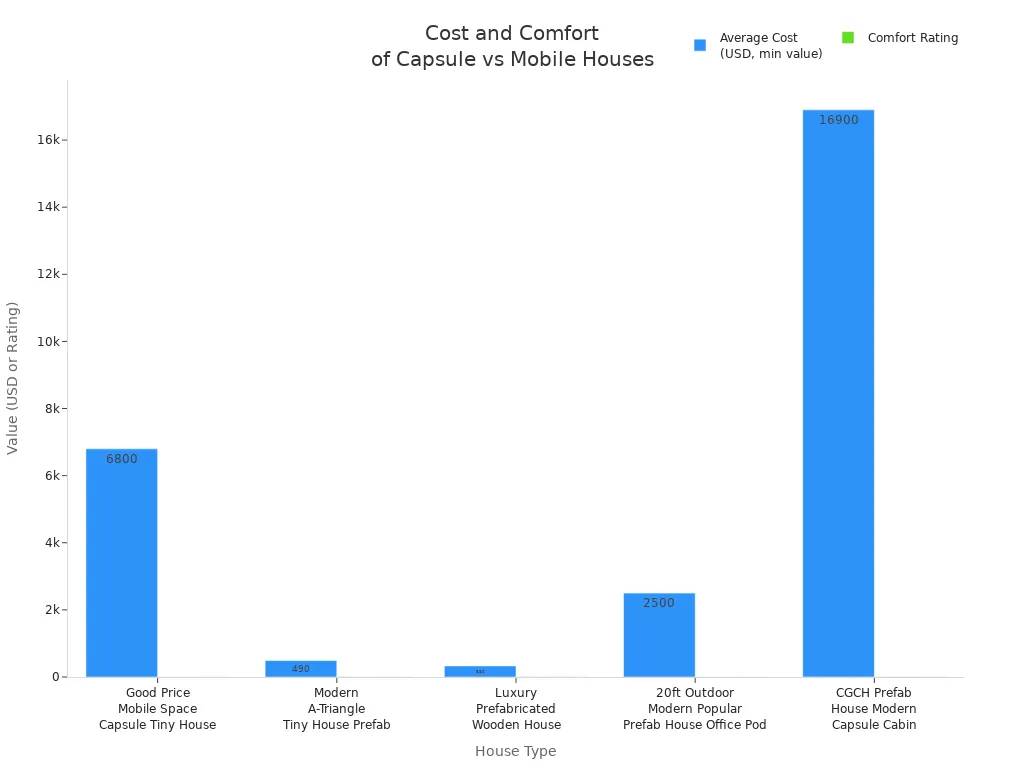
Prefab homes often use earth-friendly materials. They also use smart energy systems. Think about what you need. Do you want more space? Do you want to spend less money? Or do you want to help the planet more?
Key Takeaways
Capsule houses do not cost much money. They are cheap to build and easy to take care of. This makes them a good pick for people who want to save money.
Mobile houses give you more room and feel more comfortable. They are great for families or people who like a normal home.
Capsule houses are simple to move and can be set up fast. They are good for people who move a lot or need a place for a short time.
Both homes can help the environment. Capsule houses often use things that can be recycled and save energy.
Think about what you need before picking a home. Capsule houses are best for short stays. Mobile houses work better if you want to stay longer.
Capsule House Basics
Design and Features
When you see a capsule house, its shape is easy to spot. Most have round or tube-like forms. These shapes come from ideas used in spacecraft. Capsule houses use light materials like carbon fiber and aluminum alloys. This makes them look modern and feel strong.
Capsule houses are modular. You can put them together or take them apart fast. This is good if you want a home that can change quickly. It also helps when people need shelter right away. Here are some main features:
People use them after disasters for shelter.
You can change their size and style for different places.
Feature | Description |
|---|---|
Unique Design | Round or tube shapes, inspired by spacecraft. |
Materials | Light, tough composites like carbon fiber and aluminum alloys. |
Adaptability | Modular design for easy building and taking apart. |
Capsule houses use shapes that help with wind and bad weather. Builders use strong steel and glass that does not break easily. This keeps you safe inside. The house can work in many climates. You can live in comfort almost anywhere.
Tip: If you want a home that moves or changes easily, a capsule house is a good choice.
Typical Uses
You may wonder where people live in capsule houses. These homes fit well in busy cities. They are small, usually between 15 and 50 square meters. This is good for places where space costs a lot. Students and young workers like capsule houses. They use smart ideas like foldable beds and built-in shelves.
In the countryside, capsule houses work for short stays or events. You can move and set them up fast. This helps at festivals, pop-up hotels, or when people need shelter quickly. The parts are made before, so you spend less time building and more time living.
Capsule houses help you save space and money. You get a home that fits many ways of living, in cities or quiet places.
Mobile House Overview
 Space and Amenities
 Space and Amenities
When you walk into a mobile house, it feels roomy. Most mobile houses have more space than capsule houses. You get a living room, a kitchen, and a bathroom. Some have a small bedroom or a loft. You can cook, relax, and sleep without feeling crowded.
Mobile houses usually have built-in appliances. You might see a fridge, a stove, and a washing machine. Many have heating and air conditioning. This keeps you comfortable in summer and winter. You can pick furniture that matches your style. Some people use foldable tables or sofas that turn into beds. You choose how cozy your space is.
Tip: If you want real rooms and everyday comfort, a mobile house gives you more choices than a capsule house.
Here’s a quick look at what you might find inside a mobile house:
Feature | Description |
|---|---|
Kitchen | Stove, fridge, sink, cabinets |
Bathroom | Toilet, shower, sometimes a tub |
Living Area | Sofa, table, TV, storage |
Bedroom | Bed or convertible sleeping space |
Utilities | Heating, cooling, water, electricity |
Who Chooses Mobile Houses
You may wonder who likes mobile houses. People from different backgrounds pick this kind of home. Recent market research shows these groups prefer mobile houses:
Baby Boomers: Many older adults want smaller homes. They move into mobile houses for comfort and easy living in senior communities.
Empty Nesters: Couples whose kids have grown up often want smaller homes. They like mobile houses because they cost less and are easy to care for.
Entry Level or First-Time Buyers: Young adults and families want homes they can afford. Mobile houses help them start out without spending too much.
Mobile houses work for many needs. You can live in one all the time or use it for travel. If you want a home that feels like a regular house but can move, a mobile house might be right for you.
Mobility
Moving Capsule Houses
It is easy to move a capsule house. These houses are light and easy to carry. You can put them almost anywhere you want. Most capsule houses do not need a fixed base. You use foot pads to keep them steady on rough ground. Lifting lugs help you place the house where you want. You do not need big machines or a large team.
Here is a table that shows how capsule houses and mobile houses are different:
Feature | Capsule Houses | Mobile Houses |
|---|---|---|
Portability | Very easy to move and relocate | Harder to move and relocate |
Relocation Complexity | Simple to move | Depends on the design and base |
Foundation Requirements | Usually no fixed base needed | Often needs a fixed base |
It is simple to connect utilities in capsule houses. Many come with things like a water heater already inside. This saves you time when setting up. But you still need to think about stairs. Capsule houses do not have stairs, so you must build them each time. This adds one more step when you set up.
Tip: If you want a home that is easy to move, a capsule house is a good pick.
Moving Mobile Houses
Moving a mobile house is harder. You may need to deal with a fixed base. Taking the house apart can break it. This makes moving cost more money. Sometimes, you need to follow rules and fill out papers. You must check the local laws before moving.
Moving costs more because of the house’s size.
Taking it apart can break it, especially with a fixed base.
Rules and paperwork make moving harder.
Mobile houses need more work before you move them. You may need to reconnect water and power. These steps take time and planning. If you want to move a mobile house, get ready for a bigger job.
Cost Comparison
Capsule House Affordability
Capsule houses can cost a lot of money. Most cost between $30,000 and $100,000. The price goes up if you want a bigger house. Special materials or cool designs also make it cost more. You can save money on repairs. If you pick a powder-coated outside, you spend less fixing things. You might save 40% on maintenance. This means you have more time to enjoy your home.
Here are some things that change the price:
Bigger size and different layouts cost more.
Fancy materials like carbon fiber raise the price.
Powder-coated outsides help you pay less for repairs.
Smart energy systems lower your utility bills.
Capsule houses are easy to take care of. They do not cost too much to keep up. If you want a home that saves you money, a capsule house is a good choice.
Mobile House Expenses
Mobile houses have different costs. You may pay less at first. But you need to think about other costs. Moving a mobile house costs more. It is bigger and harder to move. You might need to pay for a base or extra paperwork. Repairs can add up if you live there all year.
Let’s look at how much value these homes keep:
Type of House | Resale Value Retention | Appreciation Trends |
|---|---|---|
Capsule Houses | 70-80% after 10 years | Lose value faster than regular homes |
Mobile Houses | About the same | Lose value because they can move |
Traditional Homes | 3-5% more each year | Gain value as land gets more expensive |
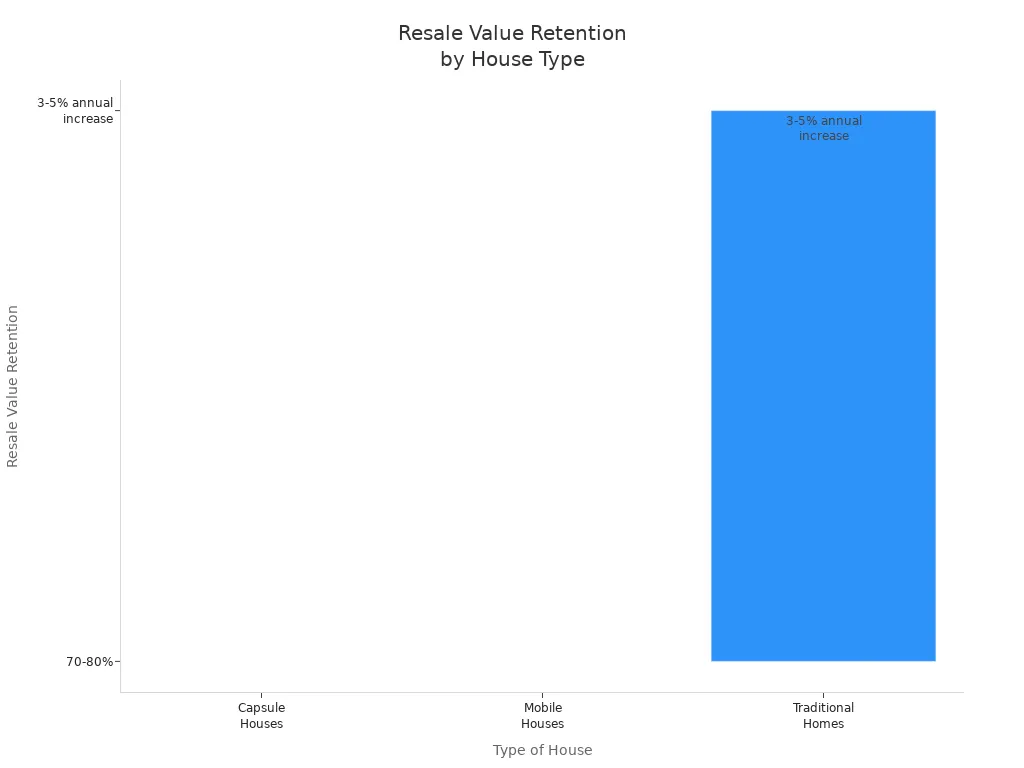
Capsule houses and mobile houses lose value faster than regular homes. If you want to sell later, remember this. You might not get as much money back as with a regular house.
Tip: Always look at all costs, not just the price. Think about moving, repairs, and how much you can sell for.
Comfort and Space
Living Experience
When you step into a capsule house, you notice the cozy feeling right away. The space feels snug, almost like a personal pod. You get a bed, a small desk, and sometimes a window. You can relax and enjoy quiet time. Capsule houses often use smart designs to make the most of every inch. You might see foldable furniture or hidden storage spots.
Mobile houses give you more room to move. You can walk from the kitchen to the living area without bumping into things. You get a real table for meals and a couch for watching TV. Some mobile houses even have a small porch. You can invite friends over and not feel cramped.
Tip: Think about how much space you need for your daily routine. Do you like a cozy nook or do you want open areas to stretch out?
User surveys show some interesting results about comfort:
Capsule hotels receive higher ratings than traditional hotels for sleep quality.
Capsule hotels also provide better privacy compared to traditional hotels.
When you pick a home, comfort means more than just space. You should look at thermal comfort, how warm or cool the house stays. Ask people who live there about their experience. Their feedback helps you spot problems early. Energy use also matters. A house that saves energy keeps you comfortable and lowers your bills.
Privacy and Layout
Privacy can change how you feel at home. Capsule houses give you a private space, even in busy places. You get a door or curtain to block out noise. You can read, sleep, or work without distractions. The layout keeps things simple. You have your own pod, and you do not share with others.
Mobile houses offer more options for privacy. You can close the bedroom door or use a divider. Families like mobile houses because everyone gets their own spot. You can set up rooms for sleeping, cooking, and relaxing. The layout feels like a regular house, just smaller.
Here are some important things to consider for comfort and space:
Thermal comfort
Occupant feedback
Energy consumption impact
You should think about how much privacy you need. Do you want a quiet pod or a home with separate rooms? Your choice will shape your living experience every day.
Sustainability
Materials and Energy
When you look at how these homes are built, you see some big differences. Capsule houses use strong, long-lasting materials. Builders often pick aviation-grade aluminum and hot-dip galvanized steel. These metals stand up to harsh weather and last for years. Steel has a high strength-to-weight ratio, so your home stays safe even in storms or earthquakes. You do not have to worry much about repairs or damage.
Mobile houses, especially tiny homes, usually use timber. Wood feels warm and cozy, but it needs extra care. Rain, bugs, and sun can wear it down over time. You might need to treat or replace parts of the house more often. This means you spend more time and money on upkeep.
Capsule houses often come with energy-saving features. You might find solar panels on the roof or smart systems that control heating and cooling. These features help you use less electricity and save money on bills.
Tip: If you want a home that lasts and uses less energy, check what materials and systems the builder uses.
Environmental Impact
You might wonder how these homes affect the planet. Capsule houses use metals that can be recycled. When you no longer need your home, you can reuse or recycle most parts. This helps cut down on waste. The strong materials also mean you do not need to fix or rebuild as often, which saves resources.
Mobile houses with timber frames can be eco-friendly if the wood comes from good sources. Still, wood can rot or get damaged by pests, so you might throw away more material over time. This adds to landfill waste.
Both types of homes can use solar panels or rainwater systems. You can lower your carbon footprint by picking these options. Think about how long you want your home to last and how easy it is to recycle or reuse the parts.
Note: Choosing a home with durable, recyclable materials helps you live greener and protect the environment for the future.
Choosing for Your Lifestyle
Best for Short Stays or Urban Living
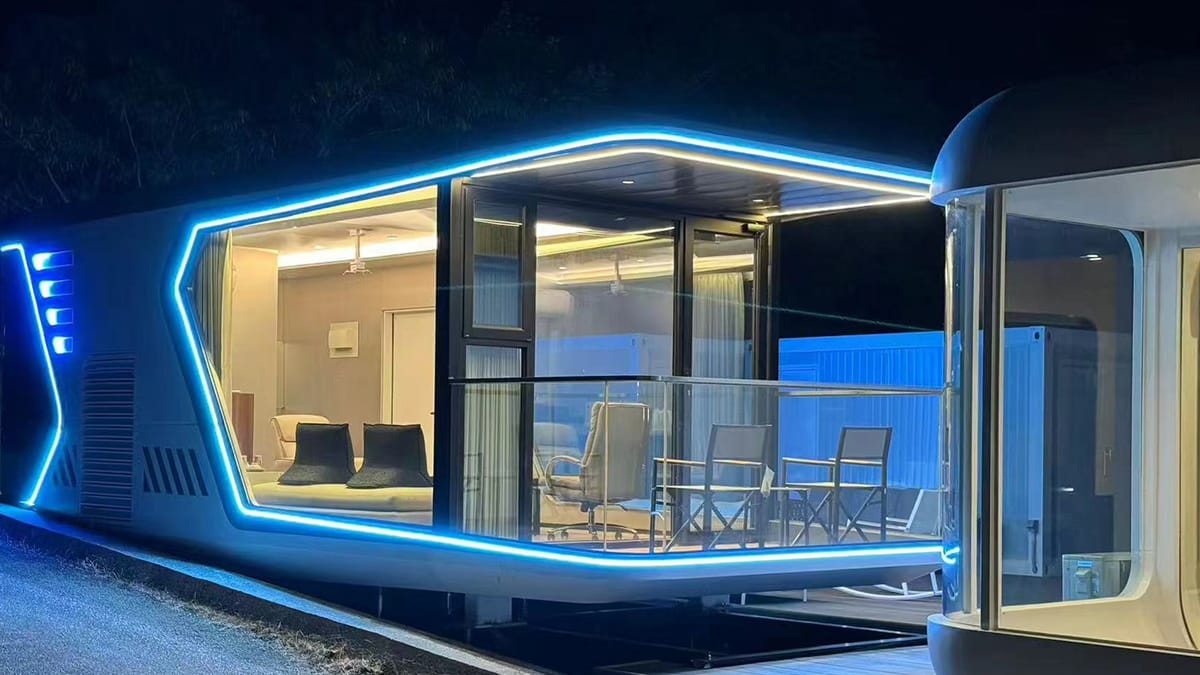 Best for Short Stays or Urban Living
If you live in a busy city, you may want a home that saves space and money. Capsule houses are good for this. They have small designs that use every part well. Furniture can fold up or do more than one job. You get a modern look with smart layouts.
Capsule houses work well in cities where space costs a lot. Builders use strong metals like galvanized steel and aviation-grade aluminum. These homes last many years and can handle bad weather. You stay safe in storms or earthquakes. Capsule houses keep out noise and keep you warm or cool. They help you save money and protect the planet.
Some capsule houses have sunroofs or balconies. These let you enjoy fresh air and add style. If you want a cozy and modern home, capsule houses are a smart pick for city life or short stays.
Tip: If you move a lot or want a fast setup, pick capsule houses with modular parts. You can build or take apart your home quickly.
Here’s a table to help you compare lifestyle factors:
Factor | Capsule Houses | Mobile Houses |
|---|---|---|
Space Utilization | Uses small spaces well with furniture that does more than one job. | Can be big but may not use space as well. |
Cost-Effectiveness | Usually cheaper to build and take care of. | Can cost more if bigger or has more features. |
Sustainability | Uses earth-friendly materials and saves energy. | Some are green, but not all. |
Flexibility | Good for both short or long stays. | Very easy to move and put anywhere. |
Design Preferences | Modern and simple with smart layouts. | Many styles, but some are not compact. |
Best for Long-Term or Family Living
If you want to stay in one place or have a family, you may need more space and comfort. Mobile houses give you room to spread out. You can pick a single-wide or double-wide model. These homes cost less than regular houses. You save money and still feel at home.
Mobile house communities have playgrounds and places to meet. Families like these areas and make friends. The close group helps you feel safe and welcome. You can set up bedrooms, a kitchen, and a living room. Everyone gets their own space, so you do not feel crowded.
You may want a yard for kids or a patio to relax. Some mobile houses have these. If you work from home, you can make an office or workspace. Storage helps you keep things neat. Families need closets and cabinets. People who want less stuff look for smart ways to store things.
Communities have fun places for families.
You can meet neighbors and make friends.
Note: If you want a home for your family, look for mobile houses with more space and places for the community.
Here are some tips to help you choose:
Write down what you need and want. Ask everyone who will live with you.
Put your lists together and pick the most important things.
Tell your real estate agent what matters most. This helps you find the right home.
Think about saving energy and smart technology too. Some homes have solar panels or smart thermostats. These help you save money and make life easier.
Tip | Lifestyle Needs |
|---|---|
Outdoor Spaces | Families may want big yards. Busy people may like patios or balconies that are easy to care for. |
Workspaces | Think about if you need a home office or a flexible work area. |
Energy Efficiency and Technology | Some people want homes that save energy or have smart tech. |
Storage Solutions | Families need lots of closet space. People with less stuff want smart storage. |
🏡 Remember: Your lifestyle helps you pick your home. Think about how you live, what you care about, and how your needs may change later.
Future Trends
Capsule House Innovations
Capsule houses are changing quickly. Designers add sliding walls for more privacy or open space. Foldable furniture lets you use one thing in many ways. A bed can turn into a desk or a couch. Green walls and skylights bring in sunlight and plants. These touches help you feel calm and happy.
Capsule houses use smart home systems. You can control lights and heat with your voice or phone. IoT technology saves energy by changing settings when you leave. Builders use recycled steel and bamboo to help the planet. Solar panels and smart systems lower your bills and save energy.
Here’s a quick look at what’s new:
Feature | Description |
|---|---|
Modular Construction | You can build or take apart your home fast, so it is easy to move. |
Space Efficiency | Smart layouts fit everything you need in a small space. |
Sustainability | Homes use green materials and smart energy systems. |
Capsule houses are getting more popular as cities grow. People want homes that are flexible and not too expensive. Some places do not allow capsule houses yet. Laws and what people think are changing, but it takes time.
Mobile House Developments
Mobile houses are improving too. Some parks have gates to keep you safe. Many parks have pools, gardens, and pet areas. You can live near water or have your own garden. Investors fix roads and utilities, so you do not worry about repairs.
People want homes that cost less and use less energy. Prefabricated mobile houses are growing fast. In five years, there may be 20% more of them. Modular homes help you save money on energy and repairs. More people move to cities, so space-saving homes are needed.
Short-term rentals are growing fast. By 2030, this market could be worth $228.9 billion. More people will want unique and cheap homes like capsule and mobile houses. Some rules and building codes make it hard to use these homes everywhere. You should check local laws before you buy.
Tip: If you want a home for the future, look for smart features, green materials, and flexible layouts. The market is changing, so watch for new choices! 🚀
You can spot many differences between capsule houses and mobile houses. Capsule houses help you save money because they cost less to build. They also use less energy, so your bills are lower. Mobile houses have more room, which is good for families. If you want to spend less and live a simple life, capsule houses are a good choice. Real estate experts say you should check your budget and think about how you want to live:
Capsule houses are cheaper to build and fix.
Small spaces mean you pay less for utilities.
Smart layouts let you use all the space.
Study | Sample Size | Findings |
|---|---|---|
Study 1 | 186 | People like simple living if it feels comfy and easy. |
Study 2 | 202 | Living near nature makes people happier in these homes. |
Think about what you want for your future. Pick what matters most to you. These modern homes can give you a new start. 😊
FAQ
What is the main difference between a capsule house and a mobile house?
You get a smaller, pod-like space with a capsule house. A mobile house gives you more room and feels like a regular home. Capsule houses work best for short stays or city life. Mobile houses fit families and long-term living.
Can you move a capsule house by yourself?
You can move a capsule house easily because it is light and modular. You may need help with lifting, but you do not need big machines. Most people can set up or take apart a capsule house quickly.
Are capsule houses cheaper than mobile houses?
Capsule houses usually cost less to build and maintain. You save money on repairs and energy bills. Mobile houses can cost more if you want extra space or features.
Which type is better for the environment?
Capsule houses use strong, recyclable materials like steel and aluminum. Mobile houses often use wood, which needs more care. Both can have solar panels and energy-saving systems. You help the planet by picking green options in either type.