


02 Dec Collapsible Container House vs Traditional Prefab Homes Which Is Better
Table of Contents
- 1 Key Takeaways
- 2 Cost of Collapsible Container House vs Prefab Home
- 3 Mobility and Space Efficiency
- 4 Durability of Container Homes vs Prefab
- 5 Customization and Design Flexibility
- 6 Comfort and Living Experience
- 7 Sustainability and Eco-Friendliness
- 8 Building a Container Home vs Prefab: Regulations
- 9 Pros and Cons Summary
- 10 FAQ
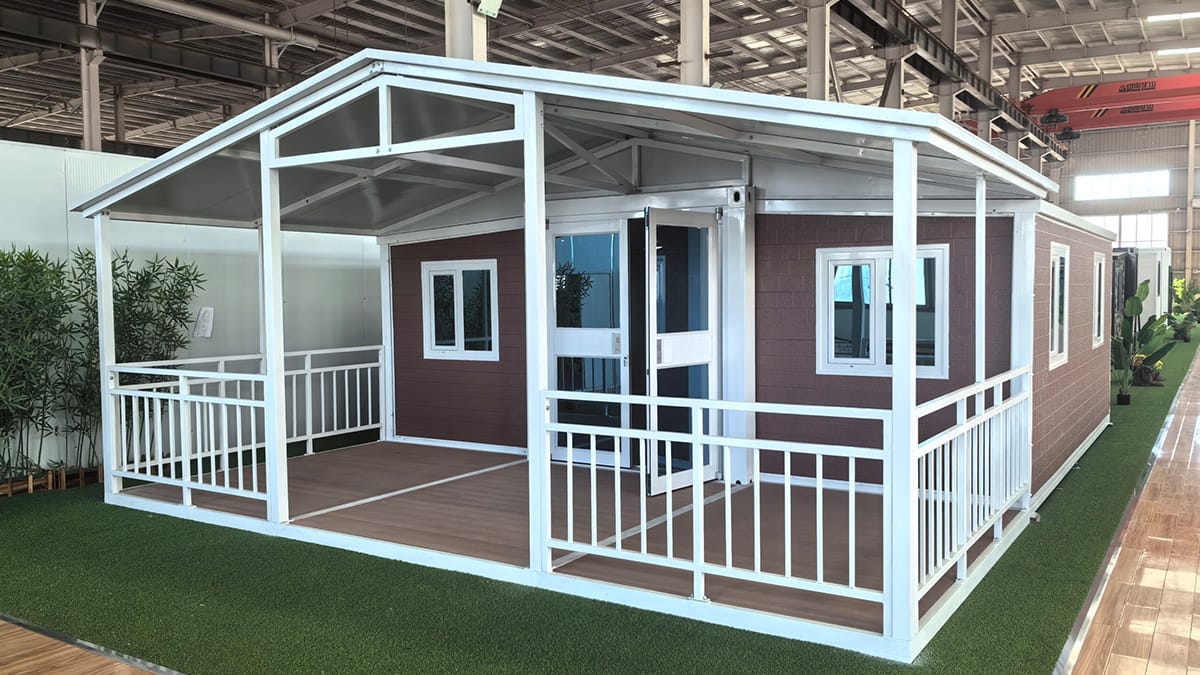
You may ask if a collapsible container house or a traditional prefab home is better for you. If you want to save money, set up fast, and move easily, container houses have special benefits. People who care about the environment like container homes. They use old shipping containers and save energy. The table below shows how container homes and modular homes are different in important ways:
Aspect | Container Homes | Traditional Homes |
|---|---|---|
Initial Cost | Lower | Higher |
Long-Term Maintenance Cost | Lower | Higher |
Construction Time | Faster | Slower |
Eco-Friendliness | Higher | Lower |
Many young people and people who work from home pick container houses. They like the small size and how easy they are to move. If you want more room or like classic looks, modular homes made from shipping containers might be better for you.
Key Takeaways
Container houses cost less money. They are 30-50% cheaper than traditional prefab homes. This makes them good for people who want to save money.
Collapsible container homes are fast to build. You can move in sooner. You also spend less on workers than with modular homes.
Container homes help the environment. They use old shipping containers. This cuts down on waste and helps the planet.
Modular homes let you change the design more. They have more space. Families can make their homes fit their needs.
Each type of home has special benefits. Pick one based on your budget, space needs, and local rules.
Cost of Collapsible Container House vs Prefab Home
How Much Is It to Buy a Shipping Container Home
You might want to know the price of a shipping container home compared to modular homes. Collapsible container houses usually cost less than other options. If you check the prices, you will see a big gap in cost between container houses and modular homes. Here is a table that shows the prices for different homes in 2024:
Type of Home | Price Range (Excluding Land) |
|---|---|
Basic Container Homes | $20,000 to $40,000 |
Mid-Range Container Homes | $40,000 to $80,000 |
Luxury Container Homes | $80,000 and up |
Traditional Prefab Homes | $180,000 to $360,000 |
Container Home (Custom) | $250 to $400 per square foot |
Container Home (Starting) | As low as $25,000 |
A single 20-foot container house costs about $10,000 to $25,000. A double 40-foot container house is about $25,000 to $50,000. If you want a bigger home with more modules, it can cost over $80,000. Modular homes start at $180,000 and can go up to $360,000 or more. The price depends on how big the home is and what features you want. Container homes are cheaper to build and take less time to finish.
You can also look at the cost per square foot. Prefabricated container homes cost about $150 to $300 per square foot. Custom container homes are $250 to $400 per square foot. Factory-built container homes come with finished walls, floors, and appliances. Custom container homes let you choose your own style, but they cost more.
If you want to know the price of a modular home, it is usually higher than a container house. Prefabricated shipping containers help you save money and get your home faster. Fast building means you wait less and pay less for workers.
Maintenance and Ongoing Costs
Choosing a collapsible container house helps you save on upkeep and other costs. Container homes need less care than modular homes. Each year, you might spend $500 to $1,500 on maintenance for a container house. You need to stop the steel from rusting, which costs about $200 to $500 each year. The cost for things inside the home is about the same as in prefab homes. It depends on how much you use them and if anything breaks.
If you live where it is wet, you should check for leaks more often. In cold places, you may pay more to keep the heating system working in winter. Modular homes cost more to keep up because they use more regular building materials and are bigger. Container houses are smaller and easier to take care of.
Resale value and investment are important too. Collapsible container houses do not go up in value as much as modular homes. Prefabricated homes are more popular and can give you more money back. Studies show modular homes can give you a 10-15% better return on investment than regular homes.
You have different ways to pay for both types of homes. USDA loans help people in the country buy homes with no down payment and low rates. You can use a regular mortgage if you own land. You can use your savings or home equity for more choices. Home construction loans give you money as you build.
Tip: If you want to save money and build fast, container homes are a good pick. If you want a home that is worth more later and has more space, modular homes might be better for you.
Mobility and Space Efficiency
Collapsible Container House Portability
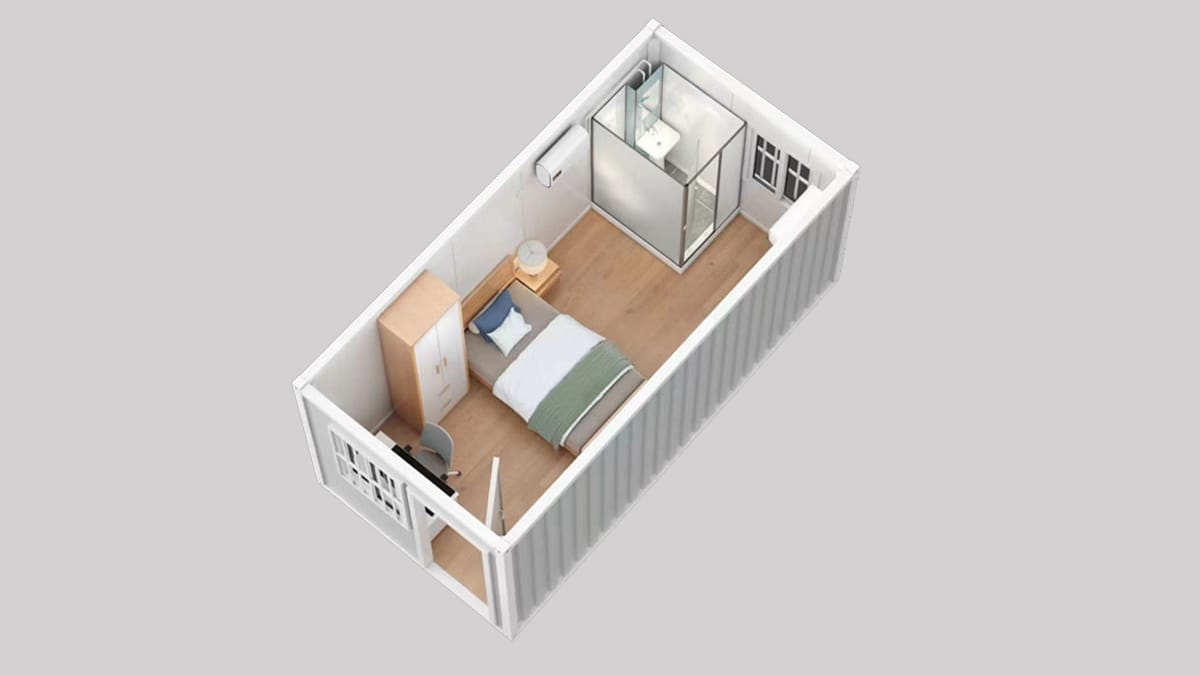
You might want a home that you can move easily. A collapsible container house gives you this option. These homes stand out because you can fold them and transport them almost anywhere. You can use them for many purposes, such as temporary housing, disaster relief, or even a permanent home.
Basic foldable units are lightweight. You can move them quickly and set them up fast. These work well for emergencies or short-term needs.
Luxury foldable homes offer more comfort and style. You can live in them for a long time. They last longer and look better than basic units.
Customizable foldable units let you pick the features you want. You can change the size, layout, and design. The price changes based on what you choose.
Container houses use shipping containers as their base. This makes them strong and easy to stack or move. You can load them onto trucks, trains, or ships. You do not need special equipment for most moves. Modular homes are less portable. You usually need to take them apart and reassemble them, which takes more time and money.
Land and Installation Needs
You need to think about where you will put your home. Container homes need less land than modular homes. You can place a container house on a small lot or even in remote areas. Most container houses only need a simple foundation, such as concrete blocks or a slab. This saves you money and time.
Container homes come in sizes from 20 to 40 feet. Living space ranges from 36 to 72 square meters. You get all the basic amenities in a compact area. This makes them great for small families or people who want to use space wisely.
Modular homes give you more room, but they need a bigger lot. You also need a stronger foundation. This means more work before you can move in. Modular homes offer some customization, but container houses give you more layout flexibility. You can add or remove units as your needs change.
Tip: If you want a home that is easy to move and set up, a collapsible container house is a smart choice. You save on land and installation costs, and you can adjust your living space as your life changes.
Durability of Container Homes vs Prefab
Environmental Resistance
Container houses are strong because they use steel frames. Shipping container architecture uses corten steel. This steel makes a layer that protects from rust. The layer helps stop corrosion and keeps out heat and cold. Your home can handle heavy rain and strong wind. It can also stand up to floods. The steel frame keeps pests and rodents away. You do not need to worry about termites or wood rot. Modular homes made with wood can have these problems.
Feature | Container Houses (Shipping Containers) | Modular Homes |
|---|---|---|
Weather Resistance | Handles rain, wind, floods | Depends on material |
Pest Resistance | Steel keeps out termites, rodents | Wood can bring pests |
Fire Safety | Steel does not burn | Wood can catch fire |
Environmental Impact | Uses old shipping containers | Uses new materials |
Note: Container houses protect better in harsh weather. You feel safer when storms or pests come.
Lifespan and Structural Strength
You want your home to last a long time. Shipping container architecture gives a strong base. Shipping containers are made for tough places. They can handle hurricanes and earthquakes. Galvanized steel frames and strong walls help container homes last over 30 years. Steel needs less care than wood in modular homes.
Feature | Container Houses (Shipping Containers) | Modular Homes |
|---|---|---|
Lifespan | Over 30 years with care | 20-40 years, depends on material |
Structural Strength | Built for hurricanes, earthquakes | Depends on design and material |
Maintenance Needs | Low because of steel | Higher for wood homes |
Environmental Protection | High because of steel and recycled materials | Medium |
Container homes are strong and protect well from the environment. Using recycled shipping containers helps the planet. Modular homes can last many years too. But they need more care and may hurt the environment more if built with new stuff.
Tip: If you want a home that lasts and stands up to bad weather, pick a container house. You also help the environment and lower your impact.
Customization and Design Flexibility
Container House Design Options
There are many types of container houses you can pick. The design choices are not endless. Most container homes use shipping containers for their main frame. These containers have set sizes and shapes. You can stack them or join them to make bigger rooms. But you cannot change the frame a lot. If you cut too many walls, the house gets weaker. You need to plan your design with care.
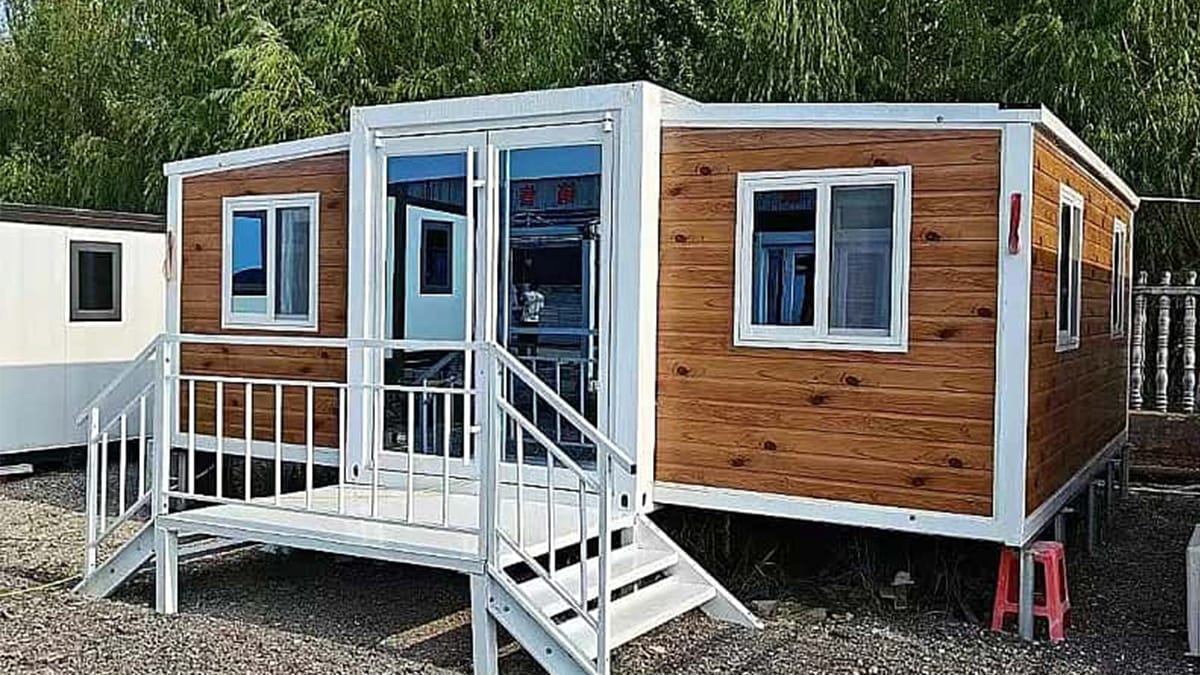
You can choose colors, windows, and doors. You can also pick some things inside the house. Many people add decks or gardens on the roof. Smart storage ideas help small spaces feel larger. Some companies offer walls that fold out or slide. This gives you a bit more room. But the steel frame keeps design choices limited.
Tip: If you want a home that looks cool and different, container houses are a good pick. They have a strong and simple style that stands out.
Here is a table that shows how design flexibility compares:
Feature | Shipping Containers | Prefab Modular Buildings |
|---|---|---|
Limited because of the steel frame | More ways to change and customize | |
Customization Limitations | Too many changes can make it weak | Built for easy changes after building |
Overall Modularity | Same size limits what you can do | More space for new ideas and changes |
Prefab Home Customization
Modular homes give you more ways to change the design. You can pick from many floor plans and roof styles. You can also choose finishes you like. Builders make modular homes to fit what you want. You can add rooms, bigger kitchens, or things like porches and garages. You can change the look of your home even after you move in.
You do not have to worry about making the house weak when you change things. Modular homes have strong frames for many changes. You can mix different parts to make a home that fits your family. Many companies offer green materials and smart home features.
Pick your favorite colors and finishes
Add or take away rooms when you need
Choose from many roof and window styles
If you want a home that can change as you grow, modular homes are the best for design. You can update your space when your life changes.
Note: Modular homes are great for families who want more space and more ways to make their home special.
Comfort and Living Experience
Insulation and Climate Control
When you pick a container house, think about comfort in all weather. Most container houses come with insulation already added at the factory. You should check the R-value to see if it works for your area. Some container houses have walls that can expand. These walls let you add more insulation. This helps keep you warm in winter and cool in summer.
Modular homes give you more choices for insulation. You can pick from simple rockwool or better foam. These homes often have better ways to stop heat from escaping. They also have advanced heating and cooling systems. Studies show windows and air leaks can waste a lot of energy. Adding things like extra insulation can save almost 26% of energy. If you want the best climate control, modular homes have more options.
Flat pack homes let you pick how much insulation you want.
Foldable container houses need you to check insulation carefully.
Expandable designs give you thicker walls and quiet heating or cooling.
Tip: Always ask about insulation and climate systems before buying a shipping container home.
Interior Space and Amenities
You will see differences in space and comfort between modular and container homes. Modular homes feel more like regular houses. You get full kitchens, finished rooms, and normal storage. Container homes use space in smart ways. You might find built-in shelves or small kitchens. Many container houses have decks outside for extra space.
Feature | Modular Homes | Container Homes |
|---|---|---|
Interior Finishes | Fully finished, many options | Simple, can add what you need |
Kitchen | Full kitchen, regular appliances | Small kitchen, basic appliances |
Storage Solutions | Normal closets and cabinets | Custom shelves, built-in storage |
Plumbing and Electrical | Already set up | Can have bathroom and plumbing |
Outdoor Spaces | Less focus on outdoors | Often has decks or patios |
Modular homes let you change your layout or add rooms later. Container houses are good if you like simple style and smart use of space. Both types can be comfortable. Your choice depends on what you need and like.
Aspect | Details |
|---|---|
Flexibility | Custom designs, can change and fit many uses. |
Affordability | Lower price, less work, and saves money over time. |
Sustainability | Uses old shipping containers, saves energy, and is good for the planet. |
Durability | Strong build, good quality, and lasts long with care. |
Note: If you want a cozy home with many choices, modular homes are a great pick. If you want a special look and outdoor space, container homes are a good choice.
Sustainability and Eco-Friendliness
Eco Benefits of Container Homes
You can pick a container house if you care about the planet. These homes use old shipping containers. This helps cut down on trash and saves new building supplies. When you use old containers, you help the earth by giving them a new job. Many container houses also use reclaimed wood and recycled metal. These things make your home even more eco-friendly.
Container homes are made to save energy. Some have insulation and solar panels to lower energy use. Using shipping containers means you make less pollution. You help the planet by picking materials that would be thrown away.
Eco-friendly materials in container houses:
Repurposed steel shipping containers
Reclaimed wood for floors and walls
Recycled metal for fixtures
Energy-efficient insulation
Solar panels for clean energy
Tip: You can make your container house greener by adding more eco features.
Green Features in Prefab Homes
Modular homes are also good for the environment. Builders make these homes to save energy. You get special insulation that keeps your home warm in winter and cool in summer. This means you use less energy for heating and cooling.
Prefab homes use materials that stop heat from escaping. There is less waste when building these homes. Factories make parts with exact sizes, so they use fewer supplies and make less trash. Some prefab container homes, like UVO models, can use up to 40% less energy than regular container houses.
Green features in modular homes:
Advanced insulation for better energy savings
Smart windows that stop heat loss
Efficient heating and cooling systems
Factory-built parts that reduce waste
Options for solar panels and rainwater collection
Feature | Container Houses | Modular Homes |
|---|---|---|
Repurposed Materials | Yes | Sometimes |
Energy Efficiency | Good with upgrades | Excellent |
Waste Reduction | High | Very High |
Flexibility | Moderate | High |
You can choose the home that fits your green goals. Both types help the earth, but modular homes often save more energy and make less waste.
Building a Container Home vs Prefab: Regulations
Zoning and Permits
Before you build a container home or modular home, check the local rules. Zoning laws and permits tell you what you can build. Some towns do not let you use shipping containers as homes. Many places have strict rules about home types. Container houses often face more rules than modular homes.
Some towns do not let you use container houses as your main home.
Certain areas only allow certain buildings, and container houses may not be allowed.
Zoning laws can stop you from putting container homes in some places.
Rules change depending on where you live. Texas has fewer rules, so you can build container homes in most places. California has the California Building Standards Code. This code has tough safety and green rules. Cities have more rules than country areas. You might need special foundations or insulation for your container house.
Approval Process
The steps to get approval depend on your location. In Texas, you must follow the International Residential Code or Building Code. In California, you must meet the California Building Standards Code. This code covers safety, energy, and fire rules. Cities like San Francisco have even more rules because they are big cities.
Cities ask for more forms and checks. You may need to show plans for insulation and energy use. Los Angeles and San Francisco have strict rules for energy and earthquakes. Rural Texas lets you build with fewer steps.
Modular homes usually fit the rules better. They use normal building materials and designs. This makes it easier to get approval. Container houses may need extra checks to show they are safe and green. Always talk to your local building office before you start.
Tip: Ask your local building office about rules for container and modular homes. This helps you avoid problems and extra costs. Planning early gives you more choices and helps you follow all the rules.
Pros and Cons Summary
Collapsible Container House Pros & Cons
A collapsible container house has good points and some bad ones. You can save a lot of money. These homes cost 30-50% less than regular homes. You help the earth by using old shipping containers. This keeps them out of landfills. The house is strong and can handle storms and bad weather. You can move your home if you need to live somewhere else. This gives you more choices if your life changes.
Here is a table that shows the main pros and cons from users and experts:
Pros | Cons |
|---|---|
Affordability | Space Limitations |
Eco-Friendly Living | Insulation Challenges |
Modularity and Mobility | Zoning and Regulatory Hurdles |
Quick Construction Time | Aesthetic Limitations |
Durability and Strength | Maintenance Challenges |
You can set up a container house very fast. You do not have to wait a long time for it to be built. The steel frame makes the house strong and tough. You can use your home again and again. It can last more than 10 years. The house can stand up to strong winds and earthquakes.
Note: You may not have much space because containers are small. It can be hard to keep the house warm or cool in some places. Some towns have strict rules about container houses. You need to check the laws before you build. You also need to watch for rust and leaks and fix them.
Prefab Home Pros & Cons
Prefab homes have many good things if you want comfort and more choices. These homes save energy because they are built tightly. The windows and walls keep heat and cold out. You can build your home fast with parts made in a factory. You save money because you need fewer workers. The building site is safer and cleaner. Factories check the quality before the home is sent out.
Here is a list of the main advantages:
Saves energy with tight seams and good windows.
Fast to build with ready-made parts.
Costs less because you need fewer workers.
Safer and healthier for workers.
Factory checks make sure quality is good.
Less mess and noise at the building site.
Better for the environment.
You can pick from many designs and styles. You can add rooms or change the layout later. Modular homes let you choose finishes that fit your taste.
Advantages of Prefab Homes | Disadvantages of Prefab Homes |
|---|---|
Cost-effective | Transportation challenges |
Saves time | Need for land ownership |
Addresses skilled labor shortage | N/A |
Improved health and safety | N/A |
Quality control | N/A |
Reduced site disruption | N/A |
Lower environmental impact | N/A |
You must own the land to put your prefab home on. This can make the total cost higher. Moving big home parts can be hard because roads have size limits. Hooking up water, power, and other utilities can be tricky and cost more.
Moving big home parts is hard because of road rules.
You need to own land, which costs extra.
Tip: If you want more space, better insulation, and easy changes, modular homes are a great pick. Make sure you plan for land and utility hookups before you start building.
If you want to spend less, pick a container house. These homes set up quickly and help the planet. Container homes use shipping containers, so they make less trash. This is good for the earth. Modular homes give you more room and let families change things easily. Both types of homes are built fast. Container houses are easy to move and look different. Think about your money, land, how you live, and local rules before you choose.
Factor | Container Houses | Modular Homes |
|---|---|---|
Cost | Higher | |
Flexibility | High for unique layouts | High for family needs |
Sustainability | Uses shipping containers | New materials |
Container houses are getting more popular. People use them for disaster relief and remote jobs. Look at all your choices and ask experts before you build.
FAQ
What makes container houses different from modular homes?
Container houses use shipping containers for building. Modular homes use new materials and have many shapes. Container houses have strong steel frames. Modular homes give you more ways to design and more space.
Can you move container houses easily?
Yes, you can move container houses with trucks or cranes. Shipping containers stack and travel without trouble. You can set up your home fast in a new spot. Modular homes take more time and work to move.
How long do container homes last?
Container homes can last over 30 years if you care for them. Shipping containers stand up to wind, rain, and pests. You need to check for rust and fix small problems. Modular homes last a long time too if you keep them up.
Do container houses need special permits?
You must check local rules before you build container houses. Some places do not let you use shipping containers for homes. Modular homes follow normal building codes, so permits are easier to get.
Are container houses good for the environment?
Yes, container houses help the earth. You reuse shipping containers and make less trash. Many people add solar panels or use recycled things. Modular homes also save energy and make less waste when built.