


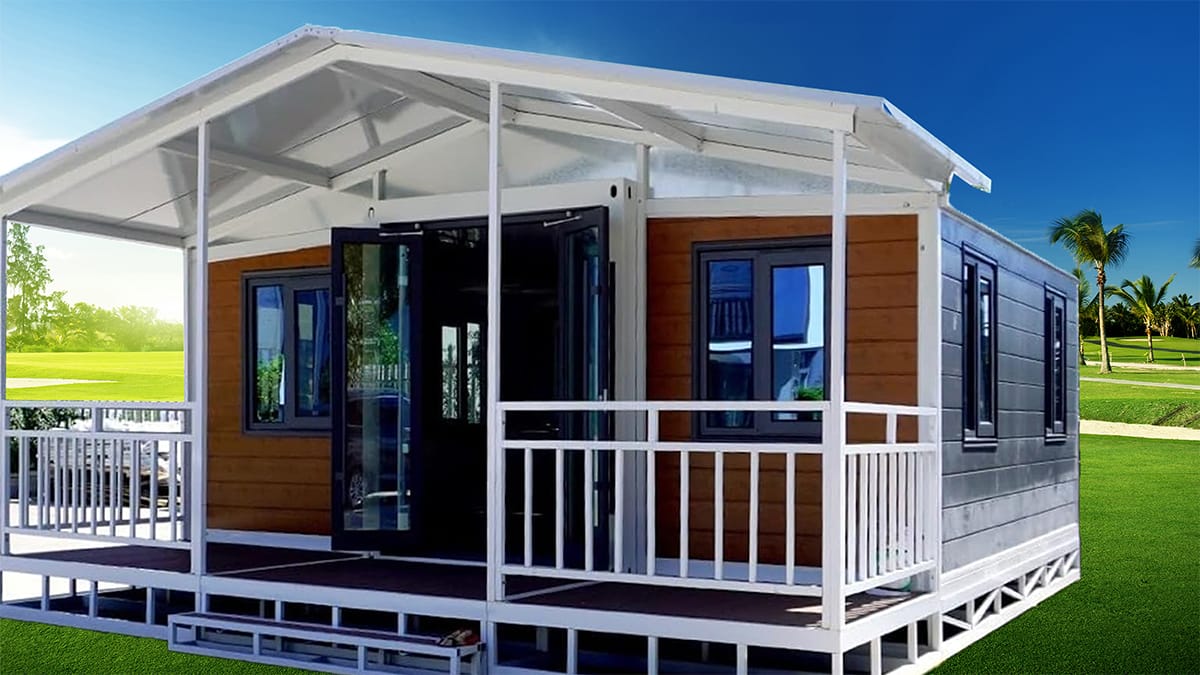
13 Sep A Complete Guide to Buying an Expandable Prefab House in 2025
Table of Contents
- 1 Key Takeaways
- 2 What Is an Expandable Prefab House?
- 3 Benefits of Buying an Expandable Prefab House
- 4 Guide to Buying a Mobile Expandable Prefab House
- 5 Choosing an Expandable Container House Supplier
- 6 Customization and Options When Buying a Prefab Home
- 7 Costs of Buying an Expandable Prefab House
- 8 Delivery, Installation, and Regulations
- 9 Tips for Buying an Expandable Prefab House
- 10 FAQ
You can begin buying an expandable prefab house by thinking about what you need. Decide how much living space you want. Think about how many bedrooms you need. Then, look up suppliers and compare your choices. Check the quality of the houses. Look at the costs. Plan for delivery and installation. It is important to match your needs to the right size and layout. Many people pick prefab homes because they are fast and flexible. The market is growing quickly:
The US prefab housing market may reach $36,139.5 million in 2024.
By 2033, it could grow to $60,027.9 million.
People buy mobile expandable homes for many reasons:
Reason | Description |
|---|---|
Lower starting costs than regular homes, so they are a smart buy. | |
Sustainability | Eco-friendly materials and energy-saving designs help the environment. |
Customization | Many ways to make your home special for your own needs. |
Adaptability | Good for many uses, and easy to move and set up anywhere. |
With this guide, you can feel sure about buying a prefab home that fits your life.
Key Takeaways
Think about what you need before you buy. Decide how much space you want. Think about who will live in the house.
Pick a supplier you can trust. Check their quality and options. Read what other customers say.
Make a budget and plan it well. Add costs for delivery and installation. Remember to include future changes.
Look for features that help the environment. Many prefab homes use materials that are good for nature. They also save energy.
Ask questions before you buy. Learn about delivery and warranties. Find out what care the house needs.
What Is an Expandable Prefab House?
Key Features
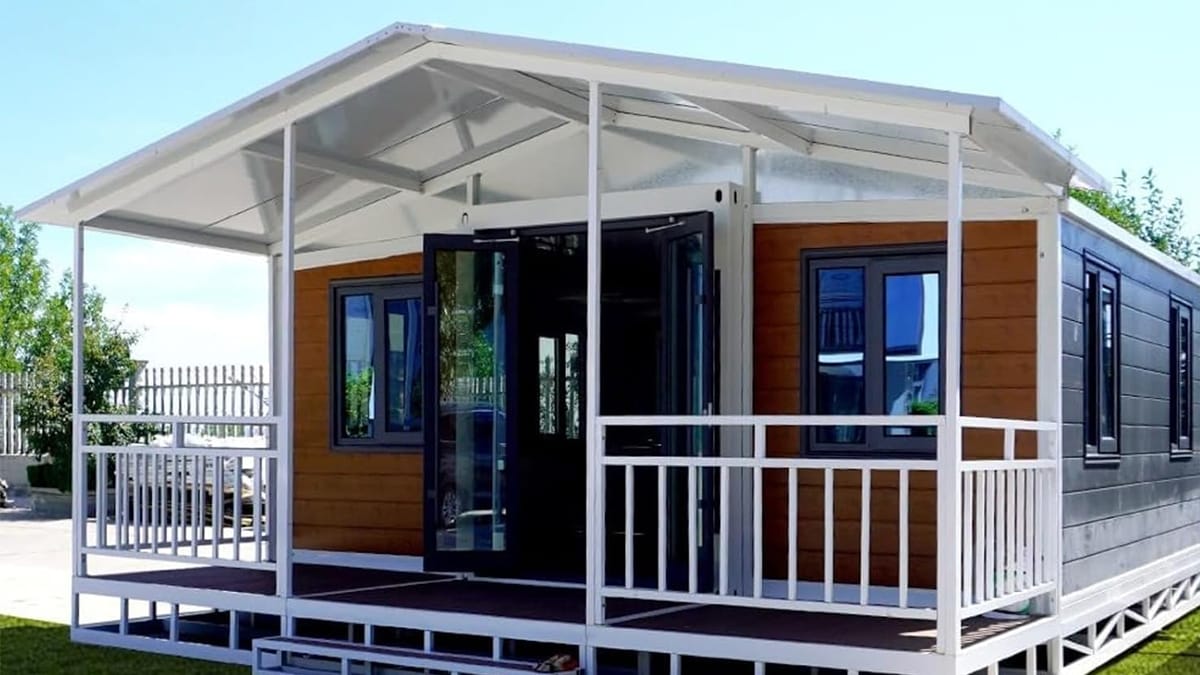
An expandable prefab house is a special kind of home. It is made with modular housing techniques. You can add or take away sections when you need to. These homes use materials that are good for the planet. They also have smart home technology. The space can change as your family grows. It helps you save money and helps the environment. Many prefab homes are ready fast, so you can move in quickly. The building process saves money and keeps your spending low.
Good for families that need more space
Made with materials that help the earth
Costs less because of smart building
Has smart features for today’s needs
Quick to set up, even in emergencies
Expandable Design
The expandable design lets you change your home easily. You can start with a small house and make it bigger later. You might add a bedroom or a living room. The expandable container house uses parts that fit together well. This makes the house easy to move and build. You do not have to wait a long time or deal with a big mess.
Advantage | Description |
|---|---|
Flexibility | You can add or take away rooms when you want. |
You spend less because building is efficient. | |
Eco-friendliness | Uses materials that are good for the planet and saves energy. |
Ease of assembly | Easy and quick to put together, with little trouble. |
Speed of expansion | You can make your home bigger fast and without problems. |
Why Choose One?
You might want an expandable prefab house if you like new ideas and want a home that fits you. These homes are strong and last a long time. They do not need much fixing. You can change your space to match your style and needs. Expandability means your home can grow with you. Many people pick this kind of house because it is good for the planet, saves money, and lets you change the design. An expandable home is smart, modern, and does not cost too much.
Benefits of Buying an Expandable Prefab House
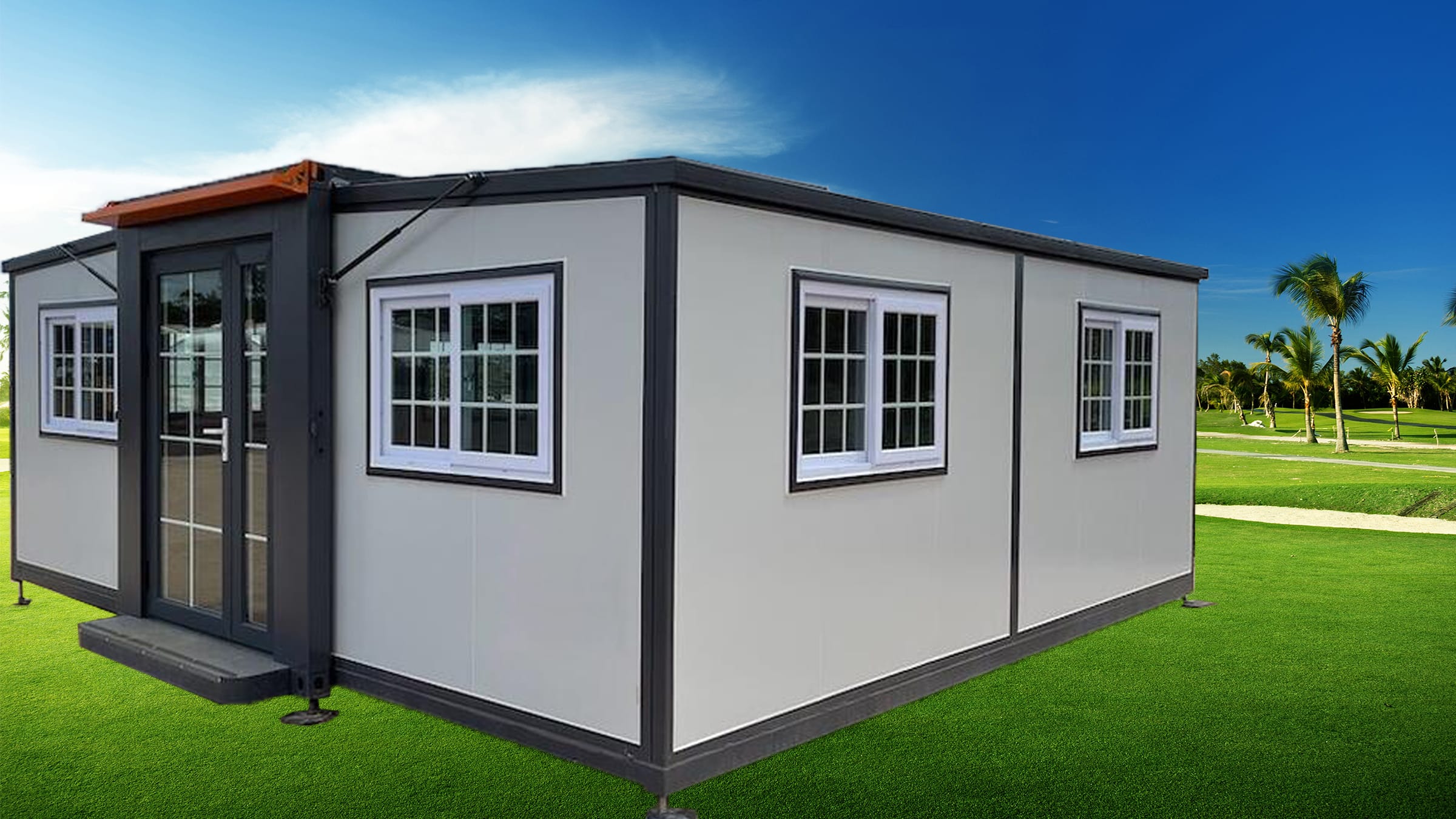
 Cost Savings
 Cost Savings
You can save a lot of money with an expandable prefab house. These homes are cheaper to build and keep up than regular houses. You pay less for energy, repairs, taxes, and insurance. The table below shows how much you can save each month:
Expense Type | Traditional Home | Prefab Home | Monthly Savings |
|---|---|---|---|
Energy Cost | $200 | $150 | $50 |
Maintenance Cost | $200 | $100 | $100 |
Property Tax | $250 | $50 | $200 |
Insurance Cost | $100 | $50 | $50 |
Total Monthly Cost | $900 | $500 | $400 |
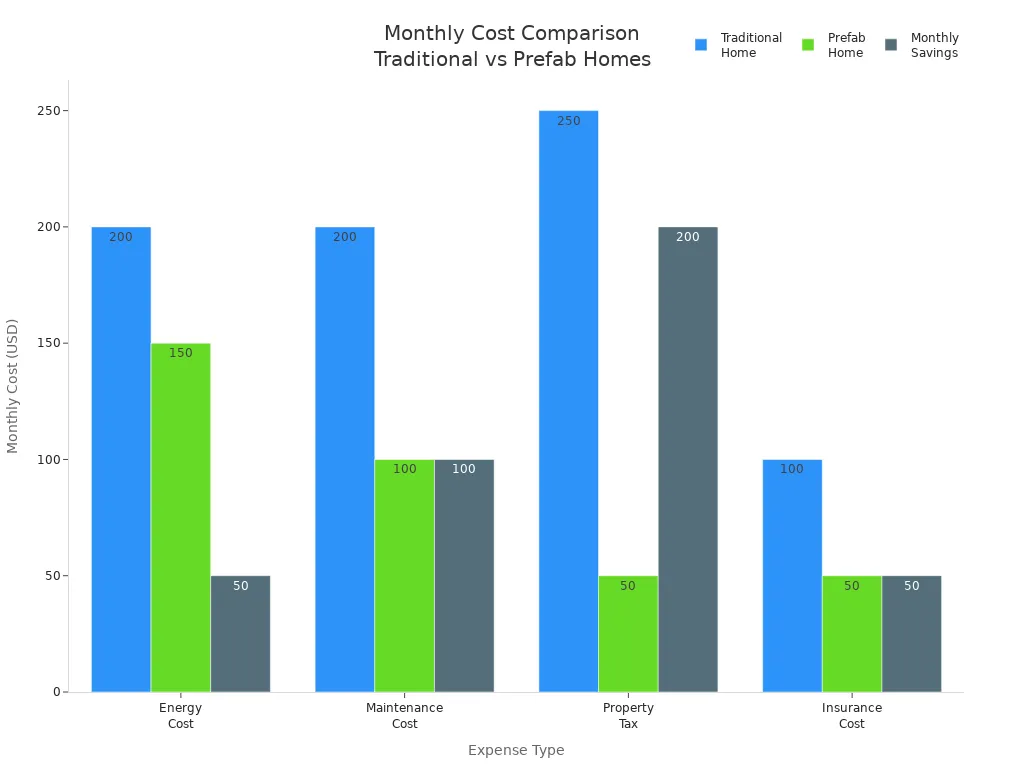
This makes an expandable prefab house a smart way to save money. It is a good choice for families who want to spend less.
Fast Delivery
You do not have to wait a long time for your home. Prefab homes use modular housing, so builders finish them fast. You can move in within weeks, not months. This quick process helps you skip long waits and extra costs. Fast delivery means you get to enjoy your new home sooner.
Flexibility
Expandable prefab houses give you more choices than regular homes. You can add rooms or change the layout as you need. The expandable design lets you make space for a bigger family or a new hobby. These homes are mobile, so you can move them if you want. You can use them as your main home, a guest house, or a small office.
Expandability lets you change your home as your life changes. This flexibility is great for people who want homes that fit their needs and budget.
Eco-Friendly
You help the planet when you pick an expandable prefab house. Builders often use recycled materials, like shipping containers, to cut down on waste. Many homes have solar panels and energy-saving systems. These features lower your energy use and carbon footprint. Some homes even collect rainwater and use solar heat recovery. You support green living and help the environment.
Using containers cuts waste and lowers carbon emissions.
Solar panels and green tech make your home use less energy.
Strong materials help your home last longer and stay eco-friendly.
Guide to Buying a Mobile Expandable Prefab House
Define Your Needs
Begin with a simple plan. This guide helps you figure out what you want in your new home. Think about how you will use each room. Decide who will live in the house. Here are steps to help you know your needs:
Pick the main use for your house. Is it for family, work, or guests?
Count the people who will live there. This helps you pick the right size.
Think about how often you will move the house. Some people need to travel a lot.
Write down the utilities you want. Do you need heat, air, or a kitchen?
Make a budget. Add up buying, delivery, setup, and future costs.
Tip: Always look at local rules and utility needs before you buy. Some places have special rules for mobile or modular homes.
Think about your daily life and the style you like. Some people want a modern look. Others like a classic style. Make a list of things you must have and things you want. This list will help you with the next steps.
Choose Size and Layout
Picking the right size and layout is very important. There are many choices. The most common sizes are 20ft, 30ft, and 40ft expandable container houses. Each size fits different needs and budgets.
Size/Layout Option | Key Features | Price Range |
|---|---|---|
Customizable, energy-efficient, lower maintenance costs | Under $50K | |
Expandable Modular Homes | Affordable, includes kitchen and bathroom, energy-efficient | Varies |
Two-Story Modular Homes | More private space, ideal for large families, separates living areas | Varies |
Many people want homes that save energy and can be changed. Expandable homes are popular because you can make them bigger later. If you need more space, 40ft houses give you lots of room. These homes can have extra bedrooms, bigger kitchens, or a second floor.
Think about how much space you need. A small home is good for one or two people. A 40ft house is better for families or people who need more room. You can pick layouts that keep bedrooms and living rooms apart. Or you can choose open spaces.
Note: Look for homes that save money and help the planet. Many prefab houses use green materials and save energy.
Match Needs to House
Matching your needs to the right house is very important. You want a home that fits your life now and can change later. Expandable container homes let you add more rooms as your family grows.
Think about who will live in the house and what you will do there.
Pick from many designs, finishes, and layouts. You can make your home match your style.
Decide if you want a modern or classic look. Layouts can be changed to fit your taste.
Make a budget that covers all costs, like delivery and setup.
Check local rules and permits. Some places have rules for mobile or modular homes.
Before you buy, look at the house’s structure and insulation. Make sure the builder uses strong materials like alloy steel. Good insulation keeps your home warm or cool. Check that the house meets safety rules and building codes. This keeps your family safe and protects your money.
When you look at mobile expandable prefab houses, check the materials and design. These things help keep your home safe and strong.
If you want the most space and options, pick a 40ft expandable container house. You can add rooms or change the layout when you need to. Many people choose these homes because they are big, comfy, and easy to change.
This guide gives you steps to make smart choices. If you follow these steps, you can find a home that fits your needs, budget, and style.
Choosing an Expandable Container House Supplier
 Research Suppliers
 Research Suppliers
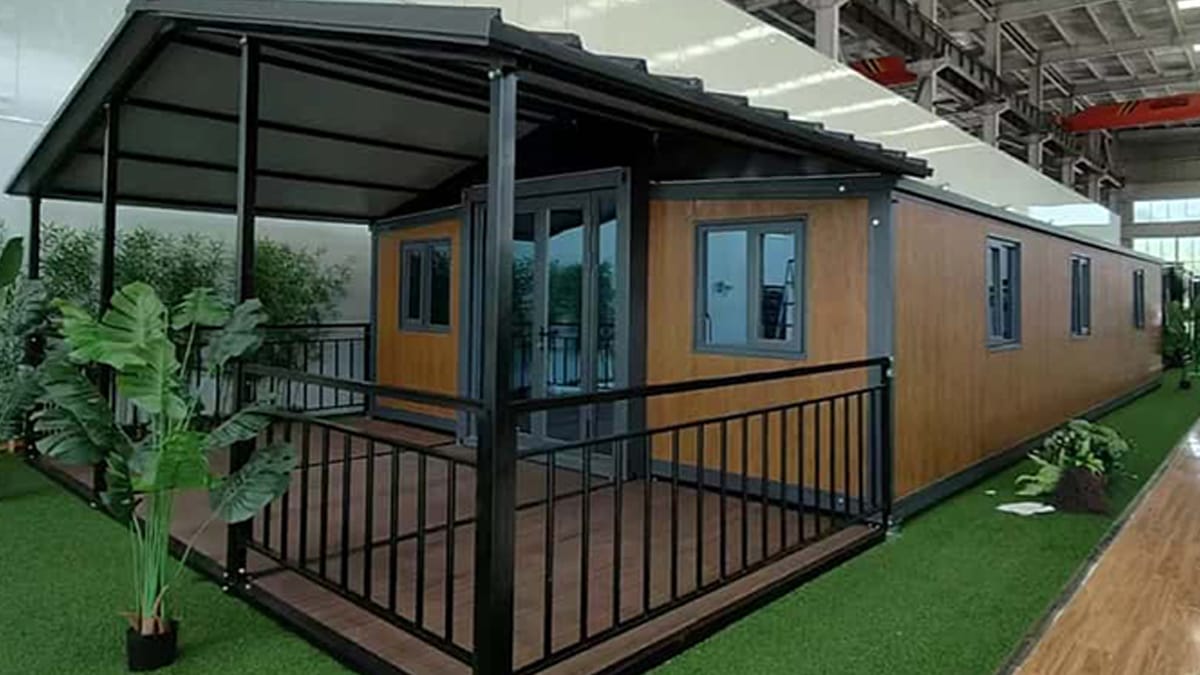
You need to pick a supplier that fits your needs. Start by checking out different companies that make expandable container houses. Visit their websites and read what customers say about them. Try to find suppliers who know a lot about prefab homes and mobile designs. You can also ask your friends or family if they know any good suppliers. Make a list of companies that have the size and layout you want.
Here is a table to help you look at important things when you check out suppliers:
Criteria | Description |
|---|---|
Size and Configuration | Decide if you want one module or more connected modules for your space. |
Material and Construction Quality | Look for strong steel and finishes that last and stand up to weather. |
Mobility and Transportation | See if the house has foldable walls or roofs that move for easy travel. |
Customization Options | Check if you can change the inside layout and design. |
Compliance with Regulations | Make sure the supplier follows local building codes and zoning rules. |
Budget Considerations | Compare prices and ask about payment plans or financing. |
Tip: Always make sure the supplier is safe and follows local rules.
Check Quality and Materials
You want a home that lasts and feels good to live in. Look for suppliers who use strong materials. Good insulation, like closed-cell spray foam or rigid foam boards, keeps your home warm or cool. The floors should be tough and look nice. Bamboo, hardwood, vinyl, and tile are good for expandable homes. Steel or wood framing makes your house strong.
Insulation keeps your home comfy in any weather.
Floors should be strong and easy to clean.
Steel or wood framing gives your house strength.
Energy-saving windows and panels help you save money.
A study found that homes with top materials last 40% longer. Using green materials can lower greenhouse gas by up to 35%. Experts say picking the right materials makes homes last longer and saves energy.
Compare Manufacturers
You want to pick a manufacturer that gives you the best deal. Compare their reputation, what they sell, and how they treat customers. Look for companies with good reviews and lots of experience making expandable container houses. Check if they have many floor plans and custom designs. Ask about the materials they use and how they build the houses.
Criteria | Description |
|---|---|
Reputation | Read customer reviews and see how long the company has made expandable container houses. |
Customization Options | Check if you can choose your own floor plan or design. |
Quality of Materials | Ask about the steel, insulation, and finishes they use. |
Cost | Compare prices but make sure the quality is still good. |
Customer Service | Pick a company that helps you at every step and answers your questions. |
Note: Good customer service makes buying your home easier and less stressful.
Customization and Options When Buying a Prefab Home
Design Choices
You can make your home look how you want. Many people in 2025 like modern homes with simple shapes and open rooms. You can pick a floor plan or ask for changes for your family. Some people want their house to look green and eco-friendly. Others like a new and stylish look. The table below lists features you can choose for your expandable container house:
Feature | Description |
|---|---|
Sustainability | |
Durability | Steel frames help the house stand up to bad weather |
Flexibility | You can make the house bigger or change it later |
Modern aesthetic | New designs are popular with younger people |
You can change the inside and outside of your home. Pick colors, materials, and layouts that show your style. Many prefab homes let you change the living space, so your home fits your life.
Materials and Finishes
You have lots of choices for what your house is made of. Builders use strong steel frames and good insulation to keep you comfy. You can pick windows and doors that save energy and money. Some homes have bamboo, hardwood, or tile floors. You can pick drywall for smooth walls. Special thermostats and other features help keep air in and lower bills.
Tip: ENERGY STAR® Certified choices help you use less energy and help the earth.
You can also make bathrooms and kitchens better. Pick bigger showers, two sinks, or fancy faucets. Outside, you can get better windows, stronger doors, and different roof colors. These choices make your home look nice and work well.
Add-Ons and Upgrades
You can add things to make your home fit your needs. Some people add a guest room or another modular room for more bedrooms. You can get bigger windows for more sunlight or add a sunroom, patio, or porch. You can get more storage with big closets, a mudroom, or a carport. You can make your kitchen and dining area bigger or add another bathroom.
Drywall inside for smooth walls
Guest room for visitors
Bigger windows for more sunlight
Sunroom, patio, or porch for outdoor space
Extra rooms for more space
More storage with closets or a mudroom
Bigger kitchen and dining area
You can pick options that make your mobile home easy to change and grow. These upgrades help your home grow with your family.
Costs of Buying an Expandable Prefab House
Price Factors
 Price Factors
There are many things that change the price of 40ft expandable container houses. The size, design, and features you pick all matter. Bigger homes with more rooms cost more money. Special layouts also make the price go up. If you want better materials, you will pay more. Where you live can change the cost too. Some places have higher labor costs or strict rules. Custom things like solar panels or smart tech add to the price. The table below shows what affects the price:
Factor | Description |
|---|---|
Size and Design | Large houses with more features and custom choices cost more than small, simple models. |
Materials Used | Better materials and finishes cost more, while basic ones are cheaper. |
Location | Rules, permits, and labor costs are different in each area, so prices change. |
Level of Customization | More custom houses with extras like solar panels and smart tech cost more. |
Additional Features | Extra things you add can make the price higher, depending on what you want. |
It is smart to make a budget before you shop. This helps you pick the right house for your needs.
Financing
There are many ways to pay for 40ft expandable container houses. Some people use buy now pay later plans. These let you get approved fast and pay each month. You do not need home equity for this. Government grants help if you want an energy-saving home. Crowdfunding lets you raise money from people who support your idea. Banks give loans for prefab homes too. Green financing helps homes that save energy and help the planet.
Financing Option | Description |
|---|---|
Buy Now Pay Later | Fast approval, easy monthly payments, no home equity needed. |
Government Grants | Money from the government to help pay for homes that save energy. |
Crowdfunding | Raise money from people around the world for your project. |
Traditional Loans | Get money from banks for building your home. |
Green Financing Options | Money for homes that help the earth and save energy. |
Pick the way to pay that works best for you and your budget.
Extra Costs
When you buy 40ft expandable container houses, you need to plan for extra costs. You pay for the first structure, but you might want to make it bigger later. Fixing and taking care of your house costs more over time. You also pay taxes and insurance. Permits and following local rules can cost extra. If you want a mobile home, you may pay for moving and setup.
First structure costs
Costs for making the house bigger later
Money for fixing and taking care of the house
Taxes you pay for your property
Insurance costs
Extra costs for permits and following rules
Always add these costs to your budget for the house. This helps you avoid surprises and keeps your plan on track.
Delivery, Installation, and Regulations
Delivery Timeline
When you buy a 40ft expandable container house, you want to know when it will come. Most suppliers give you a delivery date. Your house usually arrives in a few weeks. The time depends on where you live and what features you pick. Some companies let you track your house while it ships. You should ask your supplier for updates. This helps you get ready for the next steps, like preparing your land and planning for installation.
Site Preparation
Getting your land ready is very important before you install a 40ft expandable container house. You need to make sure the ground is flat and safe. Here are some easy steps to follow:
Put down a foundation if you need one.
Make sure water, electricity, and sewage are close by.
Before you put together the prefab parts, you must get the foundation ready. This means digging the ground, pouring concrete, and putting in pipes and wires.
You should also clear away rocks, trash, and plants. Use a level tool to check the ground. Fix the soil if you need to make it even. Good site preparation helps your house last longer and keeps it safe.
Permits and Codes
You must follow local rules when you set up a 40ft expandable container house. Every city or county has its own building codes. You need to get the right permits before you start building. Here is a table that shows the main permits you might need:
Type of Permit | Description |
|---|---|
Building Permit | Approval to build your house on your land. |
Foundation Permit | Needed if your house has a permanent base. |
Utility Permits | Needed for water, electricity, and septic systems. |
You should talk to your local building office. They will tell you what permits you need for your house. Following the rules keeps your project safe and legal. Many prefab homes meet strict codes, but you should check before you buy. This step protects your money and helps you avoid problems later.
Tips for Buying an Expandable Prefab House
Save Money
 Save Money
You can spend less when you buy an expandable container house if you use smart ideas. Here are some ways to keep your costs down: 1. Pick a simple design. Simple homes cost less and are faster to build. 2. Choose one-trip containers. These are almost new and cheaper than brand-new ones. 3. Look for used prefab homes. They often cost less, but always check their shape first. 4. Check out payment plans. Some companies let you pay over time. 5. Look at different places. Prices change by area, and moving the house can cost more. 6. Buy from sellers you can trust. Good sellers give fair prices and good homes. 7. Try to get a lower price. You might get a better deal or extra things if you ask.
Tip: Always look at offers from a few sellers before you decide.
Avoid Pitfalls
You should watch out for common mistakes when you buy a mobile expandable home. Careful planning helps you get the best home for you. 1. Make a plan. Think about the size and design you need now and later. 2. Do not spend too much. Make a budget and do not go over it. 3. Pick the right builder. Choose someone who knows about prefab homes and expandable designs.
Note: If you rush, you might have problems later. Take your time and check everything.
Questions to Ask
Before you buy, ask the seller important questions. This helps you know what you are getting and stops surprises.
Question Category | Key Questions |
|---|---|
Delivery and Installation | How does delivery work? What are the costs and who is responsible? |
Warranties and Guarantees | What warranty covers the structure, plumbing, and electrical systems? |
Long-Term Maintenance | What maintenance does the home need and what are the costs? |
Size and Expandability | Can you customize the size? Is it easy to expand later? |
Materials and Construction | Are the materials durable? How well does the insulation work in different climates? |
Restroom Features | How does the plumbing system work? Is water heating and ventilation included? |
Additional Features | What features come standard, like kitchenettes or electrical wiring? Are there extra costs? |
Asking these questions helps you make a smart choice and makes sure your expandable prefab home is right for you.
You can use this guide to help you buy an expandable prefab house. First, think about how much space you need. Next, pick an expandable container house that fits your needs. Check the prices and see how much prefab homes cost. Find a supplier who lets you change your living space. Look for homes that are easy to move and save energy. These houses are also good for the planet. Buying an expandable home means you get a place that you can change, is not expensive, and helps the earth. Prefab homes are a smart choice for people who want a new house and care about green living.
Start now and look at your choices for a better and easier home.
FAQ
How long does it take to set up an expandable prefab house?
You can usually move in within 2 to 8 weeks after you order. The time depends on the size, design, and your location. Some suppliers offer faster delivery if you choose a standard model.
Can you expand your prefab house later?
Yes, you can add more rooms or sections when you need extra space. Many designs let you expand easily. You should check with your supplier about the best way to add on.
Do you need special permits for an expandable prefab house?
You must get building permits before you set up your house. Local rules may differ. Always check with your city or county office to make sure you follow all codes.
What utilities can you connect to an expandable prefab house?
You can connect water, electricity, and sewage just like a regular home. Some homes use solar panels or rainwater systems. Ask your supplier about the best options for your area.
How do you maintain an expandable prefab house?
Clean the exterior and roof often.
Check for leaks or damage after storms.
Service heating and cooling systems each year.
Regular care helps your home last longer and stay safe.