


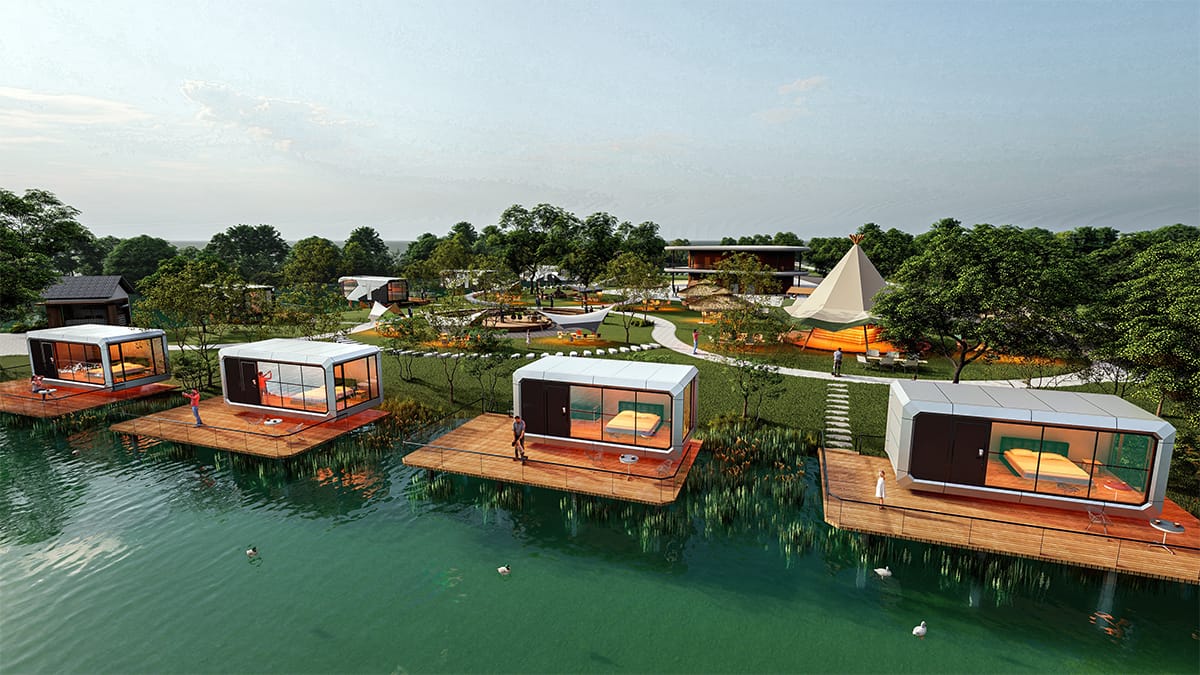
30 Sep 10 Eco Modular Capsule House Designs for Modern Living
Table of Contents
You can find great eco modular capsule house designs by checking new trends in green housing. These homes use new technology like 3D printing and AI-driven design. They look cool and work well. The modular construction market is growing quickly. It was worth $87.6 billion in 2022. Experts think it will be over $112 billion by 2025. Many people pick eco modular capsule houses now. They are comfy, save space, and help the planet.
Key Takeaways
Eco modular capsule houses are good for the environment. They use green materials and save energy to help the Earth.
These homes use space well with smart layouts. Loft beds and foldable furniture help make more room.
Technology makes living in these homes easier. Smart home systems help save energy and keep you safe.
You can make your home fit your style. Pick colors, layouts, and features you like.
Capsule houses do not cost a lot and are fast to build. They are cheaper than regular homes and can be finished in weeks.
Eco Modular Capsule House Types

When you look at Eco Modular Capsule House designs, you see many choices. Each kind has special features and uses eco-friendly materials. They also have smart ideas for modern living. Here are the most popular types and why people like them.
Basic Capsule House
A basic capsule house gives you a small, useful place to live. The design is compact and focuses on being green and simple. These homes use smart technology and renewable energy. You can live off-grid and help the planet by using less.
Characteristic | Capsule Houses | Other Modular Designs |
|---|---|---|
Yes | Varies | |
Emphasis on Minimalism | Yes | Not always |
Efficient Use of Space | High | Varies |
Customization Options | Available for various lifestyles | Limited in some cases |
Incorporation of Technology | Often includes smart technology and renewable energy | May not prioritize these features |
Independence from Utilities | Designed for off-grid living | Typically connected to public utilities |
These homes use eco-friendly materials:
Material | Application in Capsule Houses | Advantages |
|---|---|---|
Exterior cladding | Strong, lasts long, and looks nice. | |
Steel Structure | Main framework | Very tough, needs little fixing, and stays strong. |
Insulated Panels | Walls and roofing | Keeps heat in, stops fire, and saves energy. |
Fluorocarbon Paint | Exterior surfaces | Makes surfaces last longer and look better. |
Polyurethane Foam | Internal insulation | Keeps heat in, blocks water, and seals tight. |
Thermal Break Aluminum | Doors and windows | Stops heat loss, saves energy, and does not rust. |
Silicon Glue | Bonding and sealing | Holds things together and stops leaks. |
Vertical Capsule House
Pick a vertical capsule house if you want to save space in the city. These homes use smart ways to use every bit of room.
Strategy | Description |
|---|---|
Wall-mounted shelves | Put things on walls, not floors. |
Loft beds | Beds are up high, so you get space below. |
Vertical gardens | Grow plants inside without using floor space. |
Furniture does more than one job. | |
Under-bed storage | Store things under beds to keep neat. |
Sofa beds are seats in the day and beds at night.
Foldable tables are for eating or studying and can be put away.
Put shelves and hooks on walls to save space.
Minimalist Capsule House
A minimalist capsule house helps you keep only what you need. The design is simple and clear. These homes use smart storage and furniture that changes. You see rooms that can be used in different ways and eco-friendly materials.
Simple and clear design
Smart storage saves space
Only the basics included
Rooms can change for different uses
Uses green materials and saves energy
Choosing this type helps the earth. The small size uses less energy and fewer things. These homes use steel and aluminum that can be recycled. Solar panels and good insulation keep energy use low.
Small homes need less power for lights and heat.
You make less pollution.
Building off-site with green materials helps nature.
Futuristic Pod Design
If you want new technology, pick a futuristic pod design. These pods are made in factories and built fast. You can make your home bigger or smaller. The design works in cities and country areas.
Feature | Description |
|---|---|
Prefabricated Units | Built quickly and saves time. |
Scalable Living Units | Make your home bigger or smaller. |
Customizable Designs | Fits cities or country places. |
Easy to move if you need to. | |
Sustainability | Made with green materials and saves energy. |
Smart Home Technology | Makes life easier and safer. |
Automatic Lighting | Lights change with sunlight and people. |
Smart Security Systems | Keeps you safe and watches your home. |
Smart Appliances | Devices help you and save energy. |
Solar Panels | Uses sun power for energy. |
Water Filtration Systems | Gives you clean water. |
Air Conditioning & Heating | Keeps you comfy in any weather. |
Automated Lighting | Lights change with time and people. |
Temperature Regulation | Keeps the home at the right temperature. |
AI-Powered Assistants | Voice helpers control your home. |
You get furniture that does many jobs and appliances that save energy. These pods use smart tech to use less power and make life simple. The small size and green materials help you live better for the planet.
Homes that change size use fewer things.
Appliances and insulation save energy.
Small homes make less pollution.
Living Pod (Prefab)
A prefab living pod lets you build your home fast and helps the earth. The parts are made in a factory, so there is less waste and building is quick.
Parts are made while the land is prepared, so it saves time.
Factories keep weather from slowing down building.
Machines cut materials so waste is less than 5%.
Making parts off-site means fewer mistakes.
Prefab living pods follow strict green rules.
Certification Name | Description |
|---|---|
LEED (Leadership in Energy and Environmental Design) | Checks how green a building is. |
ENERGY STAR | Makes sure homes use less energy. |
Living Building Challenge | Very strict rules for green building. |
Soundproof Modular Home
If you want quiet, pick a soundproof modular home. These homes use special materials to block noise and keep things calm.
EPS panels stop sound from coming in.
Double windows, rugs, and panels cut down noise.
Light panels are easy to put in and make homes comfy.
Soundproof homes help you sleep and focus. Good sound makes your home nicer.
Tip: Using good materials and blocking sound makes your Eco Modular Capsule House quieter.
Fire-Resistant Modular Home
Safety matters in every home. Fire-resistant modular homes use special things to keep you safe.
Panels and coatings do not burn easily.
Fire alarms and systems protect you.
Strong roofs like metal and tile do not catch fire.
Siding like cement, stone, and brick does not burn.
Feature | Fire-Resistant Modular Homes | Conventional Homes |
|---|---|---|
Materials | Do not burn | Can burn |
Roof Type | Metal fireproof roof | Regular roof |
Window Type | Fire-resistant windows | Normal windows |
Ignition Resistance | High | Low |
Performance in Wildfires | Works well | Not as good |
You can make homes safer by sealing gaps and cleaning gutters.
Luxury Modern Modular Home
A luxury modern modular home gives you style and comfort. You get layouts that change and fancy finishes. These homes use recycled materials and save energy.
Feature | Modern Modular Homes | Standard Capsule Houses |
|---|---|---|
Flexibility | Layouts can change easily | Not much change |
Eco-Friendly Materials | Uses recycled and green finishes | Not always green |
Energy Efficiency | Has solar panels and good windows | Not as energy-saving |
Quick Assembly | Built fast in factories | Takes longer |
Durability | Strong against earthquakes and wind | Not as strong |
You get solar panels, smart home tools, and strong buildings. These homes last long and keep you comfy.
Floating Eco Capsule
A floating eco capsule lets you live on water and helps nature. You get a strong, energy-saving home with smart engineering.
Engineering Solution | Description |
|---|---|
Sealed Pressure Vessel | The capsule is sealed and filled with dry gas to stop rust. |
External Heat Exchangers | Heat moves to the sea using special coolers. |
Passive Cooling | Cold ocean water cools the home without machines. |
Pressure-Resistant Steel Hull | The steel hull keeps water out, like a submarine. |
Efficient Power Usage | Uses power very well, better than most land homes. |
Umbilical for Power and Communication | Wires and cables go through the hull for power and internet. |
Natural Thermal Properties Utilization | Uses the sea’s natural coolness to save energy. |
Floating eco capsules do not need land, so they protect beaches and water life.
You can move them to avoid hurting nature.
Stackable Modular Capsule
Stackable modular capsules let you build up, not out. You can add more homes on top of each other.
Benefit | Description |
|---|---|
Flexibility | You can add more homes later without needing more land. |
Customization | You can change how they look and work for different needs. |
Quality | Built with strong materials and follow strict rules, so they last long. |
Stackable homes help you share spaces and live with others. You can share things and make life greener and more social.
Note: Stackable modular capsules are great for people who want to live together and share things.
Key Features
 Sustainability
 Sustainability
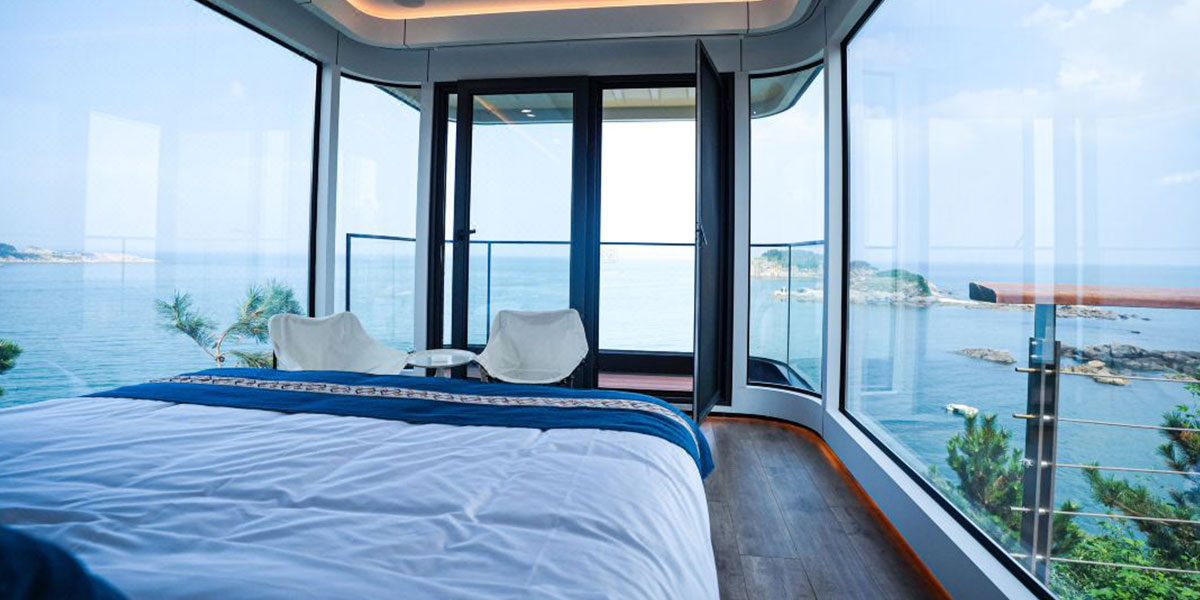
Choosing an Eco Modular Capsule House helps the earth. These homes use recycled steel and aluminum. They also use eco-friendly insulation. Solar panels give you clean energy. Rainwater systems help save water. Some homes have green roofs or vertical gardens. Builders make parts in factories, so there is less waste. You use less energy to heat and cool your home.
Tip: Look for certifications like LEED or ENERGY STAR. These show your home meets high green standards.
Space Efficiency
These homes use space in smart ways. Designers make layouts that fit more in less room. Furniture can change shape to save space. Loft beds give you more floor space. Foldable tables can be put away when not needed. Wall storage keeps things neat. You find hidden storage under stairs or beds. Small kitchens and bathrooms use every inch.
Space-Saving Feature | How It Helps You |
|---|---|
Loft Bed | Gives you more space |
Foldable Table | Makes room when needed |
Wall Storage | Keeps things organized |
Multi-use Furniture | Saves space and money |
Technology Integration
New technology makes living easier in these homes. Many capsule houses have smart thermostats and voice assistants. Security cameras help keep you safe. You can control lights and temperature with your phone. Solar panels and batteries give you clean power. Water filters and air purifiers keep your home healthy.
Smart home systems make life simple.
Automated controls help you save energy.
Safety and Comfort
You feel safe and comfy in these homes. Builders use fire-resistant panels and soundproof walls. Strong doors and windows protect you from storms. Good insulation keeps your home warm in winter. It also keeps your home cool in summer. Noise from outside stays out, so you sleep better.
Note: Add smoke detectors and security alarms for extra safety and peace of mind.
Comparison Table
When you look at different Eco Modular Capsule House designs, you can see how each one is special. Each type is different in how green it is, how much it costs, how easy it is to move, and what it is best for. The table below shows you which design might work best for you.
Capsule House Type | Sustainability Features | Cost (USD) | Portability Level | Best Use Case |
|---|---|---|---|---|
Basic Capsule House | Solar panels, recycled steel | High | Off-grid living, starter homes | |
Vertical Capsule House | Vertical gardens, compact design | $25,000 | Medium | Urban apartments, small families |
Minimalist Capsule House | Bamboo, energy-efficient design | $22,000 | High | Solo living, eco-conscious users |
Futuristic Pod Design | Smart tech, renewable energy | $30,000 | Medium | Tech lovers, flexible locations |
Living Pod (Prefab) | LEED certified, water recycling | $28,000 | Medium | Fast build, green communities |
Soundproof Modular Home | EPS panels, eco insulation | $26,000 | Medium | Noisy areas, remote work |
Fire-Resistant Modular Home | Fireproof panels, solar power | $27,000 | Medium | Wildfire zones, safety-focused users |
Luxury Modern Modular Home | Recycled finishes, solar panels | $40,000 | Low | High-end living, comfort seekers |
Floating Eco Capsule | Water recycling, steel hull | $35,000 | High | Waterfront, flood-prone regions |
Stackable Modular Capsule | Shared solar, recycled steel | $24,000 | Medium | Community living, urban expansion |
Sustainability
You want a house that is good for the earth. Many capsule houses use solar panels and wind turbines for clean power. Some have water recycling systems to save water. Builders use things like recycled steel, bamboo, and natural insulation. Small designs use less space and fewer materials. Smart appliances and technology help you use less energy.
Tip: Try to find homes with rainwater collection and ways to heat without using extra energy.
Cost
Capsule houses start at about $21,000. Simple models cost less, but fancy or high-tech ones cost more. You spend less on bills because these homes use less power and water. Prefab homes help you save on building costs.
Basic Capsule House: $21,000
Luxury Modern Modular Home: $40,000
Portability
Some capsule houses are easy to move. You can take them apart and set them up somewhere new. Floating capsules can be used on water and do not flood. Many portable homes are built on trailers or wheels. Homes with solar panels and batteries do not need to be hooked up to city power.
Note: Portable capsule homes are great for people who move a lot or need a place for a short time.
Suitability
You need a house that works for your weather and how you live. Some homes have thick insulation and special glass for cold places. Others have strong shapes and steel for storms. Floating capsules are good for places that flood. Stackable capsules help people live together in cities.
Pick homes that keep heat in for cold places.
Choose fire-resistant homes for wildfire areas.
Floating capsules are best for living near water.
Choosing Your Design
 Assessing Needs
 Assessing Needs
Think about how you live and what you need most. Some people want a home that helps the earth. Others want a house that is easy to move. Many people want to save money or live simply. The table below shows things to think about when picking an Eco Modular Capsule House:
Factor | Description |
|---|---|
Sustainability | Made with eco-friendly materials and ways that lower pollution. |
Minimalism | Small design helps you live with only what you need. |
Affordability | Costs less than regular homes, so it is easier to buy. |
Space Optimization | Uses space well, which is good for crowded places. |
Mobility | Easy to move, great for people who move a lot. |
Budget
You should know how much money you can spend. Capsule houses cost less than normal homes. They use space well and help you save money on bills. The table below shows how your budget changes your choice:
Evidence | Description |
|---|---|
Affordability | Capsule houses make owning a home easier, even in expensive cities. |
Space Optimization | Small homes use fewer things and help you save money. |
Flexibility | You can pick a design that fits your money and needs. |
Tip: Make a clear budget before you start looking. This helps you pick the best model and features.
Location
Where you put your home is important. You need to check local rules before building. Some places have strict laws about where you can build. Others limit the size or look of your house. You also need to make sure your home is safe for water and electricity.
Size rules say how big your house can be.
Design rules make sure your home matches the area.
Utility rules cover water and electricity.
Building codes keep your home safe and strong.
Note: Always check local rules so you do not have problems later.
Customization
You can make your Eco Modular Capsule House match your style. Many designs let you pick colors, layouts, and features. You might want solar panels, smart systems, or special storage. Custom choices help you make a home that fits your needs.
Pick finishes and materials you like.
Add features for comfort and safety.
Choose layouts that work for your family.
Callout: Customization helps you build a home that feels perfect for you.
You get lots of good things with an Eco Modular Capsule House. These homes are comfy, save you money, and help the earth. Here is how they are different from regular homes:
Benefit | Description |
|---|---|
Affordability | Capsule houses cost less than regular homes. You spend less money living in them. |
Sustainability | They use eco-friendly materials and save energy. This helps the planet. |
Flexibility | You can put them in many places. They work for different ways of living. |
Low Maintenance | They are made with strong materials. You do not need to fix them much. You get more time to relax. |
Compact Comfort | They use space well. You get all the comfort of a regular home, even though they are smaller. |
Think about what you need and how you live. A modular home might be the best choice for you. Start looking at your choices and move toward a greener life.
FAQ
What is an eco modular capsule house?
An eco modular capsule house is a small, factory-built home. You get a space that uses green materials and smart design. These homes save energy and help the planet. You can move them or stack them for more space.
How long does it take to build a capsule house?
You can get your capsule house ready in a few weeks. Factories make the parts fast. Workers put the house together on your land. This process saves time compared to building a regular house.
Can you customize your capsule house?
Yes, you can choose colors, layouts, and features. Many companies let you add solar panels, smart systems, or special storage. You can make your home fit your style and needs.
Are capsule houses safe in bad weather?
Capsule houses use strong materials like steel and insulated panels. You get protection from wind, rain, and fire. Some designs work well in floods or wildfires. Always check the safety features before you buy.
Do you need special land for a capsule house?
You need to check local rules before you place your house. Some areas have rules about size, design, or where you can build. Always ask your city or town for the latest information.