


06 Dec Foldable Container Houses Versus Shipping Container Houses Key Differences Explained
Table of Contents
- 1 Key Takeaways
- 2 Foldable Container House Different from Shipping Container House
- 3 What Are Modular Container Houses?
- 4 Design Flexibility in Modular Construction
- 5 Transport and Installation
- 6 Cost and Value
- 7 Durability and Maintenance
- 8 Portability and Storage
- 9 Best Use Cases for Container Houses
- 10 Summary Table of Key Differences
- 11 FAQ
You might wonder how a foldable container house is different from a shipping container house. Many people are interested in modular container homes, but understanding how a foldable container house is different from a shipping container house can help you decide which option is best for you. Demand for these homes is rising every year, and the global market for modular container houses is expanding rapidly. Experts predict the market will reach $49,896.9 million by 2030, with an expected annual growth rate of 7.5% from 2022 to 2030.
Year | Market Value (USD billion) |
|---|---|
2023 | 61.83 |
2024 | 64.75 |
2032 | 108.70 |
Each type—whether a foldable container house or a shipping container house—offers unique advantages in terms of design, transport, cost, and durability. Understanding how a foldable container house is different from a shipping container house will help you make an informed choice.
Key Takeaways
Foldable container houses let you change the design. You can pick the size and layout you want. This helps you make it fit your needs.
Shipping container houses are very strong. They are made from steel. They can handle bad weather.
Foldable container houses are easy to move. You can set them up fast. They use less space when you move them. This saves time and money.
Both homes can be good for the environment. Foldable container houses often use greener materials. They also have eco-friendly designs.
Think about what you need. Pick foldable container houses for easy changes and fast setup. Pick shipping container houses for strength and lasting stability.
Foldable Container House Different from Shipping Container House
Key Distinctions
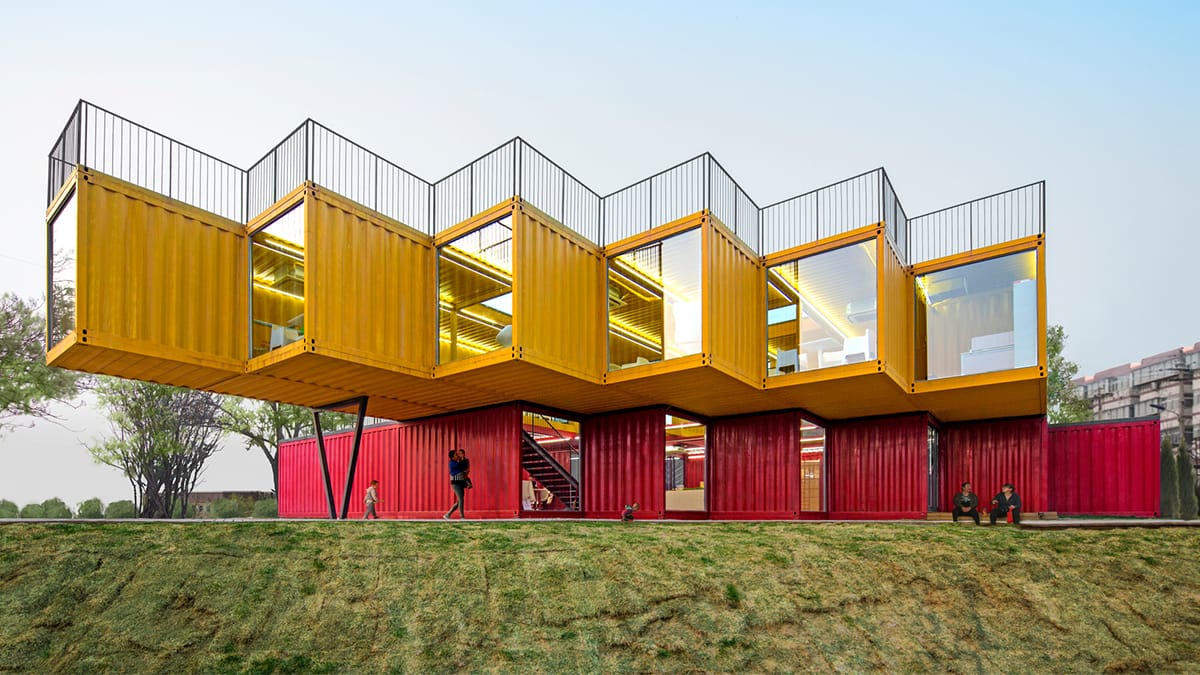
When you look at a foldable container house and a shipping container house, you see many differences. Foldable container houses use modular construction. This means you can put them together and make them bigger easily. Shipping container houses keep the steel container shape. You do not get much flexibility with them. If you want a home that changes with your needs, foldable container houses give you more choices.
Check out the table below to compare the main features:
Feature | Foldable Container Houses | Shipping Container Houses |
|---|---|---|
Design Flexibility | Can be designed in various shapes and sizes | Limited by the size and shape of the container |
Materials Used | Made from a variety of materials (wood, steel, etc.) | Primarily made of steel |
Customization Options | Highly customizable to meet specific needs | Limited customization due to container constraints |
Foldable container houses let you pick the size, layout, and materials. You can make expandable container homes that match your way of living. Shipping container houses limit your choices because the steel frame sets the size. If you want more freedom in design, foldable container houses are a better choice.
There are also differences in how eco-friendly they are. Foldable container houses use green materials and modular building. This helps the environment. Shipping container houses reuse steel containers. But they often need extra insulation and changes. If you care about helping the planet, foldable container houses are a good option.
Hybrid and Modular Features
Foldable container houses are different because they have hybrid and modular features. These homes use new technology and modular building. You can move, stack, or connect expandable container homes. This lets you build container homes for many things, like offices, guest rooms, or emergency shelters.
Here is a table that shows how hybrid features help performance and usability:
Feature | Impact on Performance and Usability |
|---|---|
Pre-wired for renewable energy systems | Enhances energy efficiency and sustainability |
Insulated walls and floors | Maintains thermal efficiency, improving comfort and usability |
Lightweight yet durable steel frames | Increases structural integrity while being easy to transport |
Modularity for scalability | Allows for customization and adaptability to various needs |
Eco-friendly materials | Reduces carbon footprint and site disruption during installation |
Foldable container houses let you add things like solar panels, insulated walls, and modular layouts. You can make container homes that save energy and help the environment. Shipping container houses do not have these hybrid features unless you upgrade them.
If you want expandable container homes that grow with you, modular building makes it easy. You can add more container houses or change the layout. Foldable container houses help you make a flexible and green living space. Shipping container houses are good for simple projects. But they do not have the special modular and hybrid features of foldable container houses.
Tip: If you want a house that changes with your needs and helps the environment, pick foldable container houses. Their modular building and hybrid features give you more eco-friendly benefits and future options.
Foldable container houses are different because you get more choices, better eco-friendliness, and modular features. Expandable container homes let you build, move, and change your house as you need. You can make container homes that match your style and help you live green.
What Are Modular Container Houses?
Foldable Container Homes Explained
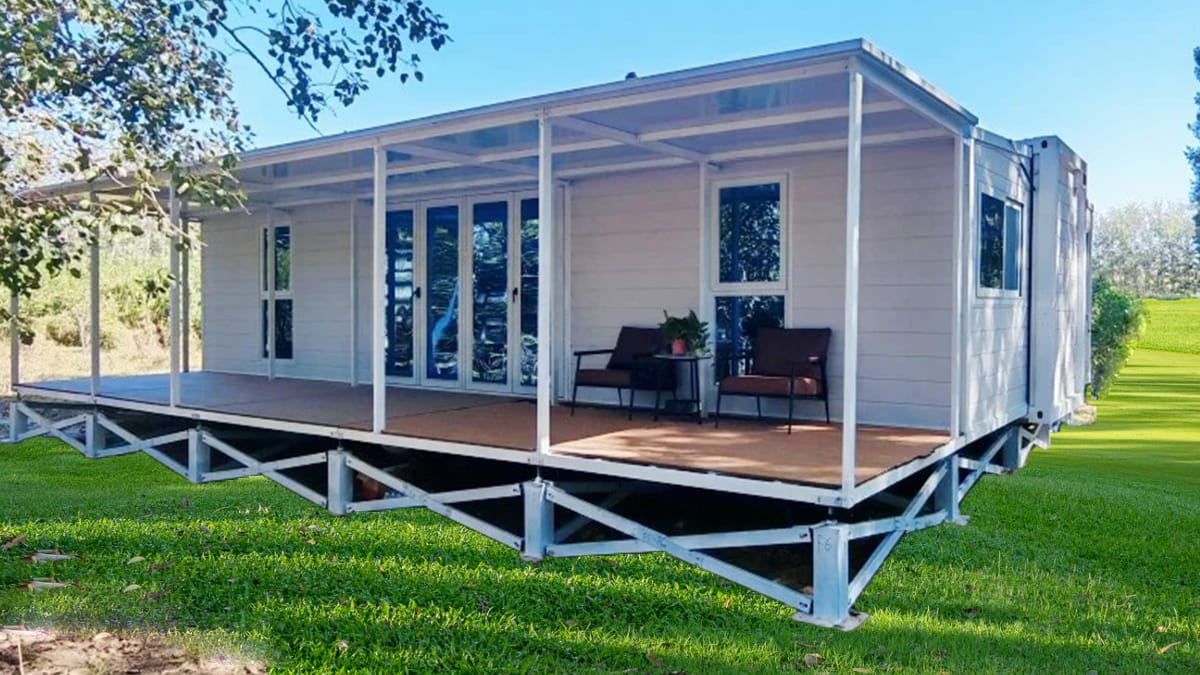
Foldable container homes are very flexible modular houses. You can fold them up, move them, and set them up fast. People use them as homes, offices, or pop-up shops. You can change the size and layout to fit what you need. Your house can get bigger as your needs grow.
These homes use strong materials like fireproof rock wool. This keeps you safe and comfortable inside. You can move these houses easily from place to place. There are many ways to make them your own. You can pick the layout, add special features, and choose eco-friendly options. Foldable container homes give you lots of choices.
Here is a table that compares foldable container homes to other modular houses:
Feature | Foldable Container Homes | Other Modular Housing Options |
|---|---|---|
Portability | Yes | Varies |
Customization Options | Extensive | Limited |
Construction Materials | Premium (e.g., fireproof rock wool) | Varies |
Versatility in Use | High (e.g., housing, pop-up shops) | Moderate |
Tip: Foldable container homes are best if you want a house you can move and change easily.
Shipping Container Homes Overview
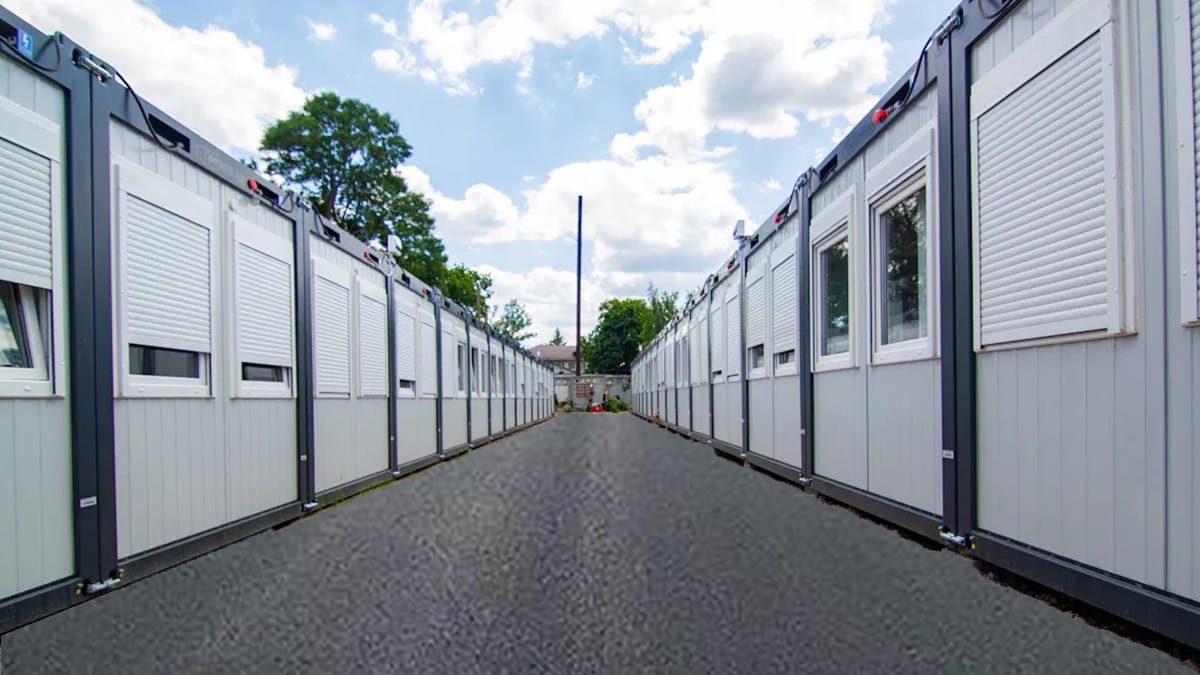
Shipping container homes use shipping containers for their main structure. The steel frame is strong and lasts a long time. These homes come in sizes like 20 feet or 40 feet. You can stack them or join them to make bigger homes. Many people pick these homes because they are tough and easy to set up.
You need good insulation for shipping container homes. This keeps you comfortable in hot or cold weather. Smart layouts and furniture that do more than one thing help save space. High cube containers give extra height. This helps with airflow and insulation.
Here is a table that shows important things about shipping container homes:
Aspect | Details |
|---|---|
Modularity | Modular container houses can be joined to make bigger layouts. |
Structural Integrity | You must reinforce containers when making openings. |
Design Flexibility | Smart layouts and multi-use furniture help with small spaces. |
Standard Sizes | Common sizes are 20 ft and 40 ft containers. |
High Cube Containers | These give more height for better airflow and insulation. |
Insulation Needs | Good insulation is needed to control temperature and stop condensation. |
In the last ten years, modular container houses have changed a lot. Here is how they have evolved:
Architects first used old shipping containers for homes.
Later, companies made factory-built container homes for living.
Now, modular container homes use new designs and focus on saving energy.
Both foldable container homes and shipping container homes give you modular choices. You can pick a house that moves with you or stays in one spot.
Design Flexibility in Modular Construction
Layout and Customization
You have lots of choices with modular construction. Expandable container homes can fit your lifestyle. You can pick a 20ft floor plan if you live alone. If you need more space, a 40ft plan is good for families. Modular construction lets you pick from small studios or big family homes. You can also choose open living spaces.
Here are some popular layouts for expandable container homes:
The minimalist studio has one room, a bathroom, and a kitchenette.
The office and guest suite combo has a work area, Murphy bed, and a small bathroom.
The open-concept one-bedroom has a bedroom, bathroom, and a big living area.
You can add or remove sections as your needs change. This means your home can grow with you. You can add rooms or change the layout without starting over. Expandable container homes help you make a design that fits your style and needs.
Layout Type | Description |
|---|---|
Compact Studios | Good for one person or a couple, with a sleeping area, kitchenette, and bathroom in one room. |
Spacious Family Dwellings | Has more bedrooms, a living room, kitchen, and bathroom, often with an open floor plan. |
Open-Plan Kitchen and Living Area | Has a sleeper sofa and is great for guests. |
Modular System | Lets you add or remove sections easily, so your space can change as you need. |
Adaptability to Site and Needs
Modular construction lets you change your home for different places and needs. Expandable container homes are strong because of their steel frames. You can put your home in a city, the countryside, or far away places. Modular homes let you add things like built-in wiring or workbenches for special uses.
The table below shows what helps modular container houses adapt:
Factor | Description |
|---|---|
You can add wiring, workbenches, and other features to your container house. | |
Site Conditions | Steel frames keep the house strong in many environments. |
Climate Considerations | Insulation helps keep your home comfortable in any weather. |
You can pick insulation that works for your weather. This keeps your home comfy all year. You can also move or expand your home if you need to. Expandable container homes give you control over your space. You can make a design that fits your place and your life.
Tip: If you want a home that changes with your needs and works anywhere, modular construction and expandable container homes are the best choice.
Transport and Installation
Efficiency of Foldable Container Houses
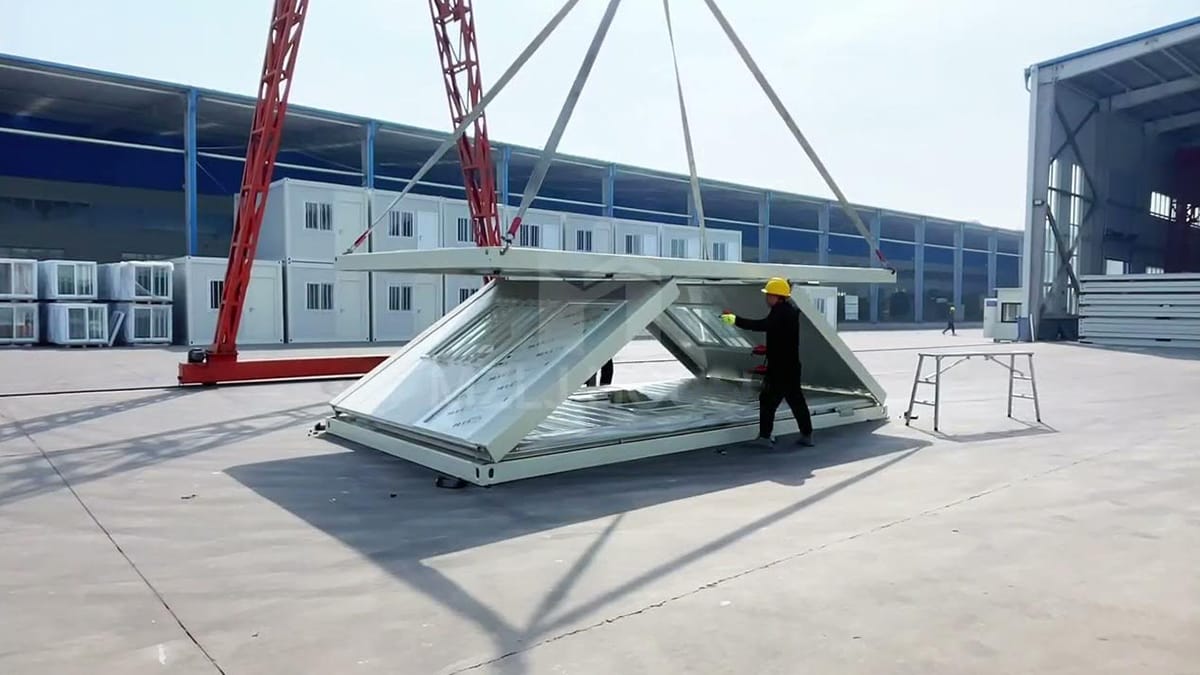
Foldable container houses are easy to move and set up. These modular homes come folded up in a small size. You can fit more houses on one truck because they use less space. They take up about 75-80% less room when folded. This helps you save money on shipping. It also means fewer trips, which is better for the planet.
To set up a foldable container house, you only need simple tools. You use bolts and screws. You do not need big machines or a large crew. Most foldable container houses are ready in just 5 minutes. You can start using your new space almost right away.
Here is a table that compares foldable containers and shipping containers:
Feature | Foldable Containers | Traditional Shipping Containers |
|---|---|---|
Space Efficiency | Takes up 75-80% less space when folded | Occupies full space even when empty |
Cost Savings | Lower return-trip shipping fees | Higher costs due to empty container transport |
Eco-Friendliness | Fewer shipments reduce carbon emissions | More shipments increase emissions |
Installation Ease | Quick deployment with basic tools | May require specialized equipment |
Foldable container houses are good for fast and simple setup. You can use them for homes, offices, or shelters. Their modular design lets you add more units or move them if you need to.
Shipping Container House Setup
Shipping container houses need a different setup. These modular homes come as big steel containers. You need a crane or forklift to put them in place. This takes more time and special machines. You might have to wait longer before you can use your new space.
You must get the ground ready before the container arrives. The ground should be flat and strong. After you put the container down, you connect water and electricity. You also add insulation and finish the inside. This can take a few days.
Here are the steps for setting up a shipping container house:
Get the site and foundation ready.
Use a crane or forklift to move the container.
Connect water and electricity.
Add insulation and finish the inside.
Shipping container houses are strong and can be stacked or joined. You can make bigger spaces with them. But the setup is slower and harder than with foldable container houses.
Tip: If you want a home that is quick to set up and easy to move, pick foldable container houses. If you want a strong and lasting home, shipping container houses are a good choice.
Cost and Value
Upfront and Ongoing Costs
When you think about modular homes, you want to know the price. Foldable container houses usually cost less than regular homes. You can find options that fit your budget. Modular construction uses less labor and fewer materials. This helps keep costs low.
Shipping container houses can cost a little or a lot. Some basic units cost $10,000. Others can cost up to $100,000. Most people spend between $25,000 and $250,000. Fancy models can cost $400,000. The price per square foot is about $150 to $350. Foldable container houses are cheaper to move and set up. Modular construction makes transport simple. You save money on shipping and installation.
You should also think about costs after you buy your home. Modular homes often have energy-saving features. This means you pay less for heating and cooling. Foldable container houses use strong materials. These help you save money on repairs. You get a home that stays affordable for years.
Tip: Modular construction helps you control costs. It gives you more choices for affordable housing.
Long-Term Value
You want your modular home to keep its value. Foldable container houses have smart designs and work well. These features make them good for many uses. You can replace parts or upgrade your home. This helps your home last longer.
Expandable container houses stay valuable because they are strong and flexible. You can change the layout or add new sections. More people want affordable and green homes. This helps modular homes keep their value. If you pick a modular home, you get a house that works now and later.
Foldable container houses help with affordable and green housing.
Modular construction makes upgrades easy and supports long-term value.
Smart design helps modular homes stay useful and valuable.
You can change your modular home for new uses, so it stays practical.
You get a home that fits your budget and changes with your life. Modular construction and smart design make modular homes a great choice for affordable housing.
Durability and Maintenance
Structural Performance
You want your home to last and keep you safe. Foldable container houses and shipping container houses are both strong. Shipping container houses have thick steel walls. These walls help protect you in storms and strong winds. Sometimes, you need to add support beams or make joints stronger. This helps the house stay safe in bad weather. Foldable container houses use special engineering for tough climates. They often have extra features to handle harsh conditions. Both types can work well, but they use different ways to be strong.
Insulation is important for comfort and performance. Shipping container houses often need more insulation. This keeps the inside temperature steady. Foldable container houses usually have insulation built in. This helps you stay warm in winter and cool in summer. Good insulation makes your home comfortable and saves energy. Always check the insulation before you buy a home. Better insulation means more comfort and a longer-lasting house.
Note: Look for homes with good insulation and strong construction. This will help you stay comfortable and safe all year.
Service Life and Upkeep
You want a home that stays nice for many years. Both foldable container houses and shipping container houses can last long if you care for them. The materials and insulation affect how long your home lasts. Good insulation protects against moisture and temperature changes. This keeps your house strong and comfortable.
You might have some common problems with both types:
Structural problems can happen because containers are narrow.
Insulation issues may change comfort and energy use.
Utility installation can be hard and lower living quality.
Check your home often for leaks or rust. Good insulation helps stop many problems. If you see any drop in comfort or performance, fix it fast. Using strong materials and caring for your home keeps it in good shape. You will have better comfort, strong performance, and a house that lasts.
Here is a table that shows how insulation and quality help upkeep:
Factor | Impact on Service Life and Upkeep |
|---|---|
Insulation | Keeps comfort high and lowers repairs |
Quality Materials | Boosts performance and reduces problems |
Regular Checks | Maintains comfort and quality over time |
Tip: Pick homes with good insulation and strong materials. This will help you get better comfort, strong performance, and less work over the years.
Portability and Storage
Moving Modular Container Homes
You want a home that you can move when your needs change. Foldable container houses give you the most flexibility. You can fold them up and transport them to a new site with less effort. This design makes them easy to relocate and set up for different uses. Shipping container houses also move from place to place, but foldable models make the process much simpler.
Foldable container houses are flexible and portable. You can move them to many locations and use them for different purposes.
Shipping container houses offer portability, but foldable designs make transport and setup easier.
When you need to move your modular home, you save time and money with foldable options. You can fit more units on a truck, and you do not need heavy equipment for setup. This makes foldable container houses a smart choice if you want to move often or use your home in different places.
Storage and Relocation
Storing and relocating modular container homes takes careful planning. You want to keep your home safe and ready for the next move. Follow these best practices to make the process smooth:
Assess the site at both the starting and ending locations. Look for any obstacles that could cause problems.
Choose the right equipment. Use forklifts, cranes, or flatbed trucks as needed.
Get the permits you need. Check local rules before you move your home.
Prepare the container. Make sure it is empty and secure.
Inspect all equipment for safety before you start.
Lift the container slowly and carefully.
Transport your home safely. Drive with care and talk with your team.
Lower the container gently at the new site.
For storage, always check the structure before stacking. Leave enough space between units for airflow and safety. Train your team to handle containers the right way. Use the correct tools and set clear limits on how high you stack.
Tip: Careful planning and the right equipment help you move and store your modular home safely. This protects your investment and keeps your home in good shape for years.
Best Use Cases for Container Houses
When to Choose Foldable Container Homes
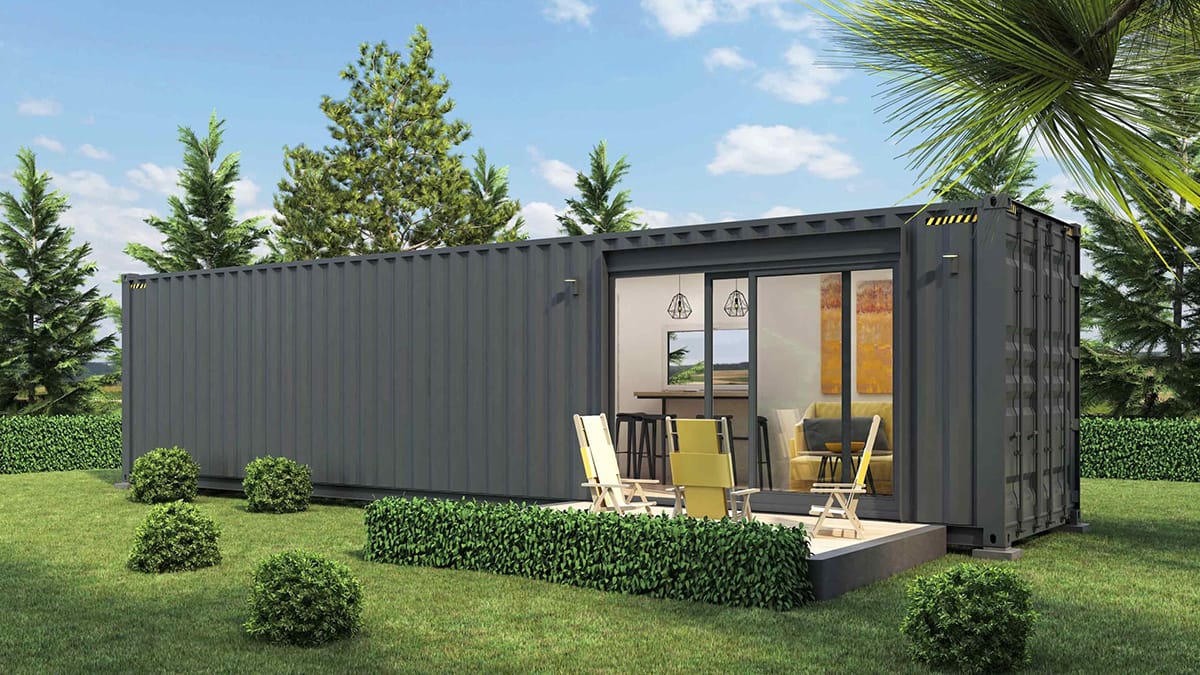
Pick foldable container homes if you want lots of flexibility and fast setup. These modular container houses are great if you move often or need to set up in new places. You can fold them and move them easily, which saves you time and money. If you want a house that can get bigger as you need, expandable container homes are a good choice.
Foldable container homes work in many ways. You can use them for small homes, hotels, or emergency shelters. Many people use these modular houses for pop-up shops or offices that do not last long. The table below shows how people use them:
Application Type | Description |
|---|---|
Small Residences | Good for simple living with smart designs. |
Resort Hotels | Easy to move and set up for vacation spots. |
Commercial Uses | Great for pop-up stores or showrooms that open fast. |
Emergency Shelters | Quick to set up for disasters or war zones. |
Construction Sector | Used for offices or places for workers at building sites. |
You can also use foldable container homes as offices to save money or as pop-up shops for easy retail. If you want a modular house that can change as you need, expandable container homes are the best pick.
Tip: Choose foldable container houses if you want quick setup, easy moving, and space that can grow or change.
When to Choose Shipping Container Homes
Shipping container homes are best if you want strong and long-lasting houses. These modular homes have steel frames, so they are tough and safe. If you plan to stay in one spot for a long time, shipping container houses give you a sturdy home.
Think about shipping container houses if you need more insulation, better climate control, or special finishes inside. These modular container houses let you stack or join units to make bigger spaces. You get good airflow, sunlight, and comfort. Shipping container homes are good for homes that last or big business projects.
When you pick between foldable and shipping container houses, look at these things:
How strong and tough the house is
How easy it is to move and transport
How simple it is to set up
How well it keeps heat in or out
If it has electrical and plumbing ready
How much air, light, and windows it has
What the inside looks and feels like
If it is easy for everyone to use
If you want a house that stays put and keeps you safe, shipping container homes are a smart pick. You get a modular house that lasts a long time and keeps you comfortable.
Note: Pick shipping container houses for homes that last, strong buildings, and special features.
Summary Table of Key Differences
You might want a fast way to compare these homes. The table below shows the main differences. It helps you pick the best house for your needs. Each feature explains how the two types are not the same in design and use.
Feature | Foldable Container Houses | Shipping Container Houses |
|---|---|---|
Portability | You can move these homes easily. The design folds for travel. | These homes are harder to move. They usually stay put. |
Durability | Durability changes by model. Some luxury ones last longer. | Most shipping container homes are very strong. They handle bad weather. |
Affordability | Basic modular homes cost less. Fancy ones cost more. | Prices change a lot. Many cost more than basic foldable homes. |
Customization | You get lots of design choices. Modular homes let you change things. | You have fewer choices. The shape makes it hard to change. |
Setup Speed | You can set up these homes fast. The design makes it easy. | Setup takes more time. You need extra work before using it. |
Eco-Friendliness | Modular homes use green materials and smart design. | These homes reuse steel but need more insulation work. |
Best Use Cases | Good for moving a lot, pop-up shops, or emergency homes. | Best for homes that stay put or places needing strong houses. |
Tip: Pick foldable container homes if you want to move often and change your design. Pick shipping container homes if you want a strong house that lasts.
Modular construction lets you shape your home in many ways. Foldable homes are easy to move and change. Shipping container homes are strong and good for long-term living. Your choice depends on how you want to use your home and what design you like.
You should pick the house that fits your needs best. Foldable container houses are fast to set up. They have flexible designs and are easy to move. Shipping container houses are strong and last a long time. They also have eco-friendly choices. Look at the table below to see the main points:
Criteria | Foldable Container Houses | Shipping Container Houses |
|---|---|---|
Cost Efficiency | Quick to design, saves time | Built in bulk, saves money |
Durability | Modular for short-term use | Strong for long-term use |
Speed of Deployment | Very fast to set up | Slower to set up |
Suitability for Use | Good for emergencies and moving | Good for staying in one place |
Here is a checklist to help you choose:
Think about how much money you want to spend.
Decide if you need a house you can move or one to stay in.
Ask if you need it for emergencies or for living there a long time.
You should talk to an expert before you buy. Make sure your house follows local rules. The house you pick will shape your future home.
FAQ
What is the main benefit of a foldable container house?
You can set up these houses very quickly. Moving them is easy and does not need big machines. Foldable container houses help you save time and money. They are good for people who want to move often or need flexible homes.
Can you customize both types of container houses?
Yes, you can change both kinds. Foldable container houses let you pick different layouts and add features. Shipping container houses have fewer choices because of their steel frame. But you can still make the inside look how you want.
How long do these homes last?
Foldable container houses can last from 10 to 25 years. The materials and how you care for them matter. Shipping container houses usually last longer because they use strong steel. If you take care of both types, they will stay nice for many years.
Are container houses safe in bad weather?
Both types can stand up to storms and strong winds. Shipping container houses have thick steel walls for extra safety. Foldable container houses use special frames and insulation. Always make sure your house is anchored well and has good insulation before you buy.