


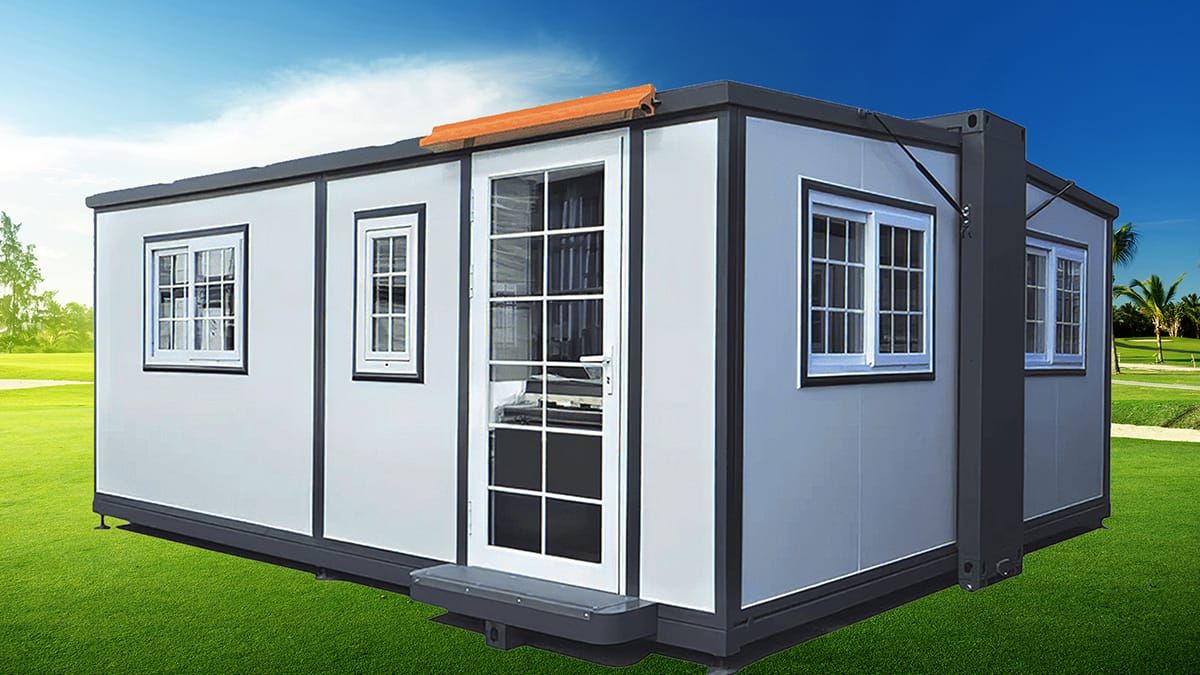
21 Nov How Foldable Container Houses Differ from Prefab Houses
Table of Contents
To understand how a foldable container house is different from a prefab house, you should consider several key factors.
With a foldable container house, you usually pay less upfront, but you might end up spending more later on modifications and energy bills, which is different from prefab house options.
A prefab house costs more initially, but it typically uses higher-quality materials that help you save on energy and maintenance over time, showing how a foldable container house is different with prefab house construction.
While a foldable container house is durable and requires minimal upkeep, a prefab house often needs even less maintenance, highlighting another way a foldable container house is different with prefab house designs.
Prefab houses can be assembled very quickly, sometimes within just a few weeks, whereas a foldable container house usually takes longer because it needs extra work to make it comfortable for living, which is another area where a foldable container house is different with prefab house.
Key Takeaways
Foldable container houses cost less at first. But you might pay more later for changes and energy bills.
Prefab houses cost more when you buy them. But they use better materials and keep heat in better. They save you money over time.
Container homes let you change things easily. You can make many changes. Prefab homes do not let you change much.
Prefab houses are made for comfort and saving energy. They are good for living in for a long time. Container homes are good if you need something fast and cheap.
Think about your life and how much money you have. Container homes are good if you want to change things. Prefab homes are good if you want to be comfortable for a long time.
Key Differences: Foldable Container House Different With Prefab House
When you compare a foldable container house with a prefab house, you see some big differences. They are not built the same way. The price is not the same. You can change them in different ways. Let’s look at these points to help you choose.
Construction And Materials
A foldable container house is not built like a prefab house. Builders use different materials and methods. Here’s what you should know:
Most prefab houses use light materials like wood or PVC. These make the house easy to move and set up.
Some prefab homes use strong materials like concrete, stone, or ceramic. These last longer and look nicer.
Many container homes use old shipping containers. This makes them tough and helps the planet by recycling.
Container homes are modular. You can add or take away parts to change the size or shape.
Shipping containers cost less and help the environment when reused.
The structure is also different. Shipping containers are made to be strong and protect things inside. They do not focus on comfort or saving energy. Prefab homes use parts made for modern living. They keep you comfortable and help you save money on energy. Container homes often have thin walls and poor sealing. They lose heat or cool air fast. Prefab homes have better sealing and insulation. You stay comfortable all year.
Cost Comparison
If you want to spend less at first, a foldable container house is different from a prefab house. It costs less to buy and set up. You can get a container home for a lower price. You might not need a big foundation. This saves money and time. Prefab homes cost more at first. But you get better materials and more comfort. Over time, you may spend less on repairs and energy bills with a prefab house.
Here’s a quick look at the costs:
Foldable container homes: Lower starting cost, fewer materials, sometimes no foundation.
Prefab homes: Higher starting cost, better insulation, lower long-term costs.
Design Flexibility
If you want to change your home, a foldable container house is different from a prefab house. Container homes let you add or remove sections. You can move walls or stack containers to make new shapes. Prefab homes give you some choices. But you may need to follow certain plans or layouts.
Let’s compare both types:
Feature | Foldable Container Houses | Prefab Houses |
|---|---|---|
Customization Options | High | Limited |
Installation Speed | Fast | Slower |
Material Requirements | Fewer | More |
Environmental Impact | Less | More affected |
Foundation Requirement | Not always needed | Required |
Container homes give you more freedom to change things. You can set them up quickly. Prefab homes need more planning and materials. But they give you a strong, long-lasting place to live.
Tip: If you want a home you can move or change easily, container homes may be best. If you want a home that feels more like a regular house and saves money over time, prefab might be better for you.
Construction Methods
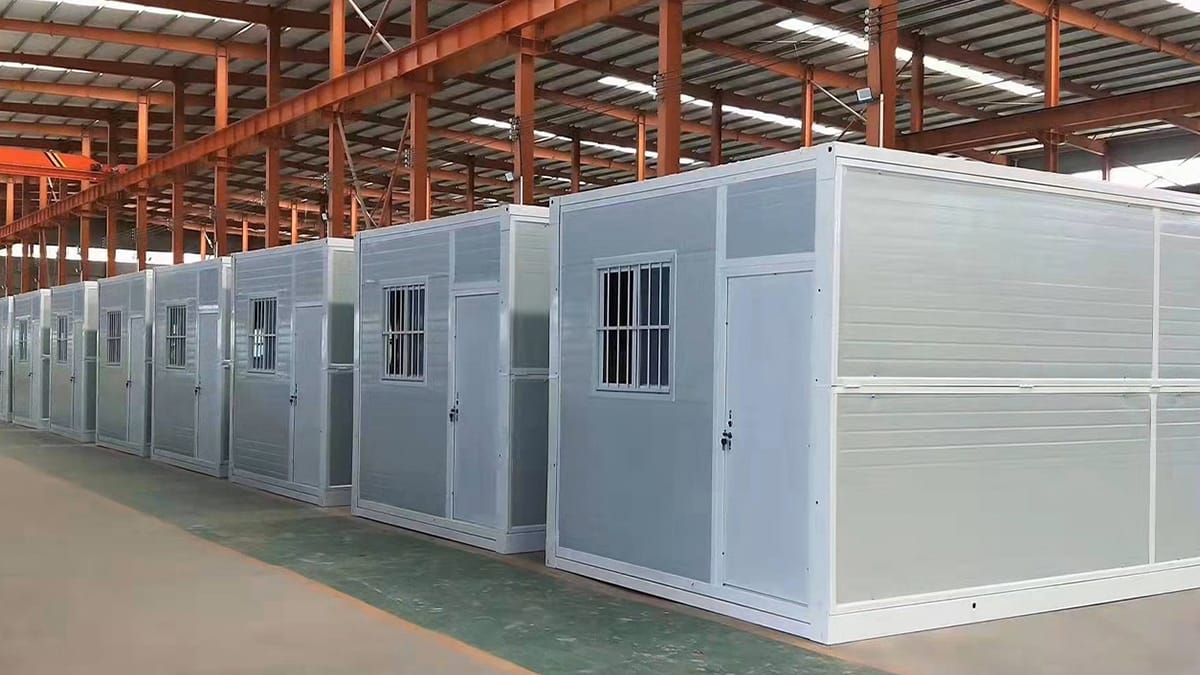
Factory-Built Vs. Container Modification
Prefab houses are made in a factory. Workers build each part inside. The parts fit together like blocks. This makes the house fast to build. It also creates less waste. Container homes use old shipping containers. Builders change these containers in a factory. They cut and weld the metal. They add things to make it a home. This helps the planet by recycling. You can also change your container home as you want.
Here’s a table to help you compare:
Feature | Modular Homes (Prefab) | Container Homes |
|---|---|---|
Built in a factory using assembly line process | Modified from repurposed shipping containers | |
Environment | Controlled, less weather impact | Factory setting, allows customization |
Speed of Construction | Fast, assembly line efficiency | Fast, depends on modification level |
Waste Management | Less waste, standardized process | Sustainable, repurposes containers |
Note: Prefab homes use less waste and have more control. Container homes are unique and good for the environment.
Assembly And Setup
Setting up a container home is quick. Many utilities are already inside. You only need a flat pad or piers. A small team can put it together fast. You just plug in the utilities. Your home is ready soon. Prefab houses can take more time to set up. They need a deeper foundation. Utility work takes longer on site. You may need a bigger team. The setup can change with the weather and site.
Here’s a quick table to show the differences:
Feature | Foldable Container Houses | Prefab Houses |
|---|---|---|
Rapid, pre-installed utilities | Longer, more site work | |
Foundation Requirements | Simple, flat pad or piers | Complex, deeper foundation |
Utility Connections | Plug-and-play, quick setup | Extensive roughing-in required |
Team Size for Assembly | Small team | Larger team |
Overall Efficiency | High, quick deployment | Moderate, site-dependent |
Tip: If you want to move in fast, pick a container home. If you want a classic setup, prefab houses are a good choice.
Size And Layout Options
Space In Foldable Container Houses
When you look at container homes, you notice the space feels different from a regular house. You get a compact design, but you can still find options that fit your needs. Most foldable container houses come in a few standard sizes. Here’s a quick table to show you what’s out there:
Container Size | Dimensions (ft) | Square Feet | Typical Use |
|---|---|---|---|
20 ft Standard | 20′ x 8′ | 160 | Tiny home, office, guest suite |
40 ft Standard | 40′ x 8′ | 320 | One-bedroom or two-bedroom home |
High Cube | 40′ x 8′ | 320 | Spacious living with loft options |
30 ft Folding | 30′ x 8′ | N/A | Larger offices, comfortable cabins |
40 ft Folding | 40′ x 8′ | N/A | Family accommodation, multi-room offices |
You can pick from these sizes depending on how much room you want. Some container homes use high cube containers, which give you extra height for lofts or storage. If you need more space, you can connect several containers together. Here are some popular choices:
20 ft standard container: Great for a tiny home or office.
40 ft standard container: Good for families or shared living.
High cube containers: Extra vertical space for creative layouts.
30 ft folding house: Nice balance for small offices or cabins.
40 ft folding house: Works well for bigger families or multi-room setups.
Space in foldable container houses can feel tight, especially if you have a large family or group. You might find it hard to fit everyone comfortably. The modular design helps, though. You can add more containers or change the layout to make things work better for your needs.
Tip: If you want flexibility, container homes let you expand or rearrange your space as your needs change.
Space In Prefab Houses
Prefab homes give you more choices when it comes to space and layout. You can pick from many floor plans, and you often get bigger rooms. Most prefab houses use modern building methods, so you get open living areas, full kitchens, and extra bedrooms. You can choose a small prefab for a single person or a large one for a big family.
You don’t have to worry as much about space limitations with prefab. You can ask for extra rooms, bigger bathrooms, or even a garage. The design lets you enjoy a home that feels more traditional. You get more freedom to move around, and you can set up your furniture just how you like.
Note: If you want a home that feels roomy and comfortable, prefab houses offer more options for layout and size than container homes.
Pricing And Value
Initial Costs
When you look at prices, you notice big differences. Container homes and prefab homes do not always cost the same. You might think container homes are always cheaper. But the price can change with size, style, and features. Look at this table to see some popular models in Europe:
Model Description | Price Range (EUR) |
|---|---|
European-Style Expandable Living Container House | 5,169.58 – 9,788.25 |
Prefabricated Flat Pack House | 650 – 830 |
40 Feet European Container House | 550 – 600 |
High Quality En Euro Container-house | 771 – 1,507 |
Luxury Prefab Cheap Container Homes | 5,755 – 11,200 |
30ft House Build Container Houses | 9,900 – 12,000 |
40ft Expandable Container House | 138 – 168 |
Prefabricated Houses Per square Meter | 2,800 |
Portable Steel Modular Container House | 4,500 – 5,500 |
Custom Low Cost Bungalow Prefab House | 799 |
Contemporary Design Self-built Container Houses | 4,900 – 5,900 |
Luxury Customized Outdoor Double Roof House | 799 – 998 |
You can also see the price differences in this chart:
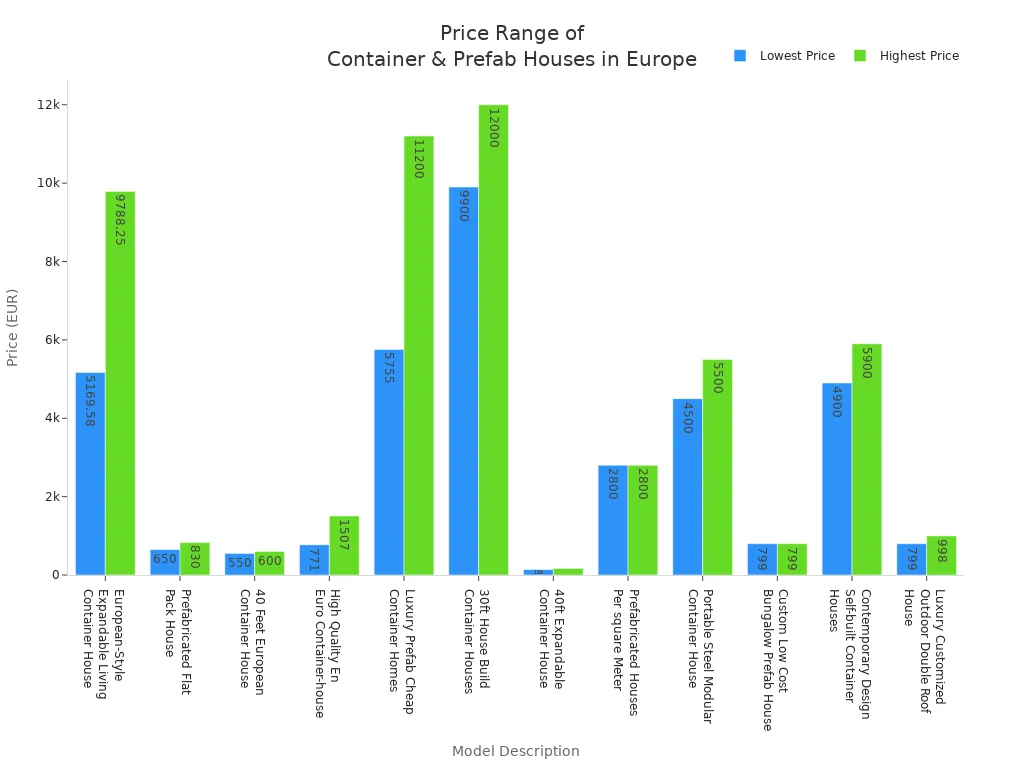
If you want a simple home, a container home might cost less. Some prefab homes cost more, but they often have better insulation and more features. Think about what you need before you decide.
Tip: Always check what comes with the price. Some homes include furniture, plumbing, or wiring. Others need more work after you buy them.
Long-Term Expenses
You might save money at first with container homes. But you should think about costs later too. Smaller homes usually mean lower bills. You pay less for taxes, repairs, and utilities. Prefab houses can cost more over time. You might need to fix the roof or pay more for heating and cooling.
“Container homes usually have lower costs each month because they are smaller. This means you pay less for taxes, repairs, and bills. Prefab houses might have extra costs like fixing the roof or paying more for energy.”
If you want to keep your bills low, a smaller home helps. You spend less on heating, cooling, and cleaning. Prefab homes give you more space, but you might pay more to take care of them. Think about your future budget, not just the price now.
Note: Ask about warranties and service plans before you buy. Some companies give free repairs for a few years, which can help you save money.
Durability And Insulation
Material Strength
When you look at how strong these homes are, you see some big differences. Foldable container homes use tough materials like corten steel and galvanized steel. These metals do not rust easily. They can handle rain, snow, and even salty air near the ocean. You get a home that stands up to harsh weather. Some container homes even have large steel braces and thick insulation panels. These features help the house stay safe during hurricanes or very hot and cold days.
Prefab houses use different materials. Many use wood, PVC, or sometimes concrete. These materials can last a long time, but they may not be as strong as steel. If you live in an area with strong winds or heavy storms, you might feel safer in a container home. Steel walls do not bend or break as easily as wood or plastic.
Tip: If you want a home that can handle tough weather, container homes give you extra peace of mind.
Insulation Issues
Insulation makes a big difference in how comfortable your home feels. Container homes often start with thin metal walls. Metal lets heat in during summer and lets it out during winter. You might feel too hot or too cold if you do not add good insulation. Some builders add thick panels or spray foam to help keep the temperature steady. Still, you may need to check for gaps or leaks, especially around doors and windows.
Prefab houses usually come with better insulation from the start. The walls are thicker and have layers that keep heat in or out. You will notice that prefab homes stay warmer in winter and cooler in summer. This means you spend less on heating and cooling bills. You also get fewer drafts and less noise from outside.
Here’s a quick table to compare:
Feature | Container Homes | Prefab Houses |
|---|---|---|
Wall Material | Steel | Wood/PVC/Concrete |
Weather Resistance | Very High | Moderate to High |
Insulation Quality | Needs Upgrades | Usually Good |
Comfort Level | Varies | Consistent |
Note: Always ask about insulation before you buy. Good insulation saves money and keeps you comfortable all year.
Energy Efficiency
Climate Control
You want your home to feel nice all year. Energy efficiency helps with this. Foldable container houses have trouble with climate control. Metal walls get hot quickly in summer. They lose heat fast in winter. You may need extra insulation. You might use more heating and cooling. This makes energy efficiency harder to keep high.
Prefab houses do better with climate control. Builders use thicker walls and better insulation. These homes keep the temperature steady. You use less energy for heating and cooling. Good energy efficiency saves money. It also helps the planet.
If you care about sustainable development, pick homes with strong insulation and smart climate control systems. These features help energy efficiency and make your home more eco-friendly.
Utility Costs
Energy efficiency changes your monthly bills. Foldable container houses can cost more to heat and cool. If you do not upgrade insulation, bills go up. You might pay more in places with extreme weather. Prefab houses often have energy-saving windows and doors. These features lower utility costs. They also make your home more comfortable.
Here’s a quick table to compare:
Feature | Foldable Container House | Prefab House |
|---|---|---|
Insulation Quality | Needs upgrades | Usually high |
Energy Efficiency | Lower | Higher |
Utility Costs | Higher | Lower |
When you pick a home, think about energy efficiency and sustainable development. A home with good energy efficiency uses less power. It helps the environment and saves you money.
Amenities And Customization
Standard Features
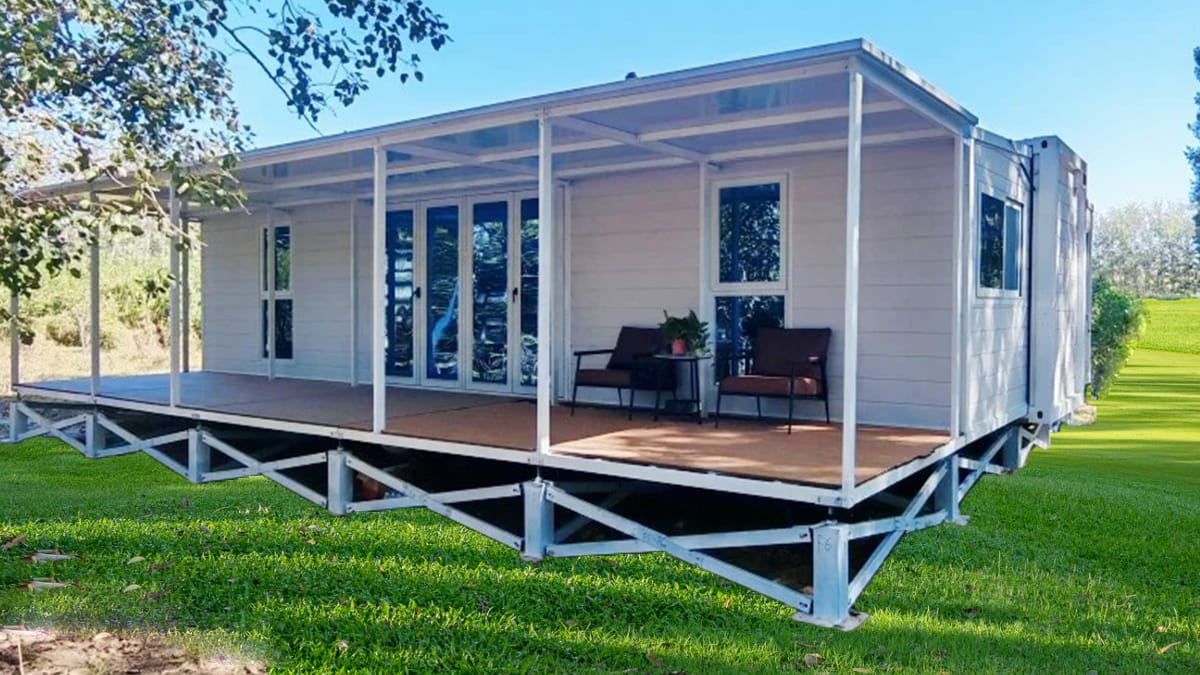
When you walk into a foldable container house, you see the basics. The walls are made of strong steel. The floors are plain and simple. You get basic doors and windows. Most models have wiring and plumbing already inside. You can move in fast because setup is easy. These homes often use recycled stuff, which helps the environment. There is a small kitchen and a tiny bathroom. The space feels small, but you have what you need.
Prefab houses feel different. The rooms are bigger and more comfortable. You get better insulation to keep you warm or cool. Many prefab homes have full kitchens and large bathrooms. There is extra space for storage. Some have windows and doors that save energy. These things help the planet too. The house feels cozy and looks like a regular home.
Tip: If you want a home that feels cozy and normal, prefab houses give you more features.
Upgrade Choices
You can upgrade a foldable container house in many ways. You can pick how thick you want the steel walls. You can choose different types of insulation and floors. There are many door and window styles to pick from. You can also pick wall panels like EPS sandwich, rock wool, PU sealed rock wool, or PU panels. These upgrades help keep your house warm or cool. They also make your home better for the environment.
Here’s a table to show some upgrade choices for foldable container houses:
Feature | Foldable Container Houses |
|---|---|
Material Options | Steel thickness, insulation, floorboard materials |
Customization | Door/window types, many upgrade options |
Wall Panel Options | EPS, rock wool, PU sealed rock wool, PU panel |
Installation Time | |
Cost | Higher than basic containers, lower than cluttered ones |
Prefab houses have upgrades too. You can pick more layouts, finishes, and appliances. You can add solar panels or smart home systems. You can choose fancy floors. These upgrades make your home nicer and help the planet. You can design your home to fit your style and needs.
Note: Always ask about upgrades before you buy. The right upgrades can save energy and help the environment.
Best Uses And Suitability
When To Choose Foldable Container Houses
You might want a foldable container house if you need something quick, affordable, and flexible. These homes work well when you want to move fast or keep your budget low. You can set them up almost anywhere, from a city lot to a quiet countryside. If you like modern, industrial looks, you’ll love the style.
Here are some great situations for foldable container houses:
You want a home in the city with a cool, warehouse vibe.
You need a vacation spot or a guest house for family visits.
You care about the environment and want to recycle materials.
You work from home and want a private office that’s easy to set up.
You dream of a tiny home or a minimalist lifestyle.
You want a pool house or a garden retreat that blends with nature.
You need extra rooms fast—these houses can unfold or slide out in minutes.
Foldable container houses are also a smart pick if you want to avoid high rental costs or if you plan to move your home later. They give you freedom and save money up front.
When To Choose Prefab Houses
Prefab houses shine when you want a permanent, comfortable home with more space and options. If you plan to stay in one place for a long time, prefab is a solid choice. These homes offer better insulation, more design choices, and higher energy efficiency.
Check out this table to see why prefab houses work well for long-term living:
Advantage | What It Means for You |
|---|---|
Cost Efficiency | You save money with smart building and less labor. |
Energy Efficiency | You get lower bills and a greener home. |
Quality Control | Your house is built strong and checked for problems. |
Prefab homes often come with triple-glazed windows and thick insulation. You can add solar panels or other green features. These upgrades help you save money every month and make your home eco-friendly.
Prefab homes are made in a factory, so you get steady quality and fewer surprises. If you want a house that lasts, feels cozy, and fits your style, prefab is the way to go.
Picking a foldable container house or a prefab house depends on what you want. Here are some main things to think about:
Factor | Foldable Container House | Prefab House |
|---|---|---|
Cost | Cheaper than regular houses | |
Customization | Special, modular styles | Flexible plans, looks nice |
Durability | Very strong, needs upgrades | Easy care, feels cozy |
If you want quick setup, green materials, or a cool style, a container house is a good choice.
If you want more room, comfort, and better value over time, prefab houses are best.
Make a list of what you need and look at your choices. Picking the right home helps it fit your life.
FAQ
What makes modular homes different from foldable container houses?
Modular homes are built in pieces at a factory. Workers put these pieces together on your land. Foldable container houses use shipping containers that open up. Modular homes have more design choices. They look and feel like regular houses.
Can you customize modular homes easily?
You have many choices with modular homes. You can pick the floor plan and finishes. You can add rooms if you want. Builders let you choose colors and cabinets. You can also pick windows. Modular homes help you match your style and needs.
Are modular homes energy efficient?
Modular homes save you money on bills. They use thick insulation and special windows. These homes keep heat inside in winter. They keep cool air inside in summer. You spend less on utilities. Modular homes help you live in a greener way.
How long does it take to set up modular homes?
You can move in quickly with modular homes. Most parts are built before delivery. Workers put the home together in days or weeks. You do not have to wait long. Modular homes let you settle fast and skip long building times.
Do modular homes last as long as regular houses?
Modular homes have strong walls and roofs. Builders use good materials. These homes stand up to bad weather and wear. You get a safe and sturdy place for many years. Modular homes last like regular houses.
Tip: Modular homes are great for families who want comfort, quick setup, and lots of choices.
Feature | Modular Homes | Foldable Container Houses |
|---|---|---|
Customization | High | Moderate |
Energy Efficiency | Excellent | Needs upgrades |
Setup Time | Fast | Very fast |
Durability | High | High |
Comfort | Superior | Basic |