


07 Dec What Are The Key Features And Benefits Of Foldable Container Houses
Table of Contents
You want a home that saves you time, money, and work. A foldable container house is a new way to live. It is special because it sets up fast, moves easily, and is very strong. Many people pick these homes now. They fix big problems with regular houses.
The world market for foldable container houses was about $3.2 billion in 2023. It may grow to $5.6 billion by 2032. This means more people trust this choice.
Concern | How Foldable Container Houses Help |
|---|---|
Installation Time | |
Labor and Cost Efficiency | Reduced labor expenses |
Resource Conservation | Uses recycled materials |
Flexibility and Adaptability | Easily relocatable and modifiable |
Key Takeaways
Foldable container houses are fast to set up. You can build them in just a few days. This saves you time and lets you use them right away. These homes do not cost a lot. Prices go from $25,000 to $250,000. They are cheaper than regular houses. The design is easy to move. You can take your home to a new place. This is good if you need to move or in an emergency. These homes are good for the planet. They use recycled materials and make less trash. This helps keep the environment safe. You can change the inside to fit your style and needs. This makes your home comfy and useful.
Features of Foldable Container House
Waterproof and Weather Protection
You want your folding container homes to stay dry and safe. Builders use insulation that keeps out water. They seal all cracks with strong weather strips and sealants. Waterproof coatings or membranes add more protection. Roofs need to be checked often to stop leaks. Flashing helps move water away from doors and windows. The welded steel frame makes your house strong. Wall panels protect against fire and water. This design helps your home stand up to wind and earthquakes. Your container mobile houses stay steady in storms.
Tip: Check seals and roofs often. This helps your folding container homes last longer and keeps water out.
Thermal Insulation
You want to feel good inside your folding container homes. Builders use glass wool for warmth and fire safety. Polyurethane keeps your house warm in winter and cool in summer. Rock wool is another choice for comfort. These materials help you save energy and money. Good insulation makes your folding container homes cozy and efficient.
Compact Design and Portability
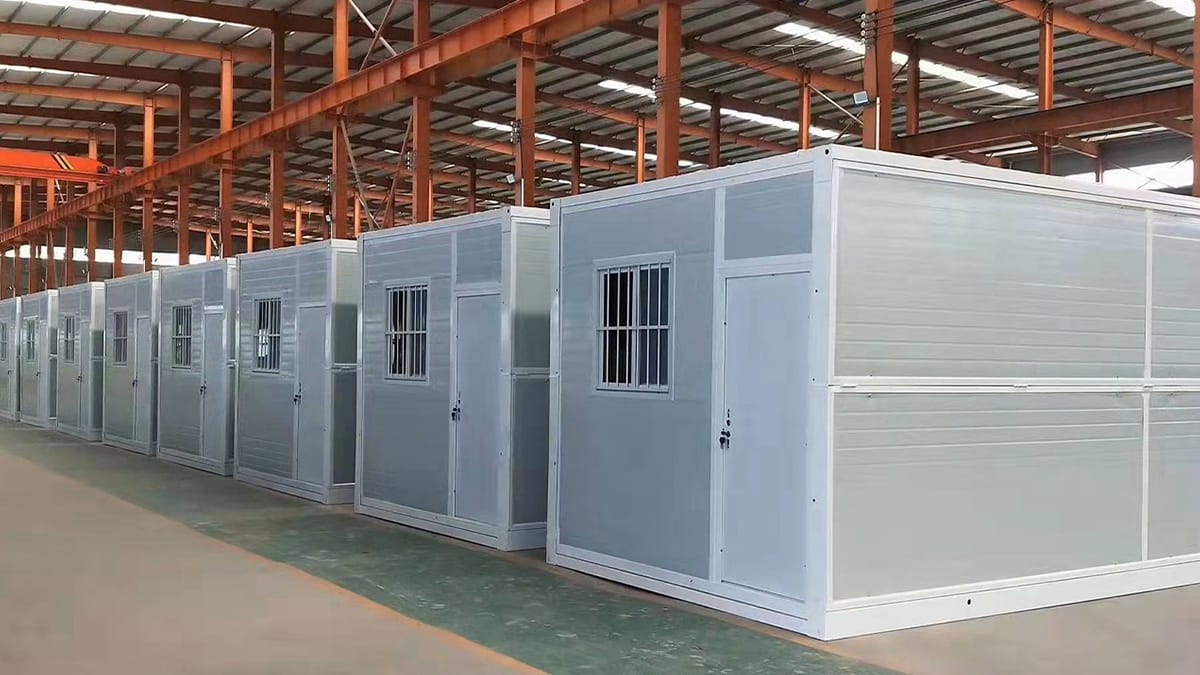
You can move your folding container homes easily. The foldable design lets you take apart services and remove cupboards. You can fold the house for transport. This makes your container mobile houses easier to move than regular shipping container homes. You can relocate your house fast. This is great if you need to move to a new place or job.
Feature | Benefit |
|---|---|
Compact structure | Fits in tight spaces |
Rapid deployment | Quick setup anywhere |
Quick Installation
You save time with fast building. Folding container homes set up much faster than regular houses. You can put together your house in just a few days. The smart design means you need fewer workers and less equipment. Rapid setup lets you use your new space almost right away. This is good for emergencies or temporary housing.
Durability and Service Life
You want your folding container homes to last a long time. Builders use welded steel frames for strength. Wall panels fight fire and water. Clean your container mobile houses often to stop rust and dirt. Rust-proof paint or sealant helps stop corrosion. Check seals and insulation often to keep energy use low. After storms, look at the house for safety. Utility systems like plumbing and electricity need regular checks. These steps help your foldable container house stay strong and safe for many years.
Customization and Space Efficiency
You can make your folding container homes match your style. Pick flooring like hardwood, laminate, or bamboo. Choose kitchen and bathroom fixtures that fit your needs. You can design open spaces for kitchen, living, and dining. Furniture like sleeper sofas saves space. Cozy room designs work well for small bed and breakfasts. Each room can have a private bathroom. Foldable container houses use every inch, so you live well even in small areas. This space-saving feature is better than regular modular homes.
Note: Smart layouts and furniture choices help you use every part of your folding container homes well.
Advantages of Folding Container House
Cost-Effectiveness
You want a house that does not cost too much. A foldable container house helps you save money. Builders use parts made in factories. This means you pay less for workers and supplies. The price to build and set up a folding container house is between $25,000 and $250,000. This is much cheaper than most regular homes. Some companies sell simple models for less than $50,000. The small size makes shipping cost less. Water and electric lines are already set up, so you pay less to install them. You get a good price and still have a safe, strong home.
Small size makes shipping cheaper
Fast building saves money on time
Tip: You can keep track of your spending with a foldable container house. You do not get surprise bills and you get more for your money.
Time-Saving
You want to move in fast. Folding container homes help you save time. Most work is finished in the factory. Your house comes almost ready to use. You can set up the main parts in less than two days. This is much quicker than building a regular house, which takes months. The whole process, from planning to building, takes only 4 to 6 weeks. You wait less and enjoy your new home sooner.
Description | |
|---|---|
Design and Planning | Experts make plans that fit your needs and land. |
Fabrication | Workers build parts with insulation, plumbing, and electric systems. |
Assembly | Teams bring the parts and quickly put together your folding container house. |
Most parts are ready to put together fast
Standard pieces make setup simple
Note: You save weeks or months compared to regular building. You get your new home quickly, which helps in emergencies or after disasters.
Versatility and Multiple Uses
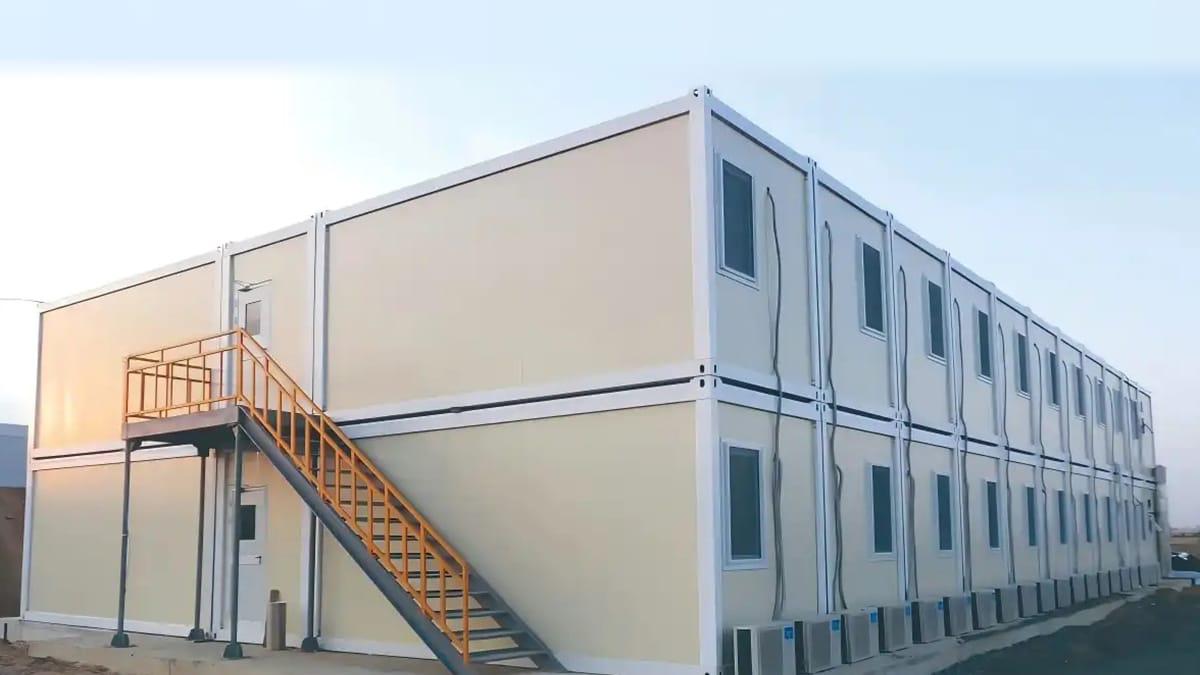
You want a house that can change with your needs. Folding container homes are flexible. You can use them for many things. They work as homes, offices, clinics, or places to stay in emergencies. You can make a classroom, a vacation home, or a workspace. The design lets you change rooms and add new things. You get a house that fits many places and jobs.
Setting | |
|---|---|
Emergency Housing | Fast shelters for disaster areas, holding up to 10 people. |
Residential Living | Homes with open rooms and low-cost places to live. |
Commercial Use | Offices, clinics, and classrooms that can move. |
Tourism and Hospitality | Rentals and camping homes in pretty places. |
You can use folding container homes in many ways
You get a house that changes with your needs
You save space and use rooms well
Tip: Folding container homes are smart for families, businesses, and emergency teams.
Portability to Remote Locations
You want a house that can go anywhere. Folding container homes are easy to move. You can take them to far away places without much trouble. Special trucks bring your house, and workers plan the trip. You need permits for some places, but it is not hard. It costs between $2,000 and $4,800 to move your house to a remote spot. You can set up your home quickly, even in tough places. Builders use insulation and weatherproof materials to keep your house safe. You stay comfortable and safe anywhere.
Container offices move as projects change
Quick setup means you wait less for your home
You can change your house to handle bad weather
Note: Being able to move your house gives you freedom. You can take your folding container house to places regular homes cannot go. You get a safe and cheap way to live or work in far away places or during emergencies.
Sustainability and Eco-Friendliness

Resource Conservation
Choosing a foldable container house helps the planet. Builders use steel that can be recycled. They also use other parts again. This makes less waste than normal building. Most work happens in a factory, so there is less trash. You can put your house together and take it apart many times. You use the same materials again instead of throwing them away. The house keeps heat inside and cold outside. This means you use less energy for heating and cooling.
Modular construction uses fewer new materials.
Reusing parts helps cut down on waste.
Good insulation saves energy.
You help lower the 400 million tons of waste made by building each year.
Sustainability is a smart way to build and live. You help save resources for the future.
Reduced Environmental Impact
You want a house that is good for nature. Sustainability means you make less pollution. These homes make 30% less carbon emissions than regular houses. Most building happens away from your land, so it stays cleaner. You can move your house without making new trash. You can change rooms or add space easily. You do not need new materials every time you change your house.
Certification/Standard | Year | Description |
|---|---|---|
2021 | International rules for building container houses. | |
CE Marking Guidelines for Prefabricated Structures | 2020 | European rules for safe building. |
Energy Efficiency in Portable and Modular Buildings | 2022 | U.S. rules for saving energy. |
Standards for Temporary and Relocatable Structures | 2021 | Australian rules for moving buildings. |
Guidelines for Prefabricated and Modular Construction | 2022 | Canadian rules for modular building. |
You feel safe because your house follows strict rules. Sustainability means your house lasts a long time. You do not need to get a new home often. You can change your house to fit your needs and still protect nature. You make good choices for your family and the earth.
Sustainability is not just popular. Every choice you make helps the world. You pick a home that lasts, saves energy, and keeps the planet clean.
Practical Considerations
Buying Tips
You want to pick the right foldable container house. First, check the size and layout. Make sure it fits your land and needs. Look at insulation and waterproofing. These keep you safe and comfortable. Ask what materials are used for walls and frames. Strong steel and good panels last longer. Check if plumbing and wiring are already in the house. This saves you time if they are included.
Checklist for Buyers:
Measure your land and match it to house size
Check insulation and waterproofing details
Ask about wall and frame materials
Review utility systems
Confirm local building codes
Tip: Always read the warranty and service terms before you buy. This protects you if something goes wrong.
Manufacturer Selection
You want a manufacturer you can trust. Look for companies with good reviews and lots of experience. Make sure they have clear certifications and safety rules. Ask about how they build and check their houses. Pick a company that helps you and answers your questions. Compare prices, but do not just pick the cheapest one. Good quality is important for long use.
Criteria | What to Look For |
|---|---|
Experience | Years in business |
Certifications | Safety and quality standards |
Customer Support | Fast and helpful responses |
Warranty | Clear coverage details |
References | Positive customer feedback |
Note: A good manufacturer helps you from planning to delivery. You get better results and fewer problems.
Shipping and Delivery Costs
You need to think about shipping and delivery costs. The price changes with distance, house size, and where you live. It costs more to send to far away places. Ask the seller for a full price before you buy. Check if the price covers permits and setup. Some companies deliver for free if you are close. You might pay more for cranes or special trucks.
Ways to Save on Delivery:
Choose a nearby manufacturer
Pick standard sizes for easier transport
Schedule delivery during off-peak times
Tip: Always ask for a breakdown of shipping costs. This helps you avoid surprise fees and budget better.
Foldable container houses are strong and safe places to live. They are easy to set up and move. You can use the space in a smart way. These homes help you spend less money. They are good for the earth too.
You can build them quickly
You can pick your own design
They use tough materials
They are better for nature
Think about if a foldable container house is right for you. You can feel comfortable, save time, and make a good choice for later.
FAQ
How long does it take to set up a foldable container house?
Most foldable container houses are ready in one to three days. This is quick because most building happens in the factory.
Tip: Ask your supplier how long your model takes to set up.
Can you customize the design of your foldable container house?
You can pick the layout, colors, and fixtures you like. Many builders let you choose wall panels, floors, and kitchen styles.
Pick the size of each room
Add more bathrooms
Move windows to new spots
Are foldable container houses safe in bad weather?
These houses keep you safe with strong steel frames and waterproof panels.
Feature | Protection |
|---|---|
Steel Frame | Stops wind and impact |
Sealed Walls | Blocks rain and moisture |
Insulation | Keeps out heat and cold |
What maintenance do you need for a foldable container house?
Check the seals, clean the outside, and look for rust often. Paint or seal metal parts every year to protect them.
Note: Taking care of your house helps it last longer and keeps you safe.