
23 Nov Exploring Different Types of Foldable Prefab Houses
Table of Contents
Foldable prefab houses give people new ways to live. More people like them because they build fast, cost less, and can be changed. The foldable house market may reach $12.28 billion by 2028. It grows about 9.2% every year.
The market goes from $8.55 billion in 2024 to $9.31 billion in 2025.
By 2029, it might be $13.4 billion.
There are many foldable prefab house types. Some are flat pack container houses, detachable container houses, expandable container houses, foldable container houses, and flat pack foldable container houses. When you look at these houses, think about how easy they are to move, how you can change them, and what you want to use them for.
Key Takeaways
Foldable prefab houses are quick to build. They do not cost a lot. Many people like them for modern living.
There are different types of foldable houses. Expandable and modular houses have special features. You can change them to fit your needs.
These homes are easy to move. You can set them up fast. They give flexible living for emergencies, travel, or staying forever.
Sustainability is a big benefit. Many foldable houses save energy. They use materials that are good for the environment.
When picking a foldable prefab house, think about your budget. Think about how much space you need. Think about how often you will move.
Main Foldable Prefab House Types
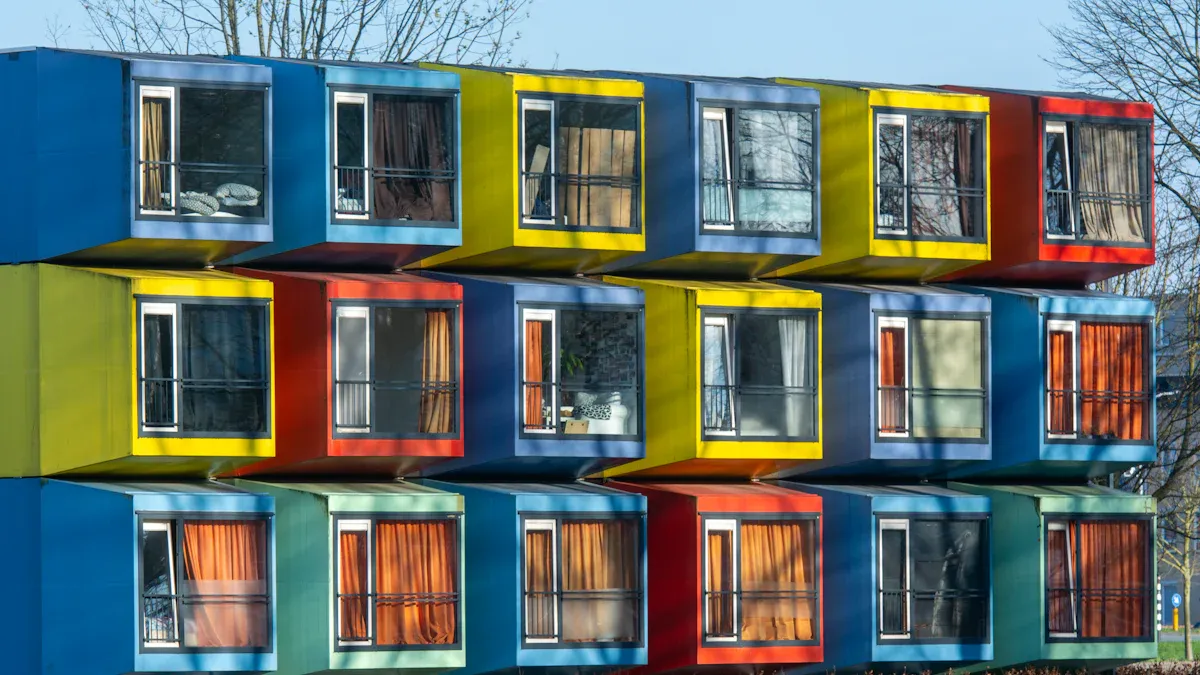
When you look at foldable prefab house types, you see many choices. Each type has special features and ways to put together. They also have different benefits. If you learn how each type works, you can pick the best one for you.
Expandable Foldable Houses
Expandable foldable houses give you more room by unfolding. You start with a small unit. You open it up to make it bigger. These houses use light steel frames. This makes them strong and tough. You can set up the main part in about 20 minutes. The systems are already installed. Many models let you change the outside and inside. You can make it fit your style and needs.
Here is a table that shows the main parts:
Feature | Description |
|---|---|
Light Steel Frame Structure | Makes the house strong and tough, like regular homes. |
Modular Design | Lets you add more space, from one to three stories. |
Integrated Systems | Systems are ready to go, so setup is fast, about 20 minutes. |
Customization Service | Lets you pick how the outside, inside, and features look. |
Expandable foldable houses save 60% of the time to build. You can use them for short or long-term homes. The steel makes moving and setting up easy.
Modular Foldable Homes
Foldable modular homes use connected modules. You can add or take away modules to change the size. These homes use strong materials like galvanized steel, aluminum panels, and marine plywood. They have good insulation with glass wool, polyurethane, or rock wool. The outside uses light roofs and metal windows and doors. Special coatings protect the house from rust.
Foldable modular homes have these features:
New designs with patents.
Nice finishes like stone tops and strong steel frames.
Layouts that let you make bigger spaces.
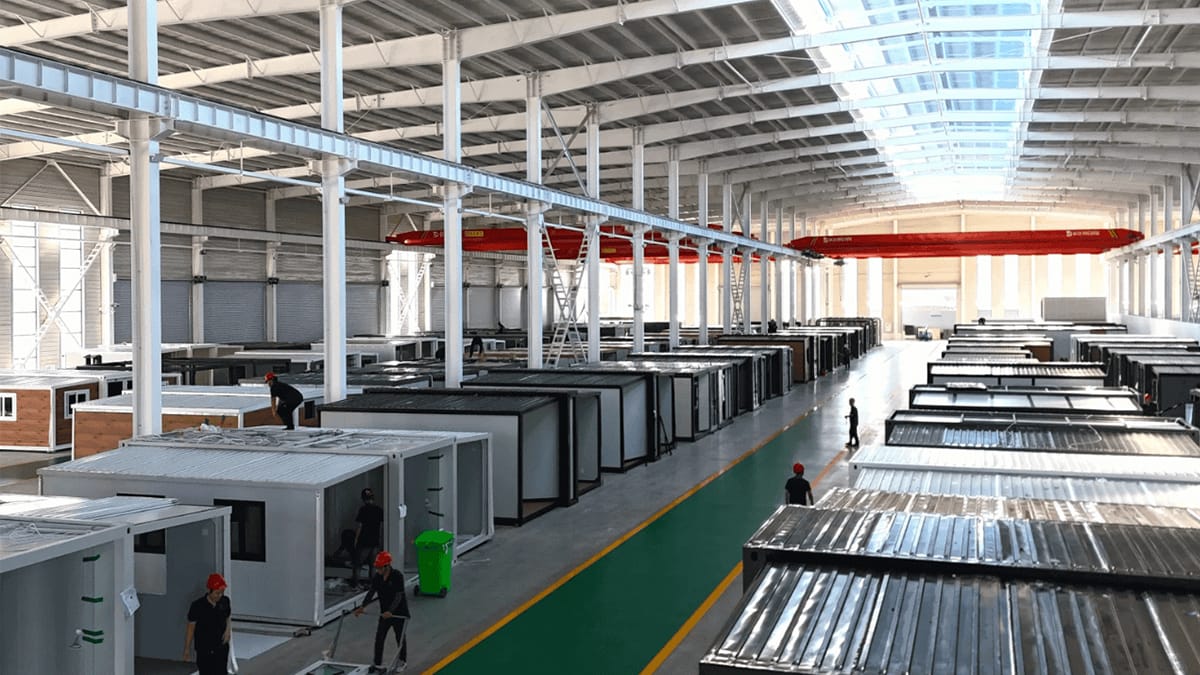
Fast building in factories, so less work on site.
Easy to move because they come ready to use.
Advanced technology and certifications in many places.
Foldable modular homes give you good quality and choices. You can live in them full-time or move them without losing quality.
Container-Based Foldable Houses
Container-based foldable houses use shipping containers for the main part. You get a strong home that lasts 20-30 years. With care, it can last 40-50 years. These houses have great insulation. Thermal bridge insulation saves over 60% energy. Outside louvers cut window energy use by about 40%. Many models use solar panels and save energy. This helps the environment.
You get these benefits:
Quick setup and easy to move.
Strong steel for safety and long life.
Energy-saving design with good insulation.
Choices for using renewable energy.
Container-based foldable houses work for short or long-term homes. You can use them in cities, far away places, or for emergencies.
Steel Frame Foldable Houses
Steel frame foldable houses use cold-formed steel for the main part. You get a home that does not get mold, rot, or bugs. Steel does not bend or break in wet places. It works well in damp areas. Welded and bolted parts make the house strong. You spend less on fixing it because steel stays strong.
Here is a table that shows the good points:
Advantage | Description |
|---|---|
Steel does not rust easily, so it works well in many places. | |
Strength of Connections | Welded and bolted parts are very strong and easy to check. |
Dimensional Stability | Steel stays straight and correct, so it lasts long when built. |
Steel frame foldable houses are easy to move and put together. You can use them for short-term homes, help after disasters, or as offices. They are light, so moving and setting up is fast.
Customizable Tiny Foldable Homes
Customizable tiny foldable homes give you a small space you can change. You plan the layout for what you need. You can buy furniture that does many things. You add smart storage. Natural light makes the space feel bigger. You pick finishes for the inside and outside. Many tiny foldable homes use energy-saving systems and smart tech. You can build a tiny house to travel or stay in one place.
People use tiny foldable homes for:
Cheap homes for people in cities.
Temporary homes for families in flood areas.
Emergency shelters for disasters.
Pop-up classrooms for schools.
Modular offices for work.
Tiny foldable homes give you choices, easy moving, and ways to change them. These foldable prefab house types help with many housing problems.
Tip: When you pick a foldable prefab house type, think about how much space you need, how often you will move, and what features you want.
Features and Benefits of Foldable Prefab House
Structure and Materials
Foldable prefab houses use strong and safe materials. Most panelized homes use steel, wood, and concrete. These materials help the house last longer. They also keep you safe. The table below shows how foldable houses compare to regular homes:
Feature | Foldable Prefab Houses | Traditional Homes |
|---|---|---|
Structural Integrity | Reinforced with steel panels and composite materials | Varies, often wood or brick |
Environmental Resistance | Designed to withstand heavy rain, strong winds, and snow | Depends on construction quality |
Wind Resistance | Can withstand winds up to 120 mph | Varies, typically lower |
Panelized homes stand up to tough weather. You get safety and comfort in every season.
Portability and Assembly
Foldable houses are easy to move and set up. You can take a panelized home almost anywhere. A 20ft house folds down to a small size. It weighs about 2,500 kg. Some models, like the Smart Folding Design Smart House, take only 8 hours to build. You save time and effort with these homes. You can set up your space fast. Use it as a home, office, or classroom.
Customization and Living Options
You can pick from many choices with foldable houses. Panelized systems let you choose the layout and finishes. You can add smart technology too. The table below shows some features you can select:
Customization Type | Description |
|---|---|
Exterior Customization | Paint colors, cladding materials like metal or bamboo |
Interior Customization | Flooring, kitchen fixtures, custom cabinets |
Sustainable Customization | Eco-friendly materials, energy-efficient designs |
Technological Integrations | Automated lighting, climate control |
Panelized homes give you flexible ways to live. You can use them as vacation homes, offices, or floating houses.
Use Cases and Applications
Foldable prefab houses work in many places. In cities, you can use them for cheap housing or classrooms. Panelized homes help during emergencies. You can set them up fast for families or first responders. They can be medical centers or community spaces. For fun, you can use panelized homes as cabins or travel houses. You get a solution that fits your needs.
Tip: Foldable panelized homes give you safety, speed, and flexibility. You can enjoy modern living with less trouble.
Comparing Foldable Prefab House Types
Cost and Affordability
Foldable prefab houses come in many price ranges. Some cost less than $1,000. Others can be as much as $15,000 for top models. Look at the table to see the average prices:
Type of House | Cost Range |
|---|---|
Entry-level folding houses | $900 per unit |
Premium commercial-grade systems | |
Most B2B solutions | $1,200 – $5,000 |
Prefabricated tiny houses (consumer) | $900 – $8,000 |
Folding House Expandable Modular Home | $1,550 – $1,700 |
Pre Fabricated Folding Pack | $899 – $1,399 |
High Quality Double Story | $850 – $950 |
You can pick a house that fits your money and needs. Small houses cost less and are good for short stays. Bigger houses have more things and are more comfortable.
Transport and Setup
Moving foldable prefab houses can be simple or hard. You need to think about roads, weather, and how to get to the site. Some mountain roads are small and twisty. You might need to take the house apart into smaller pieces. Steep hills need strong trucks and good drivers. Weather can change fast and slow you down. Far away places may need helicopters or special trucks. Local laws might limit truck size or when you can deliver.
Tip: Always plan your move. Check the roads, weather, and local laws before you move your house.
Sustainability and Durability
Foldable prefab houses can be safe and good for the planet. Many have special safety and green certificates. Some have fire safety and no-asbestos certificates. Some meet Australian electrical safety rules.
Basic foldable houses are good for short use but do not last as long.
Fancy foldable houses last longer and keep heat in better.
Custom foldable houses let you pick extra strong features.
You can find a house that is safe and lasts a long time.
Choosing the Right Type
You should think about a few things before you pick a foldable prefab house. Here is an easy checklist:
Know why you need the house, like for living, work, or storage.
Count how many people will use it.
Think about how often you will move it.
Write down what you need, like lights or plumbing.
Decide how much money you can spend.
Check the local building rules.
Make sure you have a strong base for the house.
See if you can get water, power, and sewage.
Look for ways to change the layout or look.
Learn how the house will be delivered and set up.
Where you live is important too. Hot places need good airflow and big roofs. Cold places need thick walls and sloped roofs. If you live where it floods, pick a house that sits up high.
Note: There is a foldable prefab house for almost any need. Use this checklist to help you pick the best one for you.
There are lots of foldable homes to pick from. Expandable houses set up fast and give more space. Modular homes let you change how rooms are arranged. Container-based houses use strong steel and save energy. Steel frame homes do not get mold and last a long time. Custom tiny homes match your style and what you need. Patented prefab foldable homes have good quality and special designs. When you look at different home types, use this table to help you choose what matters most:
Factor | Details | Importance |
|---|---|---|
Budget | Initial cost and long-term expenses | High |
Design | Aesthetic appeal and functionality | Medium |
Size | Square footage, number of rooms | High |
Customization | Options for personal touches | Medium |
Materials | Quality and sustainability of building materials | High |
Location | Zoning restrictions and access to utilities | High |
Energy Efficiency | Energy-saving features, roofing, insulation | High |
Construction Time | Speed of assembly and occupancy | Medium |
Think about your budget and where you want to live. Decide how much you want to change your home. Foldable homes let you live in many ways. Keep looking at new foldable homes to find the one that works best for you.
FAQ
What makes prefabricated homes different from traditional houses?
Prefabricated homes are made in a factory. Workers put the parts together before they send them out. This way, building goes faster than with regular houses. There is less trash left over. Prefabricated homes usually cost less money. They use new and modern materials.
Can you customize prefabricated homes to fit your needs?
You have many choices for prefabricated homes. You can pick the layout, finishes, and features you want. Some let you add smart technology. You can also choose eco-friendly materials. This helps you make the home fit your style and needs.
How long does it take to set up a prefabricated house?
Most prefabricated homes can be set up in a few days. Some only take a few hours. The main parts are built in the factory. Workers bring them to your site and put them together. This saves you time compared to building a house from nothing.
Are prefabricated homes strong and safe?
Prefabricated homes are strong and safe. Factories use steel, concrete, and other tough materials. These homes pass safety tests. Many can stand up to wind, rain, and snow. You can trust them to last for many years.
Where can you use prefabricated homes?
You can use prefabricated homes in cities, country areas, or far away places. They work well for families, offices, schools, and emergency shelters. Some can be moved if you need to go somewhere else. Prefabricated homes give you lots of options.