


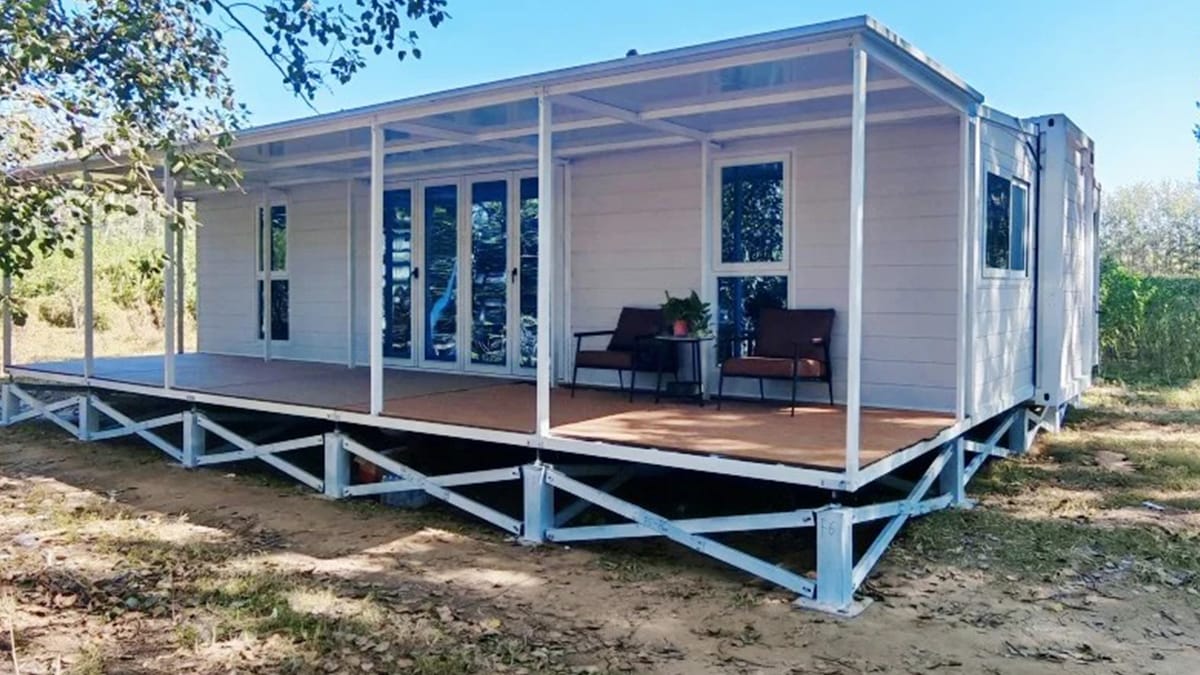
22 Nov What Is the Lifespan of a Foldable Prefab House?
Table of Contents
You may ask how long a foldable prefab house lasts. New data shows these homes stay strong for many years.
Most foldable prefab houses last 30 to 50 years.
Some can last 60 years or more with good care.
Knowing how long they last helps you choose wisely. The materials, how you take care of it, and the weather all matter. Here is a quick look at what affects how long they last:
Factor | Description |
|---|---|
Quality | Strong materials help your home last longer. |
Maintenance | Taking care of your house keeps it in good shape. |
Structure | Good design and the right spot help your home handle bad weather. |
Eco-friendliness | Green choices lower harm and make your home easier to care for. |
Regular homes, like brick or stone ones, can last over 100 years. But they often need more care. With good care, your prefab home can stay safe and comfy for a long time.
Key Takeaways
Foldable prefab houses can last 30 to 60 years. Good care can help them last even longer.
Using strong materials helps the house last longer. Regular checks are important too. Pick materials that can handle bad weather.
Where you put your house matters a lot. Houses in dry places last longer. Houses near the ocean or in wet areas do not last as long. Salt and water can damage them.
Building your house the right way keeps it safe. It helps your house stand up to bad weather.
Good insulation helps your house last longer. Energy-saving systems also help. They can lower your energy bills.
How Long Do Foldable Prefab Houses Last
Lifespan Range and Expectations
When you look at foldable prefab houses, you might ask, “How long do they last?” The answer is better than you may think. Most foldable prefab houses last from 30 to 60 years. This number comes from what experts and makers say. If you care for your house, it can last even longer.
Let’s check what some top companies say about how long these homes last:
Source | Longevity Expectation |
|---|---|
Autonomous | Prefab homes can last decades, comparable to regular houses. |
Modular Genius | Permanent modular buildings have a lifespan of at least 50 years. |
Tri-Town Construction | Modern modular homes can last 50 to 100 years or more with proper care. |
You can see that prefab homes last a long time. With good materials and care, your foldable prefab house can last as long as many regular homes. If you want your house to last, you should focus on a few important things.
Factors That Impact Longevity
You may wonder, “What helps a foldable prefab house last longer?” Many things matter. Let’s look at the main things that change how long prefab homes last:
1. Material Quality
The materials in your house are very important. Some homes use light materials like aluminum, high-strength steel, or fiberglass. These make the house easy to move and keep it strong. Others use tough and weather-resistant materials like galvanized steel or treated wood. These stop rust and damage from weather, so your house lasts longer. Eco-friendly choices like recycled steel, reclaimed wood, and natural insulation help the planet too.
Material Type | Characteristics | Impact on Longevity |
|---|---|---|
Aluminum, high-strength steel, fiberglass | Enhances portability and structural integrity | |
Durable and Weather-Resistant | Galvanized steel, treated wood | Resists corrosion and weathering, ensuring longevity |
Recycled steel, reclaimed wood, natural insulation | Reduces environmental impact and promotes sustainability |
2. Climate Effects
Where you put your house changes how long it lasts. If you live in a dry area, your foldable prefab house can last up to 30 years with care. If you live near the ocean or in a wet place, it may last only 15-20 years. Salt and water can make it rust faster. Bad weather, like lots of rain or strong winds, can also change how long it lasts.
Climate Type | Lifespan (Years) | Key Factors Affecting Lifespan |
|---|---|---|
Inland Dry Areas | Up to 30 | Low salt spray and humidity, regular maintenance |
Coastal/High-Humidity Areas | 15-20 | Salt spray and moisture accelerate corrosion |
Extreme Climate Zones | Variable | High temperatures, strong winds, heavy rain impact |
Prefab houses are made to handle different weather. Hot places may have shiny roofs and special walls. Cold places use thick insulation and special breaks. Wet places use coatings and barriers to stop rust and water.
3. Maintenance and Upkeep
If you want your foldable prefab house to last, you must take care of it. Here are some easy tips:
Look at the base, walls, windows, and roof for problems.
Make sure water drains well and paint is not peeling.
Keep the air system working to stop water drops inside.
Clean off rust and paint steel parts often.
Get ready for each season, like snow in winter or water in spring.
Use strong materials that meet the rules.
Have experts build your house the right way.
Use waterproof paint and check for rust a lot.
Use good insulation and keep air moving inside.
Taking care of your house helps it last longer. If you do these things, your foldable prefab house can last many more years.
4. Construction Standards
How your house is built is just as important as the materials. Builders use wood or steel frames. Wood can last up to 50 years. Steel can last even longer. Roofs made of asphalt shingles last 20-30 years. Metal or tile roofs can last over 50 years. Good insulation and strong siding, like vinyl or fiber cement, keep your house safe from weather and save energy.
Tip: If you want your foldable prefab house to last a long time, make sure your builder follows all the rules. This helps your house stay strong in bad weather and daily use.
When you add all these things together, you can see how long prefab homes last. The average time depends on what you choose, where you live, and how you care for your house. If you pay attention to these things, your foldable prefab house can last many years and give you a safe, nice place to live.
Key Factors for Long-Lasting Prefab Homes
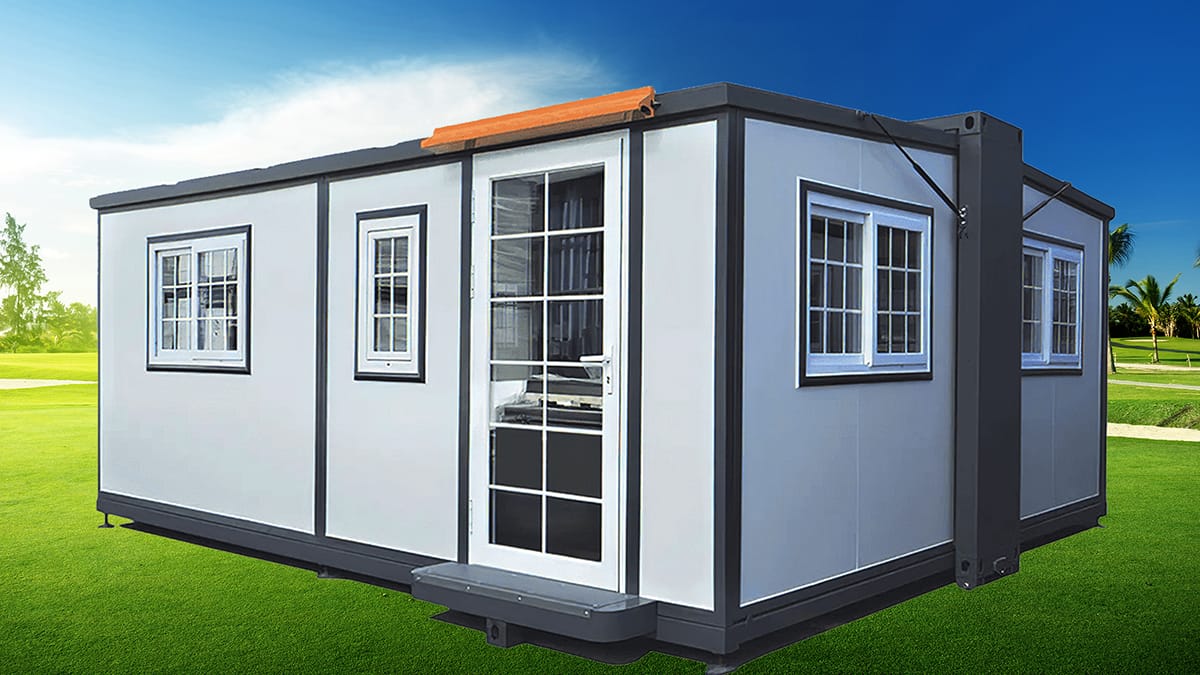
Material Quality
To make your prefab house last, you must pick good materials. Strong materials help your house stay safe for many years. Steel frames and insulated panels can help homes last over 40 years. Timber and steel make the house strong and safe. Check this table to see which materials are best:
Material | Durability Features |
|---|---|
Steel | Rust proof, water and insect resistant |
Cement Boards | Strong, resistant to cracking |
Polyurethane Foam (PUF) | Insulates against heat and cold, reduces noise |
Choosing strong materials gives you a house that lasts. Your home will handle daily use and stay reliable.
Climate Effects
The place you put your prefab house is important. If you live where storms are common, your house needs to be tough. Many prefab homes use steel frames and strong materials. These houses can stand up to winds as fast as 180 mph. They can also handle flying objects during storms. Builders use special ways to make homes safer. You can feel safe because your house is built to last.
Maintenance and Upkeep
Taking care of your prefab house is very important. You should check your house often for problems. Look for rust, leaks, or damage. Clean away dirt and trash to keep materials strong. Doing these things helps your house last longer. If you keep up with care, your home will last for many years.
Construction Standards
How your house is built matters a lot. Builders must follow the rules and use the right ways to build. Many modular homes use steel frames for extra strength. Rules like ANSI, AAMA, and ASTM help keep homes safe. If your house meets these rules, it will last longer. You can trust your prefab house to stay strong in bad weather.
Tip: Ask your builder what rules they follow. This helps you know your house is built to last.
How Long Do Modular Buildings Last Compared to Traditional Homes
Lifespan Comparison
You may ask how long modular buildings last next to regular homes. Studies say modular buildings can last more than 50 years if you care for them. Traditional homes can also last over 50 years with good care. Both types of homes have about the same average lifespan. You get a strong house that lasts a long time.
Modular homes can last more than 50 years if you take care of them.
Traditional homes often last over 50 years with good care.
Durability and Strength
Modular buildings use strong materials and smart designs. Builders use galvanized steel, corten steel, and aluminum composite panels. These materials stop rust and keep your house strong in bad weather. Thick insulation panels help keep your house warm or cool. Fireproof doors make your house safer. Your home can handle storms and very hot or cold days.
Feature | Benefit |
|---|---|
Galvanized Steel Framework | Stops rust and makes the house strong |
Insulation Materials | Helps keep the house warm or cool |
Fireproof Doors | Makes the house safer and stronger |
Aluminum Composite Panels | Protects the house from bad weather |
Heavy Insulation Panels | Makes the house last longer |
Prefab and modular buildings often meet or beat the strength of regular homes. Folding houses are best for short-term use, so they do not last as long as modular or regular homes.
Cost vs. Longevity
You spend less money when you pick modular buildings. The first cost is usually lower than a regular house. You do not need to fix things as often because the materials last longer. Good insulation and energy-saving systems help you pay less for power. Modular buildings let you add or change rooms easily.
Aspect | Description |
|---|---|
Initial Investment | Usually costs less than regular homes, so you save money. |
Durability | Strong materials mean you do not need to fix things often. |
Energy Efficiency | Good insulation and energy-saving systems lower your bills. |
Flexibility | You can add or change rooms without big changes. |
Tip: If you want a house that lasts and saves you money, modular buildings are a smart pick. You get a strong house, more choices, and good value for many years.
Maximizing Lifespan of Your Foldable Prefab House

Regular Maintenance Tips
You want your tiny prefab homes to last a long time. The best way to do this is by taking care of your house. When you check your house often, you can find small problems early. This stops them from getting worse. Here are some easy tips for taking care of your home:
Check for leaks, rust, and things that look worn out.
Look at the insulation and see if water has caused damage.
Make sure the hinges and moving parts move easily.
Clean the surfaces and get rid of dirt or trash.
If you check your house on a schedule, you can find problems fast. This keeps your tiny prefab homes safe and nice to live in. Taking care of your house means you fix things before they break. Your home will look good and work well for a long time.
Upgrades and Repairs
Upgrades and repairs help your tiny prefab homes stay strong. You should not wait for things to break. Plan repairs and upgrades to keep your house safe. Here is a table that shows how often you should do big upkeep:
Maintenance Task | Frequency |
|---|---|
Sealant inspection | Annually |
Hinge lubrication | Annually |
Exterior coating touch-ups | Annually |
Structural components inspection | Every 5 years |
Average maintenance cost | 2-3% of initial investment annually |
If you do regular maintenance, you will not have big repair bills. Tiny prefab homes need new paint, sealant, and working hinges. Taking care of your house helps you enjoy it for many years.
Tip: Upgrade your insulation and windows to save energy and make your home work better.
Choosing the Best Location
Picking the right place for your tiny prefab homes is important. The weather and where you put your house change how long it lasts. If you live where the weather is rough, your house can get damaged faster. High humidity, saltwater, strong winds, and heavy snow can hurt your house. You should pick a safe, dry place with good drainage.
Where you live and the weather are very important.
Hot or wet weather can wear out your house faster.
Saltwater can make metal parts rust.
Strong winds and snow can put stress on your house.
When you think about taking care of your house, the place you put it matters a lot. If you care for your house and pick a good spot, your tiny prefab homes can last for many years.
You have learned that foldable prefab houses can last 40 to 70 years. Some can even last up to 80 years with the best materials and good care. If you pick strong materials and take care of your house, it will stay safe for a long time. Your house will also be comfortable for many years. The weather and how your house is built are important, too.
Tip: To make your house last, take care of it and make smart changes. Foldable prefab houses are flexible, cost less, and give you a home that lasts a long time.
FAQ
How do you clean a prefabricated house?
Use mild soap and water to clean your house. A soft brush works well for walls and windows. Do not use strong chemicals. Look for mold or dirt often. Cleaning your house often keeps it looking nice and helps it last longer.
Can you move a prefabricated house to a new location?
Most prefabricated houses can be moved. You need experts to help move your house. Moving lets you live somewhere new if you need to. Always check the local rules before moving your house.
What is the best way to insulate a prefabricated house?
Foam panels or fiberglass are good for insulation. These keep your house warm in winter and cool in summer. Good insulation saves energy and makes your house feel better. If you feel drafts or the temperature changes, upgrade your insulation.
Are prefabricated houses safe in storms?
Prefabricated houses can stand up to strong winds and rain. Builders use steel frames and strong panels to keep you safe. After a storm, check your house for damage. If you live where storms happen a lot, ask your builder about extra safety features.
How do you repair damage in a prefabricated house?
You can fix small problems by yourself. For bigger damage, call a professional for help. Replace broken panels, seal leaks, and check the roof often. Fixing problems quickly keeps your house strong and safe. Always use the right materials for repairs.