


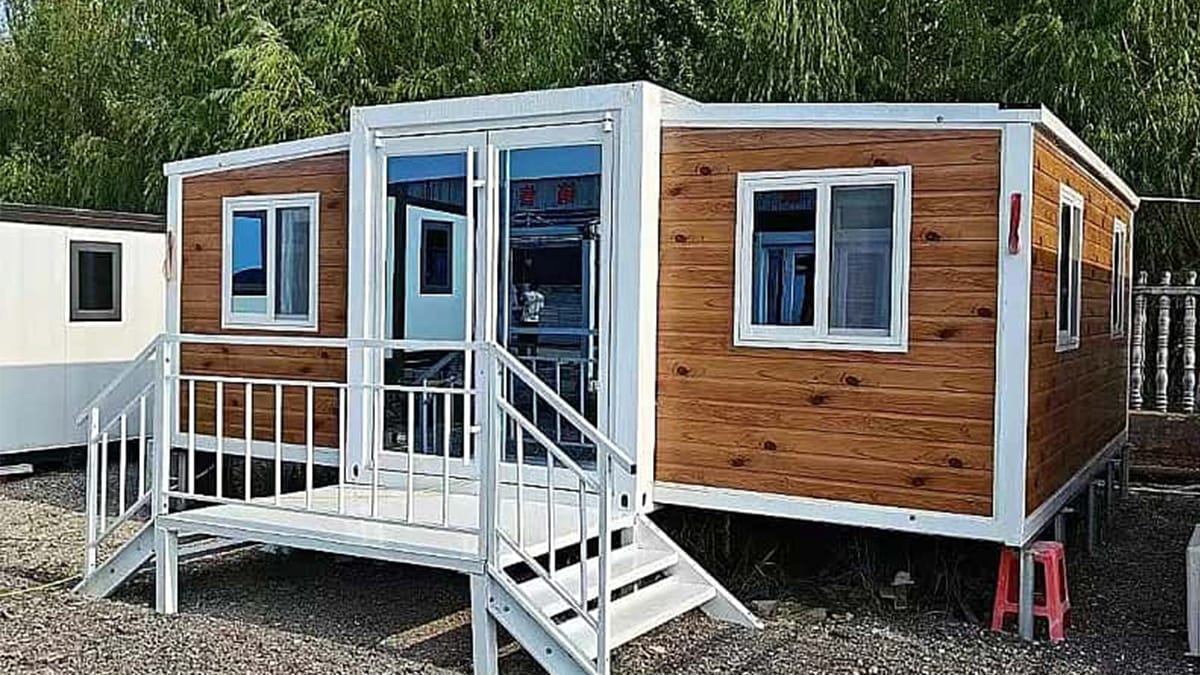
01 Dec What to Look for When Choosing a Collapsible Container House
Table of Contents
When you pick a collapsible container house, look at how strong it is. Check if it keeps heat in well. See if you can set it up or move it easily. A collapsible container house folds up for travel. It opens quickly, so it is a good choice for many things. Look at the table below to see how people use a collapsible container house:
Application Type | Description |
|---|---|
Residential | Cheap, earth-friendly homes for families or trips. |
Commercial & Industrial | Offices, stores, or storage, good for work or business. |
Emergency Housing | Fast shelter in disasters, safe and strong for people who need it. |
Think about how you want to use your collapsible container house. Decide what is most important to you. Think about how much money you want to spend. This helps you pick a collapsible container house that fits your needs. You can live, work, or help others with it.
Key Takeaways
Check how strong and warm the collapsible container house is. This helps make sure it is comfortable and lasts a long time. Think about how you will use the house and what local rules say. Pick the right size and features for what you need. Choose good materials to save money on repairs later. Good materials also help keep you safe. Look at ways to change the house so it feels like home. Make sure it fits how you want to live. Plan your budget well. Remember to include all costs, like permits and upgrades.
Collapsible Container House Basics
Structure and Materials
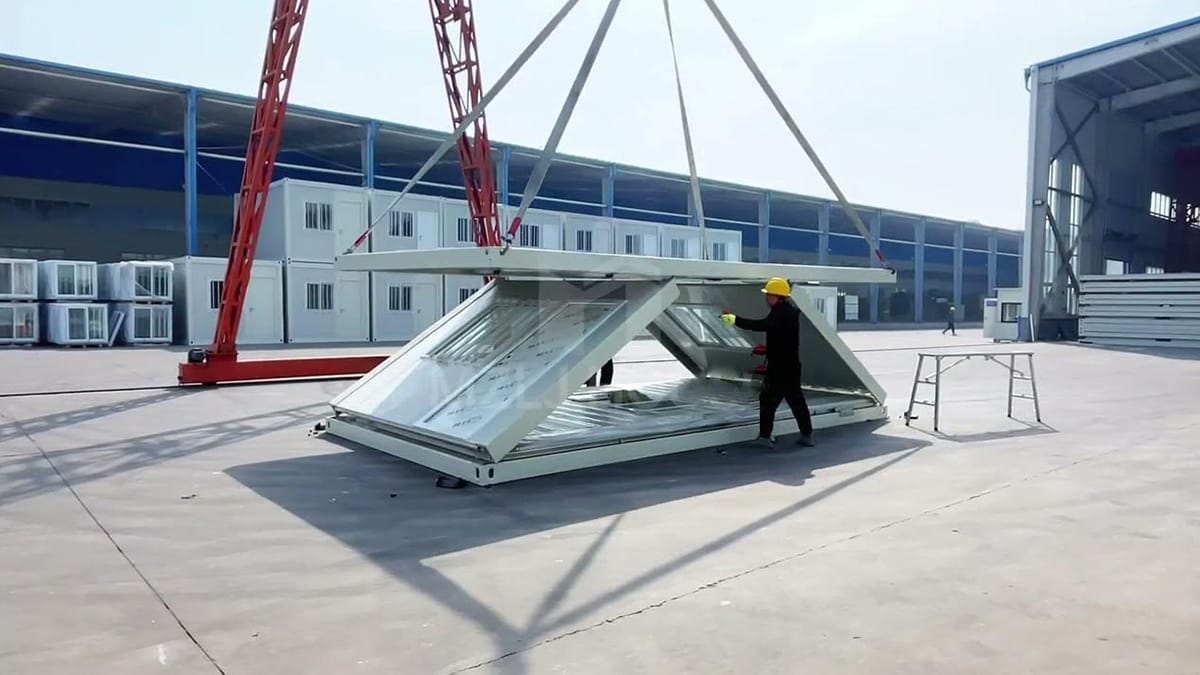
When you look at flat-pack container homes, check what they are made of. Good materials make your home strong and safe. Most flat-pack container homes use steel frames and galvanized structures. These help your house stand up to wind, rain, and snow. Corten steel and galvanized steel do not rust or bend easily. Composite panels and UV-resistant coatings give extra protection. If you choose high-quality materials, you will spend less on repairs later. Cheaper materials might save money now, but you could pay more for fixes later.
Here’s a table that shows what each material does:
Material | Properties |
|---|---|
Corten Steel | Strong, lasts long, does not rust |
Galvanized Steel | Does not rust or bend, lasts longer |
Composite Panels | Fire-rated, UV-resistant, built to last |
Rock Wool | Keeps heat in, saves energy |
Safety is important too. Look for flat-pack container homes with certifications like ISO, CE, and UL. These show your home follows safety rules for structure, fire, and electricity. Local building codes matter, so check what your area needs.
Insulation and Systems
You want your flat-pack container home to feel good all year. Good insulation keeps you warm in winter and cool in summer. Rock wool and expanded polystyrene work well in sandwich panels. Polyurethane panels are great for cold places because they keep heat inside. Double-glazed windows help keep the temperature steady. They cut heat loss by almost half compared to regular windows. If you live somewhere cold, you might add radiant floor heating or a wood stove. Insulated doors with tight seals also keep out drafts.
Tip: Always ask about insulation and heating systems before you buy. This helps your flat-pack container home stay cozy and save energy.
Flat-pack container homes with strong materials and good insulation give you safety, comfort, and lower bills. You get a home that lasts and feels nice to live in.
Define Your Needs and Layout
Intended Use and Location
Before you choose an expandable container house, think about how you will use it. Will you live in it all the time, use it for vacations, or work in it? Your reason for buying changes what size and features you need. You also need to know where you will put your expandable container house. Some places have strict building rules. Always check local codes and get permits before you start.
Here’s a table to help you see what is most important when you pick your use:
Factor | Description |
|---|---|
Size and Configuration | Choose if you want one module or more for extra space. |
Material and Construction | Pick strong materials so your house lasts and stays safe. |
Mobility and Transportation | Find expandable features that make moving easy and safe. |
Customization Options | Look for ways to change the inside, like layouts or special features. |
Regulations and Permits | Make sure your house follows local rules and laws. |
Budget Considerations | Think about your money and compare costs with future savings. |
Tip: Write down your top three needs before you shop for expandable prefab homes. This helps you stay focused and avoid problems.
Expandable Prefab Homes: Layout Options
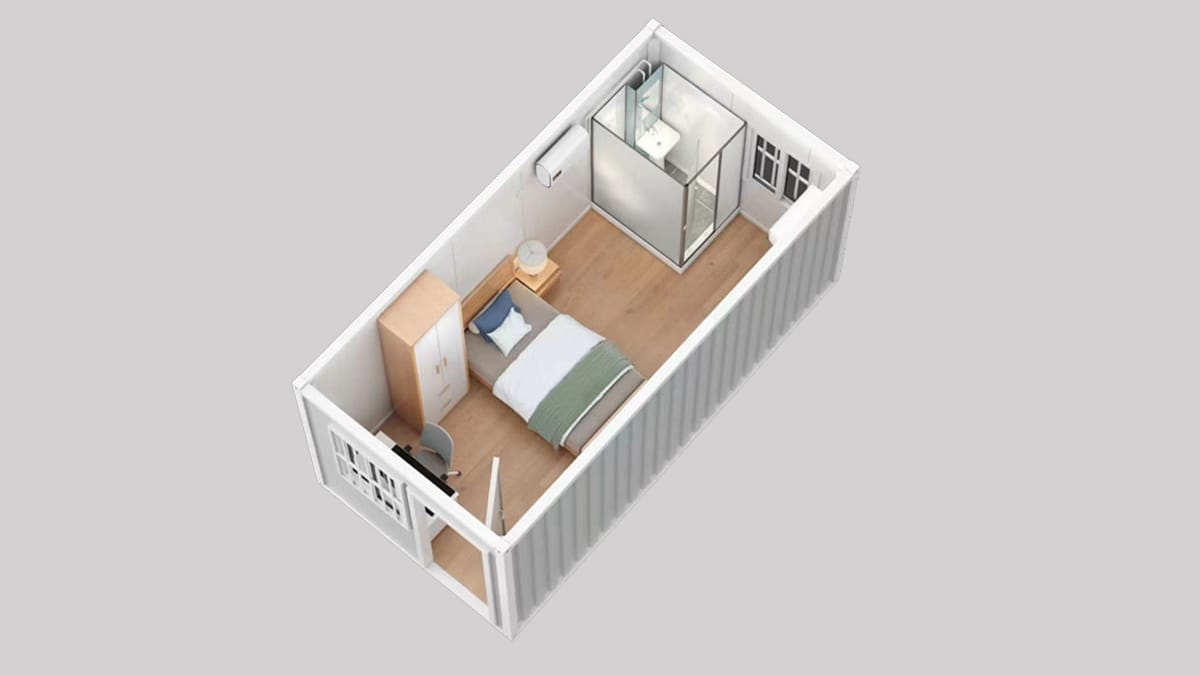
Expandable prefab homes give you many choices for how your space looks and works. You can pick layouts for a small studio or a bigger family home. The best thing about expandable prefab homes is how they use space. You can add or take away sections, move walls, and use furniture that changes shape.
Look at these layout options and how they help you use space better:
Layout Option | Description | Space Efficiency |
|---|---|---|
Multi-purpose Furniture | Use sofas that turn into beds and tables that fold up. | Saves space and keeps things neat. |
Modular Walls | Move walls to make new rooms or open up space. | Lets you change your space for your needs. |
Built-in Storage Solutions | Hide cabinets and drawers to keep things tidy. | Helps you use space and stay organized. |
Movable Partitions | Change the layout for work, play, or relaxing. | Makes your home flexible and useful. |
Expandable prefab homes let you change your space as your needs grow. You can start with a small unit and add more later. If you want to live and work in your expandable container house, you can set up different areas with movable walls. This makes your home ready for anything.
Note: Ask your supplier about modular walls and built-in storage. These features make your home feel bigger without using more land.
Customization and Design
You want your expandable container house to feel like home. Expandable prefab homes let you pick how it looks and works. You can choose colors, floor plans, and add things like balconies or big kitchens. Customizing helps you show your style and feel comfortable.
Here’s a table with popular ways to customize your expandable prefab home:
Customization Feature | Description |
|---|---|
Color Schemes | Pick colors for inside and outside to match your style. |
Layouts | Choose floor plans that fit your family or work needs. |
Additional Features | Add balconies, terraces, or big kitchens for comfort. |
When you design your expandable container house, think about how each choice changes your life. The materials you pick help your home last longer and help the planet. Flexible layouts let you use your space for different things. Custom finishes make your home look nice and feel cozy. Energy-saving designs help you pay less for bills and protect nature. Smart technology, like remote lights or heating, makes life easier.
The materials you pick for your expandable prefab home affect how long it lasts and how much care it needs.
Flexible layouts let you use your space for sleeping, working, or relaxing.
Custom finishes and colors make your house feel special.
Energy-saving designs help you save money and protect the earth.
Smart technology makes your home modern and fun.
Callout: If you want a home that grows with you, pick expandable prefab homes with lots of ways to customize. You can always add more features later.
Expandable prefab homes let you make a space that fits your life. You get to choose how it looks, works, and feels. When you know what you need and look at all the options, you can build a home that is just right for you.
Folding, Mobility, and Installation
Expansion Mechanism
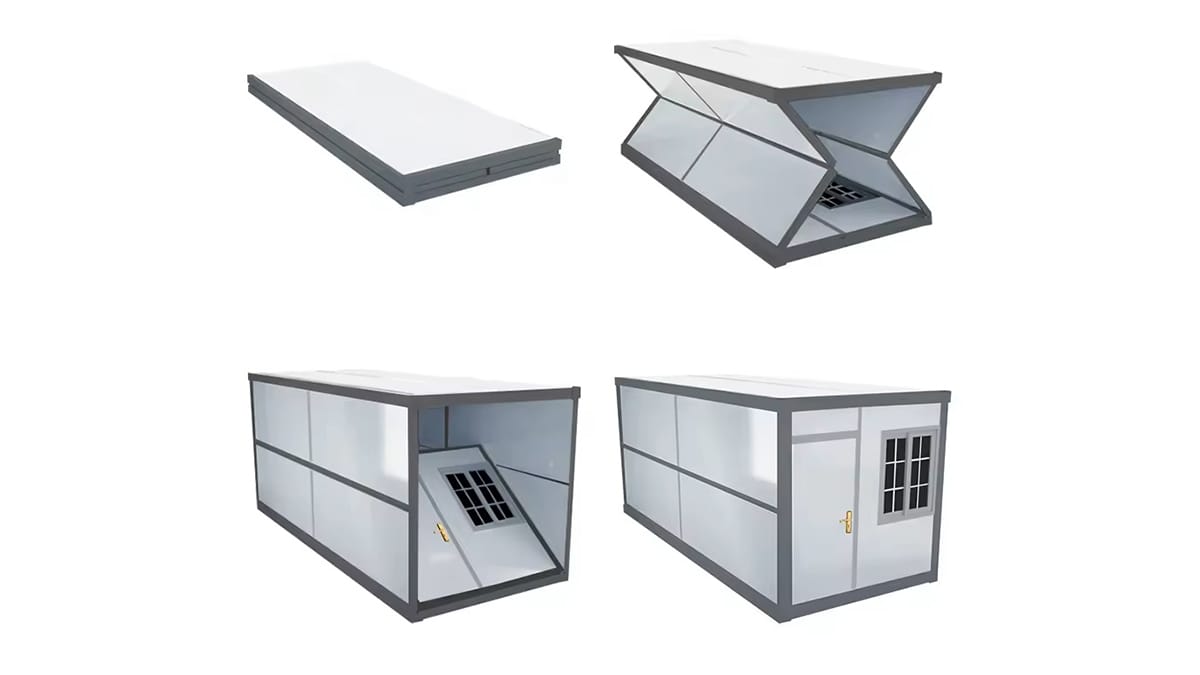
When you look at folding container houses, the expansion mechanism is a big deal. The way folding works changes how much space you get and how easy it is to use your home. Folding lets you start with a small box and turn it into a roomy living area. You can double or even triple your space with the right folding system. Hinges and folding panels make this possible. Some folding houses use sliding panels, while others use folding walls and roofs. You might also see hybrid systems that stack or shift modules. Here’s a quick look at the most common folding systems:
Mechanism Type | Description |
|---|---|
Sliding/Telescoping Mechanism | Panels slide out on rails, expanding the living area significantly while locking into place. |
Folding/Panel Mechanism | Hinged walls and roof fold down or extend, creating additional space similar to a pop-up book. |
Hybrid/Modular Stacking | Multiple modules shift laterally to create a larger footprint, enclosed with bridging elements. |
Folding makes your home flexible. You can unfold extra rooms or tuck them away when you move. The clever folding design means you use every inch of space. Some folding houses even have outside stairs that help keep the inside open for living.
Tip: Ask how the folding system works before you buy. A good folding setup makes life easier and gives you more space.
Ease of Transport
Folding makes moving your home simple. When you fold your house, it shrinks down to a small size. This makes it easy to load onto a truck or trailer. You can take folding houses almost anywhere. Folding helps in emergencies, like after a storm, because you can set up fast. Folding houses work well for people who move a lot or need a home in different places.
Folding reduces the size of your home for travel.
You can fold your house and store it when you do not need it.
Folding houses are great for mobile living and quick moves.
You do not need a big team to move folding houses.
Folding houses can go to places where regular homes cannot.
Folding houses beat regular homes when it comes to moving. You can pick up and go. Regular homes stay in one spot. Folding gives you freedom and choice.
Regulations and Setup
Before you set up folding houses, check the rules in your area. Every place has its own laws about folding homes. You need to look at zoning, building codes, and permits. Some places want folding homes to look a certain way or be a certain size. You might need to show how your folding house handles fire, smoke, and energy use.
Zoning laws decide where you can put folding houses.
Building codes tell you how safe your folding house must be.
Permits are often needed for folding houses.
Rules may cover how folding houses look, how big they are, and how close they sit to other buildings.
Setting up folding houses is not hard if you follow the steps. Here is what you usually do:
Get the site ready for your folding house.
Build a strong base for your folding house.
Have your folding house delivered and placed on the base.
Make sure your folding house is level and secure.
Connect power, water, and heating to your folding house.
Finish the inside of your folding house with walls, floors, and windows.
Note: Always check local rules before you set up folding houses. This keeps you safe and avoids problems later.
Folding houses give you a smart way to live, work, or travel. Folding makes your home easy to move, set up, and use. When you know how folding works, you can make the most of your space and enjoy true freedom.
Cost, Value, and Sustainability
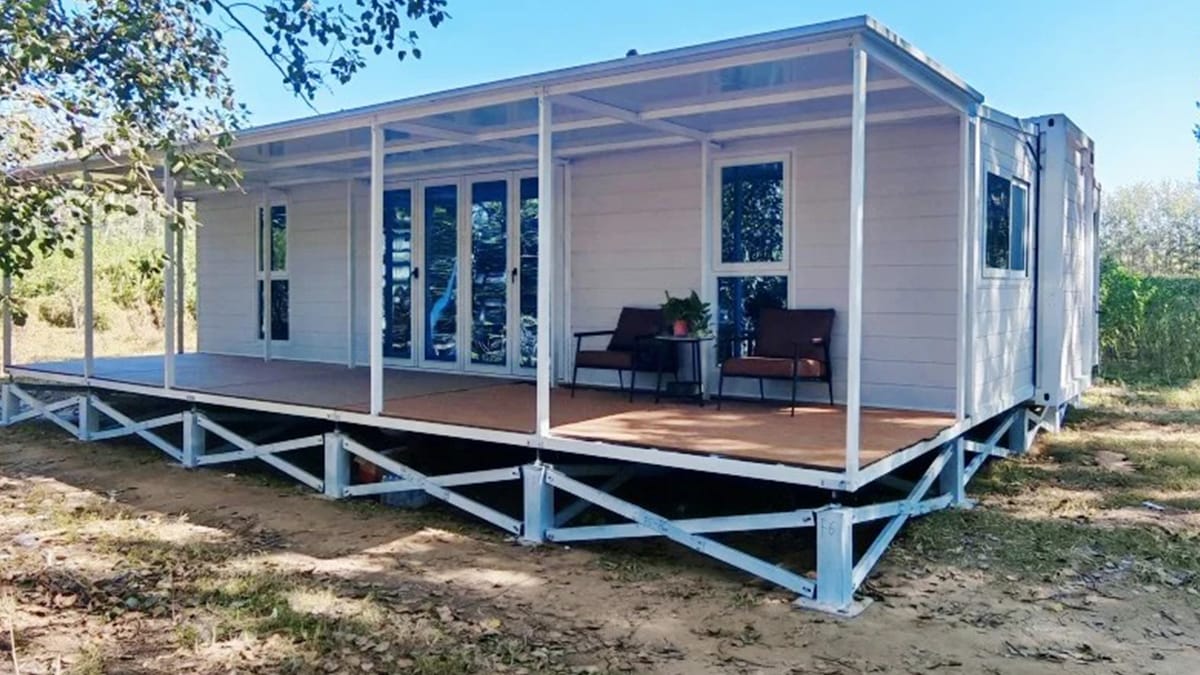
Budget Planning
When you look at foldable container homes, plan your money well. Many things can change how much you pay. Here are some things to think about:
The size and shape of foldable container homes matter. Used homes might need fixing.
If you add windows or insulation, it costs more.
Moving foldable container homes can cost extra if the place is hard to reach.
Local rules and permits may add more fees.
Good materials cost more at first but save money later.
Getting land ready and adding water or power changes the total price.
If you remember these things, you will not be surprised by costs. You can get the most from your prefab home.
Value for Money
Foldable container homes give you good value compared to regular houses. You do not need to buy land or pay for heavy building stuff like cement. Prefab homes use parts that are already made, so you save on work. You only need a simple permit and can set up your home fast. Here are ways foldable container homes are special:
Prefab homes cost less to build and move.
You can put foldable container homes together quickly, even after storms.
These homes last at least 15 years and you can move them if you want.
Regular homes take longer to build and cannot move.
Check out this table for features that help save money:
Feature | Details |
|---|---|
Material | Corten steel with anti-corrosion coating |
Dimensions | 20ft or 40ft, or custom sizes |
Insulation | PU foam or rock wool panels |
Doors/Access | Swing or sliding doors, lock options |
Customization | Partitions, electrical, HVAC systems |
Weight Capacity | Up to 28,000 kg load-bearing |
Eco-Friendly Choices
Foldable container homes help you live in a greener way. Many prefab homes use bamboo fiber and other earth-friendly materials. These homes need fewer building materials, which is better for the planet. You get strong insulation, so you use less energy for heating and cooling. Some prefab homes have solar panels or green roofs. Look at how foldable container homes compare to regular houses:
Feature | Foldable Container Homes | Traditional Homes |
|---|---|---|
Insulation | Well-insulated | Needs upgrades |
Heating/Cooling Costs | Lower | Higher |
Energy-Saving Features | Solar panels, green roofs | Costly upgrades |
Long-term Savings | High | Less efficient |
You can feel good knowing your prefab home saves energy and helps the earth. Foldable container homes make it easy to live smart and save money.
Choosing a collapsible container house means looking at what matters most to you. Here’s a quick table to help you remember the key points:
Decision Point | What to Consider |
|---|---|
Project Duration | Short-term or long-term use? |
Climate Conditions | Insulation for your local weather? |
Space Needs | Enough room and layout for your plans? |
Local Rules | Permits and building codes? |
Budget | Upfront and future costs? |
You should check the structure, insulation, and systems. Make sure the house fits your needs and local rules. Visit model homes or talk with suppliers to see what works best for you.
Tip: Take your time, ask questions, and compare options. This helps you make a smart choice you’ll feel good about.
FAQ
How long does it take to set up a collapsible container house?
You can set up most collapsible container houses in just a few hours. Some models need a day if you add extra features. You save time compared to building a regular house.
Can I customize the inside of my expandable tiny home?
Yes, you can pick colors, layouts, and furniture for your expandable tiny home. Many suppliers offer options like built-in storage or smart tech. You get to make your space fit your style.
Are expandable modular homes good for cold or hot climates?
Expandable modular homes work well in many climates. You can add insulation, double-glazed windows, and heating or cooling systems. Ask your supplier about upgrades for your local weather.
What should I check before moving my container house?
Check the folding system, weight, and size. Make sure you have permits for transport. Ask about local rules. You want your move to go smoothly and safely.
Is the modular housing market growing?
Yes, the modular housing market keeps growing. More people want flexible, fast, and eco-friendly homes. You see new designs and better features every year.