


11 Nov How to Choose the Best Tiny House Trailer for Your Needs
Table of Contents
You want to find the best tiny house trailer for your dream home, but picking the right trailer can feel tricky. The trailer you choose needs to fit your tiny house design, keep you safe, and meet legal rules. Your trailer affects towing, parking, and how long your tiny house lasts. When you think about tiny house living, you need to know how towing a tiny house works and what makes a trailer strong.
Tip: A sturdy trailer means smoother towing and less stress for you!
Key Takeaways
Figure out your tiny house size and weight first. This helps you pick a trailer that fits well. It also makes towing safer.
Look up local rules about trailer size and weight. Following these rules keeps you out of trouble. It also helps you park without problems.
Pick the trailer type that works best for you. Gooseneck trailers are steady. Bumper pull trailers are easier to move.
Check safety parts like electric brakes and running lights. These parts make traveling safer.
Think about buying new, used, or custom trailers. Your budget and needs matter. Each choice has good and bad sides.
Define Your Tiny House Trailer Needs
Size and Weight Requirements
Before you pick a tiny house trailer, you need to figure out your tiny house size and how much it will weigh. Start by thinking about how much space you want inside. Do you want a cozy spot for one, or do you need room for a family? The size of your tiny house trailer will decide how much you can build and how easy it is to move.
Here are some common size and weight facts for tiny house trailers in North America:
The average weight of a finished tiny house is about 500 to 550 pounds for every foot of trailer length.
If you plan a 30-foot by 10-foot tiny house, expect it to weigh between 16,500 and 17,100 pounds.
A 30-foot by 8-foot 6-inch trailer usually weighs from 15,000 to 16,500 pounds when finished.
Trailer axles come in different capacities, like 3,500, 5,200, 6,000, and 7,000 pounds. The number and strength of axles affect how much weight your trailer can handle.
Tip: Always check the weight of your tiny house before you buy a trailer. This helps you avoid problems with towing and safety.
Legal Limits and Parking
You also need to know the legal size limits for your tiny house trailer. Each state has rules about how big and heavy your trailer can be. These rules help keep roads safe and make sure you can park your tiny house legally.
Here’s a quick look at common legal limits:
Size Category | Trailer Length | Weight Limit |
|---|---|---|
Up to 160 sq ft | 18’–20’ | Under 9,980 lbs |
200–280 sq ft | 22’–26’ | Up to 13,270 lbs |
300–400 sq ft | 28’–34’ | Up to 13,270 lbs |
Over 400 sq ft | 36’–40’ | May exceed RV classification |
Parking your tiny house trailer can be tricky. Many cities treat tiny house trailers like RVs. You can often park in places where camping is allowed, but you must check local rules. Zoning laws change from city to city and county to county. Some places have special rules for tiny houses, while others use RV or mobile home laws.
Always research local zoning laws before you park your tiny house trailer.
Ask your city or county about rules for waste water and drinking water.
Talk to local experts or check government websites for the latest information.
Choosing the right tiny house trailer means knowing your tiny house size, weight, and where you want to live. When you match your trailer to your needs and local laws, you set yourself up for a smooth tiny house journey.
Compare Tiny House Trailer Types
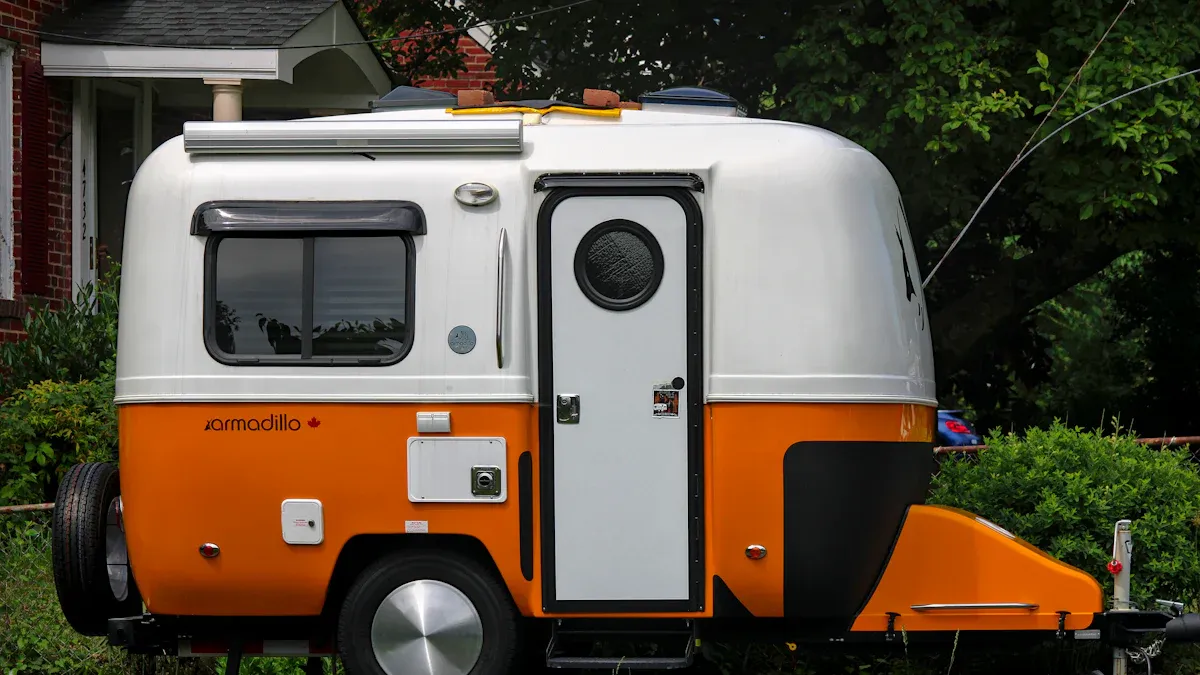
Choosing the right tiny house trailer type makes a big difference in how your tiny house feels on the road and where you can park it. Let’s look at the main options: gooseneck, deckover, and bumper pull trailers. Each one has its own strengths and challenges.
Gooseneck vs. Deckover
Gooseneck trailers stand out for their stability and strength. When you use a gooseneck, the hitch sits in the bed of your truck. This setup gives you better weight distribution and helps you handle heavier loads. You’ll notice less sway when towing a tiny house, even if your house is large or packed with features.
Gooseneck trailers offer excellent stability and rarely sway.
The design lets you make sharper turns and park in tighter spots.
You get more weight capacity, so you can build a bigger tiny house.
Gooseneck trailers cost more, but they give you peace of mind on long trips.
Deckover trailers have a flat deck that sits above the wheels. You get a wider space to build on, but the deck sits higher off the ground. This means you might have less headroom inside your tiny house. Deckover trailers work well for park models, which feel like real homes and can handle full plumbing and insulation.
Note: Park models are great for full-time living. You get a real bathroom, kitchen, and sleeping area on the main floor. These trailers are built for comfort and can stay parked for months.
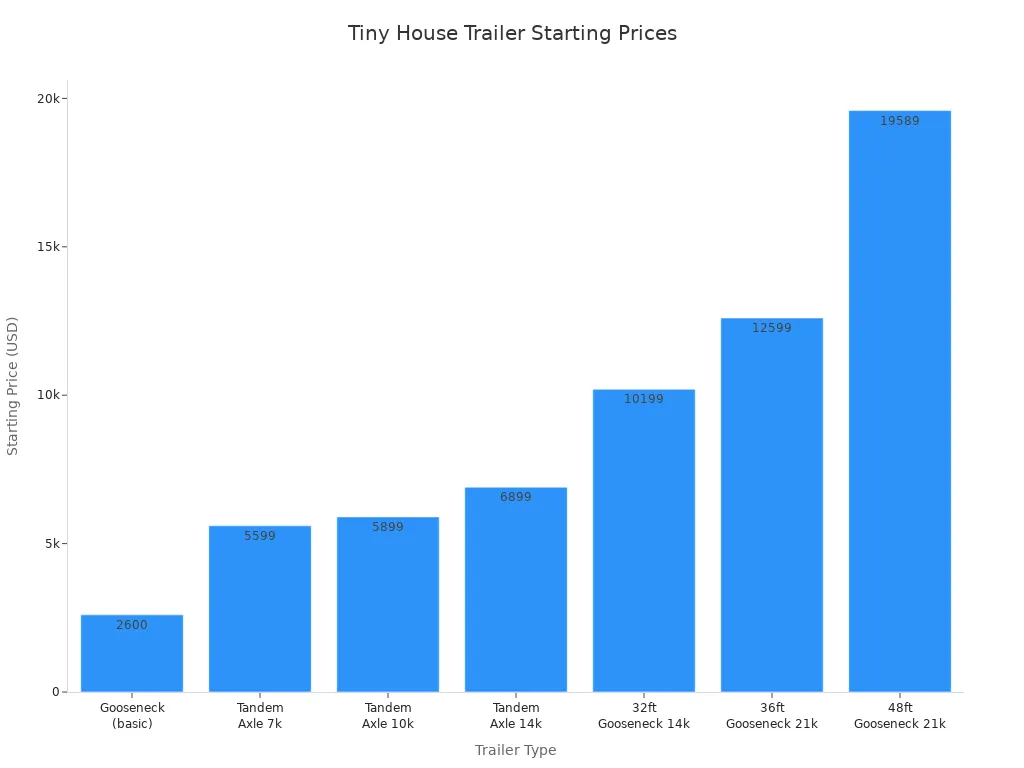
Here’s a quick look at starting prices for gooseneck and deckover trailers:
Trailer Type | Starting Price |
|---|---|
Gooseneck (basic) | $2,600 |
Tandem Axle 7k GVWR | $5,599 |
Tandem Axle 10k | $5,899 |
Tandem Axle 14k | $6,899 |
32ft Gooseneck 14k Tandem Axle | $10,199 |
36ft Gooseneck 21k Triple Axle | $12,599 |
48ft Gooseneck 21k Quad Axle | $19,589 |
Deckover (flat deck) | $1,800 – $2,200 |
Bumper Pull Trailers
Bumper pull trailers connect to a hitch on the back of your vehicle. These trailers are easier to find and cost less than gooseneck models. You can use a regular pickup truck for towing, but bumper pull trailers don’t handle heavy loads as well.
Bumper pull trailers are more likely to sway, especially with a heavy tiny house.
You may need extra equipment to keep your trailer steady.
These trailers work best for smaller tiny houses or short trips.
When you think about towing, always check if your vehicle matches your trailer. Gooseneck trailers need a truck with a special hitch in the bed. Bumper pull trailers use a standard hitch receiver. Deckover trailers also use bumper pull setups, but they carry less weight than goosenecks.
Tip: If you want easy towing and plan to move your tiny house often, a bumper pull trailer might be the way to go. If you want more space and stability, look at gooseneck or deckover trailers.
Choosing the right tiny house trailer type depends on your budget, your towing vehicle, and how you plan to use your tiny house. Take your time and pick the trailer that fits your dream.
Key Features of the Best Tiny House Trailer
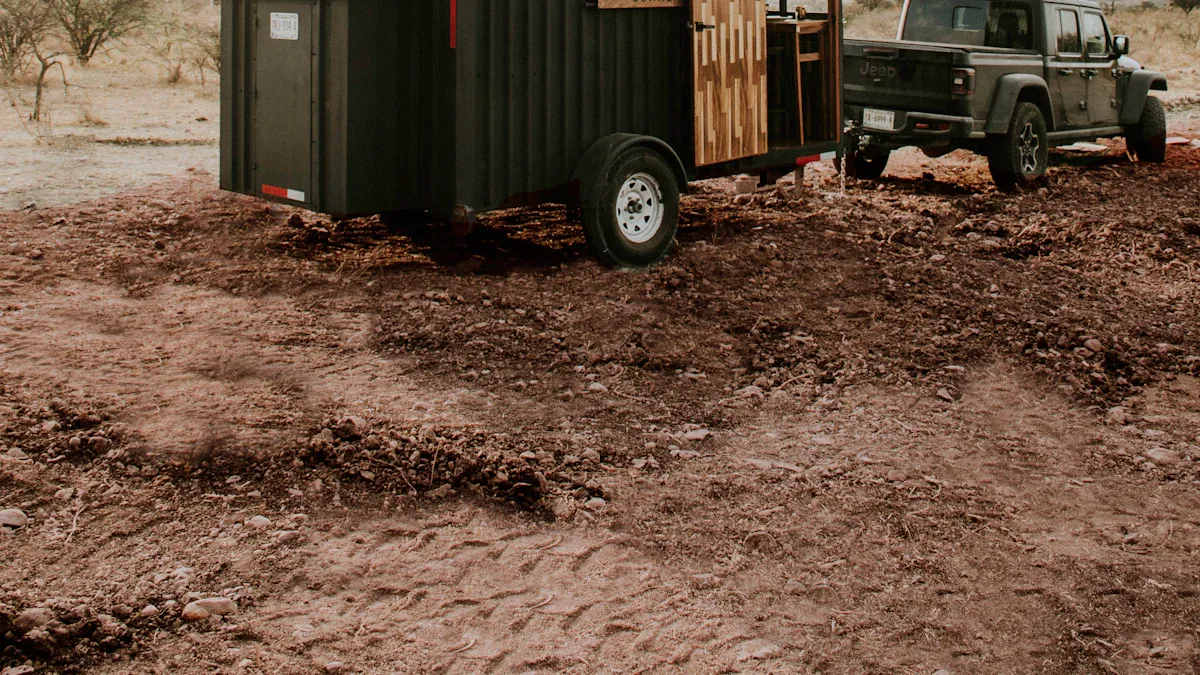
When you look for a tiny house trailer, you need to check important details. These details help your tiny house feel safe and comfortable when you travel. Let’s see what you should look for.
Axles and GVWR
Axles hold up your trailer. They carry your tiny house and keep it steady. If your trailer’s gross vehicle weight rating is over 10,000 pounds, pick dual or triple axles. This spreads out the weight and makes your ride smoother. It also helps you control your trailer on rough roads. The right axles and suspension protect your tiny house from damage. Make sure your axles match your trailer’s weight. The suspension should absorb bumps while you tow.
Tip: Ask the company about axle ratings and suspension types. Make sure they fit your tiny house size and weight.
Tires and Materials
Tires do more than help your trailer move. They keep your tiny house safe and steady wherever you go. For tiny house trailers, 10-ply tires are best. These tires are strong and made for tough trips. The thick sides help stop swaying and rocking. When you park, these tires keep your tiny house still. You will feel less bouncing inside.
Here’s why 10-ply tires are a good choice:
Strong design for long trips and rough roads
Extra nylon layer for more strength
Thick sides that cut down movement while towing
Less bouncing when parked, so your tiny house feels solid
Easy care: cover tires from sunlight, skip tire preservatives, and change tires every five years
Materials matter as much as tires. The trailer frame must be strong and last a long time. Most good tiny house trailers use galvanized steel or regular steel for the frame. Galvanized steel does not rust and stands up to bad weather. Regular steel works if it is thick and treated to stop rust.
Company Name | Frame Material | Key Attributes |
|---|---|---|
Zhenjiang Towhaul Trailer Co. | Galvanized Steel | 3500kg Rated, Electric Brake, Hot Dip Galvanized |
Nantong Zhuoyue Metal Products | Steel | Dual Axle, 3.5 Ton Capacity |
Note: Always ask about the frame material and how it is treated. A strong frame helps your tiny house trailer last for years.
Safety and Durability
Safety features are very important. You want your trailer to protect you and your tiny house every trip. Look for trailers with running lights, electric brakes, and safety chains. Running lights help other drivers see you at night. Electric brakes give you better control and let you change stopping power from your truck. Safety chains keep your trailer attached if something breaks.
Safety Feature | Description |
|---|---|
Running Lights | Needed for visibility during nighttime towing. |
Electric Brakes | Gives strong stopping power and can be changed from the towing vehicle. |
Safety Chains | Makes sure the trailer stays attached to the towing vehicle during transport. |
Road Ready | Meets safety rules and is ready for registration with a VIN. |
You should also check for good brakes. Electric brakes are the best because you can change them for different roads. This makes driving safer and smoother. When you talk to companies, ask about all the safety features. Make sure your trailer meets road-ready rules.
Tip: Safety features keep you and your tiny house safe. Don’t forget to check them when you pick your trailer.
Choosing a tiny house trailer with the right details means you get a safer, stronger, and more comfortable home on wheels. Take your time, ask questions, and make sure every part of your trailer fits your needs.
Choosing New, Used, or Custom Trailers
Pros and Cons of New
If you want a tiny house trailer that feels fresh and reliable, you might look at new options. You get a trailer with no wear and tear, and you know the frame and axles meet current safety standards. New trailers often come with a warranty, so you can relax if something goes wrong. You also get to pick features that fit your needs. The downside? The cost can be high, and you may need to wait for delivery. If your budget is tight, a new trailer might stretch your wallet.
Tip: New trailers give you peace of mind, but always compare prices before you decide.
Used Trailer Considerations
Used trailers can save you money and help you get started fast. You might find a good deal, but you need to check for problems. Many used trailers have issues that you should know about:
Issue Type | Description |
|---|---|
Structural concerns | Many tiny houses are not built to proper standards, leading to safety issues. |
Insulation inadequacies | Users report that insulation in older models is often insufficient. |
Towing challenges | Difficulty in towing due to trailer frame flex and design limitations. |
Off-gassing from materials used in trailers.
Issues with formaldehyde in older models.
Maintaining plumbing and electrical systems in older tiny house trailers can be tough. You may need to take apart walls or floors to fix wires or pipes. Used trailers sometimes hide problems that cost more to fix later. If you want value, inspect every part before you buy.
Note: Always ask about the trailer’s history and repairs. A careful check saves you from surprises.
Custom Options
Do you want a trailer that matches your dream tiny house? A custom tiny house trailer lets you pick every detail. You choose the size, axles, frame, and safety features. Custom trailers fit your design and make towing easier. You can add special touches, like extra insulation or unique materials. Custom builds cost more, but you get a trailer that fits your needs. If you want the best value and plan to live in your tiny house for years, custom is a smart choice.
Custom trailers work for special layouts or heavy tiny houses.
You can ask for features that help with parking or towing.
Custom options let you control every part of your tiny house trailer.
Tip: Custom trailers give you freedom, but always check the cost and delivery time.
Choosing between new, used, or custom trailers depends on your budget, your needs, and how much value you want. Take your time, ask questions, and pick the trailer that fits your tiny house journey.
Researching Tiny House Trailer Manufacturers
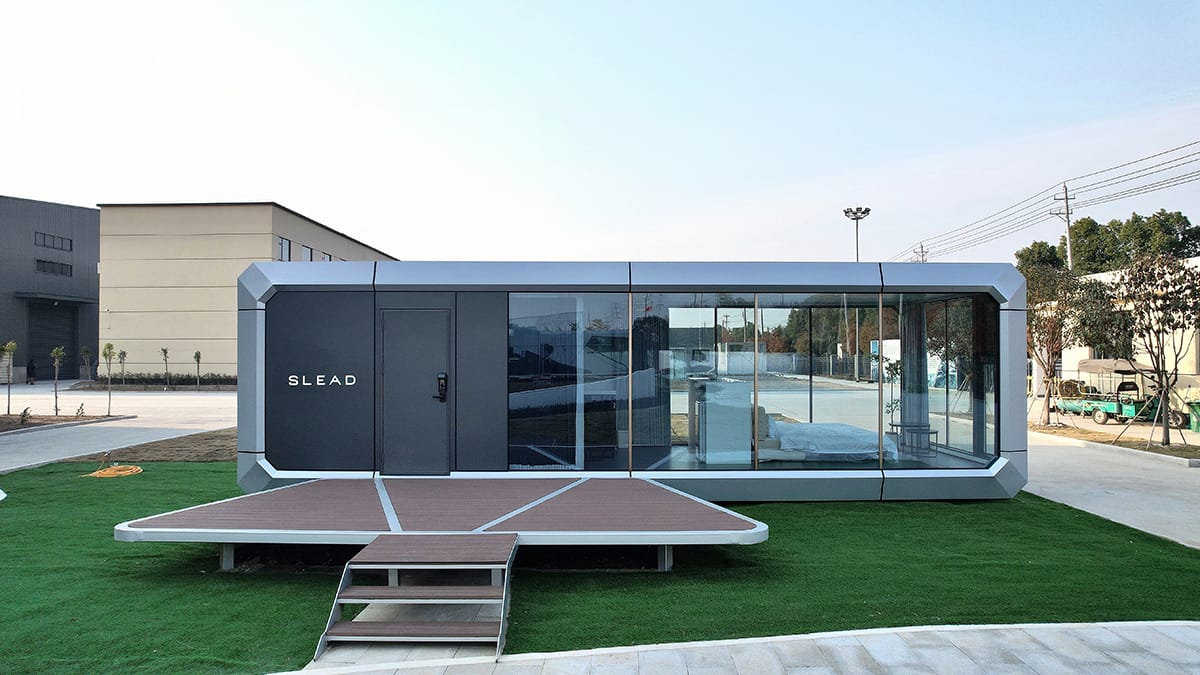 When you look for a tiny house trailer, you want to find the best brands. Some companies are known for making strong trailers and helping customers. This can help you choose and feel good about your pick.
Top Brands Overview
Here are some top trailer makers. These companies are known for good quality and being reliable. Many people use their trailers for tiny houses.
Manufacturer | Description |
|---|---|
Tiny House Basics | Popular manufacturer with five locations, claims to be the #1 source for tiny house trailers. |
Tiny Home Builder | Trusted name in the industry, known for time-tested trailers. |
Iron Eagle | One of the first manufacturers, designed in part by Dee Williams, used in many successful builds. |
Trailer Made | Quickly establishing a reputation, offers a lifetime warranty on chassis. |
If you want a custom trailer, these brands can help. Some, like Trailer Made, give a lifetime warranty on the chassis. This means you can feel safe for a long time.
Questions to Ask Before Buying
Before you buy, ask the company some important questions. These questions help you know if the trailer is built well and if you will get help later.
What materials do you use to build the trailer?
How does the axle choice change the weight and height?
Can the trailer hold my tiny house safely?
You should also ask about warranty and support after you buy. Some companies, like Larson Tiny Homes, have a “Welcome Home Package.” This can include help with unpacking, cleaning, and fixing your home when it arrives. You might get a 60-day drywall warranty for repairs after setup. If you need more work, you can hire workers for special jobs.
Here are things to check about warranties and service:
Aspect | Details |
|---|---|
Manufacturer’s Warranty | Covers many problems but not everything. |
Retailer’s Warranty | Tells what is covered and what is not; may not cover damage from misuse. |
Appliance Warranties | Given by the makers of each appliance; sometimes must be covered by the home maker’s warranty. |
Implied Warranties | Promises that protect you even if not written down. |
Service Process | You can call the store or maker for help; appliance help is often fastest from service centers. |
Tip: Always ask if they check quality and clean before delivery. Good support makes owning a tiny house easier.
When you learn about trailer makers, you make things go smoother. Ask questions, compare companies, and make sure your trailer is right for you.
Choosing the right tiny house trailer takes planning. Start by setting your budget and checking the safety features of each trailer. Make sure your trailer meets legal rules and has a title. Talk to experts or trusted manufacturers for advice. Before you buy, review towing laws in your area. A smart choice now means less stress and fewer repairs later.
Set your budget and include extra costs.
Pick a trailer with strong brakes and the right hitch.
Check for legal compliance and a proper title.
Ask experts for help if you feel unsure.
FAQ
What size trailer do I need for my tiny house?
You need to match your tiny house size to the trailer length and weight rating. Most tiny homes fit on trailers between 20 and 34 feet. Always check your design plans before you buy.
Can I use any trailer for building a tiny house?
Not every trailer works for a tiny house. You need a strong frame, proper axles, and safety features. Look for trailers made for tiny house builds. Ask manufacturers about their recommendations.
How do I maintain my trailer for long-term use?
Check your tires often. Inspect the frame for rust. Make sure brakes and lights work. Cover your trailer when parked. Regular care helps your tiny house trailer last longer.
Do I need a special license to tow my tiny house trailer?
Some states require a special license for towing heavy trailers. Check local laws before you hit the road. You may need extra permits if your tiny house trailer is very large.
What safety features should my trailer have?
Your trailer should have electric brakes, safety chains, and running lights. These features help you stay safe while towing. Ask your dealer about extra safety options for your tiny house trailer.