


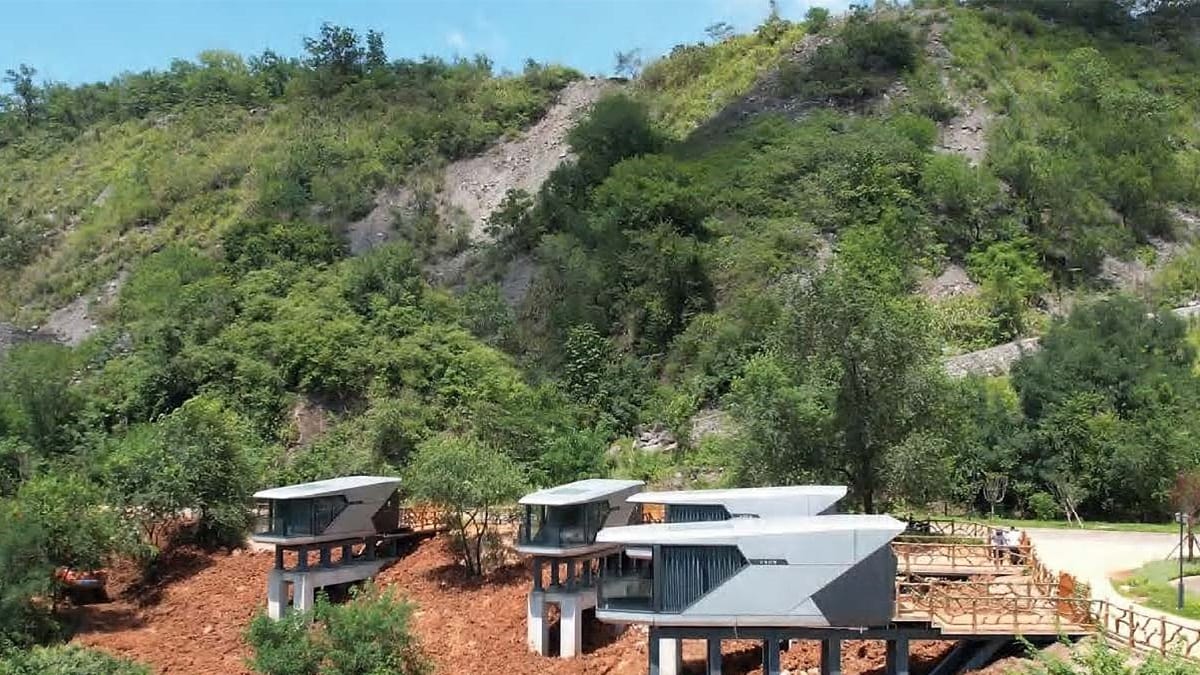
26 Aug Latest Trends In Prefab Capsule House Design
Table of Contents
Prefab capsule house design is now special for using smart technology, modular systems, and caring about the environment. More people around the world want these homes.
Statistical Trend / Insight | Data / Description |
|---|---|
Market forecast | |
Carbon footprint reduction | Up to 60% with reused containers |
Millennial preference | 55% favor new housing solutions |
New models have dome shapes, two floors, and rooms that can change. These changes help save energy, cost less, and are better for nature.
Key Takeaways
Prefab capsule houses use green materials and modular systems. These help build strong homes fast and for less money. The homes are also flexible and easy to change.
Smart technology makes these homes more comfortable and safe. It also helps save energy with things like climate control and smart locks.
These houses use up to 65% less energy than normal homes. They do this with better insulation, clean energy, and smart systems.
The designs are small and simple. They use space well with furniture that can change and open rooms for easy living.
Prefab capsule houses cost less and are quick to set up. More people want them for city life, travel, and emergencies.
Materials & Build
Eco Materials
Designers pick eco-friendly materials for prefab capsule houses. They use recycled steel, aluminum alloy, and light steel. These materials help make the houses strong and lower pollution. Many builders use lightweight panels made from bamboo, recycled plastics, or composite wood. These choices help cut down on waste and support the planet. Some companies use insulation from natural fibers. This keeps the house warm in winter and cool in summer. It saves energy and lowers heating and cooling bills.
Tip: Eco materials help the earth and make prefab capsule houses safer and healthier for people.
Builders try new coatings that stop mold and moisture. These coatings help the house last longer and keep the air inside clean. Using these materials helps designers build homes that last and need fewer repairs.
Modular Systems
Modular systems change how prefab capsule houses are built. Factories make parts called modules. Workers bring these modules to the site and put them together fast. This way, building takes 30-50% less time than normal. Modular design makes it easy to add or move rooms. Owners can change the house to fit their needs.
Modular homes have flexible layouts.
Homeowners can pick designs, finishes, and room setups.
Builders can make the house bigger or smaller by adding or removing modules.
This system helps build quickly and saves money.
New technology like robotics and CNC machining makes building faster and more exact. These tools lower costs by 30% and cut waste by up to 70%. Fast assembly helps after disasters when people need homes quickly. Modular systems make prefab capsule houses easy to use for many things and simple to grow for bigger groups.
Smart Tech
 IoT Features
 IoT Features
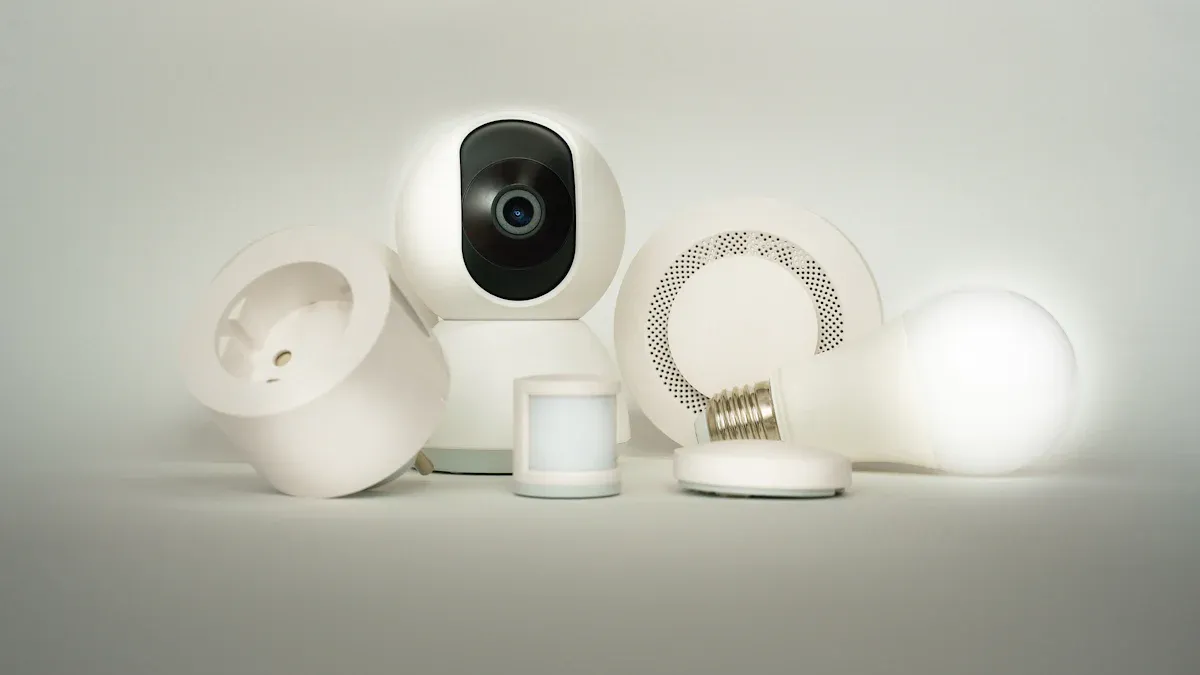
Prefab capsule house designers add smart technology. This makes living easier and safer. Many homes have micro fresh air systems. These systems keep CO2 levels healthy. They stay below 1000 ppm. Climate control changes the temperature for comfort. Energy-efficient appliances help save power. Smart door locks make homes safer. They can raise rental prices by 15%. The cost to add them is small. Owners use voice commands or apps to control the home. Some houses use hidden projectors instead of TVs. This saves space.
Smart features make prefab capsule houses more convenient. They help keep people safe and comfortable. Owners can manage energy use and costs better.
Common IoT features are:
Automated fresh air systems
Climate control
Smart door locks
Voice or app controls
Space-saving projectors
These systems let people change lights, heating, and cooling. They can do this from anywhere. Remote controls help save energy. They also keep homes secure.
Energy Efficiency
Prefab capsule house builders use energy-saving systems. Smart automation controls lights, heating, and cooling. It works based on who is home and the weather. This lowers energy use and bills. Many houses use solar panels and wind turbines. These are renewable energy sources. Insulation materials like polyurethane foam and extruded boards are used. They have six times more thermal resistance than regular homes. Factory construction makes sure quality stays high. It also keeps energy efficiency steady.
Technology Aspect | Description |
|---|---|
Insulation Materials | Polyurethane foam and extruded boards with high thermal resistance (6x more than regular homes) |
Air Tightness | Very tight air rating (n50 = 0.45) cuts heat loss and keeps air clean |
Window Technology | Triple-layer Low-E glass with special gas for better insulation and less noise |
Floor Heating Options | Water underfloor heating and graphene electric heating for steady warmth |
HVAC Systems | Better air conditioning units with heating, work in very hot or cold weather (-31°F to 140°F) |
Controls heating, cooling, and lights based on who is home and the weather | |
Renewable Energy Integration | Solar panels and wind turbines give homes clean power |
Prefab capsule houses save about 65% more energy than regular buildings. Smart home systems change settings to save energy. They keep rooms comfortable. These technologies lower carbon emissions. They help make the future greener.
Space & Function
Hybrid Use
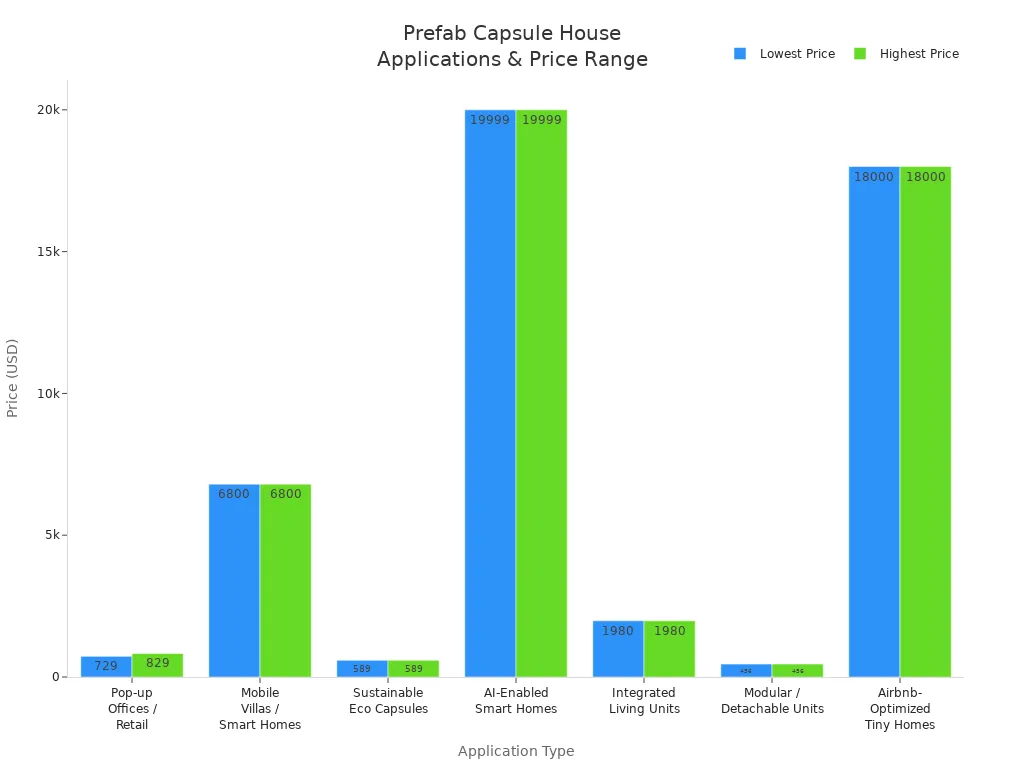
Prefab capsule houses can be used for many things. They are not just for living in. Designers make units for offices, clinics, shops, camping, and emergencies. This is possible because of modular construction and smart technology. Companies sell products for different needs and budgets. The table below shows some top uses:
Application Type | Example Product (Supplier) | Key Features | Price Range | Notes |
|---|---|---|---|---|
Pop-up Offices / Retail | Prefab Hotel Rooms (Foshan Davis) | Hotel-grade, homestay-ready | $729–829 | Hospitality and commercial use |
Mobile Villas / Smart Homes | Luxury Sleeping Pod (Zhongding) | Smart house features, mobile | $6,800 | Premium, tech-enabled unit |
Sustainable Eco Capsules | Eco Capsule (Mars Cabin Tech) | Solar-ready, recycled materials | $589 | Budget-friendly, sustainability focus |
AI-Enabled Smart Homes | Smart Removable Home (Zhonglian) | AI voice control, bathroom included | $19,999 | High-end, tech-driven commercial use |
Integrated Living Units | Apple Cabin (Endless Landscape) | Bedroom/kitchen/bathroom integrated | $1,980 | Full amenities, mid-range price |
Modular / Detachable Units | Prefab Vessel House (Mars Cabin) | Flat-pack, detachable design | $456 | Cost-efficient, flexible deployment |
Airbnb-Optimized Tiny Homes | Luxury Tiny Home (Tulele) | Electric lift, optimized for short-term rental | $18,000 | Premium, hospitality-focused |
Hybrid designs mix smart technology with flexible layouts. Many are made for young people in cities. Real estate and hotel companies work together on new ideas. AI and IoT devices make living better for residents. Modular building and eco materials help save time and money. These features make prefab capsule houses easy to set up in tech cities.
Compact Living
Prefab capsule houses use space very well. Designers use open floor plans. This means living, dining, and kitchen areas are together. Fewer walls make rooms look bigger. Furniture like sofa beds and foldable tables have more than one use. Wall desks and shelves help keep things neat.
Open floor plans help use space better.
Sofa beds and foldable tables change for different needs.
Wall desks and stackable chairs save space.
Vertical storage uses all the room.
The table below compares prefab capsule houses and tiny houses:
Aspect | Prefab Capsule Houses | Tiny Houses (proxy for Micro-Apartments) |
|---|---|---|
Size & Space | 50-100 sq ft; highly space-efficient with modular, smart furniture; minimal wasted space | 100-400 sq ft; more living space but potential unused areas leading to inefficiency |
Durability | Aviation-grade aluminium and galvanized steel; highly weather-resistant and durable | Typically timber; less durable, susceptible to rot, pests, and weather damage |
Energy Efficiency | Advanced insulation reduces energy use by up to 65%; better temperature management | Less effective insulation; may incur higher heating/cooling costs |
Cost & Construction | Prefabricated off-site; faster build times (days), lower labor and material costs | Often custom-built on-site; longer construction times and higher costs due to customization |
Mobility & Flexibility | Quick installation and relocation (within a day); no trailers needed; plug-and-play style | Requires trailers for transport; longer setup times; less convenient for frequent moves |
Prefab capsule houses are more efficient and flexible than micro-apartments. They use space well, last longer, and are quick to install.
Sustainability
Renewable Energy
Many new capsule homes use renewable energy. This helps them hurt the environment less. Designers often put solar panels and wind turbines on these homes. These things help the homes work without city power. Some models, like Ecocapsule and Nestron, use both solar and wind power. These homes can work in faraway places without outside electricity. KODA by Kodasema uses eco-friendly materials and special glass to save energy. G-PODs use solar power and can go in gardens or on rooftops. WaterNest 100 floats on water and has a roof with solar panels. MercuryHouseOne uses only solar energy to run. Alpine Capsule uses both solar panels and a wind turbine. Rolling Stones capsule uses solar, wind, rainwater, and waste systems for full independence.
Note: Solar-ready homes help owners save money on bills and cut pollution.
These features make capsule homes more useful. People can use them in cities, forests, or on water. Renewable energy also helps when the power goes out.
Waste & Water
New ideas in water and waste help capsule homes work alone. Some homes make water from the air using air condensation. This means they do not need city water. Some homes have water tanks to store extra water. Many models collect and clean rainwater for drinking or washing.
Collecting and cleaning rainwater
Extra water tanks for storage
For waste, designers add special disposal systems. These let the home work without sewer lines. Rolling Stones capsule and Microhaus use these systems. Owners can live far away without worrying about water or waste.
Feature | Benefit |
|---|---|
Air condensation | Water supply without city connection |
Rainwater harvesting | Extra water for daily use |
Autonomous waste system | No need for sewer lines |
These changes make capsule homes greener and ready for many places.
Prefab Capsule House Aesthetics
 Futuristic Design
 Futuristic Design
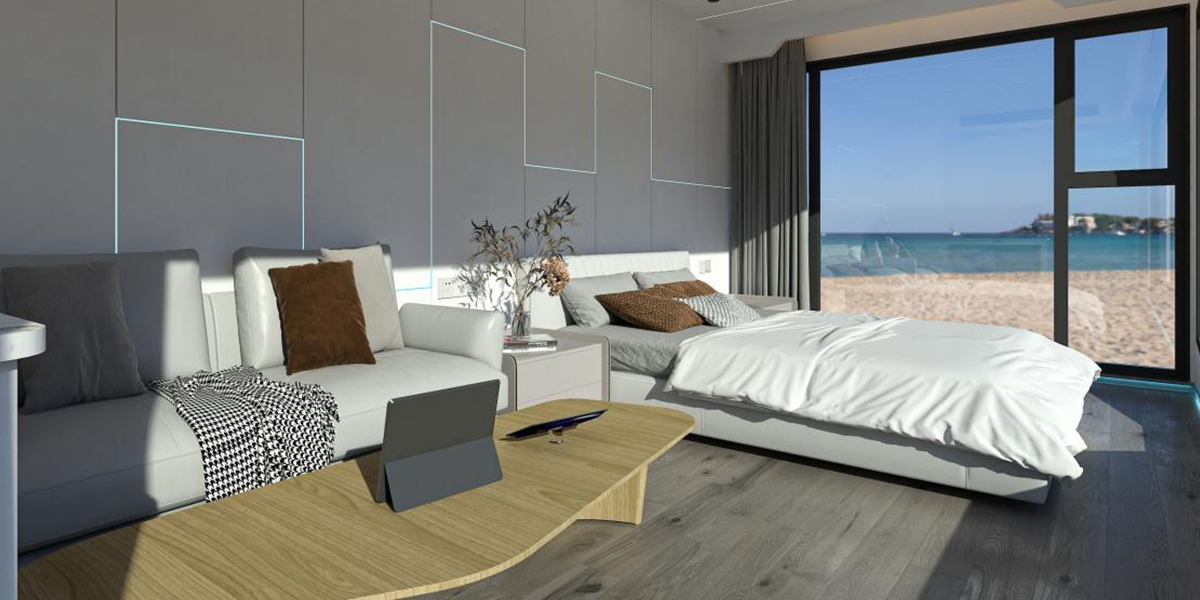
Designers like to make prefab capsule houses look futuristic. They use smooth curves and bold shapes. Many houses have big windows and rounded forms. Sleek metal finishes help the homes stand out. Some models have LED lights and smart glass. The glass can change from clear to tinted. This helps control sunlight and looks modern.
Architects pick advanced materials like aluminum alloys. Composite panels keep the house light and strong. Many designs have sliding doors and hidden storage. These features make the home feel open. Large windows and glass walls connect inside and outside. This makes small spaces look bigger and brighter.
Futuristic designs in prefab capsule houses show how technology and style work together. They make homes look modern and feel comfortable.
Minimalism
Minimalism shapes the inside and outside of prefab capsule houses. Designers use clean lines and simple colors. Open layouts make rooms look bigger. Some homes have black outsides and light wood floors. Large sliding doors open to decks. This lets in lots of sunlight. Custom furniture fits each space and keeps rooms tidy.
Minimalism helps people live better in these homes:
Small size and smart layouts use all the space.
Built-in furniture and hidden storage keep things neat.
Rounded shapes and curved walls make rooms feel larger.
Smart controls for lights, temperature, and security add comfort.
Energy-saving appliances and solar panels lower costs and help the planet.
Thick insulation and double-glazed windows keep the house cozy all year.
Minimalist design balances beauty and function. It helps people feel calm and organized. Many owners say these homes are easy to live in and fit well in cities. The simple style also makes building faster and cuts down on waste.
Prefab Capsule House Applications
Market Reach
Prefab capsule houses are becoming more popular. Many things help this growth:
These homes are cheaper to build. They cost 30–50% less than normal houses.
People like that they are better for the planet. They use less energy and make less trash.
Building is much faster. Modular units can be finished in half the time. This helps when there are not enough homes.
Buyers can pick the layout and look they want.
Some governments in North America and Europe support prefab homes.
More people live in cities now. Housing is expensive, so people want cheaper options.
Many want homes that save energy and can be changed.
Working with suppliers keeps costs down and makes delivery quick.
Online ads show more people why prefab homes are good.
Capsule houses can make a property worth more without big changes.
Owners can rent these homes to travelers. The short-term rental market is growing.
Capsule houses add space fast and do not cost a lot.
These homes work for families, people who work from home, and others.
They are strong and can handle bad weather or disasters.
Note: Prefab capsule houses give people choices that are flexible, cheap, and good for the earth.
Cost & Access
Prefab capsule houses are cheaper and easier to get than regular homes. Factories make the parts, so building needs less work and goes faster. In cities, these homes cost about half as much per square foot as normal city homes. Fewer workers are needed, which helps when there are not enough builders. Faster building and less need for rare materials make these homes easier to find.
Housing Type | Average Cost per Sq Ft | Labor Needed | Build Time | Flexibility |
|---|---|---|---|---|
Prefab Capsule House | $87 | Low | Weeks | High |
Traditional Urban Housing | $166 | High | Months/Years | Low |
People now think prefab homes are strong and good for the planet. Cities are making new rules to help these homes. This makes prefab capsule houses a smart pick for buyers and renters.
Prefab capsule house design is ahead in using smart technology. These homes use modular layouts and eco-friendly materials. They save energy and help cut down on waste. People who live in them can have a greener lifestyle. Modular systems and small layouts make these homes cheaper. They are also flexible for different needs. Many people want homes that are easy to move and simple to use. They also want homes that are good for the planet. As more people buy these homes, new designs will appear. These new designs will give more options for city life, travel, and emergencies.
FAQ
What is a prefab capsule house?
A prefab capsule house is a small home made in a factory. Workers put it together fast at the building site. These homes use strong and earth-friendly materials. Many people like them because they cost less and are quick to set up.
How long does it take to install a prefab capsule house?
Prefab capsule houses usually take just a few days to set up. Workers bring the parts to the site and join them together. This is much faster than building a normal house.
Are prefab capsule houses safe in bad weather?
Most prefab capsule houses have steel frames and tough panels. These materials help the house stay safe in wind, rain, and snow. Some models follow strict rules for storms and earthquakes.
Can you customize the design of a prefab capsule house?
Buyers can choose:
How the rooms are arranged
The colors and finishes
Smart technology
Energy systems
Each company has different choices. Custom options help owners get a house that fits their needs.