


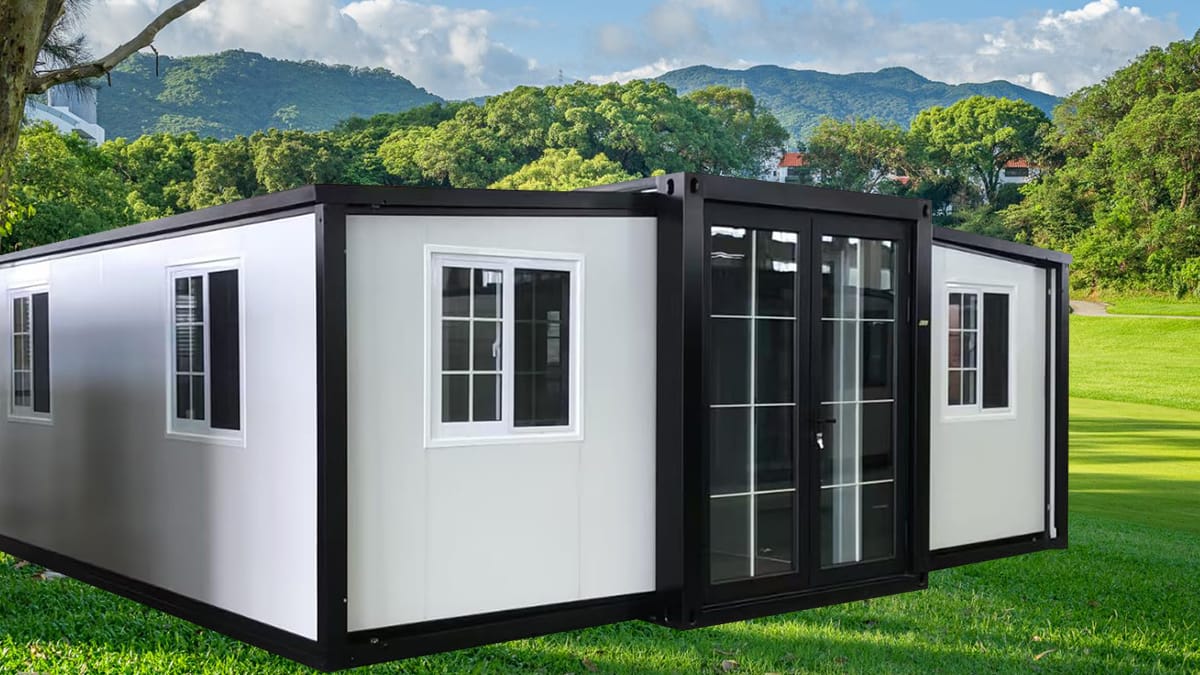
15 Sep What Is the Lifespan of an Expandable Container House in 2025
Table of Contents
You can expect the lifespan of an expandable container house in 2025 to be around 25 to 30 years. With proper care, the house might last 50 years or even longer.
Most homes typically last 25 to 30 years.
Good maintenance can extend their lifespan to up to 50 years.
Several factors influence the lifespan of an expandable container house:
Materials like Corten-steel and strong insulation
Regular checks and addressing issues promptly
The weather and climate conditions in your area
Thoughtful design and robust engineering
The frequency of relocating the house
Implementing smart upgrades over time
Key Takeaways
Your expandable container house can last 25 to 30 years with care. If you take good care of it, it may last up to 50 years.
Use strong materials like Corten-steel to make it last longer. You need to check for rust and keep it waterproof often.
Weather and the environment can change how long your house lasts. Pick a good place and get the land ready to keep your home safe.
You should check your house often. Look for rust, leaks, and damage at least two times each year. This helps you find problems early and spend less on fixing them.
Think about the price and how long it will last. Container homes usually cost less and are easier to take care of, so many people like them.
Lifespan of an Expandable Container House
Typical Lifespan Range
You may ask how long your expandable container house will last. Most experts say it can last 25 to 50 years or more. The lifespan depends on how well you care for your home and how it was built. Some makers and studies show that regular maintenance can help your home last up to 50 years. If you do not keep up with care, your home may only last 15 to 20 years.
Strong steel and new building methods help these homes stand up to bad weather and daily use. Good insulation and energy-saving features also help your home last longer. These upgrades make the lifespan of an expandable container house much longer than most people think.
Factors Affecting Lifespan of a Container Home
Many things can change how long your expandable container house lasts. You should think about materials, maintenance, and your local weather. Here are some important things to remember:
Materials and Construction: Using high-quality materials like Corten-steel makes a big difference. Corten-steel does not rust easily and lasts longer than regular steel. Good building methods help your home stay strong for many years.
Maintenance: Check your home often for rust and leaks. Clean and fix any rust spots right away. Use coatings like epoxy or polyurethane to keep out water. Make sure all joints and seams are sealed so water cannot get inside.
Environmental Conditions: If you live in a wet or rainy place, you need to work harder to stop rust and water damage. Flat roofs need extra care to avoid leaks. Good drainage helps keep water away from your home’s base.
Design and Engineering: A well-designed expandable container house can handle stress and movement better. Strong engineering helps your home last longer, even if you move it often.
Usage and Transport: If you move your home a lot, it may wear out faster. Expansion parts need regular checks to make sure they work well.
Upgrades and Modifications: Adding new features or fixing things can help your home last longer. Many owners add solar panels, better insulation, or rainwater systems to make their homes more comfortable and strong.
Here is a quick look at what users say about their container homes:
Source | Evidence |
|---|---|
Waterproof Performance | Users talk about water leaks and repairs, showing how care affects how long homes last. |
Adaptability | Many owners like that they can change the space to fit their needs. |
Overall Satisfaction | Most people are happy with the comfort and strength of their homes. |
These homes last a long time. Because they use tough steel and smart design, shipping container homes can handle bad weather and daily use. Many owners find their expandable container house lasts longer and needs less care than they thought.
If you want your home to last, focus on stopping rust, keeping water out, and checking your home often. By taking care of your expandable container house, you can enjoy a safe and comfortable space for many years.
Materials & Build Quality
Corten-Steel Structure
Expandable container houses have a strong steel frame. Most builders use Corten-steel for the main parts. This material helps your home last longer and stay safe from bad weather.
Corten-steel makes a layer of rust that protects the metal. This layer stops more rust from forming, even in rough weather.
The steel does not get damaged by seawater or very hot or cold temperatures. It works well in many climates.
In wet or coastal places, Corten-steel keeps your house strong for years.
Thicker Corten-steel, like 2.0mm or 3.0mm, helps your home last over 25 years. If you want more protection, you can pick thicker steel.
Always check the quality of the shipping container in your home. Thicker and better steel means your house is stronger and needs fewer fixes.
Construction Standards
How your house is built and the container’s quality matter a lot. Builders who follow strict rules make homes that are safe and last longer.
Aspect | Description |
|---|---|
Material Quality | |
Maintenance Practices | Checking for rust often helps your home last longer. |
Environmental Conditions | Dry places help homes last, but wet places need more care. |
Design and Engineering | Good designs keep your house safe and strong. |
Lifespan | With care, many homes last 20 years or more. |
Pick a builder with a good record for design and building. Factories with strict checks and many production lines make homes that last. If you choose a builder who uses good materials and knows how to build container homes, you get a safer and stronger house.
Tip: Always ask about the container’s quality and building standards. This helps you pick a home that will last a long time.
Maintenance for Expandable Container House
 Rust Prevention & Waterproofing
 Rust Prevention & Waterproofing
You play a big role in how long your expandable container house lasts. Proper maintenance and care keep your home strong and safe. Rust and water are the biggest threats to steel structures. If you ignore them, your house can develop leaks, stains, or even structural problems in just a few years.
To protect your home, you should focus on rust prevention and waterproofing. Corten steel forms a protective layer that helps stop rust, but you still need to check for damage. Many experts recommend using advanced coatings, like graphene powder coating, for even better protection. This coating sticks well and blocks moisture from reaching the steel.
Method | Description |
|---|---|
Graphene Powder Coating | Offers strong adhesion and shields steel from rust better than standard varnish. |
Corten Steel | Builds a natural rust layer that slows down further corrosion and extends the structure’s life. |
You should also seal all joints and seams. Apply waterproof coatings to the roof and walls. In areas with heavy rain or harsh weather, add a second coat for extra safety. Regular cleaning removes dirt and lets you spot problems early.
Tip: Proper maintenance, like sealing and repainting, can help your expandable container house last up to 50 years.
Routine Inspections
Routine inspections are the best way to catch problems before they grow. You should check your expandable container house at least twice a year—once in spring and once in fall. Look for rust, leaks, and any signs of wear. Pay close attention to the floor, walls, roof, and doors. Make sure door seals are tight and latches work well.
Here is a simple checklist for your inspections:
Inspect for rust and repaint exposed spots.
Check insulation to prevent moisture and temperature problems.
Clean the exterior and look for cracks or leaks.
Examine the roof for rust and make sure water drains away.
Look at the foundation for any shifting or settling.
Watch for pests and take action if needed.
If you find small issues, fix them right away. This level of maintenance stops bigger problems and saves money over time. Proper maintenance and care, including rust control and waterproofing, are key to making your container homes last as long as possible.
Environment & Location
Climate Impact
Where you put your expandable container house matters a lot. The weather in your area can change how long your home lasts. You should think about the climate before you set up your house.
If you live near the ocean, your house may last only 15 to 20 years. Salt and wet air make rust and corrosion happen faster.
If you live far from the coast, your house can last up to 30 years with care. Dry air and less salt help keep the steel safe.
Lots of rain and high humidity can make your house wear out sooner. Rust and water damage are bigger problems in these places.
Bad weather, like heavy snow or strong winds, means you need extra protection. Good insulation and regular checks help keep your house safe.
You can help your house last longer by picking a good spot and using weatherproof materials. Taking care of your house and making smart upgrades help it handle tough weather.
Tip: Always look at the weather in your area before you build. This helps you plan for better protection and a home that lasts longer.
Site Preparation
Getting your site ready helps your container house stay strong. You need a solid base and a smart layout. Here are some good tips:
Best Practice | Description |
|---|---|
Ground Preparation | Clear and level the ground. Use stabilizers to make a strong base for your house. |
Layout Design | Plan your layout before building. This makes putting your house together easier and saves money. |
You also need to follow local building codes and zoning rules. These rules can be different in each place. Some areas have strict laws for container houses. You must check these rules before you start building. Following the rules keeps your house safe and legal.
Regulatory Issue | Impact Level | Frequency |
|---|---|---|
Building Codes | High | Occasionally |
Zoning Laws | High | Occasionally |
A well-prepared site and knowing the local laws help you build a strong home. You protect your money and help the environment by making smart choices from the start.
Traditional vs. Container Homes
Lifespan Comparison
If you look at how long homes last, you will see differences. Traditional homes can last for many years. Some families live in the same house for over 50 years. These homes use brick, wood, or concrete. With good care, these materials last a long time.
Expandable container houses do not last as long. If you live in your container home every day, it may last 10 to 15 years. If you use it less, it can last up to 25 years. The design of a container home helps it stay strong. Steel needs protection from rust and bad weather.
Traditional homes last a long time with good care.
If you take care of a traditional home, its value can go up.
Container homes need special treatments to stop rust.
It is easier and cheaper to fix container homes.
Note: Traditional homes need more work to keep them nice. Container homes need fewer repairs if you stop rust early.
Cost vs. Longevity
You might ask how much each home costs and how long it lasts. Expandable container houses cost less at first. They are good if you want a fast and flexible place to live. You spend less money on repairs and bills. Container homes do not get pests, mold, or rot easily.
Here is a table to help you compare:
Type of House | Initial Cost Range | Expected Lifespan | Maintenance Costs |
|---|---|---|---|
Expandable Container House | Starts at $8,500 | Long-lasting | Generally lower |
Traditional Home | Higher | Varies widely | Higher |
Container homes use old shipping containers. This makes them good for the environment. Traditional homes cost more to build and fix. They last longer if you take care of them.
Tip: If you want a home that is easy to care for and cheap, pick a container home. If you want a house that lasts many years, a traditional home is better for you.
You can expect an expandable container house to last 25 to 50 years if you take good care of it. The main things that affect how long it lasts are the quality of materials and how it is built, the weather where you live, the strength of the design, and how often you check for rust or problems with insulation. To make your house last longer, look for problems often and fix them right away. More people want container homes now because they cost less, help the environment, and work for many different uses. The future for these homes looks very good.
FAQ
How often should you inspect your expandable container house?
You should inspect your house at least twice a year. Look for rust, leaks, and damage. Check after storms or heavy rain. Early action keeps your home safe and strong.
Can you move an expandable container house more than once?
Yes, you can move your house several times. Each move may cause wear. Inspect all joints and seals after moving. Fix any problems right away.
What is the best way to prevent rust on your container house?
Apply a protective coating to all steel surfaces. Use waterproof paint or graphene powder coating. Clean and dry the exterior often. Quick action stops rust from spreading.
Do expandable container houses stay warm in winter?
Yes, if you use good insulation. Add extra insulation to walls and floors. Seal windows and doors tightly. You can use a small heater for extra warmth.