


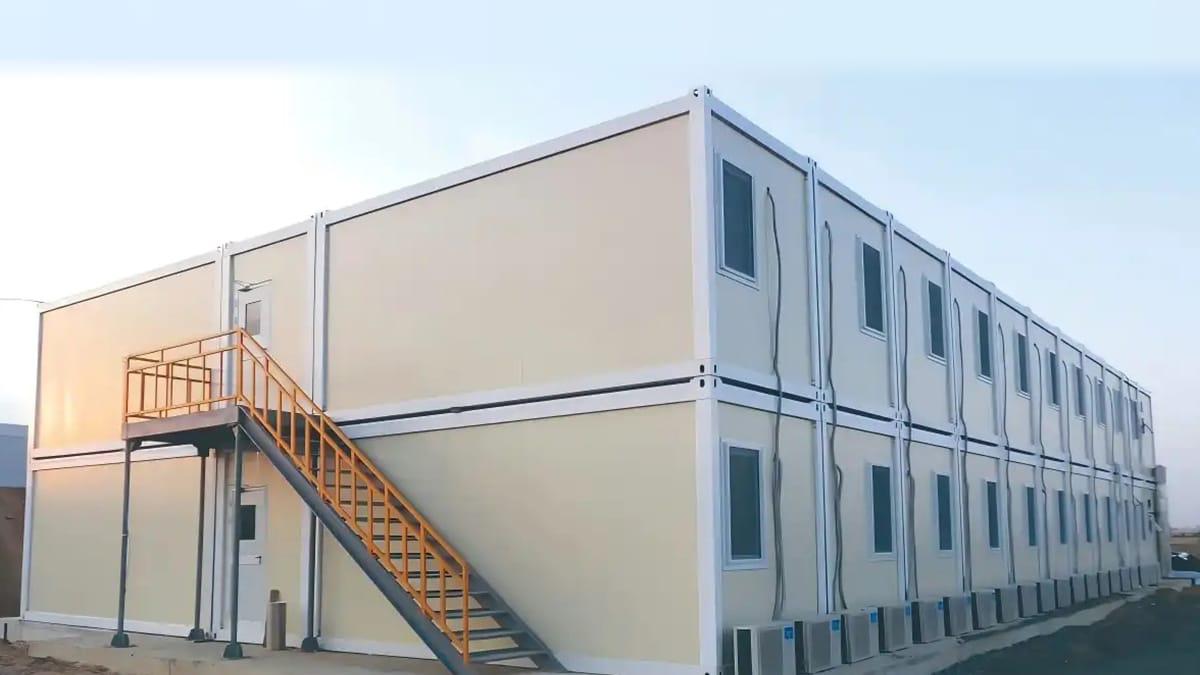
28 Nov Prefab Folding Container Houses The Upsides and Downsides for Buyers
Table of Contents
You may think a prefab folding container house is cool. It is good if you want a cheap home. It is also quick to build and easy to move. These houses usually cost $10,000 to $35,000. That is much less than regular homes. The market is growing very fast, as you can see below:
Year | Market Size (USD) | Expected Value (USD) |
|---|---|---|
2023 | 22.53 Billion by 2033 |
Shipping container homes use strong materials. They also have flexible designs. But you should think about space and insulation. You also need to check local rules before you choose. What you need and where you live are most important.
Key Takeaways
Prefab folding container houses do not cost much. They usually cost from $10,000 to $35,000. This makes them a good choice for people who want to save money.
These homes can be built fast. Most are ready in 3 to 6 months. You can move in sooner and spend less on building.
Container homes can be moved easily. They are good for short-term living or if you need to move. You should check local zoning laws before you move.
You can change many things in these homes. You can pick the design and materials you like. This helps you make a home that fits your style and needs.
Container homes last a long time. But you need to take care of them often. This stops rust and keeps the home warm and comfortable.
Prefab Folding Container House Pros
Affordability Benefits
You want a home that does not cost too much. Prefab folding container houses help you buy a home for less money. These homes are much cheaper than regular houses. Look at this table to see the price difference:
Type of House | Price Range |
|---|---|
Entry-level Folding Houses | |
Premium Commercial-grade | Up to $15,000 |
B2B Solutions | $1,200 – $5,000 |
Conventional Houses | Several million dollars |
Even the best shipping container homes cost less than normal houses. Many people pick these homes because they are cheaper to build and own. Experts say about 43% of buyers want homes that save money. Used containers cost between $2,000 and $5,000. A single-container home usually costs $25,000 to $80,000. This saves a lot of money compared to regular homes.
Fast Build Time
If you want to move in fast, these homes are a good choice. You do not have to wait a year like with a normal house. Here is a table to compare:
Construction Method | Average Construction Time (Months) | Labor Force Requirement | Weather Dependency | Cost Efficiency |
|---|---|---|---|---|
Prefabricated Houses | Low | Low | High | |
Traditional Construction | 6 – 12 | High | High | Medium |
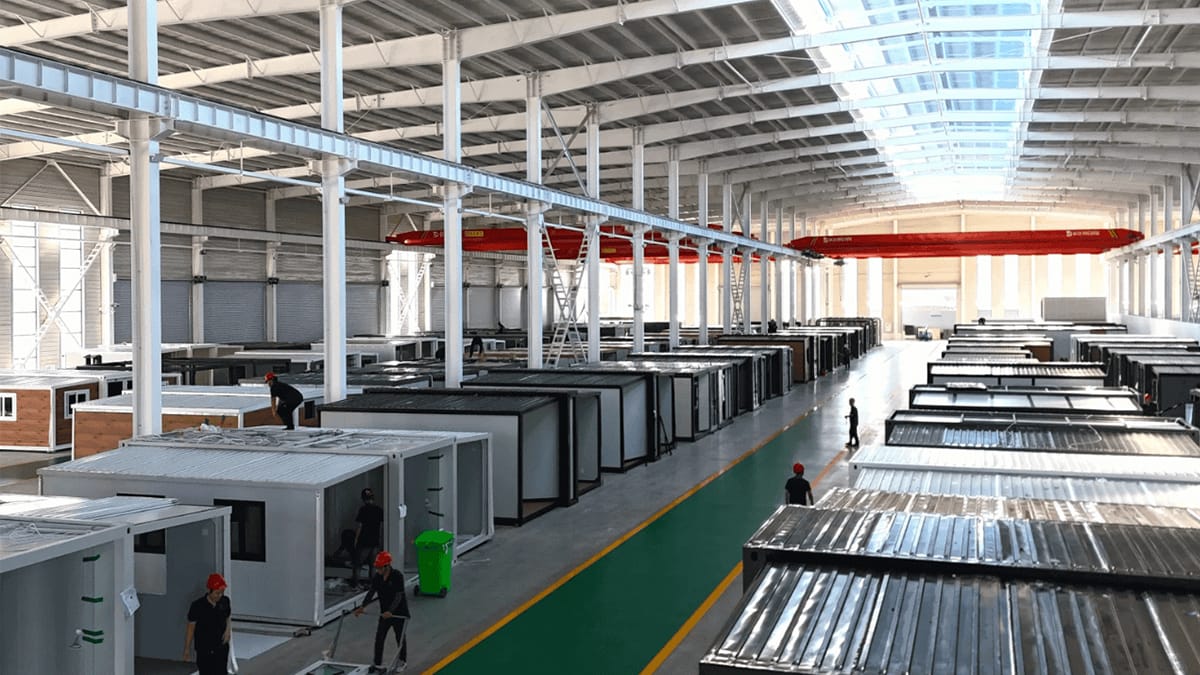
You save time and money because building is quick. Most work is done in a factory, so bad weather does not slow things down. Fewer workers are needed, so you pay less for labor. You can move in sooner and avoid extra costs.
Tip: Some folding container homes can be set up in ten minutes or less with a small crew. This is great if you need a home fast!
Mobility and Relocation
Do you want a home you can move? Shipping container homes make this easy. The foldable design lets you put your house on a truck or trailer. You can take it almost anywhere. Here are some ways people use them:
Emergency housing after disasters.
Temporary homes for workers at construction sites.
Vacation cabins you can move with the seasons.
Mobile office spaces for businesses on the go.
You can set up or take down your home quickly. This makes shipping container homes very flexible. But you may need permits and must plan for utilities at your new place.
Durability and Safety
You want a house that is strong and safe. Prefab folding container houses use Corten steel, which is tough and can handle bad weather. This makes your home last longer and stay strong. These homes can stand up to strong winds, heavy rain, and even earthquakes better than many normal houses.
Many shipping container homes meet strict safety rules. Here are some common certifications:
Certification/Standard | Purpose | Scope | Importance |
|---|---|---|---|
Global quality and safety compliance | Structure, materials, electrical, fire protection | Needed for export approval | |
CE Marking | EU health, safety, and environment | Required in EU and EEA countries | Legal sales in the EU |
UL Certification | North American safety standards | Electrical, fire resistance, structure | Needed for US and Canada |
CSC Certification | Shipping safety and durability | Structure for shipping use | Needed for international transport |
Local Building Codes | Local rules and safety | Varies by country and state | Needed for installation |
You can feel safe knowing your home meets these standards.
Design Flexibility
You do not have to live in a plain box. One of the best things about shipping container homes is you can make them your own. You can choose different materials, layouts, and finishes. You can have a studio, a family home, or a modern office. Here are some popular choices:
Description | |
|---|---|
Material Choices | Galvanized steel, composite panels, bamboo, and more. |
Space Configurations | Studios, multi-room homes, or open layouts. |
Exterior and Interior Finishes | Paint colors, cladding, flooring, and fixtures. |
Sustainable Options | Eco-friendly materials and energy-saving designs. |
Technological Integrations | Automated lighting, climate control, and smart home features. |
You can make a home that fits your style and needs.
Environmental Impact
If you care about the earth, these homes are a smart pick. They use recycled shipping containers, so less trash goes to landfills. Regular homes waste up to 30% of building materials, but container homes waste much less. Here is a table to compare:
Key Point | Shipping Containers | Traditional Materials |
|---|---|---|
Construction Waste | Minimal, almost no waste | About 30% material loss |
End-of-Life Diversion | Reusable, extends lifespan | Lots of debris |
Landfill Impact | Reduces landfill waste | High landfill contribution |
Demand for New Materials | Lower, saves resources | High demand for new materials |
Embodied Energy and Emissions | 3-5% less than wood | Higher emissions |
Prefab folding container houses are also eco-friendly in other ways. They are built in factories with careful planning, so there is less waste. Quality checks are strict, so there are fewer mistakes and less trash. You can reuse parts of your house if you move or change it. The steel in these homes can be recycled, which is good for the planet.
Note: Smart design and using fewer resources help you save energy and lower your carbon footprint. This is good for you and the earth!
Shipping Container Homes Cons
Space and Layout Limits
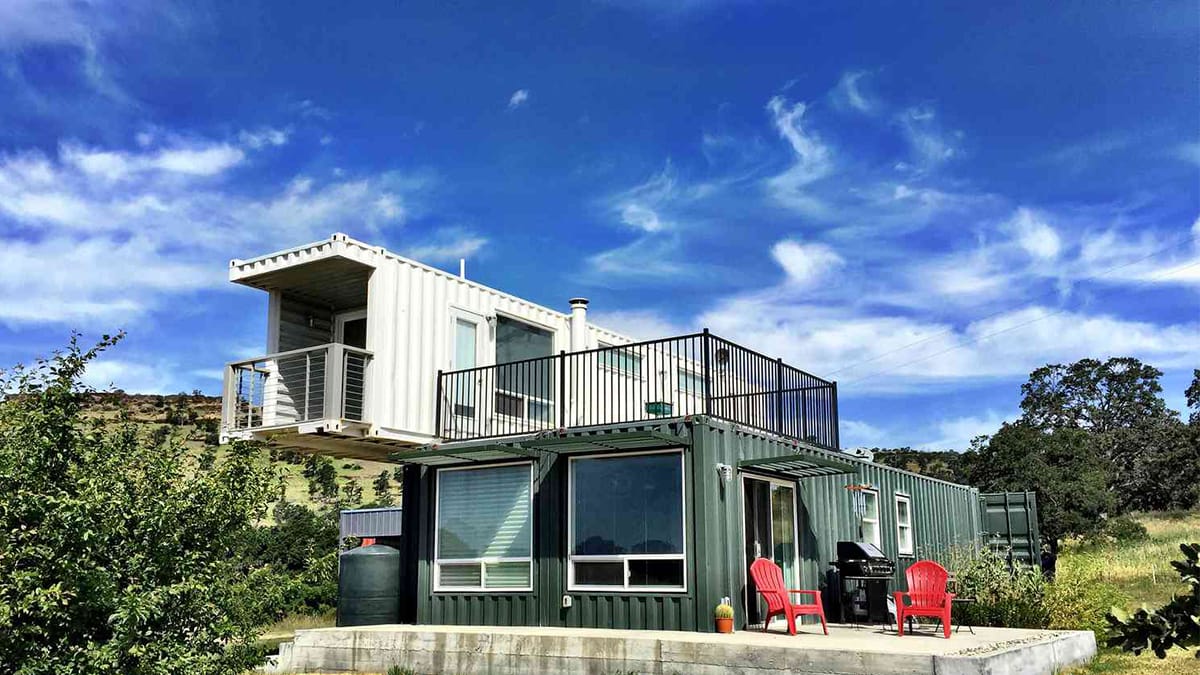
Living in a small home can be hard. You might not have much room. You need to use your space in smart ways. People use furniture that does more than one job. Sofa beds and foldable tables help save space. Murphy beds fold up and give you more room. You can use shelves on the wall and storage under the bed. Open floor plans make your house feel bigger. You can move things around easily. Modular decor lets you change your space and keep it nice. In the kitchen, fold-out tables help you save space. If you want a big living room or many bedrooms, you might feel crowded. You may need to get rid of some things or use each area in a new way.
Insulation and Comfort
Your house can get hot in summer and cold in winter. Insulation is very important for container homes. Steel walls let heat and cold in fast. You need good insulation to stay comfy. Sometimes, heat escapes quickly and uses more energy. Air can leak in around windows and seams. Poor insulation means you pay more for energy. It also makes your house less comfy. You might hear more noise from outside. You can fix some problems with spray foam or fiberglass insulation. Insulation in corners and seams can save a lot of energy. Louvers on windows can help lower energy loss. These fixes cost extra money. They may not work as well as in regular homes.
Zoning and Permits
You cannot put your house anywhere you want. You need to follow local rules. Zoning laws and permits can be hard to deal with. Always check the rules before you buy or move your house. Here is a table that shows how zoning works:
Zoning Type | Container House Allowed? | Key Requirements |
|---|---|---|
Residential | Sometimes | Must meet building codes and appearance standards |
Agricultural | Often | Usually allowed if the home supports farm use |
Commercial | Rarely | Only with special permits |
Industrial | Occasionally | For office or mixed-use conversions |
You must follow safety rules for insulation, air flow, and fire protection. You need permits for the base, water pipes, and wires. Local offices can tell you what is allowed. Rules are different in each place. You might have to pay extra fees or wait for permits and checks.
Tip: Talk to your local zoning office before you build. This can help you save time and money.
Maintenance Needs
Your house is strong but needs care. Rust and corrosion can happen, especially at joints and seams. You should check these spots often. Use coatings to protect your house. Here are some things you need to do:
Look for rust and clean it with a wire brush.
Put vinegar on rusty spots and let it dry.
Use DTM paint to cover the metal.
Seal the walls to keep water out.
Add coatings to steel parts to stop rust.
Use moisture-proof products when you build.
Put overhangs over windows and doors to keep out rain.
Check air systems to stop leaks and mold.
Container homes cost less to keep up than regular houses. Anti-corrosion work is cheaper. Here is a table to compare:
Factor | Container House | Traditional House |
|---|---|---|
Maintenance | Low (anti-corrosion) | High (foundation, roofing) |
You still need good insulation and air flow to keep your house comfy and save energy.
Health and Structural Issues
You want your house to be safe and healthy. Some container homes have risks you should know. Mold and allergens can grow if air flow is bad. Harmful gases like radon can get in if you do not have systems to stop them. Some containers have floors with pesticides or paint with chemicals. New containers do not have these problems, but they cost more.
Health Risk | Mitigation Strategy |
|---|---|
Allergens and Mold | Use hospital-grade ventilation systems to control air quality. |
Harmful Gases | Install passive systems to direct gases away from your house. |
Chemical Exposure | Choose materials free of formaldehyde and toxic adhesives. |
You can lower risks by picking safe materials and keeping your house dry. Make sure air flows well. Rust and corrosion also need care. Seal walls and use coatings to stop rust. Check for rust often. Build your house to avoid bad weather. Use plants or cladding to protect the steel.
Note: Living in a movable container house means you need to do extra work to keep your home safe and healthy. You must keep up with care and pick the right materials.
Affordability: Is It Worth It?
Cost Comparison
You might wonder how much these homes cost. Many people pick prefab shipping container homes because they are cheaper. A basic assemble container house costs $10,000 to $50,000. If you want a mid-range home, it costs $60,000 to $100,000. Luxury container houses cost more than $150,000. Regular homes cost more because building them takes more work and money. Look at this table to see the price difference:
Type of Home | Cost Range |
|---|---|
Basic Assemble Container House | $10,000 – $50,000 |
Mid-Range Container House | $60,000 – $100,000 |
Luxury Container House | Exceeds $150,000 |
Traditional Homes | Typically higher due to labor and construction costs |
But there are extra costs you need to think about. You have to pay for land, permits, and utilities. These costs can add up fast. Here are some extra costs you might have:
Hidden Cost | Estimated Cost Range |
|---|---|
Land Purchase and Survey | $4,500 to $20,000 per acre |
Permits and Local Fees | $500 to $4,500 |
Sales Tax | $5,000 to $10,000 |
Land Clearance | $800 to $3,500 |
Foundation Construction | $7 to $20 per square foot |
Utility Connections | Varies (e.g., $300 to $2,000) |
Labor Costs | Varies by region |
Home Upgrades | Varies based on choices |
Insulated Frame | $1.20 to $5.20 per square foot |
Furniture | Varies based on preferences |
If you want to know the total cost, add these extra costs to your budget. How much you pay depends on what you pick and where you live.
Long-Term Value
You may ask if these homes keep their value. Regular homes usually give you more money back when you sell. They last longer and need less fixing. But prefab folding container houses use good materials and smart designs. This can help them keep their value. Modular homes often have fewer problems, so you might sell them for more.
Here are things that change long-term value:
Factor | Impact | Trend |
|---|---|---|
Location | Primary | +5-15% |
Design | Secondary | +3-8% |
Eco-Features | Growing | +4-7% |
Market Demand | Strong | Increasing |
Where you put your house matters most. If your house is in a good area, its value can go up by 5-15%. Nice design and eco-friendly features help too. More people want prefab folding container houses now, so their value may rise. You should also think about how long these homes last. Most last 25 to 30 years if you take care of them. Some last even longer with good care.
So, do these homes keep their value? They can, but you need to pick a good spot and take care of your house. If you want a home that is easy to move and fits your budget, prefab shipping container homes are a good choice. How long do they last? With regular care, you can live in your home for many years.
Tip: To get the best value, choose a good location, smart design, and eco-friendly upgrades. These choices help your house keep its value and make it easier to sell later.
You have seen the pros and cons of choosing a prefab folding container house. Think about your budget, comfort, and local rules before you decide. Check insulation, design options, and how easy it is to move your house. Visit model homes and learn about building codes in your area. Ask yourself if the pros and cons match your needs. Your perfect house depends on what matters most to you.
FAQ
How long does a prefab folding container house last?
You can expect your container house to last 25 to 30 years with good care. If you keep up with maintenance and protect it from rust, it may last even longer.
Can I customize the design of my container house?
Yes! You can pick layouts, finishes, and even add smart home features. Many companies let you choose colors, materials, and room setups. Your home can match your style.
Are these homes safe in bad weather?
Prefab folding container houses use strong steel. They handle wind, rain, and even earthquakes well. You should check local building codes to make sure your home meets safety standards.
Can I get a loan or mortgage for a container house?
Some banks offer loans for prefab homes. You may need to show building plans and permits. Here’s a quick look:
Lender Type | Offers Loans? |
|---|---|
Major Banks | Sometimes |
Credit Unions | Often |
Online Lenders | Yes |
Tip: Ask your lender about prefab home financing before you buy.