


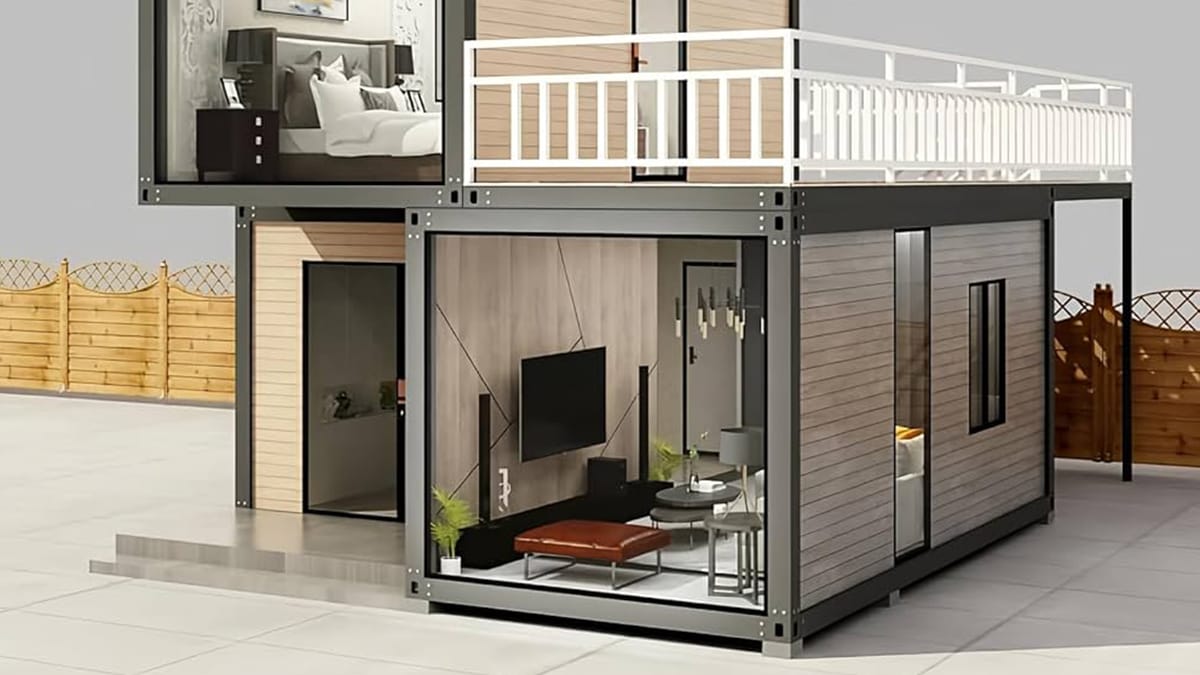
30 Nov Pros and Cons of Collapsible Container Houses in 2025
Table of Contents
Thinking about a collapsible container house in 2025? You can set it up fast. It is flexible and costs less. But you may have small rooms. Building rules can be hard to follow. Are you looking for a home that saves money? Or do you want a smart way to invest? Many people want new choices. Housing prices keep going up. Rules make building homes harder. More people pick collapsible container houses now. The market is growing quickly. Urban living and caring for the planet help this growth.
The global foldable container house market will grow a lot. It will go from $9.23 billion in 2024 to $28.16 billion by 2035.
More people live in cities. People need homes that cost less. Caring for the planet helps this market grow.
High mortgage rates make buying homes hard. Building regular homes costs a lot.
Key Takeaways
Collapsible container houses cost less than regular homes. You can save a lot of money with them.
These homes are fast to set up. You can have one ready in just a few days. They are good for people who need a home right away.
You can change the design and features of your collapsible container house. This helps you match your own style and needs.
Mobility is a big benefit. You can move your collapsible container house easily. You can take it to new places when your life changes.
Check local zoning laws and space rules before you pick a collapsible container house. These things can affect how you live in your home.
What Is a Collapsible Container House?
A collapsible container house is a new way to live or invest. This home folds up and moves easily. You can set it up fast. You can take it down when you want. In 2025, this house is special because it fits many needs. You might want a quick home or a place for emergencies. You might need a flexible space for work. Unlike regular container homes, this house folds flat for easy moving. You save time and money when you set it up. You also get more choices for where to put your house.
Key Features
You will see some cool things in a collapsible container house. Here are the most common ones:
Eco-friendly design helps you care for the planet.
Quick assembly lets you move in fast.
Portability means you can take your house almost anywhere.
Cost efficiency saves you money.
Versatile use cases fit many needs, like temporary housing, disaster relief, or permanent homes.
Smart technology integration makes life easier.
Sustainable materials keep your home green.
Biophilic design principles connect you to nature.
Off-grid energy solutions give you power even in remote places.
How They Work
You get your collapsible container house in a small form. You unfold it on your land or site. The walls and roof pop up and lock in place. You connect water and power if you want. Some houses use solar panels or rainwater systems. You can add smart devices to control lights or temperature. You might use your house as a main home, a guest house, or a pop-up shop. Setting up takes less time than building a regular house.
2025 Trends
Let’s see what is popular in 2025 for collapsible container houses. The market grows because people want eco-friendly homes. Tiny houses are still popular. Younger buyers want to save money. Fixed container homes are easy to install. They make up most of the market.
Trend | Description |
|---|---|
More buyers want eco-friendly homes that help the planet. | |
Popularity of Tiny Houses | Tiny houses attract younger people who want to spend less. |
Convenience of Fixed Homes | Fixed container homes are easy to install and make up most of the market. |
You see more smart features and green materials every year. If you want a flexible and modern home, a collapsible container house might be right for you.
Pros and Cons of Collapsible Container Houses
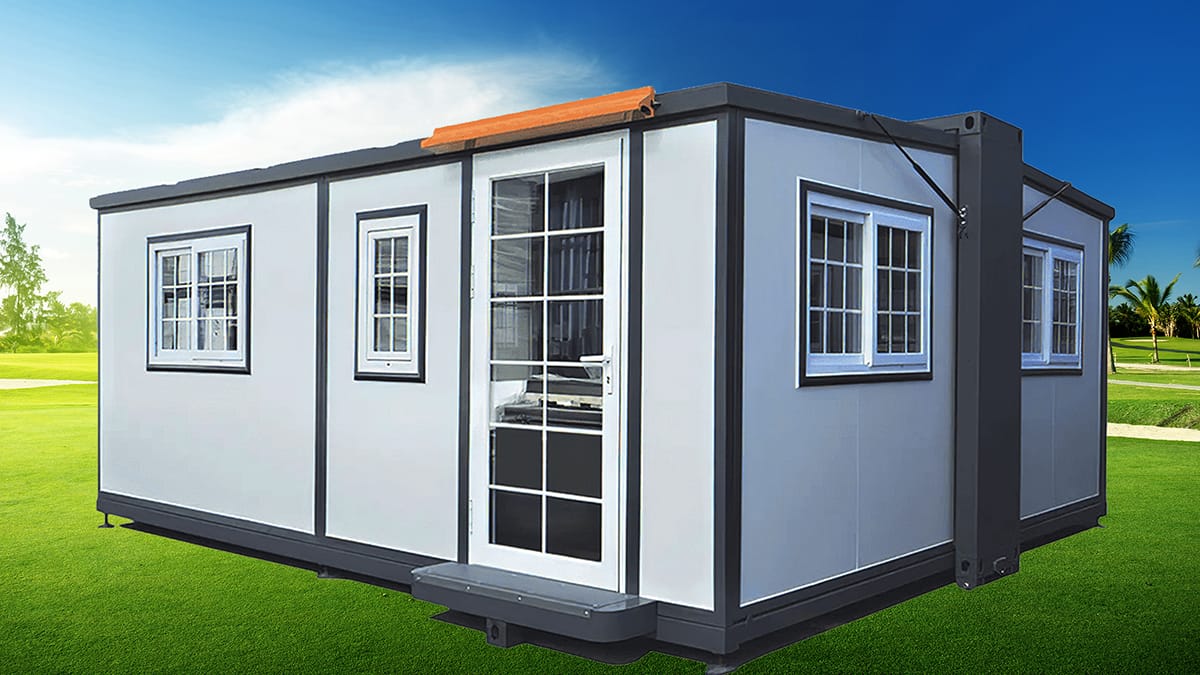
When you think about collapsible container houses, you find good and bad things. Let’s look at the main pros and cons. This will help you see if this home is right for you.
Affordability
You might wonder if these homes save money. They do. They cost less to build than most regular houses. You pay less for workers and supplies. Here’s a table to show the cost difference:
Aspect | Container Houses Cost | Traditional Houses Cost | Cost Difference |
|---|---|---|---|
Average Cost per m² | $3000 | $4500 | $1500 |
Total Cost for 400 m² | $1,200,000 | $1,800,000 | $600,000 |
You also spend less on repairs. Many container homes use recycled parts. This helps keep prices low. People like these homes because they are cheap and save money. Some small container homes cost only $1,000. That is much less than a normal house deposit. If you want to spend less on building, this is a good choice.
Quick Construction
Do you want to move in soon? Container homes are fast to build. You can set up your home in just a few days. This is about twice as fast as building a regular house. You do not have to wait months for your new home. If you need a place quickly, these homes work well. They are good for faraway places where building is slow. You get to use your new home sooner.
Foldable container houses can be put together in days.
Building is about 50% faster than regular houses.
Great for faraway places because they are quick to set up.
Design Flexibility
You might think all container homes look the same. That is not true. You can change the inside to match your taste. You can add smart systems or solar panels. Some people use these homes as offices or playrooms. You can pick the look and features you want.
You can change the inside to fit your needs.
Add smart systems or solar panels if you want.
Use the home as a playroom, office, or shop.
These homes use recycled parts and green tech. You help the earth and make your home special. Many people say with nice decorations, these homes feel cozy.
“People said that with good decoration, these homes can be special and comfy. Adding plants and smart systems makes the space green and nice.”
Mobility
Do you move often? Collapsible container houses are easy to move. You can fold your home and take it with you. This is good for people who travel for work or need a short-term home. You can set up your home in a new place without much work.
Benefit | Description |
|---|---|
You can fold or unfold your home fast. | |
Transportability | Move your home to new places easily. |
Flexibility | Take apart and put together your home with no trouble. |
You can also make your home bigger by adding more parts. The design lets you change your home as you need. If you want a flexible life, these homes are a good fit.
Space Limitations
Now, let’s talk about the biggest problem: space. Container homes do not have much room. The rooms are smaller than in a regular house. If you want more space, you need to join more containers. That can cost more money. You might feel crowded if you have a big family or lots of things.
Disadvantage | Description |
|---|---|
Limited Space | Containers are not made for living, so you get less space. Making more space can cost more. |
Think about how much room you need before you pick this kind of home.
Zoning and Regulations
You might have trouble with local rules. Zoning and regulations for these homes can be hard to understand. Some cities have strict rules. You might need special papers. Some places do not allow container homes at all. Building codes can be tough too. You must follow rules for things like insulation and plumbing.
Local rules and zoning laws are hard and change by city.
Some places need special papers or do not allow these homes.
Building codes can be strict about insulation and plumbing.
Not having clear rules can slow down your project. You might spend more time and money to get the right papers.
Temperature and Insulation
Container homes are made of steel. Steel gets hot and cold fast. This makes it hard to keep your home comfy in bad weather. You need good insulation and air flow. Without these, your home can get too hot or too cold. Bad air flow can also cause mold and bad air.
Disadvantage | Description |
|---|---|
Insulation and Ventilation | Steel gets hot and cold fast, so it is hard to control temperature. Bad air flow can cause mold. |
You may need to spend more money to fix these problems. Good insulation is very important if you want to live in your home all year.
Health and Material Safety
You should know what is in your home. Some containers have bad chemicals from before. These can be paints, bug killers, or heavy metals. The floors might have chemicals to stop bugs. You need to make sure your home is safe. Good sealing and air flow help keep your home healthy.
Bad chemicals from the first use, like paints and bug killers.
Floors may have chemicals to stop bugs.
You need good air flow and sealing for a safe home.
Always check what is in your container home before you buy it.
Supply and Availability
You might wonder if you can get a container home where you live. How easy it is to get one depends on your area. In 2024, Asia-Pacific has the most container homes. Western Europe and North America are growing fast. More people want green homes, so the market is getting bigger.
Region | Market Size in 2024 | Notes |
|---|---|---|
Asia-Pacific | Largest | Has the most container homes |
Western Europe | Moderate | Will grow a lot soon |
North America | Growing | More people want green homes |
If you live in a big city or a place that likes green living, you will find more choices. In some places, you may have to wait longer or pay more.
When you look at the pros and cons, you see that collapsible container houses save money, build fast, and are flexible. But you also face problems with space, rules, and comfort. If you want a home that moves easily, uses recycled parts, and saves money, a container home could be smart. Just think about how much space you need, the local rules, and what is in your home.
Shipping Container Homes vs. Alternatives
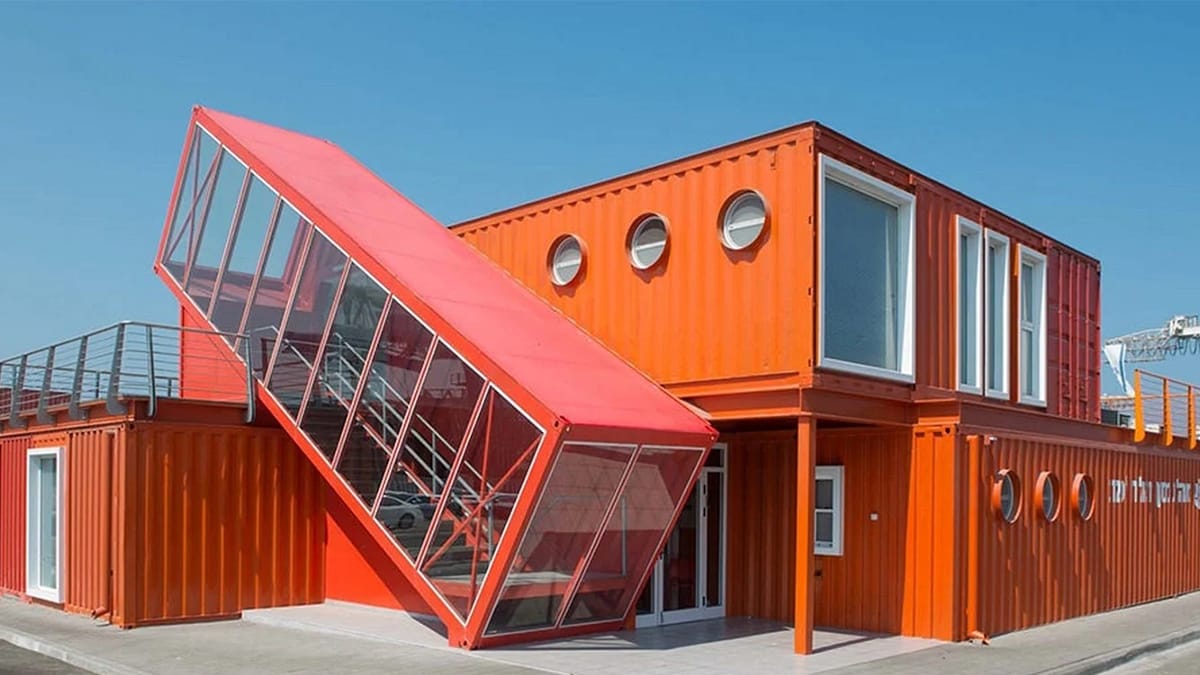
When you look at new ways to live, you might wonder how collapsible container houses stack up against other choices. Let’s break it down so you can see what fits your needs best.
Traditional Homes
Traditional homes are what most people know. They take a long time to build and cost a lot. You might spend months waiting for your house to be ready. Shipping container homes can start at around $40,000, which is much less than most regular houses. You also save money because you need fewer workers and less time to build. You can move in faster and start enjoying your space sooner.
Lower starting price than most traditional homes
Less money spent on labor and building materials
Faster move-in time, so you can use your home or start earning from it quickly
Prefab Modular Homes
Prefab modular homes come ready-made in pieces. You put them together on your land. These homes work well for people who want something long-term. Collapsible container houses give you more flexibility. You can set them up fast and use them for many things, like offices or emergency shelters. Here’s a quick look at how they compare:
Feature | Collapsible Container Houses | Prefab Modular Homes |
|---|---|---|
Flexibility | Set up quickly, use for many needs | Best for long-term living |
Challenges | Local rules, weather, extra costs for changes | Durability, cost over time |
Environmental Impact | Uses recycled materials, less waste | Not always focused on recycling |
You get more choices with collapsible container houses, but you might face more rules or need to spend extra for custom changes.
Tiny Houses
Tiny houses are small and cozy. Many people love their cottage look. Most tiny houses use wood and feel warm inside. Collapsible container houses use steel, so they last longer and stand up to bad weather. You can set up a container house in one to three months, which is faster than most tiny houses. Tiny houses are easy to move with a truck, but container homes need a crane or flatbed.
Feature | Tiny House | Container Home |
|---|---|---|
Durability | Wood, good for most places | Steel, very strong |
Setup Time | 2–6 months | |
Comfort | Well-insulated | Needs extra insulation |
Portability | Easy to tow | Needs special equipment |
Price Range | $30,000–80,000 | $20,000–60,000 |
You might pick a tiny house if you want a cozy style and easy moving. You might choose a container home if you want strength and a modern look.
Tip: Think about what matters most to you—speed, cost, style, or how easy it is to move. Each home type has something special to offer.
Who Should Choose Container Homes?
Ideal Buyers
You might wonder if a collapsible container house fits your needs. If you want to save money, this type of home could be perfect for you. Many buyers in 2025 look for lower construction costs. You can save 5-10% compared to building a regular house. That is a big deal if you watch your budget. People who care about the planet also like these homes. They use fewer new materials and often include green features. If you want a quick and flexible place to live, you will find these homes attractive. The market keeps growing because more people want affordable and sustainable options.
Lifestyle Fit
Collapsible container houses work well for many lifestyles. You might like them if you want to live simply or move often. Here are some reasons why these homes might fit your life:
Affordability: You spend less money than on a regular house.
Eco-Friendliness: You help the planet by using recycled materials and adding solar panels.
Mobility: You can move your home if you change jobs or want to travel.
Flexibility: You can change the layout or add more space as your needs grow.
If you enjoy a minimalist lifestyle or want to try living in different places, a container home gives you that freedom.
Investment Potential
You might see a container home as more than just a place to live. These homes offer strong investment potential. You pay less to buy and keep them up. You can set them up fast, sometimes in just days. This speed helps if you want to rent them out or use them for short-term stays. Many people use them for disaster relief or as temporary housing. The focus on sustainability also makes them popular with renters who care about the environment. If you want a smart, flexible investment, a collapsible container house could be a great choice.
Collapsible container houses can save you money. They are fast to set up. You can change the design to fit your needs. But you may have small rooms. Local rules can be hard to follow. Insulation can be a problem. Think about your budget before you choose. Check if you need to move often. Look at the rules in your area. Here is a table to help you decide:
Consideration | Why It Matters |
|---|---|
Size & Layout | Fits your lifestyle |
Material Quality | Keeps you safe |
Insulation | Adds comfort |
Mobility | Lets you move easily |
If you want more info, visit a model home. You can talk to sellers near you. Find out what rules your area has. Pick what works best for you.
FAQ
How long does it take to set up a collapsible container house?
You can set up most collapsible container houses in just a few days. Some models take only a day if you have help. You save time compared to building a regular house.
Can you live in a collapsible container house year-round?
Yes, you can live in one all year. You need good insulation and heating or cooling. If you plan to stay in cold or hot places, add extra insulation for comfort.
Are collapsible container houses safe during storms?
Most collapsible container houses use strong steel frames. They can handle wind and rain. For extra safety, anchor your house to the ground. Always check local weather risks before you move in.
Do you need special permits for a collapsible container house?
Tip: Always check with your city or county first!
Some places need permits for container homes. Rules change by location. You may need papers for plumbing, electricity, or zoning. Ask your local office before you buy or build.