


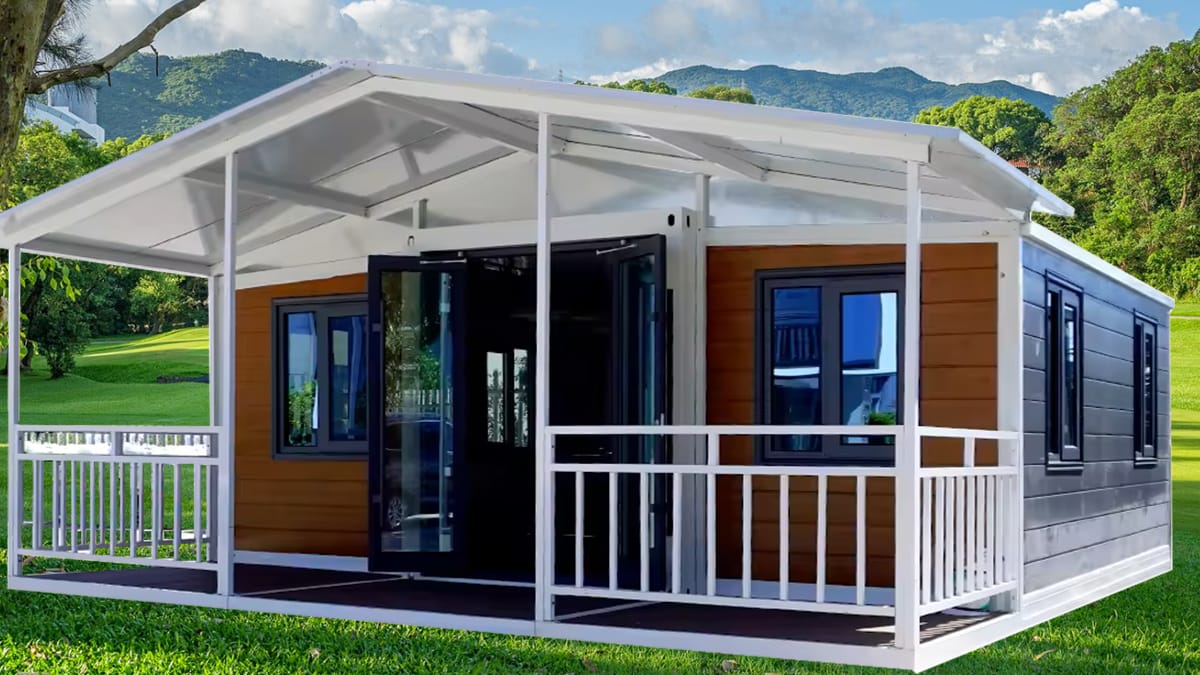
14 Sep Pros and Cons of Expandable Prefab Houses
Table of Contents
Thinking about an expandable prefab house? You can save money. It is quick to set up. You can also make it your own. But there are some downsides. The space is small. Permits can be hard to get. You may need to do more upkeep. Look at the table below for the main pros and cons:
Advantages | Disadvantages |
|---|---|
Cost-Efficiency | Limited Space |
Sustainability | Design and Aesthetics |
Versatility | Permits and Regulations |
Portability | Maintenance |
An expandable prefab house is a small home. You can move it and set it up fast. As you read, think about what you need. Do you care most about price, space, or being flexible?
Key Takeaways
Expandable prefab houses help you save money. They cost 10% to 25% less for each square foot than normal homes.
These houses are fast to build. Most are finished in 4 to 7 months. This is much quicker than building regular houses.
Customization is important. You can pick layouts, finishes, and eco-friendly materials. This helps match your own style.
Think about how much space you need. Expandable prefab houses are smaller. They may not work for big families or people with lots of stuff.
Look at local rules. Zoning laws can change where you put a prefab house. Make sure to check before you buy.
What Is an Expandable Prefab House?
Definition
You might ask how an expandable prefab house is not the same as other modular homes. This kind of house comes to your land in a small size. You can make it bigger by opening or sliding out parts. This way, you get more room after you set it up. Many people pick this house because it mixes the good things about prefabricated homes with the flexible style of modular homes. You get a house that is easy to move, fast to put together, and simple to change when you need something new.
How It Works
Expandable prefab houses use a special modular system. The main parts are made in a factory. Workers build the main frame and add sections that fold or slide. When your house gets to you, you or a team can make it bigger in just a few hours. This is much quicker than building a regular modular home at your place. Look at the table below to see how the setup and expansion steps are different:
Feature | Expandable Prefab House | Traditional Prefab House |
|---|---|---|
Assembly Process | Built in a factory and moved for setup | Built at your place with lots of planning |
Expansion Capability | Easy to make bigger or change as you need | Usually stays the same, not easy to change |
Construction Time | Finished much faster than regular homes | Takes longer because it is built at your place |
You can see that modular building saves time and gives you more choices. The design lets you add or take away parts when you want. This makes modular homes a good pick for people who want to be flexible.
Typical Uses
Expandable prefab houses are good for many things. You can use them as your main house, a vacation home, or even a place for your business. Here are some common ways people use them:
Homes for families or people, especially in places hit by disasters
Shops, cafes, or hotels that care about the environment
Temporary classrooms or clinics for schools and hospitals
Fast housing or medical help after emergencies
You can see why lots of people like modular homes. They work for many needs and can change for almost any situation. If you want a house that can grow with you, a modular home could be right for you. Prefabricated homes like these give you a new way to live with more choices.
Pros and Cons of Expandable Prefab Houses
 Affordability
 Affordability
Are you wondering if an expandable prefab house saves money? Most of the time, it does. These homes cost less for each square foot than regular houses. Look at this table to see how prices compare:
Type of Home | |
|---|---|
Manufactured Home | $40 – $50 |
Modular Home | $40 – $80 |
Traditional Site-Built | $150 |
Average Savings | 10% – 25% |
Prefab homes help you save real money. That is why many people pick them when they want something affordable. You can pay in different ways. Some options are loans, buy now pay later plans, or microloans. Some companies let you use Klarna, Affirm, or PayPal. With all these choices, paying is easier. Affordability is a big reason people like prefab homes.
Fast Construction
Do you want to move in soon? Expandable prefab houses are very fast to build. They take less time than regular homes. Most prefab homes are ready in 4 to 7 months. Regular homes need 9 to 12 months. Why are prefab homes so quick? The factory builds your house while workers get your land ready. You do not have to wait for one job to finish before starting another. Factory work does not stop for bad weather. Your house gets done on time. This is great if you need a home fast.
Modular homes: 4–7 months
Traditional homes: 9–12 months
Customization
Some people think prefab homes all look alike. That is not true. Many builders let you pick your floor plan and finishes. You can choose the materials you want. You can get energy-saving appliances and eco-friendly materials. You can also pick colors and styles you like. Here is what you can change:
Customization Aspect | Description |
|---|---|
Floor Plans | Pick layouts that fit your needs |
Finishes | Choose colors and materials you like |
Interior Design Elements | Add features to match your style |
Sustainable Materials | Select eco-friendly options |
Energy-Efficient Appliances | Save money and energy with smart choices |
You can add more rooms or change your house later. If you need a new bedroom or office, just add a module. This makes prefab homes good for families that grow or change.
Versatility
Expandable prefab houses are useful for many things. You can use them as shops, offices, shelters, or classrooms. Their strong design lets you put them in cities or faraway places. Some have solar panels and LED lights. This makes them good for green living anywhere. Here are some ways people use them:
Pop-up retail or cafes
Mobile art galleries
Emergency clinics or shelters
Urban farming rooms
Co-working spaces
Adventure bases or glamping pods
Prefab homes are very flexible. That is a big plus.
Environmental Impact
If you care about nature, prefab homes are a good choice. Builders use green materials like bamboo, recycled wood, steel, or special timber. These materials help cut down on waste and pollution. Many prefab homes have solar panels and energy-saving appliances. This helps you save money and protect the planet.
Tip: Pick a prefab house with green materials and smart systems. You will save money and help the earth.
Limited Space
Let’s look at the cons now. One big problem is space. Expandable prefab houses are smaller than regular homes. If you have a big family or lots of stuff, you might feel crowded. Tiny homes and container homes have set shapes and sizes. This can make it hard to arrange your things. Here is a table that shows space problems:
Type of Home | Space Limitation Description |
|---|---|
Tiny Homes | Limited living space may be restrictive for larger families or those needing more room. |
Container Homes | The standardized shape and size can limit design flexibility. |
Think about how much space you need before you choose this kind of home.
Zoning and Regulations
Rules for prefab homes can be tough. Some cities do not let you put manufactured homes in some areas. You might need a special permit. Even if state laws are okay, local rules about roofs or siding can be strict. Harder rules make it tough to get approved. If you want your home in a city, check the rules first. Laws can change, but it takes time. This is a big con to remember.
Resale Value
Will your prefab house keep its value? It depends on a few things:
Factor | Description |
|---|---|
Location | Homes in popular areas sell for more. |
Design Quality | Well-designed prefab houses attract higher prices. |
Maintenance | Good upkeep makes your home more appealing. |
Energy Efficiency | Modern, green features can boost value. |
Market Perceptions | How people feel about prefab homes affects demand and price. |
If you take care of your home and pick a good spot, you can sell it for a good price. Some buyers do not want prefab homes, so selling can be harder. This is something to think about.
Note: Always check the local housing market before you buy. This helps you know what to expect if you want to sell later.
Cost of Expandable Prefab Homes
Upfront Costs
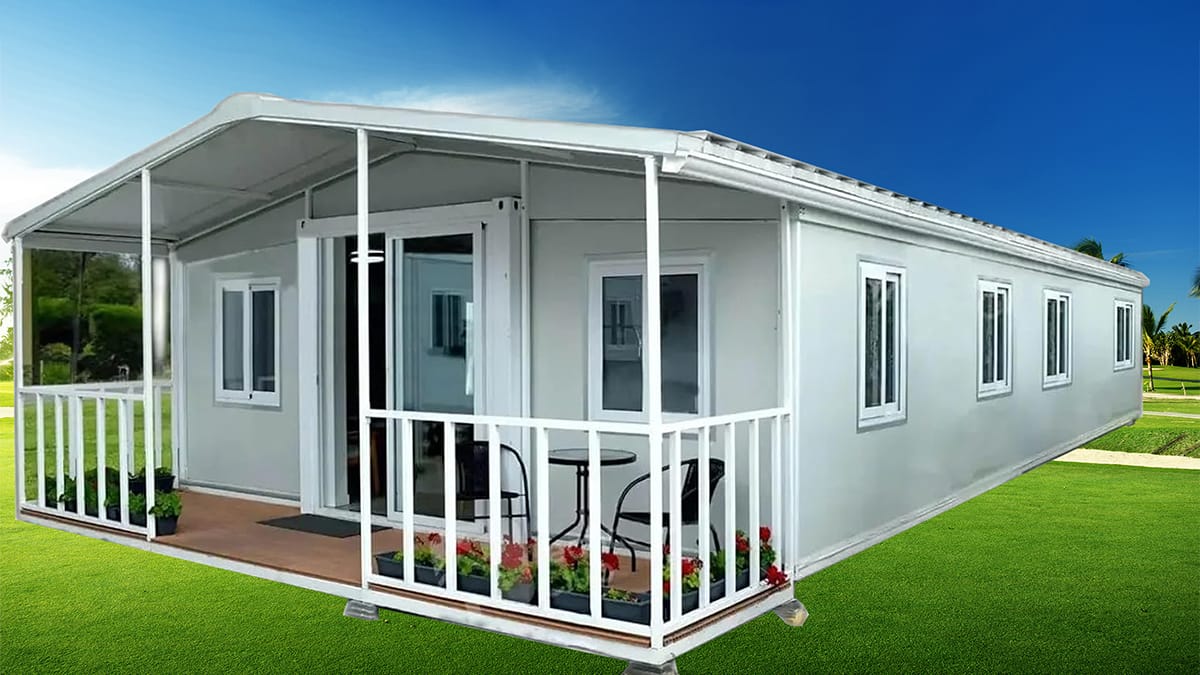 Upfront Costs
When you look at the price tag for an expandable prefab house, you might feel surprised. These homes usually offer lower costs than traditional site-built houses. You can expect to pay 10% to 20% less for a prefab home. Most site-built homes start at about $150 per square foot, but prefab homes come in cheaper. Take a look at this table to see the difference:
Home Type | Average Cost Difference |
|---|---|
Prefab Homes | 10% to 20% less |
Traditional Homes | Higher cost |
You get cost efficiency right from the start. If you want to save money, prefab homes make sense. You can use your savings for furniture, landscaping, or upgrades.
Ongoing Expenses
Owning a home means you have to think about regular costs. Expandable prefab homes need maintenance to stay in good shape. You should check the structure, seals, and metal parts often. If you keep up with these tasks, you can extend your home’s life by up to 30%. You also need to service your HVAC and plumbing systems. Doing this can lower repair costs by 15% to 20% over time. Using weather-resistant materials helps you avoid big problems later. You will also pay for utilities, but prefab homes often use less energy, so your bills stay low.
Tip: Regular care keeps your home strong and helps you avoid surprise costs.
Hidden Costs
Sometimes, you face costs you did not expect. You might need to pay for permits and inspections. These fees can range from $500 to $5,000. Insurance during construction may cost $1,000 to $3,000, and yearly insurance runs $500 to $2,000. If you need to upgrade utilities, you could spend $2,000 to $10,000. Tough terrain or hard-to-reach sites can add $5,000 or more. Financing costs may add another $1,000 to $3,000. Here is a quick look:
Hidden Cost Type | Estimated Cost Range |
|---|---|
Permit and Inspection Fees | $500 to $5,000 |
Insurance | $1,000 to $3,000 (construction), $500 to $2,000 (annual) |
Utility Upgrades | $2,000 to $10,000 |
Site Access and Terrain Issues | $5,000 or more |
Additional Financing Costs | $1,000 to $3,000 |
You should add these numbers to your total estimated cost before you buy. This way, you avoid surprises and plan better.
Construction Process
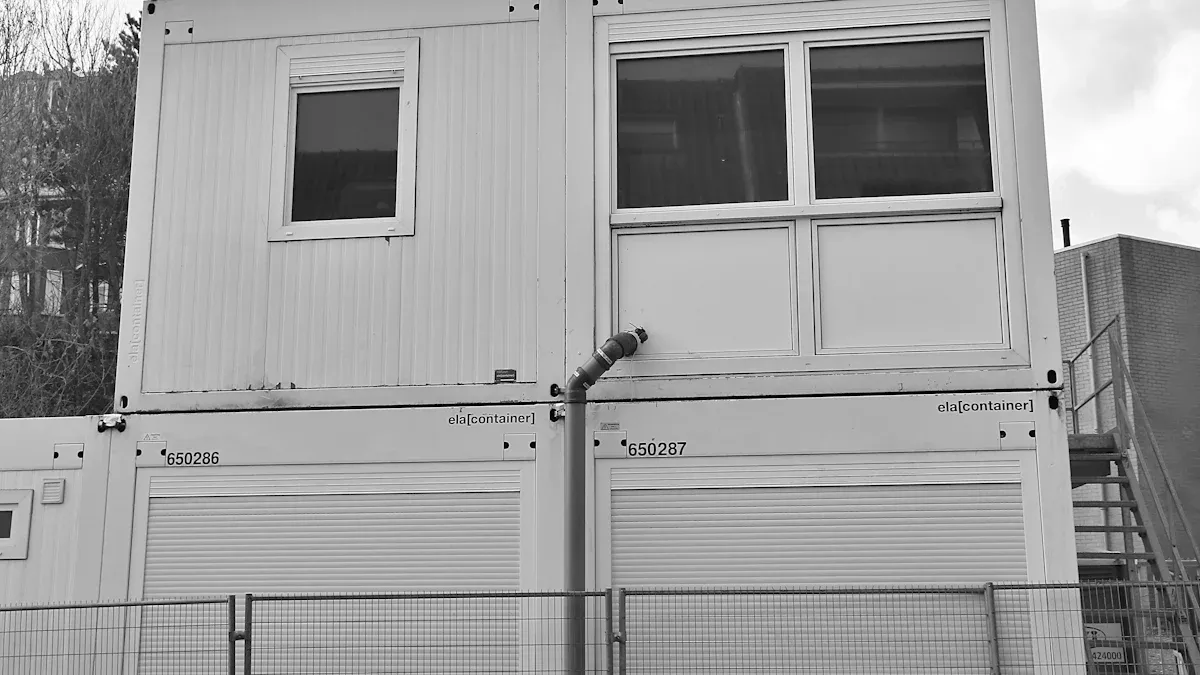
Timeline
You probably want to know how long it takes to build an expandable prefab house. The good news is, the process moves fast. Most projects finish in just a few weeks or months. The factory builds your home first. This step usually takes two to six weeks. While the factory works, you can get your land ready. After delivery, the setup and expansion often take only a few days. You can move in much sooner than with a regular house.
Key Steps
Prefab home construction follows a clear path. Here’s what you can expect:
Design and Planning: You pick your layout, finishes, and features.
Permitting: You get the needed permits from your city or county.
Site Preparation: Workers clear and level your land. They set up utilities.
Factory Construction: The company builds your house in a controlled setting.
Delivery: Trucks bring the modules to your site.
Assembly and Expansion: A team unfolds or slides out the sections.
Final Checks: Inspectors make sure everything is safe and ready.
Tip: Stay in touch with your builder during each step. This helps you avoid delays and surprises.
Common Challenges
You may face some bumps along the way. Here are the most common issues people run into:
Complicated approval processes because rules change from place to place.
Most of the work depends on a few suppliers, so delays can happen if they get busy.
Moving the modules can be risky, especially if the roads are rough or the weather is bad.
Getting a loan or other financing can take extra time and planning.
If you know about these challenges, you can plan ahead and make your prefab home construction go smoother.
Is an Expandable Prefab House Right for You?
Lifestyle Fit
Choosing a home is a big step. You want a space that matches your daily life. Expandable prefab houses work well for some people, but not for everyone. Think about these things before you decide:
How many people will live in the house?
How much space do you need for comfort?
Where do you want to live?
What kind of weather will your house face?
You should also look at the quality of materials and how much care the house will need. Some homes need more upkeep than others. Take time to research different manufacturers. Compare designs and read reviews. This helps you make a smart choice.
Tip: Make a list of your must-haves. Check if an expandable prefab house can meet those needs.
Budget
Money matters when you pick a home. Expandable prefab houses often cost less than regular homes. Most buyers spend between $20,000 and $50,000 for a basic model. This price can go up if you want more features or a bigger space. Think about what you can afford now and in the future.
Here’s a quick look at common costs:
Home Type | Typical Price Range |
|---|---|
Basic Expandable Prefab | $20,000 – $50,000 |
Upgraded/Custom Model | Higher, varies by design |
You should also plan for extra costs like land, permits, and utilities. Make sure your budget covers everything.
Long-Term Goals
Think about your future plans. Do you want a home that can change as your life changes? Expandable prefab houses give you that option. You can add rooms or change the layout as your needs grow. Some people use these homes as offices, guest houses, or even rentals. The chance to customize your space makes these homes a smart pick for many long-term goals.
Want a home office or guest room later? You can add it.
Need a rental space for extra income? That’s possible too.
Like the idea of a home that grows with you? This style fits that dream.
Ask yourself what you want in five or ten years. If you need a home that adapts, an expandable prefab house could be the right fit.
Pros and Cons of Prefab Homes
Comparison to Other Prefab Homes
You may wonder how expandable prefab houses compare to other prefab homes. Let’s look at the main differences so you can understand better.
Expandable prefab houses are flexible. You can move them and make them bigger if you need more room. Other prefab homes, like modular or panelized homes, usually stay the same size after they are built. If you want a house that can grow, expandable models are a good choice.
Here’s a simple table to help you see the differences:
Feature | Expandable Prefab House | Modular Home | Panelized Home | Manufactured Home |
|---|---|---|---|---|
Flexibility | High | Medium | Low | Low |
Speed of Setup | Very Fast | Fast | Medium | Fast |
Customization | Good | Great | Medium | Limited |
Space | Limited | More | More | Limited |
Portability | Yes | No | No | Yes |
Cost | Low | Medium | Medium | Low |
Expandable prefab houses usually cost less than modular or panelized homes. You can set them up fast, so you save time. But you might have less space and fewer ways to change the design. Modular homes let you pick more layouts and finishes, but you cannot move them after they are built. Manufactured homes are also easy to move and cheap, but they might not last as long or look as nice.
Tip: Think about what is most important to you. Do you want more space, a lower price, or a home you can move? Each type has good points and bad points.
When you look at the pros and cons of prefab homes, you will see that no one type is perfect for everyone. The best choice depends on what you need, how much money you have, and your plans for the future.
Expandable prefab houses offer quick setup, lower costs, and flexible designs. You might face challenges like limited space or tough local rules. Think about what matters most to you—budget, space, or flexibility.
Visit a model home.
Talk to a prefab expert.
Make a list of your must-haves.
Take your time. The right choice will fit your lifestyle and future plans.
FAQ
What is the lifespan of an expandable prefab house?
Expandable prefab houses last about 20 to 50 years. Taking care of your house helps it stay strong. Using good materials also helps your home last longer.
Can you move an expandable prefab house to a new location?
You can move your house if you want. Most expandable prefab houses are made to be easy to move. You need a truck and a team to help set it up and take it down.
Do expandable prefab houses need special insurance?
You need insurance for your prefab house, just like other homes. Some companies have special plans for prefab houses. Ask your insurance agent about your choices and compare them.
Are expandable prefab houses safe in bad weather?
Expandable prefab houses can handle rain, wind, and snow. Builders use strong materials to make them safe. If you live in a place with tough weather, look for extra features like strong roofs or storm windows.
What utilities can you add to an expandable prefab house?
You can add water, electricity, and internet to your house. Some houses have solar panels or energy-saving systems. Ask your builder about upgrades before you buy.