


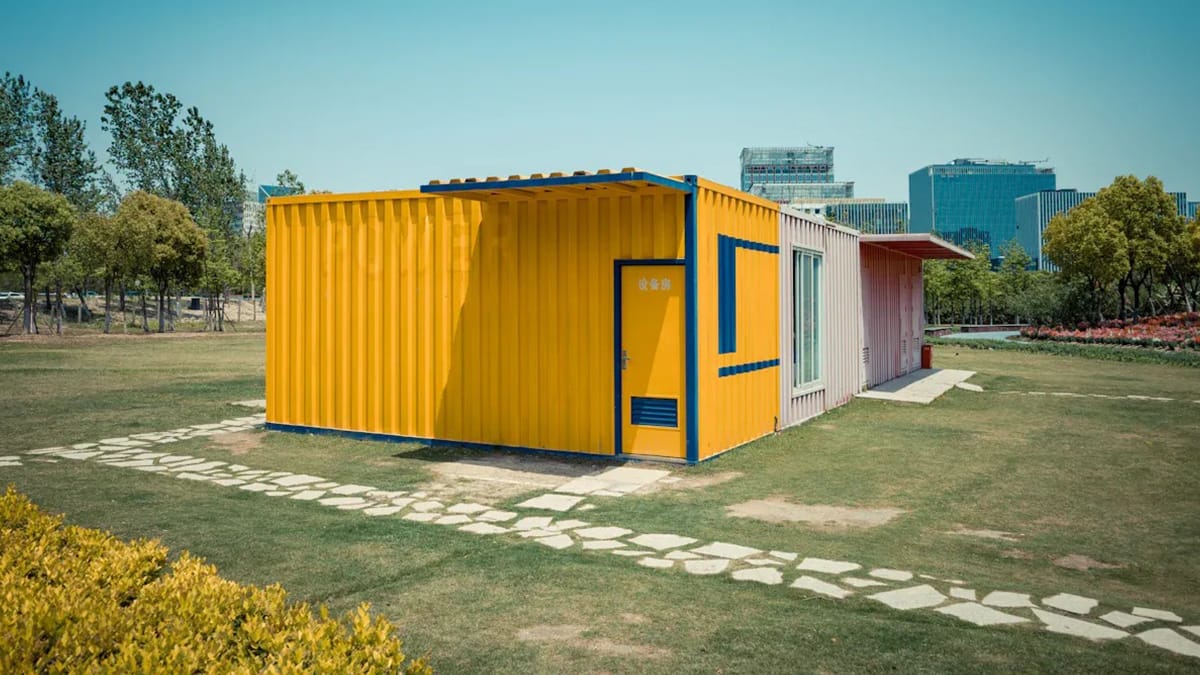
05 Sep Exploring the Pros and Cons of Prefab Container Houses
Table of Contents
You might wonder if a prefab container house fits your lifestyle. This unique type of home brings both excitement and challenges. Some days, you get creative with your space. Other days, you might wish for more room or better comfort. The pros and cons can change how you feel about your home, how much you spend, and how you live day to day. > Take a moment to think about what you want from your house before you decide if a shipping container home is right for you.
Key Takeaways
Prefab container houses cost less than regular homes. You can save money when you build them. These homes are built fast. Most are ready in 6 to 8 weeks. You can move in sooner. Shipping container homes are strong. They can handle bad weather. This makes them safe to live in. Living in a container home means you use less stuff. It helps you focus on what you need. You also make less waste. Think about some problems before you choose a container home. There may not be much space. Insulation can be a problem too.
Pros of Prefab Container House
Cost-Effective
Prefab container houses cost less than regular homes. You can save money when you build one. The price is lower than most traditional houses. Look at this table to see the difference:
Type of Home | Cost Range |
|---|---|
Prefab Container Home | |
Custom Container Home | $250 to more than $400 per square foot |
Traditional Home | Generally higher than $300 per square foot |
Shipping container homes are more affordable. For example:
A 40ft expandable container house costs $30,000 to $80,000.
Small shipping container homes cost $10,000 to $35,000.
Big container homes with modern features cost $100,000 to $175,000.
Many people pick prefab container houses because they are cheap. You spend less on materials and workers. This helps you buy a home even if you do not have much money. Being affordable is a big reason people like these homes.
Fast Build
You can move into your shipping container house quickly. Building one takes less time than a regular house. Here is a table to show how long it takes:
Construction Type | Average Construction Time |
|---|---|
Prefab Container Houses | |
Conventional Homes | 6-12 months |
Flat pack container houses can be built in weeks. You get to live in your new home sooner. Fast building means you do not wait for months. Bad weather or missing materials do not slow you down as much. If you want to move fast, this is a good choice.
Durable Structure
Shipping container houses are strong and last a long time. They use steel shipping containers. Steel is tough and does not break easily. Here are some facts:
Standard shipping containers hold heavy loads up to 58 kips each and 464 kips stacked.
The floor can hold 250 pounds per square foot.
Containers can be stacked nine high, each corner post holds 116 kips.
They are tested to stand up to strong winds and earthquakes.
Steel containers are made to survive rough sea trips. Your home can handle storms, earthquakes, and hurricanes. If you anchor it right, it can stand winds up to 175 mph and earthquakes up to magnitude 9. You get a safe and sturdy home.
Eco-Friendly
Prefab container houses help the environment. They use recycled materials, so less waste is made. Building homes creates lots of CO₂, but using recycled steel helps stop some of it. Every tonne of reused steel saves 1.5–1.8 tonnes of CO₂. Over 50 years, a shipping container home can save about 46 tonnes of CO₂.
You make your carbon footprint smaller by using old containers.
Many homes have solar panels and collect rainwater.
Eco-friendliness is important for people who want to live green.
You help the earth and save money on energy bills too.
Mobile Living
You can move your shipping container house if you want. These homes are made to be portable. You can use a truck or trailer to move it. The bolted design lets you take it apart and move it easier than a regular house.
Before you move your prefab container house to another state, check the rules and get permits. Laws are different in each place, so ask a local expert first.
Being able to move gives you freedom. If you need to change places for work or fun, you can bring your home. Regular homes cannot do this.
Design Freedom
Shipping container homes do not have to look boring. You can choose many styles and layouts. Prefab container houses mix usefulness and modern looks. Pick the features that fit your needs.
You cannot customize everything, and the price shows that. Prefab shipping container homes cost about the same as mobile homes. Mobile homes are usually 14-feet wide, but container homes are 8-feet wide.
You can find cool designs like the Beach Box with a pool and deck. The Helm has a two-story tower. Pick a tiny home or a bigger two-story house. Single-container homes have less space, but you still get to choose the style you like.
In summary:
Prefab container houses have many pros. They cost less, build fast, are strong, help the environment, can move, and have design choices. These benefits make shipping container homes a good pick for people who want something cheap, modern, and flexible.
Cons of Shipping Container Homes
 Limited Space
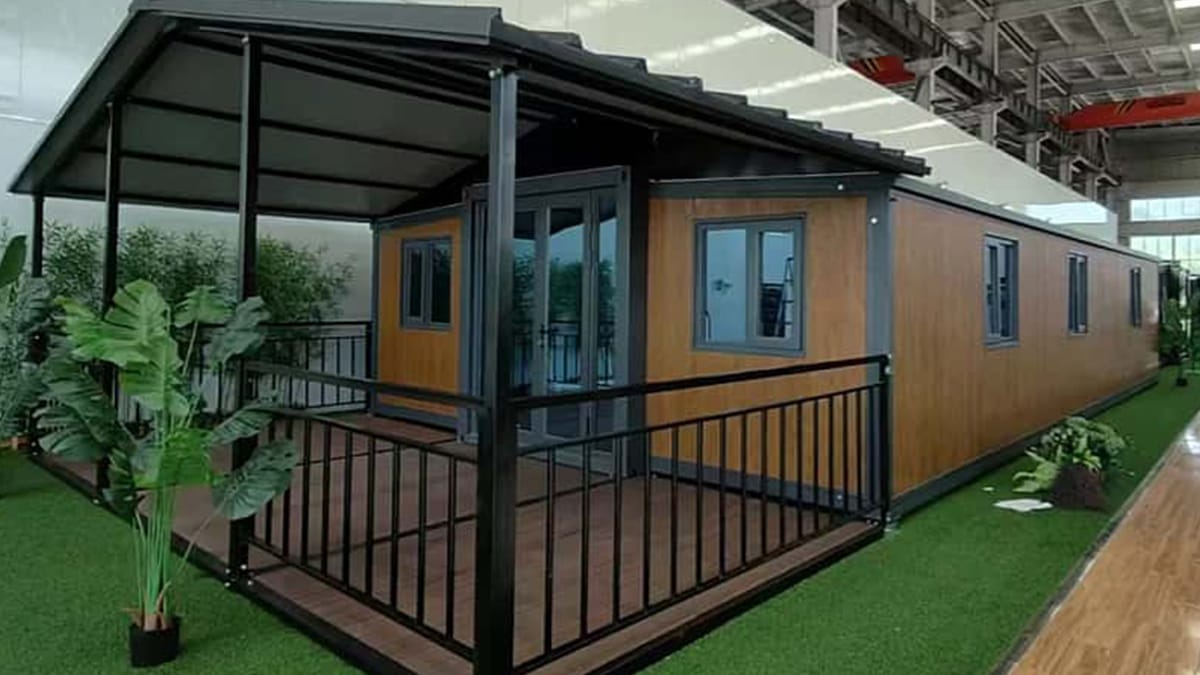 Limited Space
Living in a shipping container home can feel tight. Most single containers have only a small space. Here are the usual sizes:
Square Footage | |
|---|---|
20 ft | 160 sq ft |
40 ft | 320 sq ft |
There is not much room for furniture or storage. You need to use your space wisely. Using shelves and hooks on walls helps a lot. Furniture that does more than one job saves space. Storage beds and foldable tables are good choices.
Foldable desks can be put away when not needed.
Sliding doors help save space and look nice.
Try these ideas to make your home feel bigger:
Make furniture fit into corners.
Use mirrors to make rooms look larger.
Put appliances on walls to keep floors clear.
If you want more space, you may need more containers. This costs more money and makes building harder.
Insulation Issues
Steel containers do not keep heat or cold out well. Without good insulation, your home gets hot in summer and cold in winter. Insulating a container can be hard and cost a lot if you want it to work well.
Some common insulation types are:
Foam board insulation
Spray foam insulation
Fiberglass insulation
Reflective foil insulation
Good insulation keeps your home comfy and saves money. You use less heating and cooling, so bills go down. If you skip insulation or do it badly, you pay more and feel uncomfortable.
Tip: Always plan for insulation when you build. It is important for saving energy.
Zoning and Permits
Getting zoning and permits can be tough. You must check local laws before building or moving your home. Rules are different in every place. Cities usually have stricter rules than country areas.
Urban Zoning Restrictions | Rural Zoning Restrictions | |
|---|---|---|
Oregon | Stricter regulations, but favorable for container homes in cities like Portland | More lenient zoning codes |
New York | Stricter zoning and density regulations in urban centers like NYC | Legal in rural areas |
North Carolina | Varies by county, some areas have restrictions similar to mobile homes | Some areas readily allow container homes |
Texas | Major cities may have more detailed codes | Minimal zoning restrictions in rural areas |
Cities often need more permits for container homes. You must follow the International Residential Code (IRC). In some places, like Oregon, container homes are allowed in small towns.
Container homes need more approval and special permits.
Traditional homes usually get permits more easily.
Rules may change and make approval easier later.
If you skip permits, you might get fined or have to move your home. Always ask local officials before you start building.
Health Concerns
Used shipping containers can have health risks. Chemicals, pesticides, and paints may stay inside. You could get headaches, dizziness, skin problems, or breathing issues.
Description | |
|---|---|
Neurological Impairments | Exposure to fumigants and volatile organic compounds can lead to symptoms such as headaches, dizziness, and memory problems. |
Respiratory Issues | High levels of airborne chemicals can cause severe respiratory distress and reactive airways dysfunction syndrome (RADS). |
Carcinogenic Effects | Chemicals like benzene are linked to an increased risk of developing malignancies in the hematopoietic system. |
One study found 26 people got sick from chemicals in containers. Fourteen had breathing problems that lasted a long time.
Picking new containers or removing old floors with pesticides.
Using foam insulation to block bad fumes.
Getting professionals to install electric and plumbing systems.
Note: Always ask about your container’s history before buying. If you use a used container, remove or seal any harmful stuff.
Resale Value
Shipping container homes cost less to build. They do not always go up in value like regular homes. Some buyers worry about long-term value. The resale price depends on many things:
Construction quality
Design features
Location
Market demand
Sustainability and energy efficiency
Container homes can keep high resale value, sometimes even double. Their style and ability to move help. To make your home worth more, build it well and pick a good spot.
Location, condition, and demand matter most.
If you build in a popular area and keep your home nice, your investment may grow.
In less popular places, resale value may not go up.
Maintenance
Owning a shipping container home means you must do regular upkeep. Steel can rust, especially in wet places. You need to watch for leaks, moisture, and mold. Trouble spots include:
Bottom rails
Corners
Door seams
Roof areas where water collects
Check doors and make sure the foundation is stable. Keeping moisture away stops rust and mold. If you ignore problems, your home can get damaged fast.
Tip: Check your home often and fix problems quickly. This helps your shipping container home last longer and stay safe.
In summary:
The cons of shipping container homes are limited space, insulation problems, zoning and permit issues, health risks, worries about resale value, and maintenance needs. Think about these cons before you choose this kind of home.
Living in a Shipping Container Home: Pros and Cons
Daily Life Impact
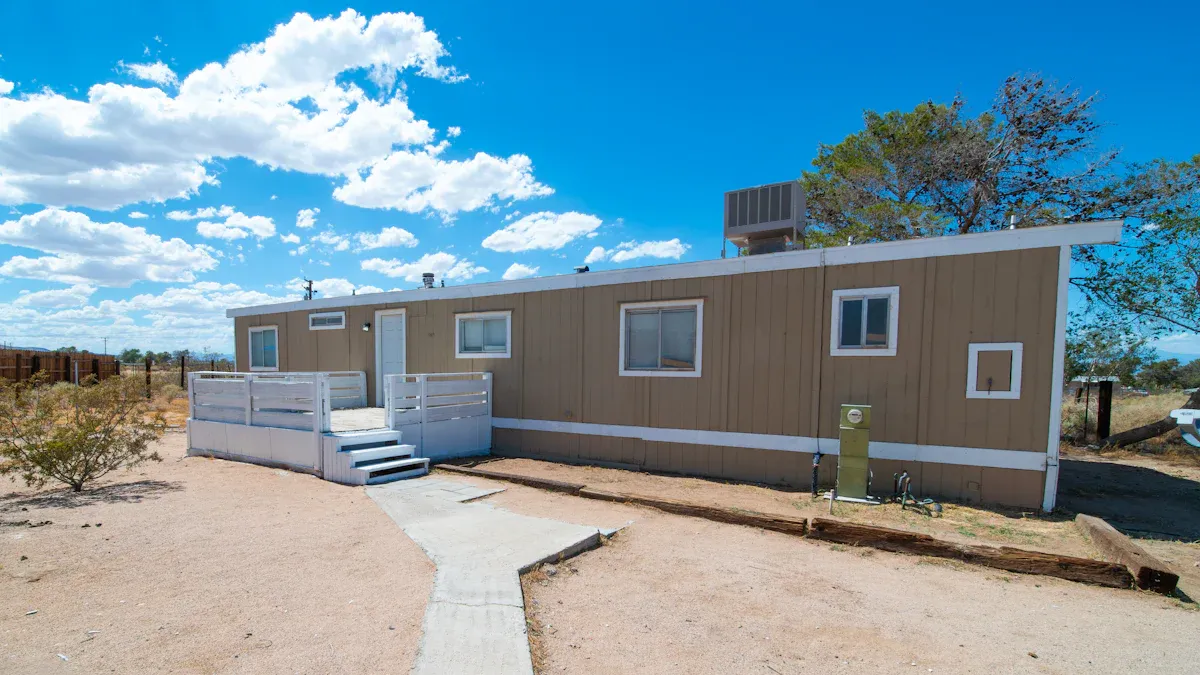 Daily Life Impact
When you start living in a shipping container home, your daily routine changes. You notice the space feels different from a regular house. You need to plan where to put things. Appliances might not fit well, so you pick smaller ones. You save money because shipping container homes cost less to build and run. You also spend less time waiting for your home to be ready.
Here’s a quick look at how the pros and cons affect your day:
Pros/Cons | Description |
|---|---|
Cost Reduction | You spend less money and finish building faster. |
Maintenance Needs | You need to check for rust and leaks often. |
Adaptability Issues | You may find it hard to change the layout or add special features. |
Climate Considerations | Living in hot areas can cause condensation problems. |
Regulatory Challenges | You must check local rules before you build or move your home. |
You also need to find contractors who know how to work with shipping container homes. Sometimes, getting permits takes longer than you expect.
Comfort and Lifestyle
Living in a shipping container home offers a new way of life. You learn to use every inch of space. You might choose a minimalist lifestyle, keeping only what you need. You use vertical space for storage, like loft beds or high shelves. You recycle more and use energy-saving appliances.
You downsize and keep only the essentials.
You find creative ways to store things.
You use less energy and water.
You feel proud of living in a home that helps the environment.
Living in a shipping container home means you make smart choices every day. You focus on comfort and function. You enjoy the freedom of a simple life.
Long-Term Value
When you think about the future, shipping container homes offer both benefits and challenges. These homes cost less and build fast, but they may not last as long as regular houses. With good care, a shipping container home can last 25–30 years. Traditional homes often last much longer.
Prefab container homes can be a smart investment, especially if you want to rent them out. Many people use shipping container homes as vacation rentals. The popularity of affordable rentals shows that living in a shipping container home can pay off. Still, you need to plan for repairs and upkeep.
If you want a home that lasts for generations, you may want to look at other options. If you want a flexible, affordable place to live, shipping container homes are a good choice.
Tip: Always think about your needs and goals before you choose this type of home. The pros and cons will shape your daily life, comfort, and long-term plans.
You have learned about the good and bad parts of prefab container houses. Living in a shipping container home lets you move easily and build fast. You can also make your own design. But there are problems like small space and extra care. Before you choose, think about these key things:
Factor | Description |
|---|---|
Location | Check local rules, weather, and land before you build. |
Size and Layout | Decide how much room you need and what features you want. |
Structural Condition | Look for damage and make sure insulation and air flow are good. |
Budget | Add up all costs, like permits and bills. |
Supplier Reputation | Pick suppliers with good ratings and happy customers. |
Sustainability | Pick energy-saving features and green choices. |
If you want to know more about shipping container homes, you can read guides, look at different styles, and find new ways to use containers. The best home for you depends on how you live, how much you can spend, and what matters most to you.
FAQ
Can you live in a prefab container house year-round?
Yes, you can live in a prefab container house all year. You need good insulation and heating for cold months. Air conditioning helps in summer. Many people use these homes as their main house.
How do you keep a shipping container home warm or cool?
You can add spray foam or fiberglass insulation. Install energy-efficient windows and doors. Use portable heaters or air conditioners. Good insulation keeps your home comfortable in every season.
Do you need special permits for a container home?
Most places require permits for container homes. You should check local building codes before you start. Some areas have strict rules. Ask your city or county office for details.
Are prefab container houses safe during storms?
Prefab container houses use strong steel. They can handle high winds and heavy rain. If you anchor your home well, it stays safe in storms. Always check your local weather risks.
What is the average lifespan of a shipping container home?
A well-maintained container home lasts 25 to 30 years. Regular checks for rust and leaks help. If you care for your home, it can last even longer.