
04 Apr Pros and Cons of Prefab Holiday Homes Compared to Traditional Builds
Table of Contents
If you want a holiday home fast, prefab holiday homes can save you months of waiting. You get less material waste and fewer on-site workers, which means fewer surprises in your budget. Take a look at this quick comparison:
|
Metric |
Traditional Build |
Prefabricated Build |
% Improvement |
|---|---|---|---|
|
Construction Time |
12–18 Months |
6–9 Months |
30% – 50% Faster |
|
On-Site Labor |
100% |
20% – 40% |
60% Reduction |
|
Material Waste |
10% – 15% |
< 2% |
90% Less Waste |
You might love the pros like lower costs and speed, but cons can include fewer custom choices or higher land costs. Think about what matters most: Do you want to save money, move in sooner, or have more control over details? Your answer helps you pick the best option.
Key Takeaways
-
Prefab holiday homes can be built much faster than regular homes. You can move in sooner because they take 30% to 50% less time.
-
They usually cost less than traditional homes. You can save 10% to 20% and stay on budget.
-
Prefab homes make less waste. This is better for the environment.
-
You can change some things in prefab homes. But you may not have as many choices as with regular homes.
-
Prefab homes are made in factories with good quality checks. This helps make sure the home is strong and lasts a long time.
Prefab Holiday Homes vs. Traditional Builds
What Are Prefab Holiday Homes?
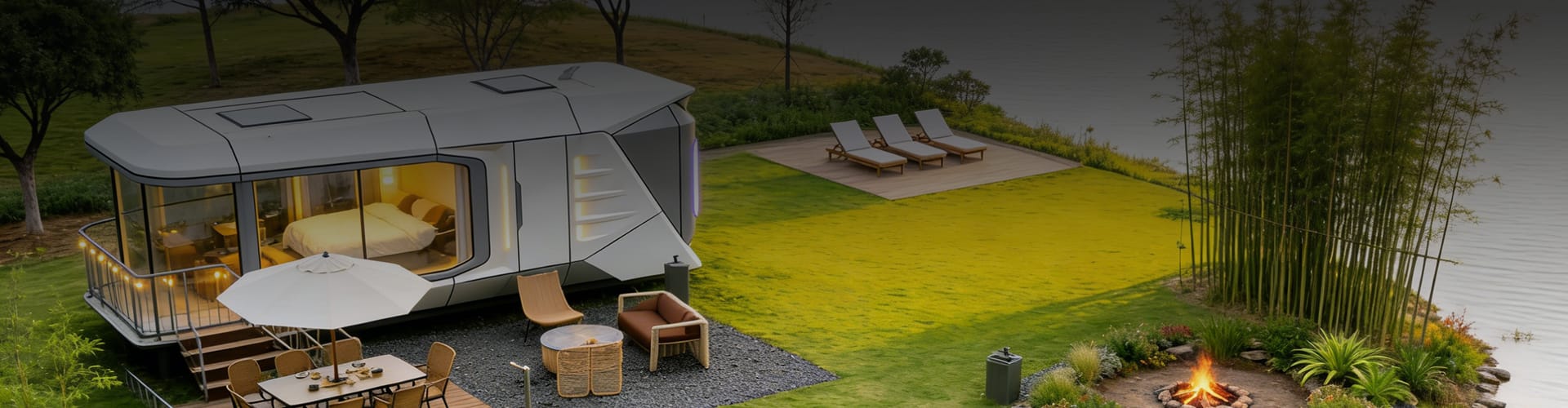
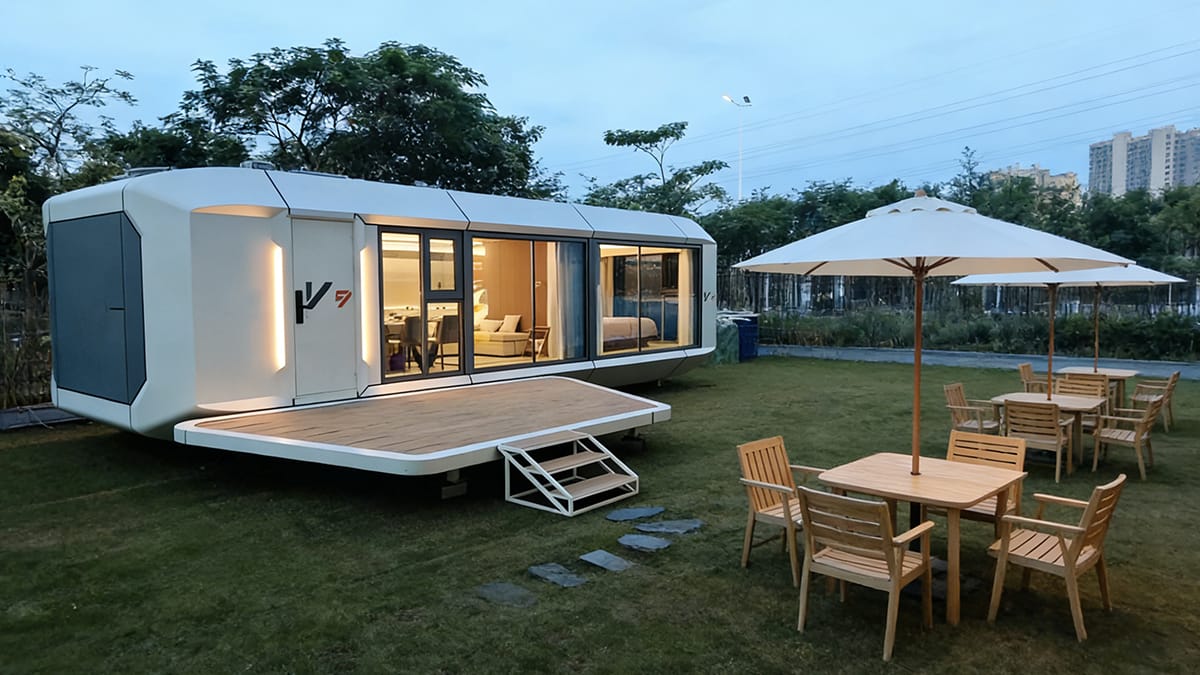
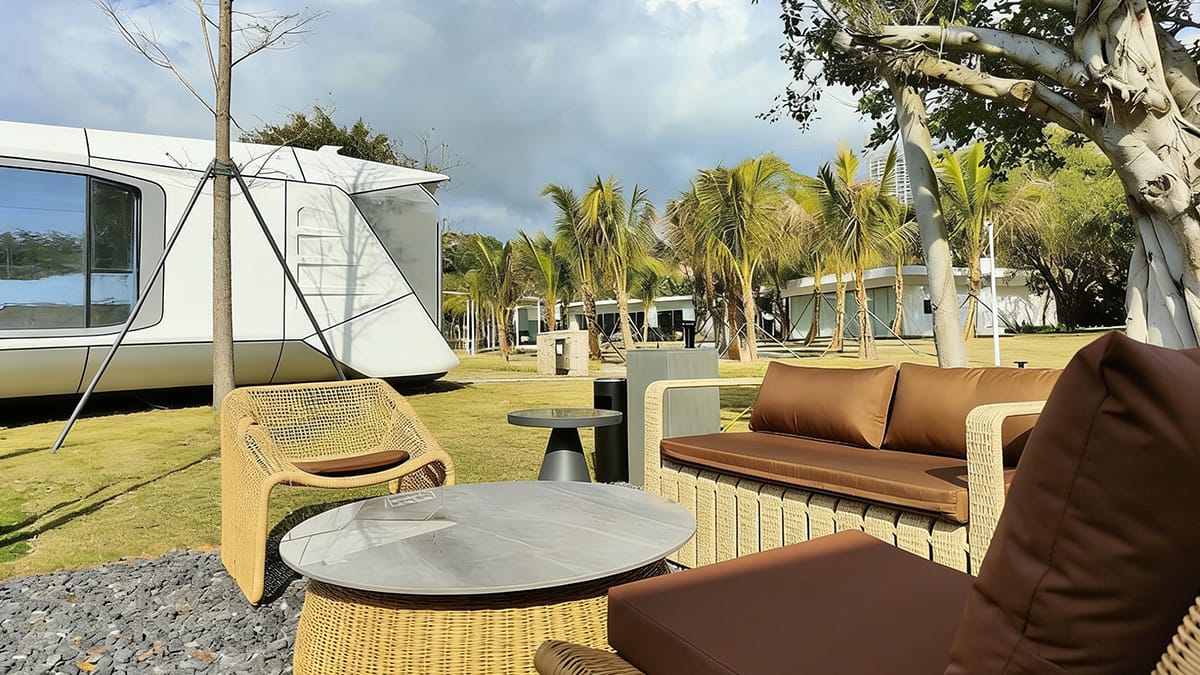
Prefab holiday homes are made in a factory. Most of the building happens inside, so weather does not slow things down. The home comes to your land in big pieces. Workers put it together fast. You can pick the layout and finishes you like. Some special features are also possible. Many people choose prefab holiday homes to save money and move in sooner. They do not worry as much about rain or snow causing delays. There is less waste, which helps your wallet and the earth.
Here’s why people like prefab holiday homes:
-
They cost less to build than traditional homes.
-
You can move in much sooner.
-
Materials stay safe from rain or snow during construction.
-
The building process uses high-quality materials and wastes less.
-
You can pick your favorite designs and finishes.
What Are Traditional Builds?
Traditional builds happen right on your land. Builders bring all the materials to your site and start from scratch. You watch your home take shape step by step. This method gives you lots of control over every detail. You can change things as you go, but you might wait longer to move in. Weather can slow down the work, and you may see more waste and higher costs.
Key Differences
Let’s look at how prefab holiday homes and traditional builds compare:
|
Aspect |
Prefab Homes |
Traditional Builds |
|---|---|---|
|
Construction Environment |
Built on-site, open to weather delays |
|
|
Material Protection |
Materials stay dry and protected |
Materials face rain, wind, and sun |
|
Assembly Precision |
Computer-controlled for accuracy |
Depends on worker skill and weather |
|
Quality Control |
Checked many times during production |
Quality can change from day to day |
|
Worker Specialization |
Factory teams repeat tasks and get very good |
Skills can vary from worker to worker |
|
Structural Robustness |
Built strong to handle transport and weather |
Built for normal use, not for transport |
Prefab holiday homes are faster to build and cost less. They also make less waste. But you might not get as many custom choices. Sometimes, land costs are higher. You should think about what is most important for your holiday home.
Speed Pros and Cons
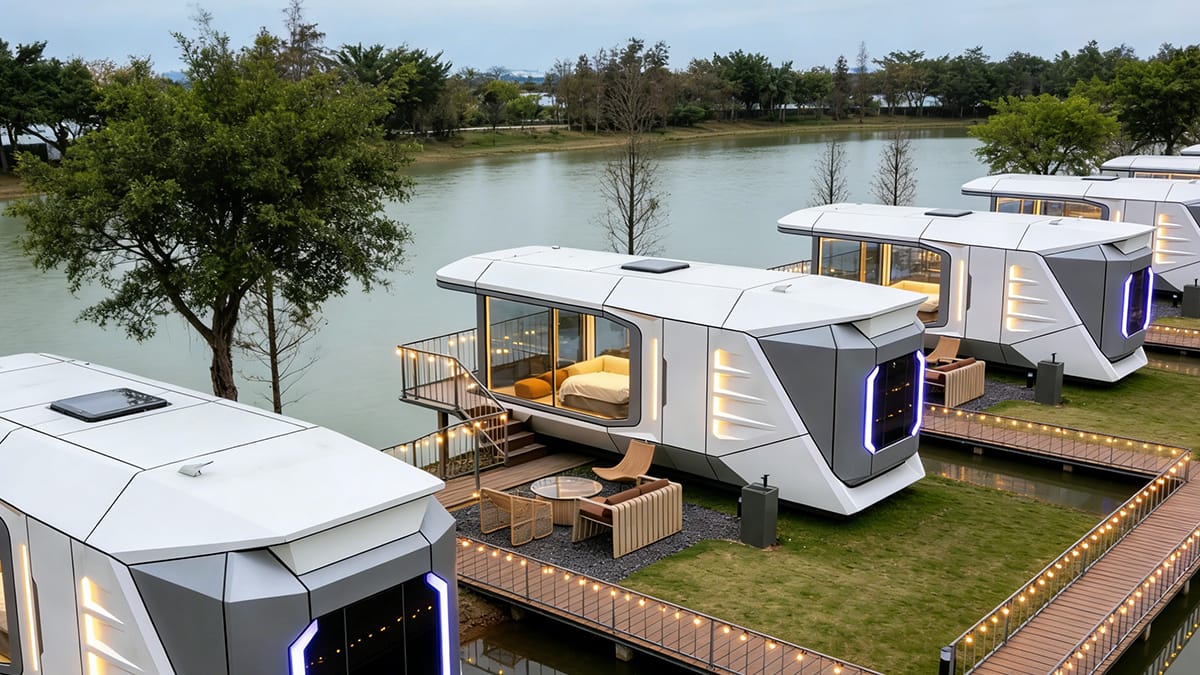
Prefab Homes Construction Speed
Prefab homes are great if you want to move in fast. Most building happens in a factory, so weather does not slow things down much. Look at this table to see the difference:
|
Type of Construction |
Average Construction Time |
|---|---|
|
Prefab Holiday Homes |
3-6 months |
|
Traditional Builds |
7-15 months |
Prefab homes let you wait less time. The factory builds your home while workers get your land ready. This saves you weeks or even months. You also skip many problems that come with building from scratch.
Traditional Build Timeline
Site-built homes take longer because all work happens on your land. Workers bring materials and tools, then build each part step by step. Bad weather can stop work for days or weeks. If you want to change something, it can slow things down more. Site-built homes usually take much longer than prefab homes. You might wait over a year to move in.
Delays and Predictability
You may wonder how steady the schedule will be. Prefab homes are more predictable. Most work is done inside, so rain or snow does not cause big delays. Site-built homes have more risks. Bad weather, missing workers, or late deliveries can slow things down.
Amy Sims, VP of Design at Plant Prefab, says, “There’s very little certainty on a conventional jobsite… Any issue, like one subcontractor not showing up for work, causes a domino effect of setbacks with major implications for the project schedule and budget.”
Here are some common reasons for delays with site-built homes:
-
Weather stops work
-
Not enough workers
-
Problems getting materials
Prefab homes skip most of these problems. That is a big pro. The main con for prefab homes is if the kit is late getting to your land. But when it arrives, workers put it together fast. If you want a holiday home soon and with fewer surprises, prefab homes make the timeline easier to handle.
Cost Comparison
Upfront Cost Pros and Cons
When you compare costs, prefab homes are cheaper. They usually cost 10–20% less than traditional builds. Factories make many homes at once. This saves money on materials and workers. That helps you stick to your budget.
Here’s a table that shows the main costs:
|
Cost Type |
Prefab Homes |
Traditional Builds |
|---|---|---|
|
Base unit price |
Generally lower |
Typically higher |
|
Site prep and foundation |
Included in overall cost |
Often additional |
|
Permits, fees, and delivery |
May vary, but generally lower |
Can be higher |
|
Utility hookups |
Similar costs |
Similar costs |
|
Additional site features |
Can add several thousand dollars |
Often more expensive |
|
Contingency fund |
Recommended |
Recommended |
|
Overall cost savings |
10–20% less |
N/A |
|
Construction time savings |
30–60% faster |
N/A |
You pay less at first for a prefab home. You can move in sooner, too. That means you spend less on rent or hotels. But if you want lots of custom features, the price goes up. If your land is far away, delivery can cost more.
Hidden Costs and Budget Predictability
No one likes surprise costs. Prefab homes help you avoid them. Most costs are set before building starts. Factories build inside, so weather does not cause damage or delays. This makes it easier to plan your budget.
Traditional builds can have hidden costs. Bad weather or missing workers can slow things down. You might pay more for extra site work or permits. Sometimes you need to store materials. Here are some common hidden costs:
-
Site preparation
-
Utility hookups
-
Permit and impact fees
-
Sales tax
-
Higher delivery costs for remote sites
-
Contingency fund for unexpected expenses
Tip: Always save some money for surprises. Even prefab homes can have small extra costs. But they are usually less than with traditional builds.
Prefab homes let you know your costs early. Traditional builds can surprise you with extra bills.
Land and Utility Expenses
Both types of homes need land and utility work. You must clear the land and lay a foundation. These jobs cost more if your land is rocky or steep.
Connecting water, sewer, and power can cost thousands of dollars. This is true for both prefab and traditional homes. If your land is far from town, hookups can cost even more. Some people use solar panels or composting toilets. These can save money later, but cost more at first.
So, land and utility costs can be a con for prefab homes. This is true if your land is far from city services. Always check these costs before you buy land.
Note: The shape of your land and how easy it is to get utilities can change your total cost. Plan ahead so you do not get surprised.
Prefab holiday homes usually save you money and help you plan your budget. You get fewer surprises and a faster build. Traditional builds let you change more things, but you may pay more and face more risks.
Quality and Durability Pros and Cons
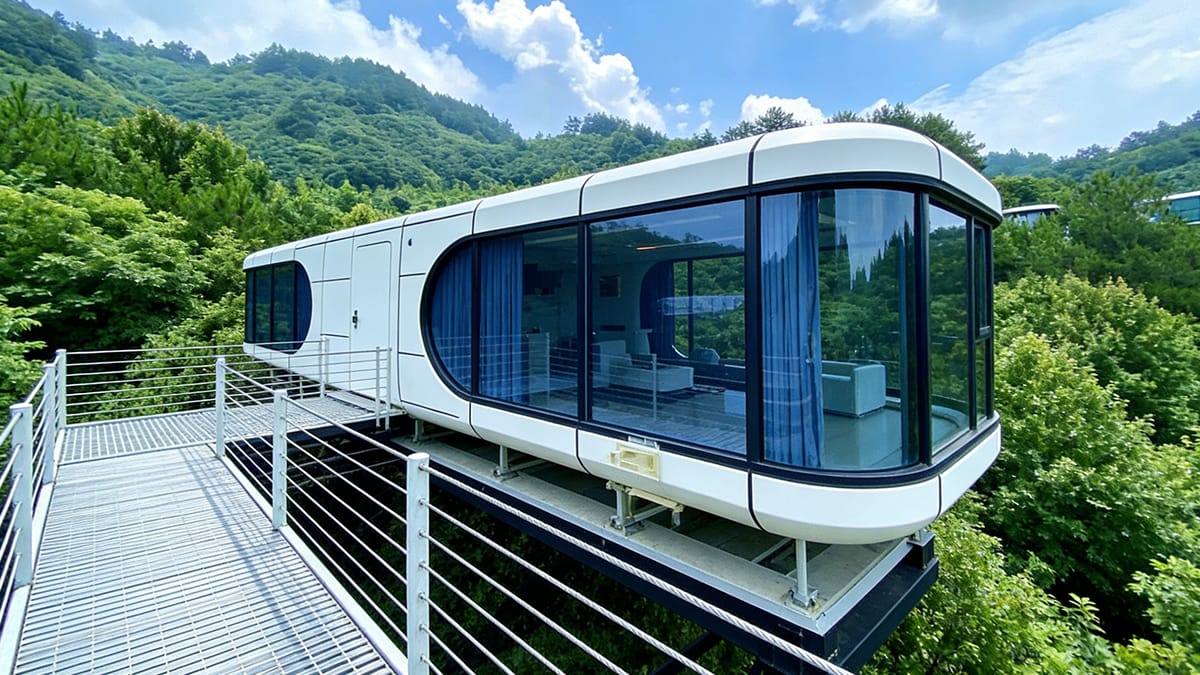
Build Quality of Prefab Homes
You want your holiday home to last a long time. That means you care about how strong and tough it is. Prefab holiday homes can surprise people because they feel very solid. Factories use good materials like steel, concrete, and strong wood. They build each part with strict rules and check every step. Your home meets ISO-certified standards, not just what the builder thinks is best.
Here is how prefab homes compare to traditional builds:
|
Feature |
Prefab Homes |
Traditional Builds |
|---|---|---|
|
Build Quality |
High-quality materials, rigorous QC |
Varies, often dependent on contractor |
|
Lifespan |
50 to 100 years, with some over 100 |
Typically 50 to 100 years |
|
Material Quality |
Steel, concrete, sustainable timber |
Varies, often lower-grade materials |
|
Manufacturing Standards |
ISO-certified factories |
Varies, less standardized |
|
Maintenance Practices |
Regular upkeep essential |
Varies, often neglected |
|
Environmental Adaptation |
Designed for harsh climates |
Often requires retrofitting |
Prefab homes give you steady quality. You do not have to worry about someone skipping steps. The main pros are strong materials and careful checks. The only con is if you forget to do regular maintenance, but that is true for any home.
Durability and Maintenance
You want your holiday home to last through many years and all kinds of weather. Prefab homes can last 50 to 100 years, just like traditional builds. Some even last longer than that. Factories put them together in a special way. They use energy-saving panels and strong frames. These homes are made to handle hot summers and cold winters.
Both types of homes need care. You should check your roof, paint, and seals every year. Prefab homes make this easier because their parts fit together tightly. You get fewer leaks and cracks. If you fix small problems, your home will stay nice for a long time.
Tip: Set a reminder to check your holiday home every spring and fall. A little care helps your home stay strong and last longer.
Weather Impact and Quality Control
Weather can cause big problems when building a house. Traditional homes face rain, wind, and sun during building. This can make wood bend or insulation get wet. Prefab homes do not have this problem. Factories build them inside, so walls and roofs stay dry and straight.
Prefab homes use structural insulated panels (SIPs). These panels keep your home warm and strong. They help your home stand up to storms, heavy snow, and even hurricanes. SIPs can handle winds up to 150 miles per hour if anchored right. That is important if your holiday spot gets wild weather.
Quality control is another good thing about prefab homes. Factories test every part before it leaves. They keep track of each piece, so you know what you are getting. Traditional builds depend on the crew and the weather. Sometimes you get great work, but sometimes you do not.
Here is how quality control compares:
|
Quality Control Measure |
Prefab Holiday Homes |
Traditional Build Processes |
|---|---|---|
|
In-factory production |
Ensures consistent standards across units |
Varies by site and crew |
|
Rigorous testing and certification |
Every component meets stringent standards |
Often less standardized |
|
Traceability |
Better monitoring and accountability |
Limited traceability |
If you want to feel safe, prefab homes give you more control over quality and strength. You get a home that is ready for anything, with fewer surprises later.
Customization and Flexibility
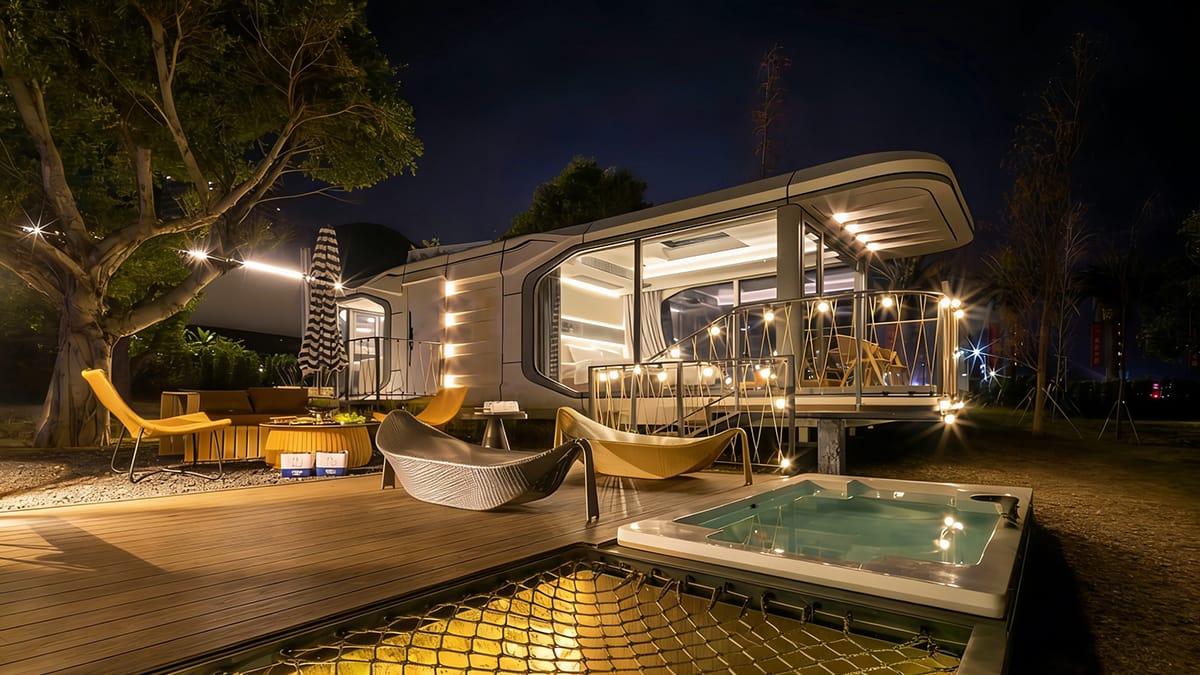
Design Options for Prefab Holiday Homes
Some people think prefab holiday homes only have a few styles. But you can actually pick from many designs and choices. Many companies let you choose different floor plans, finishes, and layouts. You can use online tools to see your home before it is built. You might want a modern look or a cozy cabin style. Both are possible. Some builders let you add special things like a rooftop deck or a fancy bathroom.
Here’s a quick look at popular design options:
|
Design Option |
Description |
|---|---|
|
Modular flexibility |
Change floor plans or expand your space later. |
|
Architectural variety |
Choose from modern, rustic, or classic styles. |
|
Digital design tools |
Try out layouts and finishes online before you decide. |
|
Bespoke features |
Add custom kitchens, fancy bathrooms, or outdoor decks. |
You can also change the inside, kitchen, and outside look. This makes your prefab home feel special and just for you.
Flexibility and Relocation Pros
Prefab holiday homes are great if you want flexibility. Some models can move to a new place if you change your mind. That is a big pro because traditional builds cannot move.
Prefabricated construction works well for temporary or moving buildings. You can take apart the modules and move them with little trouble. This is better for the earth than tearing down and building again.
If you want a holiday home that can move, prefab is a good choice.
Customization Limits
Prefab homes have lots of ways to make them your own, but there are some limits. You do not get as much freedom as with a traditional build. Here are some limits you might see:
-
You cannot always change the shape or size a lot.
-
Some things, like many windows or special showers, may not work.
-
The home must follow rules for moving, so some designs are not allowed.
Traditional homes let you control almost everything about the design. Prefab homes give you many choices, but you may need to pick from a list. If you want endless choices, a traditional build is better. If you want many options and a fast build, prefab is a smart pick.
Sustainability Pros and Cons
Environmental Impact of Prefab Homes
You may want a holiday home that helps the planet. Prefab homes are better for the environment. Factories use less energy and make less waste. They build many homes at the same time. This means your home uses fewer resources from the beginning.
Prefabricated housing systems help save energy. They stop air from leaking out and keep heat inside. Good insulation and tight walls help with this. Some homes use the sun to warm rooms and give more light. This makes the inside brighter and cuts down on using lights.
Prefab factories also use more earth-friendly ways to build. They recycle extra materials and pick green products. This gives you a home that is better for the earth.
Energy Efficiency
Prefab holiday homes help you use less energy every day. Builders use strong insulation and smart building steps. Your home stays warm in winter and cool in summer. You do not spend as much on heating or cooling.
Modern prefab homes often have:
-
High-grade insulation
-
Air-tight building envelopes
-
Work well with solar panels and other green energy
You pay less for energy and feel comfortable inside. These homes are made to save energy. That is a big plus if you want to live greener.
Traditional Build Sustainability
Traditional builds do not always try to save energy or cut waste. You might see more leftover materials and more energy used. The table below shows how traditional builds and prefab homes are different:
|
Aspect |
Traditional Builds |
Prefab Homes (SIPs) |
|---|---|---|
|
On-site Waste |
Higher due to labor-intensive methods |
Less due to factory fabrication |
|
Energy Efficiency |
Generally lower, potential air leaks |
Superior, leading to lower operational energy use |
|
Carbon Footprint |
Higher due to construction methods |
Lower, due to efficient materials and design |
|
Material Sourcing |
Varies, often less sustainable |
Responsibly sourced materials, green certifications |
|
Structural Integrity |
Can be less durable |
High strength, withstands extreme conditions |
|
Long-term Cost Savings |
Potentially higher utility bills |
Lower energy bills, significant savings over time |
If you want a green home, traditional builds can be harder. Prefab homes make it easier to pick earth-friendly choices from the start.
Financing and Resale Value
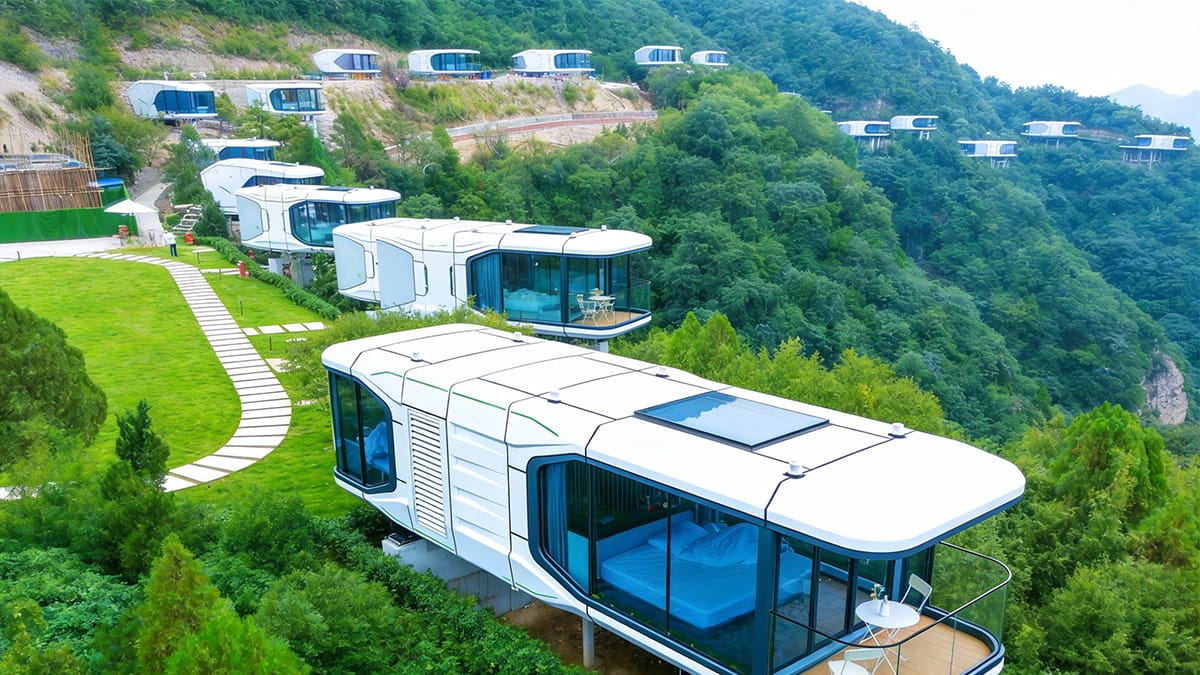
Financing Options
You might wonder how to pay for your holiday home. Financing for prefab homes can feel different from traditional construction. Many banks treat prefab homes like traditional homes if they meet local codes and sit on a permanent foundation. You can get a mortgage, but some lenders still prefer traditional construction. They know the process well and see less risk.
You may need to pay more upfront for prefab homes. Some lenders ask for a bigger down payment. They want to see the home finished before giving the full loan. With traditional construction, you can use a construction loan that turns into a mortgage when the home is done. This process feels familiar to most buyers.
Tip: Talk to your bank early. Ask if they finance prefab homes and what steps you need to follow.
Resale Value Pros and Cons
You want your holiday home to keep its value. Prefab homes can hold their value well, especially if you pick a good location and keep the home in great shape. The pros include lower energy bills and strong materials. These features help your home keep its long-term value.
The cons come from old ideas about prefab homes. Some buyers think prefab means lower quality. This can make resale harder in some markets. Traditional construction has a long history. Buyers trust it and know what to expect. You may see higher resale value with traditional homes in some areas.
Here’s a quick table to compare:
|
Factor |
Prefab Holiday Homes |
Traditional Homes |
|---|---|---|
|
Resale value |
Good, rising in many areas |
Often strong, well-known |
|
Long-term value |
High with good upkeep |
High, trusted by buyers |
|
Buyer trust |
Growing |
Very high |
Market Perception
You may notice that real estate professionals now see prefab homes in a new light. Here’s what they say:
-
Prefab homes now offer quality and many choices.
-
Old myths about poor quality are fading. Prefab homes can meet or beat local codes.
-
Many buyers like the energy savings and green building methods.
-
Traditional construction still feels safe for most buyers, but prefab homes are catching up.
You can feel good about the long-term value of prefab homes. They offer strong resale value and appeal to buyers who want something modern and efficient. Traditional construction still leads in some markets, but the gap is closing.
When you look at prefab holiday homes and traditional builds, you can see good and bad points for both. This table helps you compare them:
|
Factor |
Prefab Holiday Homes |
Traditional Builds |
|---|---|---|
|
Cost |
Lower, more predictable |
Higher, less predictable |
|
Customization |
Some limits |
Full flexibility |
|
Speed |
Move in faster |
Longer wait |
|
Quality |
Consistent, factory-made |
Varies by builder |
|
Sustainability |
Less waste, energy savings |
More waste, less efficient |
Think about what you want most. Do you care about saving money? Maybe you want to move in soon. Or maybe you want to pick every detail. The best choice depends on what is important to you. Make a list of what matters. Then pick the home that matches your needs.
FAQ
Can I live in a prefab holiday home all year?
Yes, you can! Many prefab holiday homes have strong insulation and heating. You stay warm in winter and cool in summer. Just check local rules before you move in full-time.
Do prefab homes need special maintenance?
You care for a prefab home like any other house. Clean the gutters, check the roof, and look for leaks. Regular care keeps your home strong and safe.
Will banks give me a loan for a prefab holiday home?
Most banks offer loans if your prefab home sits on a permanent foundation. Some lenders ask for more details. Always talk to your bank before you start building.
Can I add rooms to my prefab holiday home later?
You can add rooms to many prefab homes. Some designs let you expand easily. Ask your builder about future changes before you buy.
Are prefab holiday homes safe in storms?
Prefab homes use tough materials and smart designs. Many models stand up to strong winds and heavy snow. Always ask your builder about safety ratings for your area.