


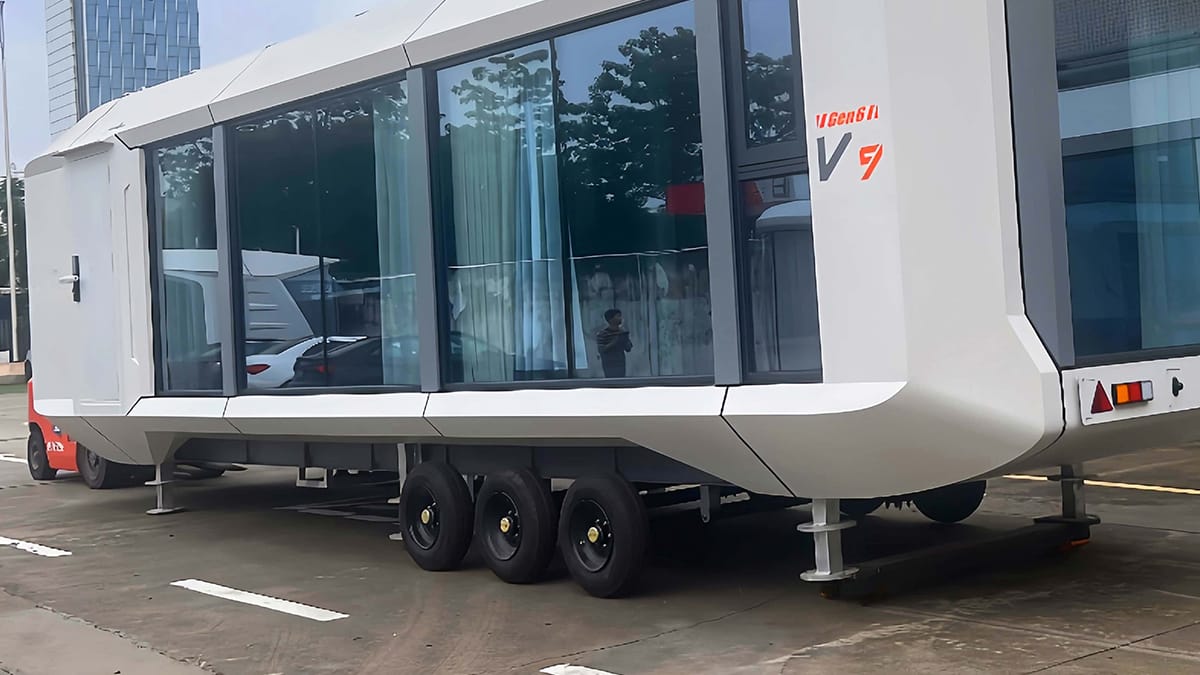
13 Nov Understanding Tiny Homes on Wheels and Their Legal Status
Table of Contents
You might have seen tiny homes on wheels nearby or online. These small homes help people find cheaper places to live. A tiny home on wheels is usually called an RV. This changes where you can park and stay. Laws are important because they affect your life in a tiny house. They also affect your spot in a tiny house group. Right now, there is a housing crisis. There are not enough homes for everyone. Tiny homes can be cheaper, but the laws are hard to understand.
Note: The rules for tiny homes are not the same as the rules for tiny homes built on foundations. Always look at local laws before you move.
Key Takeaways
Tiny homes on wheels help people save money. They are good for people who want a simple life. You can move them easily to new places.
It is important to know local laws. Rules change in different states and cities. These rules decide where you can park and live.
Tiny homes on wheels are called RVs in many places. RVs have different rules than regular houses. You should check if you need a permit or registration.
Zoning laws can stop you from putting tiny homes anywhere. Some places only let you put them in RV parks or campgrounds. Always look up local zoning codes before you move.
Learn about building codes and safety rules. Following these rules keeps your tiny home legal and safe.
What Are Tiny Homes on Wheels?
Definition and Features
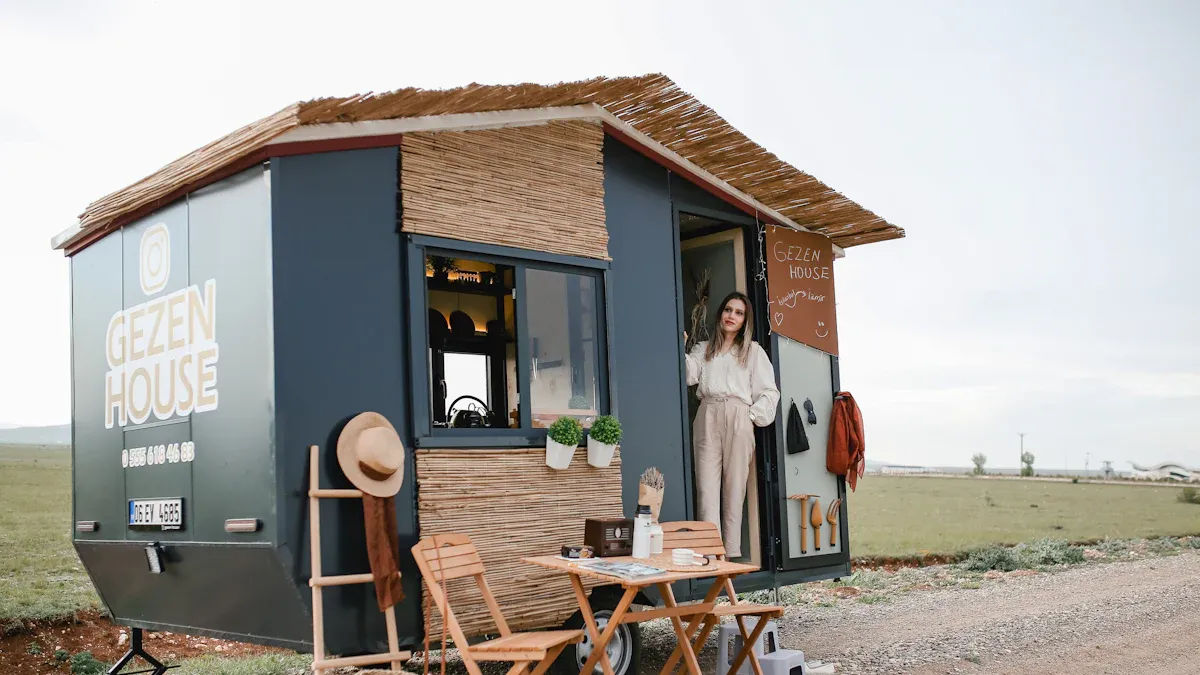
Tiny homes on wheels are small houses built on trailers. These homes can move from place to place. People choose them to save money and live simply. Many join tiny house groups for affordable living. Tiny homes on wheels help people during the housing crisis. They give you a flexible way to live.
A tiny house on wheels has what you need to live. Inside, there is a kitchen, a place to sleep, and a bathroom. The law says these homes must follow building codes. In California, you register your tiny house on wheels as an RV. You need approval from the Department of Motor Vehicles.
You see many features in tiny homes on wheels:
Kitchen with small appliances like a fridge and microwave.
Sleeping area with loft beds or Murphy beds.
Bathroom with space-saving fixtures.
Strong floors made of hardwood, laminate, or tile.
Light siding that keeps out bad weather.
Air conditioning and heating units.
Entry doors, sometimes French or sliding glass.
Kitchen cabinets with sink and stove or oven.
Tankless water heater that works when you need it.
Full bathroom with toilet and shower.
Tiny Homes vs. Tiny Houses on Wheels
You may ask how tiny homes and tiny houses on wheels are different. Tiny homes on wheels can move to new places. You can change where you live easily. Foundation-based tiny homes stay in one spot. Tiny houses on wheels are smaller and use less electricity. They heat up fast and use fewer resources.
Foundation-based tiny homes do not move. They often become worth more money over time. Tiny houses on wheels may lose value because they move a lot. They also get more wear and tear. Tiny houses on wheels are called recreational vehicles. This lets you pick different places to live. Foundation-based tiny homes are safer and better for investment.
Tip: If you want to join the movement, learn the rules for tiny homes on wheels and foundation-based tiny homes. This helps you make smart choices for affordable housing.
Legal Status and Classification
RV vs. Dwelling Unit
It is important to know how tiny houses on wheels are labeled. Most places in the US call them recreational vehicles, or RVs. This label changes where you can live and how you use your tiny house. When you register your tiny house on wheels, you usually follow RV rules. These rules tell you if you can live in your tiny house all the time or just sometimes.
Here is a table that shows how states treat tiny houses on wheels:
Jurisdiction | Classification Details |
|---|---|
New Jersey | You can store one recreational vehicle at home, but you cannot live in it. |
New Mexico | Tiny houses on wheels must meet residential code and ANSI standards. |
New York | You can register your tiny house, but you cannot live in it full-time. |
North Carolina | Rules change depending on the city, town, or county. |
Wisconsin | Tiny houses on wheels under 150 square feet are called “portable shelters.” |
Wyoming | Tiny houses on wheels are trailers and only allowed in certain areas. |
Missouri | Tiny houses on wheels are called ‘travel trailers.’ |
Tiny houses on wheels have different rules in every state. Some places let you park your tiny house, but you cannot live there all year. Other places want you to follow strict building codes or zoning rules. You need to check local laws before joining a tiny house group.
Zoning and Tiny House Laws
Zoning rules and tiny house laws decide where you can put your tiny house on wheels. Zoning laws often stop tiny homes on wheels from staying in one spot for a long time. Many cities and towns have rules about the smallest size a home can be. These rules keep tiny houses on wheels out of some areas.
Here is a table with common zoning rules:
Zoning Restriction Type | Description |
|---|---|
Minimum square footage requirements | Homes must be bigger than a set size. |
Restrictions on mobility | No wheeled homes or homes not on permanent foundations. |
Density limitations | Limits how many homes can be on one piece of land. |
Utility standards | Utilities are made for bigger homes and are hard to fit in tiny homes. |
You must follow zoning rules if you want to live in a tiny house on wheels. Some zoning laws only let tiny houses on wheels stay in RV parks or campgrounds. You may not get a permit to live in your tiny house on private land forever. This is because many local governments do not see RVs as homes for long-term living.
Accessory dwelling units, or ADUs, have different rules. ADUs are built on a foundation and must follow building codes. You need a permit and must obey zoning rules. Tiny homes on wheels do not always need the same permits. You must meet RV rules instead. ADUs pay property taxes, but tiny houses on wheels may pay vehicle taxes.
Here are the main differences:
Tiny houses on wheels are usually called RVs and have different legal rules.
Tiny homes on wheels that are not fixed to the ground do not add to property value.
If you want to join the tiny house movement, you need to learn about tiny house laws and zoning rules. You should know if your tiny house on wheels can stay in one place or must move. You need to check if you need a permit for your tiny home. Zoning rules and laws change from city to city. You must look at local laws before you buy or build a tiny house on wheels.
Tip: Always ask your local government about tiny house laws, zoning rules, and permits. This helps you avoid trouble and join a tiny house group safely.
Tiny homes on wheels give you freedom and flexibility. You need to know how laws and zoning rules affect your choices. Tiny house laws, zoning rules, and permits decide where you can live. You must follow these laws to enjoy your tiny house on wheels and stay part of the movement.
Regulations for Tiny Homes on Wheels
Building Codes and RV Standards
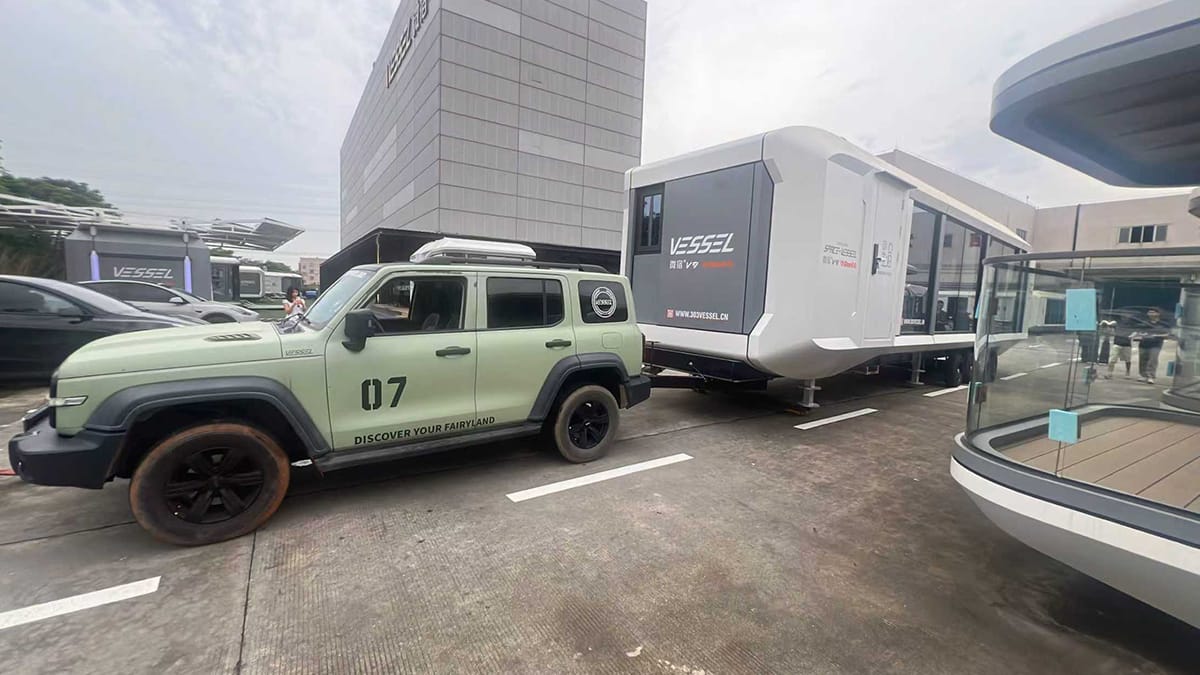
You should learn about codes and standards before you get a tiny house on wheels. These rules keep you safe and make sure your home is legal. Building codes tell you how to build tiny homes. RV standards are for homes that can move and are not stuck in one place.
Here is a table that lists the main codes and standards for tiny houses on wheels:
Building Code/Standard | Description |
|---|---|
International Residential Code (IRC) | Sets rules for homes, including tiny homes under 400 square feet. |
IRC Appendix Q | Has special rules for tiny houses, even ones on wheels. |
ICC/THIA Standard 1215 | A new standard for tiny houses you live in all the time, for both foundations and wheels. |
RV Building Standards | Rules for tiny homes that are called RVs and can move. |
ANSI/NFPA | Safety and building rules for tiny homes. |
Tiny house building codes and RV standards are not the same. Tiny homes on wheels often use ANSI code 119.5. This code is more like regular building codes than RV codes. RVs are made for moving and short stays. You might not get a permit to live in an RV all the time. Local rules may call your tiny house on wheels an RV. You have to follow RV rules.
Building codes and standards help keep you and your money safe. You should check if your tiny house on wheels follows these rules. Some places want you to get a building permit before you start building. You need to follow the codes so you do not break local laws.
Zoning Regulations and Local Ordinances
Zoning rules and local laws decide where you can park and live in tiny houses on wheels. Zoning rules are different in every city. Some places let tiny homes be accessory dwelling units. Other places only let you park in RV parks or campgrounds.
Zoning rules control how big your tiny home can be, where it goes, and how you use it. You should know the rules before you move your tiny house on wheels. Many cities have rules about the smallest size a home can be. Some places do not let homes on wheels be in regular neighborhoods. You need to ask your local planning office about zoning and permits.
Local laws add more rules. You should check parking rules and how to handle waste water and drinking water. Some laws call trailer-based tiny houses RV trailers. You can live in your tiny house where camping is allowed on private land. Always check local laws with police or planning offices.
Here are some common rules you might face:
You cannot park your tiny house on wheels in some places.
You may need a permit to stay in one spot for a long time.
Some places only let tiny houses on wheels be in RV parks.
You must follow rules for utilities and waste water.
You can get daily fines up to $1,000 if you break local laws.
You could get criminal charges or go to jail for ignoring tiny house rules.
Zoning rules are different in big US cities. Some cities let tiny homes be accessory dwelling units in regular neighborhoods. Other cities only let tiny houses on wheels be in RV parks. California often lets you have ADUs, but Georgia has stricter rules. You need to know local zoning laws to avoid trouble.
You should follow tiny house laws, zoning rules, and permit rules. These rules keep you safe and help you stay in the tiny house movement. Always look up tiny house rules before you buy or build. This helps you find legal places for your tiny house on wheels and avoid trouble.
Tip: Ask your local planning office about zoning rules and permits. This helps you follow tiny house laws and avoid fines.
Tiny homes on wheels give you freedom, but you have to follow many rules. Building codes, RV standards, zoning, and local laws all decide where you can live. You need to meet these rules to enjoy your tiny house on wheels safely.
State and Local Differences
California Tiny House Laws
Tiny house rules are different in every state. California is special because it allows tiny homes as accessory dwelling units. Many cities in California call tiny houses on wheels ADUs. You have to follow California’s building codes to make your tiny house legal. These codes keep you safe and help you follow the law.
“There are many laws that make tiny homes illegal. You have city, county, and state laws.” — Roopika Subramanian, Cal law student.
California wants more ADUs to help with the housing shortage. Living full-time in tiny homes on wheels is hard because the laws are not clear. Building codes are strict. Zoning laws change from city to city. You need to check each rule before you move your tiny house. Tiny houses on wheels are often called RVs. This means you cannot live in them all year.
Here is a table that shows how California compares to other states:
Aspect | California | Other States |
|---|---|---|
Legal Status | Allows tiny homes as ADUs | Has stricter rules |
Movable Tiny Homes | Many cities call them ADUs | Few places allow them |
Building Standards | Must follow California’s building codes | Rules are different in each state |
Housing Shortage Response | Wants more ADUs to fix housing problems | Tiny homes are not a big focus |
Other State and City Regulations
Other states have their own tiny house rules. Some states are friendlier to tiny homes. Maine, New Mexico, Georgia, and Florida have better tiny house laws. Each state has its own rules for building codes, sanitation, and size. You need to check every rule before you park your tiny house.
Here is a chart that compares tiny house friendly ratings:
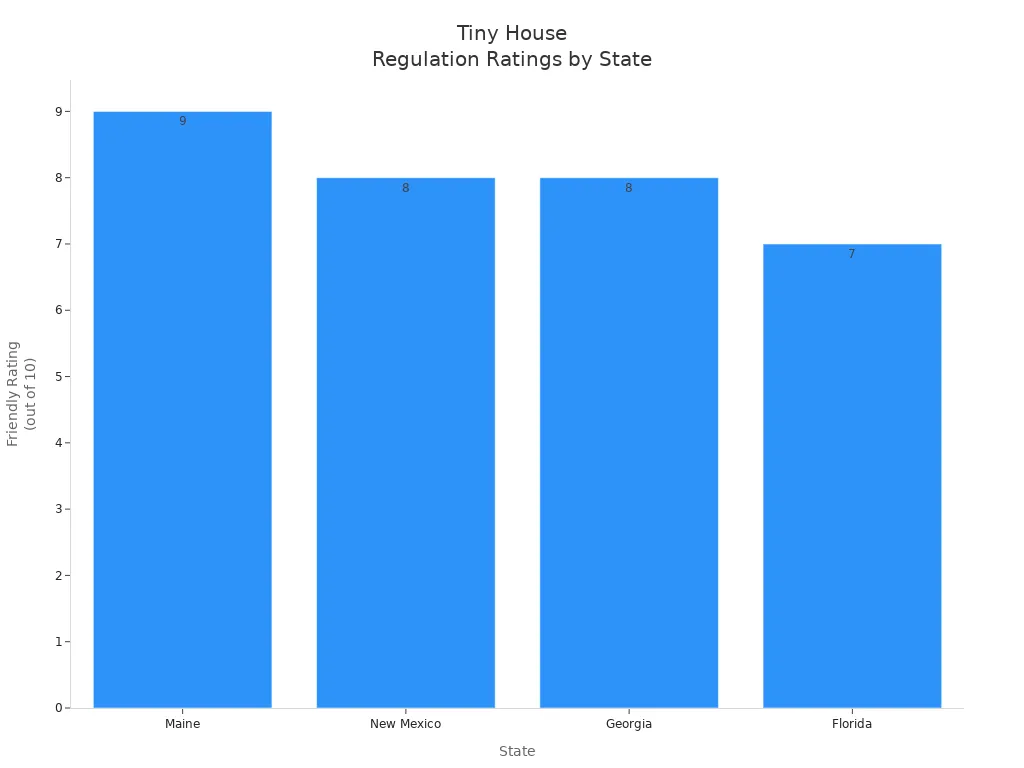
Maine has rules for tiny houses on wheels across the state. New Mexico lets you turn tiny homes on wheels into legal homes if you meet sanitation rules. Georgia does not always have a minimum size for ADUs. Florida wants you to register your tiny house at the DMV. Sometimes you need a foundation after a while.
You must follow local zoning codes and building codes in every state. Tiny house rules change from city to city. You should check all the rules before you build or buy a tiny house on wheels.
How to Comply with Tiny House Laws
Researching Local Regulations
You should learn about tiny house rules in your city. Every city and county has its own rules. Some places let you have tiny homes on wheels. Other places have strict zoning laws. Always check the zoning codes before you buy land or move your tiny home.
Check local zoning laws to see if you can park your tiny home.
Find out if your tiny home is an RV, ADU, or permanent dwelling. This changes which rules you follow.
See if you need to register your tiny home with the DMV or another office.
Ask about the smallest size allowed and where you can hook up utilities.
Make sure the seller can give you the title and there are no liens.
Tip: Rules can change fast. Always call your city or county planning office for the newest tiny house rules.
Steps for Legal Compliance
After you learn the rules, you need to follow steps to obey tiny house laws. This helps you avoid fines and legal trouble. Many owners have problems with zoning, permits, and building codes. Use this table to see what you need:
Requirement | Description |
|---|---|
Title | You need a title for your tiny house on wheels to prove ownership. |
Certification | Get certifications from groups like RVIA or NOAH to show your home meets safety standards. |
Local Building Codes | Check local building codes to see if your tiny home meets all rules for living spaces. |
You should also:
Make site plans and building documents.
Turn in permit forms with all needed papers.
Add engineering reports and proof of insurance if asked.
Call your local building office to ask about zoning and permits.
Look at current rules before you buy land or move your tiny home.
Tiny house rules include zoning, building codes, permits, taxes, utilities, and insurance. You must follow these rules to live safely in tiny homes. If you keep up with new tiny house rules, you can enjoy your tiny home without worry.
Tiny homes on wheels let you move and live in new places. But rules for tiny homes are different in each city and state.
You need to follow zoning laws, building codes, and land use rules.
Some rules say your tiny home must sit on a special pad. You may need to hook up water and sewer. You might have to cover the wheels.
Experts suggest you visit tiny homes first. Make a list of what you need. Clean out things you do not use. Learn about tiny house rules before you buy.
People often make mistakes. They forget tiny house rules. They skip getting permits. They do not understand taxes.
More people like tiny homes now. Tiny house rules are getting easier because people want new ways to live.
Always ask local officials about tiny house rules. Talk to legal experts before you choose. If you follow tiny house rules, you can save money and live simply.
Professional Resource | Expertise | Location |
|---|---|---|
Jody B. Gabel | Mobile home law | Florida |
Jenifer Levini | Real estate law | California |
FAQ
Can you live in a tiny home on wheels full-time?
You can live in a tiny home on wheels full-time in some places. Many cities only allow short stays. Always check local zoning laws before you move in.
Do you need a permit for a tiny home on wheels?
You often need a permit to park or live in your tiny home on wheels. Some areas require RV registration. Ask your local planning office for details.
Where can you park a tiny home on wheels legally?
You can park your tiny home in RV parks, campgrounds, or private land with permission. Many cities have rules about parking. Always check local ordinances.
What utilities do tiny homes on wheels use?
Tiny homes on wheels use water, electricity, and sewer hookups like RVs. Some use solar panels or composting toilets. You must follow local utility rules.
How do you insure a tiny home on wheels?
You can buy RV insurance for your tiny home on wheels. Some companies offer special tiny home policies. Ask your insurance agent for options.