



13 Sep Top Tips for Picking the Best Expandable Prefab House in 2025
Table of Contents
Are you searching for the best expandable prefab house in 2025? First, think about what is important to you. Your space and needs might change later. The market is growing quickly. The US prefab housing market may reach $36 billion this year. You will see new trends:
Designs that are eco-friendly and easy to change
Capsule homes that save space and can move
Features with smart technology
Pick what works best for your life when you look at choices.
Key Takeaways
Think about what you need before picking a prefab house. Decide how much space you need now and later.
Look for homes that let you change things. Pick designs that can fit your life as it changes.
Care about the environment. Pick homes made with eco-friendly materials. This helps the planet and saves energy money.
Learn about local rules and permits. Knowing zoning laws can stop problems with your home later.
Study different manufacturers well. Pick a company people trust and that helps after you buy.
Choosing the Right Prefabricated House
Identify Your Needs
When you start choosing the right prefabricated house, you need to think about your daily life. Ask yourself: How much space do you need now? Will you need more space later? Maybe your family will grow, or you might want a home office. Some people want a house that can change as their life changes. Others want something simple and easy to move.
Here’s a quick look at what most buyers want in 2025:
Need/Preference | Description |
|---|---|
Flexibility | Expandable prefab houses can be easily modified to fit your changing needs. Great for growing families. |
Affordability | These homes save money because you can add on later. You don’t have to pay for space you don’t need yet. |
Sustainability | Many homes use eco-friendly materials and energy-saving features like solar panels. |
Modern Design | You get a fresh, stylish look that fits today’s trends. |
Tip: Write down your must-haves and nice-to-haves. This list will help you stay focused when you look at different homes.
The Right Design for Your Lifestyle
The right design makes your home feel just right for you. Think about how you want to use your space. Do you need a big kitchen for family meals? Maybe you want a quiet spot for work or study. Some people like open spaces, while others want cozy rooms.
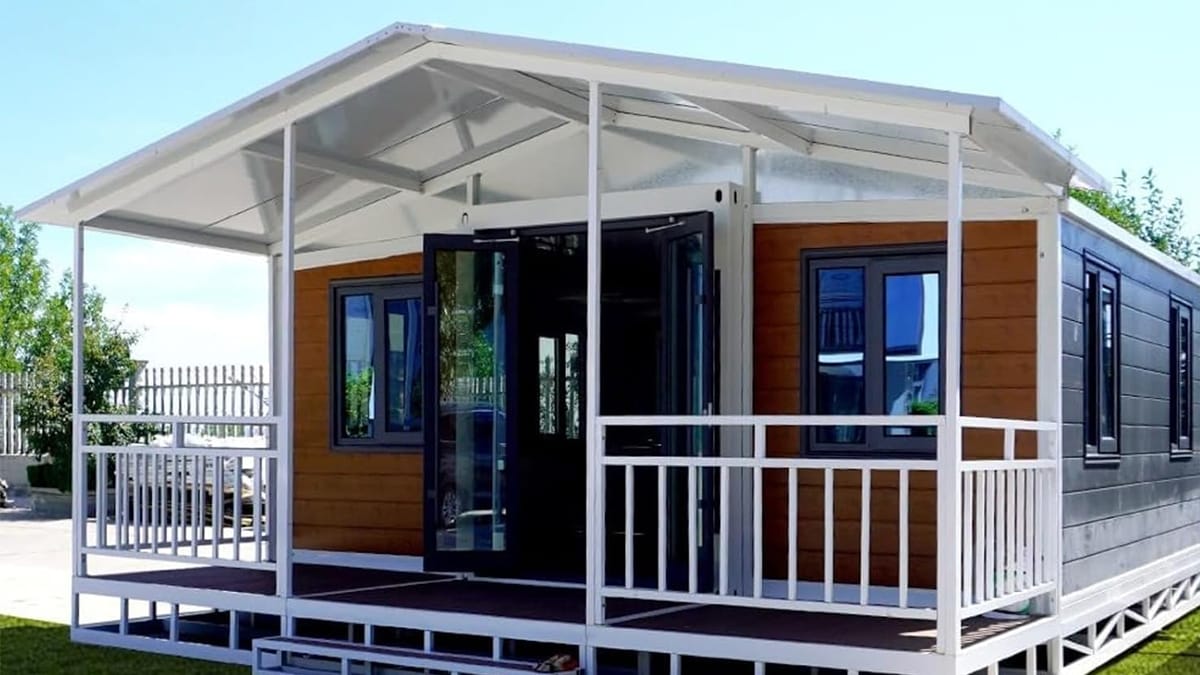
Prefab expandable houses use modular designs. This means you can add or remove parts of your home as you need. You can even move your house if you want a new view. Many homes use strong, eco-friendly materials, so you help the planet while living in comfort.
Here are some popular design features:
Modularity: You can change the layout by adding or removing rooms.
Transportable: Move your home to a new spot if you want.
Sustainability: Enjoy a home built with green materials.
Wide range of uses: Use your home as a living space, office, or even a guest house.
Choosing the right prefabricated house means thinking about your needs today and tomorrow. When you match the right design to your lifestyle, you get a home that grows with you.
Expandable Prefab House Materials
Durability and Maintenance
When you pick an expandable prefab house, you want it to last for years. The best materials for foldable houses can handle daily use and different weather. You should check your home often to keep it in top shape. Here are some simple steps you can follow:
Inspect for rust or corrosion, especially if your house uses metal parts.
Check seals and joints to make sure they stay tight and safe.
Test all moving parts, like hinges and folding walls, to see if they work smoothly.
Clean your house and remove debris to stop wear and tear.
Look at the roof, walls, and foundation for any signs of leaks or water damage.
Treat wooden surfaces to protect them from rain and sun.
Tip: Regular care helps your home last longer and saves you money on repairs.
Sustainability
You might wonder how your home can help the planet. Many expandable prefab houses use the best materials for foldable houses, like bamboo fiber and other eco-friendly options. These materials are strong and good for the environment.
Prefab homes also help the earth in other ways:
They are built in factories, so there is less waste.
You can expand or shrink your home, which means less need for new materials.
Off-site building keeps your land cleaner and safer.
Here’s a quick look at how sustainable materials make a difference:
Aspect | Description |
|---|---|
Energy Efficiency | Good insulation and LED lights lower your bills and carbon footprint. |
Green Construction | Recyclable materials save resources and cut down on pollution. |
Less Waste | Factory building means less trash and fewer emissions. |
Expandable prefab houses also use smart designs. You get more natural light and fresh air, so you use less energy for lights and heating. This saves you money and helps the planet.
Customization and Flexibility
Personalize the Right Design
You want your home to feel special and yours. Customization is important when picking an expandable prefab house. In 2025, there are many ways to make your home unique. You might like a modern outside or a warm inside. You can choose finishes, colors, and how rooms are set up.
Here are some top customization choices this year:
Customization Option | Description |
|---|---|
Adaptable Interior Configurations | You can move walls or use flexible furniture to change your space as you like. |
Tailored Exterior Finishes | Choose from many materials and styles to match your taste and boost curb appeal. |
You can mix these options to fit your life. Want a bigger kitchen? Need a quiet office? You can design your home for what you need. This flexibility lets you make a space that feels perfect.
Tip: Write down your favorite options before talking to a builder. This helps you stay on track and get what you want.
Adaptability for Future Changes
Life can change quickly. Your home should change with you. Expandable prefab houses let you adjust your space as your family grows or your needs change. You might add a bedroom, make a new office, or move your house.
See how these homes make changes simple:
Feature | Benefit |
|---|---|
Modular Design | You can expand or change your home to fit your needs. |
Versatility in Size/Layout | Adjust your space for a bigger family or a new hobby. |
Portability | Move your home if you want a fresh start somewhere else. |
Add or take away panels to change your space.
Great for families that might grow or people who want a flexible office.
Make new rooms, like a bigger kitchen or extra bedroom, with easy changes.
These homes let you update your space instead of building a new house. This saves money and helps the planet by making less waste.
Local Regulations and Compliance
Zoning and Permits
Before you set up your expandable prefab house, you need to check the local rules. Every city or county has its own zoning laws. These rules tell you where you can put your home and what type of home you can build. Some places make it easy, while others have more steps.
Here are some things you might see in major markets:
Zoning laws in Oregon let you build accessory dwelling units (ADUs) in many residential zones. Each city or county can have different rules.
In Portland, you can put ADUs in R2.5 and R5 zones. Each zone has its own lot size and setback rules.
You need permits for building, electrical, and plumbing. These can take time and may feel confusing.
Tip: Visit your city’s planning office or website. Ask questions about your lot and your plans. This helps you avoid surprises later.
If you skip these steps, you might face fines or have to move your house. Always double-check before you start.
Site Preparation
Getting your land ready is a big part of the process. You want your new home to sit on a safe, solid spot. Here’s how you can prepare your site:
Clear and Level the Land: Take away rocks, plants, and trash. Make the ground flat so your house sits right.
Create a Foundation: Pick a foundation that fits your needs. You can use a concrete slab, concrete footings, or steel piers. Each one gives your home stability.
A good foundation keeps your house safe from water and shifting soil. It also helps your home last longer.
Remember, a little extra work now saves you headaches later. If you’re not sure, talk to a local builder or inspector. They know what works best in your area.
Budget and Costs
Upfront Price
When you look for an expandable prefab house, you want to know the starting cost. Your budget is very important. Check your budget and how you will pay before talking to a manufacturer. Most people ask about price first. In 2025, here is what you might see:
The average starting price for a basic expandable container house is $20,000 to $50,000.
Some manufacturers have special deals or packages. You can find lower prices if you compare different companies.
Your budget and payment choices change with the size, design, and extra features you pick.
Talk to your manufacturer about your budget and payment choices. Ask if they have payment plans or help with loans. Some manufacturers work with banks to make paying easier. If you want a bigger house or more upgrades, you need a bigger budget. Always check your budget before signing any contract.
Tip: Make a list of the features you need most. This helps you stay within your budget and not spend too much.
Ongoing Expenses
After you buy your expandable prefab house, you need to think about yearly costs. Your budget and payment choices should include these costs. Plan for the future, not just the starting price. Here is a simple table to show what to expect:
Expense Type | Description |
|---|---|
Maintenance Costs | You pay for regular care and repairs. Modular homes need upkeep to stay nice. |
Expansion Costs | If you add rooms or levels, you pay for permits, workers, and materials. |
Property Taxes | You pay taxes every year based on your home’s value. |
Insurance Costs | You need insurance to protect your home from damage or accidents. |
Your budget should cover these yearly costs. Ask your manufacturer about normal costs for care and expansion. Some manufacturers offer service plans to help you save money. You can also ask about insurance and taxes in your area. Good planning helps you avoid surprises and keeps your budget safe.
Note: Always check your budget and payment choices with your manufacturer before you decide. This helps you feel sure and ready for your new home.
Manufacturer Reputation
 Reviews and Support
 Reviews and Support
You want to pick a manufacturer you can trust. It is important to know who made your home. The company should care about you, not just selling houses. Good reviews mean people are happy with their homes. Strong support helps if you have problems later.
Many top manufacturers are well-known for quality and happy customers. They work hard to build good homes and keep buyers satisfied. Here are some trusted companies in the industry:
Manufacturer Name | Strengths and Offerings |
|---|---|
Foshan TianPuAn Building Materials Technology Co., Ltd. | Functional and stylish modular homes, always improving and innovating. |
Nantong Huasha Movable House Co., Ltd. | Flexible, affordable homes with fast setup and long-lasting materials. |
Sleadgroup Modular Homes Co., Ltd. | Cost-effective container houses, known for high-quality solutions. |
Xiangxin (Fujian) Light Steel Housing Development Co., Ltd. | Innovative designs, sustainable and energy-efficient products. |
Suzhou Tiandi Color Steel Manufacturing Co., Ltd. | Wide range of prefab options, focus on customer satisfaction. |
After you buy your home, you may need help. Some companies give more support than others. Look at the table below to see what services you might get:
Manufacturer | Warranty | |
|---|---|---|
Qianguang | Online technical support | 3 years |
Junnan Steel | Online support, onsite help, free spare parts | N/A |
Suihe Manufacture | Online support, onsite help, free spare parts | N/A |
Tip: Check online reviews before you choose. Ask about support and help after you buy. Picking a good manufacturer means you get help when you need it.
Warranty
A good warranty means the company trusts its homes. Always check what the warranty covers and how long it lasts. Some companies give different protection for different parts of your house.
Here are some examples:
Warranty Type | Duration |
|---|---|
House Warranty | 1 year |
Container House Manufacturing Warranty | 10 years |
Steel Structure Warranty | 20 years |
A longer warranty helps you feel safe. It shows the company stands by its work. Always ask about warranty details before you buy. This helps you feel sure about your new home.
Assembly and Logistics
Delivery Process
Getting your expandable prefab house delivered feels exciting. You want to know what happens from the moment you place your order to the day you move in. The process is smooth if you plan ahead and work with a good manufacturer.
Here’s what you can expect during the delivery process:
Design and planning: You choose your layout and features. The company helps you make sure everything fits your needs.
Factory manufacturing: Workers build your house in a factory. This step keeps your home safe from bad weather and speeds up the process.
Transportation to the site: The company loads your house onto a truck and brings it to your land.
Foundation preparation: You or your builder get the ground ready. This step makes sure your house sits level and stays strong.
Component assembly: Workers put the pieces together on your site. They connect walls, floors, and the roof.
Interior finishing: The team adds the final touches inside, like painting, flooring, and fixtures.
Final inspection: Someone checks that everything works and meets safety rules.
Tip: Ask your manufacturer for a timeline. Most projects take a few weeks from order to move-in, but it can change based on your design and location.
Installation
When your house arrives, you want the setup to go smoothly. The installation team handles most of the work, but you should know what to expect.
The crew unloads the house and places it on the foundation.
They secure each section and connect utilities like water, power, and internet.
Workers test doors, windows, and folding parts to make sure they open and close easily.
The team checks for leaks and fixes any small issues right away.
You can walk through your new home before you move in. If you see anything that needs fixing, let the team know. A good company will make sure you feel happy and safe in your new space.
Note: Keep your phone handy during installation. Quick answers help the team finish faster and avoid delays.
Safety and Security
Safety Features
You want your home to keep you safe all year. Modern expandable prefab houses have many safety features. Most homes use a strong steel frame. They also use flame-retardant foam wallboard. These materials help your house stay waterproof. They also keep your home warm or cool. You can feel safe even in bad weather. Many homes are built for earthquakes and strong winds. You do not need to worry when storms come.
Here are some important safety features you will find:
Safety Feature | Description |
|---|---|
Fire Safety Compliance | Homes use fire-resistant materials and meet local building codes. |
Mold, Bug, and Water Resistance | Materials keep out mold, bugs, and water for a healthier home. |
Regular Inspections | You should check insulation, electrical systems, and heating/cooling units often. |
Accessible Fire Extinguishers | Smoke detectors and fire extinguishers are easy to reach and sometimes built in. |
Durable Materials | Certified materials last longer and keep you safer. |
Wind/Hurricane Resistant | Strong frames protect against high winds and storms. |
Tip: Always ask your builder about safety features in your home. Make sure your house follows local rules and keeps you safe.
Security Options
You want to feel safe from break-ins and theft. Expandable prefab houses now have smart security choices. These options help you sleep better at night. Many homes have anti-theft doors with strong locks. Some doors have extra barriers to stop break-ins. You can pick windows with rolling shutters. These shutters give you more protection and privacy.
Here are some top security options you can pick:
Anti-theft doors with strong locks
Safety doors with anti-intrusion barriers
Windows with rolling shutters for extra protection
Security Option | Description |
|---|---|
Anti-theft doors | Special doors that block unwanted visitors. |
Safety doors with anti-intrusion barriers | Extra layers to stop forced entry. |
Window configurations with rolling shutters | Shutters you can close for more security and privacy. |
You can also add alarms or smart locks for more security. Many manufacturers offer these upgrades. You can choose what makes you feel safest. When you think about safety and security, your home becomes a place to relax and enjoy life.
Foldable House and Container Home Options
Are you choosing between a foldable house and a container home? Both give you a flexible way to live. Each one has its own good points. You should pick what fits your life, money, and where you want to live. Let’s see what makes each type special.
Foldable House Benefits
A foldable house gives you lots of freedom. You can put it almost anywhere you want. If you need to move, just pack it up and go. This is great for people who travel or need a quick home far away. Foldable houses save you money on building and fixing. They use eco-friendly materials, so you help the earth and stay comfy.
Here’s a table that shows why foldable houses are good:
Benefit | Description |
|---|---|
You can fold or open your house for any place or need. | |
Space-saving design | Change the layout and use every bit of space. |
Sustainability | Green materials keep your house good for the planet. |
Portability | Move your house to a new spot without trouble. |
Cost-effectiveness | You spend less money to build and take care of it. |
You can use a foldable house as a guest room, a mobile office, or for short stays. For easy use, set up where you can get water and power. You can fold it up when you do not need it. Foldable houses are quick to set up and easy to move when you want.
Container Home Features
A container home is strong and safe. It uses steel, so it can handle bad weather. You can stack containers or add slide-out parts to make it bigger. Container homes are good if you want to stay in one place or need a tough home.
Here’s a table that compares container homes to other prefab houses:
Feature | Container Homes | Other Expandable Prefab Houses |
|---|---|---|
Structural Integrity | Made from strong, corrosion-resistant steel | Varies based on materials used |
Expansion Mechanisms | Slide-out sections, folding panels, stackable modules | Limited to specific designs |
Eco-friendliness | Uses recycled shipping containers | Depends on materials and construction |
Customization Options | High degree of personalization available | May have limited options |
You can add more containers or folding panels to make more space. The design lets you build new rooms or outdoor spots. You can move your container home, but it works best if you stay in one place. If you use a foldable house, pick a spot that is easy to reach for setup. Foldable houses are best for people who move a lot. A container home is better if you want a strong home that stays in one place.
Picking the best expandable prefab house means you need to think about what you want. You should also look at your budget and how you want your home to look. Experts say you must check local rules before you buy. Choose strong materials so your house lasts a long time. Plan for energy savings to help lower your bills. Take time to look at different layouts and see which one you like. Customization lets you make your home special. It is smart to check if the builder has a good reputation. Here are the most important things to think about:
Key Factor | Why It Matters |
|---|---|
Size & Layout | Fits your family and lifestyle |
Customization | Makes your home feel unique |
Energy Efficiency | Saves money over time |
Manufacturer | Ensures quality and support |
Go see model homes or talk to builders you trust. This will help you feel sure and find a home that is right for you.
FAQ
What is a prefabricated house and how does it work?
A prefabricated house is built in a factory. Workers make the parts there. The parts are moved to your land. The house is put together on site. You get a strong home quickly. It costs less than regular houses. Smart designs let you pick what you need.
Can I customize my prefabricated house?
Yes, you can change many things. Prefabricated houses have modular choices. You pick the layout you like. You choose colors and finishes. You can add rooms later if you want. You can change the design as you need. Your house feels special and fits you.
How long does it take to set up a prefabricated house?
You can move in faster than with a regular house. Most prefabricated houses are ready in a few weeks. The factory builds the parts first. Workers put the house together on your land.
Are prefabricated houses safe and durable?
Prefabricated houses use strong materials. They stand up to wind and rain. They can even handle earthquakes. These homes follow safety rules. You can trust your house to last for years.
What are the benefits of choosing a prefabricated house over a traditional home?
You save time and money with these homes. There is less waste and more energy savings. Prefabricated homes use green materials. You can expand or change your house as you need. These homes give you more choices and flexibility.
Tip: Ask about modular options and upgrades when you talk to a builder. This helps you get the best house for your family.