



10 Nov What Is a Trailer Home on Wheels
Table of Contents
A trailer home on wheels gives you a home that moves wherever you go. You get a prefabricated structure built on a chassis, designed for easy transport. These homes can be permanent or temporary places to live.
About 5.4% of homes in the U.S. are trailer homes on wheels.
Key Takeaways
A trailer home on wheels lets you move your home anywhere. This is great for people who like to travel or must move for work.
These homes usually cost less than manufactured homes. They are a good choice if you want to save money. You can spend less on rent and bills. You also get to enjoy living wherever you want.
Before you buy a trailer home on wheels, look at local zoning laws. Knowing these rules helps you stay out of trouble. It also makes sure you can park or live in your home without any problems.
Trailer Home on Wheels Explained
Definition & Main Features
When you hear the term “trailer home on wheels,” you might picture a small house that you can move from place to place. This type of home sits on a metal frame with wheels and a coupler, so you can attach it to a vehicle and tow it. You get a living space that feels like a regular house, but you can take it almost anywhere.
Here are some main features that set a trailer home on wheels apart from other mobile dwellings:
Feature | Mobile Homes (Trailer Homes) | Other Mobile Dwellings |
|---|---|---|
Wheels | Yes | Varies |
Couplers | Yes | Varies |
Construction Standards | Pre-1976 standards (HUD Code) | Varies |
Foundation | Can be on blocks or permanent | Varies |
You will notice that trailer homes on wheels are built for easy movement. They have wheels and couplers, so you can tow them behind a truck. These homes were first built off-site and look a lot like campers. After 1976, manufactured homes had to meet new standards set by the HUD Code, which made them safer and more comfortable.
Mobility and Construction
You get a lot of flexibility with a trailer home on wheels. You can move your home to a new spot if you want a change of scenery or need to relocate for work. Most trailer homes on wheels are designed to fit legal road limits. The maximum size for a tiny home is 400 square feet. The height usually stays under 13.5 feet, including the trailer and wheels. Width ranges from 7 to 8.5 feet, and the length can go from 20 to 32 feet, though some trailers stretch from 10 to 40 feet. The weight often falls between 10,000 and 25,000 pounds, so you need a strong vehicle to tow it.
When you look at how these homes are built, you see a mix of sturdy and lightweight materials. Builders use 2×4 lumber for the floor and walls, 3/8″ plywood for the outside walls, and 5/8″ tongue-and-groove plywood for the floor. The roof usually has 1/2″ plywood and 2×10 rafters, topped with a tin roof. Inside, you might find 1/2″ drywall or 1/4″ wood panels. For insulation, builders use 4″ mineral wool in the walls, 3″ expanded polystyrene, and 8″ closed cell foam in the ceiling. Siding can be cedar channel boards or corrugated metal. You also get triple pane windows, tiles, and hardwood or engineered flooring. Under the trailer, galvanized flashing helps protect against moisture and pests. Builders use lots of screws, nails, and other hardware to keep everything secure.
Tip: If you want a home that you can move and customize, a trailer home on wheels gives you options that most manufactured homes can’t match.
Manufactured homes are different because they usually sit on a permanent foundation. You can’t move them as easily as a trailer home on wheels. Manufactured homes also follow strict building codes, which means you get more safety features and better insulation. But if you want a home that travels with you, a trailer home on wheels is the way to go.
Mobile Home vs. Manufactured Home
 Differences in Design & Use
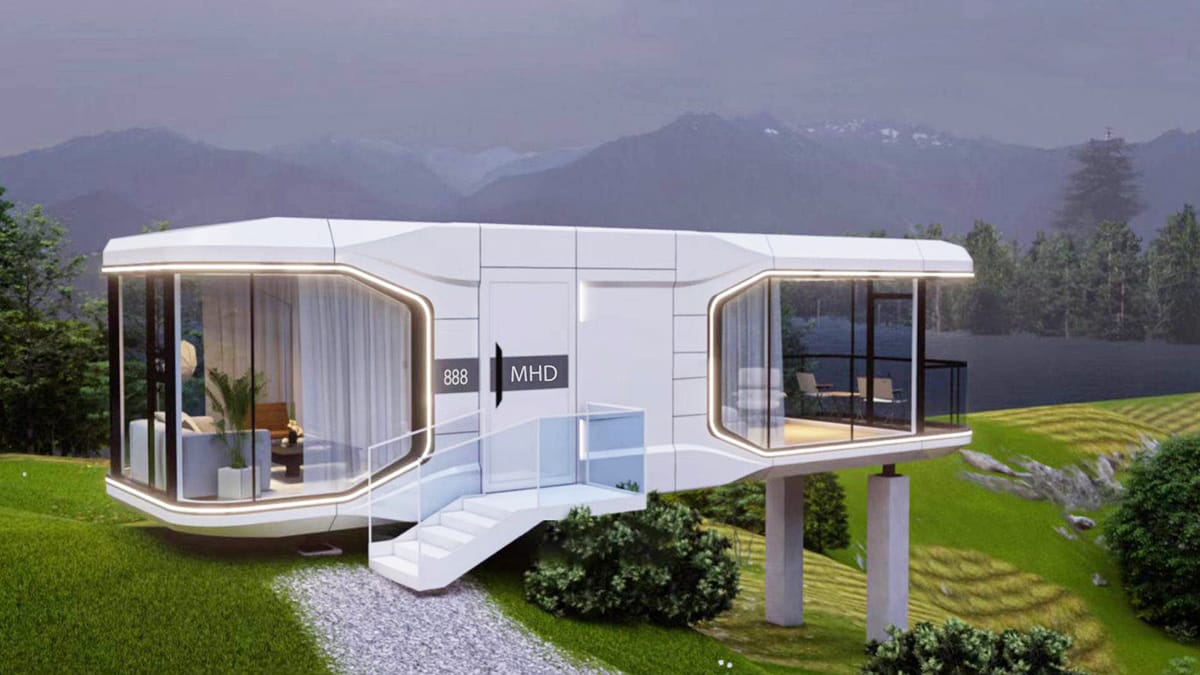 Differences in Design & Use
You may ask what makes these homes different. Mobile homes and manufactured homes look alike, but they are not the same. Mobile homes were built before June 15, 1976. They have simple designs and are easy to move. Manufactured homes are built after that date. They must follow strict safety rules from the HUD Code. Manufactured homes offer more choices. You can get bigger layouts and modern features.
Here’s a table to help you compare mobile homes and manufactured homes:
Feature | Mobile Homes | Manufactured Homes |
|---|---|---|
Construction Date | Before June 15, 1976 | After June 15, 1976 |
Building Standards | Minimal standards | Strict federal standards |
Design and Layout | Smaller, simple | Larger, customizable |
Energy Efficiency | Less efficient | Better insulation |
Safety Standards | Lower | Higher due to HUD regulations |
Financing Options | Limited | More options if on a foundation |
Mobile homes are good for temporary living or travel. Manufactured homes are made for permanent living. They give you more comfort. Manufactured homes have better energy efficiency and safety features.
Foundation and Mobility
Foundation and mobility show more differences. Mobile homes sit on wheels. They do not have a permanent foundation. You can move them easily. This is great if you want flexibility. Manufactured homes are placed on a permanent foundation. It can be piers or concrete slabs. Once set up, you do not move them.
Here’s a table to show how each type handles foundation and mobility:
Feature | Mobile Homes | Manufactured Homes |
|---|---|---|
Mobility | Designed for travel | Usually placed permanently |
Foundation | No permanent foundation | Often on permanent foundation |
Tax Status | Considered a vehicle | Not considered a vehicle |
Manufactured homes must have their wheels and axles removed when installed. They feel more like a regular house. Mobile homes keep their wheels. You can tow them if you need to move.
Tip: If you want a home that stays in one place and feels strong, a manufactured home is a good pick. If you want to travel or change where you live, a mobile home gives you more freedom.
Pros & Cons of Trailer Homes on Wheels
Benefits (Affordability, Flexibility)
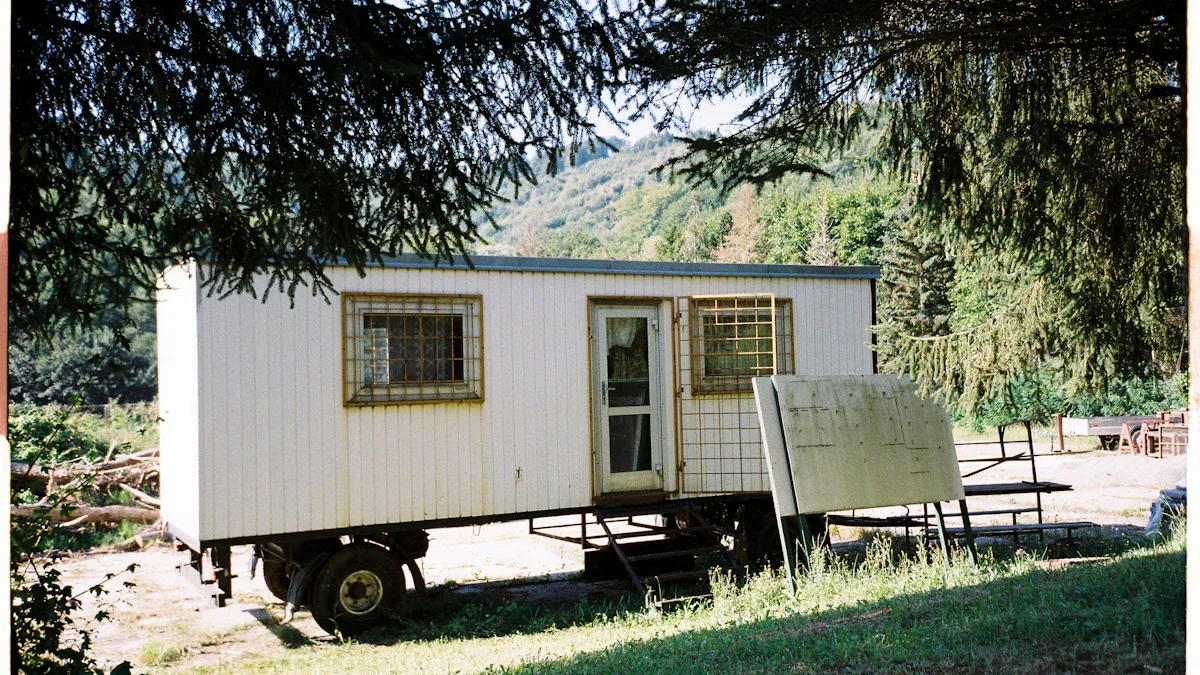 Benefits (Affordability, Flexibility)
A trailer home on wheels gives you lots of freedom. You can move your home almost anywhere you want. If you want to live somewhere new, just hook it up and drive away. This makes it easy to travel or move for work or fun. Trailer homes on wheels usually cost less than manufactured homes. You save money on rent and bills. It is easier to get a loan if your home is small and simple. Some banks have special loans for trailer homes on wheels. You can buy your dream home without paying a lot up front.
Here are some top benefits:
You can move your home when you want.
You spend less on utilities and maintenance.
You may qualify for unique financing options.
You avoid the high price of most manufactured homes.
Tip: If you want a home that fits your budget and lifestyle, a trailer home on wheels gives you more choices than most manufactured homes.
Drawbacks (Space, Legal Issues)
Trailer homes on wheels have some problems too. Space is one big issue. You do not have much room for furniture or guests. Your home must be small enough to travel on roads. Look at this table to see the usual space limits:
Limitation Type | Maximum Value | Notes |
|---|---|---|
Height | 8 ½ feet | Required for travel without permits |
Width | 10 feet | Not recommended for frequent travel |
Overall Height | 10 feet | Varies by state regulations |
Recommended Height | Up to 24 feet | Larger sizes complicate mobility |
Legal rules can make things hard. Zoning laws and building codes change in different places. Some cities let you live in a trailer home on wheels all year. Other places do not allow it. You need to check local rules before you park or buy land. Here’s a table showing how rules differ in urban and rural areas:
Aspect | Urban Areas | Rural Areas |
|---|---|---|
Zoning Regulations | Stricter requirements, including minimum lot sizes and specific classifications for tiny homes. | More lenient zoning laws, allowing greater flexibility. |
Permanent Residence Restrictions | Local ordinances may restrict trailer homes as permanent residences. | Local ordinances can still impose restrictions. |
Utility Access | Typically requires permits for utility access. | May have fewer restrictions on utility access. |
Homeowners Associations (HOAs) | Often prohibit tiny homes even if allowed by the city. | Less likely to have HOA restrictions. |
Parking Regulations | Cannot park in driveways or vacant lots without permits. | More options for parking, but still subject to local laws. |
Getting a loan can be hard. Some banks do not give loans for trailer homes on wheels. You might pay more for each square foot than for a manufactured home. Loans can be hard to get if your home does not follow local rules. Some people say you could get evicted or have trouble finding legal places to live. You must check local codes, get permits, and know how your home is classified. Manufactured homes have better loan options, especially if you want a permanent foundation.
Note: Tiny houses on wheels do not have standard rules. This can cause confusion and extra costs. Always check loan rules before you buy.
You pick a trailer home on wheels if you want a small space that moves. Look at this table to see how it is different:
Characteristic | Trailers | |
|---|---|---|
Mobility | Stays in one spot | Simple to move |
Living Space | Bigger inside | Smaller inside |
Ideal Lifestyle | Staying put | Always on the go |
Think about how heavy it is and if it is steady. You also need to know the local laws. If you like to travel and want freedom, this could be the best choice for you.
FAQ
Can you live in a trailer home on wheels year-round?
You can live in one all year if local laws allow it. Always check zoning rules before you settle down.
Do trailer homes on wheels need special insurance?
You need special insurance for your trailer home. It protects your home while you travel and when you park.
How do you move a trailer home on wheels?
Attach your trailer to a strong vehicle.
Check road size limits.
Drive carefully to your new spot.