


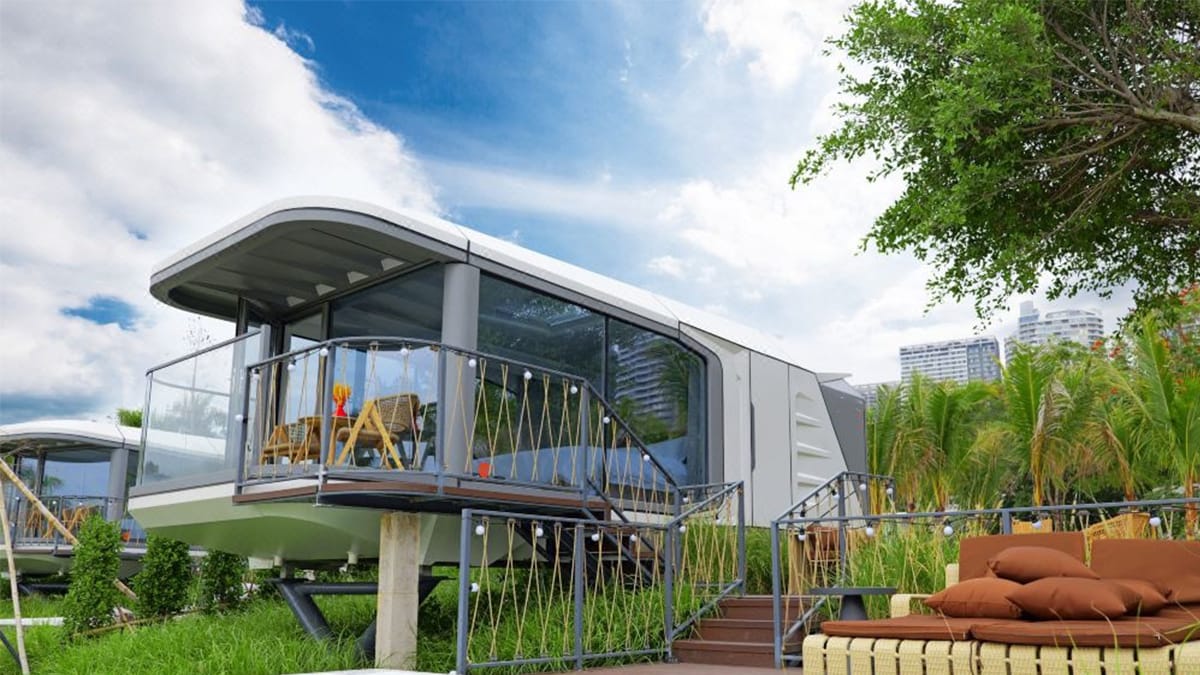
16 Nov Trailer Home On Wheels vs Mobile House
Table of Contents
The main difference between a trailer home on wheels and a mobile house is how you use them and where they stay. More people choose mobile living every year. About 22 million people live in these homes in the United States. If you want a cheap place to live, you should think about how it is built, what it sits on, how big it is, the rules, if it can move, and how you want to use your space. Many buyers want homes that cost less, look modern, have smart features, and feel open.
Before you pick, decide if you want comfort for a long time or if you want to move easily. Local laws, money, and how you live are important.
Key Takeaways
Trailer homes on wheels let you move easily. They are great for people who like to travel. You can have fun and see new places.
Mobile homes give you more room to live in. They do not move as much. They are good for staying in one place. You can make friends in your area.
Look at your money before you buy. Trailer homes cost less at first. Mobile homes can be worth more over time.
Check the rules in your town before you buy or move. This helps you stay out of trouble with the law.
Think about what you want in a home. Pick one that matches how you want to live. Choose if you want to move a lot or stay put.
Key Differences Overview
Trailer Home On Wheels: Features
If you want a home that moves, a trailer home on wheels could be a good choice. These homes are made for travel and adventure. You can pull them with a truck or RV. Many people pick them because they cost less than regular houses. Some trailer homes cost less than $50,000, so more people can buy them. New trailer homes on wheels have many options. You can choose modular styles and add nice things like full kitchens. Some use eco-friendly materials. Some homes save energy and have smart designs. You get rooms that can do many things. The materials are good quality. Some homes have over 2,800 square feet of space.
Here are some things you might find in a trailer home on wheels:
Good prices for different budgets
Modular styles you can change
Eco-friendly materials and energy-saving systems
Big, modern rooms
Rooms that can be used in different ways
You can move these homes easily. They are not always built like manufactured homes or modular homes. Some trailer homes on wheels use cheaper materials. They may not do well in bad weather like manufactured homes.
Mobile Homes: What Sets Them Apart
Mobile homes have a special history. Before 1976, builders made mobile homes with fewer rules. These homes were easy to move and had steel frames with wheels. After 1976, the government made new rules. Manufactured homes built after this date must follow HUD codes. These rules help homes stay safe, strong, and save energy. Manufactured homes are built in factories and moved to their final spot. Most manufactured homes stay in one place and do not move again.
Mobile homes and modular homes are not the same. Mobile homes are built on one frame and can move. Modular homes are put together on a permanent base and do not move. Manufactured homes use more materials than site-built homes. This helps them travel and handle tough weather. HUD codes make sure manufactured homes are safe in wind and heat.
Mobile homes and manufactured homes come in many sizes. You can get single, double, or triple-wide homes. These homes are bigger than most trailer homes on wheels. Manufactured homes use strong materials and often cost less than site-built homes. They save more energy and make less waste when built.
Trailers vs. Mobile Homes: Quick Comparison
You might wonder how trailer homes on wheels are different from mobile homes and manufactured homes. Here is a table to show the main differences:
Feature | Trailer Home on Wheels | Mobile Homes (Pre-1976) | Manufactured Homes (Post-1976) | Modular Homes |
|---|---|---|---|---|
Construction Method | Varies, often not to HUD code | Built with little regulation | Built in factories under HUD code | Built in factories, assembled on permanent foundation |
Regulatory Standards | Often lacks consistent rules | No federal standards | Governed by HUD standards | Must meet local building codes |
Foundation Type | No permanent foundation | Can be temporary or permanent | Usually permanent | Permanent foundation |
Mobility | Designed for travel | Designed to be movable | Not moved after placement | Not designed for mobility |
Size Range (sq ft) | <500 to 2,800+ | 480-3,600+ | 480-3,600+ | Varies, often larger |
Energy Efficiency | Varies, often lower | Lower | Higher, meets HUD standards | High, meets local codes |
Tip: Manufactured homes built after 1976 are safer and save more energy than older mobile homes or most trailer homes on wheels. Modular homes are even stronger and bigger, but you cannot move them once they are set up.
Manufactured homes and modular homes are built in factories. Manufactured homes follow HUD codes. Modular homes must follow local building rules. Trailer homes on wheels are great for travel. They may not last as long or feel as strong as manufactured homes.
Common Misconceptions
Some people think mobile homes are not safe or well built. That is not true for manufactured homes. Manufactured homes use strong materials and must pass safety tests. They use more materials than site-built homes. This helps them last longer and handle bad weather. Manufactured homes also follow rules for wind and heat.
Terminology Clarified
You might hear different names for these homes. In real estate, “mobile home” means homes built before June 15, 1976. “Manufactured home” means homes built after that date and follow new rules. Mobile homes are sometimes called trailers. Manufactured homes are not called trailers. Modular homes are different. They are built in parts and put together on a permanent base.
Environmental Impact
Trailer homes on wheels and older mobile homes do not save as much energy. They use cheaper materials and may not do well in tough weather. Manufactured homes built after 1976 are better for the environment. They use less energy, make less waste, and last longer.
Size & Space Comparison
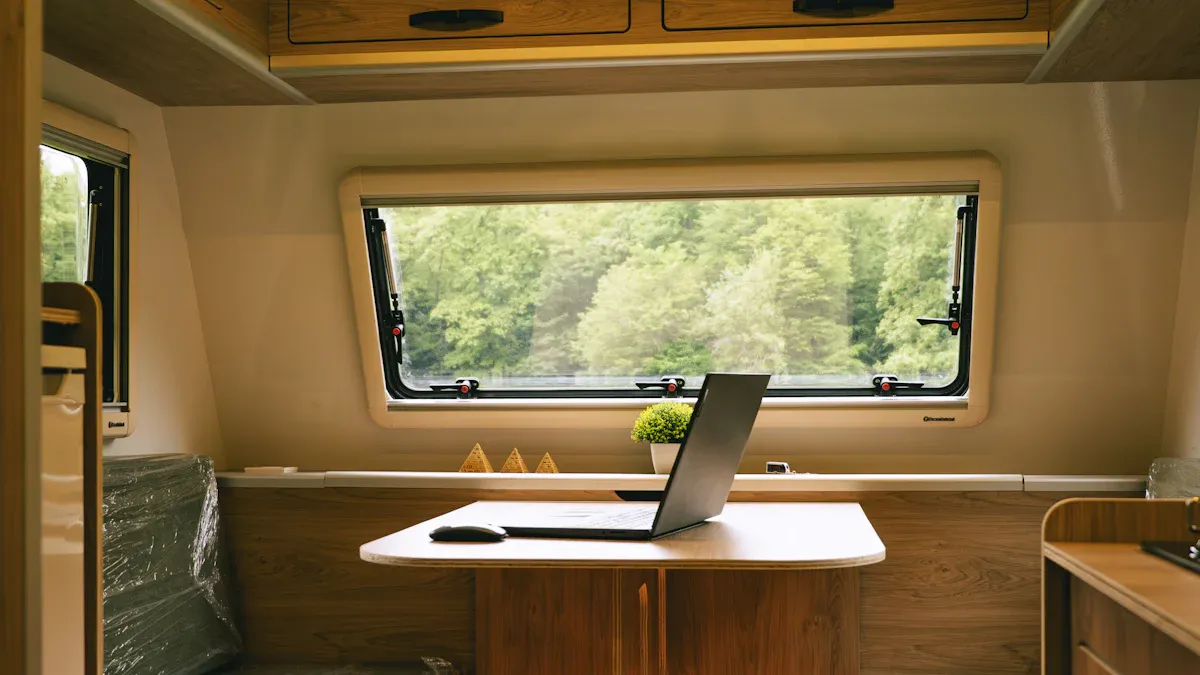
Typical Dimensions of Trailer Homes on Wheels
If you want a home that moves with you, trailer homes on wheels offer compact living. Most tiny houses on wheels have a maximum size of 400 square feet, not counting lofts. You usually see trailer lengths from 20 to 32 feet, with widths between 7 and 8.5 feet. These homes fit into small spaces and make travel easy. You get creative layouts, but space is tight. You might need to use fold-out beds or multi-use furniture. If you love adventure and want a cozy spot, these homes work well.
Maximum size: 400 square feet (excluding lofts)
Typical length: 20–32 feet
Typical width: 7–8.5 feet
Tip: Tiny trailer homes on wheels let you live simply and travel light, but you need to plan your space carefully.
Mobile Homes: Space & Layout
Mobile homes give you more room to spread out. Single wide mobile homes usually measure 14 to 18 feet wide and 52 to 80 feet long. The most common size is 16 feet wide by 76 feet long, which gives you about 1,216 square feet of living space. You can find double or triple-wide homes if you want even more space. Mobile homes often have separate bedrooms, full kitchens, and bigger bathrooms. You get flexible layouts and modern features. These homes feel more like traditional houses and work well for families or long-term living.
Single wide: 14–18 feet wide, 52–80 feet long
Most common: 16 x 76 feet (about 1,216 sq ft)
Double and triple-wide options available
Living Comfort & Usability
You want your home to feel comfortable and easy to use. Mobile homes offer many floor plans and sizes, so you can pick what fits your needs. These homes are built for long-term living and come with modern amenities. You get a stable environment and a sense of community. Trailer homes on wheels are great for short stays or travel. They cost less up front, but you might spend more on repairs. Space is limited, so you need to be creative. If you want flexibility and adventure, trailer homes on wheels are a good choice. If you want stability and comfort, mobile homes might suit you better.
Factor | Mobile Homes | Trailers |
|---|---|---|
Space and Layout | Compact, limited space, best for short-term stays. | |
Cost and Affordability | More affordable than traditional homes, better value for space. | Less expensive up front, but repairs can add up. |
Durability and Longevity | Built to last, follow HUD standards. | May need more repairs because of travel. |
Living Experience | Stable, modern amenities. | Flexible, adventurous, fewer amenities for long-term living. |
Community and Lifestyle | Sense of community, shared amenities. | Transient lifestyle, less stability and community. |
Regulations & Legalities

Zoning & Placement Rules
You must know where you can put your home. Zoning laws tell you if trailer homes on wheels or mobile homes are allowed in an area. In Portland, you can have one tiny house on wheels on a lot with a main home. The wheels must stay on the house. You cannot put these homes on empty lots. You need to follow parking rules and use a paved spot. The home must be at least five feet from the main house. You also need the right electrical and plumbing hookups if your home has them.
California lets people use tiny homes as Accessory Dwelling Units. You can put these homes on lots with a main house. The state wants more legal tiny homes to help with housing problems. Each city has its own rules, so check before you move your home.
Building Codes & Safety
Safety is important when picking a home. Manufactured homes must follow strict rules. The government made the National Manufactured Housing Construction and Safety Standards Act in 1974. In 1976, HUD created the Manufactured Home Construction and Safety Standards. These rules cover design, strength, and energy use. Congress updated the law in 2000 to make homes safer.
Year | Event |
|---|---|
1974 | Congress made the National Manufactured Housing Construction and Safety Standards Act. |
1976 | HUD set the Manufactured Home Construction and Safety Standards (HUD code). |
2000 | Congress updated the standards for better safety. |
Mobile homes built before 1976 do not meet these rules. Manufactured homes built after 1976 are safer and use less energy.
Registration & Insurance
You must register your home and get insurance. Mobile home insurance protects your home on wheels. Most policies cover damage and personal liability. Some insurance does not cover your home while moving, but you can get temporary coverage. Flooding is not covered by regular policies, so you may need extra flood insurance.
Laws are different in each state. North Carolina allows homes that are 14 feet wide and sometimes 16 feet wide. New York gives grants to people who must move and limits land fee increases. Mobile homes follow HUD rules, but local zoning laws matter too. If you take off the wheels, your home’s legal status might change. Mobile homes used to be taxed as vehicles, so property taxes were lower. These homes lose value faster than site-built homes.
Tip: Always check local rules before you buy or move your home. Rules can change fast, and every city or state may have different laws.
Mobility & Relocation
Moving a Trailer Home on Wheels
If you want to travel, a trailer home on wheels is easy to move. You can attach your home to a truck and drive away. Most people tow their homes for short trips. For longer moves, they use trailering. You must plan your route and check your home’s size. You also need the right permits. Setup services help you park and connect utilities at your new place.
Moving a mobile home needs careful planning. There are two main ways to move: towing and trailering. Towing works best for short trips. Trailering is better for long moves. You must give details about your home, plan your route, get permits, and set up services.
Always check local rules before moving your home. Some places want you to park on paved lots. You may need to keep space between homes. If you want to move often, a trailer home on wheels gives you more freedom than other homes.
Mobile Homes: Relocation Factors
Moving mobile homes is harder. You must think about the size, age, and where you want to go. Some homes are too big to move in one piece. You might need to split them or hire special movers. Local laws can limit where you put your home. You need permits and must follow safety rules.
Size and age of your home are important.
Permits are needed for every move.
Licensed movers are needed for most moves.
Older homes may need extra repairs before moving. Movers help you disconnect utilities and put your home back together at the new spot.
Costs & Logistics
Costs are important when moving homes. Moving can be expensive, especially for mobile homes. You pay for permits, inspections, and special equipment. Police escorts may be needed for big homes. Full-service movers charge more for setup and utility work.
The cost to move a mobile home can change a lot. The weight of your home matters. You need permits for each area. Setup services can cost $1,000 to $5,000, depending on how hard the move is.
Moving a mobile home can cost extra for police escorts, permits, and moving supplies. Movers may charge more for setup, disconnecting utilities, and putting your home back together.
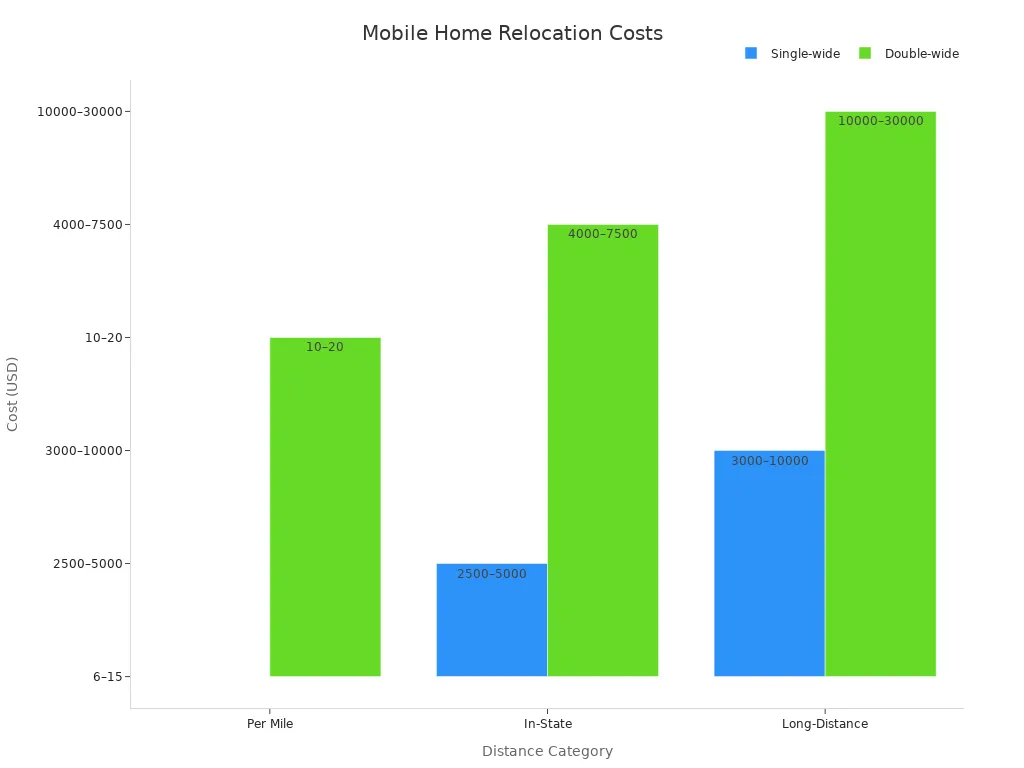
Here is a quick look at average costs:
Type of Mobile Home | Distance | Cost |
|---|---|---|
Single-wide | Per Mile | $6 – $15 |
Single-wide | In-State | $2,500 – $5,000 |
Single-wide | Long-Distance | $3,000 – $10,000 |
Double-wide | Per Mile | $10 – $20 |
Double-wide | In-State | $4,000 – $7,500 |
Double-wide | Long-Distance | $10,000 – $30,000 |
You may need escort cars and special trucks. Permits and inspections add to the total cost. If you want to move your home, plan ahead and make a budget for every step.
Pros & Cons
Trailer Home On Wheels: Pros & Cons
A trailer home on wheels has many good points. You can move your home to new places. These homes cost less than most manufactured homes or modular homes. You pay less in taxes. Building is fast, so you can live in nice areas quickly. The sound inside is better. You can change your lifestyle easily. These homes use less energy and help the planet.
There are some problems too. Trailer homes on wheels lose value quickly. It can be hard to sell your home later. Getting a loan is not easy. Some parks have strict rules. The design might feel small or limited. Some people think these homes are not as good as manufactured homes or modular homes. People may judge you for living in one.
Here’s a table to help you compare:
Advantages | Disadvantages |
|---|---|
Affordability | Depreciation |
Low maintenance costs | Challenges in reselling |
Environmental friendliness | Financing difficulties |
Mobility | Design limitations |
Flexibility | Park policies |
Quick construction | Social stigma |
Better acoustics |
|
Access to high-end locations |
|
Lower taxes |
|
Tip: If you want freedom and adventure, a trailer home on wheels is a good choice. You should plan for problems with selling and getting a loan.
Mobile Homes: Pros & Cons
Mobile homes have many good things. You pay less for your home. Taxes and insurance cost less. Manufactured homes and modular homes give you more places to live. You can change your home to fit your style. It costs less to keep up your home. These homes arrive fast, so you move in soon. Manufactured homes and modular homes use less energy and help the earth.
There are some downsides. Mobile homes and manufactured homes lose value over time. Getting money to buy one is not always easy. Rules can limit where you put your home. Manufactured homes and modular homes can get damaged by bad weather. Some people think mobile homes are not as good as regular homes. This can make it harder to sell your home.
Here’s a table to show the main points:
Pros | Cons |
|---|---|
Lower Costs | Depreciation |
Speed of Delivery | Financing Challenges |
Flexibility of Location | Zoning Restrictions |
Sustainability Potential | Vulnerability to Weather |
Customization Options | Perceived Stigma |
Lower Maintenance Costs |
|
Lower Property Taxes and Insurance Costs |
|
Potential for High Cash Flow |
|
It costs less to keep up your home.
You can choose where you want to live.
Your home may lose value over time.
Note: Manufactured homes and modular homes give you more choices and comfort. Always check local rules and think about how much your home will be worth later.
Choosing the Best Option
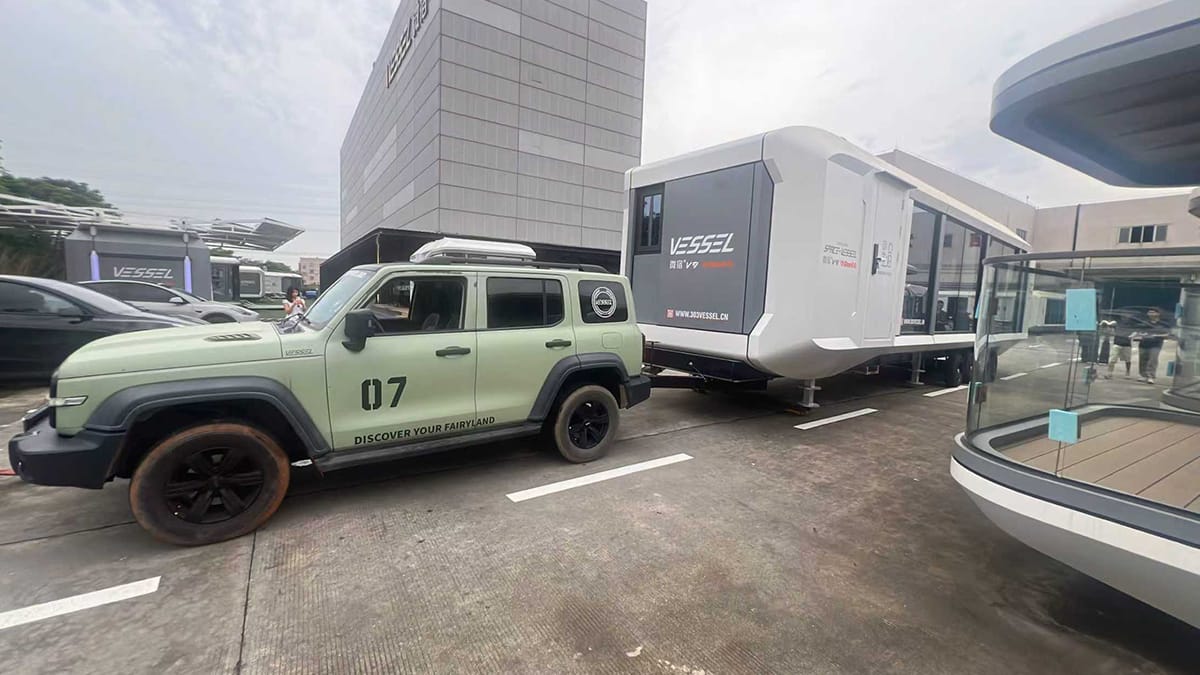
Lifestyle & Travel Needs
You want your home to fit your life. Think about how you spend your time and where you want to go. Some people love to travel and see new places. Others want a steady place to call home. Your lifestyle shapes your choice.
Mobile homes work best if you want a permanent place. You get a stable living space and can build strong connections with neighbors.
Trailer homes on wheels are perfect for travel. You can move from city to city or explore the countryside. These homes let you meet new people and try new experiences.
Mobile homes often help you join a community. You might share parks, pools, or other spaces with neighbors. Trailer homes give you freedom. You can change your view whenever you want.
If you dream about waking up in a new spot every month, a trailer home on wheels might be your best match. If you want roots and a sense of belonging, mobile homes offer that comfort.
Budget & Value
Money matters when you pick a home. You want something affordable that fits your budget now and later. Look at the costs before you decide.
Compare the price of mobile homes and trailer homes on wheels. Mobile homes may cost more at first, but you get more space and features. Trailer homes often have a lower price tag, so they feel more affordable.
Think about ongoing costs. You pay for repairs, utilities, and insurance. Mobile homes usually have lower maintenance costs because they stay in one place. Trailer homes might need more repairs if you travel a lot.
Check the long-term value. Mobile homes can keep their value better if you care for them. Trailer homes on wheels lose value faster, especially if you move often.
Type of Home | Initial Cost | Ongoing Costs | Resale Value | Financing Options |
|---|---|---|---|---|
Mobile Homes | Higher | Lower | Better | More available |
Trailer Homes on Wheels | Lower | Higher | Lower | Harder to get |
Tip: Always plan for the future. Ask yourself if you want a home that stays valuable or one that gives you freedom now.
Decision-Making Tips
Choosing between mobile homes and trailer homes on wheels can feel tough. You want to make a smart choice. Experts suggest a few steps to help you decide.
Define your needs and budget. Think about your family size and how you want to live.
Research different brands and models. Each home has unique features. Find what fits you best.
Inspect the quality and condition. Look at the structure and materials before you buy.
Check location and site rules. Make sure you can place your home where you want. Some parks have special rules for mobile homes.
Look for good after-sales support. Pick a company that helps you after you buy your home.
You can use these steps to narrow down your choices. Take your time and ask questions. Visit homes in person if you can. Talk to people who live in mobile homes or trailer homes on wheels. Their stories can help you see what life is really like.
If you want an affordable home that lets you travel, a trailer home on wheels might be right for you. If you want a stable, affordable home with more space, mobile homes could be your answer. Your needs, budget, and dreams matter most.
A trailer home on wheels lets you travel and explore. Mobile homes give you more room and feel steady. Here is a simple chart to show the main differences:
Aspect | Mobile Homes (Pre-1976) | Manufactured Homes (Post-1976) |
|---|---|---|
Rules | Few | HUD code standards |
Quality | Lower | Higher, modern |
Financing | Car loans | Home loans |
Think about how you want to live before you choose. Go see different homes in person. Learn about the local rules for each type. Look at things like windows, floors, and plumbing. Ask lots of questions and do not rush your choice.
FAQ
What is the main difference between a trailer home on wheels and a mobile home?
You can move a trailer home on wheels easily. It is built for travel. A mobile home usually stays in one place. It follows more rules and often sits on a permanent foundation.
Can you live in a trailer home on wheels year-round?
Yes, you can live in one all year. You need to check local laws and make sure your home has good insulation. Some places do not allow full-time living in trailer homes on wheels.
Do mobile homes and trailer homes lose value over time?
Most of the time, yes. Both types lose value faster than regular houses. You can slow this down by keeping your home in good shape and picking a nice location.
What kind of insurance do you need for these homes?
You need special insurance for both types. Mobile home insurance covers damage and theft. Trailer home insurance also covers travel risks. Always ask your agent for the right policy.
Tip: Always check with your local government before you buy or move your home. Rules can change from place to place.