

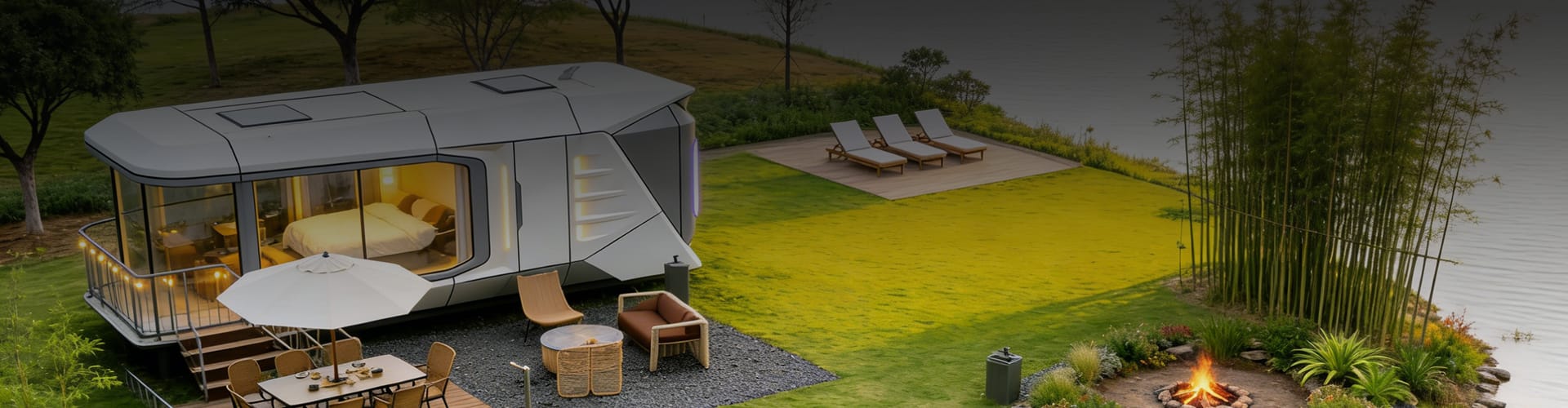

16 Sep What Is a Capsule House?
A capsule house is a compact, modular living unit designed to maximise functionality within a small footprint. It is different from regular homes. You save money, build it fast, and help the planet with its design. Many people pick a capsule house to live simply. They want to spend less each month and use less energy.
The world market for tiny homes may reach $4.3 billion by 2025. This shows many people want homes that are green and cheap.
Capsule House | Traditional Homes | |
|---|---|---|
Construction Time | 7–30 days | 6–18 months |
Cost | Affordable | Expensive |
Environmental Impact | Low | High |
Key Takeaways
Capsule houses are cheaper than regular homes. They help save money on energy bills.
These homes can be built very fast. Most are ready in 7 to 30 days. This is good for people who need a home quickly.
Capsule houses are good for the environment. They use materials that do not harm nature. Their designs help save energy and lower pollution.
You can change capsule houses to fit your needs. Modular designs let owners make their space different as they want.
Capsule houses work well in many places. They are good for cities, vacations, or emergencies. They give comfort in many situations.
Capsule House Origins
History
The idea for capsule houses started in the 1960s. Architects wanted to fix crowded cities and high home prices. They began making homes that used space in smart ways. The Metabolist movement in Japan was important. This group thought buildings should change and grow like living things.
Here is a table with some big moments in capsule house history:
Year | Milestone Description |
|---|---|
1960s | Modular housing plans, like Guy Dessauges’ leisure housing, showed new ways to build on pylons. |
1967 | Habitat 67 by Moshe Safdie showed modular design could work for big buildings. |
1972 | The Nagakin Capsule Tower in Tokyo used 140 small, ready-made capsules. This building became a symbol of the space capsule house idea. |
Now, the capsule house idea is in many countries. In China, companies like Glam Tiny House Limited and VOLFERDA are leaders. They make space capsule house models that are easy to move and set up.
Inspiration
Capsule houses are inspired by Japanese architecture. These homes often use the same size as a tea ceremony room. This keeps the design simple and useful.
Kisho Kurokawa’s Nakagin Capsule Tower, finished in 1972, shows how Japanese ideas shape capsule houses. The design uses traditional room sizes and focuses on change and flexibility.
Kurokawa wanted to make a new style. He did not copy old Japanese or Western buildings. He used ideas like change and being able to adapt. These ideas help explain why capsule houses are good for busy cities.
Modular construction is also more popular now. Gary Badge says, “I’ve taken on the mission to promote modular because I feel strongly about it. I think it’s the way of the future and a significant alternative to conventional building.”
Features
 Design
 Design
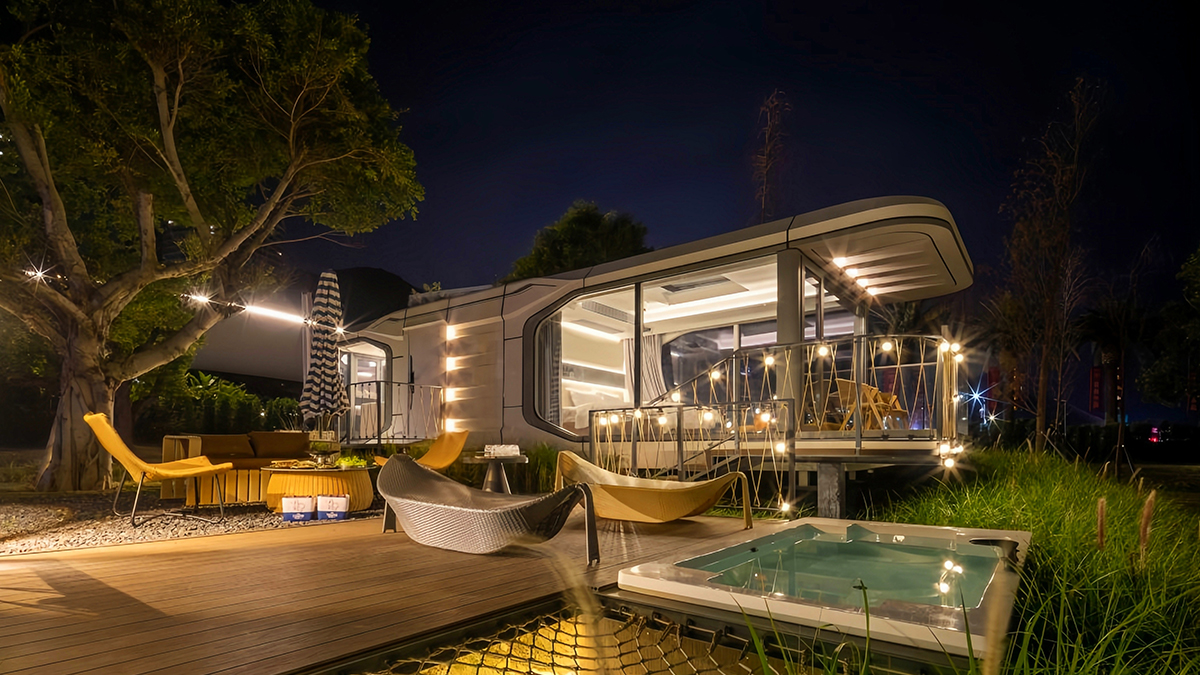
When you walk into a capsule house, you see how space is used well. Every bit of space is important. Most capsule houses are between 100 and 500 square feet. The design is small but fits what you need. Built-in furniture and hidden storage help save space. Sliding doors make rooms feel bigger and less crowded.
Capsule houses use modular construction. You can add or take away parts to change the size. This means your home can grow or shrink as you want. You might want a bigger living room or another sleeping pod. The modular system lets you do this easily.
Here is a table that lists common features in a capsule house:
Feature | Description |
|---|---|
Capsule houses are usually small, from 100 to 500 square feet, and use space wisely. | |
Customization Options | They can be changed with modular parts for different spaces. |
Sustainability | They have energy-saving appliances and eco-friendly features to help the planet. |
Affordability | They cost less than regular homes and have lower bills. |
Modern Amenities | Many have smart home features and nice finishes for comfort. |
You get a small home that works well for daily life. Many capsule houses have smart home systems. You can control lights, heat, and security with your phone. You enjoy modern features in a small space.
Tip: If you want a home that is neat and stylish, a capsule house with a compact design gives you both.
Eco-Friendly
Capsule houses are known for being good for the planet. You help the earth by picking a home that uses fewer resources. Builders use materials like steel, glass, and composites that can be recycled. These choices cut down on waste and help the environment.
You also get good insulation and energy-saving appliances. These things help lower your energy bills. Many capsule houses have solar panels. Solar panels turn sunlight into power, so you use less from the grid. Some even use wind turbines or geothermal systems for heating and cooling.
Solar panels give you clean energy and save you money.
Good insulation keeps your home warm in winter and cool in summer.
Smart home systems watch your energy use and help you save more.
Capsule houses are small and use less energy for heating, cooling, and lights. You help the planet every day by living in a capsule house.
Prefab
Prefab building makes capsule houses fast to build and easy to move. Your home comes in ready-made pieces. Workers put these pieces together in just a few days. This saves you time and money.
Prefab parts fit together well, so there are fewer mistakes.
Factory-made modules mean less waste and better quality.
You need fewer workers and less equipment, which saves money.
Capsule houses use light steel frames. You can move your home by truck or ship it far away. If you want more space, you add more modules. If you need to move, you can take your home with you.
Prefab building helps the planet too. You get a capsule house that is small, costs less, and is ready for today’s needs.
Benefits & Challenges
Advantages
Choosing a capsule house gives you many good things. You save money and time. You also help the planet and live in a modern way.
You spend less on your home. Capsule houses cost less because they use fewer materials and need less work to build. You pay less for fixing things.
You move in fast. Modular building lets you set up your home quickly. You can live in your new place in just a few weeks.
You use less energy. Good insulation and smart tech keep your bills low. You do not need much power for heat, cool, or lights.
You get nice living for less. Many capsule houses have good finishes and smart features. You feel comfortable and stylish without spending a lot.
You live simply. The small design helps you keep only what you need. You avoid mess and focus on what matters.
You help the earth. The small size and smart design mean you use less energy and make less waste. Your carbon footprint stays small.
You can change your space. You add or remove modules to fit your needs. Your home can grow or shrink as your life changes.
You support green living. Capsule houses use eco-friendly materials and save energy. You make choices that are good for the planet.
Tip: If you want to save space and money, a capsule house is a good choice. You get comfort and flexibility in a small home.
Capsule houses help you save on bills and repairs. The small size means you use less energy for heat and cool. You pay less for water and power. Fewer rooms mean less cleaning and fewer things to fix. You spend less time and money taking care of your home.
Limitations
Capsule houses have many good points, but there are some problems too. Some people think the small space is hard to live in. Others miss having more privacy.
Small space can feel tight. If you have a big family or lots of stuff, it may be hard to fit. The design works best for singles, couples, or small families.
Privacy can be hard to get. Open layouts make it tough to find quiet spots. You may feel awkward if you want to be alone.
You cannot change everything. Small homes limit how much you can customize. You may not add all the things you want.
Selling may be harder. Not everyone wants a capsule house. It might be tough to sell or rent your home later.
Building rules can be strict. Some places have tough laws for small homes. You may need to change your design to follow local rules.
Here is a table that shows how capsule houses deal with space and privacy:
Feature | Description |
|---|---|
Privacy | Small private kitchens and bathrooms give you more independence. |
Space Efficiency | Smart design helps you use every inch of space for long-term comfort. |
Customization | You can adapt your space to fit your needs, but options may be limited. |
You can make your capsule house feel more private by picking units with their own kitchens and bathrooms. You also get some ways to change your space, but you may not fit everything you want.
Capsule flats give more privacy and freedom than some regular homes.
The small design lets you live in busy cities and still feel comfortable.
Capsule house features work well for singles, couples, or small families.
Note: If you need lots of space and privacy, a capsule house may not be right for you. Think about your needs before you choose.
Capsule House Uses
Urban Living
 Urban Living
A capsule house can be your main home in the city. Many people pick this because city rent is high and space is small. Capsule houses fit on tiny lots or rooftops. You get your own modern and cozy space. These homes help cities by using less land and energy. You can live in the city and save money. Pod homes and micro-homes help with crowded city housing problems.
Vacation
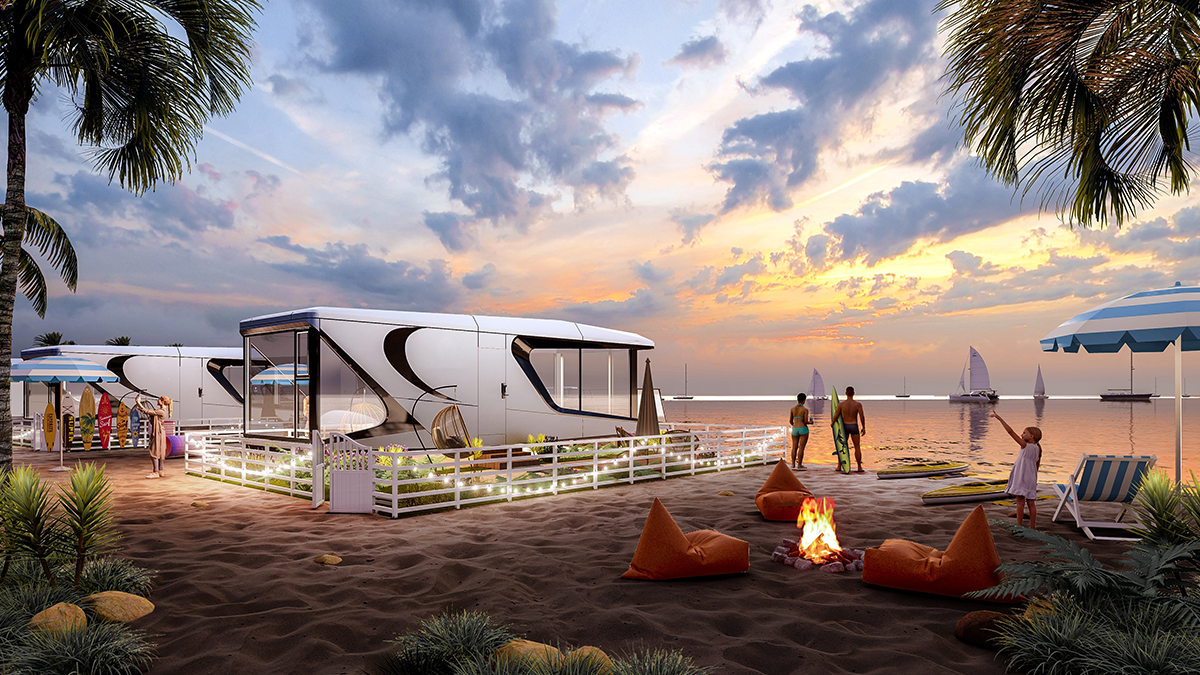
Capsule houses are great for vacations. You can put one by a lake, in the mountains, or near the beach. Their small size makes them easy to set up anywhere. You do not need much land. Many people use them for weekend trips or as rental cabins. You get comfort and privacy for less money. You can move your home if you find a new place you like. You can relax and enjoy nature in your own space.
Emergency
Capsule houses help a lot after disasters. When storms or earthquakes happen, people need safe homes fast. Capsule houses give strong and comfy shelter to those who lost homes. You can build them quickly with snap-together panels. Some can even be dropped by air because they are light. You do not need special tools, and you can build one in less than two hours. If you need more space, you can connect more units together. Capsule houses are better for long-term use than many other emergency shelters.
Note: Capsule houses work for city living, vacations, and emergencies. You get a home that fits your needs.
Cost
Price Range
You can find capsule houses at many price points. The cost depends on the size, features, and level of customization. Here are some common price ranges:
Basic capsule house units start at about $3,000 to $5,000 per set.
Larger orders often cost between $290 and $500 per square meter.
More luxurious models usually range from $18,000 to $30,000.
Highly customized or very large capsule houses can reach $80,000 to $100,000.
Capsule houses often cost less than other types of affordable housing. You pay less because these homes use simple designs and smaller spaces. You also save money on maintenance and energy bills. Tiny houses, while still cheaper than traditional homes, often require a higher upfront investment due to more complex construction.
Size Options
Capsule houses come in different sizes. You can pick a small unit for one person or a larger model for a family. The size you choose will affect the price. Here is a table to help you compare:
Type of Capsule House | Price Range | Cost per Square Foot |
|---|---|---|
Prefab capsule houses | $20,000 – $60,000 | $100 – $200/sqft |
Customized capsule houses | $60,000 – $100,000 | $200 – $350/sqft |
If you want more space, you will pay more. Smaller units cost less and use less energy. Larger models give you more room but raise the price.
Customization
You can customize your capsule house to fit your needs. You might add smart home features, solar panels, or special finishes. Custom designs let you choose the layout, colors, and materials. Each upgrade adds to the total cost.
Tip: Start with a basic model if you want to save money. Add features later as your budget allows.
When you plan your capsule house, think about what matters most to you. Size and customization both play a big role in the final price. Choose the options that fit your lifestyle and budget.
A capsule house is a smart and cheap way to live with less. You save money and use less energy. The materials are good for the earth. You also make less pollution.
Key Feature | Description |
|---|---|
Affordability | Costs less and has many price choices |
Energy Efficiency | Needs less energy and lowers your bills |
Environmental Impact | Helps you live in a green way |
A capsule house is good if you want a simple life. It works well if you need your own work area. It is also great for crowded cities. Think about how much space you need. Check your budget and local laws before you choose.
FAQ
What is the lifespan of a capsule house?
Most capsule houses last 20 to 50 years. You can make them last longer with good care and regular maintenance. Materials like steel and strong composites help your home stay safe and sturdy.
Can you live in a capsule house year-round?
Yes, you can live in a capsule house all year. Good insulation and heating or cooling systems keep you comfortable in every season. You can add extra features for harsh weather.
Do capsule houses need special land or permits?
You may need a permit to place a capsule house. Local rules can change by city or state. Always check with your local building office before you buy or build.
How do you get water and electricity in a capsule house?
You connect your capsule house to city water and power lines. Some models use solar panels or water tanks. You can choose the best setup for your location.
Can you move a capsule house to a new place?
Yes, you can move most capsule houses. Prefab designs let you take them apart and set them up somewhere else. Moving costs depend on size and distance.