


14 Dec What is a Foldable Container House and How Does It Work
Table of Contents
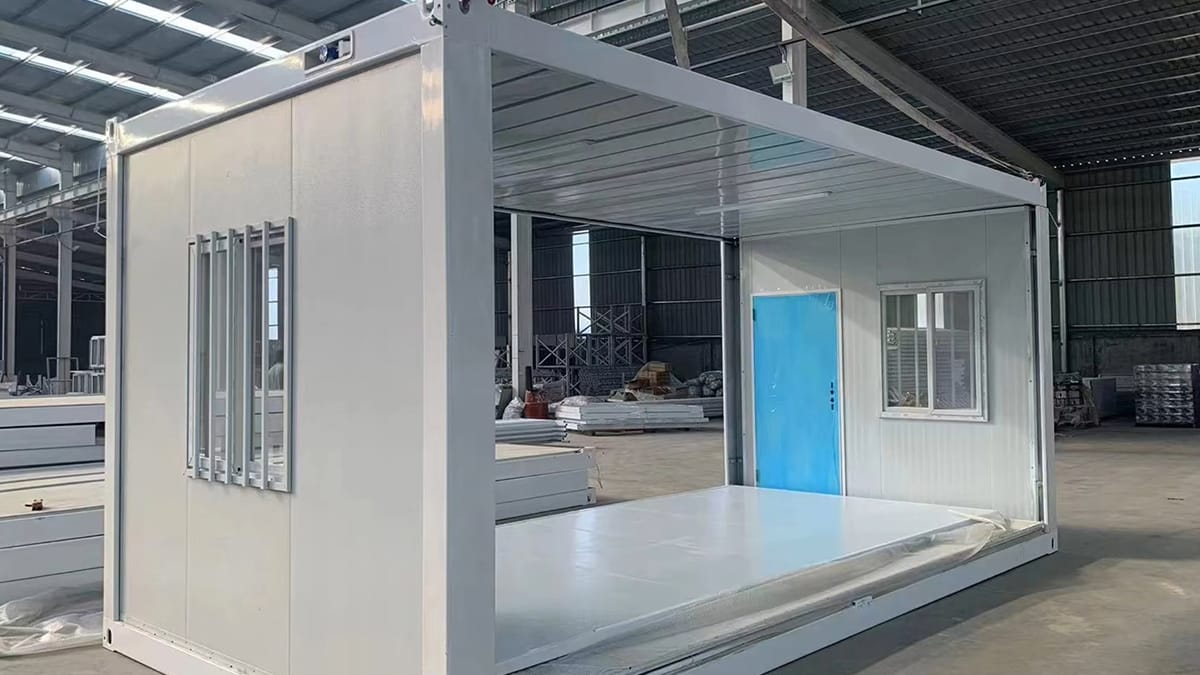
A foldable container house is a prefabricated modular dwelling designed to fold into a compact form for convenient storage and hassle-free transportation, then expand rapidly at the target location.
Its quick assembly process makes it a top choice for fast, flexible housing needs. Featuring a robust steel frame, this type of house delivers exceptional durability, capable of withstanding diverse environmental conditions for prolonged use. Common applications include emergency shelters, temporary offices, and on-site accommodations for construction workers.
Key Takeaways
Foldable container houses can be moved easily. They are simple to set up. This makes them great for fast housing in emergencies. They also work well in faraway places. These homes use strong materials like steel and aluminum. This helps them last through tough weather for many years. The flat-pack design makes shipping and storing easy. It saves space and money when moving many units. These houses are flexible in how you use them. They can be homes, offices, or shelters. They fit many needs and places. These homes help the environment. They reuse old shipping containers. This cuts down on waste and lowers harm to nature.
What is a Foldable Container House
A foldable container house is a new way to solve housing problems. It mixes the strength of shipping containers with the comfort of regular homes. When you ask what is a foldable container house, you find out it comes flat-packed. You can move it easily and set it up fast. The steel frame and smart design make it strong and safe. This house works well for many uses, like emergency shelters or living far away.
Key Features
These homes have special features that make them different. The main parts work together to keep you safe and comfortable. Here is a table that lists the main parts:
Component | Description |
|---|---|
Frame | The main support structure that holds the entire container house together. |
Walls | Foldable walls that can be raised to create the living space. |
Floor | A deployable floor that provides a stable base for the house. |
Doors | Integrated doors that can be unfolded and secured for access. |
Windows | Built-in windows that can be deployed to allow natural light and ventilation. |
Partitions | Internal partitions that can be adjusted to create separate living areas. |
Plumbing | Essential plumbing lines that are laid out during the construction process. |
Electrical Lines | Electrical wiring and components installed for functionality. |
Sealing Strips | Used to ensure tight joints between walls and frame for stability and insulation. |
The materials used in these houses help make them strong. Most foldable container houses use a steel frame, often galvanized or corten steel, to last long and fight bad weather. Aluminum composite panels cover the outside, so the house is light and does not rust. For insulation, builders use glass wool, polyurethane, or rock wool. These keep the inside warm or cool. The floor is often marine-grade plywood, which does not get damaged by water. The roof uses corrugated metal sheets for strength and less weight. Windows and doors use aluminum, PVC, or double-glazed glass to last long and keep heat in.
The flat-pack design makes these homes easy to move and store. You can take the house apart and pack it into a small size. This cuts down shipping space by up to 70%. You can fit many houses in one shipping container. When you get to your site, you can build the house in just a few hours with simple tools. The house can be moved and set up many times, so you can take it wherever you need. You can use it in faraway places or after disasters.
How It Differs from Other Homes

When you compare what is a foldable container house to other homes, you see big differences. Regular homes use bricks, wood, or concrete. They stay in one place and take a long time to build. Shipping containers can be homes, but they do not fold or pack flat. You need special machines to move them, and setup takes longer.
Foldable container houses are easy to move. You can set them up fast, even where building a normal house is hard. The flat-pack design lets you ship many houses at once, saving time and money. You do not need big machines to put them together.
Insulation and energy use are also different. Foldable container houses have thinner walls than regular homes. When you add rock wool or polyurethane panels, you get good thermal and sound performance, almost like concrete homes. Modern insulation keeps the house warm in winter and cool in summer. This helps you save on heating and cooling bills.
You also get more choices. You can use a folding container house as a shelter, office, or cabin. The design lets you change the layout with movable walls. You can use these homes where regular houses cannot be built.
If you want a home that is easy to move, strong, and comfy, a foldable container house is a great choice. You get the good parts of shipping containers and modern homes in one.
Benefits of Foldable Container Houses
Portability and Storage
You can move a folding container house almost anywhere you want. These homes are great for people who need to move often. When folded, a container house is about 10 feet long, 8 feet wide, and 1 foot tall. It weighs only 1,100 pounds. You can fit up to 12 houses in one shipping container. This saves space and money when you ship them. You can also store these houses easily until you need them.
Description | Value |
|---|---|
Max Gross Weight | 24,250 lbs (11,000 kg) |
Tare Weight | ~1,100 lbs (500 kg) |
Collapsed Dimensions | 10′ × 8′ × 1′ (3.05m × 2.44m × 0.3m) |
Fast Setup
You can build a foldable container house in about five minutes. You only need simple tools like saws and cranes. Some people use design software to help. Fast setup means you get shelter quickly. This is very helpful in emergencies or faraway places. You do not need special skills to put these homes together. You save time and work compared to building a regular house.
Tip: Fast setup helps you act fast when things change or in emergencies.
Durability and Strength
Foldable container houses use steel and aluminum to stay strong. These materials help the house stand up to strong winds and heavy rain. They also work well in cold places. If you take care of your house, it can last 20 to 50 years. You get a safe and steady home, even in bad weather.
Benefit | Description |
|---|---|
Durability | Built to handle tough weather, so people stay safe and the house stays strong. |
Needs little care, so you can use your time and money for other things. |
Sustainability
You help the earth when you pick foldable container houses. Builders use old shipping containers, so less trash goes to landfills. This saves resources and cuts down on waste. You also spend less money and help the environment.
Foldable container houses use old shipping containers.
This makes less waste and uses fewer new things.
Flexibility in Use
You can use a folding container house for many jobs. These homes can be offices, shelters, medical stations, or shops. You can change the inside to fit what you need. You get a home that works for many things and saves money.
Residential Use
Commercial Spaces
Student Housing
Workforce Housing
Traveling or Recreational Spaces
Note: Flexibility lets you use your container house for many different needs or ways of living.
Common Applications for Folding Container Homes
Emergency and Disaster Relief
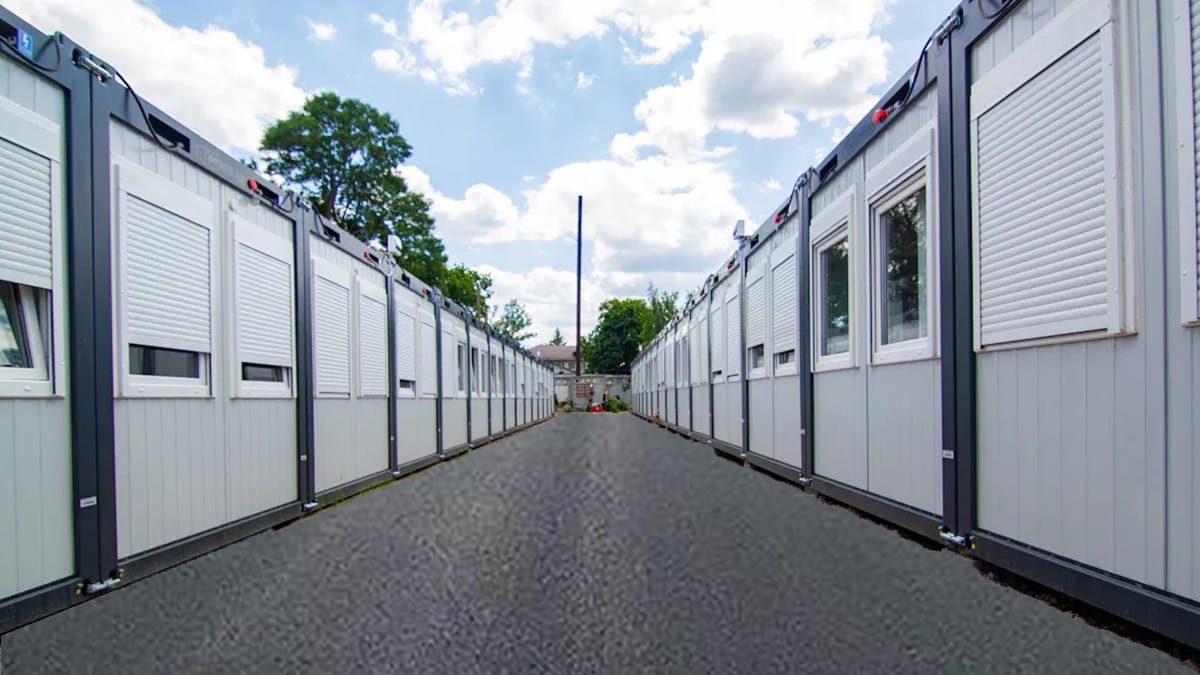
A folding container house is helpful in emergencies. People use them when shelter is needed fast. Foldable container houses are sent out during disasters or medical crises. These homes set up quickly and can be used again. When disaster strikes, people need safe places right away. You can have a container home ready in just 10 minutes.
Foldable container houses give fast shelter after disasters.
They offer quick and safe help for people in trouble.
You can use these homes again for other emergencies.
Here is a table that shows why folding container houses are good for disaster relief:
Advantage | Description |
|---|---|
Cost-effectiveness | Cheaper to make and move, so more money goes to help. |
The design lets you build them fast, so people get shelter soon. | |
Durability | Strong steel keeps the house safe in bad weather. |
Sustainability | Made from recycled things, so they are better for the earth. |
Customizability | You can change them to fit what a community needs. |
Temporary Offices and Workspaces
A container house can be a temporary office or workspace. You can set it up in just a few minutes. You do not need big machines to build it. This saves time and money because it is simple. You can change the inside for different jobs, like offices or dorms.
Feature | Benefit |
|---|---|
Rapid Deployment | You can use it right away in many situations. |
Flexibility and Customizability | You can change it for offices or other uses. |
Transport Efficiency | You can move many at once, saving space and money. |
You can set up a unit in about five minutes.
You get a workspace fast, which helps when time matters.
Remote and Off-Grid Living
You can live in a folding container house far from cities. Moving these homes to remote places can be hard. Sometimes you need special trucks or boats. Local rules can also be tricky, so work with people who know the laws. Foldable container houses help the earth by reusing containers and making less trash. They use insulation and energy-saving parts to keep you comfy and save energy.
Tip: Ask local builders for help to follow all the rules.
Events and Pop-Up Spaces
Container homes are great for events and pop-up spaces. They give you a quick and easy way to make a temporary space. You can use a container house for a festival, market, or show. You can move and use the house again for other events. This saves time and money and gives you a strong space.
Note: Folding container houses let you make pop-up shops or ticket booths wherever you want.
Challenges and Considerations for Foldable Container Houses
Potential Drawbacks
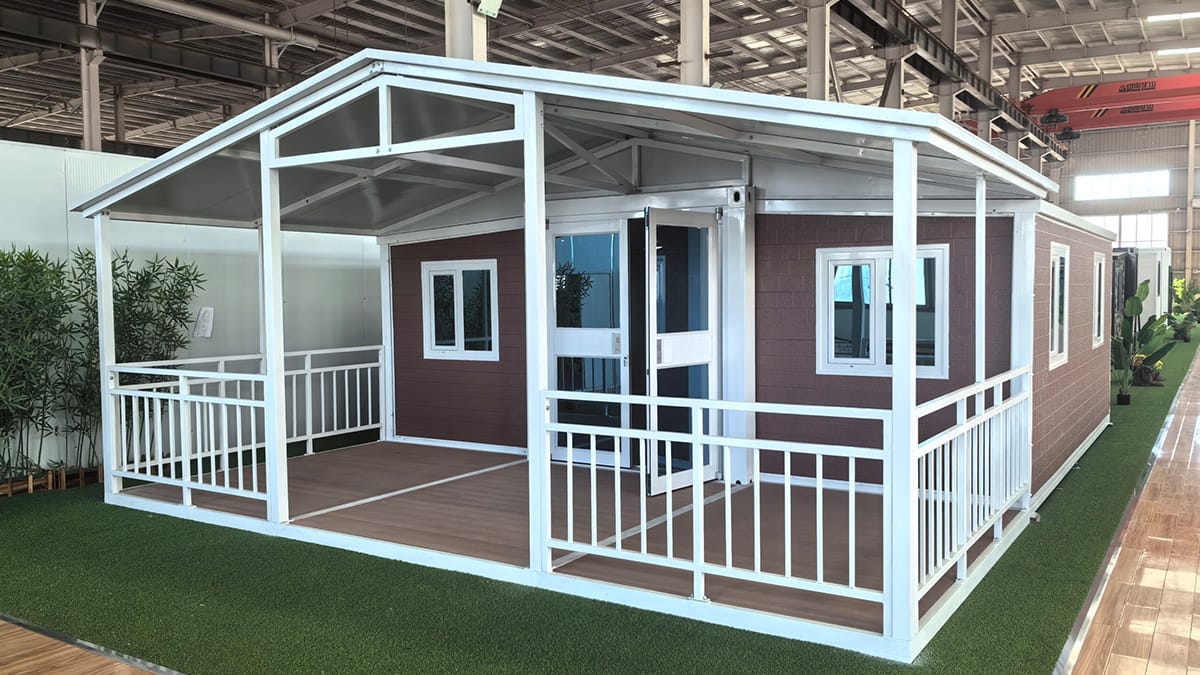
Foldable container homes do not work for everyone. These homes have less space than most regular houses. You cannot pick from as many designs. If you do not use good insulation, noise and temperature can be a problem. Sometimes, it is hard to find workers who know how to build or fix these homes. You should think about these problems before choosing a foldable container house.
Cost and Budget
You need to plan your budget for a foldable container house. The price changes with the size, design, and materials. Here are some common prices:
Most container homes cost between $350 and $1,200 for each square meter.
Small homes with one module start at about $10,000.
Two-bedroom homes cost from $30,000 to $80,000.
A single 20-foot container costs $10,000 to $25,000.
Two containers together cost $25,000 to $50,000.
Big homes with many modules can cost over $80,000.
The final price depends on size, custom features, and setup.
You should compare these prices to regular houses. Many people pick container homes because they are cheaper and easy to build.
Regulations and Permits
You must follow local rules when building a foldable container house. These rules are different in every place. Here is a table with things you may need to check:
Regulatory Aspect | Description |
|---|---|
Appearance | Rules about color, style, and outside materials. |
Accessibility | Must be usable for people with disabilities. |
Size | Limits on area, bedrooms, and height. |
Site Offsets | Distance from property lines and other buildings. |
Foundation | Type and depth of base needed. |
Landscaping | Rules for plants and tree removal. |
Means of Egress | Number and size of exits. |
Fire and Smoke Protection | Smoke and carbon monoxide detector rules. |
Energy Conservation | Standards for windows, insulation, and appliances. |
Structure | Must meet wind and snow load rules. |
Regulating Entities | Most rules come from city or town offices. |
Tip: Always talk to your local building office before you start building.
Maintenance and Longevity
You need to care for your foldable container house to make it last. Here are some things you should do:
Treat and stop rust, especially in wet places.
Keep air moving to stop mold and rust.
Look at the roof for rust, loose bolts, or bad seals.
Check the foundation for cracks or settling.
If you take care of your home, it can last 30 to 60 years. Some regular houses last over 100 years but need more work. With good care, your container house can be strong and safe for many years.
A foldable container house is quick and easy to use. It is strong and works for many needs today. You can live in it, work in it, or use it in emergencies. Before you pick one, think about some important things:
Factor | What to Think About |
|---|---|
Size and Layout | How many people will use the space? |
Material Quality | Will it last in your weather? |
Expansion Mechanism | Is it simple and safe to set up? |
Insulation | Will you be comfy in hot or cold weather? |
Customization | Can you change rooms for what you want? |
Mobility and Setup | Is it easy to move and build? |
Does the cost work for you? |
Make sure you know what you need. Ask experts for help before you buy a foldable container house.
FAQ
How long does it take to assemble a foldable container house?
Most foldable container houses can be built in under an hour. Some types only need simple tools to put together. You do not need to be an expert.
Tip: Always use the instructions from the maker to stay safe.
Can you customize the interior layout?
You can change how the inside looks. Many types let you move walls or add new rooms.
Add more bedrooms
Make space for an office
Put in extra storage
Are foldable container houses safe in bad weather?
Foldable container houses have strong steel frames. They can handle wind, rain, and snow.
Weather Type | Protection Level |
|---|---|
Wind | High |
Rain | High |
Snow | Moderate |
What utilities can you install in a foldable container house?
You can put in plumbing, electricity, and heating. Most houses are ready for basic hookups.
Note: Always check local rules before adding utilities.