



25 Nov What Is a Foldable Prefab House and How Does It Work
Table of Contents
If you’re wondering what is an foldable prefab house, it’s a type of home designed to fold up, much like origami. What is an foldable prefab house? It’s a structure that’s easy to transport from one location to another. These homes are built in factories, which helps keep costs down. What is an foldable prefab house also means it’s simple to move and set up. When you compare the time it takes to build, you’ll see a major difference:
Home Type | Average Assembly Time |
|---|---|
Traditional Stick-Built Home | Several months to over a year |
Prefab Home | A few weeks for factory construction, days on-site |
Choosing what is an foldable prefab house gives you a smart, flexible option. You can set up your home quickly and enjoy more freedom in where and how you live.
Key Takeaways
Foldable prefab houses are simple to move and build. They let people change where they live fast. This gives more choices for living.
These homes use modular design. People can change and grow them to fit what they want.
Making them in a factory lowers costs and waste. This makes foldable homes cheaper and better for the environment.
Origami-style folding lets these houses get small for travel. They can be moved easily and do not need special permits.
Energy efficiency is a big plus. These homes use less energy to heat and cool. This means lower utility bills.
What Is an Foldable Prefab House
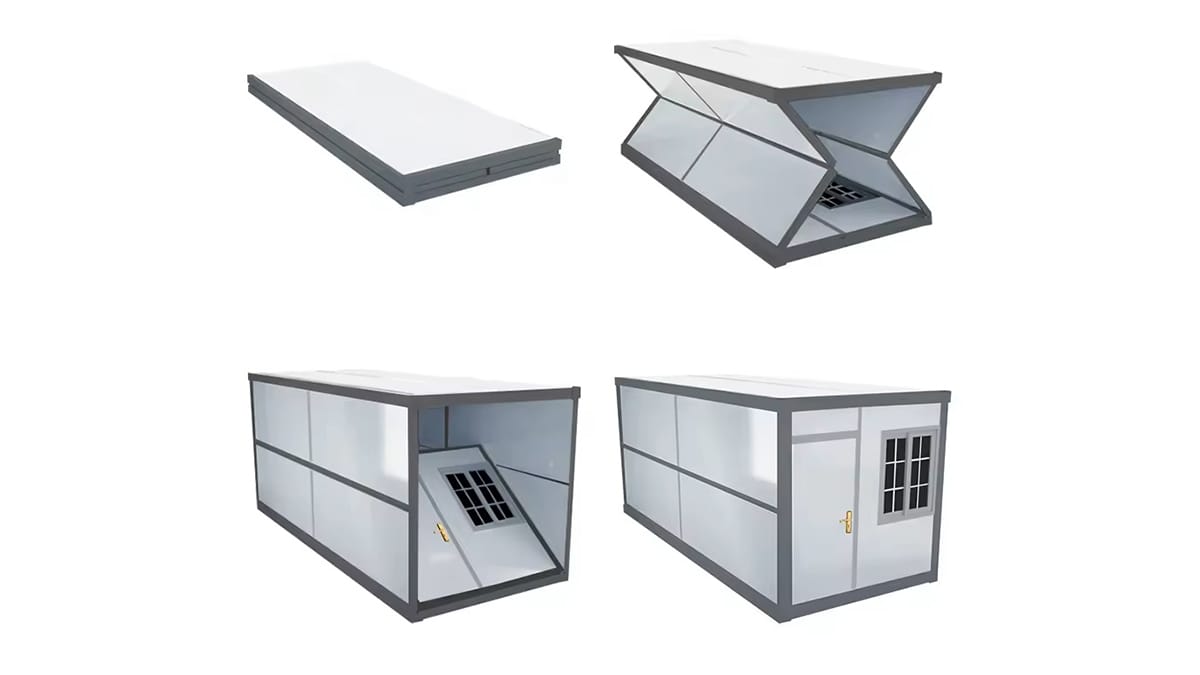
If you ask what is an foldable prefab house, you learn about a new way to live. These homes give you more freedom and are easy to move. Smart engineering and modular building help make this possible. You can fold your house and move it fast. Setting up your house does not take long. The design lets you change your space for different needs and places.
Modular Design
You get a home built with modular methods. Each part connects like blocks. You can make your home bigger or change the rooms. The modular design lets you change your house as you need. You can double your house size with folding parts. This makes moving and transport easier.
Here is a table that shows how modular design helps you:
Feature | Description |
|---|---|
Expandable Design Integration | Homes can double in size through folding mechanisms, which reduces transportation footprint. |
Rapid Deployment Models | Units can be set up on-site in under 48 hours, allowing for quick adaptation to needs. |
Reconfigurable Interiors | The design allows for easy relocation and reconfiguration, making them adaptable to various uses. |
Tip: You can set up a folding house in less than two days. You spend less time waiting and more time living.
Origami-Style Folding
A foldable prefab house uses origami-style folding. This makes the home small and easy to carry. You see hinges and special folds in the house. These let you fold the house into a small shape. You can move it easily. When you get to a new place, you unfold the house and set it up.
The folding house uses ideas from origami. You find valley folds and mountain folds in the design. These folds help the house change shape and hold heavy things. Origami folding helps you use space well.
Here are some key aspects of origami-style folding:
Aspect | Explanation |
|---|---|
Creases act as hinges in the folded structures, allowing movement. | |
Complexity of Patterns | Some patterns require advanced knowledge or simulation tools to interpret. |
Engineering Principle | Description |
|---|---|
Adaptability | Origami principles allow structures to change shapes for different functions. |
Load-carrying | Structures designed using origami can support significant loads. |
High packaging ratio | Origami designs enable efficient use of space when folded. |
Crease Pattern Type | Description |
|---|---|
Valley Fold | A fold that goes inward, resembling a valley. |
Mountain Fold | A fold that goes outward, creating a mountain shape. |
Note: Origami-style folding lets you move your prefab home easily. You can fit your house into a truck or container. You can set it up almost anywhere.
Factory Manufacturing
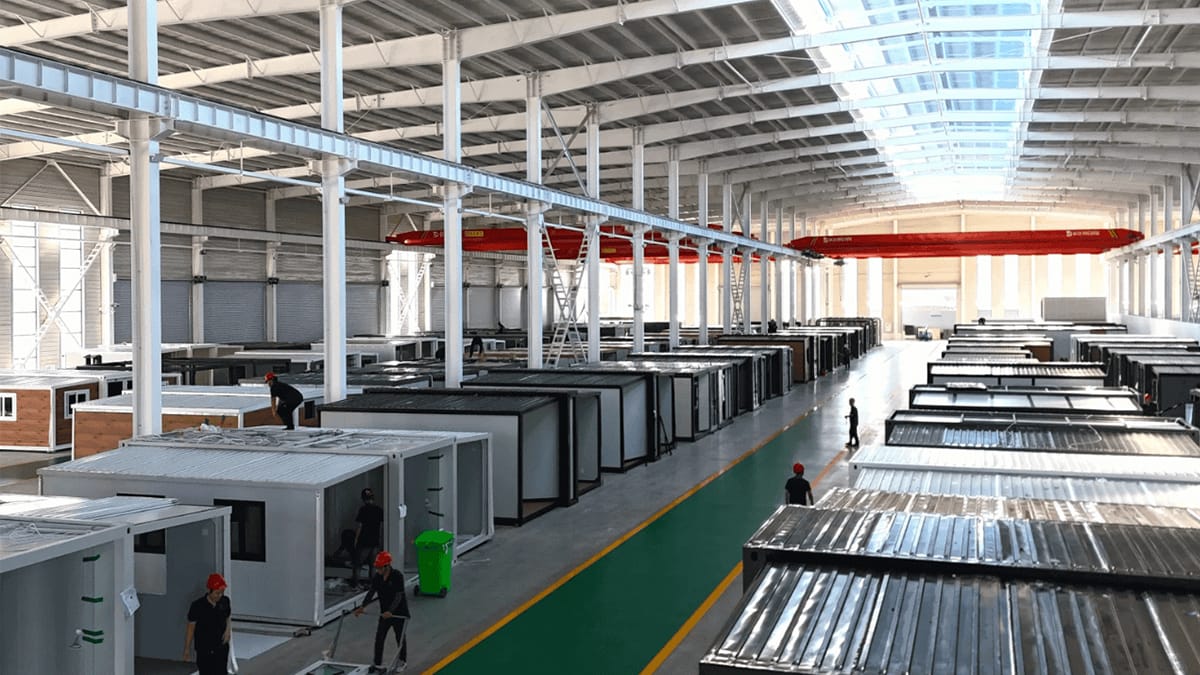
A foldable prefab house is made in a factory. This helps lower costs and waste. The factory checks the quality of each part. You get a strong and reliable home. The process uses less material and fewer workers. You save money and help the planet.
Here is a table that compares costs:
Aspect | Foldable House Cost | Traditional Home Cost |
|---|---|---|
Labor Costs | Lower | Higher |
Material Waste | Minimal | Significant |
On-site Construction Time | Reduced | Extensive |
Additional Costs | Fraction of $20,000 | $20,000 |
Factory manufacturing makes your folding house cheaper. You spend less on workers and materials. You get your home faster. The prefab process means you do not wait long for your new space.
Tip: Picking a foldable prefab house helps you control your budget and time. You get a home that is ready when you need it.
A foldable prefab house is a smart choice for people who want freedom, easy moving, and to save money. You get a modular home that fits your life and can travel with you.
How a Folding House Works
Setup Process
You can set up a folding house fast. The steps are simple and easy to follow. Most people can do it without help. First, you plan your design. You draw the shape and pick where rooms will go. Next, you put your design on strong material. You use cardboard or panels for this. You cut out the shape and mark where to fold. These folds help you build the house.
Here is a step-by-step guide for setting up a folding house:
Think of your design and draw it.
Put your template on the building material.
Cut out the shape and windows, then mark the folds.
Fold the house along the lines you marked.
Hold the house together with tape or glue.
Make the balcony, ground, and roof.
Add legs to support the extension.
Decorate and add extra things.
Some models take only 3-5 minutes to build. Others, like smart container homes, need up to 8 hours. Most folding houses can be set up in less than 30 minutes. You only need two people for this. Taking the house apart is just as quick. You can pack up and move when you want.
Assembly Time | Description |
|---|---|
30 minutes | You can set up a foldable container house fast with two people. |
3-5 minutes | Some models are even quicker to assemble. |
Tip: You spend less time building and more time enjoying your new home.
Transportation & Mobility
You can move a folding house easily. The house folds flat to fit on a truck. This makes moving simple and cheap. You do not need special permits for most moves. This is different from regular mobile homes. The house is light, so it is easy to carry.
When you want to move, you check the new spot first. Make sure the ground is flat and strong. You also need water, power, and sewage at the new place. Moving nearby is easier and costs less than moving far away. You must check local rules before you move. Look at laws about permits and zoning.
Here are some facts about moving a folding house:
Fold the house into a small shape for travel.
Put it on a normal truck.
Set it up fast at the new spot.
Check for water, power, and good ground before moving.
Follow local rules for permits and zoning.
Folding houses are easier to move than other portable homes. You can build and take them apart quickly. This makes them good for emergencies or short stays. Collapsible container homes are also easy to move and use again. Both types help you change your home for new places and needs.
Patented Technology
You get smart technology with a folding house. Companies use special systems to make building easier. Boxabl uses technology that lets homes fold for travel. This lowers shipping costs and makes setup simple. TenFold Engineering has designs for quick space needs. Their ideas show how new technology helps with moving and changing homes.
Here are some examples of patented technology in folding houses:
Modular homes that fold for easy travel.
Ready-to-use solutions for fast setup.
Designs that let you change your home’s size and rooms.
Note: Patented technology gives you a strong, flexible, and easy-to-move home.
A folding house gives you a new way to live. You get fast setup, easy moving, and smart design. You enjoy modular building, flexibility, and portability all in one home.
Features of a Foldable Tiny Home
Customization Options
You can make your foldable tiny home fit your style. Many homes let you pick things that help you feel comfortable. You choose materials that keep the air clean. Builders use low VOC materials and skip glues. This helps your home stay fresh and safe. You pick how your kitchen cabinets and walls look. Pine wood gives your house a warm feel. It does not need paint or sealant. You also pick finishes for the outside. These finishes protect your home and keep it looking nice. Some homes have a reverse osmosis system for clean water.
Customization Aspect | Description |
|---|---|
Low VOC Materials | Use of low VOC materials throughout the home for better indoor air quality. |
No Glue Policy | Construction without glues to minimize harmful emissions. |
Custom Kitchen Cabinets | Sourcing oak cabinets without toxic glues, allowing for personal finish choices. |
Natural Interior Finishes | Walls finished with low VOC pine wood, providing a natural look without paint or sealant. |
Exterior Finishes | Use of low VOC paint or stain for the exterior, contributing to a healthier environment. |
Reverse Osmosis Filtration | Installation of a reverse osmosis system for clean drinking water. |
Tip: You can make your tiny home special and healthy by picking eco-friendly choices.
Sizes & Layouts
Foldable tiny homes come in different sizes and layouts. You pick a size that works for you. Some homes are small and use space well. Others have more room for extra things. You can choose a layout that fits your needs. You might want a galley kitchen or a one-wall design. Modular building lets you change the layout later. You can add or take away sections. This makes your home easy to change for work or hobbies.
Small homes use space in smart ways.
Bigger homes have extra rooms for more things.
You can pick open or closed layouts.
Note: Picking the right size and layout helps you make a home that fits your life.
Bedrooms & Kitchens
Foldable homes have smart bedrooms and kitchens. Bedrooms use furniture that saves space. You might have a loft bed or a couch that folds out. Kitchens are small but fit what you need. You get a counter that fits your space. A double sink helps with cooking and cleaning. Slide-out tables and moveable islands give you more room when you need it.
Kitchen Configuration Type | Description |
|---|---|
Compact Kitchen | 30 to 50 square feet for very small units; 60 to 70 square feet for larger spaces. |
Counter Depth | Standard is 24 inches; for compact kitchens, 18 to 21 inches is ideal. |
Sink Type | A 33-inch double sink is practical for multitasking. |
Dining Table | Slide-out or fold-out tables save space when not in use. |
Recommended Layouts | Galley, corridor, Pullman, or one-wall layouts are best for limited space. |
Moveable Island | A moveable kitchen island or cart can provide additional workspace and storage. |
You get a tiny home that feels cozy and works well. Foldable homes use smart ideas to give you what you need in a small space.
Durability & Comfort in a Folding Home
Structural Strength
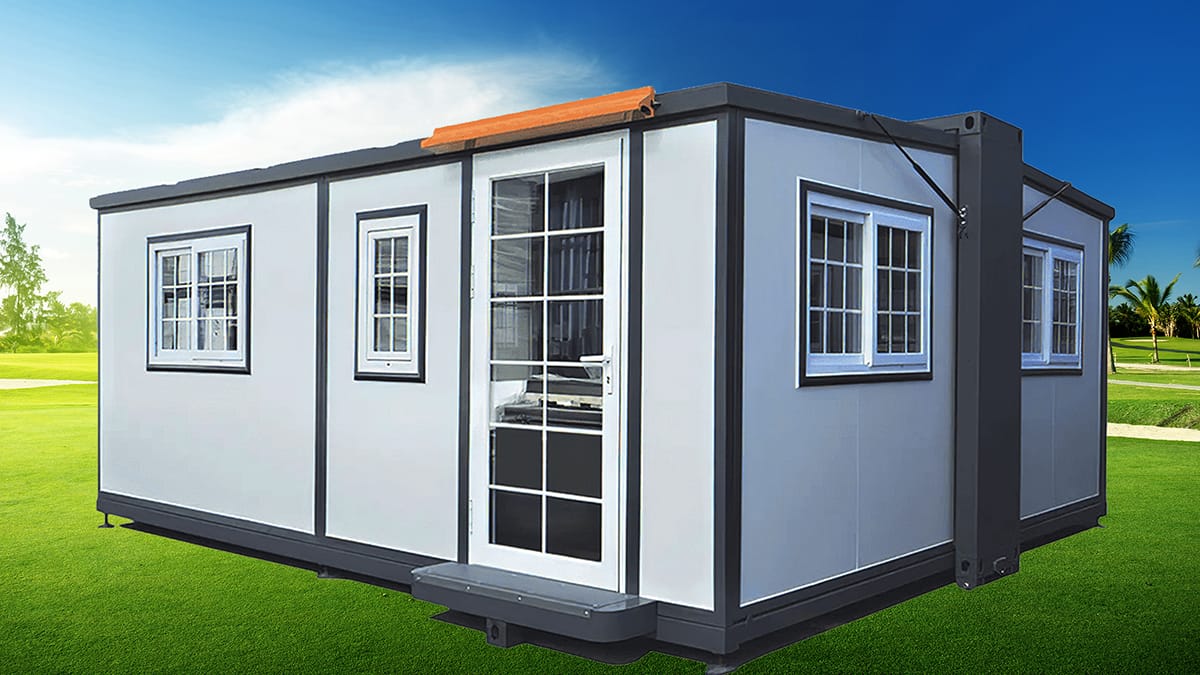
You want your home to be safe and last long. Foldable prefab homes use tough materials to keep your house strong. Builders use modular building to connect each part tightly. This gives you a solid base and strong walls. These walls help protect you. Here is a table that shows what materials help your tiny home stay strong:
Material | Description |
|---|---|
Steel Framework | Made from galvanized or corten steel, providing a strong foundation and rust resistance. |
Aluminum Composite Panels | Lightweight and rust-resistant, these panels enhance aesthetics and protect against elements. |
Protective Coatings | Treatments like electro-galvanization improve corrosion resistance and durability of the steel. |
All these materials work together to make your home strong. Your tiny home can handle daily use and travel. You can trust it to keep you safe.
Insulation & Weather Resistance
You want to feel comfortable in every season. Foldable homes use smart designs to keep you warm or cool. Insulation keeps heat inside in winter. It blocks heat in summer. Your house stands up to tough weather. Here are ways your home protects you:
Heavy Rains and Flooding: Modular homes use water-resistant materials and raised bases to stop water from getting in.
High Winds and Hurricanes: They have strong frames and anchors to stand up to big winds.
Snow and Cold Weather: These homes can hold heavy snow and keep you warm inside.
Extreme Heat and Dry Climates: They use heat-resistant materials and good airflow to keep cool.
You stay comfortable inside your tiny home, no matter the weather outside.
Tip: Good insulation and weatherproofing help you save energy and stay cozy in your home.
Energy Efficiency
You save money and help the planet in a foldable prefab house. Studies show passive container homes use much less energy for heating and cooling. They can lower energy use by more than half. You get better thermal performance and smart systems. Your tiny home uses less power all year. This means you pay less for bills and feel comfortable.
Note: Energy-efficient homes give you comfort and help the environment.
Uses & Comparison to Traditional Homes
Residential & Hospitality Applications
Foldable prefab homes can be used in many places. People live in them or use them for work. You see these homes in hotels and offices far away. They help towns grow and give quick homes in emergencies. The table below lists how people use them:
Application Type | Description |
|---|---|
Hospitality | Good for fast setup in hotels and short-term stays. |
Real Estate | Works for quick homes in new real estate projects. |
Remote Offices | Lets you make offices in faraway places. |
Community Development | Helps build homes fast in new towns or after disasters. |
Temporary Offices | Easy to move and build, great for short-term work spaces. |
Worker Housing | Safe and useful homes for workers in many jobs. |
Emergency Shelters | Can be set up fast to help people in disasters. |
You can pick homes from 20 to 40 feet long. Living space is between 36 and 72 square meters. Most homes have kitchens and bathrooms for small families.
Emergency & Rapid Deployment
Foldable prefab homes help people during emergencies. You can build homes quickly for families who lost theirs. First responders use these homes to rest and work. Medical teams use them as clinics for care. Community leaders use them for meetings and support. These homes are fast to set up and strong in bad weather.
Homes for families who need shelter
Places for first responders to stay
Clinics for medical help
Spaces for people to meet and get help
Good for big groups and saves money
Steel keeps homes safe in storms
Rooms can change for different needs
Tip: Foldable homes help keep people safe and comfortable when things get hard.
Advantages vs. Limitations
Foldable prefab homes have many good points compared to regular homes. You spend less money because you need fewer workers and less material. These homes use things like solar panels to save energy. You can change the rooms and finishes, which is hard in normal homes.
Advantage | Description |
|---|---|
Cost-effectiveness | Folding prefab homes cost less because you save on labor and materials. |
Sustainability | These homes use eco-friendly things like solar panels to save energy. |
Flexibility | You can pick different layouts and finishes to make your home special. |
There are some limits too. Foldable homes can be smaller than regular houses. Some places have strict rules about what homes you can use. You need to check the laws before you pick this kind of home.
Note: Foldable prefab homes give you more choices and faster ways to get a home, but you should think about the good and bad sides.
You get lots of good things with a foldable prefab house. The table below explains why people like these homes:
Benefit | Description |
|---|---|
You pay less because making the house is quick and buying materials in bulk saves money. | |
Flexibility in design | You can change your home so it fits what you want. |
Energy efficiency | You use less energy, so your bills are lower. |
Reduced environmental impact | You help the earth by making less trash. |
Think about some things before you choose:
Look at local laws and rules.
Decide how much money you want to spend.
Choose a builder you trust.
Make sure the house is safe.
Check if you want off-grid or special features.
These homes are easy to move and set up fast. More people want flexible homes for a better life in the future.
FAQ
How long does it take to set up a foldable prefab house?
You can set up most foldable prefab houses in less than 30 minutes. Some models need only a few minutes. You do not need special tools. Two people can finish the job quickly.
Can you move a foldable prefab house to a new location?
You can move your foldable prefab house easily. Fold the house flat and load it onto a truck. You do not need special permits for most moves. Check local rules before you travel.
What materials make foldable prefab houses strong?
Manufacturers use steel frames and aluminum panels. These materials resist rust and damage. Protective coatings add extra strength. Your house stays safe in tough weather.
Do foldable prefab houses have kitchens and bathrooms?
You get a kitchen and bathroom in most foldable prefab houses. Builders design these spaces to save room. You find sinks, toilets, and counters that fit small areas.
Are foldable prefab houses energy efficient?
You save energy with a foldable prefab house. Good insulation keeps your home warm or cool. Many models use solar panels and smart systems. You pay less for energy bills.