


22 Jul What Is a Prefab Capsule House and How Does It Work
Table of Contents
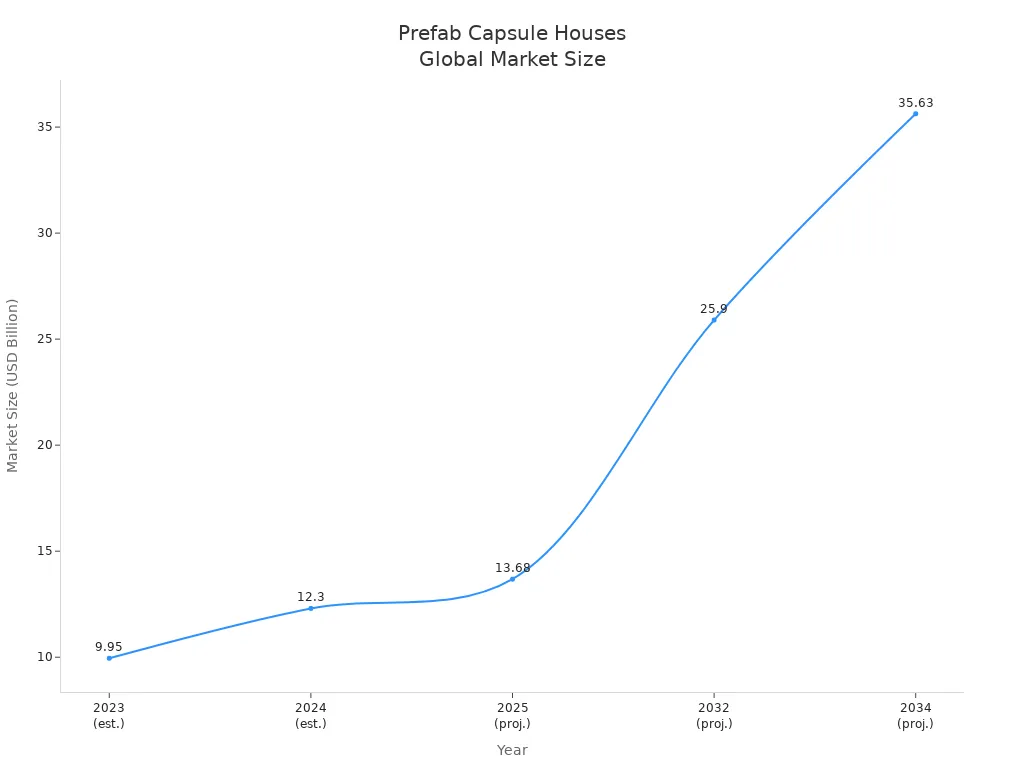
A prefab capsule house is a small home made in a factory. It comes ready for fast setup. Builders use ways like volumetric, panelized, or hybrid construction. They make modular units, panels, or both together. The chart below shows how this modern capsule home trend is growing quickly:
People pick a prefab capsule house because it is quick to install. It is easy to move and has a cool look. This kind of capsule house works for many ways of living. You can use it as a simple prefab house for every day. You can also use it as a modern capsule home for travel. Every capsule house or prefab house saves space and gives you a smart home solution.
Key Takeaways
Prefab capsule houses are tiny homes made in factories. They are easy to set up fast and save space.
Modular construction makes these homes strong and simple to move. They are also good for the environment.
These homes use tough materials and have good insulation. This keeps you comfortable and helps save energy.
Open-plan designs make small spaces look bigger. They can work for many different lifestyles.
Prefab capsule houses cost less to build and take care of. They are a smart and green choice for housing.
Prefab Capsule House Features
Modular Construction
A prefab capsule house uses modular construction. Factories make each module with care. This helps the home stay strong and safe. You get your house much faster than a normal build. There are many good things about this:
Factories build modules and bring them to your land for fast setup.
This way saves money and makes less trash.
You can add, stack, or move your capsule house if you want.
The design lets you fix or upgrade it easily.
Using recycled steel and old wood helps the planet.
You get a small home that fits your life. Modular construction means you wait less for your house. You can pick a prefab house that fits your style and needs.
Materials and Insulation
Prefab capsule houses use strong materials for comfort and long life. The main frame is often steel, which is tough and lasts a long time. Aluminum panels cover the outside. These panels are light and do not rust, so your house looks nice. Inside, you may see fiberglass parts. These are easy to clean and hard to break.
Insulation is important for comfort. Polyurethane foam fills the walls and roof. This keeps heat inside in winter and outside in summer. You save energy and money every month. The table below shows what each material does:
Material | How It Helps Your Capsule House |
|---|---|
Polyurethane Foam | Keeps your home comfy all year, saves energy, and helps keep heat in or out. |
Aluminum Panels | Stops bad weather, does not rust, and makes your house last longer. |
Insulated Panels | Blocks heat, cold, and noise, keeps water out, and makes your house tight and efficient. |
Luxury capsule houses use these materials for a strong, nice home. You get a prefab house that saves energy and lasts a long time.
Open-Plan Design
Capsule houses use open-plan design. There are fewer walls and more open space. This makes your small home feel bigger and brighter. Air and light move around easily, so you feel good in the space.
Many capsule houses have flexible layouts. Some are 200 to 408 square feet. Some are studios, and some have bedrooms, kitchens, and bathrooms. The LUBAN M30 capsule house has a round glass outside and an open studio inside. This makes the small space look cool and useful.
Open-plan design helps you use every part of your house. You can live, eat, or relax anywhere. This style fits minimalism and gives you comfort and use.
Tip: Open-plan layouts in luxury capsule houses let you change your space for work, rest, or fun.
Energy Efficiency
Prefab capsule houses are great at saving energy. The small size means you use less power for heat, cool, and lights. Good insulation, like polyurethane foam, keeps the temperature just right.
Many luxury capsule houses have double-glazed windows and solar panels. These lower your bills and help the earth. Prefab capsule houses use less energy than normal homes. You get a green home that fits modern life.
Prefab capsule houses show how smart design and good materials make a comfy, stylish, and efficient home. You get a prefab house that saves energy and helps the planet.
Types and Uses of Capsule House
 Modern Capsule Home Living
 Modern Capsule Home Living
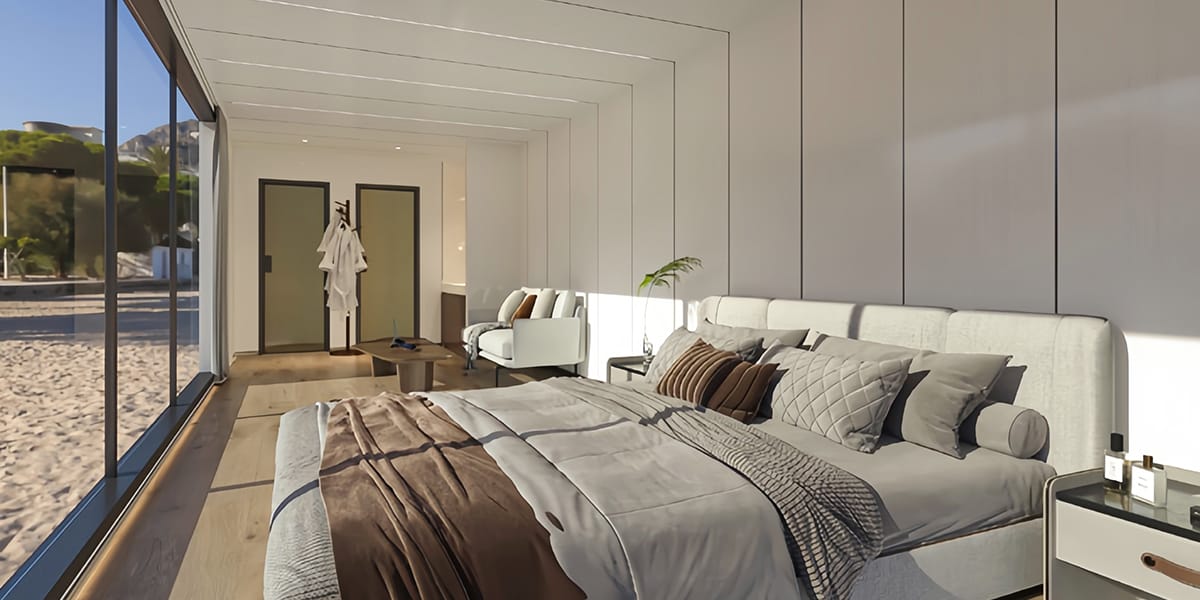
A modern capsule home is a smart way to live. It is flexible and easy to take care of. Many young workers and people who work from home like these homes. They are small and simple to keep clean. These homes fit well in busy cities where space is expensive. Every part of the home is used for comfort and style. Basic capsule houses are good for city life, renting, or as a workspace. Many have smart features and save energy. Off-grid capsule homes let you live far from the city. You can enjoy a simple life with less stuff. This helps you focus on what matters. People who care about the planet like off-grid capsule homes. They use less energy and do not harm the earth much. Luxury capsule houses use fancy materials and have nice bathrooms. You get both comfort and style. There is a modern capsule home for everyone, from simple to fancy.
Tip: Living in a modern capsule home can help you save money and feel less stressed.
Commercial and Temporary Uses
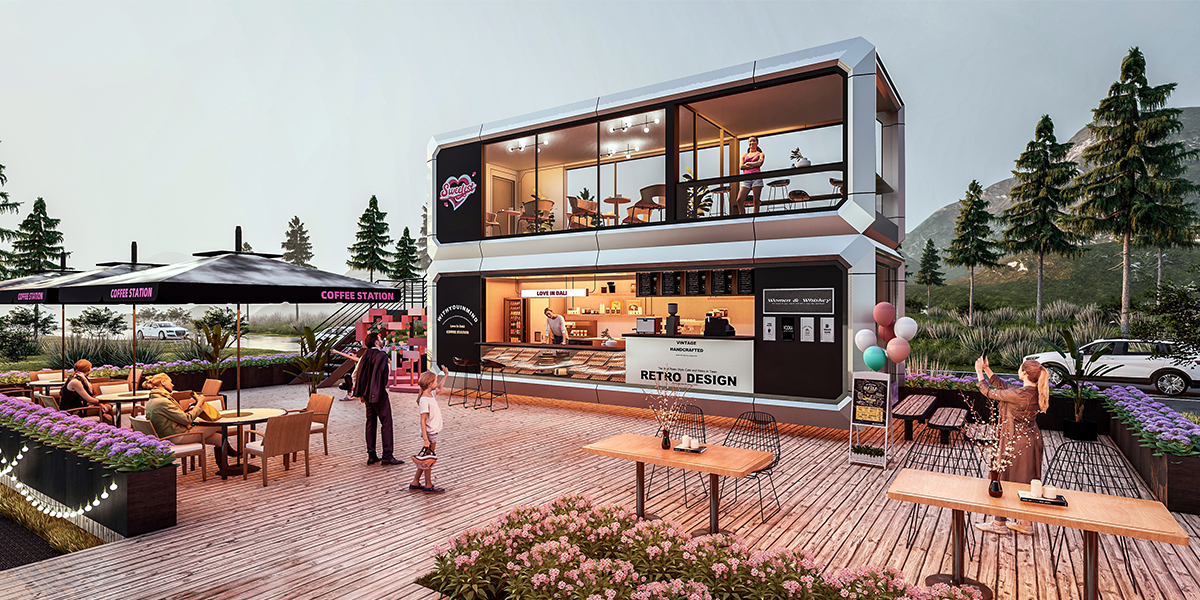
Capsule houses are not just for living in. You can use them for many jobs and emergencies. Hotels, resorts, and camps use luxury capsule houses for guests. Basic capsule houses can be pop-up shops, offices, or kiosks. Off-grid capsule homes are good for quick shelters in emergencies. They also help research teams in faraway places. The table below shows different ways to use a capsule house:
Use Category | Primary Uses | Examples and Details |
|---|---|---|
Residential | Urban homes, compact modern capsule home living | Affordable housing, shared spaces, inspired by Nakagin Capsule Tower |
Commercial | Hotels, pop-up shops, offices | Used at events, festivals, and as mobile offices |
Emergency | Quick shelters, disaster relief | Temporary housing for displaced people, fits in small urban spaces |
Other Uses | Camping, research stations, off-grid capsule homes | Eco-friendly units for campgrounds, isolated research, and adventure living |
Businesses like capsule houses because they are fast to set up. You can move them when you need to. This saves money and time. You can change the space to fit your needs. It is easy to use them for new projects or places.
Portable and Relocatable Options
You can move a modern capsule home almost anywhere you want. The modular design lets you take it apart and build it again. Off-grid capsule homes have solar panels, water systems, and batteries. This means you can live far away from cities. Many capsule houses have wheels or fit on trailers. They are great for travel or adventure. You get a small home that goes with you. Both basic and luxury capsule houses can be moved. You can use a modern capsule home for weekends, as a mobile office, or for research. Off-grid capsule homes let you explore new places. You do not lose comfort or important features.
Modular construction makes moving simple.
Light materials make transport easier.
Smart tech and green systems help with off-grid living.
A modern capsule home gives you many choices. You can live small, save energy, and always have a cozy place to stay.
Installation and Setup
Site Preparation
 Site Preparation
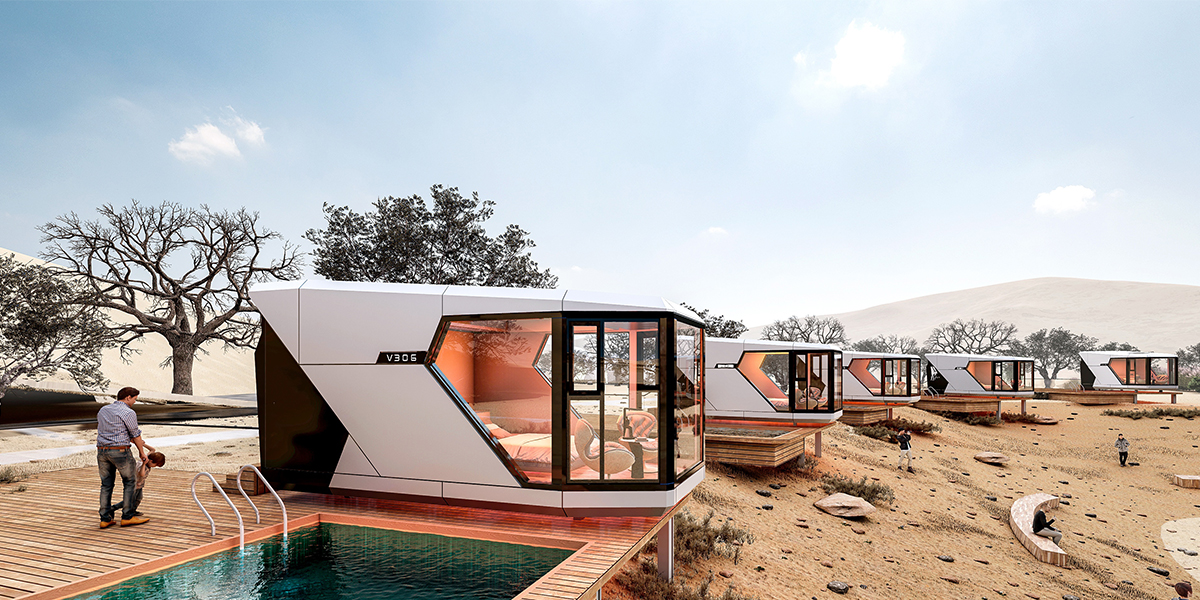
Before you put in a capsule house, you must get your land ready. First, pick a flat spot that is safe and easy for trucks and cranes to reach. Stay away from places that flood or have bad weather. Here are some steps to help you set up:
Find a strong spot with good drainage and easy utility access.
Test the soil and check for pipes or wires underground.
Get all the permits you need from your local office.
Clean up the land and take away anything in the way.
Make the ground flat and mark where the house will go.
Choose a good foundation, like a concrete slab or screw piles.
Gather your tools and safety gear.
Follow local rules so you do not get delayed.
Note: If your land is rocky or not flat, your project may take longer. It is smart to hire experts for leveling and foundation work.
Some problems you might face are getting permits, making rough ground flat, and planning for water, power, and sewage. You can fix these by working with skilled builders and checking local rules early.
Quick Assembly Process
After your land is ready, the capsule house comes by truck. Delivery takes about 15 to 35 days, depending on where you live. When it gets there, a crane puts the capsule house on the foundation. Workers hook up water and electricity. Most capsule houses use modular design, so you do not need special skills or tools. Teams use clear instructions and high-tech tools to build it fast. From delivery to moving in, it usually takes 3 to 6 months. Good planning and a clear path for trucks and cranes make things go faster.
Legal and Zoning Factors
You have to follow local laws when you set up a capsule house. The rules are different depending on where you live. Cities often have strict rules about size, utility hookups, and safety. In the country, you might have more choices for off-grid living and design. The table below shows some rules in different places:
Location | Urban Area Rules | Rural Area Rules |
|---|---|---|
Massachusetts | Strict codes, utility hookups required | More off-grid options, permits needed |
Alaska | Size limits, cold-weather standards | Flexible for domes, off-grid allowed |
New York | Minimum size, tough permits | Cabins allowed, more flexibility |
Maryland | Utility hookups, lot size rules | Fewer restrictions in farm zones |
Washington | Utility hookups, design standards | Off-grid and renewable energy allowed |
You should look up local rules, make detailed plans, and get all your permits before you start. Working with experts helps you avoid delays and makes sure your capsule house is safe.
Maintenance and Cost of Prefab Capsule Houses
Durability and Lifespan
A capsule house is strong and lasts a long time. Most sustainable capsule houses have steel frames and tough panels. These materials protect your home from wind, rain, and sun. Many capsule houses last over 30 years if you take care of them. The small design means there are fewer things that can break. Sustainable capsule houses use eco-friendly materials that stop mold and bugs. You help the earth and have a safe home.
Routine Care
It is easy to take care of your capsule house. You just need to do a few simple things to keep it nice:
Look for leaks, cracks, or damage every few months.
Change HVAC filters and check the system.
Check plumbing and electrical systems for problems.
Wash the outside panels and check for weather damage.
Use pest control to keep bugs away.
You can use this table to help with your chores:
Maintenance Task | Description |
|---|---|
Foundation Inspection | Look for cracks or wet spots to keep your home safe. |
Roof Inspection | Check for leaks and clean out the gutters. |
HVAC Maintenance | Change filters and clean the ducts. |
Insulation Check | Make sure there are no holes so your home stays warm or cool. |
Window and Door Maintenance | Fix drafts and put in new weatherstripping if needed. |
Regular Cleaning | Keep your home clean inside and outside. |
Sustainable capsule houses are easier to care for than big homes. You save time and money and live in a clean, healthy place.
Cost-Effectiveness
Sustainable capsule houses help you save money right away. Factory-built homes cost less because they need less work and waste fewer materials. You can move in sooner and skip extra costs. Over time, you pay less for heating and cooling because these homes have good insulation and energy-saving windows. Many people add solar panels to save even more money. Here is a quick look at the costs:
Cost Aspect | Prefab Capsule Houses | Conventional Concrete Houses |
|---|---|---|
Initial Costs | Higher, slower to build, more work, more waste | |
Long-term Costs | Lower bills with energy-saving features | Higher bills unless you pay more for green upgrades |
Sustainable capsule houses are also good for the planet. They use less energy and make less pollution. You help the earth and support smart city growth. But remember, a capsule house has less space and privacy than a big house. Think about what you need before you buy one.
Tip: Sustainable capsule houses are a smart, affordable, and green choice for your next home.
Prefab capsule houses give you a fast, affordable, and energy-saving way to create a modern home. You get a space that is easy to care for and fits a simple lifestyle. These homes work best for singles or couples who want low costs and less clutter. If you like open spaces and do not need much privacy, this type of home can suit you well. Before you choose, think about your daily needs, your family size, and the rules in your area.
FAQ
What is the average size of a prefab capsule house?
Most prefab capsule houses range from 200 to 400 square feet. You can find smaller or larger models, but these sizes fit one or two people best.
Can you customize the interior of a capsule house?
Yes, you can choose layouts, finishes, and features. Many companies let you pick colors, flooring, and kitchen or bathroom styles. You can make the space fit your needs.
How long does it take to install a prefab capsule house?
You can usually move in within 3 to 6 months after ordering. The factory builds your house quickly, and the on-site setup takes only a few days.
Are prefab capsule houses safe in bad weather?
Prefab capsule houses use strong steel frames and weatherproof panels. These materials help protect you from wind, rain, and snow. Always check local building codes for extra safety steps.