


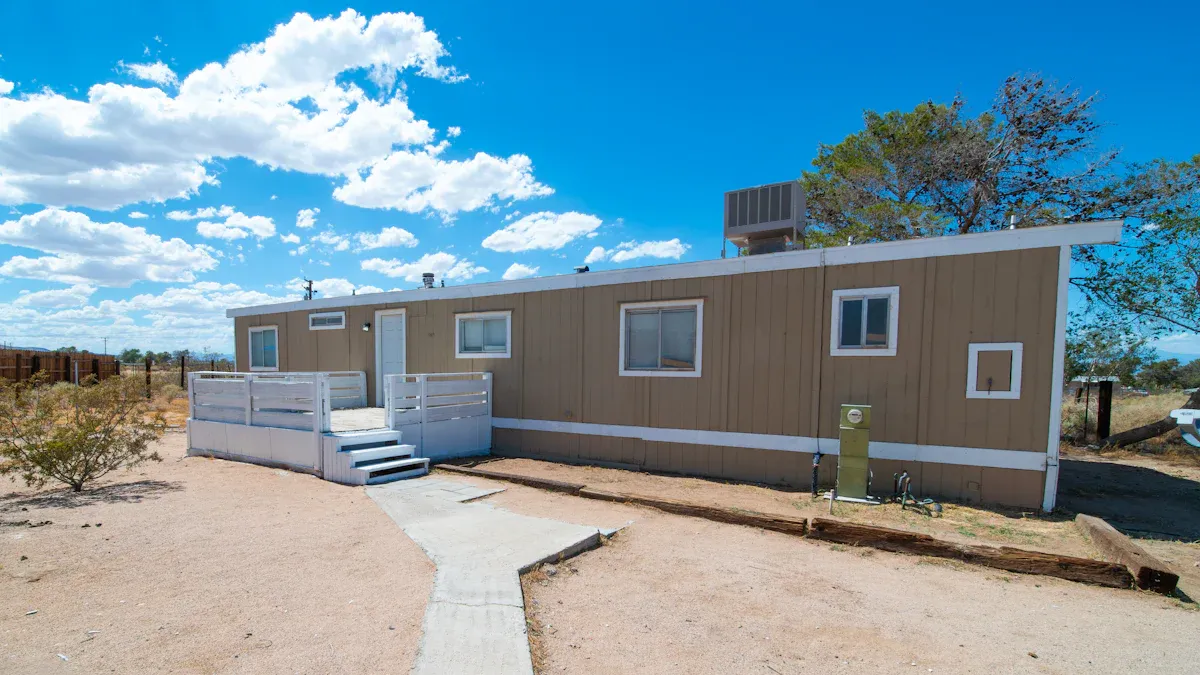
23 Aug Advantages And Disadvantages Of Living In a Foldable Container House
Table of Contents
You might ask if living in a shipping container home is right for you. A container house offers several advantages, such as lower prices and great flexibility. However, it also comes with challenges like limited space. Shipping container homes differ from traditional homes because they provide a unique living experience. When comparing a shipping container home to a regular home, one of the main advantages is the lower cost. Still, achieving comfort and meeting legal requirements can be difficult. It’s important to weigh the advantages and disadvantages alongside your lifestyle before choosing a container home.
Living in a shipping container home gives you a house that can move and adapt. But you also need to consider insulation for warmth or cooling, maintenance, and the potential resale value.
Key Takeaways
Foldable container homes are much cheaper than regular houses. They are a good choice if you want to save money.
These homes are good for the environment. They use recycled materials and save energy because they are small and well-insulated.
You can build a foldable container home fast and without trouble. You can also move or make it bigger if you need to.
There is not much space inside container homes. Using smart storage and furniture that does more than one thing helps use the space well.
Good insulation and taking care of your home often are very important. This keeps your container home safe and comfortable all year.
Advantages of foldable Container Homes
Cost-Effective
When you compare homes, price is very important. Foldable container homes are cheaper than most other homes. You can buy and set up a container home for about $20,000. A regular house costs much more, usually around $400,000. Even if you add special features, container homes still cost less. The table below shows the price difference:
Cost Aspect | Foldable Container House (Shipping Container Home) | Conventional House |
|---|---|---|
Purchase & Build Cost Range | $20,000 to $250,000 (varies by size, customization, features) | Around $400,000 (average new build cost) |
Cost per Square Foot (Prefab) | $120 to $300 | N/A |
Cost per Square Foot (Custom) | $250 to $400 | N/A |
Land Purchase | $5,000 to $18,000 per acre | N/A |
Additional Costs (Land prep, utilities, insurance) | Land clearing: $1,500 to $6,700 per acre; Utility connections vary; Insurance approx. $1,380/year | Included in overall build cost or varies by location |
You save money when you build and over time. You spend less on building, workers, and supplies. If you want a home that fits your budget, a foldable container house is a smart choice.
Eco-Friendly
If you want to help the planet, container homes are a good pick. These homes use old containers, so there is less waste. Building with containers saves energy and materials. You help the earth by living in a home that is eco-friendly.
Foldable container homes also make less pollution. Tiny homes like these can make up to 90% less carbon dioxide than regular houses. You use less energy for heat and cooling because the space is smaller and better insulated. This makes container homes great for people who care about the environment.
Fast Construction
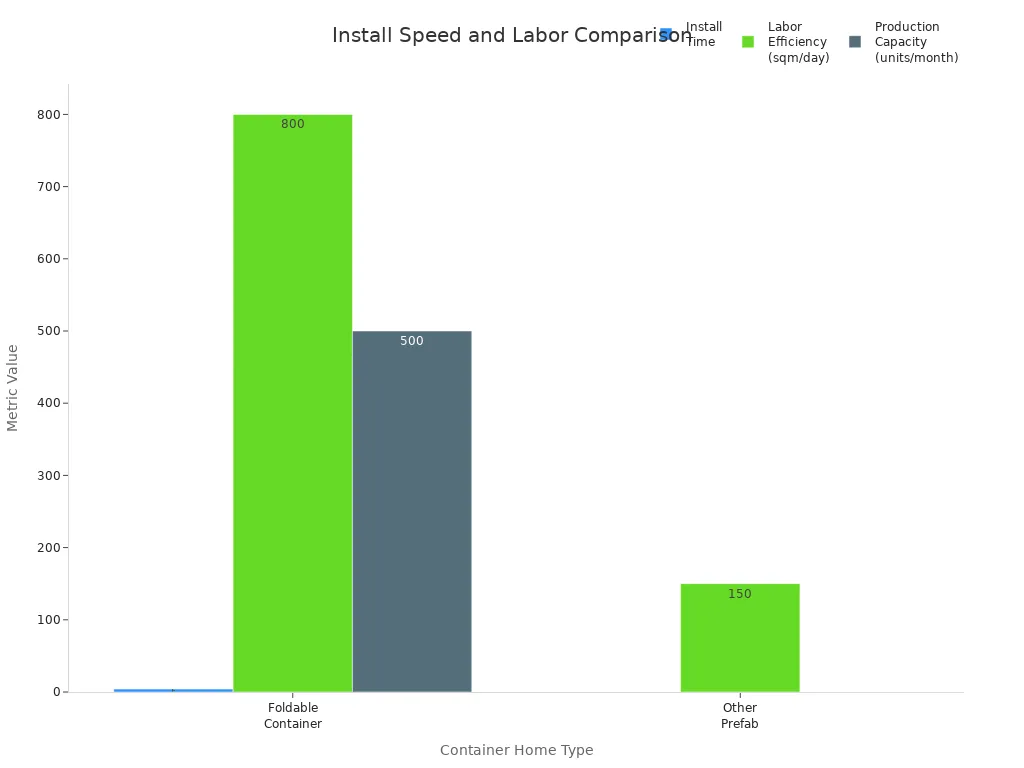
A big benefit of foldable container homes is how fast you can move in. You do not have to wait months or a year. Most foldable container homes can be put together in about 30 minutes. Regular houses take 6 to 12 months to build. Here is a chart that shows the difference:
Type of Home | Average Construction Time |
|---|---|
Traditional Home | 6 to 12 months |
Foldable Container House | Approximately 30 minutes on-site |
Shipping Container Home | Few weeks to months |
You save time and avoid long waits. Families and builders like this quick setup. You can use your home right away, even if the weather is bad.
Flexibility
Foldable container homes are easy to change. You can make your home bigger or smaller when you need to. You can add more containers or take some away. If your family grows, you can add a new room fast.
You do not have to wait a long time or spend a lot of money to change your home. The design makes it simple to adjust your space. This kind of flexibility is hard to find in regular houses.
Durability
Durability is important for a strong home. Foldable container homes use steel frames and panels. These materials stand up to bad weather and pests. Your home can handle storms, snow, and wind. The waterproof design keeps you dry.
Most container homes last 25 to 50 years or more if you take care of them. You just need to check for rust and do simple repairs. A foldable container house gives you a safe place to live for a long time.
Tip: Use strong footings and steep roofs to protect your container home from storms and snow.
Mobility
Mobility is a big plus for foldable container homes. If you move a lot for work or travel, you can take your home with you. These homes are made to be easy to move. You can set up or pack up your house in minutes.
You can move your home to a new place anytime.
Quick setup and take down are good for remote work or short stays.
The design lets you change your space for different needs.
You can use your home for disaster help, vacations, or as a mobile office.
You get comfort and stability, even if you move often.
Container homes let you live where you want, when you want. This is great for people who like adventure or need to move for work.
Disadvantages of Living in a foldable Container Home
Space Limits
When you start living in a shipping container home, you notice the space feels tight. Most foldable container homes offer much less room than a traditional house. Take a look at this table:
Type of Home | Average Square Footage |
|---|---|
20ft Foldable Container House | |
40ft Foldable Container House | ~320 sq ft |
Traditional Home (4-bedroom) | ~1,920 sq ft |
You can see that a movable container house gives you only a small part of the space you get in a regular house. This can make daily living feel cramped, especially if you have a family or lots of stuff. You might need to get creative to make the most of your space. Here are some smart ideas:
Use floor-to-ceiling shelves and wall-mounted storage.
Pick multi-functional furniture like sofa beds and fold-down tables.
Store things under beds or in hidden nooks.
Add mirrors and big windows to make rooms feel bigger.
Build a deck or patio to enjoy more space outside.
Even with these tricks, you may still feel the squeeze. If you love open spaces, this is one of the biggest cons of living in a shipping container home.
Insulation Issues
Keeping your home comfortable can be tough in a movable container house. Metal containers heat up fast in summer and lose warmth in winter. You need good insulation to keep the temperature steady. Some common insulation materials include:
Spray foam: Blocks air and moisture, works well for container homes.
Fiberglass: Cheap and easy to find, but you need to handle it with care.
Mineral wool: Stops heat, sound, and fire, and keeps out pests.
Rigid foam panels: Great for walls, roofs, and floors.
Reflective insulation: Bounces heat away, best for hot places.
Spray foam works best because it seals gaps and keeps out moisture. Still, you must install insulation the right way. If you miss a spot or leave gaps, you might get cold drafts or hot spots. Poor insulation is one of the main potential drawbacks of shipping container homes. You may spend extra money and time to fix these cons.
Health Concerns
Living in a shipping container home can bring health risks you might not expect. Some materials in prefab or container homes can release chemicals into the air. This is called off-gassing. It can cause headaches, allergies, or even more serious problems. Mold is another big issue. When warm air hits the cold metal walls, water can form and lead to mold growth. Mold can make you sick, especially if you have asthma or allergies.
Here are some health risks you should know about:
Chemical off-gassing from paints, plastics, and insulation.
Mold from moisture inside the container.
Higher levels of volatile organic compounds (VOCs) in some prefab homes.
Cheap materials like MDF can soak up water and grow mold.
Manufacturers try to help by using asbestos-free walls, eco-friendly materials, and strong steel frames. They also offer after-sales support to keep your home safe. Still, you need to check for mold and air out your home often. Health concerns are real cons and one of the potential downsides of living in a movable container house.
Legal Challenges
You may face legal headaches when you try to set up a movable container house. Zoning laws and building codes can make things hard. Some places do not allow shipping container homes in certain neighborhoods. You might need special permits or have to follow strict rules about size, safety, and looks.
Here are some common legal challenges:
Zoning laws decide where you can put your home.
Building codes set rules for safety, fire, and energy use.
Homeowners Associations (HOAs) may not allow container homes.
You may need permits for plumbing, electricity, and even the size of your house.
Some states are more relaxed, while others have strict rules.
If you want to avoid trouble, always check local laws before you buy or move your home. Legal issues are one of the biggest cons and can stop your plans before you even start.
Maintenance
A movable container house needs regular care. Metal homes can rust, especially at the seams and corners. You need to check for leaks around windows and doors. Mold can grow if you let moisture build up inside. Pests can sneak in if you do not seal gaps. You also need to keep an eye on the plumbing and electrical systems.
Common maintenance tasks include:
Checking for rust and repainting as needed.
Replacing worn seals around windows and doors.
Cleaning up any mold right away.
Inspecting for pests.
Getting professional checks for plumbing and wiring.
Making sure your heating and cooling systems work well.
If you skip these jobs, small problems can turn into big ones. Maintenance is one of the main cons of living in a shipping container home.
Resale Value
Selling a movable container house can be tricky. Many people still see shipping container homes as temporary or unusual. This can make it hard to find buyers. Banks may not want to give loans for these homes, so buyers need cash. The resale value is often lower than a traditional house. You might not get back what you paid.
Some reasons for low resale value:
Not everyone wants to live in a container home.
Local laws may limit where you can move the home.
Lenders may not offer mortgages for these homes.
The market for shipping container homes is still small.
If you plan to move or upgrade later, think about these cons before you buy. Resale value is a key part of the pros and cons of living in a shipping container home.
Comparison
Cost
When you look at cost, shipping container homes stand out. You pay much less for a container house than for a regular house. Most foldable container homes cost 20-50% less than traditional homes of the same size. You save money on building, insurance, and even repairs. If you want a home that fits your budget, a shipping container home can help you get started with less money. You also spend less on heating and cooling because the space is smaller.
Type of Home | Average Cost |
|---|---|
Container House | Lower |
Traditional House | Higher |
Comfort
Comfort matters when you choose where to live. Some people think living in a shipping container home means you will feel cold in winter or hot in summer. That is not true if you add good insulation and ventilation. You can make your container home cozy with the right design. Many shipping container homes now have air conditioning, heating, and big windows. You can also add more containers to make your home bigger and more comfortable.
Tip: Use rock wool or spray foam insulation to keep your container home comfortable all year.
Investment
You might wonder if a container house is a good investment. Foldable container homes cost less at first, so you do not need a big loan. They are easy to move and set up, which saves you time and money. Traditional homes usually go up in value faster, but shipping container homes can keep their value if you take care of them and pick a good spot. You can also rent out your container home for extra income. If you want a stable and flexible investment, a shipping container home is a smart choice.
Perception
People have many ideas about shipping container homes. Some think these homes are small, cold, or not safe. Others believe they are only for temporary use. In reality, you can make a container home safe, warm, and stylish. Here are some common thoughts people have:
Container homes are too small or cramped.
They are not as strong as regular houses.
They are not eco-friendly.
They look like bunkhouses.
But the truth is, shipping container homes use strong steel, last for many years, and can be very comfortable. You can design your home to fit your needs. With the right plan, living in a shipping container home can be just as nice as living in a regular house.
Considerations
Site Prep
Before you set up your container house, you need to prepare the land. You want a flat and stable spot for your new home. Clear away rocks, trees, and debris. Make sure the ground drains well so water does not collect under your container. You may need to pour a concrete slab or use strong footings. Good site prep helps your house last longer and keeps it safe. If you plan to move your container homes later, pick a spot that is easy to reach with a truck or crane.
Tip: Always check for local rules about where you can place container homes. Some places have strict rules about land use.
Customization
You can make your container house fit your style. Many people add big windows, decks, or even a rooftop garden. You can paint the outside or add wood panels for a cozy look. Inside, you can choose the layout that works best for you. Some container homes have sliding doors or fold-out furniture to save space. You can also add solar panels or smart home tech. Customizing your container home lets you create a space that feels just right.
Safety
Safety matters when you live in container homes. The steel walls make your house strong against storms and wind. You should check that your home has good locks and smoke alarms. Make sure the wiring and plumbing meet safety codes. If you live in an area with earthquakes or floods, ask a pro about extra steps to protect your container house. Always keep exits clear in case you need to leave quickly.
Expansion
One of the best things about container homes is how easy it is to expand. If you need more space, you can add another container next to your house. Some people stack containers to make two-story homes. You can connect new containers with doors or hallways. This makes it simple to grow your home as your needs change. Moving or adding containers is much faster than building a new room in a regular house.
Expansion Option | How It Works | Best For |
|---|---|---|
Add a container | Place next to your house | More bedrooms or office |
Stack containers | Build up, not out | Small lots |
Connect with hallway | Join two or more homes | Families or roommates |
Note: Plan your expansion early. It helps you save money and keeps your container home looking great.
You have seen both the good and bad sides of living in a container home. A container gives you a low-cost, flexible, and mobile space. You can move your container, expand it, or make it your own. Still, a container has space limits, insulation issues, and legal hurdles. Some people love the container lifestyle, while others find it hard. Before you choose a container, think about your needs. Always talk to a pro and check local rules. Want to learn more? Keep exploring the world of container living!
Tip: Make a list of what you want in a container home before you decide.
FAQ
Can you live in a container house year-round?
Yes, you can live in a container house all year. You need good insulation and heating for winter. Air conditioning helps in summer. Many people use their container homes as permanent houses.
How do you keep a container home warm or cool?
You can add spray foam or rock wool insulation to your container. Install heating and cooling systems. Large windows help with airflow. Good insulation keeps your container comfortable in every season.
Is it hard to move a foldable container house?
Moving a foldable container house is easy. You can pack up your container in minutes. A truck or crane can move it to a new spot. You save time and effort compared to moving a regular house.
What do you need to set up a container home?
You need a flat spot for your container. Clear the land and check local rules. Connect water, electricity, and sewer. You may want a concrete slab or strong footings. Site prep helps your container last longer.
Are container homes safe during storms?
Container homes use steel frames. They stand up to strong winds and heavy rain. You should check the roof and doors for leaks. With good maintenance, your container stays safe in bad weather.
Tip: Always check your container for rust and seal any gaps to keep it strong.