



13 Oct 10 Affordable Mobile House Alternatives for 2025 That Include Capsule Houses
Table of Contents
- 1 Key Takeaways
- 2 Affordable Housing in 2025
- 3 Top Mobile House Alternatives
- 4 Budget and Selection Criteria
- 5 Comparison Table
- 6 FAQ
- 6.1 What makes a mobile home a good choice for affordable housing?
- 6.2 Can I customize my mobile home to fit my needs?
- 6.3 Where can I park or place my mobile home?
- 6.4 Are mobile home alternatives really inexpensive compared to regular housing?
- 6.5 What should I know about maintenance for mobile home living?
You want a home that you can afford and that fits your life, right? In 2025, more people are picking mobile house alternatives. This is because housing prices keep going up and people want more choices. Here are some facts:
Over 7.2 million manufactured homes are lived in across the U.S.
The average monthly cost for a single-section manufactured home is only $563.
Manufactured homes now make up 9.3% of new home starts. This shows they are getting more popular.
With these trends, you can find smart and affordable ways to live that fit you.
Key Takeaways
Mobile house alternatives are getting more popular now. This is because housing costs are going up. They give cheaper choices for families, seniors, and young adults.
Capsule houses, tiny homes, and converted vans are flexible. They are also good for the environment. These homes can work for many budgets and lifestyles.
It is important to set a budget first. Think about home prices, land costs, and repairs. This helps you make a smart money choice.
Many mobile homes let you customize them. Pick designs that match your needs. This makes your space feel special to you.
Always check local zoning laws before you buy. Knowing the rules helps you avoid problems. You need to know where you can put your mobile home.
Affordable Housing in 2025
Why Affordable Housing Matters
You may see that homes cost more each year. In 2025, many people worry about finding a cheap place to live. Families, seniors, and young adults all feel this problem. Some people spend over half their money on rent. In states like Nevada and California, there are less than 30 cheap rentals for every 100 very low-income renters. If you make less than $75,000 a year, you can only afford about 21% of homes for sale.
Where you live changes your health, job, and future. If you pay too much for rent, you have less money for food or medicine. You might not have enough for school supplies. Seniors and people with disabilities have even more trouble. Not enough cheap homes also hurts the economy. States lose billions, and companies cannot hire workers who need to move.
Here are some facts about this problem:
The poorest renters need 7.1 million more cheap rental homes.
In some cities, rent has gone up over 50% in five years.
There are only 35 cheap homes for every 100 very low-income renters.
Mobile Living Trends
You may ask how people fix these problems. In 2025, mobile living is changing quickly. Many mobile homes now use smart tech. You can control lights and heat with your phone. Smart cameras and doorbells help keep you safe. Builders use eco-friendly designs, like solar panels and energy-saving machines.
Modular building is common. Some homes use 3D printing and pre-made parts.
Open rooms and furniture that does more than one thing save space.
Energy-saving designs help you spend less and protect the earth.
Mobile living gives you more options. You can choose a home that fits your money and needs. Cheap homes like tiny houses, capsule homes, and modular units help you find a good place to live.
Top Mobile House Alternatives
 You want to pick from many mobile house alternatives. In 2025, there are more choices than before. Here are 10 affordable and useful mobile house alternatives. Each one fits different budgets, ways of living, and needs.
Capsule Houses
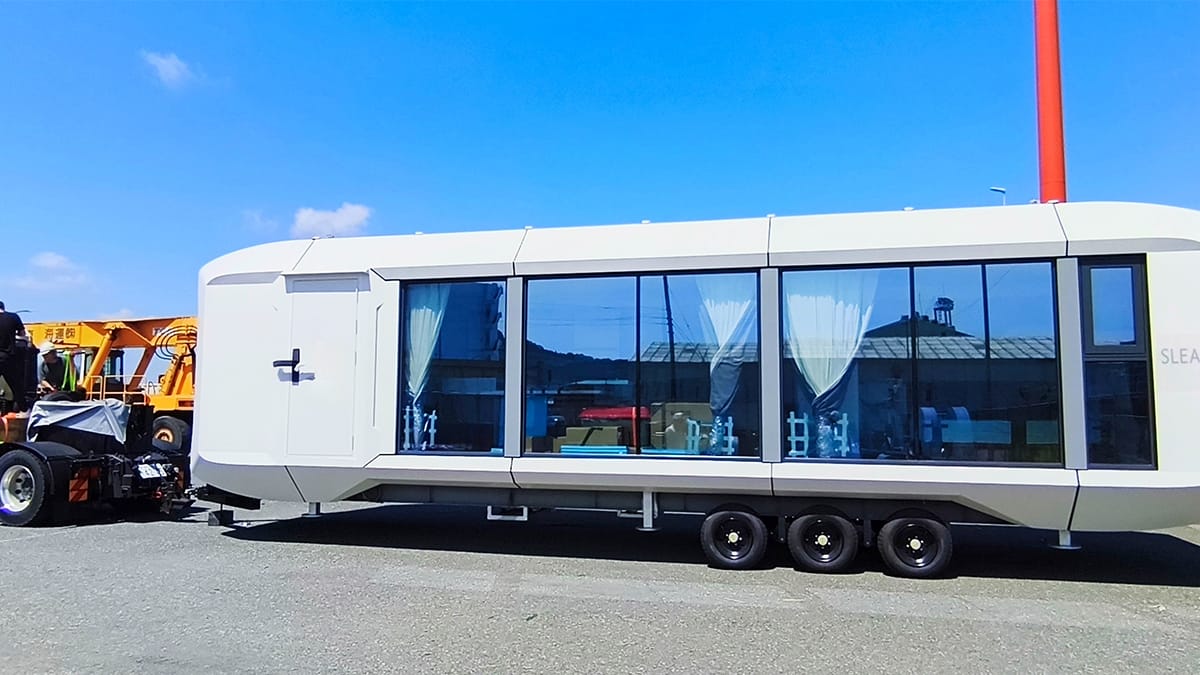
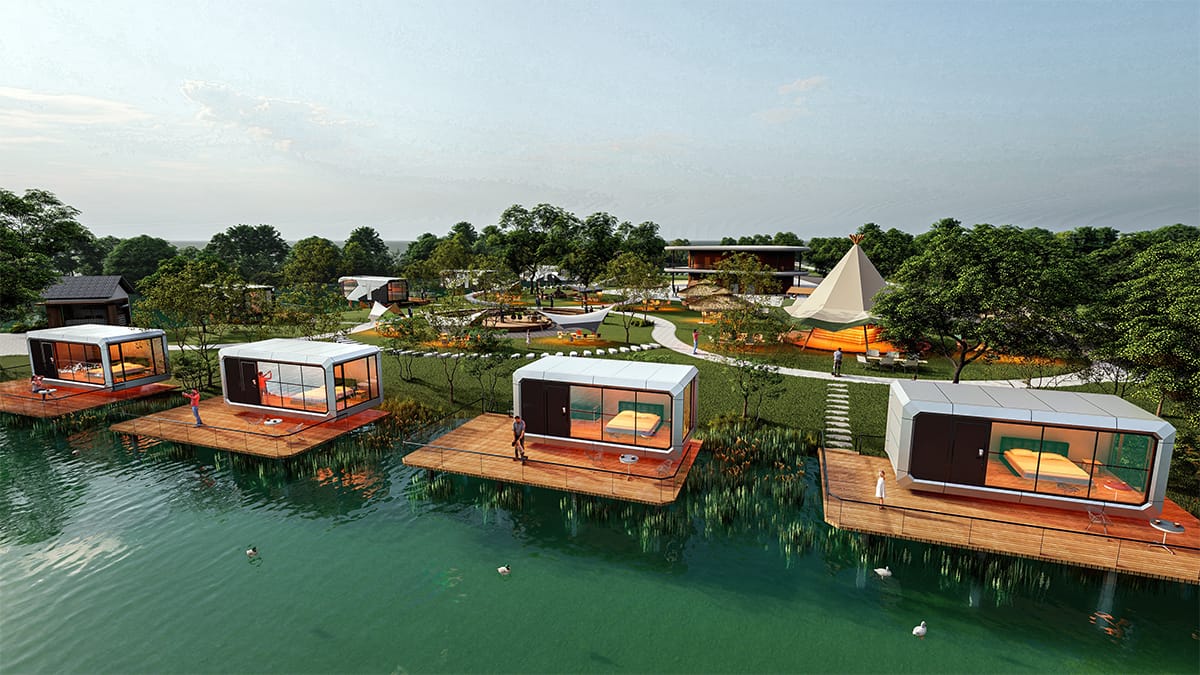
Capsule houses change how people think about mobile living. You get a small, strong home that is easy to move. It is simple to set up. These homes work for living, renting on Airbnb, or eco-resorts.
Key Features:
Strong insulated structure with tough frames
Design can be changed for many uses
Made with eco-friendly materials
Layout saves space
Estimated Cost:
Cheapest models start at $20,000
Fancy ones cost up to $200,000
Most people pay about $75,000 for everything
Advantages | Disadvantages |
|---|---|
Sustainability | Limited Privacy |
Affordability | Limited Space |
Efficient Space Utilization | Lack of Customization |
Mobility | Building Codes and Regulations |
Space Optimization | Resale Value Issues |
Ideal User:
You want a simple home that is good for the earth. You care about the planet and need something cheap. Capsule houses are best for singles, couples, or small families who like simple living.
Tip: Capsule houses are perfect if you want to live off-grid or need a fast setup for renting.
Tiny Houses on Wheels
Tiny houses on wheels give you freedom to move. You can take your home anywhere you want. These tiny homes have modern features and smart designs.
Key Features:
Move your home easily
Smart home technology
Eco-friendly and saves energy
Furniture does more than one job
Estimated Cost:
Most tiny houses cost $30,000 to $150,000
Average price in the U.S. is $30,000 to $90,000
Fancy models can cost more than $150,000
Feature | Description |
|---|---|
Freedom of Movement | Move your home easily, explore new places |
Modern Amenities | Full kitchens, smart tech, and comfort |
Sustainable Living | Lower environmental impact |
Cost-Effective | Cheaper than traditional homes, lower bills |
Efficient Space Utilization | Smart storage and multi-use furniture |
Pros and Cons:
Pros: Easy to move, low cost, simple to take care of
Cons: Small space, rules about where to park, not good for big families
Ideal User:
You love to travel and want a home that moves with you. Tiny houses on wheels are great for singles, couples, or small families who want flexibility.
Converted Vans
Converted vans are one of the cheapest mobile house alternatives. You can make a van into a cozy home with little money.
Key Features:
Can camp without being noticed
Inside can be changed how you like
Fast to build for DIY projects
Estimated Cost:
DIY conversion: $8,500 to $78,000
Most spend about $10,000 (not counting the van)
Used van costs about $21,000
Vehicle Type | Pros | Cons |
|---|---|---|
Cargo Van | Cheap, stealth camping, quick build | Small space, lots of miles |
Skoolie | Cheap to buy, lots of space | Bad gas mileage, hard to park |
Short Bus | More space, cheap used | Bad gas mileage, not stealthy |
Camper Shell | Go anywhere, sleep without being seen | Very small, needs a truck |
Pros and Cons:
Pros: Cheap, flexible, easy to park
Cons: Small living space, not much privacy, old vans may break down
Ideal User:
You want to travel light and save money. Converted vans are good for solo travelers or couples who like adventure.
Skoolies
Skoolies are old school buses turned into homes. You get lots of room and can change the inside how you want.
Key Features:
Big living space
Strong frame for heavy things
Layout can be changed
Estimated Cost:
Buy and change: $9,000 to $30,000
Most spend about $33,000
DIY can be as low as $16,500
Fancy ones cost up to $102,000
Benefits:
No mortgage, more money freedom
Friendly community
Good for the earth by reusing buses
Challenges:
Hard to plan for travel and parking
Takes time and money to fix
Need to get used to small space
Ideal User:
You want a big mobile house alternative for family or friends. Skoolies are great for creative people who like DIY projects.
Modular Prefab Homes
 Modular prefab homes are becoming more popular. You get a home made in a factory and moved to your land. These homes are stronger and more flexible than many other mobile house alternatives.
Key Features:
Built to strong rules for safety
Design can be changed
Stands up to bad weather
Estimated Cost:
$20 to $340 less per square foot than regular homes
Fancy models have nice finishes for less money
Category | Modular Homes | Mobile Homes |
|---|---|---|
Durability | Built to last, strong codes | Less durable, older standards |
Flexibility | Many design choices | Limited options |
Weather Resistance | Good for harsh climates | Needs anchoring |
Pros and Cons:
Pros: Quick to build, strong, flexible design
Cons: Might need a permanent base, costs more at first
Ideal User:
You want the best manufactured homes with new features. Modular prefab homes are good for families or anyone who wants a strong, changeable home.
Shipping Container Homes
Container homes use old shipping containers to make strong, modern homes. You get a cool look and a tough structure.
Key Features:
Built fast
Can be moved and stacked
Good for the earth
Estimated Cost:
Average is $80,000
Range is $25,000 to $250,000
Prefab: $120 to $300 per square foot
Custom: $250 to $400+ per square foot
Advantages | Disadvantages |
|---|---|
Cost-Efficiency | Insulation Challenges |
Quick Construction | Limited Space |
Sustainability | Building Code Compliance |
Versatility | Rust and Corrosion |
Portability | Design Limitations |
Pros and Cons:
Pros: Cheap, fast to build, good for the earth
Cons: Hard to keep warm, small space, rules can be hard
Ideal User:
You want a modern mobile house alternative with a cool style. Container homes are good for singles, couples, or small families who like creative spaces.
Note: Shipping container homes let you design your own space. You can stack containers or join them for more room.
RVs and Travel Trailers
RVs and travel trailers are classic mobile house alternatives. You get a home ready to use with many styles and sizes.
Key Features:
Simple design
Good materials
Many models for different needs
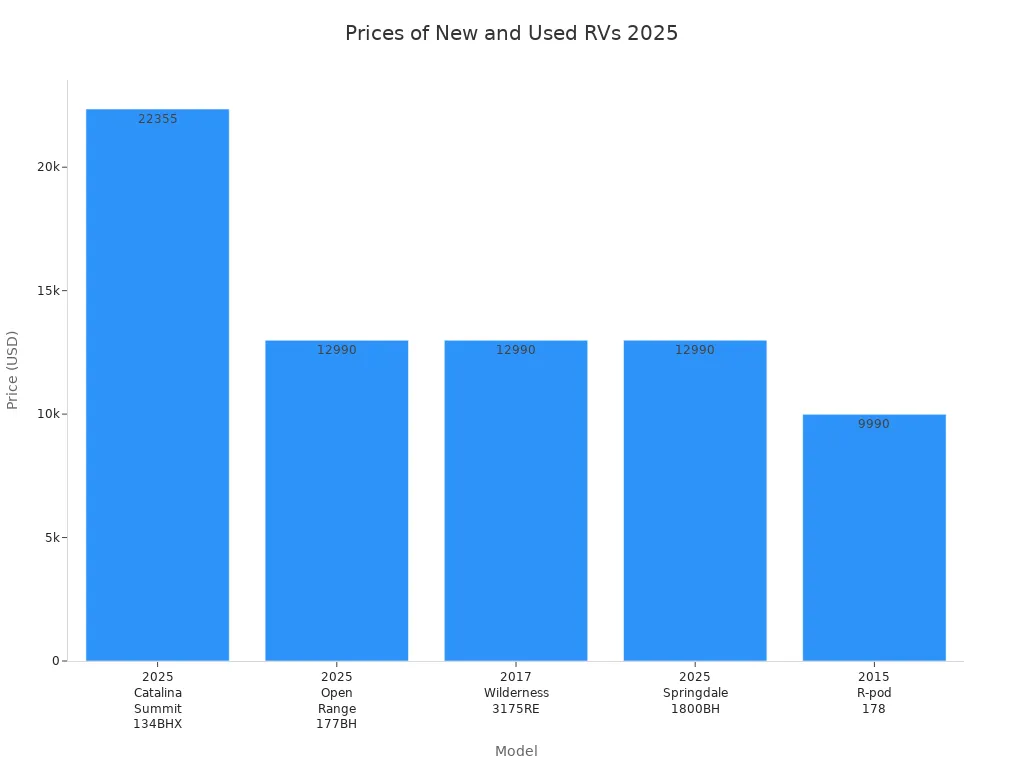
Estimated Cost:
Type | Model | Price |
|---|---|---|
New | 2025 Catalina Summit 134BHX | |
New | 2025 Open Range 177BH | $12,990 |
Used | 2017 Wilderness 3175RE | $12,990 |
Used | 2025 Springdale 1800BH | $12,990 |
Used | 2015 R-pod 178 | $9,990 |
Pros and Cons:
Pros: Ready to use, lots of choices, easy to care for
Cons: Small space, may need hookups, not always good for cold weather
Ideal User:
You want a simple, flexible home for travel or living. RVs and travel trailers are good for singles, couples, or small families.
Yurts and Domes
Yurts and domes are a special way to live. You get a round, cozy space that is easy to set up and move.
Key Features:
Made with natural materials
Air flows well inside
Low carbon footprint
Estimated Cost:
Diameter of Yurt | Base Price of Kit |
|---|---|
12 feet | $8,000–$22,000 |
14 feet | $9,000–$23,100 |
16 feet | $10,300–$25,200 |
20 feet | $12,500–$28,100 |
24 feet | $14,200–$36,800 |
27 feet | $16,100–$39,200 |
30 feet | $17,600–$43,500 |
34 feet | $22,000–$55,000 |
40 feet | $26,000–$65,000 |
Platforms: $3,000 to $7,000 (standard), $14,000 to $20,000 (insulated)
Labor: $2,000 to $5,000
Total: $18,500 to $53,000, average $35,000
Aspect | Yurts | Geodesic Domes |
|---|---|---|
Environmental Impact | Natural materials, easy ventilation, low carbon footprint | Unique geometry, maximizes light and airflow |
Cost | Cost-effective, easy to assemble, low maintenance | Affordable, stable, minimal material use |
Aesthetic | Cozy, circular, good for temporary living | Modern, robust, good for long-term use |
Pros and Cons:
Pros: Cheap, easy to build, good for the earth
Cons: Not much privacy, may not be good for cold weather
Ideal User:
You want a simple, natural home. Yurts and domes are good for people who love nature and want a cheap mobile house alternative.
Houseboats
Houseboats let you live on water. You get nice views and a calm life.
Key Features:
Floating home
Simple design
Can travel by water
Estimated Cost:
Expense Type | Monthly Cost Range |
|---|---|
Houseboat Loan Repayment | $650 – $850 |
Fuel Costs | $50 – $80 |
Maintenance Costs | $100 – $150 |
Cleaning Costs | $60 |
Pump Out Fees | $70 |
Liveaboard Fees | $500 – $600 |
Entertainment Costs | $350 |
Insurance Fees | $100 |
Grocery Costs | $450 |
Pros and Cons:
Pros of Houseboats Investment | Cons of Houseboats Investment |
|---|---|
Lower Entry Cost Compared to Waterfront Homes | Depreciation vs. Appreciation |
Potential Rental Income | Ongoing Maintenance and Repair Costs |
Lifestyle Value | Marina and Mooring Fees |
| Financing and Insurance Challenges |
Pros and Cons:
Pros: Nice views, freedom to move, saves money, simple lifestyle, close to nature
Cons: Small space, weather problems, lots of upkeep, marina fees, legal rules
Ideal User:
You want a peaceful home on water. Houseboats are good for singles, couples, or small families who love nature and travel.
Inexpensive Prefab Houses
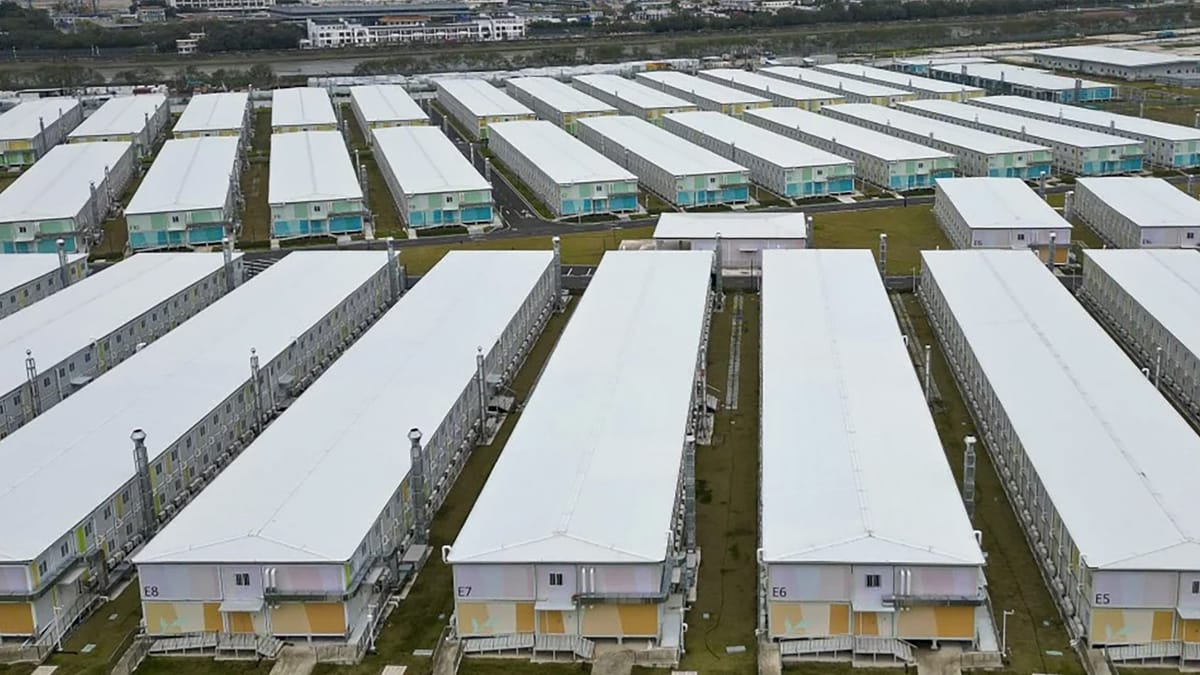 Inexpensive prefab houses are some of the best manufactured homes for mobile living. You get a modern, energy-saving home for less money.
Key Features:
Modular design
Windows save energy and air stays clean
Layout can be changed
Estimated Cost:
Dvele homes: $265 per square foot
Two-bedroom model: $260,000
Many small mobile homes: under $50,000
Pros and Cons:
Pros: Can be changed, easy to care for, lower bills, easy off-grid living
Cons: Small space, may need land, costs to set up
Feature/Cost Aspect | Modular Homes | Manufactured Homes |
|---|---|---|
Construction Method | Built in sections in a factory | Built on a steel chassis in a factory |
Cost per Square Foot | Higher due to customization | Lower, varies by size |
Foundation Requirement | Permanent foundation required | Can use different foundations |
Customization Options | Many choices | Fewer choices |
Long-term Costs | Higher for land and setup | Lower entry price, lot rent possible |
Ideal User:
You want a modern, cheap home that is easy to care for. Inexpensive prefab houses are good for singles, couples, or small families who want flexibility and lower bills.
Tip: Tiny home kits and inexpensive prefab houses make off-grid living easier. You can heat and power your home with less energy.
Budget and Selection Criteria
Setting Your Budget
You want a home that fits your money plan. Start by checking the price of each mobile house. Some choices, like barndominiums or modern manufactured houses, cost more at first. But they can help you save money later. Others, like inexpensive prefab homes or converted vans, are cheap from the start.
Here’s an easy way to set your budget for a mobile house in 2025:
Add land and setup costs for things like utilities.
Plan for water and electricity connections.
Check loans and mortgages made for mobile homes. Compare rates and terms.
Save money for a down payment. This depends on your loan.
Always add extra money for repairs or hidden costs. Inspections help you avoid problems.
A budget-friendly home helps you feel calm and lets you focus on what matters.
Key Features to Consider
You want the best deal for your money. Think about which features are most important to you. Some people want to move their home easily. Others want comfort or more space. Here are some things to think about:
Mobility: Can you move your home without trouble?
Comfort: Does the home have enough space and good insulation?
Energy efficiency: Will you save money on bills?
Customization: Can you change the layout or add features?
Durability: Will the home last for a long time?
Barndominiums and inexpensive prefab homes give you more space and flexibility. Tiny houses and capsule homes offer a simple and cheap way to live. Always pick features that fit your needs and budget.
Legal and Location Factors
Before you buy, check the rules in your area. Local governments now control zoning more than before. You need to know where you can put your mobile house. Some places allow barndominiums and other options. Other places have strict rules.
Legal Update | Description |
|---|---|
Financing Options | USDA loans now cover existing manufactured homes, helping rural buyers. |
Zoning Regulations | Local rules may change, so always check before you buy or move. |
Construction Standards | HUD updates in September 2025 require new safety features for all homes. |
You want a cheap home, but you also need to follow the law. Always ask about new rules and talk to local officials. This helps you protect your money and get the most out of your home.
Comparison Table
There are many mobile home choices. It can feel confusing at first. This table lets you see the top 10 options together. You can find which one matches your needs and money. Look at the cost column if you want to save money.
Alternative | Estimated Cost | Key Features | Pros | Cons | Ideal User |
|---|---|---|---|---|---|
$20k–$200k | Compact, eco-friendly | Sustainable, mobile | Limited space, privacy | Singles, couples | |
Tiny Houses on Wheels | $30k–$150k | Portable, smart design | Flexible, energy-saving | Small, parking rules | Travelers, small families |
Converted Vans | $8.5k–$78k (+van) | DIY, stealthy | Inexpensive, flexible | Cramped, repairs | Solo, adventurous |
Skoolies | $9k–$102k | Spacious, customizable | Roomy, community vibe | Hard to park, upkeep | DIY fans, families |
Modular Prefab Homes | Varies, often less | Strong, customizable | Fast build, durable | Needs land, setup cost | Families, planners |
Shipping Container Homes | $25k–$250k | Modern, stackable | Quick, eco-friendly | Insulation, codes | Creative, eco-minded |
RVs/Travel Trailers | $10k–$22k+ | Ready to use, many sizes | Easy, lots of choices | Small, needs hookups | Travelers, retirees |
Yurts & Domes | $18.5k–$53k | Round, natural | Inexpensive, easy to build | Not for cold, less privacy | Nature lovers, minimalists |
Houseboats | $650–$850/mo + fees | Floating, scenic | Unique, peaceful | Upkeep, weather | Water lovers, singles |
Inexpensive Prefab Houses | Under $50k–$260k | Modular, energy-saving | Inexpensive, flexible | Small, setup costs | Budget-minded, small families |
Tip: Want a cheap home? Check out converted vans, yurts, or prefab houses. These choices help you spend less and give you more freedom.
Some options, like converted vans and yurts, cost the least. Others, like modular prefab homes, give you more room but cost more at first. If you want something modern and not too expensive, try prefab houses or tiny homes.
Note: Always check the rules in your area before buying. Some cheap homes have limits on where you can park or build.
You can pick from lots of cheap mobile house options in 2025. You should check out different ways to pay for each kind, like capsule houses and fixed-up mobile homes. Getting the right loan helps you plan your money and choose the best home for you. Make sure to look at loan rates, ask about loans for land, and see if you can get loans for setup costs. Go see model homes, talk to people who know about loans, and join online groups to get tips.
Tip: Always look at local rules before you buy. The right loan can help you get your dream home.
FAQ
What makes a mobile home a good choice for affordable housing?
Mobile homes cost less than regular houses. You can move them to new places. Many people choose mobile homes because prices keep going up. There are cheap models for different budgets and ways of living.
Can I customize my mobile home to fit my needs?
You can change the inside or add new things. Some builders let you pick designs or eco-friendly parts. You get to make your home feel special. Customizing helps your space feel just right.
Where can I park or place my mobile home?
You must check local rules before you buy. Some places let you put mobile homes on private land or in parks. Always ask about zoning laws first. This helps you avoid problems with where you live.
Are mobile home alternatives really inexpensive compared to regular housing?
Mobile home alternatives usually cost less than normal houses. Many choices help you save money. Cheaper models mean you pay less each month. You can own a home without spending too much.
What should I know about maintenance for mobile home living?
Keep your mobile home clean and fix things when needed. Taking care of it helps it last longer. Most mobile homes use strong materials. You spend less on repairs than with old houses.
Tip: Read your mobile home manual. It shows easy ways to keep your home safe and working well.