


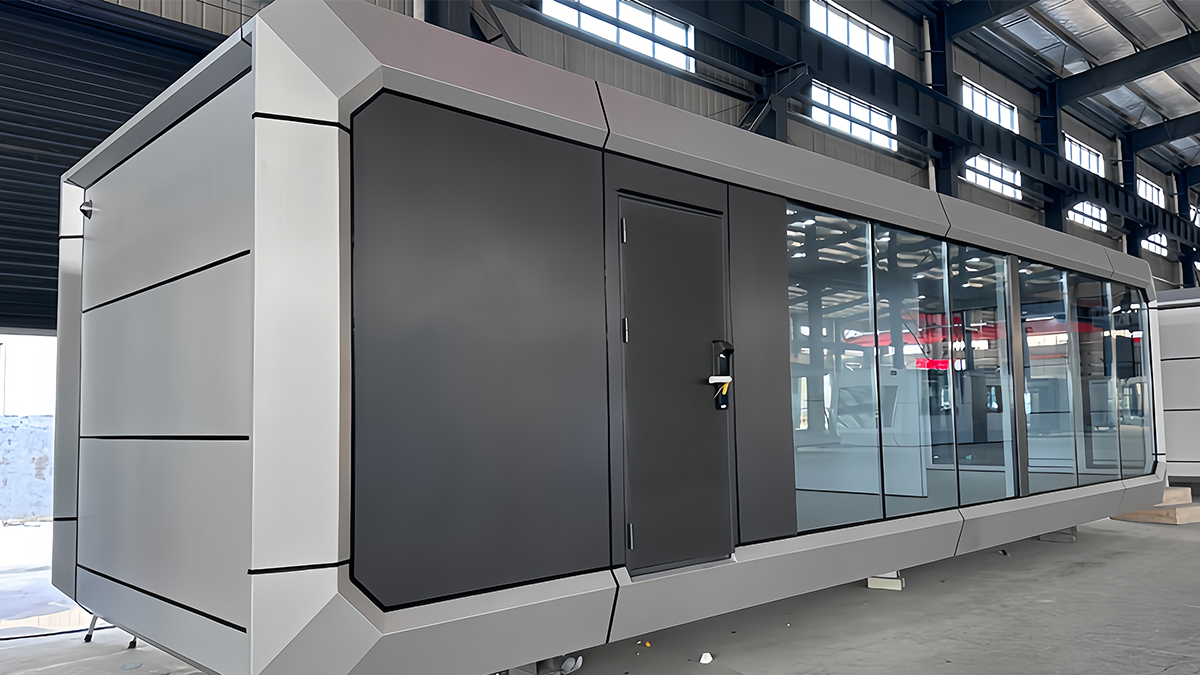
05 Sep Capsule House: New Options For Container House
Table of Contents
Capsule house gives you a new way to think about homes. The designs save energy and help reduce waste when built. The materials are good for the environment, so it is a smart pick if you care about nature. You can change the layout or move it because it is simple to put together and take apart. Here is a quick comparison:
Aspect | Capsule Houses | Container Homes |
|---|---|---|
Affordability | Regular homes can cost over $100,000 | |
Customization | Easier to change; more flexible | Needs special tools to change |
Off-Grid Capabilities | Not as strong; not best for off-grid | Stronger; better for off-grid living |
Key Takeaways
Capsule houses are not expensive. They cost from $10,000 to $60,000. This makes them a good choice for people who want to save money.
These homes are good for the environment. They use materials that do not harm nature. They also use less energy, so you help the planet.
Capsule houses are flexible. You can change the inside to fit your needs. You can also move them if you want to live somewhere else.
Smart design helps use space well. You get all the things you need in a small area. This is great for people who like simple living or have small land.
Think about what you need before you pick a capsule house. Check the rules in your area to make sure it is allowed and fits your life.
What Is a Capsule House
Definition
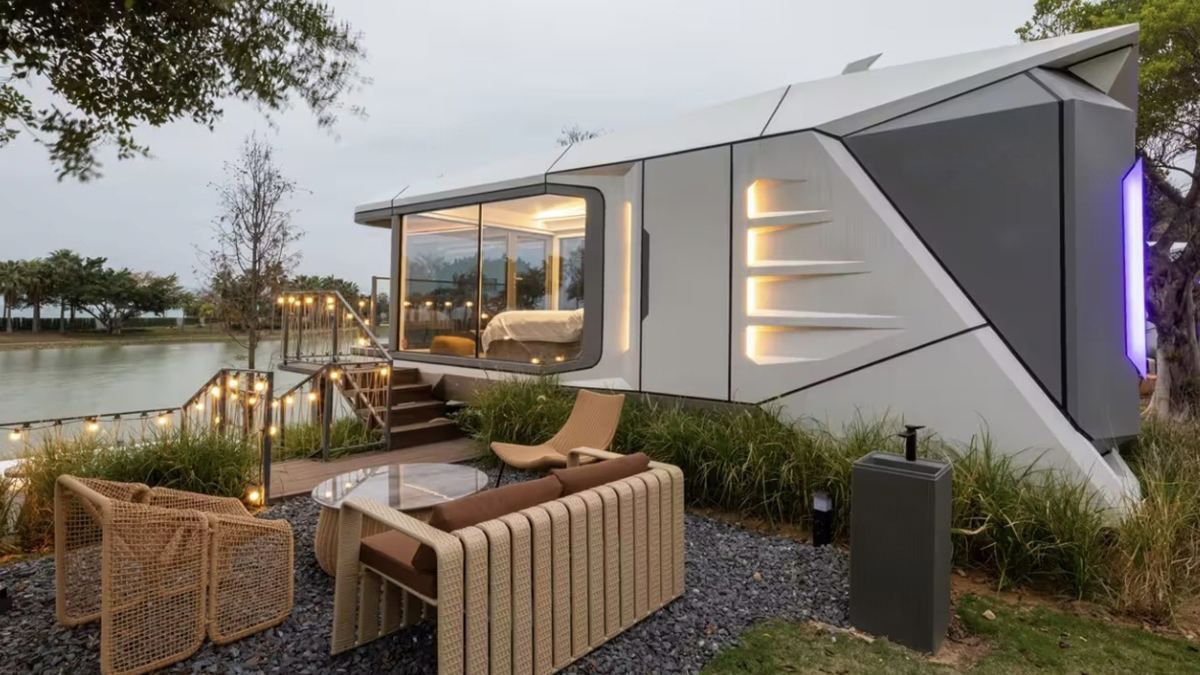
A capsule house is a small, modern home. It looks like something from a sci-fi movie. The space inside is compact but cozy. You still have all the things you need. Smart design helps use every bit of space. There is a bedroom, a bathroom, and a kitchen area. All of these fit inside a stylish shell. Some people call them space capsule homes. They look like the capsules astronauts use.
Capsule houses are special because you can move them. You can also change how they are set up. You do not need a large piece of land. You can put one in your backyard. You can also place it on a mountain or near the beach. The design is simple and efficient. The home is easy to clean and take care of. It is ready for fun and adventure.
Origins
Capsule houses have an interesting history. They did not show up all at once. People started thinking about modular homes in the 1960s. Cities were growing fast back then. Many people worried about where everyone would live. Designers wanted homes that could be built fast. They also wanted homes that could be moved easily.
Here is a quick look at how capsule houses changed:
Year | Development | Description |
|---|---|---|
1960s | Modular Housing Schemes | Modular homes became popular as a way to solve overpopulation problems. |
1967 | Habitat 67 | Moshe Safdie built a famous modular building for Expo 67 in Montreal. |
1972 | Nagakin Capsule Tower | Kisho Kurokawa designed a tower in Tokyo with 140 capsule units. |
Designers like Moshe Safdie and Kisho Kurokawa helped make capsule living popular. Their ideas inspired today’s capsule houses. Now, these homes use better materials and smarter technology. You get a modern home with a cool history.
Capsule House vs Container Home
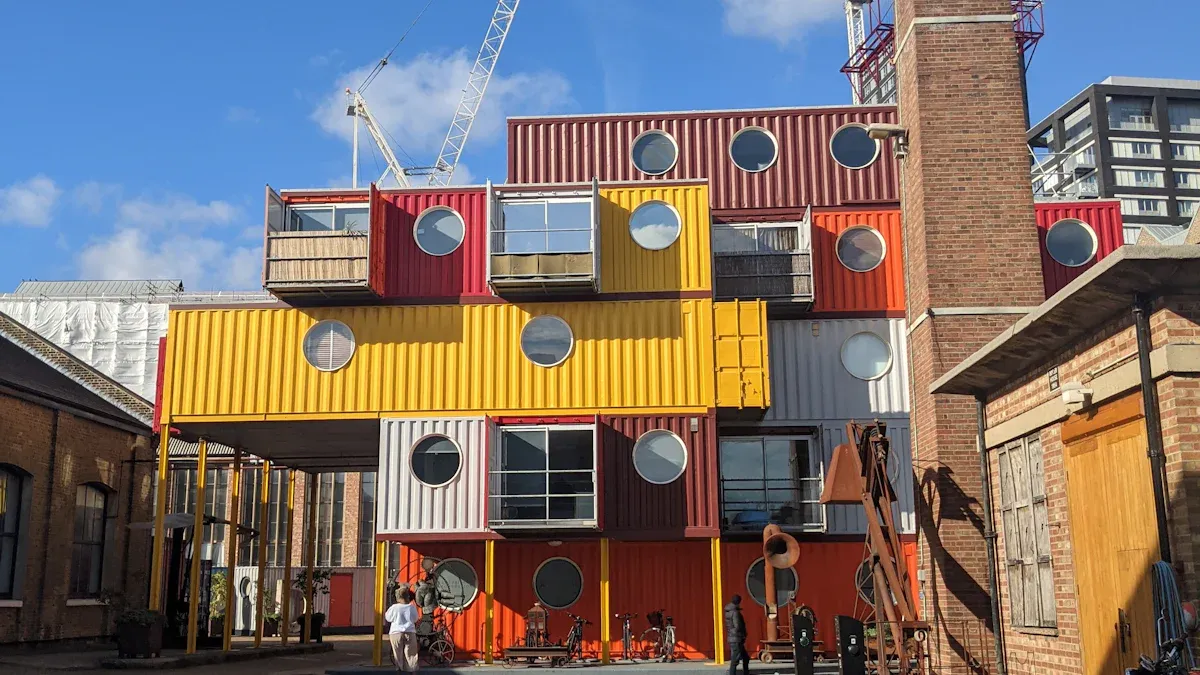
Design Differences
A capsule house looks like it is from the future. Its shape is round and smooth, like a pod or small spaceship. Some people think of space capsule homes when they see one. The style is fun and modern. There are big windows and curved walls. The inside feels warm and comfortable.
A container house looks like a big metal box. The shape has straight lines and sharp corners. Most keep the look of shipping containers. Some people enjoy the industrial style. But it can feel cold or simple.
Tip: If you want a home that is unique, a capsule house has more style.
Space and Layout
Capsule houses use space in smart ways. They have built-in furniture and hidden storage. Some areas can be used for more than one thing. The bedroom can turn into a living room quickly. You can move things to fit what you need.
Container homes have more open space inside. The layout depends on the size of the container. You may need to stack or join containers for extra rooms. Changing the layout is harder. You need special tools to cut and weld the metal.
Capsule houses: Smart use of space, easy to change layout.
Container homes: Bigger rooms, but not as easy to change.
Materials
You want your home to last a long time. Capsule houses use aviation-grade aluminum and anti-seismic galvanized steel. These materials make the house strong and safe. You do not have to worry much about rust or damage. It is easy to take care of.
Container homes use regular shipping containers. These are strong, but they can rust over time. You need to check for leaks and fix problems often.
Here’s a quick look at the materials:
Type of House | Materials Used | Durability and Maintenance |
|---|---|---|
Capsule Houses | Aviation-grade aluminum, anti-seismic galvanized steel | Very strong, stands up to bad weather, needs little care |
Container Homes | Standard shipping containers | Can rust, needs regular care, not as strong |
Note: If you want less work, a capsule house could be better.
Capsule House Features
Eco-Friendly Design
If you care about the planet, a capsule house is a good choice. These homes use solar panels to make clean energy. Some also have wind turbines for more power. The walls and floors use bamboo, recycled wood, and other green materials. This helps nature and lowers your carbon footprint.
Here are some eco-friendly things you might see:
Eco-Friendly Feature | Description |
|---|---|
Solar Panels | Give you your own power and help you save money. |
Sustainable Materials | Bamboo and recycled wood help keep the earth safe. |
Energy-Efficient Systems | Smart heating and cooling save energy and keep you comfy. |
Water Management | Rainwater systems help you live off-grid and save water. |
Composting Toilets | Cut down on waste and help the environment. |
Green Roofing & Vertical Gardens | Make your home pretty and help keep it warm or cool. |
Capsule houses do not hurt nature much. The design helps you use less and live simply. You get smart tech like solar panels and rainwater systems. These homes often keep heat in better than normal houses. You use less energy and make less pollution. If you want to live green, this is a smart pick.
Modularity
Capsule houses are very flexible. You can add or take away rooms when you want. You can put your home in the city, on a mountain, or by the sea. The steel frame is made in a factory, so building is fast. Sometimes it only takes a few days.
Here’s what modularity gives you:
You can move your home to new places.
You can add rooms if your family gets bigger.
You can change spaces for work, play, or sleep.
You get fast building and easy moving.
Feature | Description |
|---|---|
Customization | Make your capsule house fit your needs. |
Expandability | Add more rooms as you need them. |
Reconfiguration | Change the layout to match your life. |
Modern capsule houses use strong panels for safety and warmth. Factories build the frame in just one day, so there is less waste. Smart systems control heat, lights, and locks. Your home can change as your life changes.
Solar Power
Capsule houses help you save money and protect the earth. Solar panels make power for your lights and appliances. Some homes use both solar and wind power, plus backup engines.
Wind turbines can add 2KW more.
Backup engines can give 6KW if you need it.
Solar systems can make up to 3000 kWh each year. That is about 80% of what most families use. You can use 1,000 liters less fossil fuel every year. Many people like saving money and being energy independent. Capsule houses use solar power to keep you comfy and off the grid.
Customization
You can make your home look and feel how you want. Capsule houses let you pick things like electric curtains for privacy. You can choose cabinet styles you like. Smart controls help you run everything from one place.
Customization Option | Impact on Functionality and Aesthetics |
|---|---|
Electric curtains | Give you privacy and a cool look. |
Custom cabinet materials | Make storage look nice and work well. |
Intelligent control system | Control your devices easily and make life better. |
Socket panel | Keep your gadgets neat and tidy. |
Ceiling and wall modules | Change how your rooms look and feel. |
Eco-friendly laminate flooring | Easy to clean and good for the earth. |
Floor-to-ceiling Low-e glass | See great views and save energy. |
Indoor/outdoor lighting effects | Set the mood and keep your home safe. |
You can change the lights, floors, and windows. These choices help you make a space that fits you. You get both style and things that work well.
Durability
Capsule houses are built to last a long time. They use strong aluminum and steel that can handle bad weather. These materials last for many years. You get thick insulation and special paint to stop rust.
Feature | Specification |
|---|---|
Wind Resistance | Can handle winds up to 156 mph. |
Earthquake Resistance | Built for earthquakes up to magnitude 9. |
Expected Lifespan | Lasts over 50 years. |
Materials | Uses strong aluminum and steel. |
The steel frame keeps your home safe in storms and quakes.
Aluminum plates make the house strong but not heavy.
Insulation keeps you warm in winter and cool in summer.
Special paint stops rust from forming.
Capsule houses are green and very strong. You get a safe home that will last for many years.
Capsule House Cost
Price Range
When you look at the price of a capsule house, you might feel surprised. These homes usually cost between $10,000 and $25,000 for a basic model. If you want more space or extra features, the price can go up. Most prefab capsule houses fall in the $20,000 to $60,000 range. That means you pay about $100 to $200 for each square foot. If you want a custom design, the price can reach $60,000 to $100,000, or even more. Custom models often cost $200 to $350 per square foot.
Tip: Start with a basic model if you want to save money. You can always add more features later.
Cost Factors
Many things can change the price of your new home. You have control over most of these choices. Here are the main factors that affect the cost:
Factor | Description |
|---|---|
Size | Bigger homes cost more. Small, simple models are cheaper. |
Layout/Design | Fancy layouts or special shapes raise the price. |
Amenities | Basic homes have fewer features. Luxury options add to the cost. |
Materials | High-quality materials make the home last longer but cost more. |
Shipping | Moving your home far away or to a hard-to-reach place costs extra. |
Off-Grid Capabilities | Solar panels, composting toilets, and other green features add to the price. |
You might want a smart home system or luxury finishes. These upgrades will increase your budget. Some people choose eco-friendly materials or special designs. These choices can make your home unique, but they also add to the cost. If you plan to live off the grid, you will need solar panels and water systems. These features are helpful, but they do cost more up front.
Prefab capsule houses: $20,000–$60,000 ($100–$200 per sq ft)
Customized capsule houses: $60,000–$100,000 ($200–$350 per sq ft)
Comparison with Container Homes
You might wonder how a capsule house compares to a container house in terms of price. Capsule houses usually cost less for a basic setup. You can get started for as little as $10,000. Container homes often start at a higher price, especially if you want a finished interior. Many container homes cost $30,000 to $100,000 or more, depending on size and features.
Here’s a quick look at the price differences:
Home Type | Typical Price Range | Cost Per Square Foot |
|---|---|---|
Capsule House | $10,000–$25,000 (basic) | $100–$200 (prefab) |
| $60,000–$100,000 (custom) | $200–$350 (custom) |
Container House | $30,000–$100,000+ | $150–$300 |
Capsule houses give you a modern look and smart features for less money. You also save on labor because most of the work happens in a factory. Container homes can cost more, especially if you want to change the layout or add insulation. You may need special tools and workers to make changes to a container house.
Note: If you want a home that is easy to set up and costs less, a capsule house is a great choice.
Benefits and Considerations
 Advantages
 Advantages
When you look at a capsule house, you see more than just a place to live. You get a smart home that saves money, space, and energy. Many people love how these homes fit into their lives. Here’s a quick look at what makes them special:
Advantage | Description |
|---|---|
Affordability | You spend less to build and keep up your home. |
Space Efficiency | Every inch works hard, so you get a lot out of a small area. |
Sustainability | Green materials and energy-saving features help the planet. |
Minimalism | You focus on what matters and enjoy a simple, clutter-free space. |
Mobility | You can move your home if you want a new view or need to relocate. |
Space Optimization | The design makes the most of small land, great for city living. |
You get a home that is easy to move, easy to care for, and good for the earth. The modular design lets you add or change rooms as your needs grow.
Drawbacks
Capsule houses are not perfect for everyone. Some things might make you think twice before choosing one. Here are a few points to consider:
Less privacy: Open layouts mean fewer walls, so you might hear or see more of others.
Limited space: If you have a big family, you may feel crowded.
Building codes: Some places have rules that make it hard to set up space capsule homes.
Resale value: Not everyone wants a small, unique home, so selling later could be tough.
Customization: The small size can make it hard to add new features without losing space.
Tip: Think about your daily needs and check local rules before you decide.
Who Should Choose
Capsule houses work best for certain people and lifestyles. You might love this type of home if you want something different and flexible. Here’s who often chooses these homes:
Group/Individual Type | Why It Works for Them |
|---|---|
Young travelers | Enjoy cool designs and easy moves to new places. |
Minimalist lifestyle fans | Love simple living with only what they need. |
Freelancers | Use the space as a quiet office or creative studio. |
Families on vacation | Try something fun and unique for trips. |
People needing flexibility | Move often or want a home that adapts to change. |
Those facing high housing costs | Find an affordable way to live in busy cities. |
If you want a home that is easy to move, simple to care for, and kind to the planet, a capsule house could be a great fit.
Getting Started
Assessing Needs
Before you jump into capsule house living, take a moment to think about what you really want. Ask yourself a few simple questions:
How much space do you need?
If you live alone or with one other person, a small capsule house might work. If you have a family, you may want a bigger model or extra modules.Where do you want to put your home?
Some people love the city, while others want peace in the countryside. Make sure your land is ready for a capsule house.What features matter most to you?
Do you want solar panels, smart controls, or a special kitchen? List your must-haves and nice-to-haves.What is your budget?
Decide how much you want to spend. Remember, you can start simple and add more later.
Tip: Write down your answers. This will help you pick the right model and avoid surprises.
Next Steps
Once you know what you want, you can start the process. Here’s a simple step-by-step guide to help you move forward:
Check local zoning rules and building codes.
Make sure you can build a capsule house on your land. Some areas have strict rules.Get the right permits.
You need permission before you start building.Clear and prepare your land.
Remove trees or bushes and level the ground if needed.Set up utilities.
Plan for water, electricity, and gas. You may need to install a septic tank or connect to the city sewer.Order your capsule house.
Double-check the model, features, and price. Make sure your contract lists everything you want, including delivery time and warranty.Schedule inspections.
Local officials may need to check your site before and after building.
Make sure all your custom features are included in your order.
Keep track of important dates like delivery and inspections.
Note: Taking these steps will help you avoid delays and make your capsule house journey smooth and fun.
A capsule house is a cool and cheap way to live or travel. You can change the rooms to fit what you want. Smart technology makes life easier. The style is different from regular homes. Look at the table to see if this home works for you:
Advantages | Considerations |
|---|---|
Good for people who travel alone | Might feel small to some people |
Saves you money | Not good for large families |
Easy to change and design | Shared areas can be loud |
Think about how much space you need. Check your budget and local laws. This might be a smart choice for you!
FAQ
What is the lifespan of a capsule house?
You can expect your capsule house to last over 50 years. The strong steel and aluminum frame stands up to tough weather. Good care helps it last even longer.
Can I move my capsule house to a new location?
Yes, you can! Capsule houses are modular and lightweight. You can move them with a truck or crane. This makes it easy if you want a new view or need to relocate.
Do capsule houses work in cold or hot climates?
Capsule houses have thick insulation and smart heating or cooling systems. You stay warm in winter and cool in summer. The design helps save energy in any climate.
What utilities do I need for a capsule house?
Most capsule houses connect to water, electricity, and sewage like regular homes.
Some models use solar panels, rainwater tanks, or composting toilets for off-grid living.
Can I customize the inside of my capsule house?
Absolutely! You can pick your cabinets, floors, lighting, and smart controls. Many companies let you choose colors and layouts. You can make your space fit your style.