


06 Sep Capsule House: New Options For Modular House
Table of Contents
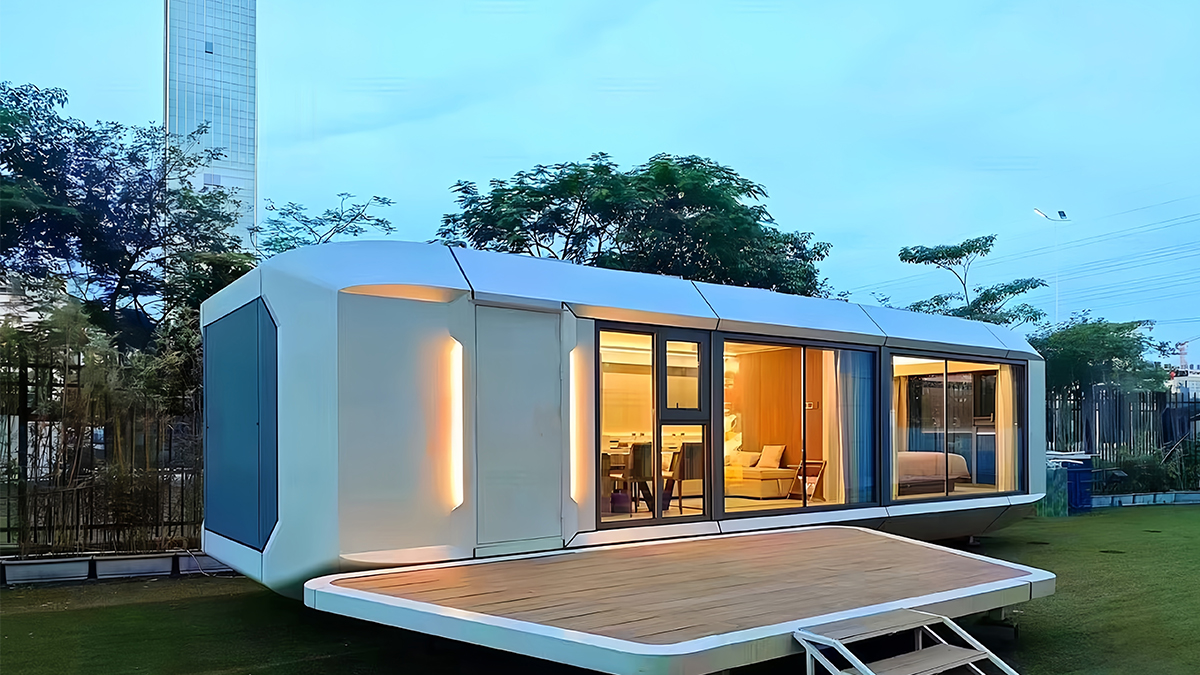
Have you seen that living in cities costs more and feels crowded? A capsule house might help with this problem. You can get a home that is easy to build, cheap, and clever. These homes are showing up in many places because people want to save money and space. Many renters like that they are flexible and not expensive, especially as short-term rentals become more popular. Capsule houses are a great pick for people who want a modern and tech-friendly home.
Key Takeaways
Capsule houses are cheap and easy to build. They cost less than $10,000. You can set them up in 1 to 3 weeks.
You can change many things in your capsule house. Pick colors, layouts, and smart technology you like. This helps match your own style.
These homes use space very well. They make every square foot useful. This is great for city life and saves energy money.
Capsule houses use materials that are good for the planet. They can have solar panels too. This helps you pay less for energy and helps the Earth.
You can use capsule houses in many ways. They work for short stays, vacation homes, or city homes for students and young workers.
Capsule House Features
Customization
When you pick a capsule house, you can design your own space. You choose colors and layouts. You can even pick how many decks you want. Some models, like Capsule Castle and Guose-T8, let you pick one or two decks. You can add waterproof parts if you want to move your home. You can also pick smart controls to make things easier.
Here’s a simple table to show how customization is different:
Feature | Capsule Houses | Traditional Modular Homes |
|---|---|---|
You can change many things to fit you | Not many choices and costs more | |
Framework Flexibility | Designs can change for your needs | Hard to change, not much freedom |
Cost of Customization | Cheaper to make changes | Changes take more time and money |
You can use online tools to make your capsule house special. This helps you get a home that matches what you like. When you pick things for your home, you feel happy and comfy. You can make your space fit your style and culture.
Tip: Try online tools before you buy. You will see how easy it is to make your capsule house your own.
Space Efficiency
Capsule houses use every bit of space well. You do not waste space. The furniture fits just right. Most capsule houses are 30 to 50 square feet. Family models can be up to 100 square feet. The average size is about 350 square feet. This is good for city life.
Family capsules: 60–100 square feet
Average area: 350 square feet
Occupancy rate: Over 85% in cities and suburbs
Capsule houses use smart layouts and strong materials. You get a small space that feels bigger. Tiny houses may have more room, but they waste space and cost more to keep up. With a capsule house, you save on energy and cleaning.
Smart Technology
Capsule houses have smart features. You can use your phone to control lights, heat, and security. Some models have one-touch controls, so you can change things fast. You get nice finishes and good appliances. Your home feels modern and cozy.
Smart systems for lights and heat
Use your phone for security and fun
Double windows keep noise out and comfort in
Special windows in capsule houses keep it quiet and save energy. You will have a calm home, even in busy places.
Capsule houses help you stay connected. You can watch movies, play games, or work from home easily. Smart tech makes life simple and saves energy. You get a home that is connected, smart, and good for the planet.
Capsule House vs. Other Modular Homes
 Wooden Modular Homes
 Wooden Modular Homes
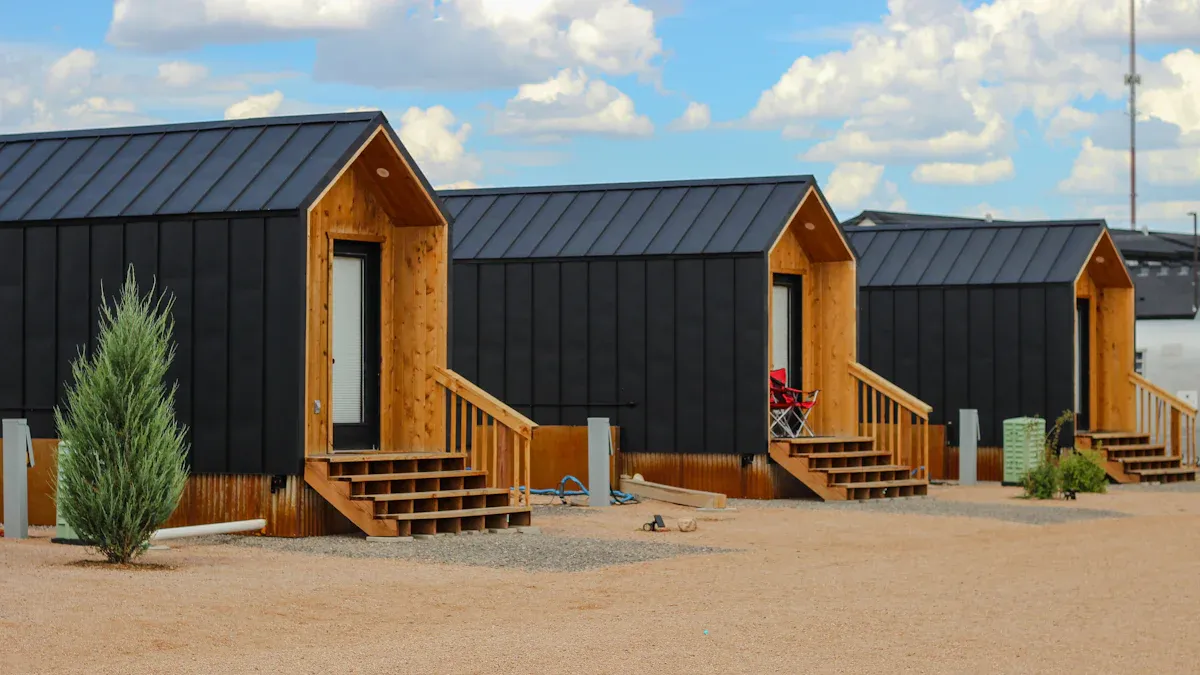
You may wonder how capsule houses compare to wooden modular homes. Wooden modular homes use wood for their main frame. They look warm and classic. Many people like how wood feels natural. These homes can last many years if cared for. But wood needs more work. You must watch for termites, water, and fire.
Capsule houses use strong materials like aviation-grade aluminum. You do not worry much about bugs or rot. They need less care over time. Here is a table to show the differences:
Feature | Capsule House | Wooden House |
|---|---|---|
Material | Aviation-grade aluminum | Wood |
Maintenance Requirements | Minimal maintenance | More work (moisture, termites, fire) |
Long-term Durability | Built for over 40 years | 30-60 years with good care |
Cost Over Time | Lower lifetime expenses | Higher maintenance costs |
Capsule houses usually cost less at first. Wooden modular homes may cost more, but they last many years. If you want easy care, a capsule house is a good choice.
Tip: Pick a capsule house if you want less work. If you like wood and do not mind extra care, a wooden modular home may be better.
Floating Modular Homes
Floating modular homes are interesting. They sit on water, so you can live by lakes or rivers. These homes are great for people who want nature or need to handle rising water. They are made to float and deal with water changes.
Capsule houses do not float, but they are easy to move. You can set them up almost anywhere. They work well in cities, suburbs, or faraway places. Both types are strong and can handle bad weather.
Feature | Floating Modular Homes | Capsule Houses |
|---|---|---|
Mobility | Quick assembly, portable on water | Compact, mobile, fits many environments |
Resilience | Floats, handles rising sea levels | |
Construction | Prefab, made off-site | Advanced materials, energy efficient |
Floating modular homes are best on water. Capsule houses are best in cities or on land. You can choose what works for you.
Cost Comparison
Let’s talk about price. Capsule houses are very affordable. You can build one for less than $10,000. That is much less than a regular home, which can cost about $300,000 in the US. Wooden modular homes and floating homes can cost more, depending on size and style.
Capsule houses are cheaper because they are small and simple.
Wooden modular homes can save money, but prices change with design and materials.
Floating modular homes cost more because they need special building.
If you want to save money, a capsule house is smart. You spend less at first and later.
Durability
You want your home to last long. Capsule houses use strong materials and smart designs. They can handle tough weather, like hurricanes with winds up to 156 mph. They also stand up to earthquakes as strong as 9. Factory-made parts mean fewer mistakes and better quality.
Housing Type | Durability Aspect |
|---|---|
Capsule Houses | Varies by material, but strong against disasters |
Wooden Modular Homes | Known for long-term durability if cared for |
Capsule houses use insulation like polyurethane foam and waterproof coatings. They keep out rain, wind, and sand during storms. Wooden homes last long, but you must protect them from bugs and water.
Note: Capsule houses are built in factories with strict checks. This means fewer problems and a longer life for your home.
Installation Speed
You may want to move in fast. Capsule houses are ready in just 1 to 3 weeks. That is quick! The parts come prefabricated, so workers build them fast. Wooden modular homes and floating homes can take longer, especially if the design is hard.
Capsule houses: 1–3 weeks to install
Fast setup because of prefabricated parts
Less waiting, more living
If you need a home quickly, a capsule house gives you speed and less trouble.
Sustainability
Eco-Friendly Materials
If you care about the planet, capsule houses are a good choice. They use materials that do not hurt the earth. Many builders pick recycled or renewable things. This helps cut down on waste and saves resources. Your home can look modern and still be green.
Here is a table that shows how these materials help:
Material Type | Contribution to Sustainability |
|---|---|
Recycled materials | Uses less new stuff and helps the earth |
Renewable materials | Good for the planet and keeps homes warm or cool |
Many capsule houses have solar panels. You can live off-grid if you want. This means you can live almost anywhere and still help the planet.
Solar Power
Solar power helps you save money on energy. If your capsule house has solar panels, you can pay less for electricity. You might save up to 40% each month. You also use less power from the city. This helps stop pollution.
Solar panels give you clean energy.
You can live off-grid if you want.
You save money and help the earth.
Tip: Pick a capsule house with solar panels if you want to save money and help the planet.
Climate Adaptability
Capsule houses work in many kinds of weather. You stay warm in winter and cool in summer. The design uses strong insulation and tight seals. You feel comfortable no matter what the weather is.
Climate Condition | Features |
|---|---|
Cold Climates | Thick insulation, tight design, floor heat, triple glass, fresh air system |
Hot Climates | Air conditioning, windows that open for fresh air |
Extreme Weather | Strong build for storms, insulation for sound and heat, fire safety |
Your home keeps you safe from storms, heat, or cold. Some models work in very hot or cold places. Special heating and cooling systems help you feel good all year.
Who Should Choose a Capsule House
Best Use Cases
 Best Use Cases
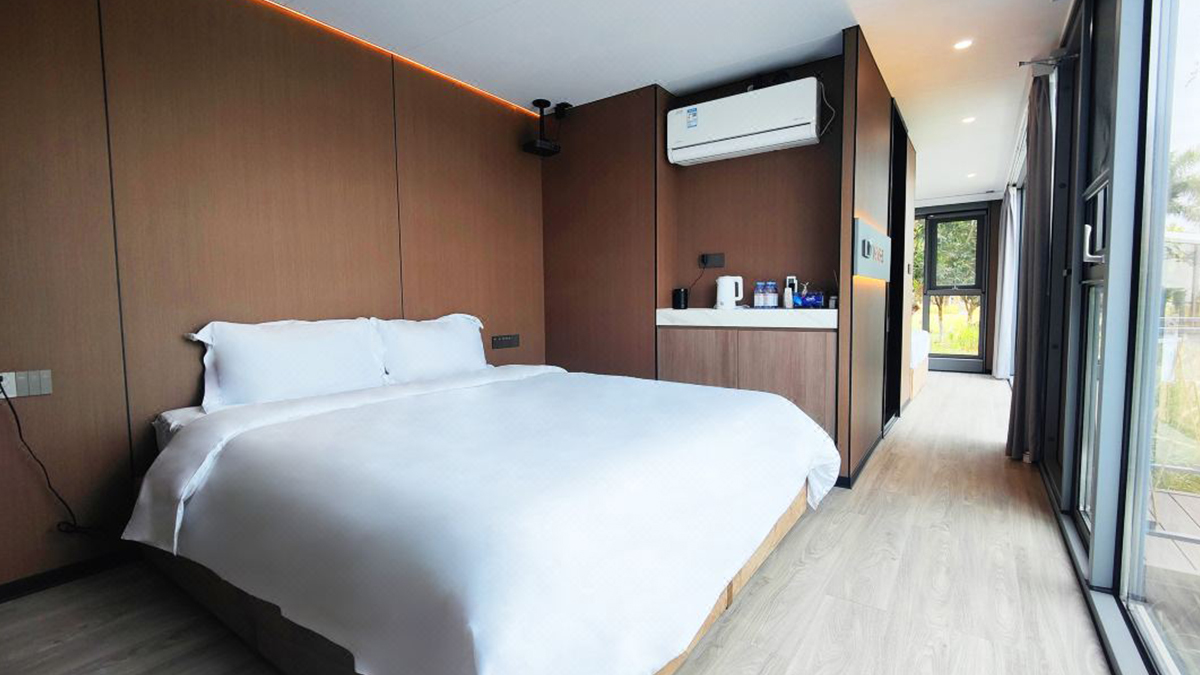
You might wonder if this type of home fits your lifestyle. People use these homes in many ways. Here are some of the most common uses:
Temporary and emergency housing for people who need shelter fast, like after a natural disaster or for workers in remote areas.
Vacation homes for travelers who want a unique, eco-friendly place to stay.
Urban living for students or young professionals who want affordable micro-apartments in busy cities.
Sustainable living for those who want to live off-grid and care about the environment.
Nap pods or quiet spaces in offices to help employees relax and recharge.
Healthcare units, such as mobile clinics or isolation rooms during health emergencies.
If you like simple living or need a flexible space, you may find these homes helpful. You can use them for short stays, long-term living, or even as a workspace.
Tip: If you want a home that sets up quickly and adapts to your needs, this option gives you flexibility.
Here’s a table showing who often chooses this type of home:
Factor | Description |
|---|---|
Minimalism | You focus on essentials and keep life simple. |
Affordability | You want a budget-friendly place to live. |
You care about your carbon footprint and green living. | |
Urban Dwellers | You live in a city and need a compact, smart solution. |
Efficient Use of Space | You want to make the most of every square foot. |
Considerations
Before you decide, you should think about a few things. Ask yourself these questions:
What is your budget? Prices range from $10,000 to $70,000, depending on size and features.
How long do you want your home to last? Most come with a 10-year warranty and can last up to 70 years.
Does a minimalist lifestyle fit your daily routine?
Where do you want to place your home? Pick a spot that matches your needs, like the countryside or a city lot.
Do you need permits or have to follow local building codes?
Do you want a simple design or a premium model with smart features?
Experts suggest you look at the quality of materials, eco-friendliness, and cost before you buy. Here’s a quick checklist:
Check the materials and sustainability.
Decide if you need one unit or several.
Plan your project, research companies, and talk to experts.
Note: Careful planning helps you avoid surprises and get the most from your new home.
Capsule houses are different from other modular homes. They are quick to set up. They use smart technology. They have eco-friendly materials. If you want to save money, this is a good choice. If you like simple living, it works well for you. Students and travelers can use capsule houses. People who want flexible living will like them too. Think about what you need in a home. Look at different models before you choose. You may find the best home for you.
FAQ
What is a capsule house?
A capsule house is a small, modular home. You can set it up fast and move it easily. It uses smart technology and eco-friendly materials. You get a cozy space that fits your needs.
How long does it take to install a capsule house?
You can move in within 1 to 3 weeks. The parts come ready to build. Workers finish the setup quickly. You save time and start living sooner.
Can you customize a capsule house?
Yes! You pick colors, layouts, and smart features. Some models let you choose one or two decks. You use online tools to design your space.
Tip: Try the builder’s online design tool before you buy. You see your choices in real time.
Are capsule houses good for the environment?
Capsule houses use recycled and renewable materials. Many have solar panels. You save energy and lower your bills. You help the planet by choosing green options.
Who should consider living in a capsule house?
You might like a capsule house if you want simple living, need a quick setup, or care about the environment. Students, travelers, and city dwellers often choose this type of home.
Best For | Reason |
|---|---|
Students | Affordable, compact |
Travelers | Easy to move |
Eco-conscious | Green materials |
Urban dwellers | Saves space |