

16 Aug What Makes Space Capsule Housing So Popular Today
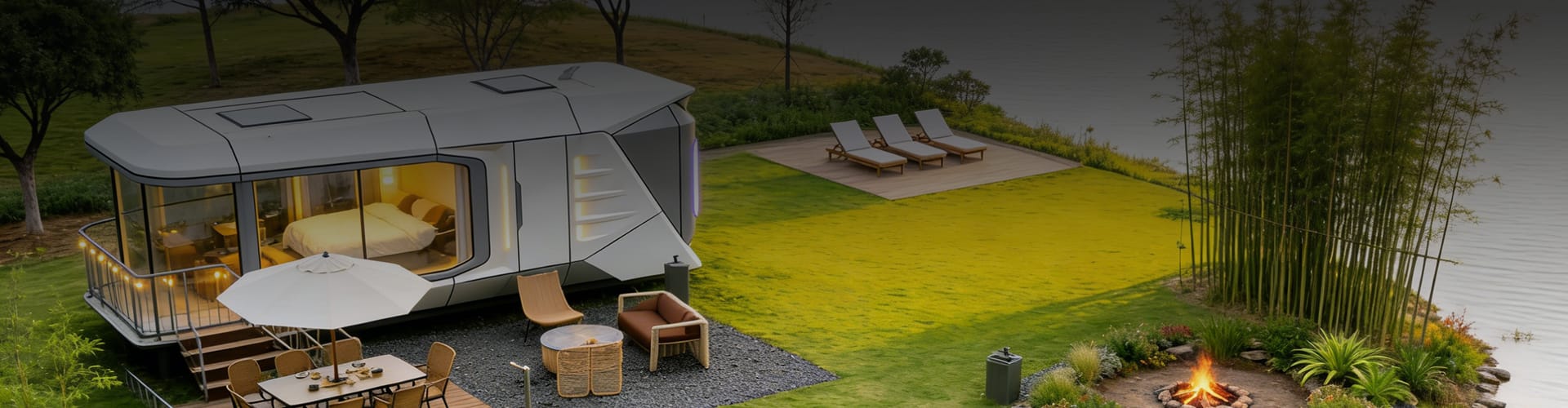
Have you ever thought about living in a busy city without spending a lot? Space capsule housing is getting more popular. It gives smart and cheap ways to live today. You get a home that fits what you need. It helps you save money and uses space well. Many people pick these homes because they want:
Lower utility bills and easy upkeep
Central locations near work and fun places
Space capsule housing lets you enjoy modern life. It helps you keep things simple and use your space well.
Key Takeaways
Space capsule housing gives smart and cheap homes. These homes save space and money in busy cities. They use strong and earth-friendly materials. The designs are smart and help you stay comfortable. They also help you use less energy. Capsule houses have built-in things you need. The layouts can change to fit what you want. They are fast to build and easy to move. They cost less than normal homes. This makes them good for many ways of living. Capsule housing helps people live green. You can use them as homes, offices, or rentals. This gives you many choices.
Why Space Capsule Housing Is Popular
Urban Living Needs
It is hard to find a home in a crowded city. Rent prices keep going up. Apartments are getting smaller each year. Many people want to live close to work or school. Some want to be near public transport. Capsule houses help with these problems. They use small spaces in a smart way. In Hong Kong, some apartments are under 100 square feet. In Tokyo, people live in micro apartments stacked up high. In New York City, capsule houses are near busy train lines. These homes let you live downtown without paying for a big place.
Capsule houses come in different types:
Pods and micro apartments in busy cities
Round mini homes in people’s backyards
Modular homes that go up fast
Co-living spaces with things you share
Capsule houses let you live where you want. They give you a private spot that fits your needs. This helps students, workers, and travelers live in the city.
Affordability
You want a home that does not cost too much. Capsule houses are cheaper to build and take care of. Modular building makes them faster to finish. Factory-made parts save money and cut waste. You also pay less rent. In some places, you can rent a capsule house for $229 a month. In Los Angeles, co-living capsule houses cost about $1,400 a month. That is less than most apartments.
Here is a table that shows how costs compare:
Aspect | Capsule Houses | Traditional Homes |
|---|---|---|
Construction Cost | $150 – $300 per sq ft | |
Example (800 sq ft) | $64,000 – $96,000 | $120,000 |
Maintenance | Lower due to simple design | Higher due to complex structures |
Design Features | Modular, foldable furniture, vertical storage | Conventional layouts |
Environmental Impact | Sustainable materials, energy-efficient | Less focus on sustainability |
Capsule houses use foldable furniture to save space. You can save up to 40% more room. There are flexible ways to pay, so young people and students can buy or rent one. Many capsule houses are easy to move. You can take your home with you if you change jobs or schools. This makes it easier to live your busy life.
Modern Appeal
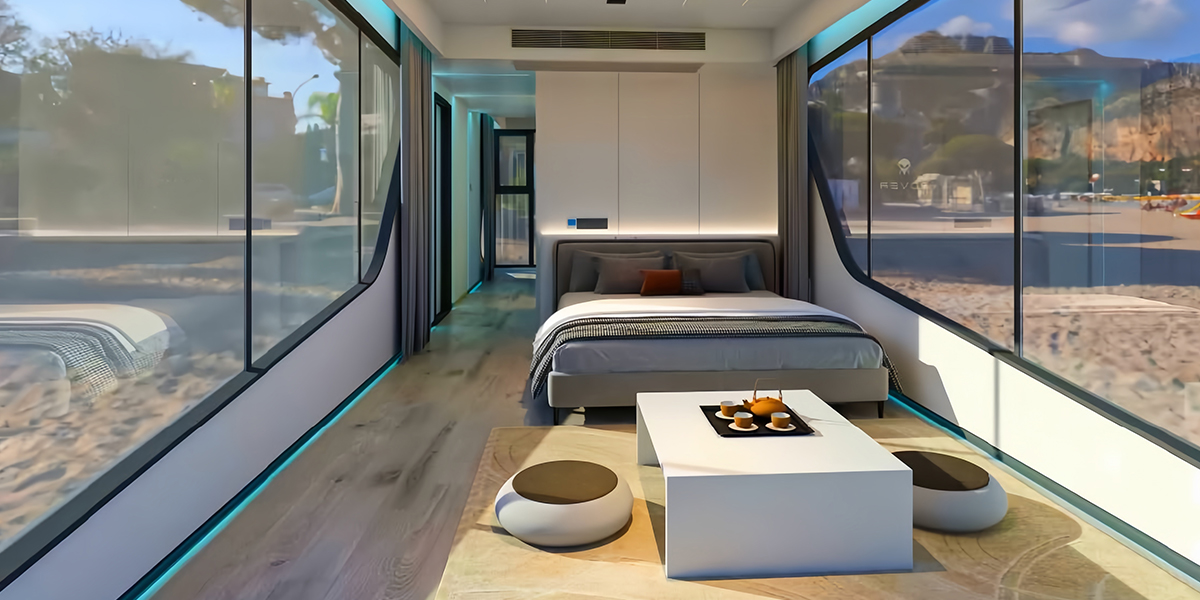
You want a home that looks cool and works well. Capsule houses use new designs and smart tech. Many have things like lights that turn on by themselves. Some have climate control, solar panels, and rainwater systems. These help you save energy and water. Capsule houses use strong, light materials like aerospace aluminum and carbon fiber.
Designers make sure every part of the home is useful. There are smart layouts, mirrored walls, and clear spots for sleeping or working. Big windows let in sunlight and show you the outside. Some capsule houses have surfaces that fight germs and keep out noise.
Capsule houses are great for people who love tech and style. You get a home that is smart and good for the planet. Many young adults, digital nomads, and travelers pick capsule houses for their cool look and smart features. More people want tiny homes because they like saving space and having modern designs.
What Is Space Capsule Housing
 Definition and Origins
 Definition and Origins
You might wonder how space capsule houses started. The idea comes from real space capsules. Engineers made these for astronauts to live and work in space. They had to fit everything inside a small, tough shell. The first space capsules were made in the 1960s. The Soviet Union made the Vostok capsule. The United States sent astronauts in Mercury, Gemini, and Apollo capsules. These designs focused on safety, comfort, and smart use of space.
Today, space capsule housing uses the same ideas. Designers use what they learned from space travel. They make homes that fit in small city spaces. They try to use every bit of space. These homes feel modern and work well.
Here is a table that shows how different countries used space capsule designs:
Country/City | Space Capsule(s) | Initial Outcomes |
|---|---|---|
Soviet Union | Vostok (first crewed capsule, 1961) | First human spaceflight; strong, compact design; inspired future capsule homes |
Soviet Union/Russia | Soyuz (from 1967 onwards) | Three-person capsule; ongoing use; focus on safety and adaptability |
China | Shenzhou (first crewed flight 2003) | Based on Soyuz; successful missions; advanced life support and comfort |
United States | Mercury, Gemini, Apollo | Human spaceflights; led to lunar landings; inspired modular, efficient living spaces |
You can see how these early capsules changed how people think about small homes. The same focus on quality, safety, and smart design is now in capsule houses everywhere.
Core Features
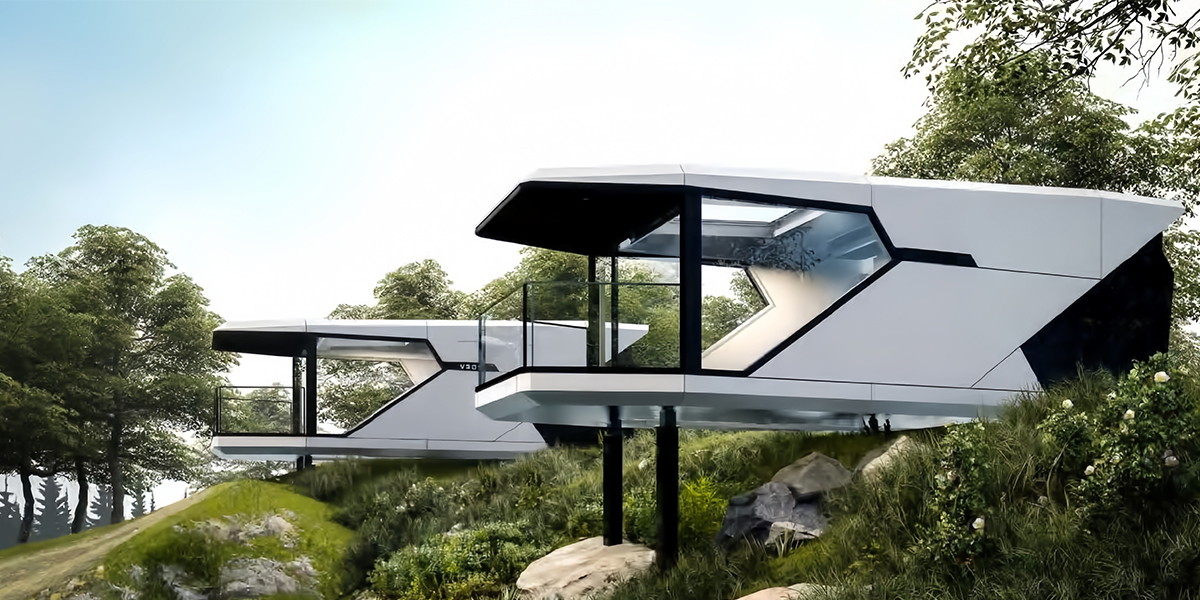
A space capsule house is special because it fits a lot into a small space. You get a home that uses space better than most apartments. Capsule houses use modular design. You can move or change your home as you need. You might see capsule houses stacked in cities or alone in the countryside.
Here are some things that make capsule houses different:
Space Efficiency: Capsule houses use every bit of space. You find beds that fold out, hidden storage, and rooms that change use. A sleeping area can become a workspace or a place to eat.
Integrated Amenities: Each space capsule house has a bed, kitchen, bathroom, and storage. You do not need to leave your home for daily needs.
Advanced Space-Saving Design: Capsule houses use furniture that folds or slides away. This gives you more room to move.
Sustainability: Many capsule houses use eco-friendly materials like recycled steel or bamboo. Solar panels and rainwater systems help save energy and water.
Flexibility and Mobility: You can move your space capsule house to a new place. Some let you add more modules or connect with other capsule houses.
Smart Technologies: Many capsule houses have climate control, smart lighting, and strong insulation. These features keep you comfortable and help lower your bills.
Affordability and Minimalism: Capsule houses cost less to build and take care of. You get a simple, modern look that feels open and clean.
Tip: Pick capsule houses with good insulation. This keeps your home warm in winter and cool in summer. It helps you save money and energy.
Capsule houses use modular, prefabricated parts. Builders can put them together fast and with less waste. You get a home that meets high standards. In cities, capsule houses fit into small lots or stack up to save space. In 2024, a project in Auckland used 50 capsule houses to make a coastal lodge. The modular design let builders add storage, bathrooms, and outdoor decks. This project showed how capsule houses can be used in many ways.
Capsule houses are also known for their quality. Builders use strong materials and good insulation. You get a home that lasts and feels safe. The smart layout keeps living, sleeping, and working areas apart. You do not lose comfort, even in a small space.
Here is a table that sums up what makes capsule houses special:
Defining Feature | Description |
|---|---|
Space Efficiency | Uses small footprints (50-200 sq ft) with smart layouts |
Integrated Amenities | Includes sleeping, cooking, bathing, and storage in one unit |
Advanced Space-Saving Design | Fold-out beds, convertible furniture, and multifunctional spaces |
Sustainability | Eco-friendly materials, solar energy, rainwater harvesting, and advanced insulation |
Flexibility and Mobility | Modular or portable; easy to move or expand |
Smart Technologies | Climate control, smart home systems, and quality insulation |
Affordability and Minimalism | Cost-effective, simple, and modern look |
Capsule houses give you a great place to live. You get strong insulation, smart tech, and a design that fits your life. You can use capsule houses as homes, offices, or even vacation rentals. The focus on quality and flexibility makes capsule houses a top choice for modern living.
Space Capsule House Design
Materials and Durability
Capsule houses use strong materials in every part. Builders pick aviation-grade aluminum and anti-seismic galvanized steel for the frame. These materials help capsule houses stay safe in bad weather. They can handle hurricanes and earthquakes. The walls and roofs have many layers of insulation. Polyurethane foam and special boards keep heat inside in winter. They also keep your home cool in summer. This insulation blocks noise, so your home is quiet.
Capsule houses have fluorocarbon paint on the outside. This paint stops rust and keeps the house looking new. The windows use reinforced double-glazed glass for safety and warmth. The floors are made from water-resistant SPC or WPC. These floors last a long time. All these choices make capsule houses strong and easy to care for. You can count on them to last over 50 years.
Tip: Good insulation and strong materials mean fewer repairs. You will save money over time.
Efficient Layouts
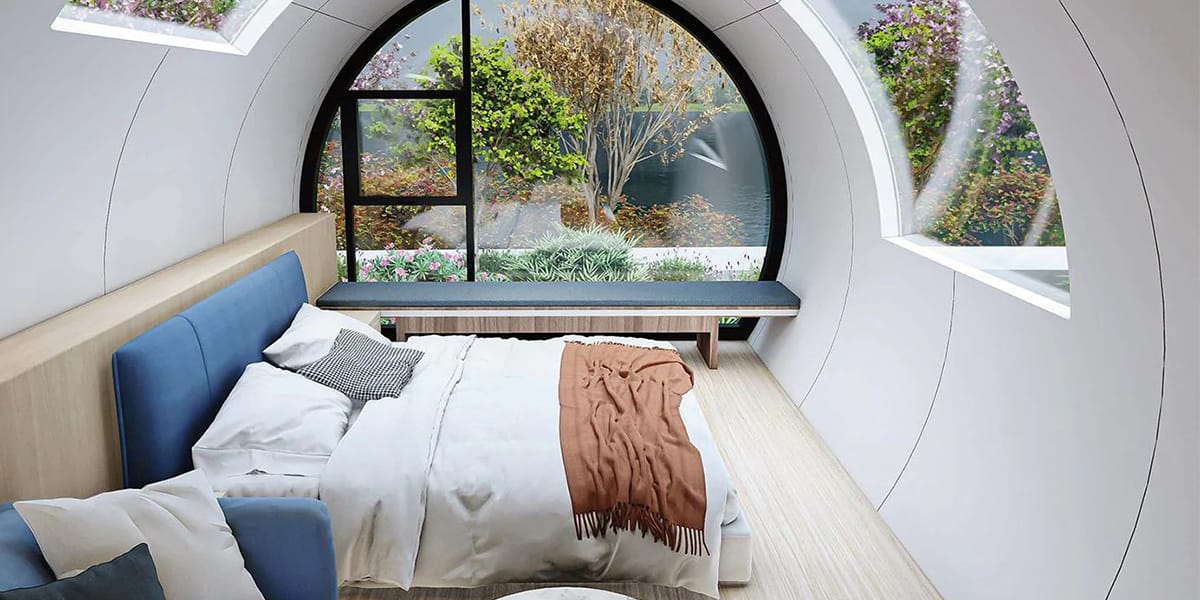
Capsule houses use space in smart ways. Tall shelves and wall storage help you use every inch. Beds with storage and folding tables save space. Open layouts let light move around and make rooms feel bigger. Mirrors and soft colors help make the space look larger.
You can walk around easily because furniture is not in the way.
Living, working, and eating areas are often together.
Modular design lets you change the layout or add space.
Smart layouts and good insulation keep your home comfy. You get a nice place to live, even if it is small.
Sustainability
Capsule houses are great for green living. Builders use eco-friendly materials that last a long time. Modular building makes less waste and less pollution. Many capsule houses use solar panels and energy-saving systems. Rainwater systems help save water. Good insulation means you use less energy for heating and cooling.
Feature | Capsule Houses | Traditional Homes |
|---|---|---|
Low | High | |
Insulation | Advanced, multi-layer | Basic |
Solar Power | Common | Less common |
Smart Systems | Integrated | Rare |
Capsule houses show that smart design and good insulation help the planet and save you money.
Benefits of Capsule Houses
Eco-Friendly Living
 Eco-Friendly Living
When you pick capsule houses, you help the earth. These homes use recycled steel and wood. This cuts carbon emissions by half. Smart thermostats and energy-saving appliances use less power. You can save up to 65% more energy than normal homes. Capsule houses also have water-saving systems. You use 30-50% less water. Many of these homes meet LEED standards. That means they follow strict green building rules.
Evidence Aspect | Supporting Details |
|---|---|
Use of Eco-Friendly Materials | Capsule houses use recycled steel and wood. This lowers carbon emissions by about 50%. |
Energy Efficiency | Smart thermostats and other tech save energy. These homes use up to 65% less energy than regular houses. |
Water Conservation | Water-saving systems help you use 30-50% less water. |
Space Efficiency | Small size (100 to 300 sq ft) uses space well and saves resources. |
Green Certifications | Many capsule houses meet LEED rules and use designs that help recycling. |
Lifestyle Impact | Modular design helps you live with less stuff. This supports a green lifestyle. |
Prefab capsule houses are made in factories. This uses less energy and makes less waste. The small size means you need fewer materials. You also use less electricity and water. These things make capsule houses a great choice for green living. You help the planet and live in a smart way.
Investment Value
Capsule houses give you good value for your money. They cost less to build and take care of. The small size means lower bills and less cleaning. Strong materials like aviation-grade aluminum and steel last long. You spend less on repairs. Many people want cheap, green homes, so resale value stays high.
Note: Capsule houses can cut your housing costs by 30%. You save money and help the planet at the same time.
You can rent out capsule houses for vacations or short stays. Many travelers want cool places to stay. Capsule houses attract guests who want comfort, WiFi, and air conditioning in a small space. You can earn extra money and keep your investment flexible.
Versatile Uses
Capsule houses work for many things. You can use them as your main home, a guest house, or a vacation rental. Some people use them as offices or studios. You see capsule houses in parks, resorts, dorms, and even hospitals. They can be gyms, shops, or small workshops.
Resorts
Dormitories
Work sites
Camps
Parks
Home offices
Sports venues
Schools
Hospitals
Capsule houses are easy to move and set up fast. You can add more if you need extra space. Their design helps the planet and fits modern life. You get a home that changes with your needs and helps you live simply.
Space capsule housing helps people deal with city life. It gives you a home that saves money and space. It is also good for the environment. Experts think these homes help cities grow in a smart way. They work for families, singles, and remote workers.
Capsule houses use strong materials that are good for the earth. They also use smart technology.
You can change the layout or make it bigger if you need to.
They are easy to set up and help you save energy.
🌟 With new designs and technology, capsule housing might be right for your future.
FAQ
What is the average size of a space capsule house?
Most capsule houses range from 50 to 300 square feet. You get enough room for sleeping, cooking, and relaxing. The design uses every inch of space.
Can you move a capsule house to a new location?
Yes, you can move many capsule houses. Builders use modular designs. You can transport your home by truck or crane. This makes it easy if you change jobs or cities.
How long does it take to install a capsule house?
You can set up a capsule house in just a few days. Some models need only a few hours. The parts arrive ready to assemble, so you save time and effort.
Are capsule houses safe in bad weather?
Capsule houses use strong materials like steel and aluminum. They stand up to wind, rain, and even earthquakes. Good insulation keeps you safe and comfortable inside.