


08 Sep Comparing Capsule Houses and Prefab Tiny Homes for Modern Living
Table of Contents
If you want a different place to live, you will see big differences between a capsule house and tiny homes. Capsule houses are small and feel temporary. They are usually about 50 to 100 square feet. Tiny houses give you more room and comfort. You can also change them to fit your needs. Tiny houses are better for living in for a long time. Both types care about being good for the environment and use new technology. Look at the market growth below:
Metric | Value |
|---|---|
North American prefab market | |
Projected market in 2030 | $37.45B |
CAGR | 6.99% |
Tip: Think about what you need every day, how eco-friendly you want to be, and your lifestyle before you choose.
Key Takeaways
Capsule houses are small and easy to set up fast. They work well for short stays or when help is needed after disasters. Tiny homes give you more room and ways to change things. You can make them cozy and fit your style. Both capsule houses and tiny homes save energy and help the planet. They let you lower your effect on nature.
Capsule House vs Tiny Homes: Design
Capsule House Design
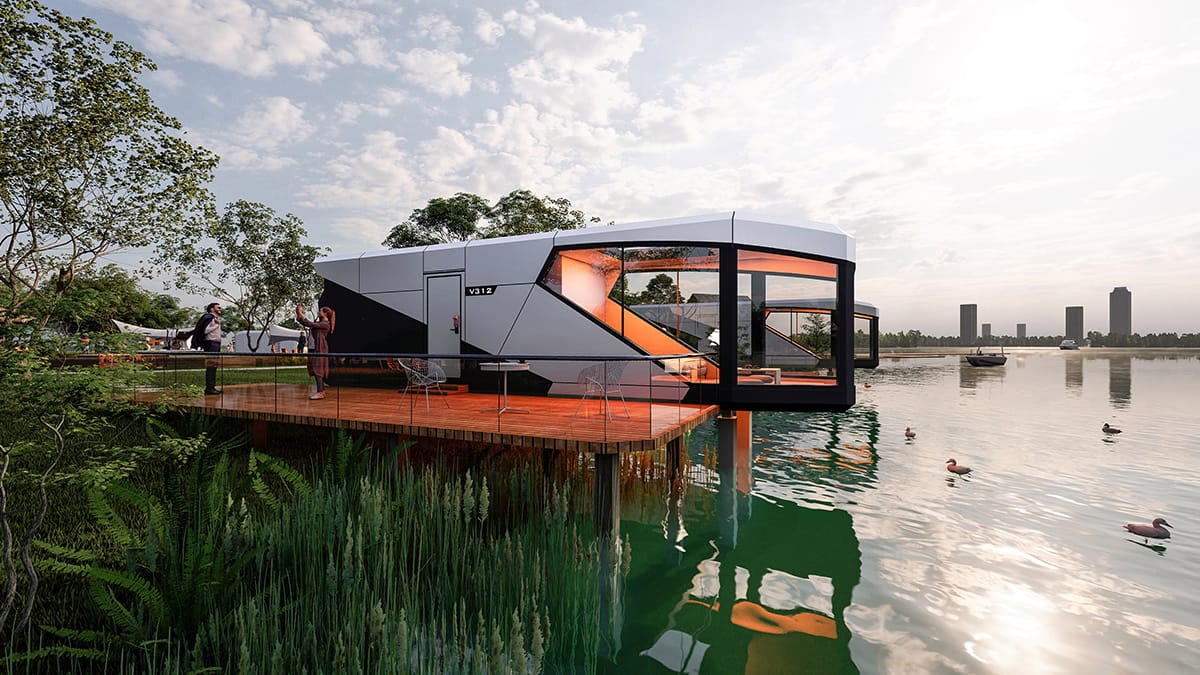
Capsule houses look modern and smart. Architects make them modular and stackable. You can move or change them easily. The shell is strong and light. It uses alloy, carbon fiber, or steel. These materials protect the house from bad weather. They help against strong winds and heavy rain. Impact-resistant glass keeps you safe. Flame-retardant materials stop fires from spreading.
Capsule houses use space in smart ways. You might sleep in a loft. Tables can fold for eating or working. Rooms do more than one job. The living area can become a bedroom at night. Big windows bring in natural light. This makes the small space feel bright. Designers add fire safety systems. They also use smart tech to save energy. You feel safe and comfortable.
Here are some main design features in capsule houses:
Modular and stackable structure for easy moving
Strong materials like alloy and carbon fiber
Aerodynamic shape to handle strong winds
Lofted sleeping areas and rooms with many uses
Fire safety systems and flame-retardant surfaces
Natural light and open spaces for a free feeling
Capsule houses are good when you need something fast. You might see them used for disaster relief. They work as temporary homes or guest rooms. The design is simple and gives you only what you need.
Tip: If you want a home that sets up quickly and uses space well, a capsule house could be best.
Here’s a quick look at how capsule houses compare to traditional homes:
Feature | Capsule Houses | Traditional Homes |
|---|---|---|
Space Optimization | Small areas for essentials, no wasted space | Bigger rooms, often wasted space |
Efficiency | Foldable, multipurpose furniture | More space needed for storage |
Construction Speed | 40% faster, modular assembly | Takes months to build |
Energy Efficiency | Built-in energy-saving tech | Needs upgrades for efficiency |
Tiny Homes Design
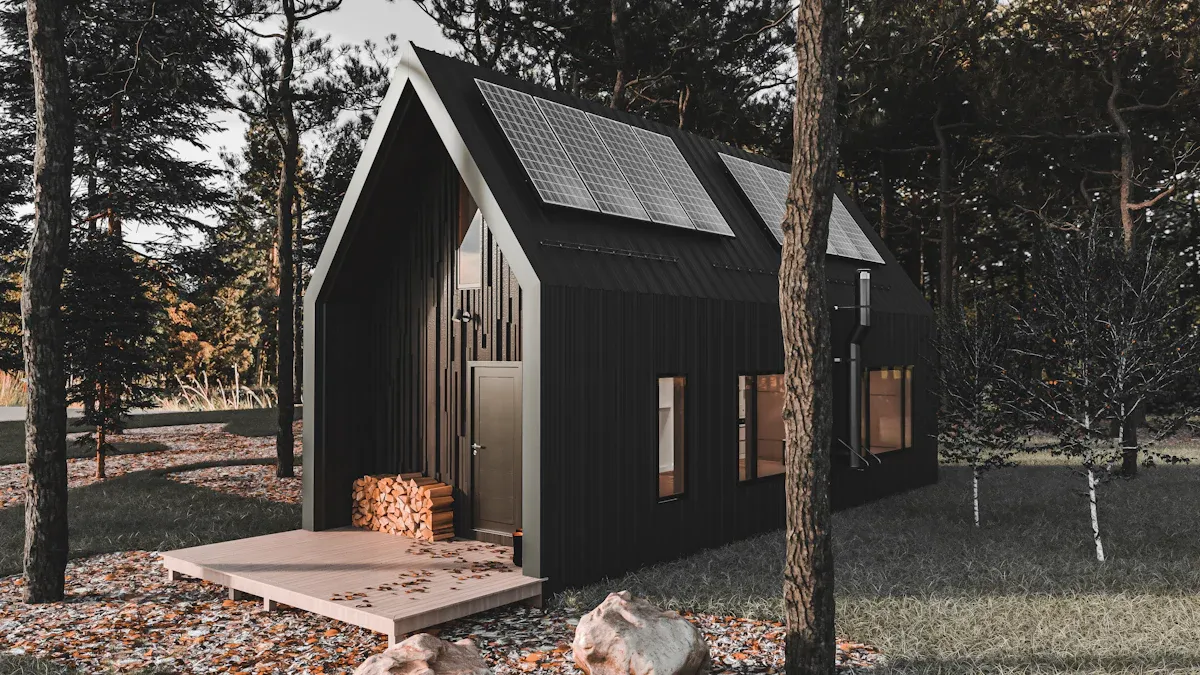 Tiny homes let you choose how you want to live. You pick the style, layout, and colors. Many tiny homes have lofts for sleeping or storage. This helps use vertical space. You might see Murphy beds or movable furniture. Built-in shelves use every corner.
Designers make tiny homes feel cozy and personal. You can choose modern, rustic, or industrial looks. Some tiny homes have big windows and sliding doors. These connect the inside to outdoor spaces. You get smart storage, like drawers under stairs. Hidden cabinets save space. Every inch matters, so rooms do many jobs.
Here’s a table showing common design options in tiny homes:
Design Feature/Option | Description |
|---|---|
Uses every inch with smart furniture and storage | |
Customization | Tailored layouts and interiors for your lifestyle |
Lofts | Sleeping or storage areas above the main floor |
Movable Furniture | Murphy beds and convertible pieces for flexible living |
Design Styles | Modern, rustic, industrial, and more |
You can enjoy outdoor living with decks or patios. Many tiny homes let you add solar panels. Rainwater collection is also possible. These features help the environment. Tiny homes let you customize almost everything. Capsule houses have a standard design.
Living space optimization with built-in furniture and storage
Multi-functional rooms for sleeping, cooking, and relaxing
Outdoor areas for more comfort
Many customization options, from layout to finishes
Note: If you want a home that fits your style and needs, tiny homes give you more choices and comfort.
You see the main differences in design when you compare capsule houses and tiny homes. Capsule houses focus on speed and efficiency. Tiny homes give you more space and let you make it your own. Both use smart design. Your choice depends on how much you want to customize and how long you plan to stay.
Space and Efficiency
Living Efficiency
When you walk into a capsule house, you see how space is used. Designers make sure every part has a job. You get a bed, a table, and storage in a small area. The setup is smart and simple. You can fold furniture when you do not need it. This makes the room look bigger.
Capsule houses are best for short stays. You might use one for a quick visit or as a temporary home. You can set up a capsule house in a few days. This saves you time and work. There is no wasted space. Everything is useful.
Here is how capsule houses use space and technology:
Feature | Description |
|---|---|
Uses every square foot for what you need | |
Smart Home Integration | Connects to smart devices for easier living |
Capsule houses have a small design with only the basics.
You find smart storage in every spot.
Capsule houses are quick to set up and easy to use, great for travel or emergencies.
Capsule houses also care about the environment. Builders use green materials and energy-saving systems. You help the planet and save space at the same time.
Tip: If you want a home that sets up fast and uses space well, capsule houses are good for short stays.
Space in Tiny Homes
Tiny homes give you more space to relax. You can stretch out and enjoy a cozy room. Most tiny homes start at 200 square feet or more. You get a kitchen, a bathroom, and a living area. Some tiny homes have lofts for sleeping or storage. You can pick the layout that works for you.
Designers use smart tricks to make tiny homes feel bigger. You see Murphy beds, shelves built into walls, and hidden cabinets. Furniture does more than one job. Stairs may have drawers, and tables can fold away. These ideas help you keep things neat.
Here is a table that shows the main differences between tiny homes and capsule houses:
Feature | Tiny Homes | Capsule Houses |
|---|---|---|
Space Utilization | Furniture does many jobs to save space | |
Size | Usually bigger than 200 sq. ft. | Up to 200 sq. ft. |
Resource Efficiency | Needs more stuff because it is bigger | Needs less stuff, better for the planet |
Design Philosophy | Focus on comfort and easy living | Focus on saving space and being simple |
Tiny homes give you more room for your daily life.
You can change your home to match your style.
Tiny homes are good for living in for a long time. You get comfort and choices.
If you want a home for many years, tiny homes give you more options. You can add decks, solar panels, or rainwater systems. These things make tiny homes green and nice to live in.
Note: Tiny homes are great if you want more space, comfort, and a place to stay for a long time.
You can see the big differences in how capsule houses and tiny homes use space. Capsule houses focus on saving space and setting up fast. Tiny homes give you more room and let you change things. Both help you live simply, but your choice depends on how long you want to stay and what you need each day.
Durability and Regulations
Durability Factors
Capsule houses use strong materials and smart design. Most have aviation-grade aluminum plates and galvanized steel. They also use multi-layer thermal insulation. These materials make the house light and tough. Your home can handle wind and rain. The insulation keeps it warm in winter and cool in summer. You get good fire safety and energy efficiency.
Here’s a table that shows how these materials help:
Material | Benefits | Durability Impact |
|---|---|---|
Aviation-grade aluminum plates | Lightweight, corrosion-resistant, strong | Enhances longevity and resilience |
Anti-seismic hot-dip galvanized steel | Strong against earthquakes and storms | Increases safety and durability |
Multi-layer thermal insulation | Keeps temperature steady, saves energy | Adds to overall durability |
Tiny homes use strong materials too. You can choose wood, steel, or SIP panels. Insulation goes in the walls and roof. This helps with sound and temperature control. Some families say their energy bills dropped. This happens even in bad weather. You can add solar panels to your tiny home. You might sell extra energy back to the grid.
Tip: If you want a home that lasts and feels good, pick advanced insulation and strong weather resistance.
Legal Considerations
You need to know the rules before you set up a capsule house or tiny home. Capsule houses often have stricter rules. Cities may call them temporary or non-traditional. You might need special permits. There may be limits on where you can put them.
Tiny homes have more support in many states. Some places, like Oregon and Maine, let you put tiny homes in backyards. They are legal in many zones. Other states, like Texas and Colorado, use special codes for small homes. Here is a table with some key differences:
State | Key Regulations |
|---|---|
Oregon | Tiny houses allowed in backyards; legal in many zones |
Washington | Uses special codes for tiny homes under 400 sq ft |
Maine | All towns must allow tiny homes; both on wheels and on foundations |
Texas | Many counties welcome tiny homes; easier for foundation-based homes |
Vermont | Zoning allows small homes; some off-grid setups allowed |
Capsule houses may be harder to legalize for long-term living. Tiny homes fit better with local building codes. Always check your local laws before you buy or build.
Note: Knowing the rules helps you avoid trouble and enjoy your new home.
Energy Efficiency and Sustainability
 Energy Efficiency Features
 Energy Efficiency Features
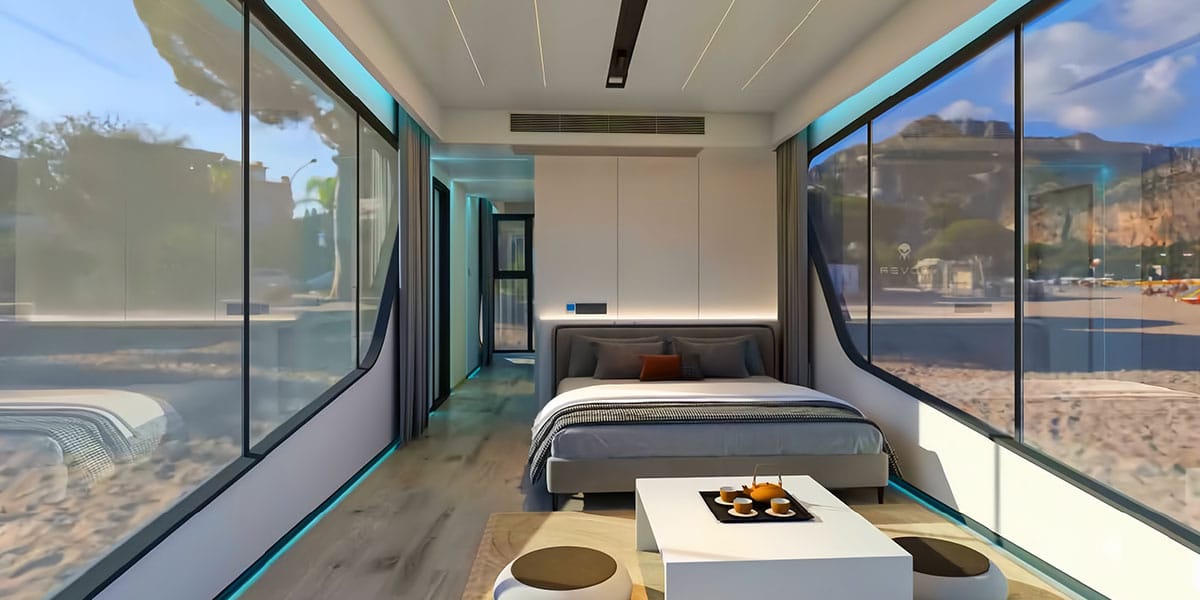
You might ask how capsule houses and tiny homes save energy. Capsule houses use special insulation and smart tech to keep you comfy. They have door sealing strips and double-layer base keels. Triple-layer hollow glass helps stop air from leaking. These features keep the inside temperature steady.
As Eco Homes Magazine says, “Capsule houses are small and use great insulation. This helps save energy and is good for city living.”
Capsule houses can use 65% less energy. They also have systems and materials that last up to 25 years. Tiny homes use thick insulation and energy-saving windows. Their smart layouts help save energy too. Many tiny homes use solar panels to lower bills.
Here’s a table with common energy-saving features:
Feature | Description |
|---|---|
Advanced energy-saving systems | Help lower bills and support green living. |
Consistent thermal insulation | Keeps the inside temperature steady. |
Solar panels | Give clean energy and let you live off-grid. |
Energy-efficient operation | Uses less energy when you live there. |
Eco-Friendly Practices
If you care about the planet, you want your home to be green. Capsule houses use recycled steel and aluminum alloy. They also use industrial adhesives. Tiny homes use old wood, bamboo, and shipping containers. These choices help the earth and support green living.
Capsule houses use solar panels and collect rainwater.
Tiny homes often have composting toilets and off-grid choices.
Both types can use renewable energy and help you live green.
If you want to live off-grid, capsule houses make it simple. They come with solar panels and composting toilets. You can collect rainwater too. You can move them anywhere and still have power. Tiny homes also have off-grid features. They focus more on comfort and a normal home feel.
Feature | Capsule Houses | Prefab Tiny Homes |
|---|---|---|
Made for energy freedom with solar panels | May not focus on energy freedom | |
Eco-Friendly Features | Built with composting toilets | Focus on regular building methods |
Water Management | Has rainwater collection and recycling | Usually uses normal plumbing |
Both capsule houses and tiny homes help the planet. They use energy-saving designs and green materials. Your choice depends on how much freedom and comfort you want.
Cost and Affordability
Capsule House Pricing
Capsule houses have a clear price. Companies tell you the cost up front. You pay more for delivery and setup. Permits also cost extra money. The steps are easy to understand. You know what you will pay. Here’s a table that shows the main costs:
Cost Component | Description |
|---|---|
Purchase Price | Cost of the capsule house itself. |
Shipping | Logistics of shipping to the nearest port. |
Permitting | Costs for acquiring necessary permits and approvals. |
Foundation or Stilts | Preparation of a suitable base for installation. |
Utilities Setup | Connection of essential services like electricity, water, and sewage. |
Trucking | Transportation from the port to the designated location. |
Crane Services | Hiring a crane for unloading and positioning the house. |
Installation | Proper installation to ensure readiness for occupancy. |
Capsule houses need less money for repairs. The materials last a long time. This makes them a good choice if you want to save money. You can plan your spending without worry.
Tiny Homes Cost
Tiny homes give you more choices. Prices change based on what you pick. You choose the size and design. Each choice changes the price. Here are things that make tiny homes cost more or less:
Size and design
Location
Materials
Interior features
If you pick fancy or eco-friendly materials, you pay more. Cheaper options, like salvaged wood, save you 20% to 30%. Custom designs add 10% to 20% to the price. Special things, like solar panels, also cost more.
Tiny homes may need more repairs if you add custom features. You get more comfort and style. Think about how much it will cost over time. Tiny homes are a smart buy if you want to live in them for many years.
Tip: Tiny homes let you control your budget and style. You can choose what you want to spend.
Mobility and Flexibility
Moving Capsule Houses
You might want a home you can move when life changes. Capsule houses make this easy. They are built for quick transport, so you can take your home almost anywhere. If you need to relocate, you will face some important steps and challenges:
Weather can slow down delivery and setup. Rain or snow might mean extra costs.
You must follow local rules and get permits. These rules change from place to place.
The foundation needs to match the design and weight of your capsule house.
Setting up utilities like plumbing and electricity takes skill because the space is small.
Shipping needs careful planning, especially if you live far from a city.
Before you build, you need to level the ground and set up drainage.
Putting the house together takes special skills to keep it safe.
Costs can go up if you want custom features or have a big family.
Capsule houses work well for people who want to move often or need a fast setup. You get flexibility, but you also need to plan for these steps.
Tip: If you want a home that moves with you, capsule houses offer a smart solution. Just remember to check local rules and prepare for setup.
Tiny Homes Flexibility
Tiny homes give you a different kind of freedom. Most tiny homes stay in one place, often on a permanent foundation. You can make your tiny home fit your life and style. Here’s how tiny homes help you adapt to different needs:
Design Feature | Description |
|---|---|
You can change the layout and look to match your needs. | |
Multi-Functional Furniture | Beds, tables, and sofas can do more than one job. |
Open Floor Plans | You get a roomy feel and can move furniture around easily. |
Smart Storage Solutions | Shelves and cabinets keep your space neat and organized. |
Integration of Outdoor Spaces | Decks and patios let you enjoy the outdoors and add living space. |
Tiny homes let you choose how you want to live. You can add features for comfort or make changes as your family grows. If you want to move your tiny home, it takes more work than moving a capsule house. Most tiny homes are not built for frequent moves.
Note: Tiny homes give you lots of choices for style and comfort, but they are best if you plan to stay in one spot.
Modern Features
Smart Technology
You want your home to be easy and smart. Capsule houses and prefab tiny homes have cool tech. You can use your voice to control lights and doors. Curtains can open with a tap or a voice command. Many homes have a main panel to control everything. Smart door locks help keep you safe. Wall air conditioners keep you cool or warm. Fresh air systems help you breathe clean air.
Here’s a look at some smart tech you might see:
Description | |
|---|---|
Intelligent System | Voice controls for the whole house |
Electrical Control | Safe power from trusted brands |
Smart Door Lock | Waterproof locks for safe entry |
Electric Curtains | Curtains that open and close by themselves |
Heating and Cooling | Wall air conditioners for comfort |
Integrated Control Panel | One place to control lights and doors |
Fresh Air System | Keeps air fresh and clean |
You also get things like dimmable lights and energy-saving features. Some homes have screens that come down by themselves. Fire alarms help keep you safe. These smart tools make life easier and save energy.
Voice control
Dimmable lights
Smart locks
Fire alarm
Automatic screen
Tip: Smart tech makes your home safer and more fun. You can relax while your house helps you.
Comfort and Amenities
You want a home that feels nice every day. Capsule houses use smart layouts to save space. Tiny homes give you more comfort and room. You get soft beds and cozy chairs. There is smart storage for your things. Many tiny homes have decks or patios outside. Kitchens have modern tools for cooking. Bathrooms are private and clean.
Capsule houses use foldable tables and furniture for small spaces. Big windows let in sunlight and fresh air. Tiny homes have more space and let you add special touches. You can pick heated floors or rain showers if you want. Both types let you live simply with what you need.
Note: Tiny homes give you more comfort and style choices. Capsule houses are best for quick setup and smart use of space.
You can spot big differences between capsule houses and tiny homes. Capsule houses are strong in bad weather and use less energy. Tiny homes are more comfortable and let you pick your style. Think about how much space you want, what you can spend, and if you need to move. Pick the home that matches how you live and what you want later.
FAQ
Can you live in a capsule house year-round?
You can, but most people use capsule houses for short stays. They feel small for long-term living. Tiny homes work better for everyday life.
Do tiny homes need special permits?
Yes, you usually need permits. Rules change by city and state. Always check with your local office before you build or move in.
Which is easier to move: a capsule house or a tiny home?
Capsule houses move faster and easier. You can set them up almost anywhere. Tiny homes take more time and planning to move.