


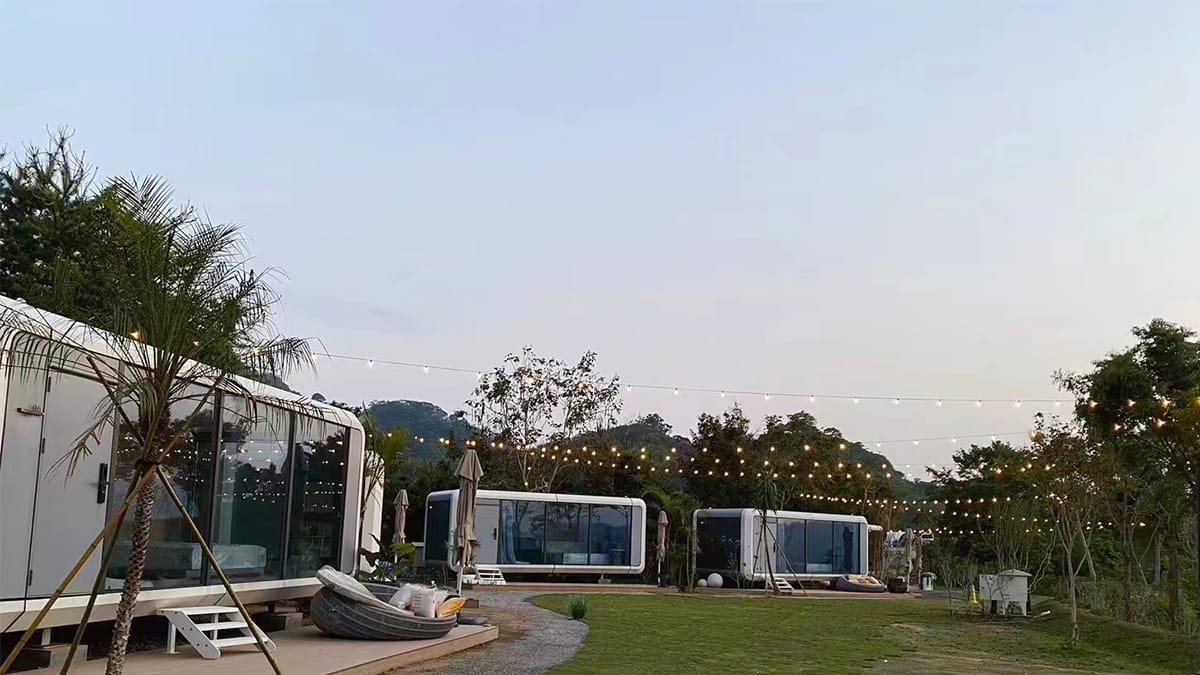
08 Sep Comparing Capsule Tiny Homes and Mobile Houses What Sets Them Apart
Table of Contents
If you want a home for simple living, you may wonder about the real differences between a capsule tiny home and a mobile house. Capsule tiny homes are small. They are easy to set up. People use them for short stays, like hotel capsules. Mobile houses have more room. They give you more privacy and comfort for living a long time. Look at this table to see how these two types of homes compare:
Feature | Capsule Tiny Homes | Mobile Houses |
|---|---|---|
Size | Smaller, high space efficiency | More living space (100 to 400 sq ft) |
Intended Use | Urban, short stays | Long-term living |
Portability | Quick relocation | More preparation needed |
Living Experience | Less privacy, suited for short stays | Comfortable and private |
Think about what is most important to you—space, privacy, or flexibility. Your choice will affect how you live every day in these homes.
Key Takeaways
Capsule tiny homes work well for short visits. They are small, simple to build, and great for travelers or short-term stays.
Mobile houses give you more room and comfort for living longer. They let you have privacy and feel like home, so they are good for families.
You should think about your lifestyle before picking one. Think about how much space you need, if you want privacy, and how often you will move.
Capsule homes usually cost less and use less energy. They help you save money on bills and are better for the environment.
Both choices have special good points. Think about what matters most to you to pick the best one for your life.
Design Differences
Capsule Tiny Home Design
Capsule tiny homes are made to use space well. Designers try to make every part useful. These homes look like pods or small boxes. They have a modern style with smooth shapes and smart layouts. The goal is to make the home feel new and easy to change.
Here’s a table that shows how design ideas affect how you use the home:
Design Philosophy | Influence on Intended Use |
|---|---|
Modularity | You can change the setup for different family sizes. |
Scalability | You add or take away space when your needs change. |
Eco-friendliness | You help the planet by living in a home made with green materials. |
Energy efficiency | You save money and use less energy with smart features. |
Customization | You pick layouts that fit your life, so your home feels right for you. |
Capsule houses use parts made ahead of time and green materials. The home is light and simple to move. The design is good for short stays, so you can set up fast and leave when you want. These homes feel more like a hotel room than a regular house. You do not get much privacy, but you can move easily. If you like saving space and want to try something new, capsule houses are special.
Tip: If you want a home that changes with you, modular capsule houses let you move or add space easily.
Mobile House Structure
Mobile houses feel different from capsule homes. When you walk in, it looks more like a small house. These homes use normal building materials, so they feel strong and safe. You get rooms for sleeping, eating, and relaxing. This gives you more privacy and comfort, which is good for long stays.
Here’s a table that compares capsule houses and tiny homes:
Aspect | Capsule Houses | Tiny Houses |
|---|---|---|
Materials | Prefabricated, eco-friendly | Traditional, flexible choices |
Layout | Compact, pod-like, space-saving | Small-scale, more living space |
Long-term Usability | Built for moving, fits a nomadic lifestyle | Stays in one place, feels more like a real home |
Tiny homes often have smart places to store things. You can hide your stuff and keep the home neat. The design makes the home seem bigger. If you want to live in one place for a long time, tiny homes give you comfort and privacy. You can make the space your own.
Capsule houses are best for short stays. You can change them easily.
Tiny homes are good for long stays. You get rooms and smart storage, which helps daily life.
Tiny homes feel more private and cozy. You can relax, cook, and sleep without feeling crowded.
If you want a home that moves with you, capsule houses are a good pick. If you want a warm place to stay, tiny homes give you more comfort and a steady home.
Size and Space
Capsule Houses: Space
When you step into capsule houses, you notice how every inch counts. These homes stand out because they use space efficiency to the max. Most capsule houses measure about 10.5 feet wide and 10.5 feet tall, which gives you more room than a standard container home. You get a standing height of almost 8 feet, so you can move around without feeling cramped. Some designs, like the X70 Cabin, even offer a two-room layout. This setup works well for couples or small families. You might find a private balcony, a bathroom, and a toilet inside, which makes daily life much easier.
Capsule houses often include smart features like Murphy beds. You can fold the bed away during the day and use the same area for other activities. Large windows let in lots of light, making the space feel bigger and more open. If you love the idea of a home that feels bright and flexible, capsule houses deliver that experience.
Note: Capsule houses are best for short-term stays or for people who want a simple, flexible lifestyle.
Tiny Houses: Space and Layout
Tiny houses give you more room to spread out compared to capsule houses. Most tiny houses range from 100 to 400 square feet. You get separate areas for sleeping, cooking, and relaxing. This makes tiny houses a great choice if you want to live in one place for a longer time.
Here’s a quick look at how the sizes compare:
Type of Home | |
|---|---|
Tiny Houses | 100 – 400 |
Mobile Homes | 600 – 1300 |
Tiny houses often have clever storage solutions. You might see stairs with built-in drawers or lofts for sleeping. These features help you keep your home tidy and organized. If you live alone or with a partner, a tiny house can feel just right. Families can also make it work, especially with smart layouts and multi-use furniture.
Tiny homes give you privacy and comfort. You can decorate and arrange the space to fit your needs. If you want a cozy place that feels like a real home, tiny houses offer that option.
Mobility
Capsule Tiny Home Portability
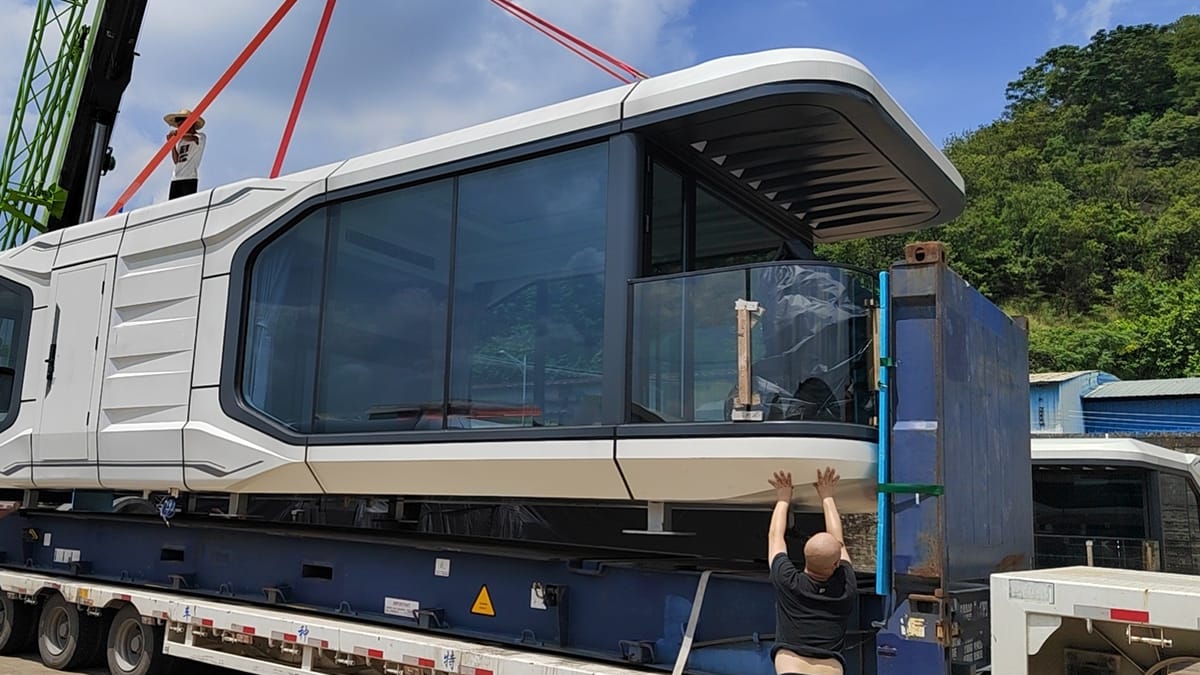
If you want a home that moves with you, a capsule tiny home makes life simple. You can pick it up and set it down almost anywhere. These homes are light and transportable, so you do not need a big truck or special tools. Many people use them for short trips, festivals, or as a quick guest room. You can even move one by crane or trailer. This makes it easy to change your view or live in new places.
Capsule tiny homes work well for people who like to travel or need a temporary place to stay. You can set up in a city, a backyard, or even a campground. The small size helps you find a spot almost anywhere. But before you park, you need to check the rules. Some cities have strict zoning laws. These laws can say where you can put your home or how long you can stay. Some places do not allow tiny homes on private land because they see them as camping.
Tip: Always ask your local zoning office about rules before you move your capsule tiny home. This saves you from fines or having to move again.
Mobile House Relocation
Mobile houses give you more space, but moving them takes more work. These homes are still transportable, but you need a bigger truck and more planning. You might need to hire a moving company. The size and weight make it harder to find a legal parking spot.
When you want to move a mobile house, you must follow road rules. Most states have height limits, usually less than 13.5 feet. If your home is too tall, you cannot drive it on public roads. You also need to think about where you will park. Many RV parks do not let in tiny homes unless they meet RV rules. Some towns only allow mobile houses in special parks or tiny home communities.
Here are some things to check before you move:
Zoning laws change from place to place. Always check local rules.
Some areas have minimum size rules for new homes.
Parking on private land may not be allowed if the home is seen as a camper.
Only certain parks or communities let you stay long-term.
Moving a mobile house is possible, but it takes time and planning. If you want to move often, a capsule tiny home is easier. If you want to stay in one place for a while, a mobile house gives you more comfort.
Durability & Weather Resistance
 Capsule Houses: Durability
 Capsule Houses: Durability
Capsule houses are made with strong materials. They use aviation-grade aluminum plates and galvanized steel. These help the house stay safe in bad weather. The house can last over 50 years, which is longer than most tiny homes.
Here’s a table that shows how each material helps the house last:
Material | Impact on Durability |
|---|---|
Steel | Makes the house stronger against wind and rust. |
Aluminum Alloys | Helps the house stand up to weather. |
Wood and Composite | Keeps the house warm and looks nice. |
Insulation Materials | Keeps heat in and saves energy. |
Exterior Coating | Stops water from getting in and causing damage. |
Capsule houses have insulated panels and foam inside. These keep you warm in winter and cool in summer. The outside coating stops leaks and rust from rain or snow. You do not need to fix things often. Capsule houses are easy to take care of. You get more time to enjoy your home.
Note: Good materials and special coatings help capsule houses last longer. Waterproofing keeps your home safe in tough weather.
Mobile Houses: Weather Performance
Mobile houses give you more space to live in. But you need to think about weather and repairs. Many mobile houses use wood for the frame. Wood feels warm, but it can get damaged by water. If you live where it rains a lot, you might see mold or rot. You may need to fix or change parts more often.
Capsule houses are made for cold places. They have good insulation and heating. Mobile houses can work in many places, but you should check what they are made of. If your mobile house uses wood, you might need more repairs. Capsule houses last longer and do not rot as fast as wooden homes.
Here are some things to remember:
Capsule houses need less fixing because they use strong materials.
Mobile houses may need more care if you live where it is wet or snowy.
Check your home every year for leaks, bugs, or damage.
If you want a home that lasts a long time and keeps you safe, capsule houses are a good choice. Mobile houses can be nice, but you must fix things to keep them safe.
Energy Efficiency
Capsule Tiny Home Features
When you go into a capsule tiny home, you feel how it keeps warm air inside. It also keeps cold air out. These homes use polyurethane foam insulation and special boards. The thermal resistance is 3.2m²·K/W. This is six times better than regular homes. You save money because the home uses about 65% less energy than normal houses. The air tightness is n50 = 0.45. This means less heat escapes and the air stays fresh.
Feature | Description |
|---|---|
Thermal Resistance | Polyurethane foam and extruded board, six times more efficient than standard materials |
Air Tightness | n50 = 0.45, keeps heat inside and improves air quality |
Overall Efficiency | Uses 65% less energy than regular homes, lowers your bills |
Capsule tiny homes are made to be eco-friendly. You can live off-grid with solar panels and wind turbines. Battery storage lets you use green energy at night. These homes collect rainwater and use composting toilets. You do not need city water or sewer lines. If you want a simple life, capsule homes help you live green and save energy.
Tip: Capsule tiny homes have smart energy features. They help you save money and protect the planet.
Tiny Homes: Utilities
Tiny homes also try to save energy, but they use other ways. You can add better insulation and seal up air leaks. Many people put in energy-saving windows and doors. LED lights and smart thermostats help you use less power. Some tiny homes have special roofs that reflect sunlight.
Here are ways to save energy in tiny homes:
Upgrade insulation and windows
Install LED lights and energy-saving appliances
Add foam gaskets for outlets
Use motion sensors for lights
Most tiny homes connect to city utilities, but some can work off-grid. You can add solar panels or rainwater systems if you want. Tiny homes let you choose how much you use outside services. If you like simple and green living, tiny homes give you many ways to save energy.
Note: Tiny homes let you pick the best energy-saving features. You can mix comfort, savings, and green living your way.
Cost Comparison
 Capsule Houses: Costs
 Capsule Houses: Costs
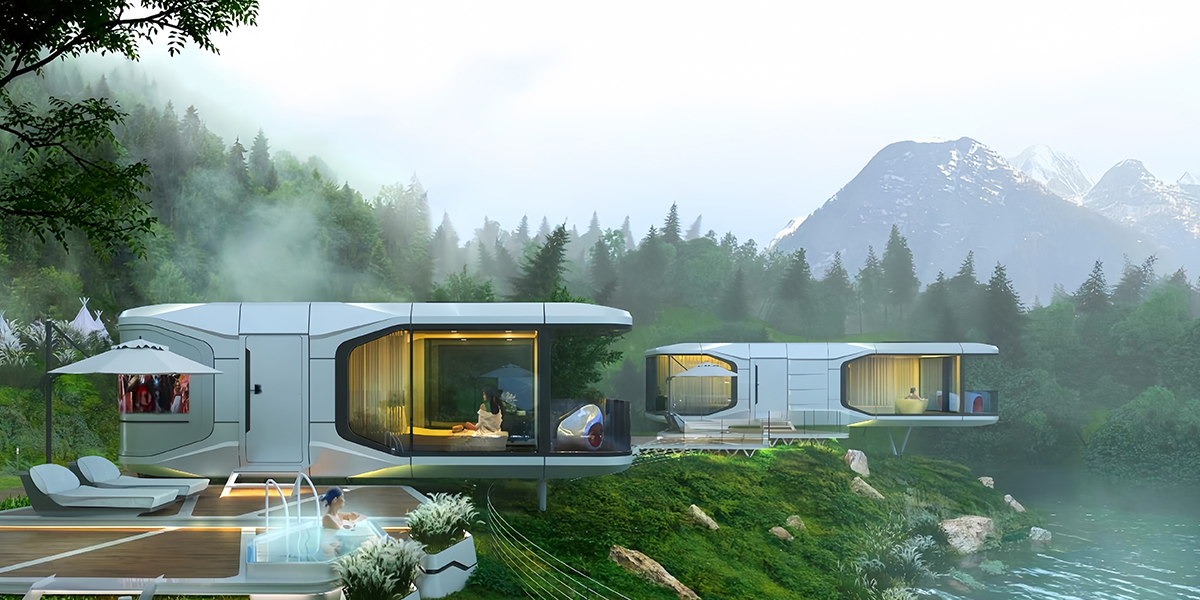
When you look at capsule houses, you notice the price right away. These homes cost less than most regular houses. You can often buy a compact house for about $67,000. Some models, like Vessel Homes, start at $23,000 and go up to $70,000, depending on size and features. If you add all the costs, you might spend between $35,000 and $100,000 for a fully installed home. This makes capsule houses a smart choice if you want to avoid a big mortgage.
Capsule houses use advanced insulation and energy-saving systems. You spend less on heating and cooling.
You do not need to pay for as many repairs because the materials last a long time.
Many people use capsule houses as vacation rentals or guest spaces. You can even earn extra money by renting them out.
Capsule houses are popular in places like Mexico because they are affordable and help you live simply. You get a home that saves money and uses less energy. This cost-saving design makes them a good investment for many buyers.
Tip: If you want a home that is easy on your wallet and helps you save on bills, capsule houses are worth a look.
Tiny Houses: Affordability
Tiny houses also stand out for their affordability. You can find some tiny houses for as low as $55,000. On average, tiny houses cost about 38% less per square foot than regular homes. This lower price means you can often pay cash and skip the stress of a mortgage.
Tiny houses give you more space than capsule houses, but you may spend more on energy if the home does not have special insulation. You can still save money by choosing energy-efficient windows and appliances. Many people use tiny houses as their main home, a vacation spot, or even a rental property. This flexibility adds to their value.
Here is a quick look at the costs:
Home Type | Average Upfront Cost | Ongoing Expenses | Investment Potential |
|---|---|---|---|
Capsule Houses | $35,000 – $100,000 | Low (energy, repairs) | Good for rentals, guest use |
Tiny Houses | $55,000+ | Varies (energy, repairs) | Good for living, rentals |
If you want a home that fits your budget and helps you live simply, tiny houses offer great affordability. You can use them in many ways, which makes them a smart choice for different lifestyles.
Note: Both capsule houses and tiny houses can help you save money, but your best pick depends on your needs and how you plan to use your home.
Comfort & Livability
Daily Life in Capsule Tiny Homes
Think about waking up in a capsule tiny home. You have what you need in a small space. Sleeping feels warm and safe, but you get less privacy. The bed folds up, so you can use the space for other things. Cooking is easy with a small kitchen and simple appliances. The bathroom is small, but you can still wash up. Cleaning is fast because there is not much to clean.
Capsule houses help you live with less stuff. You keep only what is important. This makes your home feel open and peaceful. You spend less on bills and repairs. You can move your home if you want a new place. Many people like this because it makes life more fun.
Here is a table that shows the main benefits:
Benefit | Description |
|---|---|
Flexibility | Move your home easily and change your view |
Cost-Effectiveness | |
Minimalism | Keep only what you need and enjoy a clutter-free space |
Sustainability | Live in an eco-friendly way |
Community | Meet others who enjoy tiny homes and share ideas |
You might notice you do not get much privacy. The small size means you hear more noise from outside. You cannot add many decorations or big furniture. If you like simple living and want to try something different, capsule tiny homes are a good choice.
Living in Mobile Houses
Tiny houses give you more comfort every day. You get a real bedroom, a kitchen with big appliances, and a bathroom with space to move. Sleeping is private because you can close a door. Cooking is better because you have more room for food and tools. Bathing is easier with a bigger shower or tub.
Tiny homes let you make the space your own. You can add shelves, walls, or decorations. You pick colors and furniture you like. Privacy is better than in capsule tiny homes. You can make quiet spots for reading or working.
Here is a table that compares privacy and personalization:
Feature | Tiny Houses | Capsule Tiny Homes |
|---|---|---|
Smart Home Features | High-tech options for comfort | Built-in energy-saving systems |
Customization Options | Moveable walls, flexible furnishings | Limited due to compact design |
More privacy with separate rooms | Less privacy, open layout |
If you want to live in your home for a long time, tiny houses are more comfortable. You get space to change things as you grow. For short stays, capsule tiny homes work well. You save money and live simply. Think about what you want most—privacy, space, or being able to move. Your choice will change how you live each day.
Choosing What Fits
Lifestyle Questions
You want a place that matches your life. Before you pick a home, ask yourself a few questions. Do you need space for a family, or do you live alone? Will you move often, or do you want to settle down? Do you like keeping things simple, or do you need room for hobbies and guests?
Here’s a table to help you see which size fits your needs:
Size | Description |
|---|---|
8’ x 12’ | Good for one person. You get a foldable bed and built-in storage. |
10’ x 16’ | Works for couples or small families. You have a kitchenette and a separate bathroom area. |
12’ x 20’ | Fits a small family or can be an office or studio. You get adaptable furniture. |
Think about the 80/20 rule. You use only the things that matter most. This helps you keep your living space neat and easy to manage. If you want to move your home, mobile houses give you that freedom. Compact living also helps you live a greener life.
Tip: Write down what you need most in your daily living. This makes it easier to choose between tiny houses and mobile homes.
Real-Life Scenarios
Let’s look at how people use these homes in real life. In Japan, capsule houses help travelers save money and space. Hotels use them in busy cities so guests get a simple place to sleep. If you want a budget-friendly trip, this option works well.
In crowded cities, micro prefab homes solve housing problems. They offer affordable places to live for people who want their own space. You get a small, cost-effective unit that supports your lifestyle.
If you travel a lot, a capsule home gives you quick shelter.
If you want to own a home in a city, tiny houses make it possible.
If you care about the planet, compact living helps you use less and waste less.
Ask yourself what matters most. Do you want to move often, save money, or have more privacy? Your answers will help you pick the right home for your life.
Picking a capsule tiny home or a mobile house depends on what matters to you. Here are some good and bad points:
Pros | Cons |
|---|---|
Living with less stuff can be hard | |
Good for the planet and saves resources | Not much room for your things |
Can use solar or wind power | Rules may say where you can put your home |
Think about what you need every day, how much money you have, and if you want to move a lot. If you want to learn more, look at companies that make these homes. They can give you helpful tips to pick the best one.
FAQ
What is the main difference between a capsule tiny home and a mobile house?
Capsule tiny homes are smaller and work best for short stays. Mobile houses give you more space and comfort for long-term living.
Can you move a capsule tiny home by yourself?
You can move most capsule tiny homes with a trailer or crane. You do not need a big team. Always check local rules before you move.
Do capsule tiny homes have bathrooms and kitchens?
Many capsule tiny homes include a small bathroom and a basic kitchen. You get the essentials, but space is limited.
Which option costs less to maintain?
Capsule tiny homes usually cost less to maintain. They use strong materials and need fewer repairs. Mobile houses may need more care, especially in wet climates.