

29 Apr 10 Cost-Effective Resort Alternatives for Smart Travelers
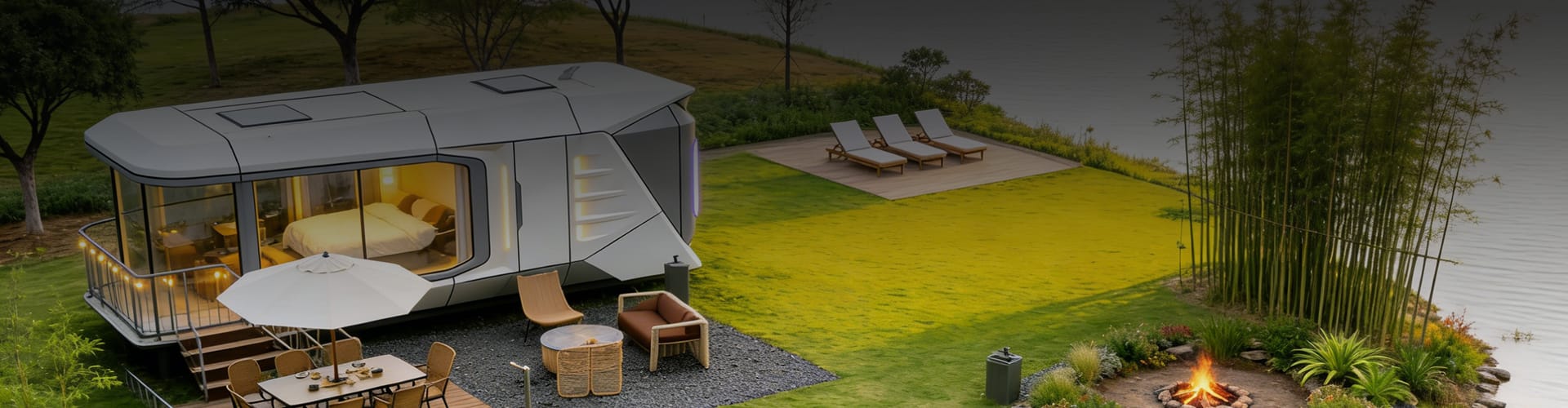
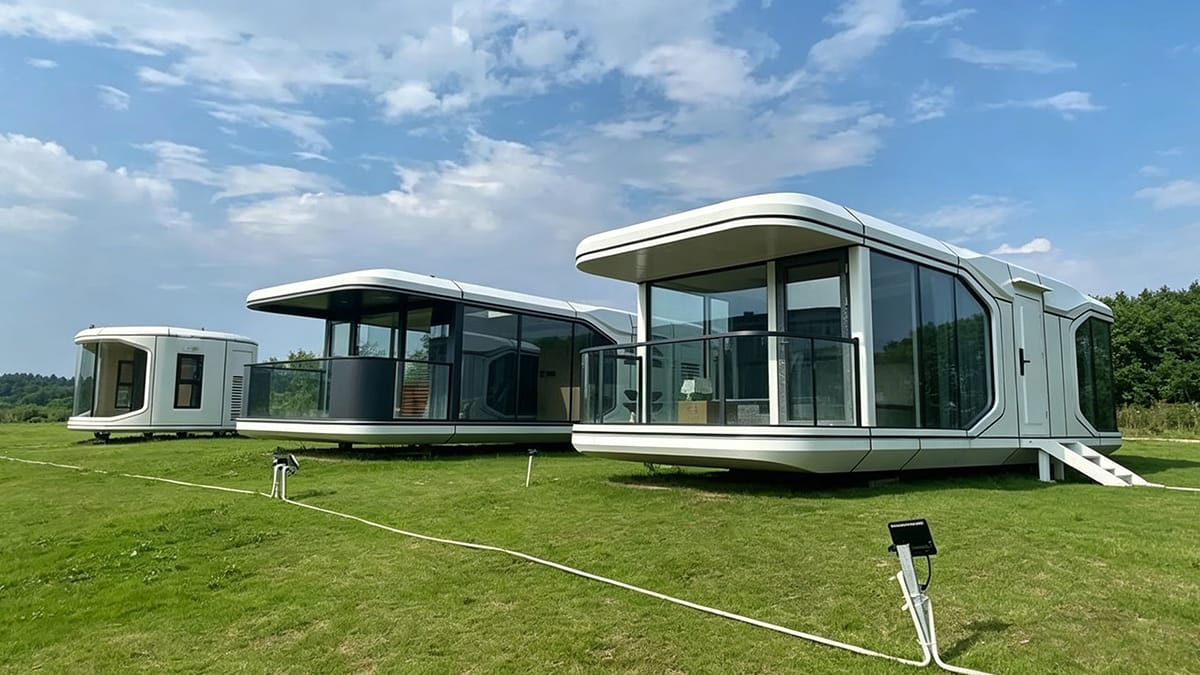
You do not need to spend a lot to find great places to stay. Over 65% of travelers choose cheaper hotel alternatives. They want to save money, have special experiences, and enjoy more freedom. The short-term vacation rental market is getting bigger worldwide. This happens because travelers want their own space and fun places to stay. If you want to save money, you can still find comfortable and fun options. Even a resort capsule house gives you good value. The resort capsule house price lets you try something different easily.
Key Takeaways
Check out vacation rentals like Airbnb for special places to stay. You can save a lot of money compared to hotels. – Think about hostels and capsule hotels if you want to spend less. These places let you meet new people and still have your own space. – Try house-sitting or homestays to learn about local life. You can also save money on where you sleep. – Look at home exchanges for a cheap way to travel. You get to stay in a real home and feel comfortable. – Pick eco-resorts if you want to help the planet. These places are good for nature and help people who live nearby.
Vacation Rentals & Airbnb
What to Expect
When you book vacation rentals or airbnb, you open the door to a world of choices. You can stay in a cozy apartment, a big house, or even a treehouse. Some people pick barns, shipping containers, or cabins for a fun twist. These non-hotel accommodations often give you more space than a hotel room. You get a kitchen, a living area, and sometimes a backyard. You can find places in the city, by the beach, or in the mountains. Every stay feels different and special.
Key Benefits
Vacation rentals and airbnb help you save money and feel at home. You can cook your own meals and relax in a private space. Many families and groups choose vacation rentals because everyone can stay together. Take a look at how much you can save in different places:
Location | Hotel Cost | Airbnb Cost | Percentage Saving |
|---|---|---|---|
Yosemite, California | $206 | $646 | 68.14% |
Boston, Massachusetts | $397 | $172 | 131% |
Zion National Park, Utah | $456 | $284 | 61.57% |
Maui, Hawaii | $625 | $426 | 47.27% |
Niagara Falls, Canada | $98 | $254 | 61.29% |
Ibiza, Spain | $266 | $368 | 28.78% |
Vatnajokull Ice Caves, Iceland | $151 | $207 | 26.97% |
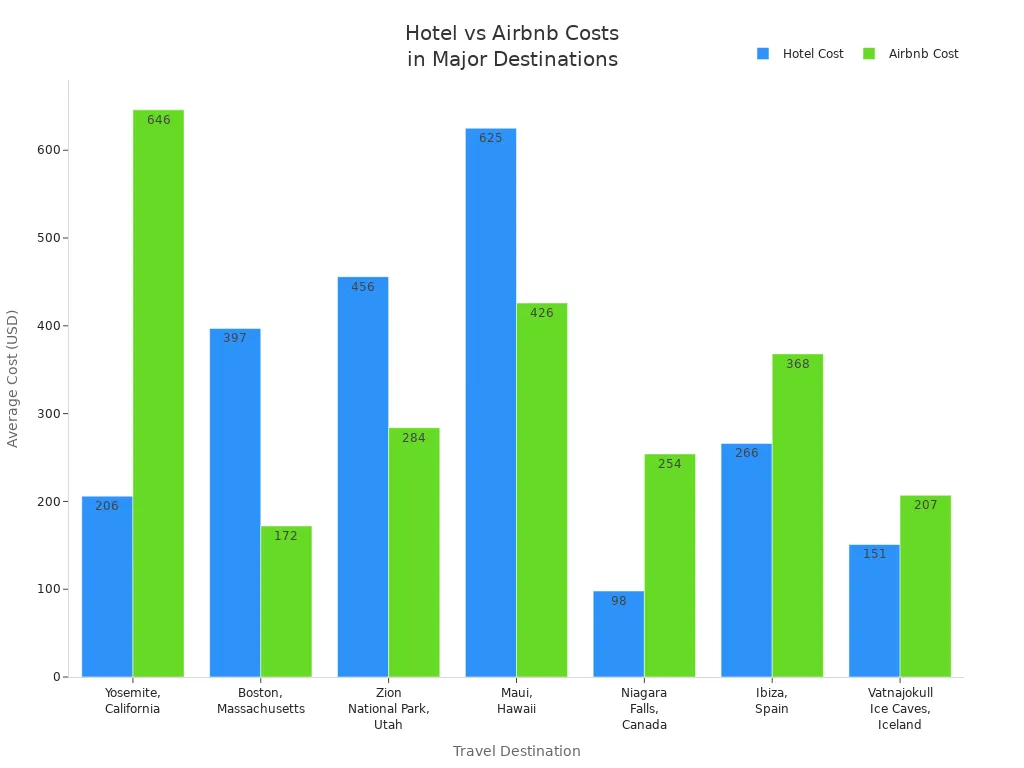
You can see that vacation rentals often cost less than hotels, especially in big cities and popular spots.
Booking Tips
You have many ways to book vacation rentals. Here are some top platforms:
airbnb: Offers many short-term rentals and uses smart tools to help you find the best fit.
Vrbo: Great for whole-home rentals, perfect for groups.
Expedia: Lets you book vacation rentals along with flights and cars.
Sonder: Blends hotel comfort with the feel of a home.
OYO: Focuses on affordable and simple stays.
Always read reviews and check the rules before you book. Try to book early for the best deals. If you want a unique experience, search for treehouses, barns, or other special vacation rentals. You can find great value and make your trip extra memorable.
Hostels & Capsule Hotels
Hostel Features
You might want to meet new people and save money. Hostels give you both. These places are some of the most popular cheap alternatives to hotels. You usually find shared dorm rooms, communal kitchens, and lounge areas. Hostels attract backpackers, solo travelers, and digital nomads. Most guests are between 18 and 30 years old. You can cook your own meals, join group tours, or just hang out with other travelers. Hostels make it easy to connect with others and share stories. If you want a social vibe, you will love this option.
Resort Capsule House Price & Value
Capsule hotels are another cheap alternative to hotels. They offer small, private pods instead of big rooms. You get your own space, but you pay much less than a regular hotel. Resort capsule house price is one of the main reasons travelers pick this option. In big cities, you can see the difference in cost:
City | Season | Hostel Bed | Budget Hotel | Frequent Fees |
|---|---|---|---|---|
New York | July 2025 | $62 | $129 | $34 ‘destination’ fee (hotel); $10 deposit (hostel) |
Bangkok | Nov 2025 | $11 | $24 | 5% service charge (hotel/hostel) |
Prague | Jan 2026 | $18 | $47 | $2 city tax nightly (both) |
Resort capsule house price stays low even in busy seasons. You pay less and still get privacy. Capsule hotels used to attract business travelers, but now tourists love them too. You can find clean pods, lockers, and sometimes even small TVs. If you want a quiet place to sleep, this is a smart choice.
Booking Advice
You can book hostels and capsule hotels online. Look for reviews and check what amenities they offer. Some hostels have free breakfast or walking tours. Capsule hotels often list the resort capsule house price right on their website. Compare prices and see which cheap alternatives to hotels fit your needs. Try to book early, especially in busy cities. If you want privacy, go for a capsule hotel. If you want to meet people, pick a hostel. Both options help you save money and enjoy your trip. Resort capsule house price makes it easy to try something new without spending too much. You can find cheap alternatives to hotels that match your style and budget. Resort capsule house price gives you flexibility and value every time.
House-Sitting & Homestays

How It Works
You might wonder how house-sitting and homestays compare. House-sitting means you stay in someone’s home while they are away. Your main job is to take care of their house and pets. You might water plants, collect mail, or walk a dog. In return, you get to live in a real home for free. Homestays let you stay with a local family. You get your own room and share meals or daily life with your hosts. Both options give you a real taste of local life, but house-sitting usually comes with more responsibilities.
Unique Perks
You can save a lot of money with house-sitting. Many travelers save between $100 and $400 or more each night compared to hotels. Sometimes, you pay nothing at all for your stay. You also get to enjoy a cozy home, a kitchen, and maybe even a furry friend to keep you company. Homestays or couchsurfing give you a chance to meet locals and learn about their culture. You might join family dinners or explore hidden spots in the city. Here’s a quick look at what you might do and what you get:
Responsibilities | Benefits |
|---|---|
Watering gardens and plants | Live like a local |
Keeping the home clean | Companionship with pets |
Collecting mail | Access to home amenities |
Tip: If you love animals, house-sitting can feel like a vacation with a built-in pet friend!
Finding Opportunities
You can find house-sitting or homestays online. Many websites connect travelers with homeowners who need help. Look for trusted platforms and read reviews before you sign up. Make sure you understand what the homeowner expects. If you want to try something new, start with a short stay. You might discover that house-sitting is your favorite way to travel and save money.
Home Exchanges
Exchange Basics
You might want to try something new for your next trip. Home exchanges let you swap your house with someone else. You stay in their home, and they stay in yours. This is called a house swap. You can find families or solo travelers who want to visit your city. You both agree on dates and details. Most home exchanges use trusted websites. You pay a one-time annual membership fee, usually around $235. After that, you can swap as many times as you want. You get a real home, not just a room.
Benefits
Home exchanges give you big savings and a cozy experience. You do not pay for your stay, so you save over $1,000 compared to hotels. You get a kitchen, so you can cook meals and save $70–$150 each day on food. Parking is free, while hotels may charge $30–$60 per night. Many home exchanges welcome pets, so you avoid kennel fees that can reach $40–$70 per day. Here are some reasons why you might love a house swap:
You save money on lodging, food, and parking.
You enjoy home comforts like a kitchen, laundry, and backyard.
You can bring your pets along.
You live like a local and explore neighborhoods.
Tip: Home exchanges work well for families who want space and privacy.
Arranging a Swap
You can start a house swap by joining a home exchange website. Fill out your profile and add photos of your home. Search for places you want to visit. Send messages to other members and discuss your plans. Agree on the dates and swap details. Make sure you talk about house rules and any special needs. Some sites offer contracts to help you feel safe. You can swap homes at the same time or choose a non-simultaneous exchange. Home exchanges give you flexibility and let you travel more often.
Farmstays & Rural Retreats

Farmstay Experience
Imagine waking up to the sound of roosters instead of traffic. You can step outside and see rolling fields, barns, and animals. Farmstays let you stay in real farmhouses or converted barns. You get a chance to join daily farm life. You might feed goats, collect eggs, or help with crop harvesting. Some places offer cooking classes where you use fresh ingredients from the farm. You can enjoy home-cooked meals that taste better than anything from a hotel buffet. Many farmstays sit in beautiful rural settings, far away from busy crowds. You get peace and quiet, plus a chance to learn new skills.
Tip: If you love animals or want to try something new, farmstays give you hands-on experiences you will remember.
Value & Comfort
You might think rural retreats mean roughing it, but you can find comfort and style. Some farmstays offer luxury amenities like hot tubs, cozy fireplaces, and private gardens. You can stay at working farms and join in daily chores, or pick a vineyard in wine country for a more relaxed vibe. Organic farms focus on sustainable practices, so you know your stay helps the planet. If you want something simple, you can try a campground with cabins for a rustic but comfortable option. Farmstays often cost less than resorts, and you get more space and privacy. You can bring your family or friends and enjoy a unique getaway.
Booking Tips
You can book farmstays online through travel platforms or farmstay-specific websites. Look for reviews and check what activities are included. Some places let you pick fruit, join cooking classes, or explore hiking trails. Ask about meal options and amenities before you book. If you want a luxury experience, search for farm resorts or vineyard stays. For a more hands-on adventure, choose a working farm. Book early during harvest season or school breaks, since farmstays fill up fast. You can find the perfect rural retreat for your next trip.
Glamping & Unique Stays
Glamping vs. Camping
You might love the idea of sleeping under the stars, but not everyone wants to rough it in a tent. Glamping, or “glamorous camping,” gives you the best of both worlds. You get the outdoor adventure, but you also enjoy real beds, hot showers, and sometimes even air conditioning. Many glamping sites offer safari tents with comfy mattresses, treehouses with Wi-Fi, or eco-pods with private hot tubs. You can relax in nature without giving up comfort. Traditional camping usually means basic gear and simple meals. Glamping lets you enjoy the wild with a touch of luxury.
Tip: If you want to try camping but still want a cozy bed, glamping is a great choice.
Unique Options (Yurts, Treehouses, Eco-Pods)
You have so many unique places to stay when you travel. Yurts are round tents that feel warm and inviting. A treehouse stay lets you sleep high above the ground, surrounded by leaves and birds. Some treehouse rentals even have swings or rope bridges. Eco-pods are small, modern cabins that use green energy. You might find floating eco-pods on a lake or pods hidden in the woods. These options make your trip feel special and different from a regular hotel.
Here’s a quick look at what you might pay for these unique stays:
Type of Stay | Average Price Range |
|---|---|
Glamping Pods | |
Standard Hotels | Generally lower |
You pay a bit more for a treehouse or eco-pod, but you get an experience you will never forget.
Booking Strategies
You can find these cool stays on travel sites like Airbnb, Glamping Hub, or even local tourism websites. Always check reviews and look at photos before you book. Try to book early, especially if you want a popular treehouse or yurt. Some places fill up fast during holidays or summer. If you want to save money, look for weekday deals or off-season rates. Ask about what’s included, like breakfast or guided hikes. With a little planning, you can find a unique spot that fits your budget and style.
Eco-Resorts & Sustainable Lodging
What Are Eco-Resorts?
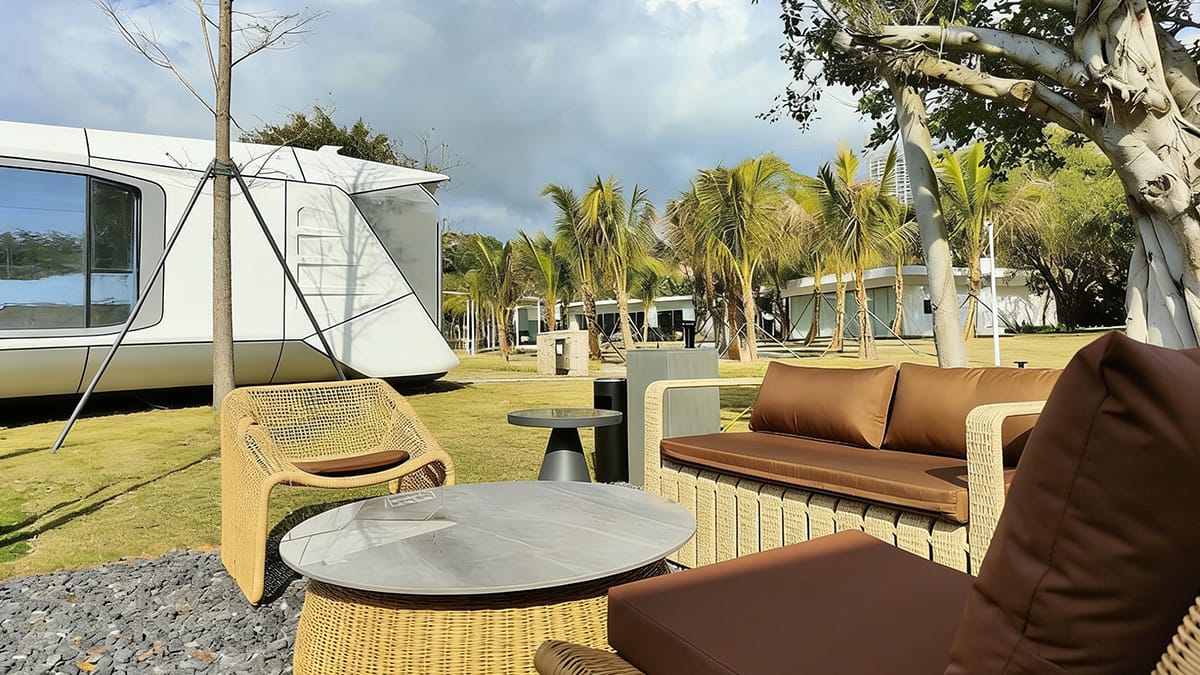
You might ask how eco-resorts are not like regular hotels. Eco-resorts try to protect nature and help people who live nearby. They use green materials to build and save water. Many use solar or wind power for energy. You will see recycling bins and signs about saving energy.
Eco-resorts use eco-friendly building, green energy, and good waste rules. They save water and work with local people. These things show they care about the earth and the community.
An eco-resort tries to have zero carbon and keep nature safe. It works with local people and teaches guests and workers about being green.
You do more than sleep at an eco-resort. You also learn how to help the planet.
Comfort & Sustainability
Some people think eco-resorts are not comfy, but that is wrong. Many eco-resorts have soft beds, yummy food, and fun things to do. You can stay in a bamboo cabin or swim in a pool made by nature. Some have yoga classes in the woods or spas that use local plants.
Travelers today want special trips, not just fancy things. Eco-resorts give you cool experiences and care about the earth. Regular hotels often care more about luxury and not about the planet.
You get to enjoy nature and feel proud of your choices. You help the earth and still have lots of fun.
Booking Eco-Friendly Stays
You can find eco-resorts in many places around the world. Here are some tips for booking your next green trip:
Look for eco-certifications like Green Key or EarthCheck.
Read reviews to see if the place is really green.
Ask how they save water and energy.
Pick places that help local workers and farmers.
Tip: Book early if you want to stay at a popular eco-resort. They fill up fast, especially on holidays!
You can have a comfy stay and know you are helping. Eco-resorts are a smart and kind way to travel.
Academic & Religious Housing
Academic Housing Options
You can save money by staying in academic housing. Colleges and universities rent out dorm rooms when students leave. This happens during summer or winter breaks. These places are often in the middle of the city. You can walk to museums, parks, and restaurants nearby. Here are some choices you might find:
Extended-stay hotels close to colleges
Airbnb or VRBO rentals in college towns
Furnished apartments from sites like Furnished Finder
RVs or cabins near universities in pretty areas
Cities have more options, but small towns have cool places too. You need to look early to find the best spots. Some academic housing comes with furniture. You get a bed, a desk, and sometimes a kitchen. Extended-stay hotels usually have laundry rooms and free Wi-Fi. You get comfort and good value, especially when school is out.
Religious Stays
You can also stay in religious housing for a quiet trip. Monasteries, convents, and retreat centers welcome travelers. These places have simple, clean rooms with basic things you need. You might share a bathroom or eat in a big dining room. Many religious stays cost less than budget hotels. You can save $30 to $70 each night. Some even give you breakfast or dinner.
Here’s a quick comparison:
Option | Average Cost | Amenities | Atmosphere |
|---|---|---|---|
Religious Stay | Low | Basic, sometimes meals | Quiet, peaceful |
Budget Hotel | Higher | More amenities | Busy, standard |
Religious housing is calm and restful. You might meet other guests or join local events.
Booking & Etiquette
You can book academic or religious housing on the internet. Check college websites or special booking sites for dorms. For religious stays, look for monastery or convent guesthouse websites. Always read reviews and see what is included.
Tip: Follow the rules. Many religious stays have quiet times or dress codes. Ask about meal times and shared spaces before you go.
You get a special experience and save money. Academic and religious housing can make your trip fun and cheap.
Boat Stays & Floating Lodging

Houseboats & Floating Pods
You can sleep right on the water when you pick a boat stay. This type of lodging feels like an adventure. You might choose a cozy houseboat on a calm river or a floating pod on a quiet lake. Some travelers love sailboat rentals. If you know how to sail, you can take the boat out yourself. Others prefer yacht charters with a crew. You just relax while someone else steers. Many cities have old boats turned into floating hotels. You get a real bed and all the basics, but your room rocks gently with the waves.
Here are some popular types of boat stays you can try:
Sailboat rentals for experienced sailors
Yacht charters with crew and catering
Converted boats used as floating hotels
Benefits & Cost
Boat stays give you a unique view every morning. You wake up to water, birds, and sometimes city lights. You can fish, swim, or just watch the sunset from your deck. Many boat stays cost less than fancy resorts, especially if you travel with friends or family. You split the price and get the whole boat to yourself. In some places, you pay $80 to $200 per night for a houseboat. Yacht charters cost more, but they include meals and a crew. Amsterdam canal boats, Kerala backwater houseboats, and Caribbean sailing adventures are famous for their charm and value.
Tip: If you want a special memory, try a boat stay for at least one night. You will remember it forever!
How to Book
You can book boat stays online. Many travel sites list houseboats, floating pods, and even yachts. Look for reviews and check what is included. Some boats have kitchens and Wi-Fi. Others offer guided tours or meals. Always ask about safety and parking. Popular destinations for boat stays include:
Amsterdam’s canals
Kerala’s backwaters
The Mediterranean coast
The Caribbean islands
Book early if you want the best spots. Boat stays fill up fast during holidays and summer. You can find a floating lodging that fits your budget and style.
Work Exchanges
How Work Exchanges Operate
You can join a work exchange if you want to travel and save money. Hosts welcome you into their homes or projects. They give you free food and a place to stay. In return, you help with daily tasks. You might work in a garden, clean rooms, or help with computer jobs. Some hosts run farms, hostels, or eco-lodges. You become part of their team. You also join community life and learn new skills. Long-term swaps let you stay for weeks or months. This flexibility helps if you have a busy schedule or want to explore a new culture.
You get more than a bed. You become part of a local family or group. You share meals, stories, and daily routines.
Savings & Cultural Immersion
Work exchanges help you save a lot of money. You do not pay for your room or food. Sometimes, you only spend a little on travel. Many travelers use work exchanges to cut costs and focus on job interviews or applications. You can secure free or very low-cost lodging. This means you keep more money for fun activities or sightseeing.
You save on accommodation and meals.
You spend less and travel longer.
You meet locals and learn about their culture.
You get a deeper experience than just couchsurfing or staying in a hotel. You join in daily life and make new friends. You see how people live and work in different places.
Finding Opportunities
You can find work exchanges online. Many websites list hosts who need help. Look for trusted platforms and read reviews. Some sites focus on farms, others on hostels or eco-projects. You can also ask about couchsurfing with work exchange options. Make sure you understand what the host expects. Ask about hours, tasks, and what you get in return.
Platform | Type of Work | Typical Stay Length |
|---|---|---|
Workaway | Farm, hostel, NGO | 2 weeks – 3 months |
WWOOF | Organic farming | 1 week – 6 months |
HelpX | Home, hostel | 1 week – 2 months |
Start with a short stay if you are new. You can try different jobs and see what you like. Work exchanges give you a chance to travel, save money, and make lasting memories.
How to Choose Alternative Accommodations

Factors to Consider
You want to pick the best place to stay. There are many hotel room alternatives to think about. Decide what is most important for your trip. Some choices are good for families. Others are better for people traveling alone. Here are some things to look at:
Suite rooms give families more space and a kitchen.
Motels have their own style and feel different.
Bed & Breakfasts let you meet the owners and feel at home.
Vacation rentals can be condos, cottages, or other homes.
Monasteries are a special pick, especially for solo women.
Lodges and campgrounds can be fancy in national parks.
Hostels, backpackers, and guest houses work for all ages and budgets.
You can choose hotel room alternatives that fit your needs. This helps make your trip special.
Matching to Your Travel Style
Your travel style helps you pick the right place to stay. Look at this table to see how hotel room alternatives match your budget and style:
Accommodation Type | Description | Suitability for Budget | Travel Style |
|---|---|---|---|
Hotels | Traditional lodging with various price ranges. | Varies | General travelers |
Short-term Rentals | Renting a property for a short duration, often with amenities. | Flexible | Families, groups |
House Sitting | Staying in someone’s home for free in exchange for caretaking. | Very low | Budget travelers |
Bed and Breakfasts | Offers a more personal experience with meals included. | Moderate | Couples, solo travelers |
Home Swaps | Exchanging homes with another traveler, saving on accommodation costs. | Low | Adventurous travelers |
Think about your main reason for the trip. Maybe you want to learn about new cultures, relax, or have an adventure. Look for experiences you want, not just the price. Use short-term rental sites to find hotel room alternatives that fit you.
Practical Tips
You can avoid mistakes when booking alternative accommodations. Here are some tips to help you:
Book at the right time. If you book late, you get fewer choices and higher prices. If you book too early, you might miss better deals.
Always read the fine print. Check for extra fees and rules.
Look at reviews from other travelers. This helps you know what to expect.
Compare prices on different websites. You might find a better deal.
Make sure your booking details are correct before you travel.
Tip: Remember travel insurance. It helps you if something goes wrong.
You can find hotel room alternatives that save money and give you a cool experience. These places give you comfort and let you pick what fits your style and budget.
You have so many ways to make your next trip special without spending a lot. Affordable hotel alternatives give you:
Choices for every style and budget
You get more than just a bed. You can meet locals, try new things, and enjoy real comfort. Why not try one of these options next time? Share your favorite finds or tips in the comments below!
FAQ
What is the best way to find affordable hotel alternatives?
You can search on travel sites like Airbnb, Hostelworld, and Vrbo. Read reviews and compare prices. Try booking early for the best deals. Look for unique stays like treehouses or farmhouses.
Are alternative accommodations safe?
Most options are safe if you check reviews and ratings. Always ask questions before booking. Look for verified hosts and trusted platforms. If you feel unsure, pick places with lots of positive feedback.
Can you stay in a hostel if you travel with family?
Yes, many hostels offer private rooms for families. You get shared kitchens and common areas. Some hostels even have playrooms or family-friendly activities. Ask about room types before you book.
Do you need special skills for work exchanges?
You do not need special skills for most work exchanges. Hosts teach you what to do. You might help with gardening, cleaning, or simple tasks. If you have skills, let your host know. You can find a good match.
How do you know if an eco-resort is truly sustainable?
Look for eco-certifications like Green Key or EarthCheck. Read guest reviews and check if the resort uses green energy, recycles, and supports local workers. Ask questions before you book.