


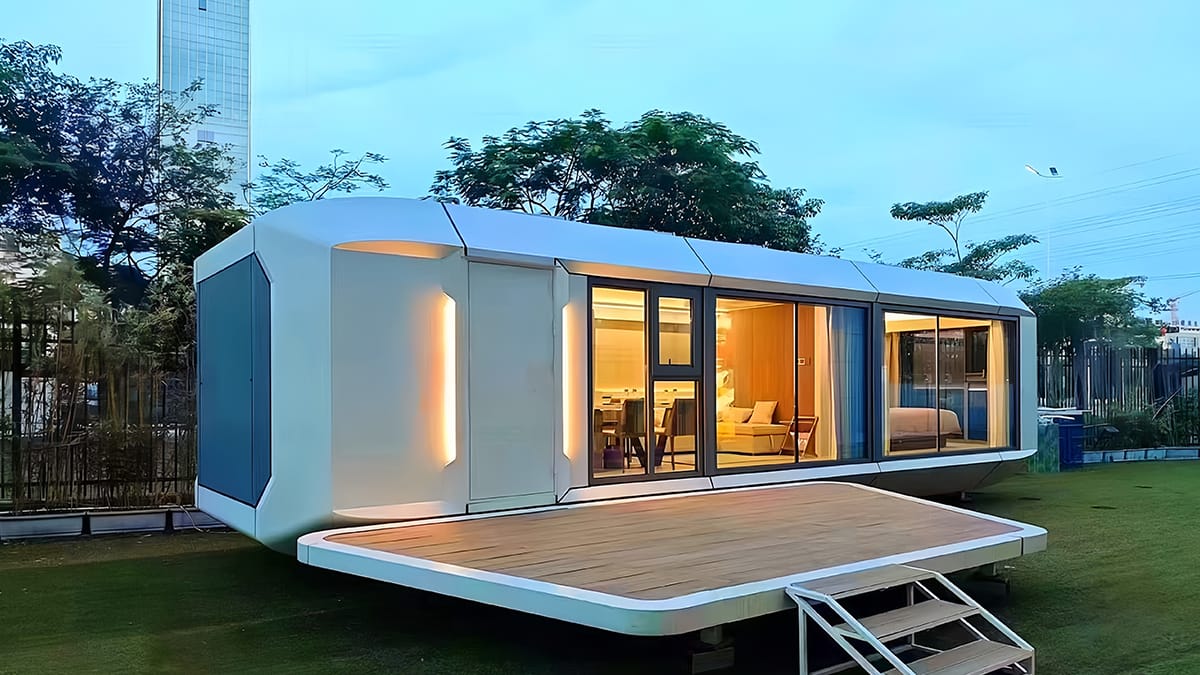
14 Nov The Differences Between Mobile Houses And Tiny Homes On Wheels
Table of Contents
You may ask what makes mobile homes different from tiny homes on wheels. Many people want a home they can move. Both choices have special good points. Today, around 22 million people in the U.S. live in mobile homes. More than 10,000 tiny homes are found across the country. People choose a tiny house or mobile home for reasons like moving easily, being independent, and helping the environment. You can compare them by design, features, price, how easy they move, laws, and how they fit your life.
Key Takeaways
- Tiny homes on wheels are smaller than mobile homes. They are easier to move. You can take them to new places easily.
- Mobile homes have more space and feel more comfortable. But they are harder to move. Most mobile homes stay in one spot.
- Tiny homes cost more for each square foot. But they use less energy. They help people live a simple life.
- You should check local laws before picking a home. Make sure you can park and live where you want.
- Think about what you need in a home. You should think about space, moving, and money. This will help you choose between a tiny home and a mobile home.
Definitions
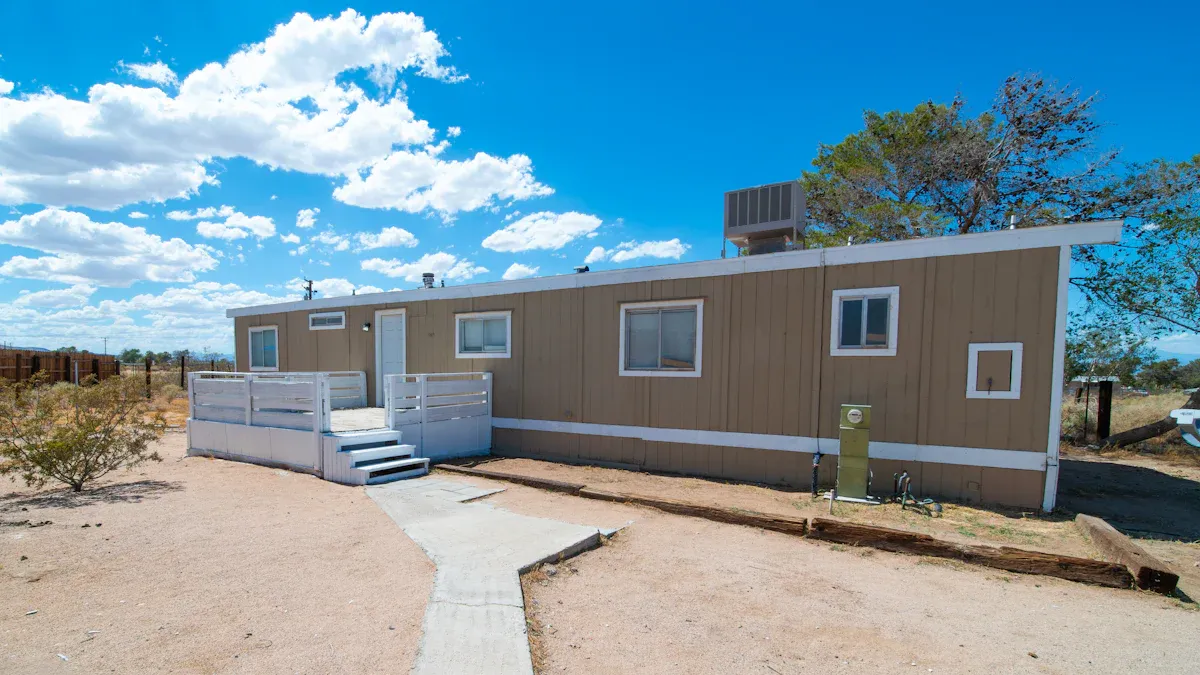
What Are Mobile Homes?
When you hear the term mobile homes, you might picture a house that can move from place to place. In the United States, mobile homes have a specific meaning. The U.S. Department of Housing and Urban Development (HUD) says mobile homes are factory-built homes made before June 15, 1976. After that date, new rules came in, and homes built under those rules are called manufactured homes. These homes usually sit in a mobile home park or on private land. They can be moved, but most people keep them in one spot for years.
Here’s a quick look at how HUD defines these homes:
| Type of Home | Definition |
|---|---|
| Mobile Home | Factory-built homes constructed before the HUD Code effective date of June 15, 1976. |
| Manufactured Home | Built to HUD code after June 15, 1976; often larger and more modern than older mobile homes. |
Mobile homes must meet strict safety and construction standards set by HUD. This means you get a home that is safe, sturdy, and built to last.
What Are Tiny Homes On Wheels?
Tiny homes on wheels are a newer trend. You might see them on TV or social media. These homes are much smaller than mobile homes. Most tiny homes are 400 square feet or less. Builders put them on a trailer, so you can move them almost anywhere. Some people use a tiny house as their main home, while others use it as a guest house or vacation spot.
Tiny homes on wheels can look very different from one another. Some look like cozy cabins, while others have a modern style. You can often customize the inside to fit your needs. In places like West Sacramento, California, a tiny home on wheels can serve as your main house or as an extra unit in your backyard. These homes must follow rules from the National Highway Traffic Safety Administration and the National Fire Protection Association. This keeps you safe while you travel or live in your tiny house.
Tip: If you want to move your home often, a tiny home on wheels gives you more freedom than most mobile homes.
Key Differences Overview
You might wonder how mobile homes and tiny homes on wheels really compare. Here’s a table to help you see the main differences:
| Aspect | Mobile Homes | Tiny Homes on Wheels |
|---|---|---|
| Regulation | Governed by HUD Code, national standards | Local building codes or RV standards |
| Construction Standards | Must meet strict HUD safety and performance rules | Varies; may follow local codes or RV rules |
| Size | Usually 500 sq ft or more | Usually 100–400 sq ft |
| Placement | Often in parks or private lots | Can park in RV parks, backyards, or travel locations |
| Classification | Manufactured home or mobile home | RV, ADU, or permanent residence |
Let’s break down a few more points:
- Mobile homes are built to HUD standards, so you know what to expect for safety and structure.
- Tiny homes can be built on wheels or on a foundation. This means the rules for them can change a lot depending on where you live.
- In Texas, cities can set their own zoning rules. Some places make it easy to park a tiny home, while others do not.
- In California, some cities let you use a tiny home on wheels as your main house or as an extra unit in your yard.
Sometimes, you need special permits for tiny homes because many places do not have clear rules for them. You might have to ask for a special exception or variance. This can make it harder to find a spot for your tiny house, but it also means you have more options if you want to live small and move often.
If you want a home that feels more like a traditional house and stays in one place, mobile homes might fit you better. If you dream of a smaller space and the freedom to move, tiny homes on wheels could be your answer.
Design & Features

Tiny Homes: Size & Layout
Tiny homes use space in smart ways. Most are between 80 and 400 square feet. Builders make small rooms feel bigger with clever designs. They add lofts for beds and tables that fold down. Storage is often hidden in walls or under seats. You might see a kitchen, bathroom, and living area all together. The design helps you keep only what you need and live simply.
- Tiny homes on wheels: 80–400 sq ft
- Furniture can be used for more than one thing
- Loft beds and small kitchens
Tip: Tiny homes have creative designs if you want a cozy and special space.
Mobile Homes: Size & Layout
Mobile homes have more space for families. Most start at 500 square feet and can be much bigger. You get bedrooms, large kitchens, and full bathrooms. The layout feels like a regular house. You can invite friends and have enough room. Many mobile homes have big living rooms and lots of storage.
- Mobile homes: 500–3,000 sq ft
- Rooms are separate for privacy
- Kitchens and bathrooms are large
Materials & Customization
You can pick from many materials for tiny homes. Builders use spray foam or fiberglass for insulation. Floors can be hardwood or vinyl. Siding is wood or metal. Some builders use steel frames to make homes strong and light. Metal roofs last a long time.
Tiny homes let you choose almost everything inside. You can pick colors and add shelves. You can design a space for work or hobbies. Many people use tiny homes as rentals, offices, or guest rooms. Tiny homes focus on freedom and simple living.
Mobile homes use strong materials too, but you get fewer choices. Most have standard layouts and finishes. You can upgrade some things, but you follow the builder’s options.
| Feature | Tiny Homes on Wheels | Mobile Homes |
|---|---|---|
| Insulation | Spray foam, fiberglass | Fiberglass, foam |
| Flooring | Hardwood, vinyl, tile | Carpet, vinyl |
| Siding | Wood, metal, vinyl | Vinyl, metal |
| Customization | High | Moderate |
If you want a home that matches your style, tiny homes give you more choices.
Cost & Value
Tiny House: Price Per Square Foot
Tiny homes cost more for each square foot. Most tiny homes on wheels are about $300 per square foot. Some builders, like Wind River, charge even more. Their prices can be in the high $300s per square foot. Traditional homes usually cost about $150 per square foot. Tiny homes are more expensive because they use special designs and good materials. They also have smart features that help small spaces feel bigger.
- Tiny homes on wheels: about $300 per sq ft
- Wind River tiny homes: high $300s per sq ft
- Traditional homes: about $150 per sq ft
Mobile Homes: Overall Cost
Mobile homes are cheaper for many families. You can buy a single-wide mobile home for about $40,000. Bigger models cost more money. But you still pay less for each square foot than with a tiny house. Mobile homes have big rooms and standard finishes. You get more space for your money. Mobile homes are good if you want a bigger home for less money. But you cannot change them as much. It is also harder to move them.
Maintenance & Financing
You should think about repairs and how to pay for your home. Tiny homes are cheaper to take care of. They use less energy and need fewer repairs. Mobile homes might need more work, especially if they are old.
You have different ways to get money for your home. Here is a table to help you compare:
| Financing Option | Description |
|---|---|
| Personal Loans | Flexible loans for tiny homes, usually unsecured. |
| Home Equity Loans | Use your home’s equity to add a tiny home or upgrade a mobile home. |
| Home Equity Line of Credit (HELOC) | A revolving credit line for DIY projects or improvements. |
| Mortgage Loans | Rare for tiny homes, more common for mobile homes if they meet requirements. |
| RV Loans | Possible for tiny homes on wheels if they qualify as RVs. |
Tip: Always ask local banks and lenders what works best for you.
Mobility & Placement
 Tiny Homes On Wheels: Mobility
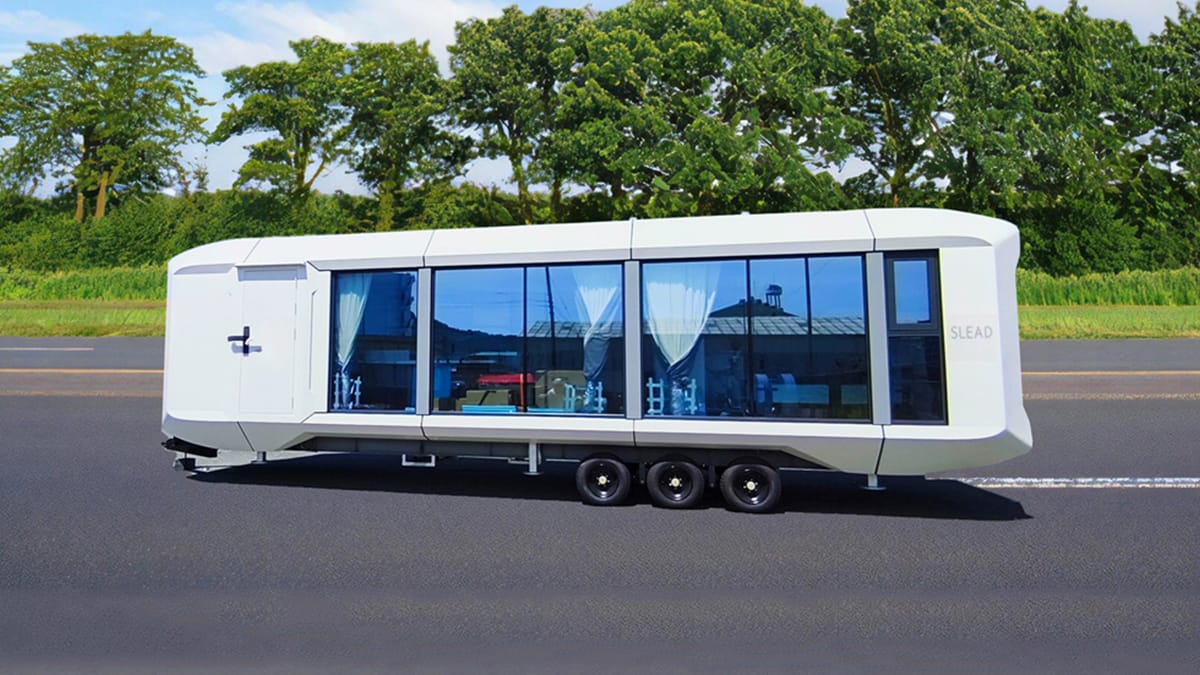 Tiny Homes On Wheels: Mobility
You get a lot of freedom with tiny homes on wheels. You can hitch your house to a truck and drive to a new spot whenever you want. This high level of mobility makes it easy to explore new places or move for work. Some people love the idea of waking up in the mountains one week and by the beach the next. Tiny homes offer great transportability, but you need to follow state laws. For example, Washington and Oregon let you use park model tiny homes as accessory dwelling units. In New York City, strict rules make it almost impossible to park a tiny home on private property. Tiny home communities in different states have their own rules, so you should check before you move.
Mobile Homes: Relocation
Mobile homes can move, but not as easily as tiny homes. You usually need a professional moving company to relocate a mobile home. Most owners keep their mobile homes in one place for years. Moving a mobile home costs more money and takes more planning. You might need permits and help from experts. The process is not quick, so you should think carefully before you decide to move your mobile home.
Parking & Living Options
You have several choices for parking and living in both tiny homes and mobile homes. Here are some common options:
- RV parks
- Long-term agreements with property owners
- Rural properties
Tiny home communities offer lots with utilities, making it easier to settle in. Each state has different laws about where you can park and live. You should always check local rules and talk to landowners before you move your home. Sometimes, finding a spot can be tough, so plan ahead.
Tip: Research local laws, talk clearly with landowners, and get ready for challenges when you look for a place to park your home.
| Step | What You Should Do |
|---|---|
| 1. Research | Learn about local laws and rules |
| 2. Communicate | Talk with landowners or park owners |
| 3. Prepare | Expect some challenges |
You can enjoy a flexible lifestyle if you know the rules and plan your move well.
Legal & Zoning
Building Codes
You should learn about building codes first. Mobile homes must follow HUD rules. These rules keep your home safe and strong. Tiny homes on wheels do not always follow these rules. Some tiny homes use RV or local codes. The rules can change a lot by location. If you want to move your tiny home often, you may need special safety rules for travel.
Zoning Rules
Zoning rules tell you where you can put your home. Some cities allow tiny homes, but others have limits. Here is a table showing how some places handle tiny homes:
| City | Zoning Regulation Description |
|---|---|
| Portland | Allows tiny homes in all residential zones. |
| Los Angeles | Confines tiny homes to designated areas. |
| Monroe County, Florida | Permits tiny homes only in certain rural zones. |
You should check local zoning laws before you buy land or move. In some places, you can park a tiny home in your backyard. Other places only let you park in special parks or rural areas.
Insurance & Registration
Insurance is important for both types of homes. Here are the main types you might need:
- Mobile Home Insurance: Made for mobile homes, needs a title, and works for homes on a foundation or tied down.
- RV Insurance: Covers homes with wheels, includes auto liability, and adds extra coverage if you live in it full-time.
- Tiny Home Insurance: Often uses a homeowner policy, but the rules change if your home is on wheels or a foundation.
Where you live and how you use your home can change insurance costs. If you travel with your tiny home, RV insurance protects you on the road. For registration, each state has its own process. For example, California asks you to register your tiny home or mobile home with the DMV or the Department of Housing and Community Development. In Maine, you can title a tiny house as a camp trailer. Washington lets you live in a tiny house on wheels if it meets local codes.
Tip: Always check your state’s rules for insurance and registration before you move your home.
Environmental Impact
 Energy Efficiency
 Energy Efficiency
You may wonder how much energy your home uses. Tiny homes on wheels use less energy than mobile homes. They are smaller, so you heat and cool less space. Many tiny homes have thick insulation and double-pane windows. Some owners put solar panels on their tiny homes. Mobile homes are bigger, so they use more electricity and gas. Mobile homes have gotten better over time. But their size means they still need more energy. If you want to save money and help the planet, tiny homes make it easier.
| Feature | Tiny Homes on Wheels | Mobile Homes |
|---|---|---|
| Average Size | 100–400 sq ft | 500–3,000 sq ft |
| Energy Use | Low | Moderate–High |
| Solar Panel Option | Common | Less Common |
Tip: Pick a tiny home with smart features to lower your energy bills.
Sustainability
You may care about how your home affects the earth. Tiny homes on wheels focus on sustainability and environmental impact. Builders use eco-friendly materials like recycled wood and metal. Tiny homes use less energy and fewer resources. Many have water-saving faucets and rainwater collection systems. Some tiny homes work off-grid with composting toilets and other heating options. Mobile homes use more materials and energy because they are bigger. Mobile homes have improved, but tiny homes still use less.
Common sustainability features in tiny homes on wheels:
- Small carbon footprint
- Sustainable building materials
- Energy-efficient designs
- Solar panels for clean energy
- Water-saving fixtures
- Off-grid capabilities
Waste Management
You need a good way to handle waste in any home. Tiny homes on wheels use creative waste systems. Many owners install composting toilets that turn waste into soil. Some tiny homes reuse water from sinks and showers with gray water recycling. If you live far from cities, you might need a septic system. Septic systems can cost a lot of money. Mobile homes connect to city sewage or septic tanks. These systems are easier but not as flexible.
Waste management options in tiny homes:
- Composting toilets
- Gray water recycling
- Black water storage tanks
- Septic systems (in rural areas)
If you want to live off-grid or lower your impact, tiny homes give you more choices for waste.
Lifestyle Fit
Minimalist Living In Tiny Homes
You may like living with less stuff. Tiny homes help you keep only what you need. This way of living gives you more freedom. You can move your home to new places. Many people pick tiny homes to live simply and have less clutter. You can live off the grid in a tiny home. You might use solar panels and collect rainwater. A small space can feel peaceful. Tiny homes mean lower bills and less cleaning. You may find it easy to travel or change where you live.
Community Living In Mobile Homes
Mobile homes are often in parks with lots of neighbors. You see people every day, but parks do not always build strong friendships. You might talk to neighbors, but close bonds are rare. Tiny home communities are different. They help people share and make friends. These places have gardens or spaces for everyone. You can meet others who like simple and green living.
- Mobile home parks let you meet people but have less teamwork.
- Tiny home communities help people work together and connect.
- Shared areas in tiny home communities help you find friends.
Pros & Cons
You should think about the good and bad before you choose. Here is a quick table:
| Pros | Cons |
|---|---|
| Tiny homes let you move easily and tow them. | Tiny homes have little space, so storage and parties are hard. |
| Tiny homes help you save money and live simply. | Towing a tiny home needs a strong truck and planning. |
| Mobile homes give you more room to live. | Mobile homes do not move much and have more rules. |
Tiny homes are flexible and better for the planet. But they are small and need careful planning to move. Mobile homes have more space but less freedom. Think about what you want most before you decide.
Choosing Your Best Option
Factors To Consider
You have a lot to think about before you pick a mobile home or a tiny home on wheels. Each choice has its own pros and cons. Here are some things you should look at:
- Size and weight of the trailer: This matters if you want to move your home. A heavy trailer needs a strong truck.
- Tow vehicle requirements: Make sure your car or truck can pull the home safely.
- Tow capacity: Check if your vehicle can handle the weight. Moving a tiny home is easier if you have the right setup.
- Off-grid potential: Some tiny homes let you live off-grid. You can use solar panels or composting toilets for a greener life.
- Parking: Not every campground or city lets you park a tiny home on wheels. Always research where you can stay.
- Cost: Tiny homes usually cost more per square foot because they use better materials and let you customize more. Mobile homes cost less up front because they are made in large numbers.
You should write down your needs and compare the pros and cons for each option. This helps you see what matters most to you.
Matching Needs & Goals
Think about your lifestyle and what you want from your home. If you want to save money and avoid big house payments, a tiny home on wheels can help you reach that goal. You can spend less on housing and use your money for travel or hobbies. Tiny homes give you the freedom to move and explore new places. You get to keep the comforts of home while living simply.
Mobile homes work well if you want more space and a steady place to live. They offer more room for families and feel like a regular house. You may like the sense of community in a mobile home park.
Ask yourself these questions:
| Question | Tiny Home on Wheels | Mobile Home |
|---|---|---|
| Do you want to move often? | Yes | No |
| Is saving money your top goal? | Yes | Sometimes |
| Do you need lots of space? | No | Yes |
| Do you want to live off-grid? | Yes | Not usually |
Every choice comes with pros and cons. Tiny homes offer flexibility and a simple life, but you must plan for parking and towing. Mobile homes give you more space and stability, but you lose some freedom to move. Take time to match your needs and goals to the right home.
You have learned the big differences between mobile houses and tiny homes on wheels. Here is a short summary to help you choose:
- Tiny homes cost more for each square foot. They use less energy and take up less space.
- Mobile homes give you more space and comfort. But they are not as easy to move.
- Tiny homes are good for people who like simple living. Mobile homes are better if you want more room.
Think about what is most important to you. Is it price, moving your home, or how you want to live? Check the local rules before you decide. Look at zoning laws, building codes, and permits in your area. You can also visit different communities. This helps you see which home is best for you.
FAQ
Can you live in a tiny home on wheels full-time?
Yes, you can live in a tiny home on wheels all year. You need to check local laws first. Some places allow it, but others do not. Always ask about zoning and parking rules before you move in.
How hard is it to move a mobile home?
Moving a mobile home takes planning. You need a professional mover and special permits. It costs more than moving a tiny home. Most people keep their mobile homes in one place for many years.
Do tiny homes on wheels need insurance?
Yes, you need insurance for your tiny home on wheels. Many owners get RV insurance. Some companies offer special tiny home policies. Always ask your agent what coverage works best for you.
What utilities do tiny homes on wheels use?
Tiny homes on wheels use water, electricity, and sometimes propane. You can connect to city utilities or use solar panels and water tanks. Many owners choose composting toilets to save water.
Can you finance a tiny home on wheels?
You can finance a tiny home on wheels with a personal loan or RV loan. Some builders offer payment plans. Banks do not always give mortgages for tiny homes, so check your options before you buy.